In this episode, DLS co-founder Katy Derbyshire introduces us to a woman from the past who probably would have been overlooked if she hadn’t documented her life in such a painstaking fashion — on request. As a domestic servant in Victorian England, Hannah Cullwick should have led a rather ordinary existence for her time. But her involvement in a very unconventional relationship means that we know quite a lot about her work and life, and much, much more.
Presenter Katy Derbyshire is not just our co-founder, she’s also a notable translator, publisher, and book enthusiast. Katy’s imprint, V&Q Books, has a brand new book out that she compiled and edited. It’s called Berlin Babel, and it’s a collection of short stories about the city from a rich array of international voices. Do check it out at this link if you like!
Show notes:
Aqualate Hall
Victorian scullery then……and now
Hannah’s first photo
Young Arthur MunbyArthur later
Hannah flexing
Working
In her dirt
A similar court to Arthur’s address
Dressed up as a “lady”, concealing her hands
The last photo
To find out more, read the diaries or Diane Atkinson’s Love & Dirt.
The Dead Ladies Show was founded by Florian Duijsens and Katy Derbyshire. The podcast is created, produced and edited by Susan Stone.
Our theme tune is Little Lily Swing by Tri-Tachyon. We will be back again next month with another fabulous Dead Lady.
In this episode, DLSP host Susan Stone brings us the story of Austrian architect Margarete Schütte-Lihotzky, famous for inventing the Frankfurt Kitchen, which modernized one of the most important rooms in the home. Driven by her aesthetic mission and her politics, Schütte-Lihotzky designed humanitarian housing, kindergartens, schools, and more during her over 100 years of life, which included stints in the Soviet Union and a Gestapo prison.
DLS co-founder Katy Derbyshire is on hand to help with the introducing duties.
Show notes:
That defining kitchen
Young Margarete (left)
Grete as a student, 1919
The kitchen dancePlans
Fly-repellent blue
Grete with the gang at the Frankfurt construction office
And with Wilhelm Schütte, possibly more fun
Soviet new town Magnitogorsk…
…and some of Grete’s designs for children’s furniture
In Istanbul. Grete was fond of a balcony.
Gestapo arrest photos
Liberated! In Sofia
A Vienna kindergarten designed by Grete, with plenty of fresh air
Protesting the Vietnam War, Vienna
On her own beautiful balcony, open to visitors on Tuesdays and Fridays
If you want to find out more, Susan recommends this book:
For more Dead Lady content, why not join us on Patreon? Over at patreon.com/deadladiesshowpodcast we bring you special Dead Lady features each month. In August, Susan is talking about the sphinx of fashion, Madame Grès, and what we owe people from history who liked to keep their private lives private. You can support us with as little as 2 dollars or euros a month, or even become a free member if you like – and enjoy access to some of our archive.
The Dead Ladies Show was founded by Florian Duijsens and Katy Derbyshire. The podcast is created, produced and edited by Susan Stone.
Our theme tune is Little Lily Swing by Tri-Tachyon. We will be back again next month with another fabulous Dead Lady. Thanks for listening!
In this episode, DLS co-founder Florian Duijsens introduces us to a woman of many lives, many careers, and many misadventures. Victoria Woodhull worked a clairvoyant and faith healer, she opened a financial firm on Wall Street, she started a newspaper, campaigned for women’s and worker’s rights, and ran for President — all in late 1800s USA.
DLS co-founder Katy Derbyshire joins host/producer Susan Stone to introduce our new season.
Show notes:
Victoria making the case for women’s right to vote
Not quite running partners: Victoria Woodhull and Frederick Douglass
The young Victoria
Victoria, her first husband (Canning Woodhull), and their two children, Zulu Maud and Byron
Col. James H. Blood, Victoria saw their “futures linked and destinies bound by the ties of marriage!”
This early form of birth control would be soaked in vinegar.
Victoria at 30Tennessee at 23
Tennie wore a man’s jacket when she became a broker.
“Progress! Free Thought! Untrammeled Lives!”
“Get thee behind me, (Mrs.) Satan!”
The hateful former compulsive masturbator Anthony Comstock satirized in cartoons
In London, Victoria boldly reinvented her entire history, marrying a very eligible bachelor, John Biddulph Martin.
Tennie married even more successfully, ending up Lady Cook, with this gorgeous palace in Sintra, Portugal.
For more Dead Lady content, why not join us on Patreon? Over at patreon.com/deadladiesshowpodcast we bring you special Dead Lady features each month. In the newest, Katy and Susan are talking about Ruth Ellis, the last woman to be executed in the UK. It’s really a fascinating and tragic story, and an important one. You can support us with as little as 2 dollars or euros a month, or even become a free member if you like – and enjoy access to some of our archive.
The Dead Ladies Show was founded by Florian Duijsens and Katy Derbyshire. The podcast is created, produced and edited by Susan Stone.
Our theme tune is Little Lily Swing by Tri-Tachyon. We will be back again next month with another fabulous Dead Lady. Thanks for listening!
In this episode, we meet Alice Guy, a woman of filmmaking firsts. She was truly inspired by the moving image in its earliest form, and her innovations changed film and entertainment forever. She became the first filmmaker to incorporate narrative, certainly the first woman director, and probably the only one until 1906. After moving to the US, she was then the first woman to own a studio, in the pre-Hollywood moviemaking hub of Flushing, New York. Few of her films have survived, but her legacy is lasting.
Berlin-based, Australian-born writer and editor Alina Hoyne tells Alice’s story, while DLS-cofounder Katy Derbyshire and host/producer/host Susan Stone are on hand to do the introducing.
Show notes:
Alice Guy working with a chronophone
Equine content
Young Alice
A good job
Cabbage patch kids, a later iteration of Alice’s first film
Alice cross-dressing in the middle, playing the husband
With baby Simone
Alice in the press
No overacting!
Matrimony’s Speed LimitA House Divided
Yes, there is an Alice Guy postage stamp
For even more Dead Ladies, we have a Patreon for you! Each month there’s a special Dead Lady segment – sometimes we’re discussing books, or films, or giving a preview of upcoming featured Dead Ladies. This month there’s a sort of a travelogue from Prague where Susan writes about several different Czech artists.
You can support us there and enjoy the exclusive bonus content by making a small monthly donation, or as a free member — Find it at patreon.com/deadladiesshowpodcast
The Dead Ladies Show was founded by Florian Duijsens and Katy Derbyshire. The podcast is created, produced and edited by Susan Stone.
In this episode, we meet Una Marson, a Jamaican writer, journalist, and radio producer, who shared her talents and voice in poetry, plays, and on the BBC, after her ambition took her to London in the 1930s. She described as the first Black feminist to speak out against racism and sexism in Britain. We know little about her life post-1945, when she returned to Jamaica and continued writing poetry and fighting discrimination – but a recent rediscovery in the UK has led to a TV documentary and a library named in her honor.
DLS co-founder Katy Derbyshire tells Una’s story, and joins host/producer Susan Stone to set the scene.
Show notes:
Una at the centre
Una at the mic
SchoolWork
Sites from Una’s life
Some of Una’s writing
Poetry
Una in London
Remembering Una Marson in the UK
Part of Rosa-Johan Uddoh’s excellent audio work Una’s Voice. Listen to it next!
Hey friends in Berlin! Write this date on your calendar — June 7th. We will host our classic bilingual live show on a Sunday night, so save the date. Follow us on social media @deadladiesshow, or sign up to our newsletter at this link: https://deadladiesshowberlin.beehiiv.com/ to stay informed about live events.
You can get even more Dead Lady content, and help support us, by becoming a Patreon member at patreon.com/deadladiesshowpodcast ! Our members get access to our premium audio and written content where we talk about Dead Lady books, music, and more, and sometimes we offer a sneak preview of Dead Ladies we’re going to feature in the future —we talked about Una Marson there last year. Memberships starting at 2 euros or 2 dollars and it really gives us moral as well as a little financial support. You can also follow our content there for free! Thanks for supporting us and sharing us with others!
The Dead Ladies Show was founded by Florian Duijsens and Katy Derbyshire. The podcast is created, produced and edited by Susan Stone.
We kick off Season Nine of the podcast by meeting a woman who could be called the godmother of true crime.
Producer/host Susan Stone tells the story of F. Tennyson Jesse, an English journalist, criminologist, and writer. The daughter of a vicar who dragged the family around the British empire, she trained as a painter before moving to London in 1911. Journalism beckoned, but she was not put off by losing the use of her right hand in a plane accident, learning to type left-handed. Known as Fryn to her friends, she reported from the ground during World War I and published fiction, before moving into criminology and true crime writing. Her 1924 book Murder and its Motives set out six basic motivations for killing, a very influential theory, and she wrote about several of the most notorious crimes in the first half of the 20th century. Fryn also had a rather dramatic private life thanks to her doctor-turned-playwright husband Tottie, who kept their marriage secret for several years.
DLS co-founder Katy Derbyshire joins Susan to introduce our new season.
Show notes:
The chilling case of the murders at 10 Rillington Place
F. Tennyson Jesse aka Wynifried Margaret Jesse aka Fryniwyd Jesse aka Fryn Harwood as an adorable child
Portrait by Dame Laura Knight, painted circa 1910, sold at auction in 2023 for £20,500
Fryn in 1912
H.M. Harwood aka Harold Marsh Harwood aka Tottie
Tottie and Fryn as a (secretly) married couple
1919’s The Misleading Widow, based on their 1917 play, Billeted
Fryn and her beloved pets
A Pin to See the Peepshow would be her most popular book (and a favorite of Dorothy L. Sayers!); it was based on the Thompson–Bywaters murder case.
Roger Moore starred in the Broadway version of Pin in 1953
Al Hirschfeld’s drawing of Pin‘s cast, signed by Moore
If you want to know more about Fryn, check out her secretary’s Joanna Colenbrander’s meandering A Portrait of Fryn and Kate Summerscale’s The Peepshow: The Murders at 10 Rillington Place.
It’s our last episode of 2025, and the final episode of Season 8! Susan, Katy and Florian meet up to toast the end of another season, and of course to clink glasses in honor of our featured Dead Lady, Eileen Agar.
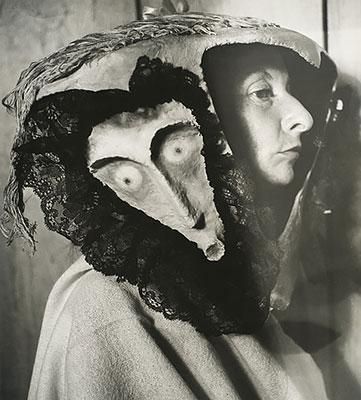
Eileen Agar was the sort of artist who looked at a hat and thought, What if it grew feathers, sprouted seashells, and started whispering secrets to strangers? Born in Buenos Aires and raised in Britain, Agar was a painter, collagist and sculptor with a delicious taste for the absurd. She danced on the edges of Surrealism—sometimes elbowing her way in, sometimes pirouetting just out of reach—and exhibited alongside the likes of Dalí and Ernst, though she never let their mustaches overshadow her own wildly imaginative vision. DLS co-founder Florian Duijsens brings us her story.
Show notes:
Young EileenYoung Eileen
Eileen’s mother in a hat
Eileen did love a snake
An early self-portrait
South of France: good light, good wine
FrontSideBack
An early object, “poor Robin’s skull”
The clock above the mantelpiece
Autobiography of an embryo
Working
Angel of Anarchy, mark I (now lost)Angel of Anarchy, mark II
Want to give the gift of Dead Ladies? Why not choose a gift subscription to our Patreon? Or maybe you yourself need even more Dead Ladies in your life? Patreon members get exclusive episodes of our Dead Lady Book Club, where we chat about books, ideas, music and more — by and about Dead Ladies. And, of course, check out our year-end holiday edition, where we toast the ladies we lost in 2025. For just a couple of dollars, pounds or euros a month, you can support our work and join in the fun. Check it out at patreon.com/deadladiesshowpodcast
This time around we head back to New York to hear about Italian antifascist Carla Capponi. Professor Suzanne Cope, author of WOMEN OF WAR: The Italian Assassins, Spies and Couriers Who Fought the Nazis brings us Carla’s lively tale, which is full of bombs, intrigue, and bravery. DLS co-founder Florian Duijsens joins host/producer Susan Stone to introduce the talk.
Here’s Carla on the cover of Suzanne’s book (left): don’t smoke!
And here she is in good company, inside the book.
Carla’s fancy Roman apartment building, just to the right of Trajan’s Column
Nazis in Rome
Here’s Carla (center, kneeling) with some fellow gappisti
Via Rasella, where “Elena” planned a major attack
Celebrating Rome’s liberation
Carla later in life
And here’s Carla herself, talking Italian.
You can purchase Suzanne’s book and support our show on US Bookshop here and at Bookshop UK here.
Thanks to the team at Dead Ladies NYC for sharing this presentation with us: Molly O’Laughlin Kemper, Sheila Enright, Christopher Neil and the KGB Bar’s Lori Schwarz. Find out about their ongoing shows via their newsletter: https://deadladiesshow.substack.com/
Our next live show in Berlin will be in ACUD on December 12th. It’s going to be an all-English show, and the featured ladies are Victoria Woodhull, Alice Guy, and F. Tennyson Jesse. Get tickets now here: https://tinyurl.com/DLSTix1212
Need even more Dead Ladies in your life? Become a member of our Patreon and get exclusive episodes of our Dead Lady Book Club, where we chat about books, ideas, music and more — by and about Dead Ladies. And, of course, our year-end holiday edition, where we toast the ladies we lost in 2025. For just a couple of dollars, pounds or euros a month, you can support our work and join in the fun. Check it out at patreon.com/deadladiesshowpodcast
Thanks for listening! We will be back again next month with another fabulous Dead Lady.
We’re back with a delightful episode about Betty Mae Tiger Jumper, the first female chief of the Seminole Tribe of Florida. Host Susan Stone dives deep into the history of the Seminole Indians and Betty Mae’s unusual life and times, via a talk recorded in front of a live audience in Berlin. As a mixed-race child, Betty was ‘born a crime’ according to Seminole medicine men, but she endured to lead her community as a nurse, journalist, leader, and a storyteller.
DLS co-founder Katy Derbyshire joins host/producer Susan Stone to introduce the talk.
Betty Mae Tiger Jumper’s grandfather (left) and other relatives (right)
Her mother Ada working at a tourist camp, depicted on a postcard
Before and after starting school
With her grandmother Mary Tustenuggee Tiger, 1945
Nursing training
Betty Mae on her own postcardAlligator wrestling as a tourism attractionThe headline says it all: Betty and Alice as co-editorsMiami News racking up the offensive ideas, 1967With the tribe’s first flag and Joe Dan OsceolaTelling stories, 1991
BINGO!
Get those cheese fries – the money goes to the Seminoles
Remembering Betty Mae Tiger Jumper
Betty’s books!
As mentioned, DLS NYC will co-host a special autumn walking tour in Brooklyn’s Green-Wood cemetery on October 25th. Info here: https://tinyurl.com/GreenWoodDLSNYC
The family and friends discount mentioned is: code 2025DEADLADIES10 for $10 off your ticket. And here is a link to sign up for the DLS NYC newsletter: https://deadladiesshow.substack.com/
Here in Berlin, our next show will be on December 12th, so please save the date, and sign up for our newsletter to get early access to tickets: https://deadladiesshowberlin.beehiiv.com
Need even more Dead Ladies in your life? Become a member of our Patreon and get exclusive episodes of our Dead Lady Book Club, where we chat about books, ideas, music and more — by and about Dead Ladies. For just a couple of dollars, pounds or euros a month, you can support our work and join in the fun. Check it out at patreon.com/deadladiesshowpodcast
In this episode, we hear a bit of our lovely 10th anniversary show in Berlin, and DLS co-founder Katy Derbyshire gives us the rundown on Caroline of Brunswick, who was officially queen of the United Kingdom and Hanover for three whole weeks before she died in 1821, long-estranged from her horrible husband, her cousin King George IV. They had separated shortly after the birth of their only child, and Caroline’s access to her daughter was restricted. She later moved to Italy, celebrated the right to bare arms, and lived with a handsome secretary, prompting huge amounts of gossip and countless caricatures. When George ascended to the throne, Caroline tried to cash in on her popularity and become queen, but she was literally locked out of the coronation.
Less fun: defending herself before the House of Lords
Caroline later in life
Two excellent books for finding out more:
Our next live show in Berlin will be on September 14th at 7pm in ACUD so please save the date! Subscribe to our newsletter to keep informed here: https://deadladiesshowberlin.beehiiv.com
If you’re in the New York area you won’t want to miss Dead Ladies NYC and their cavalcade of bad girls on July 5th. Find out more here: https://deadladiesshow.substack.com and here: @deadladiesnyc
In this episode, we hop over to New York to encounter our Dead Lady of the hour, May Ziadeh, a Lebanese-Palestinian poet, writer, translator, and feminist, whose work explored themes of love, identity, and the liberation of women. Books were her beloved companions throughout her life, and proved more steadfast than people. May began writing at an early age, started an important literary salon, and had moments of fame, but is perhaps better known for the years of isolation and tragedy that marked her life. She deserves more. May wrote in her diary: “After my death, I hope that someone will do me justice and find the sincerity and honesty contained in my small writings.”
Our presenter is Rosana Elkhatib, a designer, researcher, and curator. She is a co-founding principal of feminist architecture collaborative f-architecture and has taught at Columbia University’s Graduate School of Architecture Planning and Preservation.
DLS co-founder Katy Derbyshire joins host/producer Susan Stone to introduce the talk.
Thanks to the team at Dead Ladies NYC for sharing this presentation with us: Molly O’Laughlin Kemper, Sheila Enright, Christopher Neil and the KGB Bar’s Lori Schwarz.
If you’re in New York and want to see the show live, stay up-to-date with Dead Ladies NYC via their newsletter here: https://deadladiesshow.substack.com/
Need even more Dead Ladies in your life? Become a member of our Patreon and get exclusive episodes of our Dead Lady Book Club, where we chat about books, ideas, music and more — by and about Dead Ladies. For just a couple of dollars, pounds or euros a month, you can support our work and join in the fun. Check it out at patreon.com/deadladiesshowpodcast
In this episode of our podcast, DLS co-host Florian Duijsens tells us about journalist, writer, and witness to history Dorothy Thompson. As a foreign correspondent in Germany, she was among the first to caution against the growing tides of fascism, warning urgently against the Nazis and Hitler. Unfortunately, the world didn’t listen. Dorothy continued to speak out throughout her life, and during her career peak, was read and heard on the radio by millions.
Her personal life at times also made the news — she was married to Pulitzer Prize-winning author and alcoholic Sinclair ‘Hal’ Lewis but was also less openly involved with German-Hungarian novelist, playwright and sculptor Christa Winsloe, the author of the notorious girl’s boarding school lesbian story which became Mädchen in Uniform, an even more notorious film starring Dead Lady Romy Schneider.
Katy Derbyshire, our other DLS co-founder joins host/producer Susan Stone to introduce the story.
Read the New York Times article on the work of Cincinnati’s pioneering Social Unit during the influenza epidemic here.
Dorothy at home with her first husband, Joseph Bard
The chief of her newspaper’s Berlin bureau, reclining
Sinclair Lewis (aka Red or Hal) was a love-bomber – and Dorothy’s second husband.In Moscow, finally
The newlyweds and their honeymoon caravan
Dorothy and Hal’s home in Vermont is now a fancy resort.
Dorothy looking gorgeous
Christa Winsloe holding a dog at the fateful winter holiday in SemmeringTraveling with young Michael in 1935
You can watch an interview with Dorothy about her expulsion from Germany on the Facebook page of the Holocaust museum.
By 1937, Dorothy was one of the first women on American radio.
In 1941, Dorothy wrote her eerily resonant Harper’s article “Who Goes Nazi?” You can watch a documentary Dorothy wrote about her war-time farming initiative here (it was partly shot at her home in Vermont).
Katharine Hepburn and Spencer Tracy parodied Dorothy’s marriage to Sinclair Lewis.
A restored version of the first documentary of Palestinian refugees, introduced by Dorothy
If you want to know more about her, look no further than Peter Kurth’s massive biography, American Cassandra, not in print, but available as an eBook, her friend Vincent Sheean remarkable collection of her letters and diaries, Dorothy & Red, very out of print, and Deborah Cohen’s Last Call at the Hotel Imperial, on the American foreign correspondents of WWII (withEmily Hahn cameos!).
You can find NPR’s recent feature on Dorothy Thompson here. And Florian is excited about the new German biography by Karina von Tippelskirch coming in October!
Thanks for listening! We will be back next month with another fabulous Dead Lady.
We’re back with Season Eight of the Dead Ladies Show Podcast!
In this episode, DLS co-founder Katy Derbyshire brings us the story of Boudica, an ancient British queen who fought the Romans. Though she led her Iceni tribe in a rebellion, the Romans prevailed, but wrote a fair bit about her in the history books.
In her afterlife, Boudica became a mascot for the suffragettes but also co-opted as a symbol for all things British; also, Enya wrote a song about her.
DLS co-founder Florian Duijsens joins producer/host Susan Stone to set the stage.
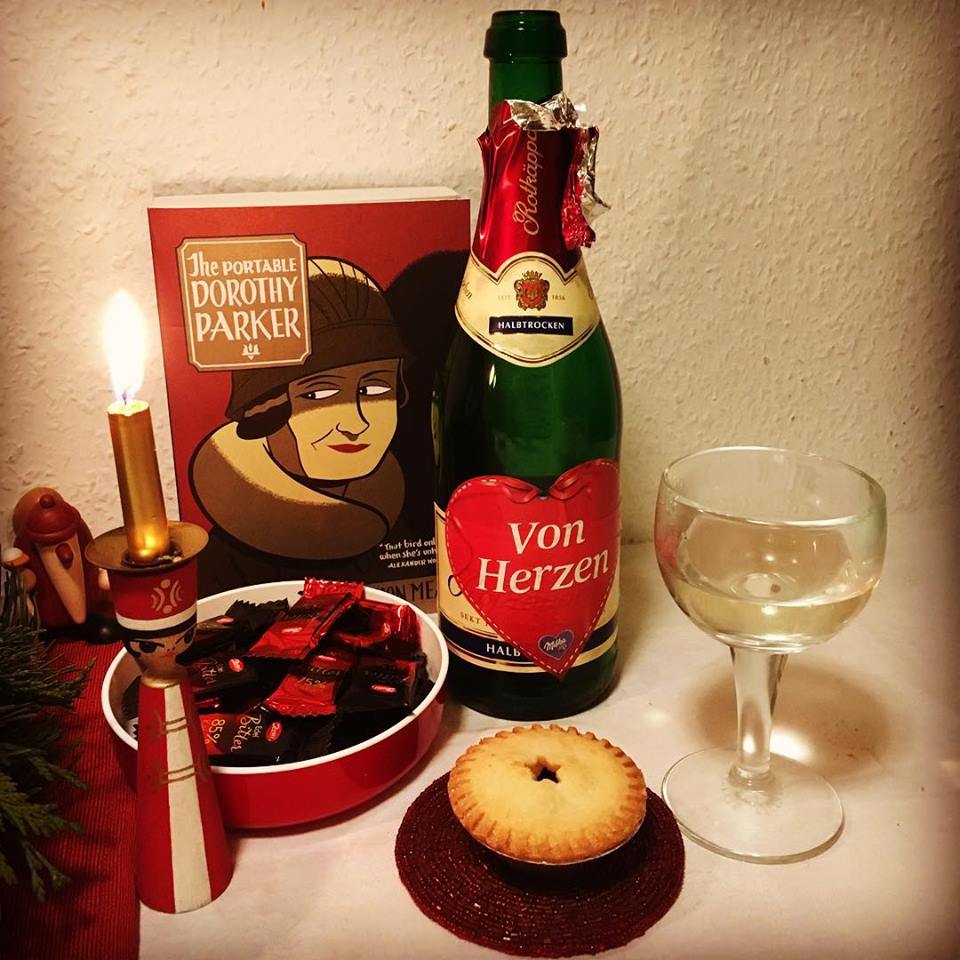
It’s our last episode of Season Seven, and our last episode of 2024, which means it’s Rotkäppchen time! Join us as we toast to Dead Ladies with German fizzy wine, and hear the story of another fabulous woman.
DLS cofounders Katy Derbyshire and Florian Duijsens join the party as we get ready to hear the story of writer Paula Fox. As Florian explains, this talented author’s personal plot twists and turns include a stint as foreign correspondent, receiving a baby alligator in the mail, writing award-winning children’s books and a novel adapted for a film starring Shirley MacLaine, oh—also being Courtney Love’s grandmother (but not knowing that for decades).
Want to hear our end of year review and our Dead Lady gift list chat? This time it’s exclusive on Patreon, but you can join up starting at only $2 or 2€ and get access to all our special content past, present, and future. You can also gift (or request) a subscription to the Dead Ladies Show by following this link.
We can tell you this already: we will be live in Berlin on February 16th and May 13th, when we celebrate our 10th anniversary of the Dead Ladies Show in Berlin! Save the date, dears!
If you’re in NYC, go see our pals Dead Ladies Show NYC on January 16 at the KGB Bar Red Room. Find out more from them on Instagram @deadladiesnyc or join up for their newsletter if you like here.
We’d also be pleased as punch if you follow us on social media @deadladiesshow where we share pictures and info about all of the wonderful Dead Ladies we’ve covered so far. You can also drop us a line via info@deadladiesshow.com and we’re on BlueSky too!
In this episode we hear a story that feels sadly relevant—a miscarriage of justice. Anna Göldi was the last woman to be legally executed after being accused of witchcraft in Switzerland, in 1782; just seven years before the French Revolution, and a century after witch trials were rampant in Europe (as well as infamously in Salem, Massachusetts). Anna came from a poor family, and worked as a maid in various households, but she was also an independent and freethinking woman. In 1781 she was looking after a young girl who allegedly began spitting up pins and nails.
Her wealthy employers accused her of witchcraft, and she was tortured until she admitted being in league with the devil. Anna Göldi was sentenced to death by decapitation for poisoning, even though the girl had not died. Not until 2007 was her case reevaluated and her name cleared. There’s now a museum, several podcasts, films and books that cover Anna’s life and story. DLS co-founder Katy Derbyshire tells it for us, and host/producer Susan Stone and our other co-founder Florian Duijsens come along to set things up.
Wedding party looks like fun; the subsequent trial and penalty less so.
Glarus back then
A woman operating a mechanical loom, in development during 1780s
Masha Karrell in the Anna Göldi musical
Dr Tschudi’s house in Glarus, now the Anna Göldi Museum
The wanted notice
The pins as illustrated in the new media
Cornelia Kempers in Gertrud Pinkus’s Anna Göldi feature film
Two German books about Anna: the novel (left) by Eveline Hasler and one of several excellent non-fiction books by Walter Hauser, who campaigned for her rehabilitation.
The Dead Ladies Show is a series of entertaining and inspiring talks about women who achieved amazing things against all odds, presented live in Berlin and beyond. This podcast is based on that series. Because women’s history is everyone’s history.
The Dead Ladies Show was founded by Florian Duijsens and Katy Derbyshire.
The podcast is created, produced, edited, and presented by Susan Stone.
In this episode, Rachel Pronger of the Invisible Women film collective brings us the story of iconoclastic Czech film multi-talent Ester Krumbachová. Ester was a screen writer, costume and stage designer, author, and film director. Her work was quirky, colorful, and political, lashing out at patriarchy and authoritarianism. She had a defining influence on Czech New Wave cinema, collaborating on more than twenty movies from the early 1960s on, including the delightful Daisies and the perplexing Murdering the Devil. Her involvement in the satire A Report on the Party and Guests meant she was blacklisted from working in film by the Czechoslovakian communist party during much of the 1980s. She worked under pseudonyms, painted and made jewelry, returning to the film industry in the 1990s.
DLS co-founder Katy Derbyshire joins producer/host Susan Stone to set the scene.
Miroslav Macháček later in life – on stage and feeding a baby chimp
A still from Oldřich Lipský’s The Man from the First Century (1961), the first film Ester worked on as a costume designer
Directed by Ester’s second husband Jan Němec, Diamonds of the Night (1964) would see Ester expand her role beyond costume design into screenwriting and dramaturgy.
Němec’s A Report on the Party and Guests (1966) was based on a story by Ester.
Gorgeous posters for some films Ester would work on
Ester co-wrote and designed Witchhammer (1970), Otakar Vávra’s grimly powerful film about 16th-century witch trials (allegory!).
That same year, Ester co-wrote and designed the dazzling erotic fairytale Valerie and Her Week of Wonders (1970)
Vera Chytilová’s Daisies (1966) is a surreal anarchist romp which follows two spoiled young women, both called Marie, who scam their way around Prague, tricking men into buying them dinner and causing general chaos. Ester was a co-writer, costume designer, and creative consultant.
Ester on the set of Murdering the Devil (1969)
The trailer for the newly restored edition of Ester’s debut (and sadly only) filmEster not giving a fuck
Art and jewelry created by Ester in her troubled later years
Karen Elson wearing Ester’s jewelry in Czech Vogue
Ester and one of her beloved felines
Learn more about Ester’s work at Esterkrumbachova.org. Rachel Pronger is a freelance writer, editor and curator based in Berlin. Her writing has been published by outlets including Sight & Sound, The Guardian, MUBI Notebook, Art Monthly, Elephant Art, and BBC Culture. She is also co-founder of archive activist feminist film collective Invisible Women, and has served as a programme adviser for Sheffield DocFest, BFI London Film Festival and Aesthetica Short Film Festival.
In this episode, we’re live at PodFest Berlin! DLS co-founders Katy Derbyshire and Florian Duijsens do the introducing, while DLSP Producer Susan Stone tells us about the amazing life of Shirley Chisholm, the first Black woman elected to the United States Congress (in 1968). Four years later, Shirley was the first Black person and the first woman to run for the Democratic Party’s presidential nomination. She was known for her hard work on behalf of equal rights, introducing legislation that helped women and children, workers and the poor. Additionally, she was called the “best dressed woman on Capitol Hill” for her sharp style. Shirley’s legendary campaign slogan was “Unbought and unbossed,” and she kept the philosophy throughout her long political career. Shirley never wanted to be remembered as the “first” this or that, but as someone who fought for change and blazed a path for those like her in politics. Her legacy is undeniable.
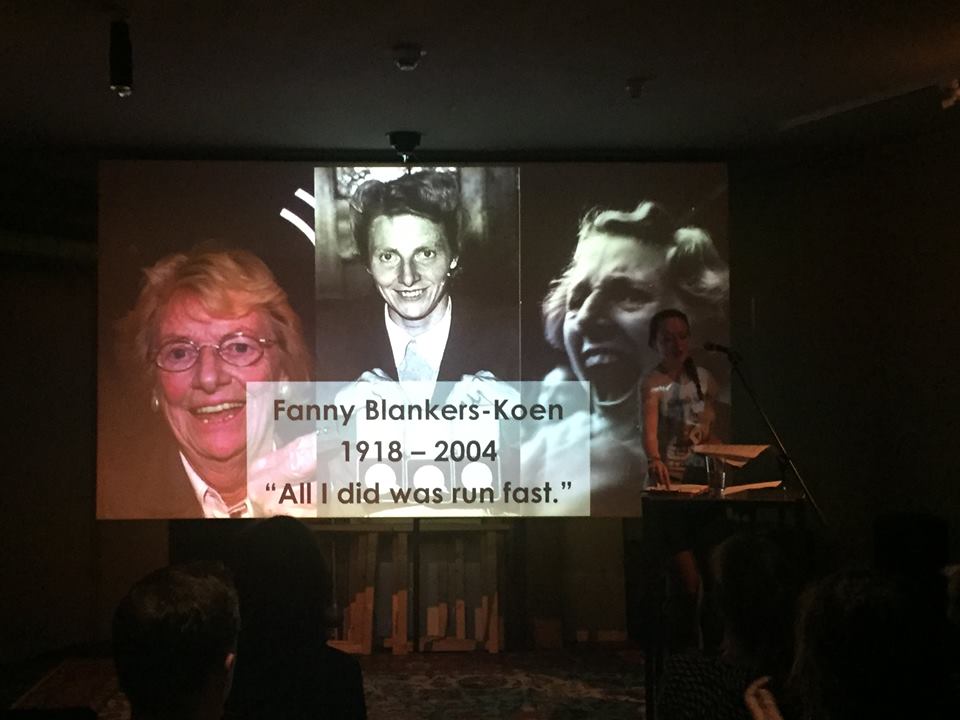
In this episode we run off to New York to get a post-Olympic sports fix! Writer and editor Sheila Enright who is both a former track and field runner and co-host of Dead Ladies NYC brings us the story of American gold medallist Wilma Rudolph.
Born into a family of 22 children in segregated Tennessee, Wilma Rudolph was diagnosed with polio at a young age and told she would never walk again. But her mother told her she would, and young Wilma decided not only would she walk, she would run! A skilled sprinter, she qualified for her first Olympics at the age of 16, bringing home a bronze medal as part of the relay team. She decided to go further, faster, and at the 1960 Olympics she set records and won 3 gold medals, being dubbed “The Fastest Woman on Earth.”
During and after her athletic career, Wilma Rudolph used her celebrity to further important causes, from desegregation to sports education for children.
Our upcoming show September 14th at 4pm at PodFest Berlin will have tickets available soon. Find out more about the event here: https://www.podfestberlin.com/
In this episode of our podcast, DLS co-founder Katy Derbyshire brings us the story of Therese Giehse, a German actor, pacifist and exile known for founding an anti-Nazi cabaret (which, really, we could all get behind these days). Therese had artistic and other adventures with her lover Erika Mann (daughter of Thomas Mann), was photographed by Annemarie Schwarzenbach, and embodied several of Bertolt Brecht’s best-known characters on stage. She also acted in movies with Vivien Leigh and previous DLS star Romy Schneider.
Born in Munich in 1898, she went against her liberal Jewish family’s expectations to train as an actor, cast as older characters even as a young woman. The Pfeffermühle cabaret started up in 1933, swiftly moving to Zürich to escape the Nazis. With Erika and Klaus Mann, Giehse toured the political show around Europe, never mentioning any names but using parables and storytelling to rip the piss out of Hitler and his henchmen.
Therese returned to Zürich in 1937, where she joined the outstanding cast at the Schauspielhaus theatre, many of them also emigrants like her. During the war, she performed in the premiere staging of Brecht’s anti-war play Mother Courage, defining the title role in what some directors have called the greatest play of the 20th century.
She went on working with Brecht and other key playwrights and directors after 1945, in Munich, Zürich and East Berlin. Therese Giehse maintained her pacifist stance throughout her life, criticizing the Vietnam War at public events. She died in 1975 and is buried with her sister in Zürich.
In this episode, DLS co-founder Florian Duijsens introduces us to Dame Miriam Rothschild, a British zoologist, entomologist, and botanist. Coming from a wealthy family (yes, those Rothschilds) with an active interest in nature, she started collecting ladybirds and caterpillars and taking a tame quail to bed with her at the age of four. During a stint of WWII codebreaking at Bletchley Park, she pressured the British government to take in more Jewish refugees, providing housing for 49 children in her own (stately) home. She then became a leading authority on fleas, with sidelines in other parasites, butterflies, and meadow restoration.
DLS co-host Katy Derbyshire joins producer Susan Stone to kick off the fun.
If you are in New York, you can see a Dead Ladies Show July 17 and September 25 at the KGB Bar’s Red Room. Find out more from them on Instagram @deadladiesnyc or join up for their newsletter if you like here.
Don’t forget we have a Patreon! This month, Florian is there telling Susan all about another Rothschild — Pannonica, Miriam’s sister, who was named for a moth, and known as the Jazz Baroness for her patronage of and friendships with musical greats including Charlie Parker and Thelonious Monk. You can join up for as little as $2 or 2 euros a month and enjoy our full archive of special features, and our eternal gratitude. Here’s the link!
We’d also be grateful if you follow us on social media @deadladiesshow where we share pictures and info about all of the wonderful Dead Ladies we’ve covered so far. You can also drop us a line via info@deadladiesshow.com
Kennedy Fraser’s Ornament & Silence: Essays on Women’s Lives from Edith Wharton to Germaine Greer is the book in which Florian first encountered Miriam. You can read her New Yorker story, delightfully titled “Fritillaries and Hairy Violets” in their archives.
Miriam’s home in Ashton Wold in all its glory
Here you can see Miriam’s “floppily uncorseted” garden in the flesh!
Miriam’s mother, Rózsika was an avid athlete and an activist on behalf of Zionism.
Miriam as an avid milkmaid
This documentary about Miriam’s sister Pannonica (by Miriam’s niece) is fascinating in and of itself, but also shows how Miriam grew up.
The British government’s Balfour Declaration, which committed them to “the establishment in Palestine of a national home for the Jewish people” was addressed to Miriam’s uncle Walter, seen below perched on a giant turtle.
Miriam’s troubled father, Charles, and the plague flea he discovered
Young Miriam was undecided on what to do with her life.
Miriam’s husband, a Hungarian water polo player who chose the name George Lane when he joined X Troop, a secret commando of exiled European Jews fighting for the British, often behind enemy lines.
A stark contrast between Miriam’s workplace at Bletchley Park and her “billet” at Mentmore Towers
Miriam spent decades studying fleas.
Marie-Louise von Motesiczky’s contrasting portraits of Miriam. You can read her very kind letter here at the Tate.
Miriam and her kids in her lab
The results of the special seed mix Miriam concocted called “Farmer’s Nightmare”
Miriam talking about her favorite things
If you’d like to know more about Miriam Rothschild, do listen to her charming Desert Island Discsepisode (better than her brother’s appearance on that same show), this episode of The Science Show from Australian radio, or check out these two books below: The Women of Rothschild: The Untold Story of the World’s Most Famous Dynasty by Natalie Livingstone and Miriam’s own, delightful Butterfly Cooing Like A Dove. And if you’d like to know more about the history of Palestine, I most heartily recommend The Hundred Years’ War on Palestine by Rashid Khalidi; if you’d like to learn more about its native plants, go see Jumana Manna’s beautiful film Foragers.
The Dead Ladies Show is a series of entertaining and inspiring talks about women who achieved amazing things against all odds, presented live in Berlin and beyond. This podcast is based on that series. Because women’s history is everyone’s history.
The Dead Ladies Show was founded by Florian Duijsens and Katy Derbyshire.
The podcast is created, produced, edited, and presented by Susan Stone.
In this episode, we take a jaunt to New York to find out about the talented and difficult Patricia Highsmith. You might know one of her most notorious characters, Tom Ripley, from your Netflix queue (the new series Ripley) or via one of the many films based on what might be Highsmith’s best-known novel, The Talented Mr. Ripley. Highsmith wrote several books that redefined the concept of the thriller, as well as one of the few stories to give a lesbian couple a happy ending.
That novel, The Price of Salt, was adapted into the 2015 film Carol, starring Cate Blanchett and Rooney Mara. It was inspired by one of Highsmith’s many obsessive relationships (or in this case, just an obsession) with women. Long a closeted lesbian, Highsmith was engaged to a man (as required by 1950s societal mores) yet aggressively seduced lady after lady.
She also wrote obsessively, was highly ambitious, and kept thousands of pages of diaries written in various languages to avoid spilling her secrets (they have been translated since her death in 1995). She was misanthropic and bigoted, and even her friends considered her unpleasant to be around, but her psychological thrillers have remained classics, partly for how they provide insight into the mind of the criminal.
The talk by writer and educator Hannah Meyer comes courtesy of our friends at Dead Ladies Show NYC. DLS co-founder Florian Duijsens was there for the event in NYC, and he joins producer/host Susan Stone to help introduce the episode.
Find Dead Ladies NYC on Instagram: @deadladiesnyc and follow Hannah Meyer @hannahrenee_m
*** NOTE: This episode’s Dead Lady had a very challenging existence, particularly when she was younger, and her story is marked by multiple incidents of violence and sexual abuse. Please use caution when listening ***
In this episode, we join forces with the Ms Informed podcast to bring you the story of Phoolan Devi.
Known as India’s “Bandit Queen,” Phoolan Devi overcame a life of poverty, illiteracy, and abuse, first as a child bride, and later enduring after being kidnapped by bandits and rising to lead the gang. She eventually became a politician, campaigning for women’s causes and the poor. Even today, Phoolan is a symbol for the anger, vengeance and injustice against women in India, as well as an inspiration for the lower classes.
Madhvi Ramani and Rina Grob told her story at a recent live DLS show in Berlin. You can read the transcript here.
DLS co-founder Katy Derbyshire joins host/producer Susan Stone to introduce this episode.
Discover the Ms Informed podcast wherever you like to listen, and here. As mentioned, Katy and Susan have done an interview with them which will appear on Ms Informed Episode 165. You can also follow them on Instagram.
Phoolan and others before surrendering to the police in 1983
Phoolan after prison
Version 1.0.0
To learn more about Phoolan Devi, check out her autobiography I, Phoolan Devi: The Autobiography of India’s Bandit Queen and Malan Sen’s India’s Bandit Queen: The True Story of Phoolan Devi, and on Phoolan’s legacy, read The Furies: Three Women and their Fight for Justice by journalist and writer Elizabeth Flock. As for Shekhar Kapur’s film Bandit Queen, you’re better off reading Arundhati Roy’s essay on the film.
Also mentioned was the Mann Deshi Foundation, a woman-founded charity that set up the first rural bank for women in India and helps women and girls in rural areas in India so that they are given a chance in life and help their communities.
Daughters of Destiny, available on Netflix, follows five girls from the Dalit class, who enter Shanti Bhavan, a school that educates the poorest children
If you are interested in attending the upcoming Dead Ladies Show at the Droste Festival in Muenster, get more details on the event here. And if you’d like to come see us in Berlin May 16th, consider subscribing to our newsletter to receive updates. Fans of the New York show can get their newsletter here.
Want to see the CBS News feature about us? You can find it linked to on our About page and pinned on our Instagram feed.
Our theme music is “Little Lily Swing” by Tri-Tachyon.
Don’t forget, we have a Patreon! Thanks to all of our current supporters! Please consider supporting our transcripts project and our ongoing work.
In this episode, we bring you…the woman known as the “Mother Theresa of Reggae!
Sister Mary Ignatius, a white Jamaican Catholic nun dedicated her life to the Alpha Boys’ School in Kingston, where she taught football, cricket, boxing, table tennis and dominoes – but most importantly, music. A lover of jazz and blues, she inspired hundreds of “wayward boys” to become professional musicians, including future Skatalites Tommy McCook and Don Drummond, trombonist Rico Rodriguez and the conductor Leslie Thompson. Without Sister Mary Ignatius, who died at the age of 81 in 2003, we might never have had reggae.
DLS co-founder Katy Derbyshire tells the story of the woman known to her young charges as “Sister Iggy.” And she joins host/producer Susan Stone to introduce this episode, the first of Season Seven of the Dead Ladies Show Podcast, and to wish you all a happy International Women’s Day on March 8th!
Our theme music is “Little Lily Swing” by Tri-Tachyon.
Don’t forget, we have a Patreon! Thanks to all of our current supporters! Please consider supporting our transcripts project and our ongoing work: www.patreon.com/deadladiesshowpodcast
In this episode, the last of Season Six, we bring you a show live from PodFest Berlin! DLS-ers Susan Stone and Katy Derbyshire joined the city’s fine and friendly podcasters at the yearly event in front of a small but perfectly formed audience.
From that event, producer Susan brings us the fascinating story of June Tarpé Mills, a comics pioneer and the first woman to create a female superhero, Miss Fury. The alter ego of socialite Marla Drake, Miss Fury wore a cursed black leopard skin and travelled the world fighting evil (mostly Nazis). She was sexy and smart, and a global hit from 1941–1951, during which she appeared in 100 newspapers, millions of comic books, and on the side of several US bombers. Then she, like her creator, largely disappeared. Decades after her death in obscurity, Mills is finally getting the recognition she deserves, from a headstone for her unmarked grave to induction into the Comic Industry Hall of Fame.
We mentioned our wonderful friend Andy Horn, who introduced us to Tarpé Mills. Read more about Andy here.
Wonder Woman debuted six months after Miss Fury (and looked very similar)
US Military World War II Bombers
Marla Drake’s pin-up
The 1947 image that caused 37 newspapers to drop Miss Fury
A hard-to-recognize Miss Fury from 1951
The picture Red took on his last assignment
Marvel: Our Love Story #14 from 1971
The gorgeous cover of the 1979 Miss Fury collection
Miss Fury appearing on the cover of 2007’s Twelve
Miss Fury’s afterlife in comics
The gorgeous 2011/2013 Library of Comics reissues of the original Miss Fury run
Miss Fury watching over the Prada runway in Milan, 2017
To learn more, check out these books, and of course the official June Tarpe Mills website
One last note — If you’d like to support us and get a bit of Dead Lady content before we come back with season seven, please check out our Patreon where we have loads of exclusive content including interviews and book reviews, and even entire Dead Ladies Show presentations that you’ll get to hear before (almost) anyone else. Thanks to everyone who already supports us there, including our new friend Rita Durant!
In this episode, we hear once again from our friends at Dead Ladies NYC. Nafisa Ferdous presents Amrita Sher-Gil, a queer, feminist, Hungarian-Indian artist, writer, and art critic who left a profound impact on art despite her untimely death. Sher-Gil was an incredibly charismatic non-conformist whose work reframed discussions on art and feminism, orientalism, and colonialism, while merging European technique and classical Indian aesthetics into something new. DLS co-founder Katy Derbyshire joins producer/host Susan Stone to introduce the story.
In this episode, we encounter the show’s very first featured geographer. Doreen Massey was a pioneer in her field. She challenged existing ideas about space, place and power, was compassionate, politically active, and hopeful.
She worked mainly at the Centre for Environmental Studies think tank, and at British early-morning TV fans’ beloved Open University – teaching students who didn’t have access to a traditional university education – and also in Nicaragua, Venezuela and South Africa. That work focused on economic geography and the geography of gender, and she spoke eloquently about place or space as “a pincushion of a million stories”. Her list of publications vies in length with her honors and awards – including a pretty impressive total of six honorary degrees.
Our talk is presented by Agata Lisiak, a professor of Migration Studies at Bard College Berlin, and a DLS regular, who has previously talked about Marie Curie and Rosa Luxemburg.
DLS co-founder Katy Derbyshire joins producer/host Susan Stone to introduce the episode, and talk a bit about the Open University, an important place for Doreen Massey and many others.
Here’s Doreen’s home town of Wythenshawe, Greater Manchester.
1930s WythenshaweAerial viewWythenshawe nowDoreen MasseyFrom St Hughes College Oxford……to the Open University, Milton KeynesImagine all those incidental encounters with academics in your own front room!Pre-internet-daddy Stuart Hall, Doreen Massey’s neighbour and collaborator
Massey enjoying various honours – but none of them have the word “empire” in their name.
New geometry of power – as coined by Massey – in poster form, VenezuelaCollaborating with artists occupying London’s Tate Modern gallery
Or why not watch her on video, talking here about London.
You can find Agata’s podcast series on Doreen Massey, Spatial Delight, wherever you like to listen, and also here, where there are additional features.
And if you’re in Berlin, you too can attend the regular Think & Drink Colloquium at the Humboldt University.
In this episode, we bring you the story of an actress whose off-screen life was as dramatic and tragic as many of the characters she portrayed. Romy Schneider was said to have the star power of Greta Garbo or Marilyn Monroe.
She is perhaps best known for her portrayal of Sissi, aka Empress Elisabeth of Austria, who she embodied in four films (some of which are still shown at holiday time every year in countries from the Netherlands to China). But though she strove to move past this very nationalistic role to play more realistic and naturalistic characters, to her chagrin she was remembered by some her whole life as “Sissi.”
A great beauty and talent, Romy was much beloved by the public for her performances, yet hounded by the press over her personal life. Our story comes from DLS co-founder Florian Duijsens, a writer, translator and educator, and devotee of tragic glamour.
Our other DLS co-founder Katy Derbyshire joins producer/host Susan Stone to introduce things, and comment on the crossover with our last episode, which featured another German-speaking screen icon, Hildegard Knef.
In this episode, DLS co-founder Katy Derbyshire has the story of a deutsche Diva — an iconic German actress and singer and best-selling author known for her glamour and scandal, her smoky voice and sweeping false eyelashes. Hildegard Knef was also an unreliable narrator and a serial fabulator who was alternately loved and hated in her homeland.
Producer/host Susan Stone is joined by other DLS co-founder Florian Duijsens to introduce our featured Dead Lady.
Hildegard Knef with Hollywood mentor and fellow Schönebergerin Marlene Dietrich
Does this teenager need a nose job?
Heike Makatsch as Hilde and Anian Zollner as Ewald von Demandowsky in the 2009 biopic Hilde
Top billing in not only her first movie, but post-war Germany’s first movie, The Murderers are Among Us
An early taste of glamour
Too sexy for Germany in The SinnerThat nude scene
Hollywood handprints as Hildegarde Neff
We don’t usually post just husbands, but for David Cameron (born David Palastanga) we will make an exception.
Hilde’s biggest singing hits on one single, popular with drag queens and former chancelloresses
Good times after launching her writing career
With third husband Paul von Schell and daughter Christina, from a magazine home story during their time in the States
Apricot froufrou
Lashes
If you’d like to watch Hildegard knocking Germany’s socks off on screen, try Florian’s favourite Alraune, aka Unnatural, the Fruit of Evil, in which she plays the perfect result of an artificial insemination of a prostitute with a murderer’s semen.
In this episode, translator Laura Radosh introduces us to the fascinating and troubled writer Djuna Barnes. The journalist, novelist, and artist mixed with everyone from James Joyce to Peggy Guggenheim, and was at the center of Bohemian life in 1920s New York and Paris, though perhaps not quite as much as she would like. Best known (if at all) for her modernist novel Nightwood, Djuna once called herself ”the most famous unknown in the world.”
DLS co-founder Florian Duijsens joins producer/host Susan Stone to muse on Djuna and her circle of modernist Dead Ladies.
If you’d like to get advance tickets for our May show in Berlin they are here. DLS NYC tickets can be purchased here.
Our theme music is “Little Lily Swing” by Tri-Tachyon. Want to suggest a Dead Lady for us? Drop us a line to info@deadladiesshow.com or tell us on social media. Thanks for listening! We’ll be back with a new episode next month.
Our story for this episode comes from our friends at the Dead Ladies Show NYC, which is organized and hosted by Molly O’Laughlin Kemper with Sheila Enright. Photographer, professional eccentric, and guinea-pig lover JR Pepper (previously on the pod with Mae West) tells the tale of artist Leonor Fini, a glamorous, passionate iconoclast (and cat lover) with a brilliant creative mind who was fiercely independent — at a time when women were allowed to be muses, not painters.
Like her friend Leonora Carrington, Fini is often called a Surrealist, but she didn’t consider herself one of their group due to their misogynistic views, which included viewing women as either childlike muse or femme fatale. Her paintings utilized the female gaze, and often featured catlike and other creatures inspired by Fini’s own striking appearance, accompanied by languid men. Leonor Fini’s life was as rule-breaking as her art; she had many lovers, and spent much of her life living in a happy throuple — along with about 20 cats.
DLS co-founder Katy Derbyshire joins producer/host Susan Stone to introduce this episode’s featured Dead Lady.
Gala, Salvador Dali, Leonor Fini and Andre Dimandiargues hanging out in 1940
Leonor and feline friend
Peggy Guggenheim in sensible footwear at the Art of This Century Gallery with paintings from the 31 Women exhibitionLeonor Fini’s La Bergere des Sphinx, 1941
Leonor Fini’s L’Alcove (Self-portrait with Nico Papatakis), 1941
Leonor Fini’s Femme Assise Sur un Homme Nu, 1942
Leonor’s illustration for Marquis de Sade’s Juliette, 1944
Rogomelec (Paris, Stock, 1979). English translation by William Kulik and Serena Shanken Skwersky (Cambridge MA: Wakefield Press, 2020)
Leonor’s perfume bottle design for Schiaparelli, allegedly inspired by Mae West
The very expensive 1933 portrait by Henri Cartier Bresson
Leonor and many many cats photographed by Cecil Beaton
Leonor’s La Vie Ideale, 1950
Leonor Fini, Les Mutantes, 1971
Leonor Fini, Chthonian Divinity Watching Over the Sleep of a Young Man, 1947
The happy throuple: Leonor, Stanislao Lepri, and Konstanty Jeleński in Corsica, 1960s
Leonor Fini, Autoportrait au scorpion, 1938
Leonor masked in 1948, photographed by A. OstierStill from House of O, 1974Leonor Fini, Le Bout du Monde, 1949
The Leonor Fini-inspired Christian Dior Haute Couture Spring-Summer show, 2018
For DLS NYC info and tickets, sign up to their newsletter here or follow them on Instagram.
For our 61st episode, we bring back the presenter who appeared in our very first podcast episode, writer and translator Karen Margolis. Drawing from her own history in higher mathematics, Karen ably tells the tale of Germany’s Emmy Noether, who developed key theorems in theoretical physics and made important contributions to abstract algebra. Excluded from academic positions in Germany as a woman, she worked unpaid and under other lecturers’ names. Once she was finally allowed to teach in 1919, she had only 14 years until the Nazis banned her from universities, as a Jew. In American exile, she taught at the women’s college Bryn Mawr and occasionally at Princeton, though she felt she was not welcome at “the men’s university, where nothing female is admitted.” Nowadays, everything from fellowships to a crater on the moon has honored Emmy, so it was clearly our turn to do so.
DLS co-founder Katy Derbyshire joins producer/host Susan Stone to introduce things.
Emmy Noether with her three brothersThe plaque on the building where Emmy Noether was born, in ErlangenAn early supporter, the British mathematician David Hilbert with his trademark hatTitle page of Emmy Noether’s doctorate, which translates as “On Complete Systems of Invariants for Ternary Biquadratic Forms”And a typical example of one of her innovative and exciting algebraic formulaeContent at last, now that she can teachEmmy at the centre of things, on an excursion with fellow mathematiciansNoether’s theorem, described as beautiful and symmetricalDeep in thoughtEmmy Noether’s modest memorial at Bryn Mawr CollegeThe beautiful, symmetrical Emmy Noether High School in BerlinA cheerful photo to finish off
In this episode, we’re going to hear about a woman sometimes called a sculptress of sound — “the unsung heroine of British electronic music” — Delia Derbyshire, ably presented by our very own DLS co-founder Katy Derbyshire.
A working-class girl from Coventry, England, Delia studied music and mathematics, and went on to work at the BBC’s Radiophonic Workshop. If you’re a SciFi fan, you’ve probably heard one of her best known works — the otherworldly theme tune to the TV show Doctor Who. A true pioneer of pre-synthesizer electronic sounds, Delia created music for more than 200 projects, but remained anonymous due to the BBC’s bureaucratic structures. She also set up studios making electronic music for soundtracks, festivals and theatre productions, until she left the public eye in 1975.
DLS co-founder Florian Duijsens joins producer Susan to set things up.
Delia Derbyshire doing a patient face in the BBC Radiophonic WorkshopDelia’s reel-to-reel recorder in the Coventry Music MuseumCoventry before 1940……and afterA woman playing a spinetDelia used instruments electronic……and acousticClaiming credit on a programme from a Unit Delta Plus eventA new jobIn the kitchen, avoiding washing dishes
And if you’re looking for a deep dive with a triple helping of women’s biography, it’s got to be Cosi Fanni Tutti’s RE-SISTERS. The limited-edition package behind the link gets you “a fine bound copy of the book, signed on page one by the author and numbered by hand; a pewter erotic pilgrim brooch with Re-Sisters waveform motif, in a velvet pouch; and an audio tape cassette with Music to Read By composed and performed by Cosey Fanni Tutti in a colour printed cardboard sleeve.” Go on!
Our theme music is “Little Lily Swing” by Tri-Tachyon.
Welcome to our first podcast of 2023! In this episode, we zoom in on photographer Berenice Abbott. This American artist has a bit of a six-degrees-of separation going on with a number of our previous Dead Ladies, including Baroness von Freytag-Loringhoven and Emma Goldman. As told by DLS co-founder Florian Duijsens, Berenice’s story includes stints in Paris and Berlin, falling in love with eligible ladies, and learning photography from Man Ray. She took portraits of various greats, and when she returned to New York she switched to documenting the changing city, resulting in what’s called the “the greatest collection of photographs of New York City ever made.” Later in life she also excelled at scientific photography, taking with her studies of light and motion contributing to the understanding of physical laws and properties of solids and liquids, as she also made innovations in camera technology.
DLS co-founder Katy Derbyshire joins producer Susan Stone to introduce our episode.
You cab see Berenice’s image of a Central Park Hooverville here, and read more about her MoMA mural here.
M37937-1 001
Berenice’s most famous early images of NYC, plus that contested pic of someone taking a very similar picture to Night View, New York from the top of the brand-new Empire State Building
Elizabeth McCausland (aka Butchy) looking adoringly at Gertrude Stein
Glorious Penn StationThe NYPL has all of their Changing New York images up for your perusal, and you read McCausland’s original captions in Sarah M. Miller’s Documentary in Dispute.
Photographer Douglas Levere went back to the exact sites of Berenice’s pictures decades later, showing how much New York had changed again.
You can watch the full PBS doc The Quantum Universe at Archive.org and learn more about Berenice’s inventions like the Supersight camera here.
Bubbles!
Berenice’s final portrait
Do watch Martha Wheelock & Kay Weaver’s Berenice Abbott: A View of the 20th Century!
To learn more, check out The Unknown Berenice Abbott, Berenice Abbott: Portraits of Modernity, or Berenice Abbott: A Life in Photography by Julia van Haaften.
DLS co-founders Florian Duijsens and Katy Derbyshire join producer Susan Stone to toast the holiday season, chat about this year’s good news in Dead Ladies, and to introduce our featured Dead Lady, artist Ruth Asawa.
Born to Japanese parents on a farm in California, Ruth Asawa first developed her artistic tendencies tracing shapes in the dirt. When her family was interned during World War II by the US government (along with thousands of US citizens with Japanese heritage, following the bombing of US military base Pearl Harbor by the Japanese) her life was put on hold, but she made opportunity where she could find it. When she was prevented from becoming a teacher by anti-Japanese prejudice and laws, she studied art and became a sculptor, often weaving cheap found material and wire. Her public artworks and her art education advocacy made her chosen home city, San Francisco, a more beautiful place, and her sculptures are now auctioned for millions, and exhibited around the world.
For more of Susan Stone’s podcasting prowess, why not try Spatial Delight about geographer Doreen Massey, which is edited by Susan and hosted and produced by 2-time DLS Podcast star Agata Lisiak.
Our theme music is “Little Lily Swing” by Tri-Tachyon.
What’s your favorite Dead Lady news of the year? Drop us a line info@deadladiesshow.com or tell us on social media @deadladiesshow
Thanks for listening! We’ll be back with a new episode next month.
To kick off Season 6 of our podcast, writer Leon Craig brings us the story of award-winning English author Angela Carter. Known for her feminist, gothic, and erotic sensibilities and for re-inventing folk and fairy tales with her now seminal collection The Bloody Chamber, Carter’s life had quite a few plot twists of its own. In her 51 years she wrote nine novels, five short story collections, several children’s books, and countless essays and articles. She also collected quite a few lovers after awakening from a stifling marriage, harvesting them first from her social circle and friends’ husbands, then later more randomly during her two years living in Japan. Shortly after her death from cancer, Angela Carter received a strong wave of recognition, and her writing is now taught to generations of British school kids.
Our presenter Leon Craig has received more than a few comparisons to Carter for her own debut story collection, Parallel Hells, which is now out in paperback from Sceptre Books. At the White Review, you can read that collection’s “Lick the Dust,” which was selected for Best British Short Stories 2022 . Leon can be found at www.leoncraigwriter.com and on Twitter @Leon_c_c.
This episode, DLS co-founder Katy Derbyshire joins producer/host Susan Stone to introduce the episode and talk more about writers Carter and Craig.
Angela Carter, from the Fay Godwin Archive at the British Library
“‘A free woman in an unfree society will be a monster. Her freedom will be a condition of personal privilege that deprives those on which she exercises it of her own freedom. The most extreme kind of this deprivation is murder. These women murder.” from Angela Carter’s iconic collection of essays
The Crescent where Angela was bored in Brighton.
Angelas favorite pub in Bristol: the Greyhound
Angela’s first three books, from 1966, 1967, and 1968 respectively.
Angela after returning from Japan in 1972
Her books from 1969, 1971, 1972: so productive!
Angela around the time she met Mark
The terrifying poster for Neil Jordan’s film that was banned from the London Tube
Courtesy of our pals at DLS NYC, we meet the first meta sex symbol: Mae West. Born and raised in Brooklyn, NY, Mae was brazen, buxom, bawdy, sensational, and sexy. She was known for her husky voice, risqué performances, and double entendres that slipped past the film censors. With over 70 years in show business on both stage and screen, she scandalized the world of entertainment in a time when women were expected to sit on the sidelines. But, as Mae West would tell you, “goodness had nothing to do with it.”
DLS co-founder Florian Duijsens joins producer Susan Stone to introduce our featured Dead Lady.
Artist, lecturer, researcher, and self-described ‘professional eccentric’ JR Pepper tells Mae’s story; you can find out more about JR here.
DLS NYC is curated and hosted by Molly O’Laughlin Kemper, and was recorded by Jennifer Nulsen, all under the auspices of the KGB Bar’s Lori Schwarz.
If you’re in the NY area, why not sign up for their newsletter so you can find out when the next show will be? Find it here.
You can download the transcript, created by Annie Musgrove, here.
This episode was recorded at the second-ever PodFest Berlin, a local two-day event full of workshops, networking, free ice cream, and live tapings from podcasts in various languages, including one from us.
Dead Ladies Show co-founder Katy Derbyshire and podcast producer/host Susan Stone were there for a mini DLS, and took turns hosting and presenting bilingually in German and English in front of a small but perfectly formed audience.
In this episode, we hear Susan tell the story of Virginia Andrews. Better known as V.C. Andrews, this blockbusting American author probably launched the sexual curiosities of generations of teens and pre-teens — for better or worse. Her psychological horror/romance books, starting with 1979’s bestselling Flowers in the Attic, were banned in school districts and libraries, but earned millions internationally. The tale of children held captive by an evil grandmother was sadly somewhat mirrored in Virginia’s own reclusive, highly controlled life.
Though she was disabled by a medical condition from her teen years on, Virginia supported her family through her artwork and writing. After her death, a prolific ghostwriter was appointed to continue books under her name, but her legacy really endures on the strength of her original seven bestsellers, which merged classic fairy tale themes with contemporary issues of trauma and abuse.
Thanks for listening! We’ll be back with a new episode in August.
****
The Dead Ladies Show is a series of entertaining and inspiring talks about women who achieved amazing things against all odds, presented live in Berlin and beyond. This podcast is based on that series. Because women’s history is everyone’s history.
The Dead Ladies Show was founded by Florian Duijsens and Katy Derbyshire.
The podcast is created, produced, edited, and presented by Susan Stone.
Don’t forget, we have a Patreon! Thanks to all of our current supporters! Please consider supporting our transcripts project and our ongoing work: www.patreon.com/deadladiesshowpodcast
If you prefer to make a one-time donation, here’s the link: paypal.me/dlspodcast
In this Episode, we drop in on our New York-based sister spinoff show, DLS NYC, which returned to the KGB Bar’s Red Room after a long hiatus. DLS co-founder Florian Duijsens happened to be visiting from Berlin, and took to the stage to introduce the fabulous Memphis Minnie.
Tobacco-chewing blues singer MEMPHIS MINNIE (1897–1973) ran away from home at the age of 13 and made a living off music from then on, from street performances supplemented by prostitution to hundreds of now classic recordings. It was said she never put her guitar down until she could no longer hold it in her hands, and she was known to use it as a weapon when required. Her songs were about the joys and hardships of everyday black life; according to the poet Langston Hughes, she played “music with so much in it folks remember, that sometimes it makes them holler out loud.” Largely forgotten for many years while white men covered her songs, she is now celebrated for her huge contribution to blues music and what came after.
Minnie’s gravestone in Walls, MS, paid for by Bonnie Raitt
Check out the silver-dollar bracelet!
Memphis Minnie recorded 10 different takes of this song, each with different guitar solos and ad libs, but we like Take 7 best.
These videos are a great way to get into Memphis Minnie, and Florian has also made a special playlist on Spotify, but If you want to know more about Memphis Minnie, read Woman with Guitar: Memphis Minnie’s Blues by Paul & Beth Garon, first published just after her death, and expanded in 2014.
DLS NYC is curated and hosted by Molly O’Laughlin Kemper, and was recorded by Jennifer Nulsen, all under the auspices of the KGB Bar’s Lori Schwarz.
Our theme music is “Little Lily Swing” by Tri-Tachyon.
Thanks for listening! We’ll be back with a new episode next month.
In this buzz-worthy episode, DLS co-founder Katy Derbyshire (and translator) brings us the story of leading bee scientist Eva Crane. Born to humble beginnings, Eva obtained a PhD in nuclear physics but quickly shifted her attention from atoms to apiculture. She travelled the world to document all things bees, and was particularly interested in the relationship between bees and humans, including the long history of human honey cultivation.
Amateur bee enthusiast (and producer/host) Susan Stone is joined by other DLS co-founder Florian Duijsens for the introducing honors.
The Crane family vehicle, with Eva chilling in the back
Eva smiling mischievously at the front right
A shiny Morris 8
Amazing sisters!: Our founder Eva Crane, studied nuclear physics before becoming a world authority on bees. Her older sister Elsie Widdowson was a dietitian who oversaw the addition of vitamins to food during wartime rationing. #WomenInScience A family photo of Eva (r) & Elsie pic.twitter.com/SXigPM1EqG
Apicultural delights from the 1940s (for Susan and all other bee enthusiasts)
Eva’s HQ in Hull, note the blue plaque!
Before focusing on bees, Eva Crane first studied maths & quantum physics because she found them the hardest subjects she had ever studied & therefore had greatest satisfaction in attempting to solve their mysteries. #InternationalWomensDay#WomenInSTEM#beespic.twitter.com/m1WRJYA6Fu
Bee World! Find more on this publication’s history at IBRA’s website
Eva in a special Georgian beekeeping hat! Check out many more pictures of here travels at the Eva Crane Trust.Aboriginal figures made of stingless bees’ waxBavarian beeswax candle
The Crane sisters (in the middle) dressed to the nines
Eva, aged 74, casually abseiling for science
Katy recommends these two books if you want to learn more about Eva Crane: Eva Crane: Bee Scientist, edited by her colleagues, Penelope Walker and Richard Jones, and of course, Crane’s own Making a Bee-line. The Eva Crane Trust’s site is also indispensable for information about Crane and bees.
In this episode we’ll be hearing from the multi-talented Hinemoana Baker. Hinemoana hails from New Zealand, she is a writer and musician of Māori and Pākehā heritage; here, she presents her reflections on the life of another New Zealand writer — Katherine Mansfield. Mansfield was a very influential modernist writer, who left New Zealand for Europe at the age of 19, and hung out with Virginia Woolf, D.H. Lawrence, and the Bloomsbury Group gang, including her “wife,” writer Ida Baker. Mansfield is called by some the Godmother of the Short Story in the English language, and she wrote a great many in her tragically short life.
DLS co-founder Katy Derbyshire joins producer/host Susan Stone to introduce an episode full of personal reflections, music, and poetry.
Young Katherine (4th from right) with her family (then Kathleen Beauchamp)
Dorothy Brett, Katherine Mansfield, Ida Baker
Maata Mahupuku, Ngāti Kahungunu
Hinemoana Baker at Menton, FrancePretty nice place, MentonKate Camp, NZ writer in residence at Villa Isola Bella, Menton, 2017
Katherine Mansfield’s gravestone reads:
BUT I TELL YOU, MY LORD FOOL, OUT OF THIS NETTLE DANGER WE PLUCK THIS FLOWER, SAFETY
You can read many of her short stories at the website of the Katherine Mansfield Society. Hinemoana recommends “Bliss” and Susan Stone recommends both “How Pearl Button Was Kidnapped” and “A Dill Pickle”.
Learn more about the Mansfield album, setting twelve of her poems to music.
Our theme music is “Little Lily Swing” by Tri-Tachyon.
Thanks for listening! We’ll be back with a new episode next month.
The world is a troubling place, but we hope you can still find some inspiration out there, and in honor of International Women’s Day, we wanted to bring you the story of a woman who fought, loved, and sacrificed, in troubling times of her own — the revolutionary Rosa Luxemburg. Rosa was a Polish-born Jewish intellectual, socialist, Marxist philosopher, and anti-war activist, whose evocative writing contributed to her legacy.
Her story comes via educator and writer Agata Lisiak, who is currently working on a book about Rosa Luxemburg.
DLS co-founder Florian Duijsens joins producer Susan Stone to introduce our featured Dead Lady, and to give a book recommendation guaranteed to lighten up our dark times.
You can download the transcript, created by Annie Musgrove, here.
Show notes:
Here’s Rosa wearing some different hats.
And as a young girl in Poland
Rosa in Berlin
With her dear friend Clara Zetkin, credited with inventing International Women’s Day
Rosa on a couple of manels…
At the 6th congress of the Second International, Amsterdam 1904The only woman teaching at the SPD party school
…and holding her own on stage
Rosa’s simple gravestone
A selection of monuments
In BerlinNow gone, in ZamosćStill there, in Poznań
If you want to read her own writing, much of it is available online in the Rosa Luxemburg Library.
The Rosa Luxemburg Foundation has a useful dossier on its name-giver, alongside its wider political work.
And let’s finish off with a trailer for Margaretha von Trotta’s film Rosa Luxemburg.
We couldn’t find one with subtitles, sorry!
Our theme music is “Little Lily Swing” by Tri-Tachyon.
Thanks for listening! We’ll be back with a new episode next month.
****
The Dead Ladies Show is a series of entertaining and inspiring talks about women who achieved amazing things against all odds, presented live in Berlin and beyond. This podcast is based on that series. Because women’s history is everyone’s history.
The Dead Ladies Show was founded by Florian Duijsens and Katy Derbyshire.
The podcast is created, produced, edited, and presented by Susan Stone.
Don’t forget, we have a Patreon! Thanks to all of our current supporters! Please consider supporting our transcripts project and our ongoing work: www.patreon.com/deadladiesshowpodcast
If you prefer to make a one-time donation, here’s the link: paypal.me/dlspodcast
In this episode, DLS co-founder Katy Derbyshire conjures up a Victorian-era Dead Lady magician who dazzled audiences and broke boundaries. Starting from her childhood in England, Adelaide Herrmann (née Scarcez) was a born performer, first notable for dance, acrobatics, and trick cycling. She met and married magician Alexander Herrmann, and became his on-stage assistant and the star of many of his illusions, first dressed as his double and later in many guises. Following his death, she eventually took over the act, becoming the Queen of Magic, and collecting a menagerie of animals for her show. Highly successful, she toured for 25 years, performing up to the age of 74. She was buried next to her husband. His headstone reads: HERRMANN THE GREAT. Adelaide’s states more simply, WIFE.
DLS co-founder Florian Duijsens joins producer Susan Stone for the introducing duties.
You can download the transcript, created by Annie Musgrove, here.
Show notes:
Here’s a very young Adelaide…
…in a grainy newspaper photo, showing off her cycling bloomers.
Some shots of her as her husband’s assistant
And some posters from the two stages of her magical career
Never marry a man with his own face on his cheques…
…even if they’re issued by the Bank of Garfield.
That confident stance in later life
Oh, there’s only one billiard ball in each hand!
And a fine stage outfit that has survived
With assistant Milton Hudson Everett
And that gravestone, in case you were wondering:
If you’d like to do some reading, we recommend…
Two books for young readers that feature Adelaide: 100 Immigrant Women who Changed the World in the Rebel Girls series, and Anything but Ordinary Addie. We’re especially grateful to the magician, magic historian and author Margaret Steele for finding and publishing Adelaide’s memoir with lots of fascinating accompanying material: Adelaide Herrmann, Queen of Magic. Steele has also written a blog, The Addie Chronicles, which is well worth checking out. Plus, it looks like we’re not the only ones fascinated by the Herrmanns’ assistants: Steele has a book coming out soon all about “the Boomskys”, which you can read a preview from here.
Our theme music is “Little Lily Swing” by Tri-Tachyon.
Thanks for listening! We’ll be back with a new episode next month.
This episode of the Dead Ladies Show Podcast was created as part of the Droste Festival 2021 – Dark Magic by Burg Hülshoff – Center for Literature.
Funding came from the NEUSTART KULTUR of the German Federal Commissioner for Culture and Media through the German Literature Fund and the Ministry of Culture and Science of the State of North Rhine-Westphalia.
We kick off 2022 with an episode devoted to a woman famed for her wit and beauty, and later for her status as a sort of early inoculation influencer. Her tale is told by DLS co-founder and devoted traveler, Florian Duijsens.
English aristocrat Lady Mary Wortley Montagu was raised to keep her opinions to herself, be it at home or in the King’s court, but she travelled widely, published secretly, and convinced many to take important steps that saved lives. When her husband became the British ambassador to the Ottoman Empire in 1716, she accompanied him to Constantinople. Gaining access to female spaces in Turkey, she witnessed smallpox inoculations there and had her son immunized in the same way, using a small sample of the live virus that had killed her brother and caused severe scarring to her own face. The principle was adapted into what we now know as vaccination. Lady Mary later left her husband behind in England after falling for an Italian count, only returning after she was widowed. She wrote poetry, essays, and copious letters, many of which were published after her death, encouraging other ladies to travel as she had done.
DLS other co-founder Katy Derbyshire joins producer Susan Stone to introduce the featured Dead Lady.
You can download the transcript, created by Annie Musgrove, here.
Show notes:
The young Lady Mary, a much-painted person
From Mary’s Constantinople diariesMary with her terrible son Edward, in Constantinople Some comfy Turkish fashions Mocking Alexander Pope (artist’s impression)Plain in dress and sober in diet?Mary’s plans for her Italian kitchen gardenWould you call this a ‘sack dress’?
Mal was anderes: ab und zu produzieren wir außerhalb der Reihe eine deutschsprachige Podcastepisode! Diesmal erzählen Aurélie Maurin und Michael Ebmeyer anlässlich des Translationale-Festivals von einer ehemaligen Übersetzerin, die sagenumwobene La Malinche. Immer noch eine machtvolle Ikone in Mexiko, La Malinche war die versklavte Dolmetscherin zwischen dem spanischen Konquistador Hernán Cortés und den Menschen, die er zu unterwerfen suchte.
Der Vortrag basiert auf einer Performance von Aurélie Maurin und Maria Hummitzsch.
Here are Michael and Aurélie in action
Malinche mit ihrer Zunge, Cortés mit FlammendrachenMalinche bei der Dolmetscharbeit, mit Moctezuma II. kommunizierendHier fand vieles stattDer Name Malinalli in der Bilderschrift der AztekenMalinche als Projektionsfläche
Wie darf man sich die Beziehung zwischen Cortés und Malinche vorstellen?
Noch eine spätere Abbildung, mit Cortés, Tieren und ihrem gemeinsamen Sohn Martín So… sah sie bestimmt nicht aus.
Wer noch mehr hören möchte: Das Buch Malinche – Die andere Geschichte der Eroberung Mexikos von Anna Lanyon kann man als Hörbuch ausleihen. Fast sieben Stunden Info! Und Lhasa de Selas Version von La Llorona findet man hier.
Diese Episode des Dead Ladies Show Podcasts wird unterstützt vom Neustart Kultur-Programm und seinem Translationale Festival. Unsere Musik ist “Little Lily Swing” von Tritachyon.
In our last episode of 2021, The DLS team of Susan Stone, Katy Derbyshire, and Florian Duijsens all come together to clink glasses of bubbly, and discuss our favorite Dead Lady news of the year.
Plus, DLS Producer and journalist Susan Stone presents our featured Dead Lady, architect Zaha Hadid. Born in Baghdad, Zaha started her creative life early, designing her own clothes and furniture at the age of 7 or 8. She studied at, then taught at, the Architectural Association School in London, where she honed her boundary-breaking skills and unmatchable style.
Both life and her designs threw a series of curves her way, but she excelled and inspired, becoming the first woman to with the Pritzker Architecture Prize, considered the Nobel Prize for architecture, as well as many more accolades and contracts, eventually designing everything from schools to shoes. Along the way she faced notable sexism and racism as one of few women and Arabs in the field. But she wowed critics, and created some of the most incredible buildings the world has ever seen before her death at the age of 65 in 2016.
Our theme music is “Little Lily Swing” by Tri-Tachyon.
Thanks for listening! We’ll be back with a new episode next month. And don’t forget, we have a Patreon! Thanks to all of our current supporters! Please consider supporting our transcripts project and our ongoing work: www.patreon.com/deadladiesshowpodcast If you prefer to make a one-time donation, here’s the link: paypal.me/dlspodcast
In this edition of the Dead Ladies Show Podcast, DLS co-founder Katy Derbyshire brings you the story of Milena Jesenská live from the stage of the Berlin translation festival Translationale, held at the Collegium Hungaricum.
A journalist, writer, editor and translator, Milena Jesenská is often simply called “Kafka’s Milena” for her connection to the famous writer. But her life and work deserve far more attention.
Born in Prague in the former Austria-Hungary, now Czech Republic, Milena Jesenská straddled cultures and languages, politics and ideologies. As part of an underground resistance, she helped many refugees to escape the dangers of National Socialism, but was captured by the Gestapo and died in a concentration camp in Germany.
If you want to read more, there are a few good biographies out there. The one mentioned is available in Czech, German and Italian, Alena Wagnerová’s Milena Jesenská. Katy also read the excellent Kafka, Love and Courage. The Life of Milena Jesenská by Mary Hockaday. There’s a German YA bio: Lebendiges Feuer by Alois Prinz, for all you German-speaking young adults out there. Or you could read the one written by her friend Margarete Buber-Neumann, entitled Milena, or the one by her daughter Jana Černá, Kafka’s Milena. As long as you remember her surname.
Thanks to the Translationale, the Toledo Program, and Weltlesebühne for inviting us. Our theme music is “Little Lily Swing” by Tri-Tachyon. Thanks for listening! We’ll be back with a new episode next month.
The Dead Ladies Show was founded by Florian Duijsens and Katy Derbyshire. The podcast is created, produced, edited, and presented by Susan Stone. Don’t forget, we have a Patreon! Thanks to all of our current supporters! Please consider supporting our transcripts project and our ongoing work: www.patreon.com/deadladiesshowpodcast If you prefer to make a one-time donation, here’s the link: paypal.me/dlspodcast
In this edition of the Dead Ladies Show Podcast, DLS co-founder Florian Duijsens introduces us to the eccentric Dada artist Baroness Elsa von Freytag-Loringhoven. An eternally eclectic, German-born New Yorker, the Baroness was known for living life as a work of art, wearing a collage of found items, from tin cans to postage stamps to live birds, seducing almost everyone she met, and creating mind-blowing poetry and sculptures, yet never making any money off them. These days, she deserves some reclaimed recognition for creating the found art genre known as readymades, including a particular infamous sculpture credited to French artist Marcel Duchamp (or Marcel Dushit, as the Baroness called him.)
DLS other co-founder Katy Derbyshire joins producer/host Susan Stone to introduce the show, which was recorded in front of a live audience of enthusiastic college students as part of Bard College Berlin‘s student-organized Pankumenta festival back in 2019.
**This episode contains brief mentions of suicide and suicide attempts as well as some humorous profanity**
Felix Greve, translator of Oscar Wilde and André Gide – later to reinvent himself as the Canadian Frederick Philip Grove
Elsa arrives in the US!
Alone again, Elsa poses in her apartment.
The great Brittany Murphy posing in outfits inspired by Elsa’s outlandish outfits
God (1917)
Cathedral (1918)
Do check out Irene Gammel’s biography Baroness Elsa: Gender, Dada, and Everyday Modernity and the gorgeous edition of Elsa’s writing called Body Sweatsthat Gammel edited with Suzanne Zelazo.
In the first episode of our fifth podcast season, you’ll hear the Berlin-based British-Ghanaian author and political activist Sharon Dodua Otoo talking about her favourite woman who ever lived: Nana Yaa Asantewaa. This Asante queen led the 1900 war against British colonialism in present-day Ghana. When the British governor demanded the kingdom’s emblem of power, the Golden Stool, Nana Yaa Asantewaa encouraged the Asante government to fight back through a powerful speech, and was chosen to head an army of 5000 at the age of sixty.
Sharon gives us all the context of who, what, where and when – and tells us how important Nana Yaa Asantewaa is as a role model for her and many others. DLS co-founder Katy Derbyshire joins Susan Stone to introduce this fascinating talk.
If you’d like to read Sharon’s own books in German or English, there are plenty to choose from.
Here’s where to watch Vanessa Danso’s The Legendary Nana Yaa Asantewaa. Or you could defeat the colonial masters guided by the queen herself in a live-action game, from the safety of your own home.
To finish off, here’s the school named after her, part of an impressive legacy.
In this episode of the podcast, DLS co-founder Katy Derbyshire introduces us to daring German writer Irmgard Keun. As an ingenue, Irmgard’s writing debut was much more consequent than her acting debut, and she garnered praise and a film adaptation. Her books explored women’s lives in Weimar-era Berlin with a humor all her own, which of course meant the Nazis banned them. There’s dark wit, wild parties in the face of danger, and fabulous costume changes — oh, and an unreliable narrator. It’s a bit of Babylon Berlin meets Cabaret, perhaps.
Irmgard Keun is also one of the original Dead Ladies (along with Dorothy Parker) that sparked the creation of the Dead Ladies Show in the first place!
Our other DLS co-creator Florian Duijsens joins podcast producer and host Susan Stone for the introducing duties in our last episode of DLSP Season Four!
This episode presents a first: our presenter (our very own Susan Stone!) actually met the lady in question. Bebe Barron was a bohemian, composer, and electronic music pioneer. She and her husband Louis worked avant-garde art-makers like John Cage and Maya Deren, and hung out with Anais Nin, Henry Miller, Joseph Campbell, and more. The pair is credited with inventing the tape loop, and possibly the audio book. It’s certainly the case that they composed and created the first electronic music — or electro-acoustic — feature film soundtrack. Electronic music as we know it would not exist without Bebe, nor would the sounds we associate with outer space.
Anaïs Nin, and you can find out more about their friendship in this interview.
An excerpt from Anaïs Nin’s House of Incest audiobook as produced and recorded by the Barrons. You can order a CD copy here.
Tubular!
Louis & Bebe, bohemians
Louis & Bebe, professionals
The sole surviving copy of Bells of Atlantis
Kirk Douglas, Vincente Minnelli, Lana Turner, and Dore Schary, on the set of The Bad and the Beautiful
An excerpt from Forbidden Planet, with gloriously bleepy sound effects from the Barrons
If you try this out, let us know if it works!
Bebe in later years
Bebe and her husband Leonard Neubauer in 2005, picture by Susan Stone
And you can watch the new doc on Bebe and the other electronic pioneers, Sisters With Transistors, here.
You can still hear Susan’s NPR story on Bebe from 2005 here. Our theme music is not by Bebe, but “Little Lily Swing” by Tri-Tachyon. Thanks for listening!
Episode 42 is all about the American writer and journalist Emily Hahn, also known as Mickey.
She qualified as a mining engineer, wrote greeting-card copy, travelled the world and authored 54 books and more than 200 articles and short stories. Aside from that, she led an unconventional private life and kept a number of different monkeys. Hear all about her from our co-founder Florian Duijsens, recorded at Berlin’s ACUD Studio in April 2019.
You can download the transcript, created by Rachel Pronger, here.
Show notes:
A young Emily (back row, second right) with her family
Emily’s first book
Emily’s second book was a little different, a rather censored memoir of her year in Africa.
Followed by a novelized story of local women suffering at the hands of white men.
One of Victor Sassoon’s tamer photos
Poet Shao Xunmei
Some of Mickey’s monkey material
On returning to the USA
Carola’s father Charles Boxer joins the family.
Emily Hahn at work
If you’d like to find out more, Florian recommends two biographies:
Ken Cuthbertson’s Nobody Said Not to Go and Taras Grescoe’s Shanghai Grand.
In this episode, Anneke Lubkowitz introduces us to the brilliant and strange 19th-century writer and poet Annette von Droste-Hülshoff. This Dead Lady was a Lady in the literal sense – she was born into nobility, and the life her family expected for her was far different from the one she led. Choosing the male occupation of poet, and the unladylike hobby of fossil collecting, nature devotee Annette could often be found wandering the muddy moors or writing away in a turret. Her ahead-of-her-time way with verse included timeless poems and a work of gothic fiction considered by some to be one of the first murder mysteries.
Via Zoom from the bright green rooms of Annette von Droste-Hülshoff’s former home Haus Ruschhaus, Anneke also reads some newly translated poems from Droste’s collections (thanks to the translators: Shane Anderson, Daniel Falb, Monika Rinck, and Annie Rutherford!).
Anneke live from Annette’s study, Katy and Florian smiling from their homes in Berlin
The Bökerhof, drawn by Annette herself. Read Karen Duve’s well-researched novel Fräulein Nette’s kurzer Sommer or Barbara Beuys’ excellent biography to learn what happened here.
The Rüschhaus
Her “snail’s shell”
Casper David Friedrich’s Wanderer Above the Sea of Fog (1818)
Annette at 41, portrait by Johann Joseph Sprick, 1838
The star of our 40th (!) episode is author, educator, and therapist Beryl Gilroy. Born in what was then British Guiana, she trained as a teacher before migrating to London in 1952 as part of the Windrush generation and worked all manner of jobs until becoming one of the very first Black head teachers in the UK. Her groundbreaking debut, Black Teacher (1976), documented her journey up to that point, and she’d keep publishing until her death in 2001. Telling her story is Berlin-based author Divya Ghelani.
Her debut book is due to be reissued this summer by Faber & Faber
Some of her other books, all available from the great Peepal Tree Press
A short interview with Beryl’s colleague (and supporter!) Yvonne Connolly, who was the UK’s first head teacher
The original illustration of Prince Bumpo in Doctor Dolittle
Divya in ACUD’s balmy courtyard last September, when this episode was recorded
Sadly, the campaign Divya mentions to rename Beryl’s school in her honor did not succeed. Read more about that here.
The podcast is created, produced, edited, and presented by Susan Stone. Our theme music is “Little Lily Swing” by Tri-Tachyon.
Thanks for listening! We’ll be back with a new episode next month.
Don’t forget, we now have a Patreon! Please consider supporting our transcripts project and our ongoing work: www.patreon.com/deadladiesshowpodcast If you prefer to make a one-time donation, here’s the link: paypal.me/dlspodcast
Episode 39 introduces Gráinne Mhaol, also known as Grace O’Malley, the legendary Irish pirate queen.
Translator Laura Radosh presents the rollicking tale of this tremendous woman, who has been lauded as “a most famous femynyne sea captain,” and “the dark lady of Doona.” Gráinne Mhaol was head of the O’Malley dynasty in 16th-century Ireland, owning up to 1000 cattle and horses, leading men on land and sea, and allegedly wreaking cruel vengeance for the murder of a lover. When her sons and half-brother were captured by the English, she is said to have met with Queen Elizabeth I and negotiated their release in Latin.
Enjoy!
You can also find a transcript of this episode, by Annie Musgrove, here.
Show notes:
Clare Island Castle, the cosy home of Eoghan Dubdhara and Margaret O’Malley where Gráinne Mhaol was born. Driving cattle to the open lands for summer grazing (booleying) in 19th-century Ireland The former Cock’s Castle, now Hen’s CastleGráinne’s galleys may have looked something like this.Map of Ireland around Gráinne’s timePirate punishment (no pirates were harmed in the making of this picture)London Bridge before major fire damage in 1633Scene from the Broadway musical Pirate Queen “Contemporary” depiction of Gráinne and Elizabeth, made only 200 years later
If you fancy being told the story by a dude with an excellent mid-70s beard, this 4-minute RTÉ clip is television gold.
Speaking of books, we’ve made some lists for you! Order from bookshop.org in the US or the UK to contribute to independent bookstores, and a little bit to us too. Or if you spot something you like the look of, why not visit or contact your favourite local bricks-and-mortar bookshop to show them some love?
It wouldn’t be January 2021 if we didn’t recommend a couple of related sea shanties (sort of). There’s “Five Pint Mary” or a whole suite, Granuaile. “Grace O’Malley” hits the spot – or try some Irish pirate metal. Warning: three out of four of these videos feature cartoon depictions of a red-headed piratess.
The podcast is created, produced, edited, and presented by Susan Stone. Our theme music is “Little Lily Swing” by Tri-Tachyon.
Thanks for listening! We’ll be back with a new episode next month.
Don’t forget, we now have a Patreon! Please consider supporting our transcripts project and our ongoing work: www.patreon.com/deadladiesshowpodcast If you prefer to make a one-time donation, here’s the link: paypal.me/dlspodcast
In Episode 38, we hear the sweet, sweet music of Sister Rosetta Tharpe, known as the godmother of rock’n’roll.
DLS co-founder Florian Duijsens brings us the tale of this legendary guitarist and gospel singer who had a profound influence on musicians like Little Richard, Johnny Cash, Elvis Presley, and Aretha Franklin. She took to the stage at the age of four, and never really left it. Sister Rosetta Tharpe made the first gospel record to hit the charts, played with Cab Calloway at the Cotton Club, attracted 25,000 paying customers to her third wedding, got in trouble with gospel purists and recorded a live album in Paris in 1964.
To start off the episode, Susan and Katy toast to the end of a strange year with the Dead Ladies Show signature tipple, affordable German bubbly Rotkäppchen (Red Riding Hood) and give thanks for the support we’ve had, and that yet to come.
The presentation in this episode was recorded live with help from Brigitte Hamar at the Studiobühne der Universität Münster where we were invited by the Burg Hülshoff Center for Literature. Other talks from this event in German can be found in the Center’s Mediathek: https://www.burg-huelshoff.de/en/medien/mediathek/dead-ladies-show Thanks also to Fiona, Kati, Tobias, Feline and Jörg for inviting and assisting us. Here we are with our co-presenters Karosh Taha and Bernadette Hengst.
Show notes:
Here’s a headline on the big weddingAnd the record made of it!With her mother, Katie Bell NubinPlaying at a secular venue……and in church.Performing with Marie Knight……and signing in furs.Having fun with some kidsKatie’s recordIn later yearsA late gravestone……and a late tributeSequinned and Gibsoned
Our 37th podcast episode celebrates a legendary spy, writer, and fencer whose very existence caused such a public uproar that it caused a grumpy British judge to outlaw all betting on a person’s gender. Although her story has been told many, many times before, most versions either invent her life story entirely or do not honor her own identity. Though she wanted to be recognized as the woman she was, that didn’t mean she was happy with society’s expectations of what a woman could or should wear, look like, or be around the time of the French Revolution. Mary Wollstonecraft was a fan, ranking her among the likes of Sappho and the Empress of Russia, and we think you’ll enjoy her story too.
Dead Ladies Show co-founder Florian Duijsens joins podcast host/producer Susan Stone to discuss our first episode about a woman we would now probably call a trans woman. Note that she is best known in the literature and all around the internet as the Chevalier d’Eon, Chevalière d’Eon is probably the more grammatically correct title 🙂 We also discuss the Dead Ladies Show’s famous three rules, and talk about about another unruly rulebreaker, Anne Lister.
The caricature from which Michael Urie got his Met Gala inspiration
Freemason caricature with mysterious accoutrements
Marie Antoinette’s enormous dress
That classy portrait from 1778
Her big fencing battle with the Black composer and champion fencer Chevalier de Saint-Georges. Born in Guadeloupe, he’d fought in the first all-Black regiment in Europe!
And here she is as Athena
Here she is late in life, more religious but still wearing that medal.
And if you want to know more about the Public Universal Friend, check out these two podcast episodes by NPR’s Throughline and What’s Her Name!
******
Our theme music is “Little Lily Swing” by Tri-Tachyon. Thanks for listening! We’ll be back with a new episode next month.
Our 36th podcast episode brings you a glimpse of the acclaimed author of some of the most chilling tales in contemporary American literature, Shirley Jackson. Her short story “The Lottery” has been a true classic since its publication in 1948. Jackson blended gothic and horror elements with explorations of women’s alienation and search for identity. In her real life, she was forced to balance her tremendous talent with the everyday duties of a wife and mother and societal expectations of femininity which she defied at almost every step. Our presentation from Krista Ahlberg comes courtesy of Dead Ladies Show NYC, and was recorded live by Christopher Neil in the Red Room at New York’s KGB Bar in 2019.
Dead Ladies Show co-founder Florian Duijsens joins podcast host/producer Susan Stone to discuss some of Shirley’s stories and the films and series in the extended Shirley Jackson universe.
We’re back with Episode 35! In this program, we’re coming to you live, limited, and socially distant from the courtyard of our beloved Berlin venue ACUD!
On this sultry September evening, DLS Podcast producer and host Susan Stone took the stage to present the life and times of the unstoppable Ida B. Wells! This pioneering African-American investigative journalist, suffragist and activist was a pint-sized powerhouse. Born into slavery in Mississippi in 1862, Ida’s world opened up with the Emancipation Proclamation, and she became a teacher, newspaper editor, and international lecturer, fighting injustice and racism all the way. Her hold-nothing-back editorials and books exposed and documented the horrific practice of lynching in the American South. On her steely path to justice, she accepted no compromises, making friends and enemies along the way.
DLS co-founders Katy Derbyshire and Florian Duijsens take up the introductions as we get back into the podcast swing of things after a summer break.
Show notes:
Ida B. WellsThe People’s Grocery in MemphisAnd its historic marker, from https://lynchingsitesmem.org/Handsome lawyer Ferdinand Lee BarnettWith her children: Charles , Herman , Ida and Alfreda. Archivio GBBWearing that button… Ida B. Wells Papers, Special Collections Research Center, University of Chicago Library (061.03.00)
To find out more, you can read Ida B. Well’s autobiography, Crusade for Justice, published by her daughter in 1970. Susan also recommends Paula J. Giddings’ Ida: A Sword among Lions. And watch out from January 2021 for Ida B. the Queen by her granddaughter Michelle Duster.
In Episode 34, we’re once more in Muenster as guests of the Burg Hülshoff Centre for Literature, which happens to be named after a Dead Lady poet, Annette von Droste-Hülshoff! This time around, we’ll get introduced to Willa Muir, a prolific translator who brought Kafka into English for the first time. Born on a small Scottish island, she was eyewitness to some of Europe’s most important moments. She worked in tandem with her husband Edwin, who somehow managed to get all the credit… Presented by our co-founder Katy Derbyshire, also featuring Florian Duijsens, and produced and introduced by producer Susan Stone.
Here’s Willa’s portrait by Nigel McIsaac, held by National Galeries Scotland
And this is the editorial board of her college journal, with Willa probably at the front, but possibly at the back.
The racy cover of Willa and Edwin’s very first translation
And all four of “their” Kafka books
Edwin, Gavin, Willa and cat at home
Two books of Willa’s own writing
You can hear Willa’s lovely voice talking about Edwin at the London Review of Books’ The Space. And there’s more about Willa Muir’s writing at Scottish PEN’s very well named Dangerous Women Project.
For those now hooked on Kafka translating content, we strongly recommend Michelle Woods’ book Kafka Translated, which also has a lot of material about Willa.
If you understand German and want to listen to a three-minute podcast about our show in Münster, the Lesebürger*innen have exactly what you need!
The center’s online audio platform is called DROSTE FM.
Their online Droste festival is happening right now, so German-speaking lovers of modern-day takes on dead lady poets can dig right in. And non-German-speaking music-lovers can check out their accompanying Spotify playlists.
Thanks for listening! Don’t forget, we now have a Patreon! Please consider supporting our transcripts project and our ongoing work: www.patreon.com/deadladiesshowpodcast
If you’d prefer to make a one-time donation, here’s the link: paypal.me/dlspodcast
Episode 33 takes us virtually to Muenster as guests of the Burg Hülshoff Centre for Literature, which happens to be named after a Dead Lady poet, Annette von Droste-Hülshoff! However, we’re here to talk about mystery queen Dorothy L. Sayers.
Dorothy, or DLS, as she preferred to be called, is probably best known for her crime novels featuring posh amateur detective Lord Peter Wimsey. But she also gave us an impressive English translation of Dante’s Divine Comedy, much loved to this day. Something of a child prodigy, she learned Latin at six and studied at Oxford before women were actually awarded degrees. She made an early living in advertising and later wrote essays on both Christian and feminist subjects, including the fabulously titled “Are Women Human?” All this while publishing sixteen detective novels, plus numerous plays and short stories, and leading what might best be called a turbulent private life.
Dead Ladies Show co-founder Florian Duijsens unravels the complicated plot of her life, as other co-founder Katy Derbyshire joins host & producer Susan Stone to set the stage.
Thanks for listening! We’ll be back with a new episode in June. Don’t forget, we now have a Patreon! Please consider supporting our transcripts project and our ongoing work: www.patreon.com/deadladiesshowpodcast
If you’d prefer to make a one-time donation, here’s the link: paypal.me/dlspodcast
Welcome to our 32nd podcast, in which Nicole Saraniero and Dana Lewis (recorded live by Christopher Neil in the Red Room at New York’s KGB Bar in 2019) conjure up enthusiastic ghost-buster Rose Mackenberg. Sometimes called “Harry Houdini’s Girl Detective,” Rose was dedicated to debunking psychics who scammed vulnerable and grieving Americans recovering from the tragedies of World War I and the Spanish Flu of 1918. She started out as a stenographer and private investigator, joining forces with famed magician Houdini to crusade against fraud and psychic swindlers.
Here it comes, produced and presented by Susan Stone:
Rose also has a belated obituary in the New York Times‘ rather good “Overlooked No More” series, dedicated to women who weren’t written about when they died.
A few excellent pictures of Rose in action are available in the Saturday Evening Post.
And she’s also featured in artist A R Hopwood’s exploration of The Ethics of Deception for London’s Wellcome Collection.
******
In these coronavirus times, our venues could use your support. You can donate to ACUD in Berlin via Startnext, and/or to the KGB Bar in NYC via Fundly, and/or your own local cultural stronghold.
Welcome to episode 31, in which Dead Ladies Show co-founder Katy Derbyshire talks about Russian revolutionary Alexandra Kollontai. She was present at the Copenhagen Second Congress of Socialist Women in 1910, where she voted for the introduction of International Women’s Day. Kollontai worked hard to promote women’s interests in the early Soviet Union, often a losing battle. And she had some exciting ideas about love in the new society.
Here it is, introduced and produced by Susan Stone for your enlightenment and enjoyment:
Katy’s favourite pic, Kollontai (centre) at the Congress of the Peoples of the East, Baku 1920
Young Alexandra
UPDATED: Thanks to lovely listener Agnieszka Gratza, we now have some images of the Krengolm textile factory in Narva where Alexandra was first inspired to become an activist. Thank you, Agnieszka!
Episode 30! Can you believe it? For a little inspiration in these grim political times, podcast producer & presenter Susan Stone chooses a brand spanking new presentation from Dead Ladies Show co-founder Florian Duijsens.
Our other dear co-founder Katy Derbyshire joins in on the comfy couch to introduce the fabulous Emma Goldman. This anarchist philosopher, activist, and writer was determined, persistent, and sure in her convictions. Which, duly, got her convicted. Often called Red Emma, she’s surely no true role model, but a heck of a lot of fun to learn about.
Susan and Katy also talk about the inaugural Emma Goldman Awards that just took place in Vienna, and provide some rather poppy musical inspiration.
And here’s Audré Lorde in that T-shirt on the lake.
You might also like to watch the film about John Reed and Louise Bryant, which features Emma, REDS. But do make sure you set aside three hours and fifteen minutes…
For further reading, there’s Emma’s autobiography Living My Life, available in full online at The Anarchist Library, or abridged from Penguin Classics.
Enjoy this rare fieldwork footage Zora shot, which a kind Youtuber has paired with recordings of her voice!
Abache and Cudjoe Kazoola Lewis were among the last group of Africans forcibly transported to the United States aboard the slave ship Clotilde. Zora told Cudjoe’s life story in Barracoon, published only very recently. Zora’s photograph of “zombie” Felicia Felix-Mentor
Episode 28 is a special one, available in English and also in German!
Our talented bilingual presenter is Mary Scherpe, the woman behind Stil in Berlin and co-founder of the Feminist Food Club. Working in that intersection of food and style, Mary’s almost predestined to tell us all about Britain’s extravagant television chef Fanny Cradock, whose life was not quite what you might expect… Recorded live as part of ACUD‘s Backyard Summer.
Plus, producer Susan Stone invites Florian Duijsens and Katy Derbyshire into her very own kitchen to pop some corks and talk turkey, game, raisins, and other festive foodie fun.
Here’s Fanny with her (most) beloved husband Johnny.
And here she is putting on the style earlier in life.
In the BBC studio.
A medley of dishes, original and recreated…
The BBC’s archive offers a wealth of Fanny Cradock Cooks for Christmas episodes for viewers in the UK. Or you could check out the 2006 movie Fear of Fanny, which exposed a new side to the celebrity chef.
But whatever you do, you probably have to watch the eye-rolling incident…
If you have more time on your hands, there’s the bizarre British Gas ad.
Mary recommends Fanny’s autobiography, Something’s Burning, and also Clive Ellis’s Fabulous Fanny. And we’re rather taken with the blog Keep Calm and Fanny On, recreating Fanny’s non-meaty recipes like the blue chestnut cream one above.
On Episode 27, we meet a Dead Lady Lepidopterist! Dead Ladies Show co-founder Florian Duijsens introduces us to Margaret Fountaine, an English explorer and naturalist who collected butterflies and loved love. Her exciting scientific life and world travels were well-known, but her romantic adventures were only revealed when Margaret’s copious diaries were read in 1978, 100 years after she first started them at age 15.
Florian’s talk was recorded live at ACUD (shoutout to sound engineer Hyui Ines Rmi) just two months ago in Berlin. For the podcast, our other Dead Ladies Show co-founder Katy Derbyshire joins podcast producer & presenter Susan Stone to revel in Margaret’s lovely and at times heart-breaking tale.
To show our support for 'International Day of the Girl' and the incredible event being held at the Castle this Saturday 10.30-4pm. we are bringing you inspiring girls & women. Here is Margaret Fountaine a formidable Victorian https://t.co/ZtA8B5BNqL more here at the Castle. #DOTGpic.twitter.com/KteznAWSwM
Episode 26 brings you spooky Dead Lady tales all the way from NYC! First, Claire Carroll introduces us to England’s Doreen Valiente, known as the mother of modern witchcraft. In the UK and beyond, she was key in the spread of modern day Wicca, now a world-wide religion. Doreen also had more than a few secrets under her cape. Then, it’s time for a live lady taxidermist talking about a Dead Lady taxidermist! Divya Anantharaman of Gotham Taxidermy brings us the story of American naturalist and taxidermy pioneer Martha Maxwell.
The talks were recorded live at two separate editions of NYC DLS, which is hosted and curated by Molly O’Laughlin Kemper, with support from Nicolas Kemper and Christopher Neil and Lori Schwarz, general manager of the KGB Bar’s Red Room, where the event is held. Join the NYC newsletter to stay updated on the next ones!
Dead Ladies Show co-founder Katy Derbyshire joins podcast producer & presenter Susan Stone to chat about these spooky wonderful dames and more.
Presenter Divya Anantharaman artfully combines Rihanna lyrics with taxidermy to illustrate Martha Maxwell’s burning desire for knowledge.
Lion of Gripsholm. Copyright: Kungl. Hovstaterna/The Royal Court, Sweden
Taxidermy hasn’t always been done skillfully. The Lion of Gripsholm is an infamous example of what happens when someone who has never seen the animal alive is tasked with recreating it from its skin alone.
Episode 24 was recorded especially in Berlin, with our co-founder Katy Derbyshire telling us about the blues and R&B singer LaVern Baker. Recorded live at Restaurant März, and produced and presented by Susan Stone in September 2019.
Or look up all those different “Saved” covers on YouTube… Skip Phil Collins to 1:32 to watch LaVern do it in colour just after being rediscovered in 1986, plus a great little interview at the end. And a longer interview is here… But whatever you do, don’t listen to “Think Twice, Version X” at work.
Episode 24 comes fresh from Berlin, where our writer and translation friend Isabel Cole tells us about glamorous Hollywood star-slash-inventor Hedy Lamarr. Recorded live at ACUD, and produced and presented by Susan Stone in June 2019.
If you’d like to read her ghostwritten autobiography Ecstasy and Me, you can buy it online. For more online fun, how about the less-racy-than-you-might-expect movie Ecstasy? Especially good for horse enthusiasts.
Episode 23 is our first from New York City! It showcases two incredible black women who made major achievements in their fields. First off, journalist Amy Padnani tells us about the nurse, wartime inventor, and handwriting analyst Bessie Blount, followed by researcher Deborah Streahle on the radical feminist lawyer Florynce “Flo” Kennedy. Recorded live at KGB’s Red Room, and produced and presented by Susan Stone in May 2019.
A young Bessie Blount, having taught herself to write with her feet and her mouth.
And here she is passing on that knowledge. Elmira Advertiser, April 24, 1958
Bessie’s invention, as patented in 1951
As a handwriting analyst in later life. The Daily Journal
You can read Amy Padnani’s obituary for Bessie Blount in the New York Times‘ Overlooked section, which Amy herself established. We thoroughly approve of this new initiative.
***
And on to Florynce “Flo” Kennedy.
Early lawyer years, from her book (see below)
A couple of our favorite pics showing Flo’s confident style
Flo Kennedy at the N.O.W. march in 1972. Photo by Bettye Lane, courtesy of Schlesinger Library
And it looks like there may be a documentary in the works, directed by Keirdra Bahruth.
Our theme music is “Little Lily Swing” by Tri-Tachyon. Special thanks to Molly O’Laughlin Kemper for taking the Dead Ladies Show to New York City… and running with it!
Thanks for listening! We’ll be back with a new episode in June.
Episode 22 features our beloved co-host Florian Duijsens giving us the low-down on the multi-talented entertainer Josephine Baker. Recorded live at ACUD, and produced and presented by Susan Stone in April 2019.
Speaking at the March on Washington in 1963: “I have walked into the palaces of kings and queens and into the houses of presidents. And much more. But I could not walk into a hotel in America and get a cup of coffee, and that made me mad. And when I get mad, you know that I open my big mouth. And then look out, ’cause when Josephine opens her mouth, they hear it all over the world…”
For more gorgeous pics, check out this fancy spread in UK Vogue.
Our 21st episode sees our beloved co-founder Katy Derbyshire tell the stirring story of Noor Inayat Khan, a pacifist who worked as a secret radio operator in occupied Paris. Recorded live at ACUD, and produced and presented by Susan Stone in March 2019.
Our 20th episode features our beloved co-host Florian Duijsens spilling the details on Hollywood actress and Berlin favourite Anna May Wong. Recorded live at ACUD as part of our series on dead Berlin ladies, and produced and presented by Susan Stone in February 2019.
This time we have two guest presenters from New Zealand, recorded live at an edition of the Dead Ladies Show presented as part of LitCrawl Wellington, which was produced by Andrew Laking and Claire Mabey of Pirate and Queen. First, renegade historian Jessie Bray Sharpin talks about pioneering mountaineer and journalist Constance Barnicoat. And then we have playwright, poet, broadcaster, book reviewer & theatre critic Maraea Rakuraku telling us about Dr Irihapeti Ramsden, a Māori nurse, writer, educator & anthropologist.
All put together by producer and presenter Susan Stone in January 2019.
You can also read the Booker Prize-winning novel The Bone People, by Keri Hulme, which Dr. Ramsden published in the first place as part of the feminist collective Spiral.
Maraea provided us with a little background about Captain Cook, who she speaks about in her talk:
Indigenous Māori and indeed most of the Pacific, have a conflicted relationship with British Explorer, Captain James Cook (1728-1779) credited (still) with having ‘discovered’, in 1769, populated for centuries by Polynesians – Aotearoa/New Zealand. This voyage and the two that followed, in (1772-1775) and (1776-1779) were precursors to colonisation, that would overwhelm Indigenous less than 70 years later and lead to the signing of The Declaration of Independence in 1835 followed by Te Tiriti o Waitangi (The Treaty of Waitangi) in 1840. These agreements reinforced the sovereignty and rights of the Indigenous peoples, who at the time were the majority peoples. Introduced disease, combined with the systematic economic, social and spiritual dismantling of cultural systems had a devastating impact upon the Indigenous population, which is still felt to this day.
And here’s a translation of her opening words:
Through my mother, I am Ngāti Kahungunu ki te Wairoa
The last part of our 4-part special FRANKENFRAUEN miniseries, produced in December 2018 by Susan Stone.
In a special encore presentation, Dead Ladies Show co-founder Florian Duijsens tells the story of Elsa Lanchester, the actress made famous by her role in 1935’s Bride of Frankenstein. Recorded live at Bard College Berlin.
The full version of Elsa Lanchester’s role as Mary Shelley in Bride of Frankenstein, and as the creature’s eponymous bride
And here’s rare footage of Elsa live onstage later in life.
And here’s Elsa duetting with Elvis in 1967.
Elsa and Elvis in Easy Come, Easy Go (1967)
If you want to read more about and by Elsa Lanchester, check out her marvelous autobiography, Elsa Lanchester, Herself.
And as a special treat, here’s a version of the perennially problematic (and delightful) “Baby It’s Cold Outside” a sung on the radio in 1950 by Elsa and her husband.
Thanks for listening! Our theme music is “Little Lily Swing” by Tri-Tachyon. Check out the first three parts of our FRANKENFRAUEN series for yet more fascinating women involved in some way with the classic story of Frankenstein.
Part 3 of our 4-part FRANKENFRAUEN miniseries, produced by Susan Stone in December 2018.
Professor Laura Scuriatti of Bard College Berlin presents the story of Ada Lovelace, accomplished mathematician. She fits into the Frankenstein puzzle by being the only legitimate child of Lord Byron, who was present at the story’s inception. But of course she achieved a whole lot without ever really meeting him. With a live intro from the Dead Ladies Show at the ACUD Studio.
Thanks for listening! Our theme music is “Little Lily Swing” by Tri-Tachyon. Check out parts 1, 2 & 4 of our FRANKENFRAUEN miniseries for more fascinating women involved in some way with the classic story of Frankenstein.
Part 2 of our 4-part special FRANKENFRAUEN miniseries, produced in December 2018 by Susan Stone.
To top off 2018 and get in one more celebration of the centenary of Frankenstein, beloved DLS co-host Florian Duijsens tells the story of its creator, Mary Shelley.
Lord Byron in a dreamy, posthumous portrait, below is a portrait of his personal physician, John Polidori.
Portrait by F. G. Gainsford
Here are the trailers for the three films about the legendary summer on Lake Geneva when Mary started writing the horror story what would become Frankenstein.
The title page of the first edition of Mary Shelley’s first novel
Portrait by Amelia Curran, 1819
Mary’s third child, William “Willmouse” Shelley, painted just before his death from malaria.
The Funeral of Shelley by Louis Edouard Fournier
Above, a painting depicting Shelley’s funeral pyre; below, locks of Mary and Percy’s hair
Frankenstein first found popularity through a plethora of (unauthorized) stage adaptations.
The first film adaptation, from 1910, recently restored by the Library of Congress
Below, Mary Shelley’s grave at Bournemouth, plus an engraving of the moment to her and Shelley
Thanks for listening! Our theme music is “Little Lily Swing” by Tri-Tachyon. Check out the other three episodes in our FRANKENFRAUEN series for more fascinating women involved in some way with the classic story of Frankenstein.
Part 1 of our 4-part special FRANKENFRAUEN miniseries, produced in December 2018 by Susan Stone.
Your beloved DLS co-host, translator extraordinaire Katy Derbyshire, gives us the low-down on proto-feminist and mother of Mary Shelley, Mary Wollstonecraft. With lots of live atmo from the stage presentation.
Here’s Mary, painted by John Opie. The studious look at the top of this post is from 1790-1 and the more relaxed portrait below is from 1797 or thereabouts.
For contrast, here’s a fashionable lady with a lapdog from the 1780s, a portrait of Dona Maria Teresa Apodaca de Sisma by Agustín Esteve:
Clearly, you’ll want to read Mary’s classic proto-feminist text, A Vindication of the Rights of Woman. We recommend this annotated edition, edited by the excellent Janet Todd.
Follow the progress of – or donate to – the campaign to get a statue of Mary put up on Newington Green, where she first led an independent life. Mary on the Green! And here’s what that statue will look like, designed by Maggi Hambling:
Thanks for listening! Our theme music is “Little Lily Swing” by Tri-Tachyon. Check out parts 2 to 4 of our FRANKENFRAUEN series for more fascinating women involved in some way with the classic story of Frankenstein.
Episode 2 of our new season, produced and presented in November 2018 by Susan Stone.
Translator extraordinaire (and DLS co-founder) Katy Derbyshire tells us all about Aphra Behn, the first woman author who lived off her writing. Additionally, our podcast producer Susan Stone visits a new Berlin exhibition of work by the mysterious photographer Vivian Maier and tries to pin down just who took these pictures and how she would feel about them becoming public.
Here’s a longer version of that Blackadder clip, note the period fashions:
The opening pages of Behn’s Oronoko, in French translation:
Aphra Behn, “The Poetess”, by Peter Lely:
More Behn:
If your interest in milk punch is piqued, try anyofthe delightful recipes out there and serve some Restoration-era cocktails at your next social gathering. And here’s the final extant portrait:
Katy recommends you read Behn’s The Rover, and the excellent biography by Janet Todd, Aphra Behn: A Secret Life. And at this link you can find a picture of Behn’s grave at Westminster Abbey.
On to Vivian Maier. Here she is in a typical selfie:
If you want to see more of her work, check out the show at the Willy Brandt Haus in Berlin (up until January 6, 2019), browse the website dedicated to her work, or check out the fantastic biography by Pamela Bannos.
This episode features music by Dee Yan-Key (“Weep No More“), and our theme music is “Little Lily Swing” by Tri-Tachyon.
Thanks for listening! We’ll be back in December with our next episode.
Episode 1 of our new season, produced and presented in October 2018 by Susan Stone.
Professor Agata Lisiak teaches us all about the world’s most famous physicist, Marie Skłodowska Curie. And writer David Wagner talks briefly about a forgotten German doctor, reformer and writer, Anna Fischer-Dückelmann.
The last in our first season, produced and presented in August 2018 by Susan Stone.
Co-host Katy Derbyshire gives us the low-down on the early-19th-century lesbian diarist and traveller Anne Lister, a dead lady who is having a bit of a moment right now.
Here’s the plaque that Susan and Florian talk about:
The new, updated plaque, dedicated February 28, 2019, says: “Anne Lister 1791-1840 of Shibden Hall, Halifax. Lesbian and Diarist; took sacrament here to seal her union with Ann Walker, Easter 1834.”
And here’s Anne in those two rather different portrayals:
Pages from the famous diary:
And the inside of the house:
You can read all about Anne in the new biography by Angela Steidele. In German, it’s calledAnne Lister. Eine erotische Biographieand in English (in Katy’s translation) Gentleman Jack – out on 1 November. And both of them have gorgeous covers:
A lovely new podcast, produced in July 2018 by Susan Stone, and presented by Katy Derbyshire and Florian Duijsens.
Our podcast producer Susan Stone tells the story of Lotte Reiniger, a true pioneer of animation (and psaligraphy!). At the end, Dead Ladies Show co-founders/hosts Katy and Florian chat with Susan about exciting developments and podcasts.
Her first animated work was called Das Ornament des verliebten Herzens [The ornament of the heart in love] (1919).
This is the Tricktisch she developed, and that’s Carl there at the top, working the camera.
Lotte reveals the Marquise’s secret.
These are some highlights from The Adventures of Prince Ahmed (1926), replete with flying horse, evil magician, and beautiful helpless harem girls.
Lotte in her studio in the Abbey Arts Centre, London, still cutting up a storm.
Lotte remade her German fairytale series for British and US audiences, including the gorgeous Thumbelina below in 1955. She stopped animating in the 1960s after Carl’s death, but returned to her work in 1975, creating three more films before her death.
If you want to know more about Lotte, start with Lotte Reiniger: Pioneer of Film Animation by Whitney Grace, check out that Google doodle, and you can buy a DVD copy of The Adventures of Prince Ahmed here. As for her admirers, check out the trailer for Michel Ocelot’s Tales of the Night, and definitely watch Rebecca Sugar’s Steven Universe, a gorgeous TV show that paid tribute Lotte in their episode “The Answer”.
A lovely new podcast, produced and presented in June 2018 by Susan Stone.
Our co-host Florian Duijsens gives us the low-down on intrepid Victorian explorer and ichthyologist Mary Kingsley. Plus special guest Binnur Çavuşlu on Turkish writer and activist Halide Edip Adivar.
Now here are a couple of images of Halide Edip Adivar, including the surviving bust.
You can read more about Halide in German, written and illustrated by Binnur herself, at Renk magazine. Part one of Binnur’s series on Turkish heroines is also available in English – hooray!
Our latest podcast, produced and presented in May 2018 by Susan Stone.
Listen to the now-familiar tones of co-host Katy Derbyshire telling you all about a dead Berliner, Germany’s first lady balloonist and parachutist Kaethe Paulus. Plus our other host, Florian Duijsens, with some bodacious book tips.
Our latest podcast, produced and presented in April 2018 by Susan Stone.
This time it’s Berlin/Dublin journalist Alix Berber on the original Hollywood vamp Theda Bara. Plus a new short feature highlighting a lovely live lady, singer Pauline Black.
And here are the sisters themselves, Angelina on the left and Sarah on the right.
Frances was partly inspired to talk about the sisters by her mom, Nancy Lunsford, a visual artist and songwriter. Nancy very kindly shared her very own Grimké song with us, “Crazy Angelina” – listen to it right here!
Plus, Susan debuts a new segment, Woman of the Hour, where we hear about a Dead Lady who’s been getting some fresh attention. This one features Marjory Stoneman Douglas.
Our latest podcast, produced and presented in February 2018 by Susan Stone.
This time it’s your beloved co-host Katy Derbyshire again, telling you a lot of things you need to know about the Irish revolutionary Constance Markievicz and how she went from debutante to celebrated freedom fighter.
Here’s Jessica with a self-portrait of Leonora with a hyena
And a drawing Leonora did of the clinic she was put into at Santander
Her great friend Remedios Varo in a mask
Works by Leonora and Remedios
And a link to Leonora’s classic novel, The Hearing Trumpet. ‘This book is so inspiring…I love its freedom, its humour and how it invents its own laws. What specifically do I take from her? Her wig.’ Björk
Our theme music is “Little Lily Swing” by Tri-Tachyon. Thanks for tuning in! Check back in February for Episode 6.
Our fourth and (so far) frothiest and festivest podcast, produced and presented by Susan Stone.
This time it’s your beloved co-host Florian Duijsens revealing some lesser-known sides to the late, great Dorothy Parker. Plus the rest of the gang getting fizzy on a popular Berlin beverage.
The third of our monthly podcasts, produced and presented by Susan Stone.
An episode about the Afro-German poet and activist May Ayim, presented by Dead Ladies Show co-host Katy Derbyshire. Plus Berlin poet Mara Sanaga on how May Ayim influenced her work, and Afro-German life in 2017.
Also available on Soundcloud, Apple Podcasts, and all other podcast purveyors. You can download the transcript here.
Show notes:
Here’s Katy talking about May, in front of May eating a sweet treat now known as a Schokokuss:
Here’s May Ayim with her grandfather in Ghana…
…the Afro-German peace activist Fasia Jansen with her accordion back in the supersonic seventies…
…and here’s a more recent photo of our studio guest Mara Sanaga:
And if you read German, we highly recommend this collection of writing by Afro-German women about May Ayim’s legacy: Sisters and Souls: Inspirationen von May Ayim, Orlanda Verlag, 2016, edited by Natasha A. Kelly.
Our theme music is “Little Lily Swing” by Tri-Tachyon. Thanks for tuning in! Check back in December for Episode 4.
Our second monthly podcast, produced by Susan Stone:
This episode is all about the multiple-medal-winning athlete Fanny Blankers-Koen, presented by Sarah Fisher. Plus co-host Florian Duijsens on Fanny’s fame in the Netherlands and a few extra live voices from our most recent live show.
Also available on Soundcloud, Apple Podcasts, and all the other podcast purveyors. You can find the transcript, created by Annie Musgrove, here.
Show notes:
Here’s Sarah showing us some pictures at the show:
And a couple of shots of our hardy heroine herself:
The very first of our monthly podcasts, produced by Susan Stone:
This episode focuses on the ancient Greek mathematician Hypatia, presented by Karen Margolis. Plus you’ll meet co-hosts Florian Duijsens and Katy Derbyshire, and hear all about how the show came to be and which dead dames we’ve featured so far.
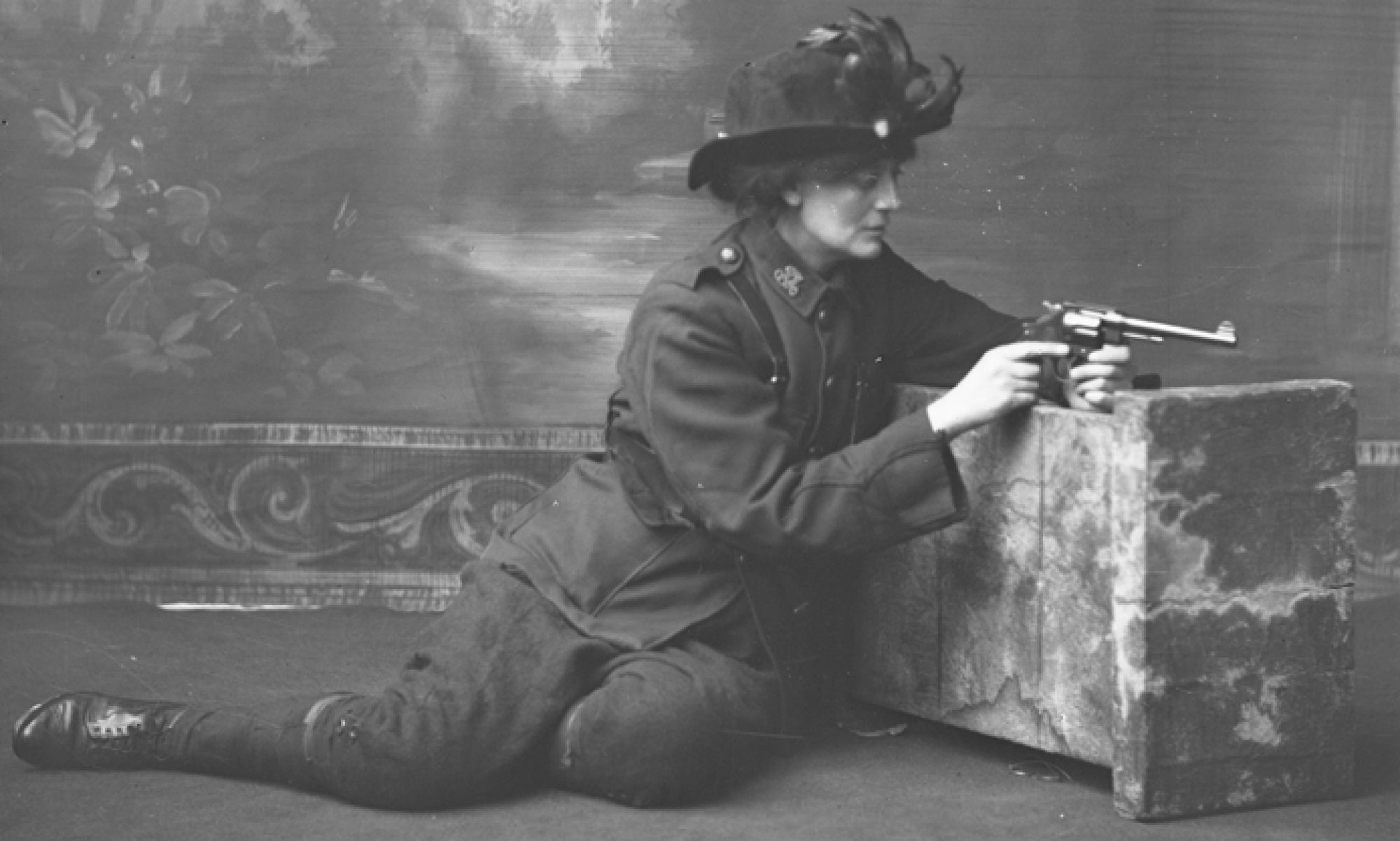
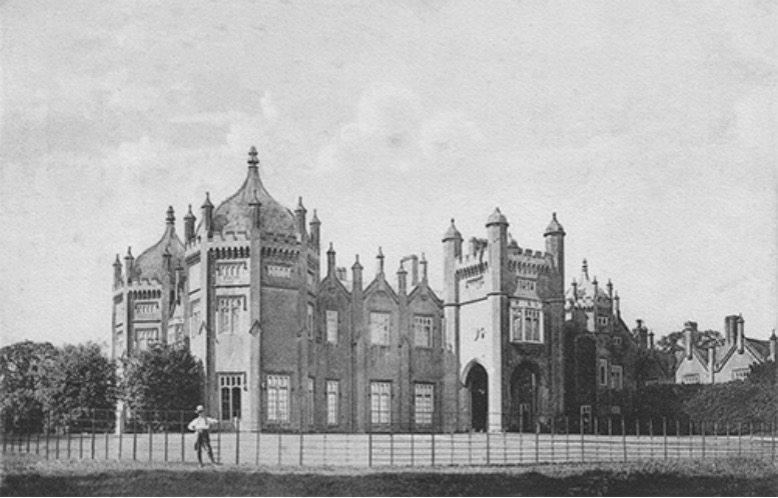
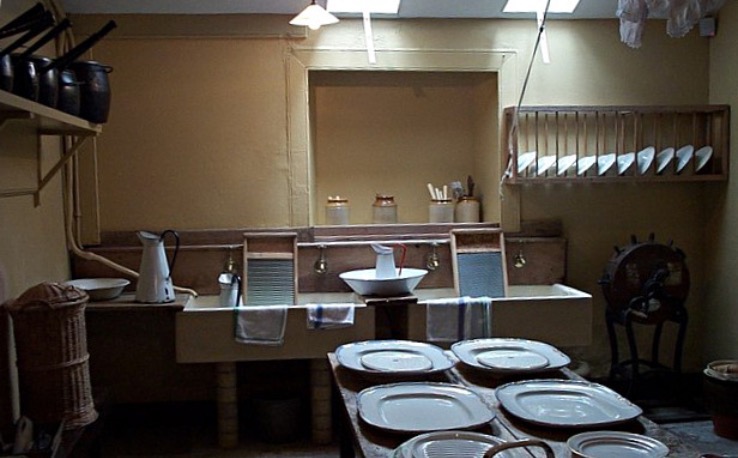

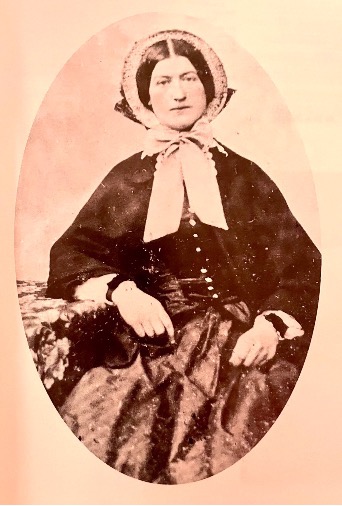
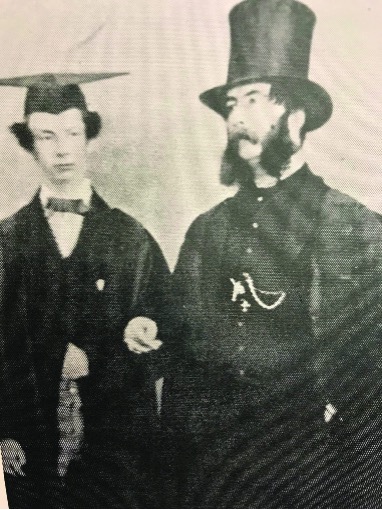
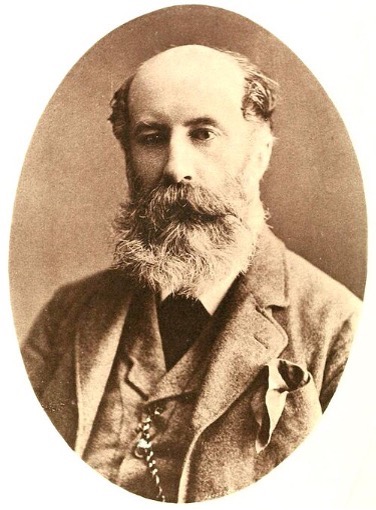
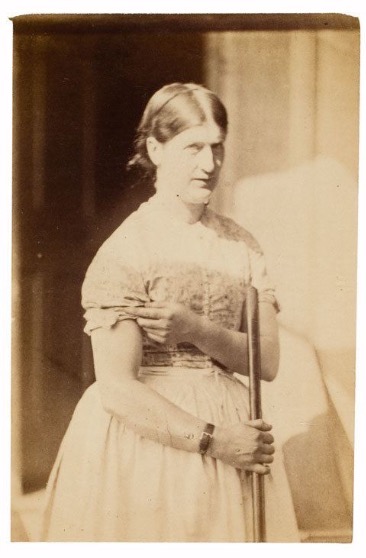
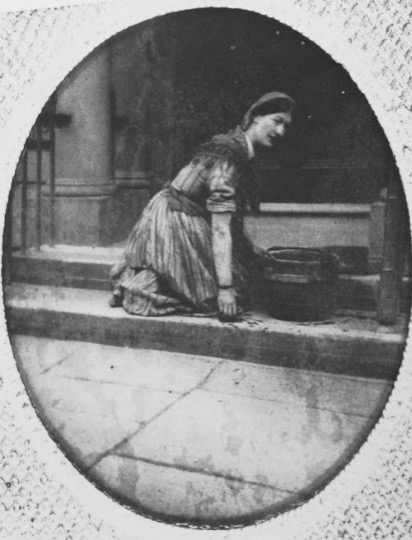
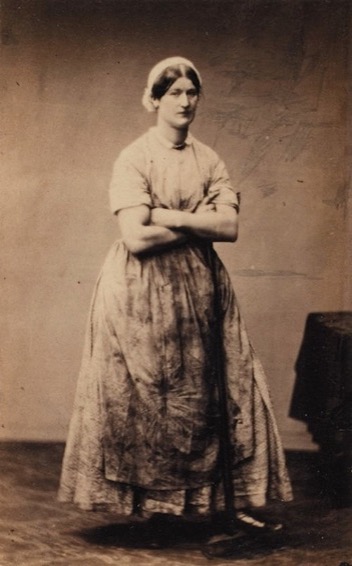
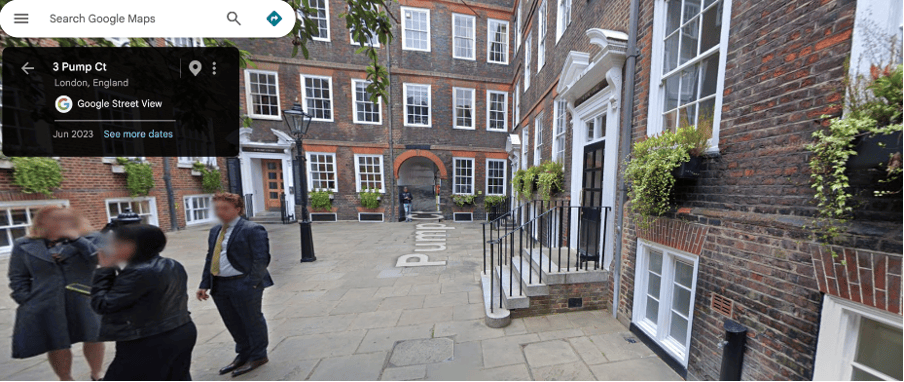
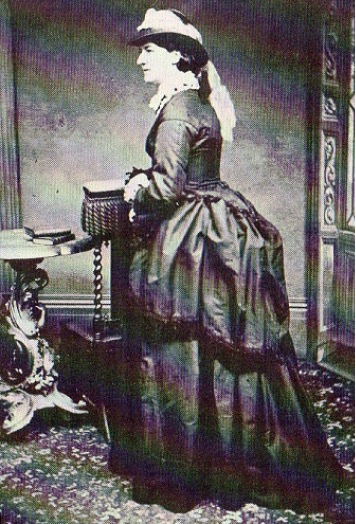
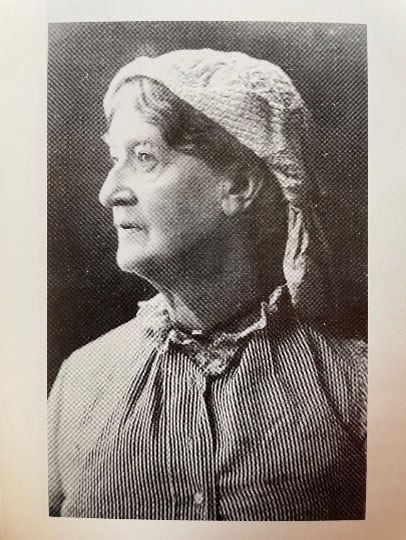
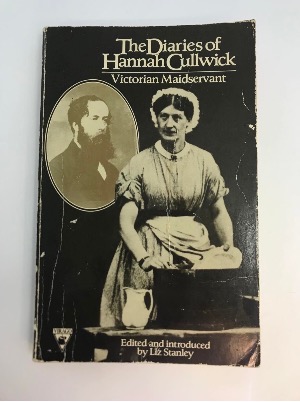
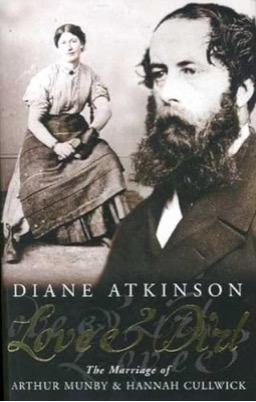


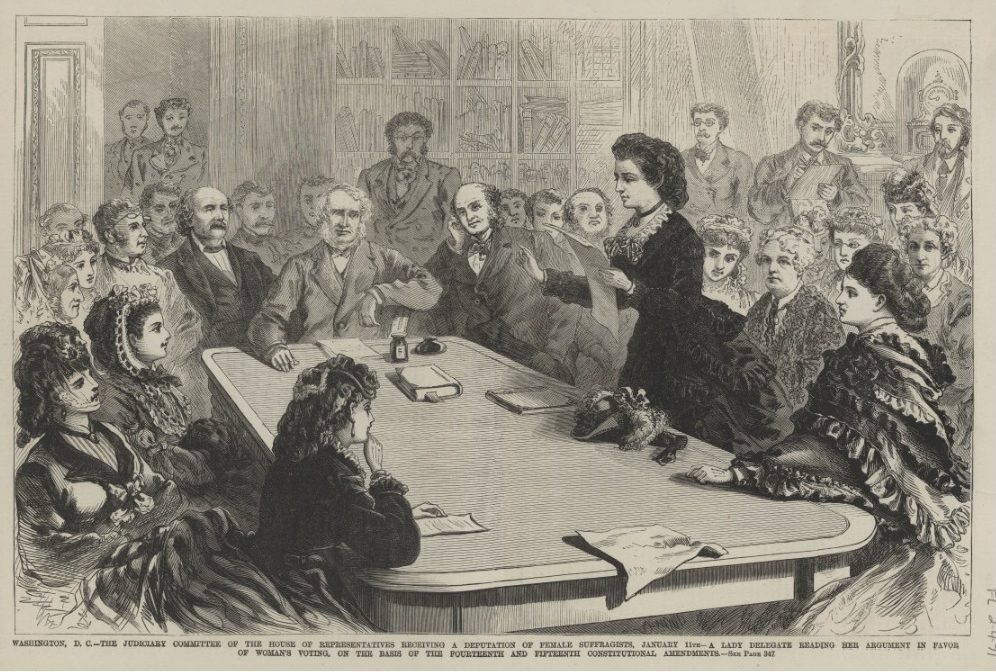
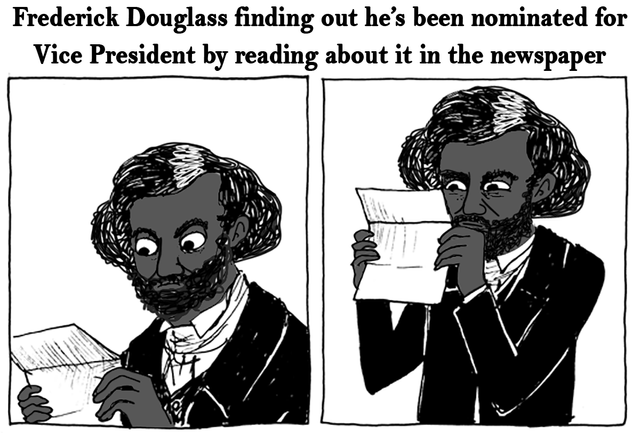
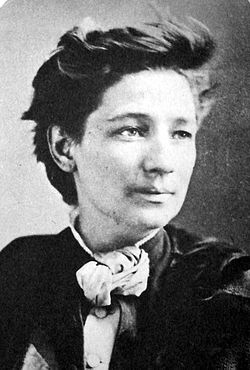
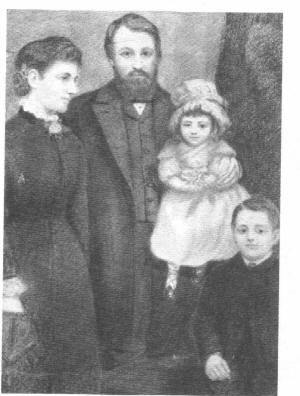
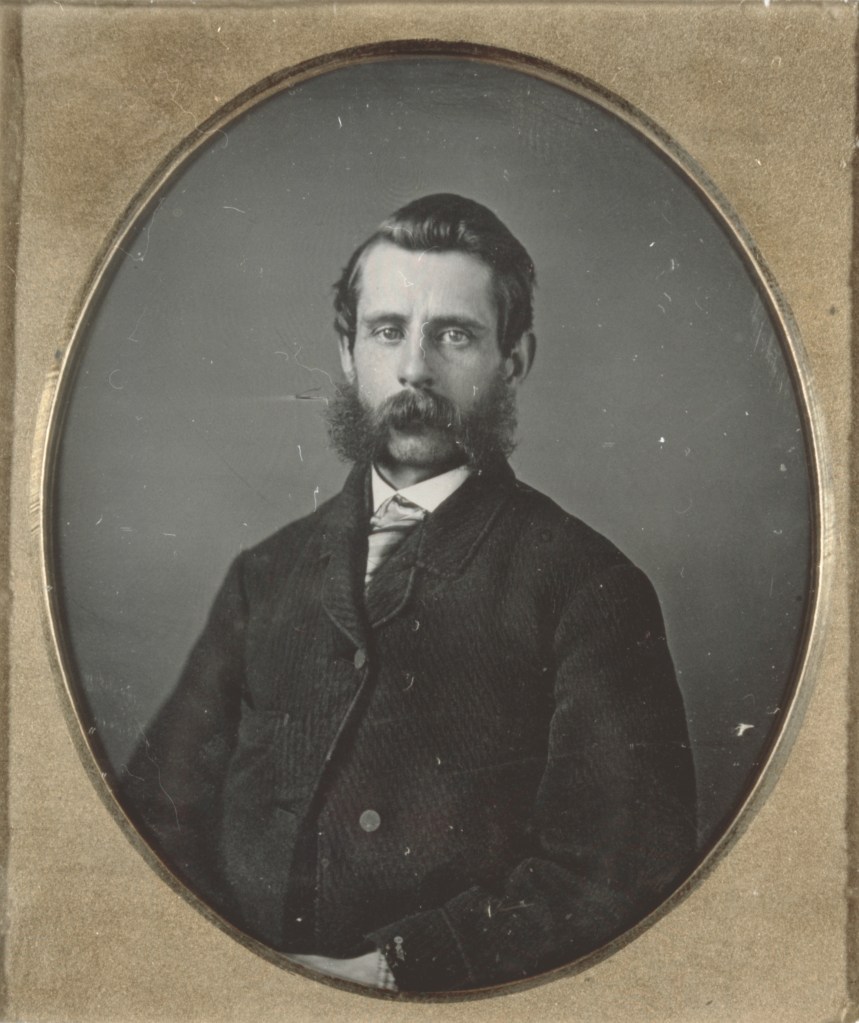
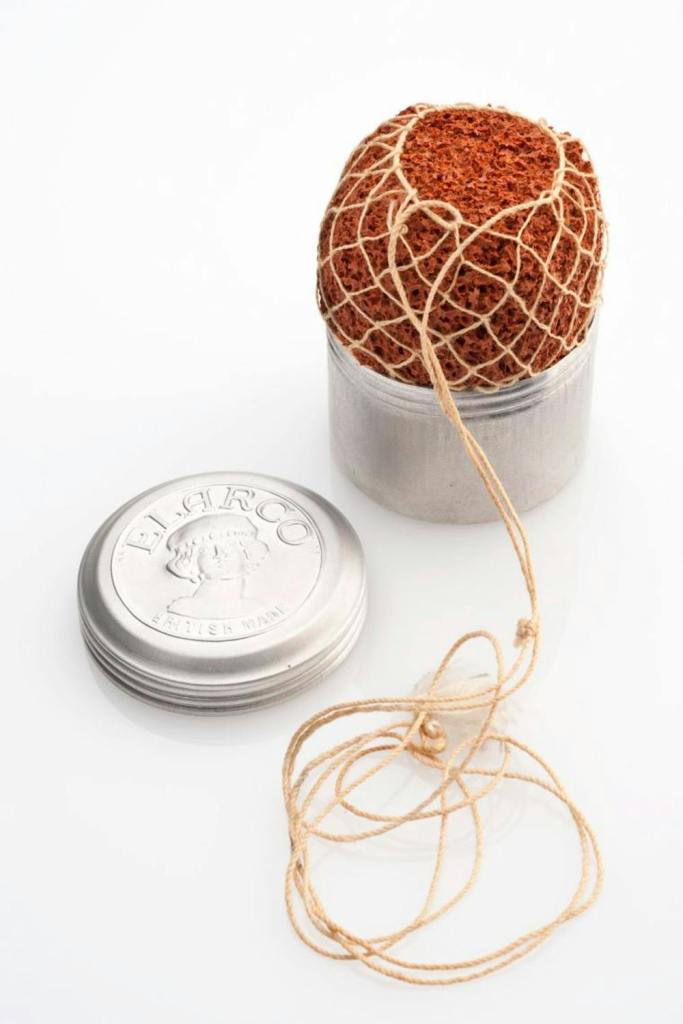
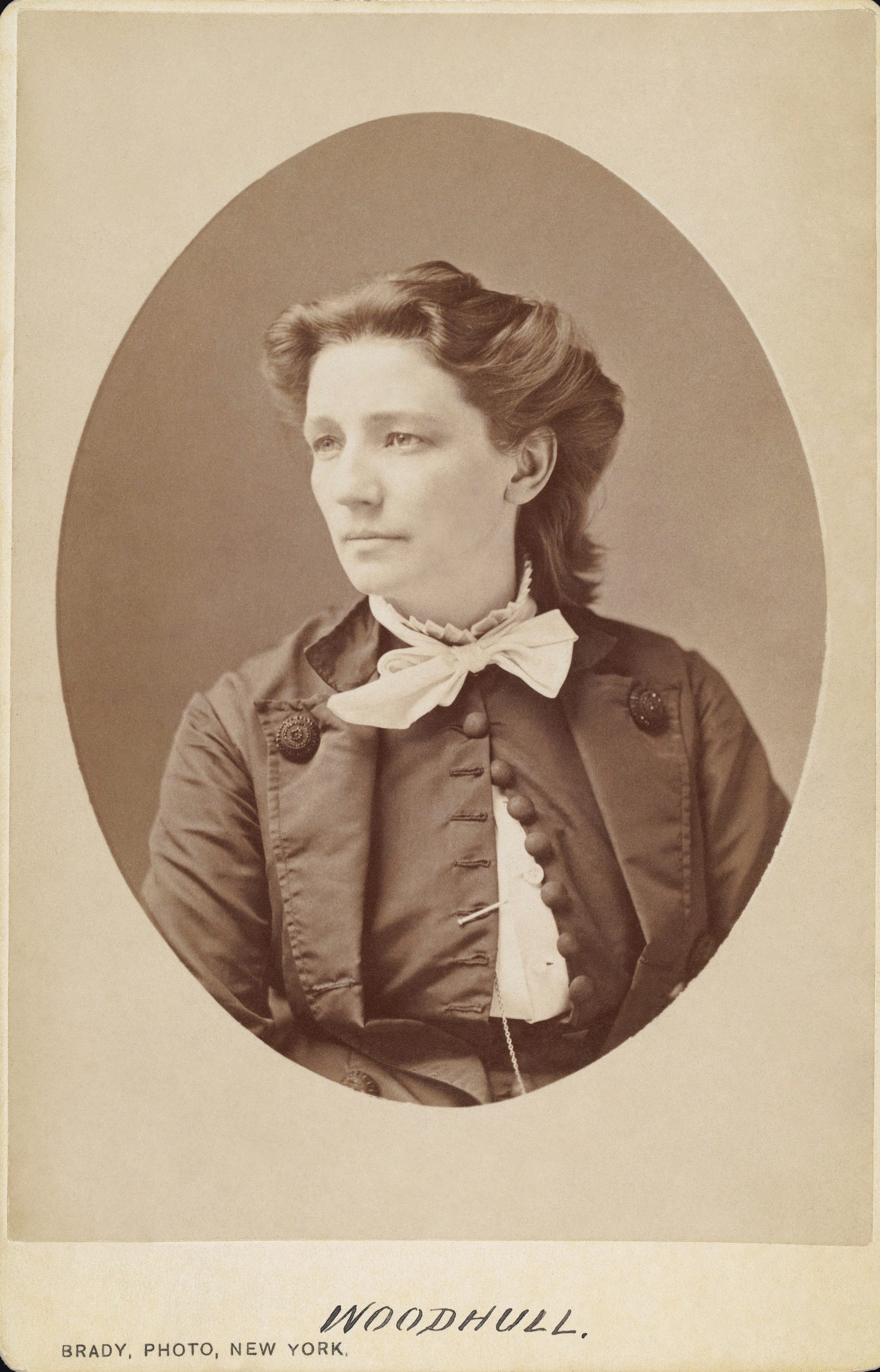
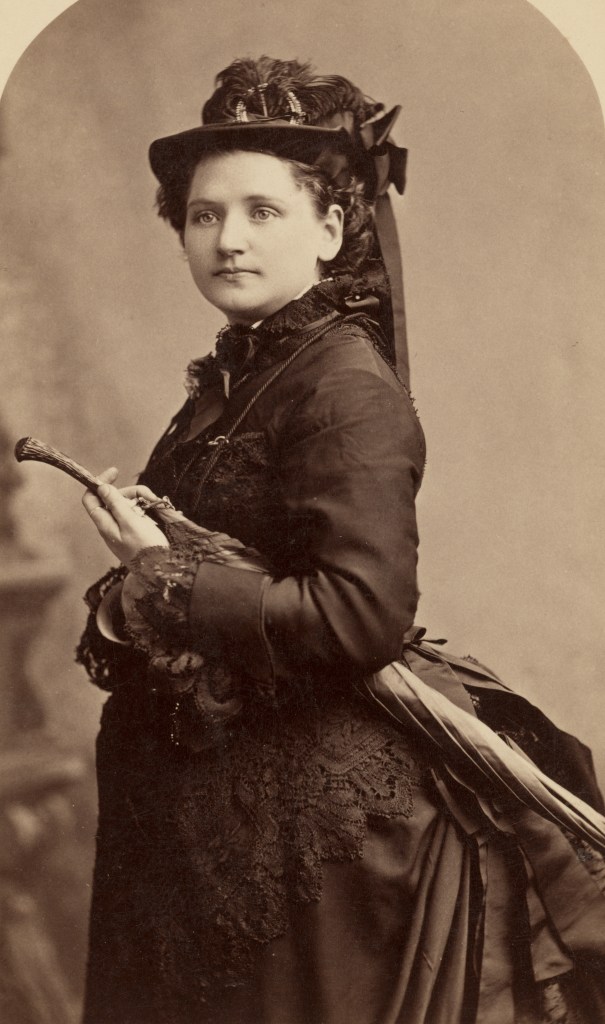

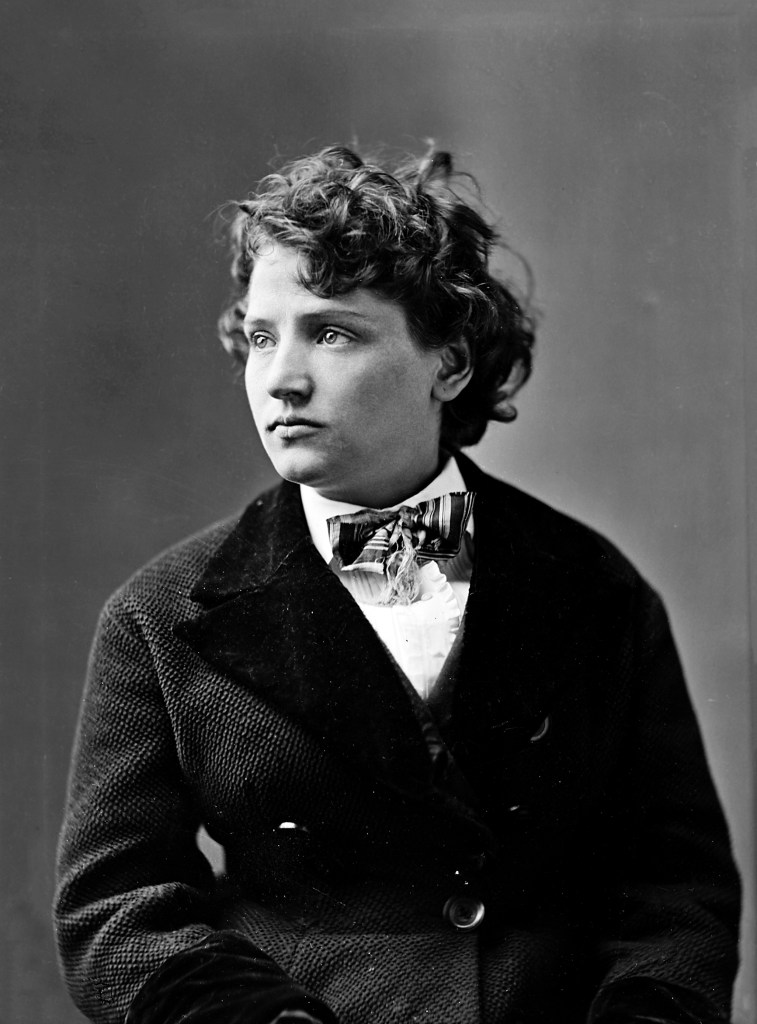
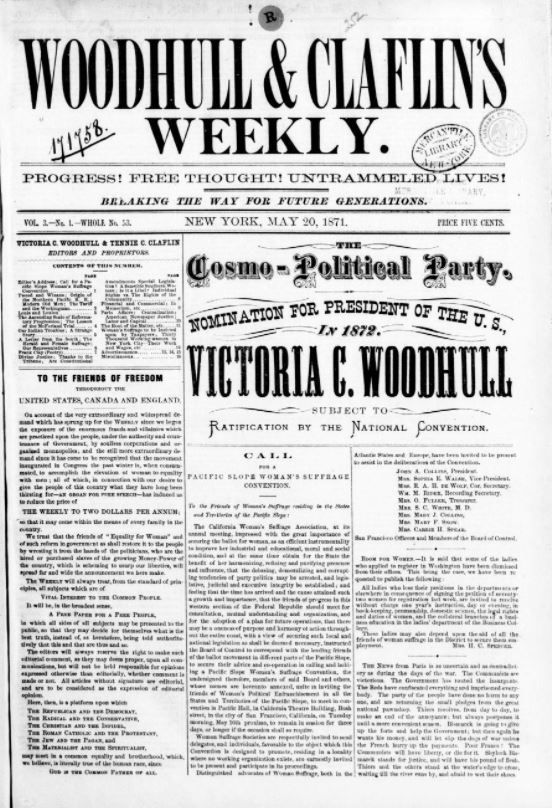
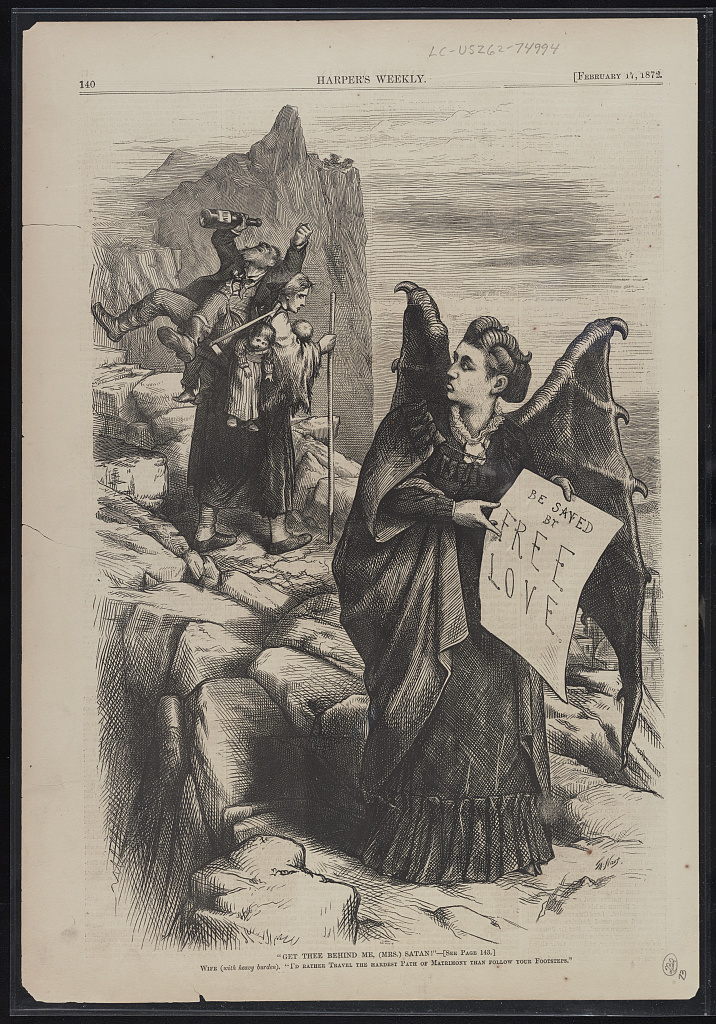
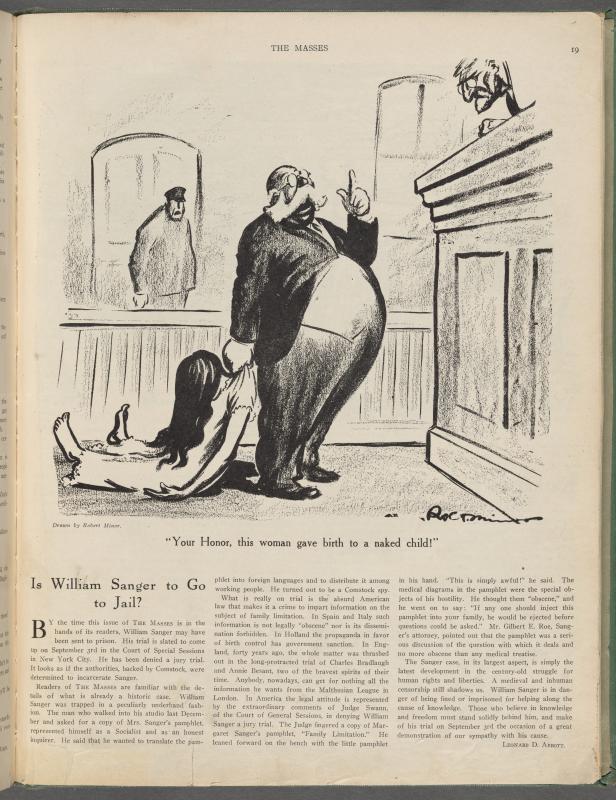
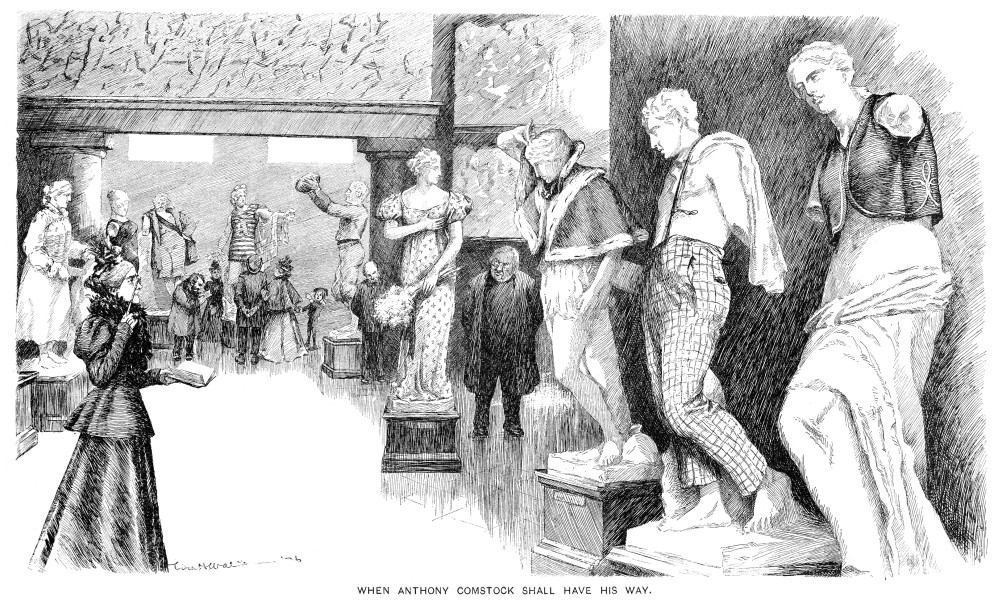
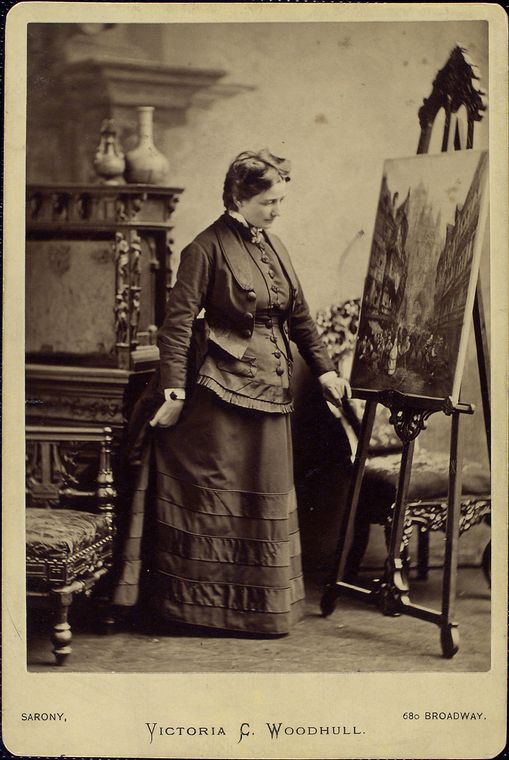
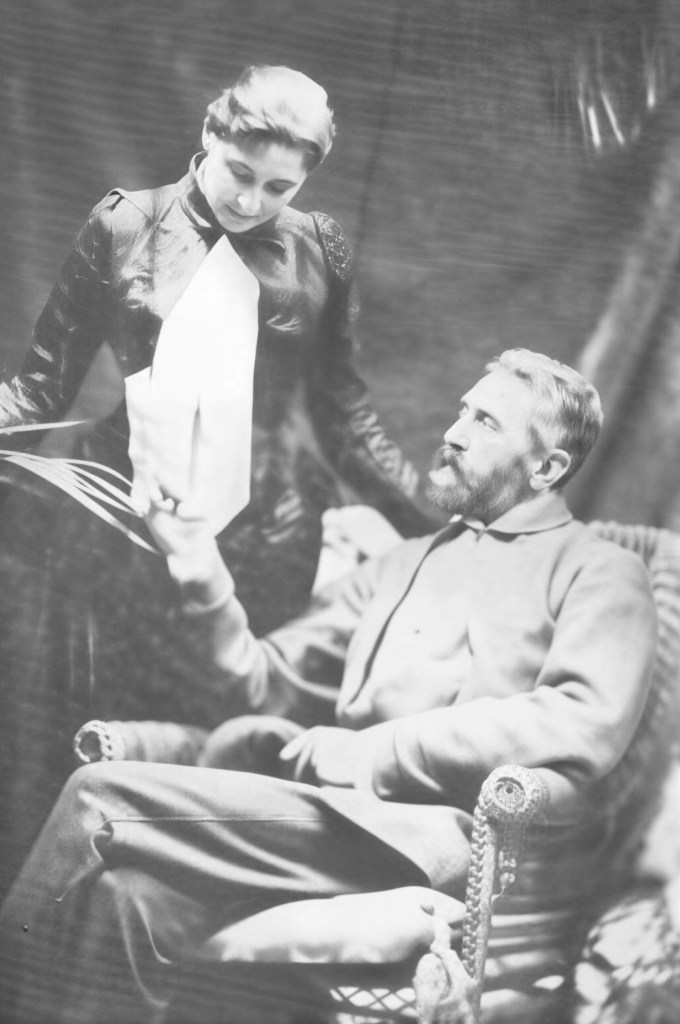
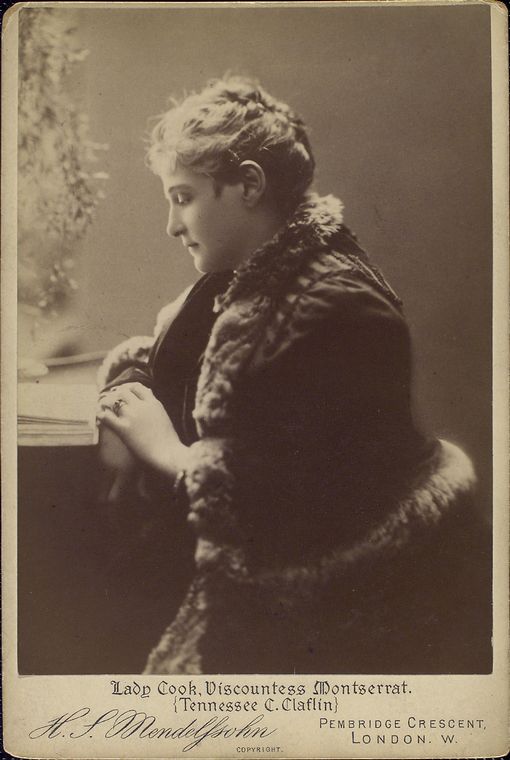
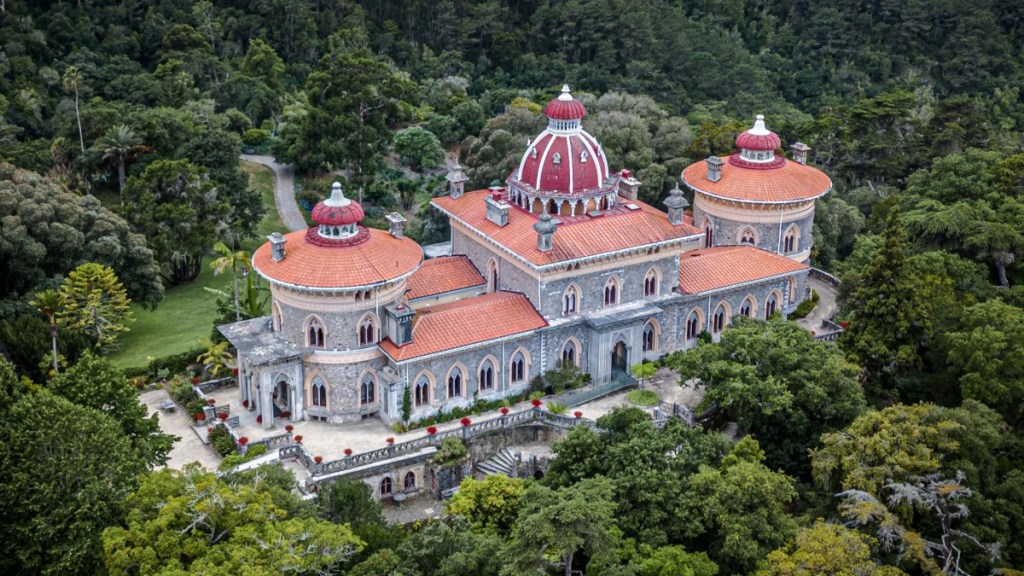
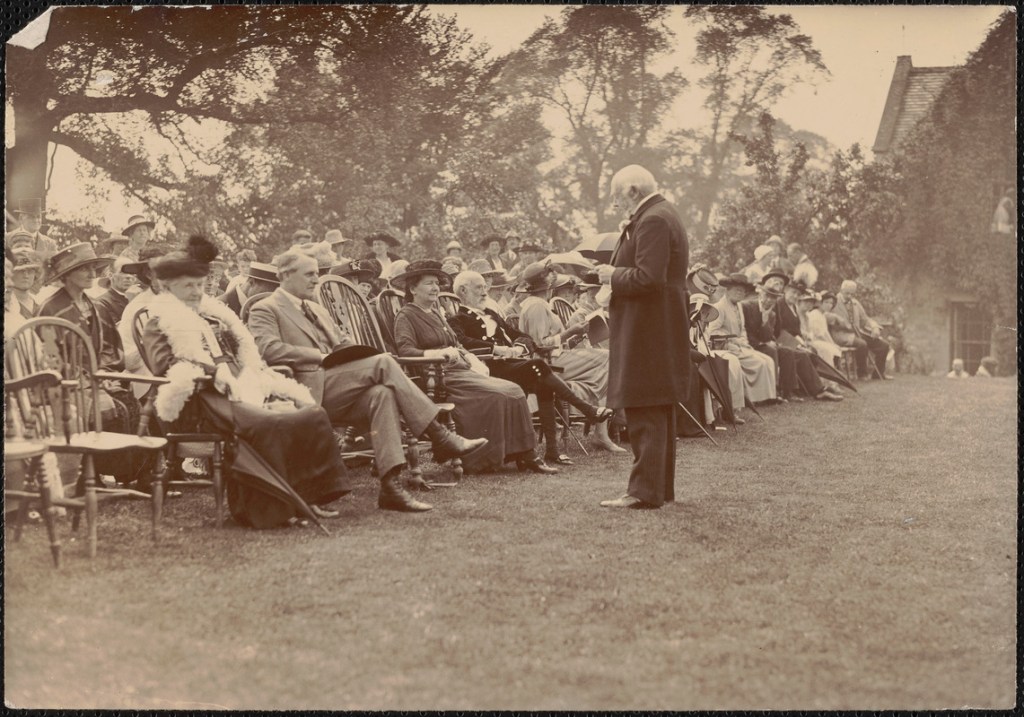
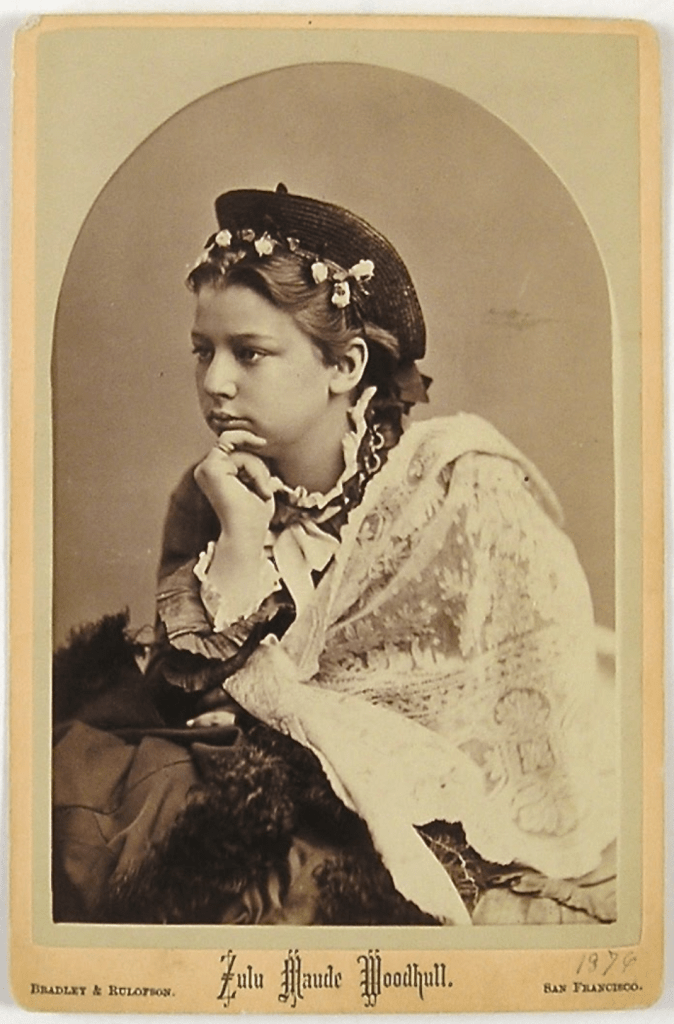
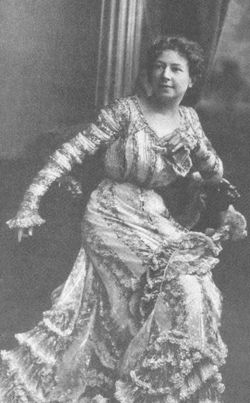
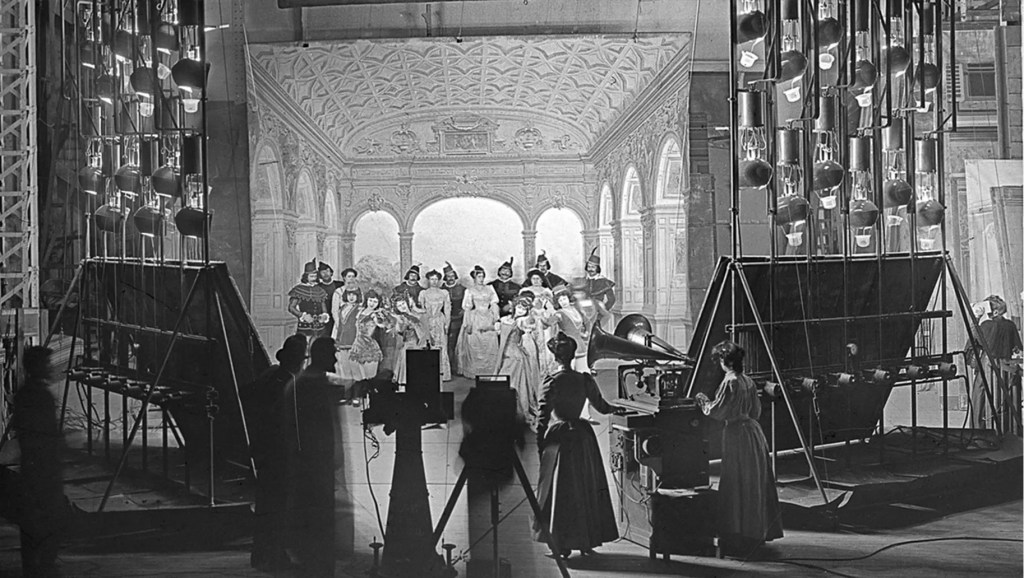
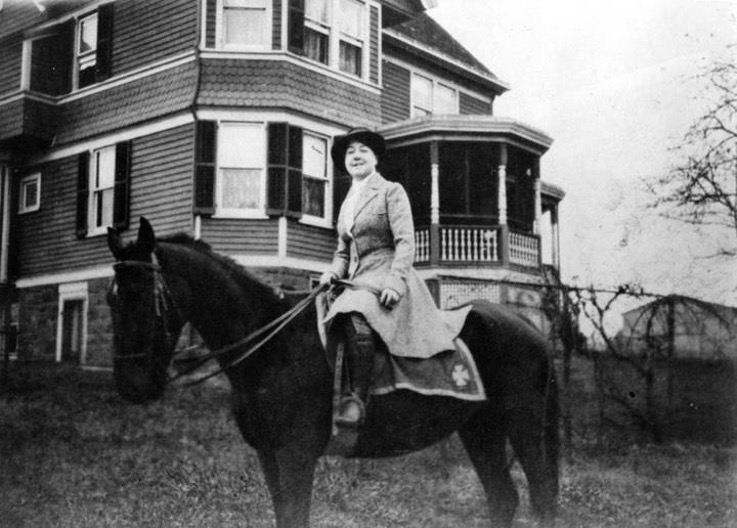
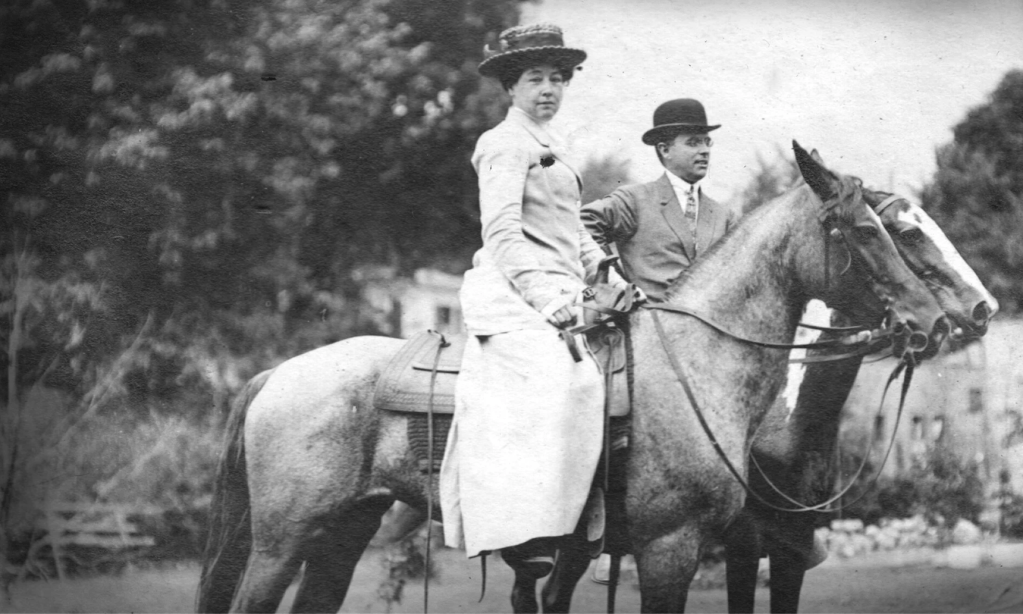
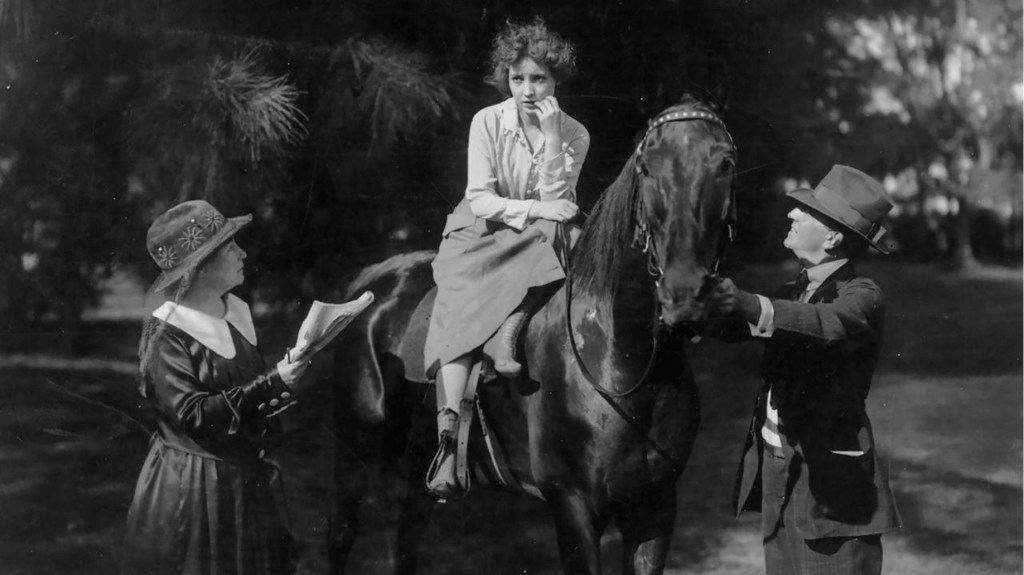
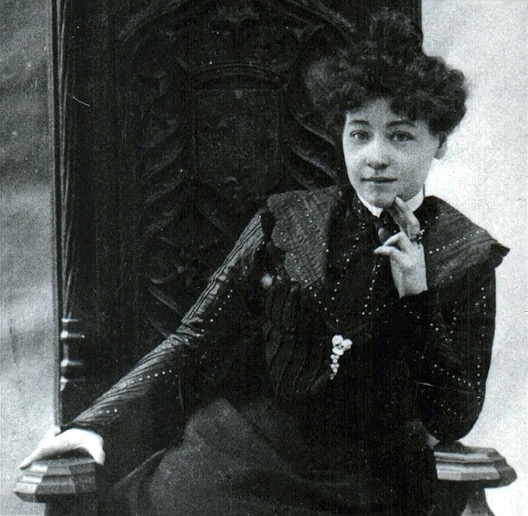
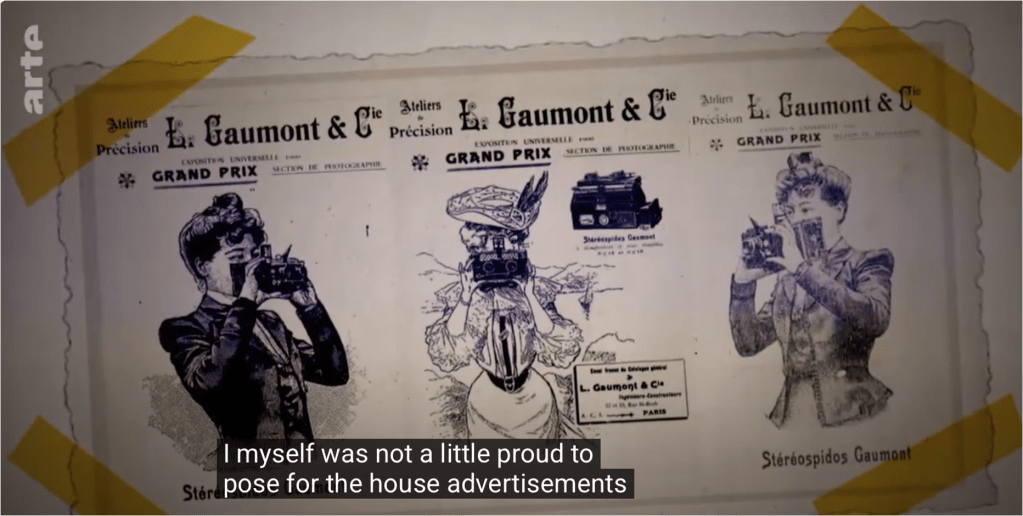
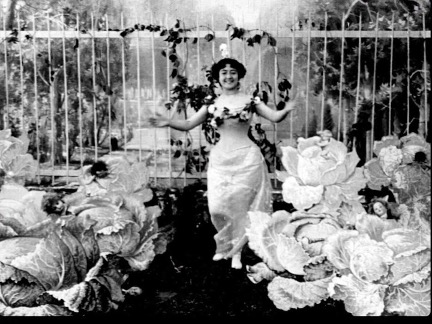
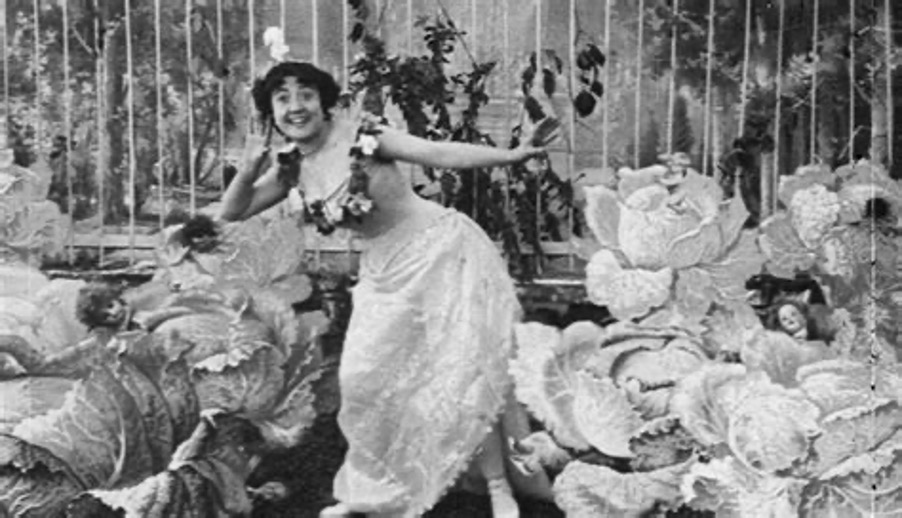
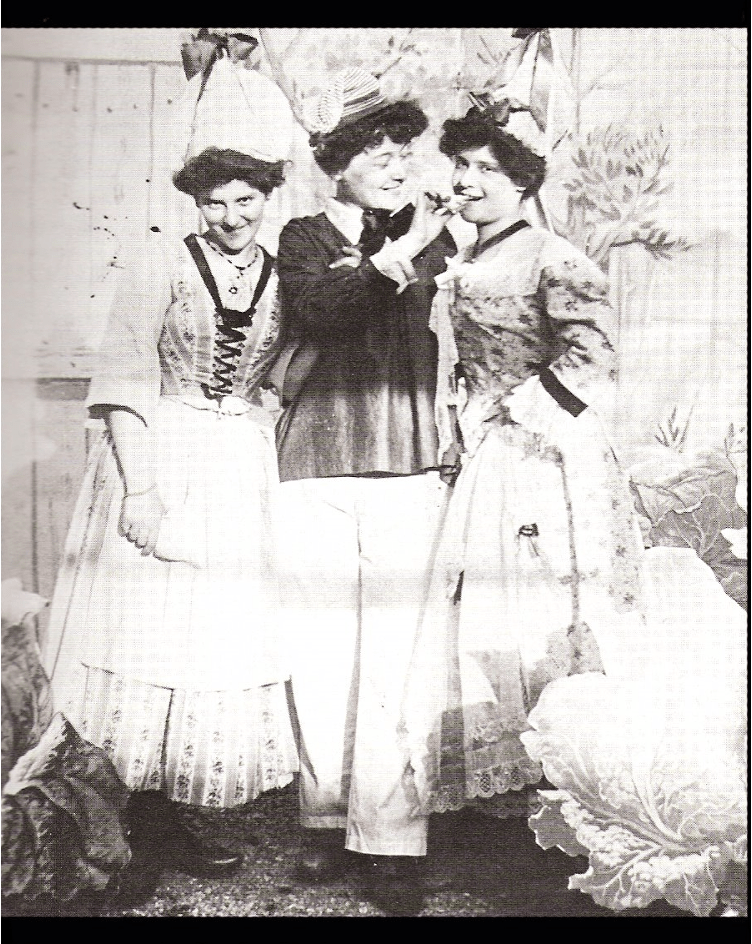
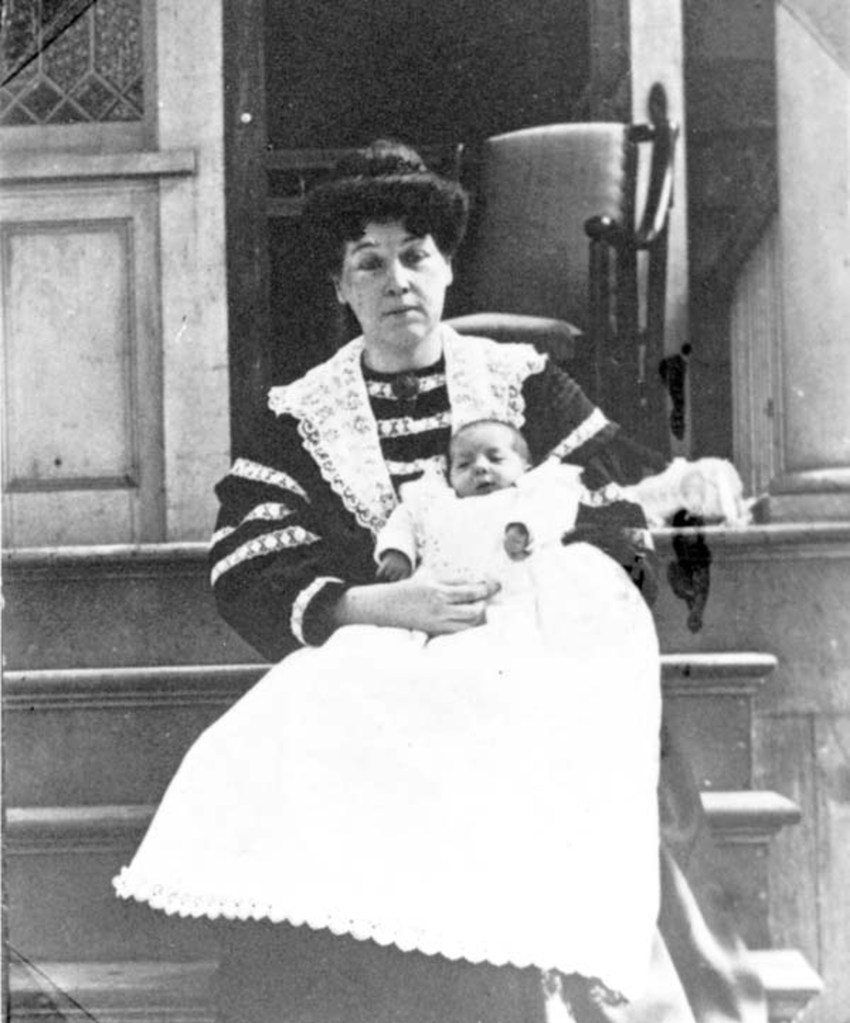
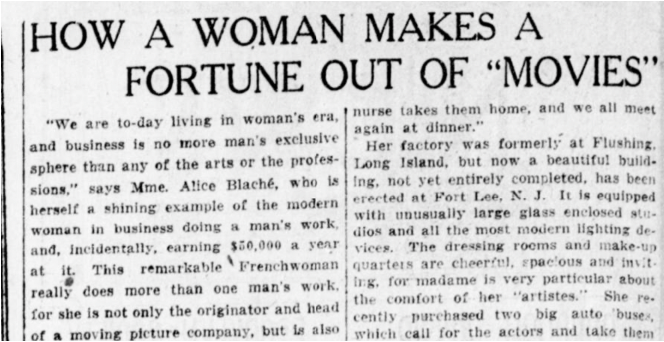
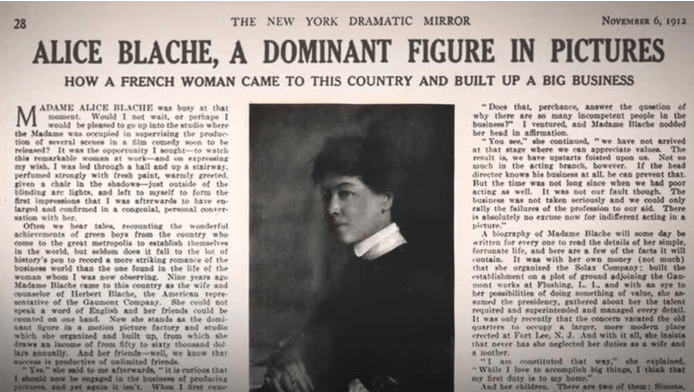
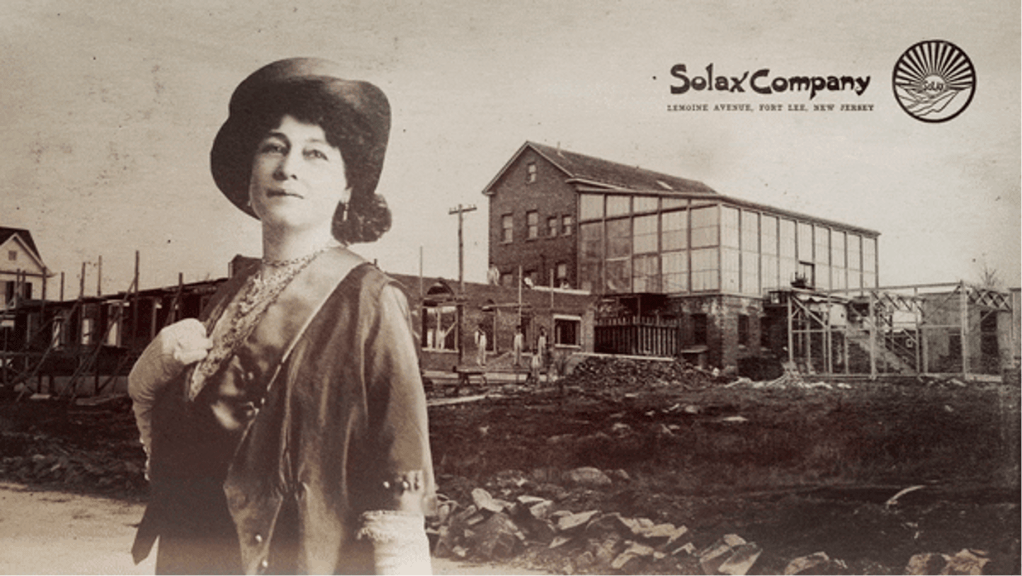
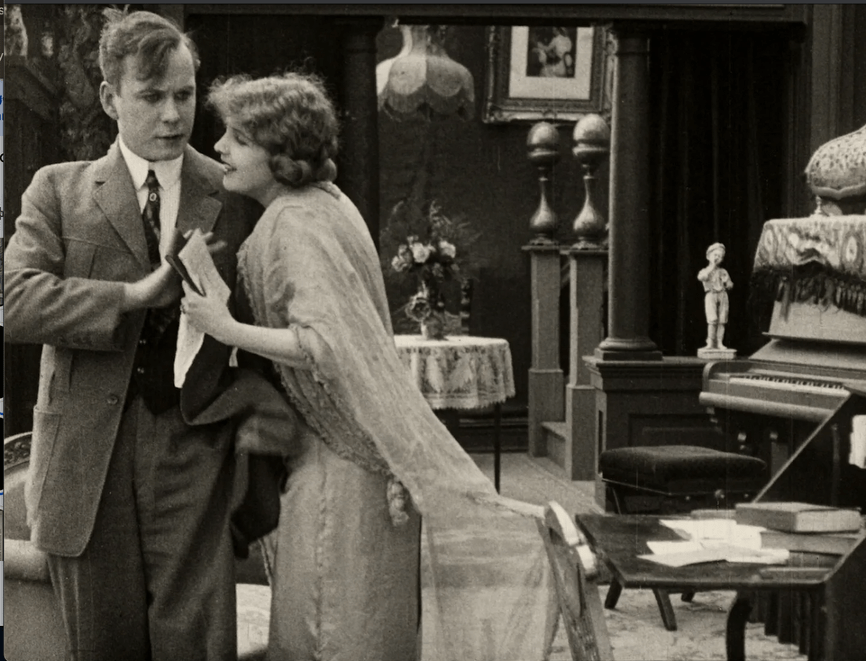
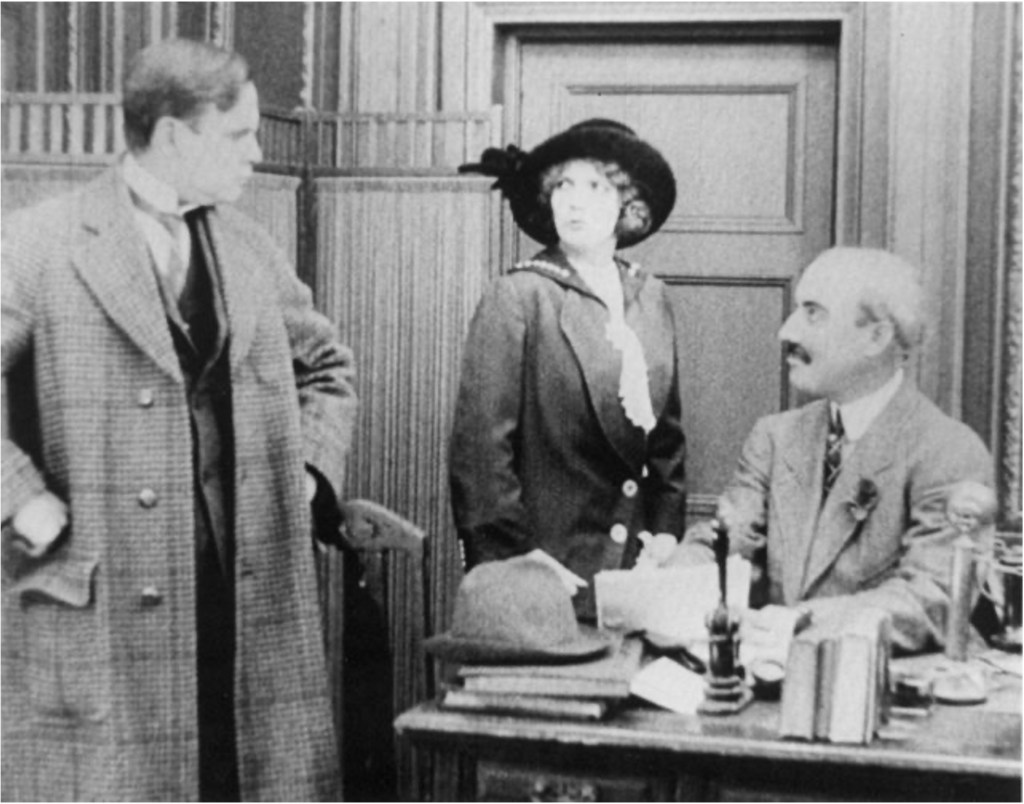
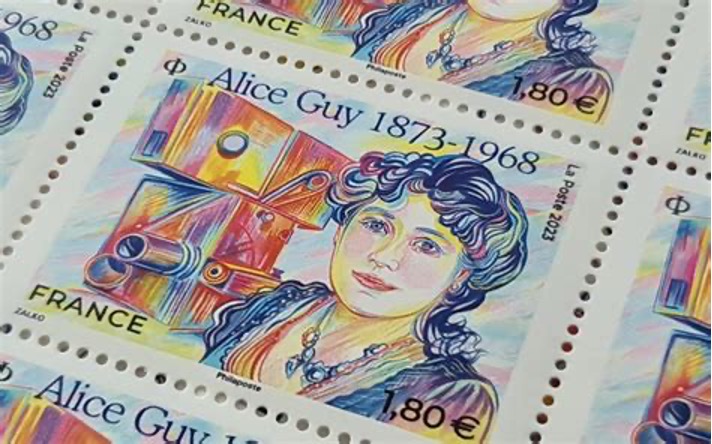
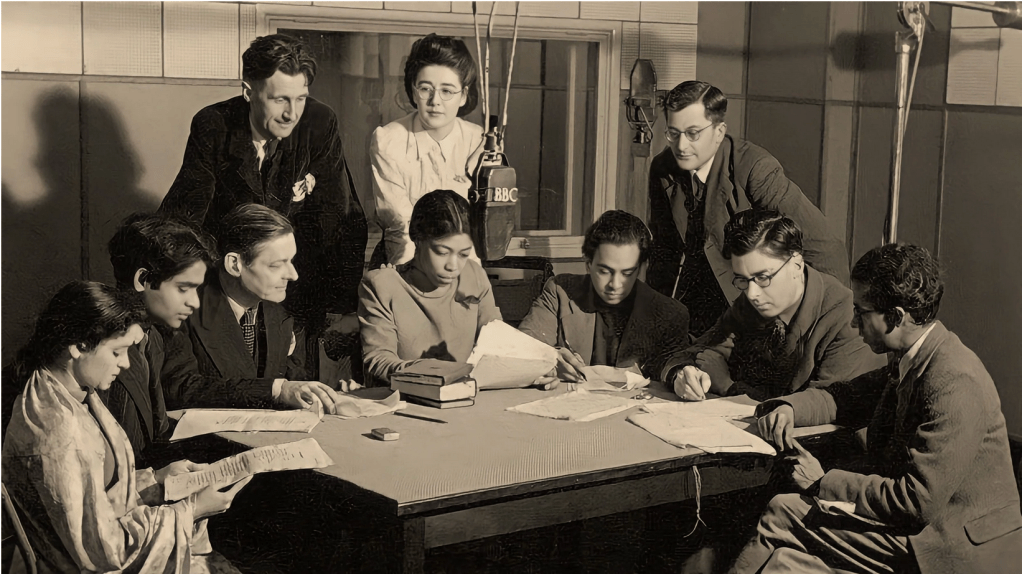
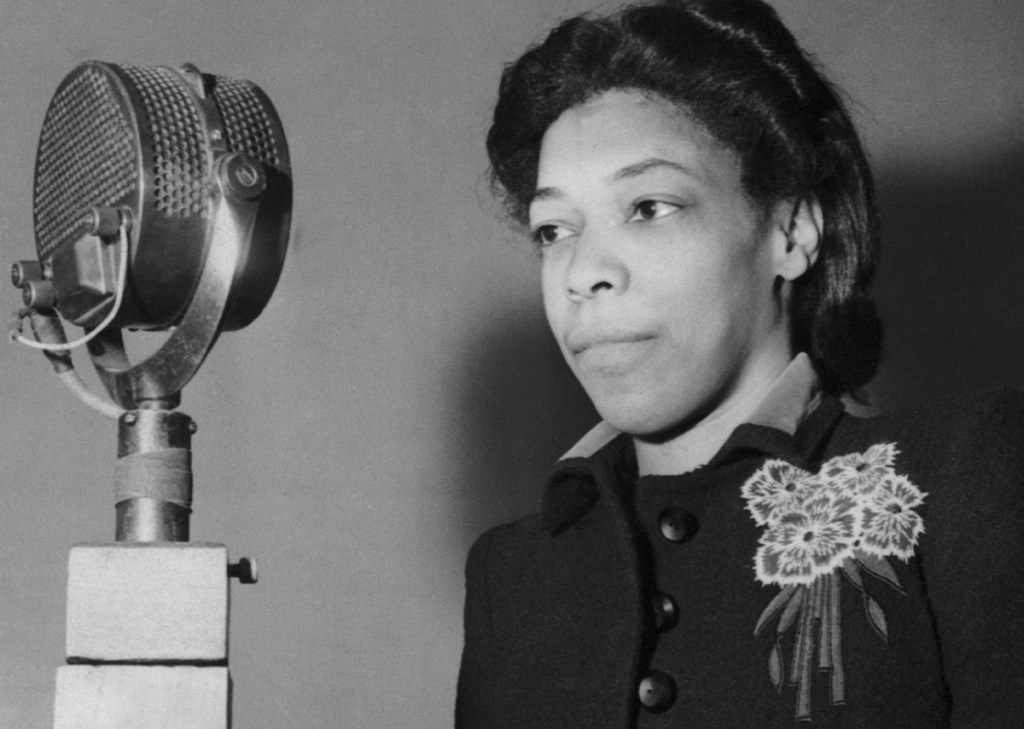
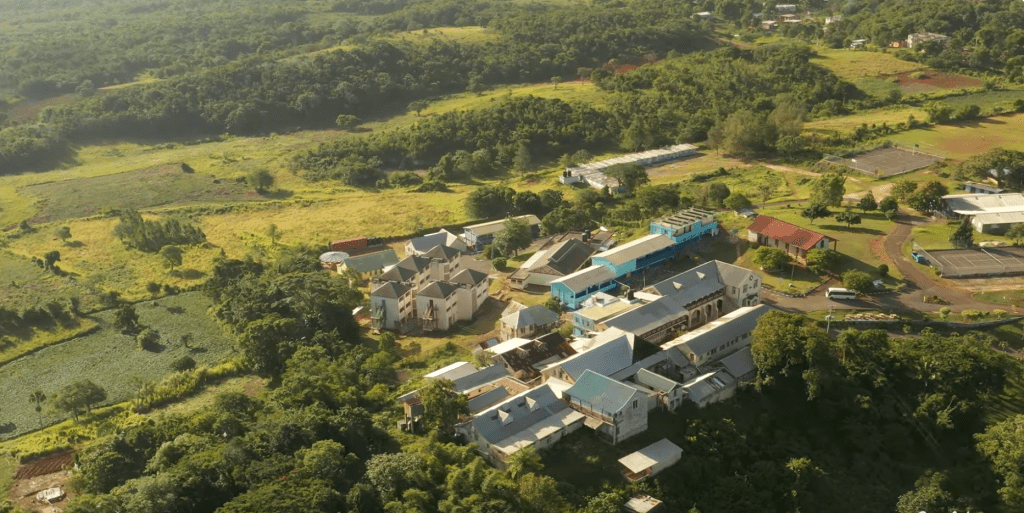
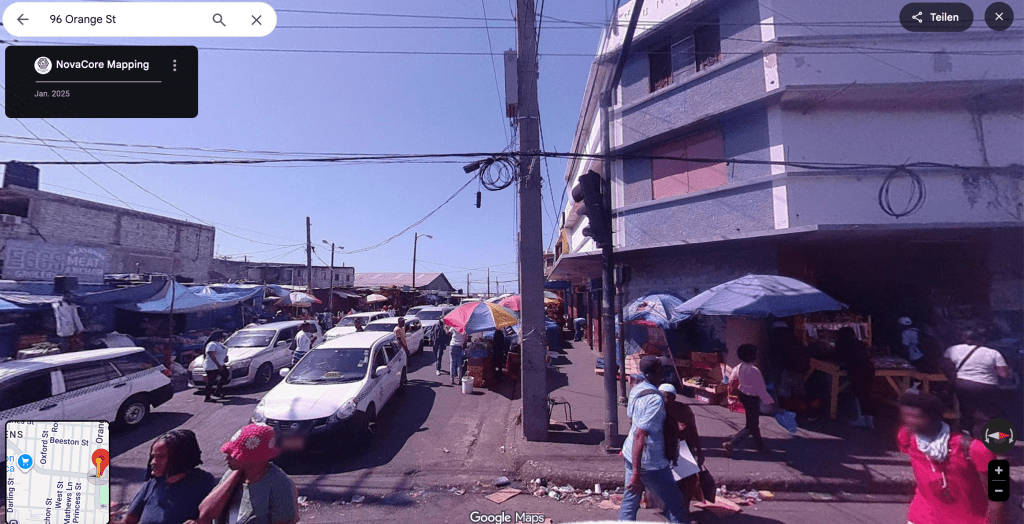
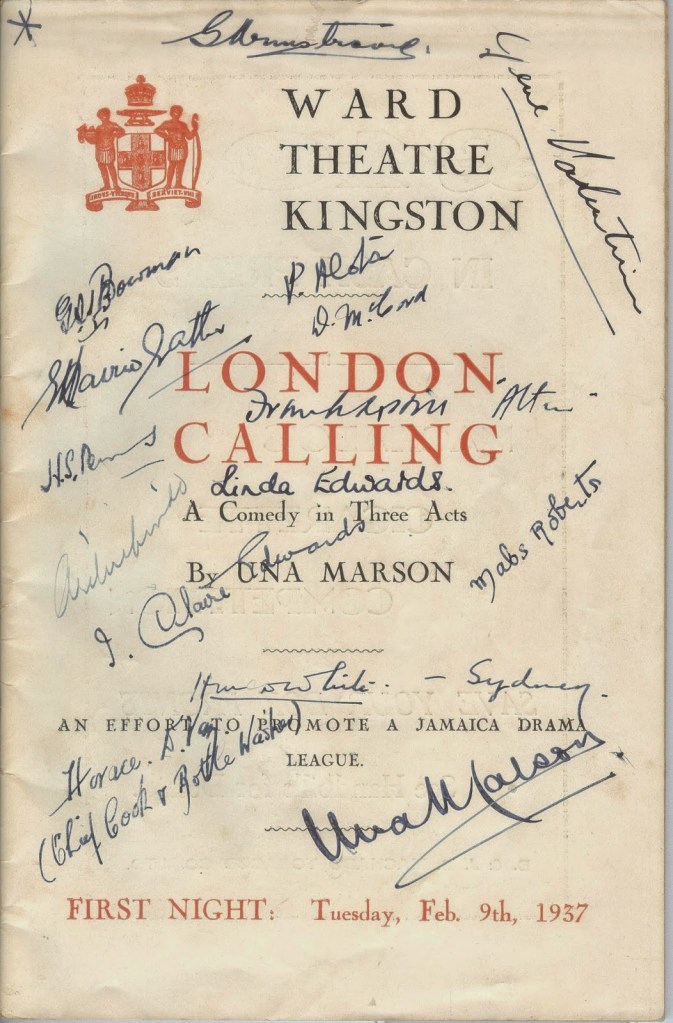
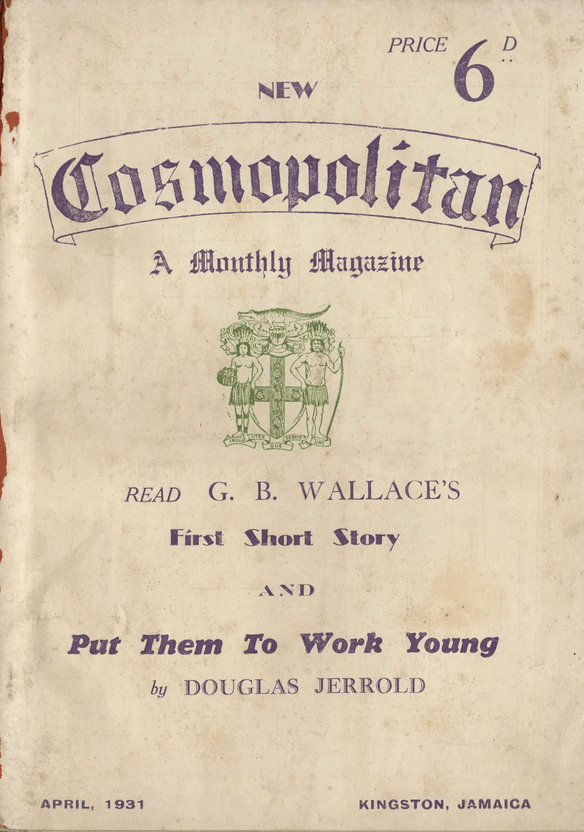
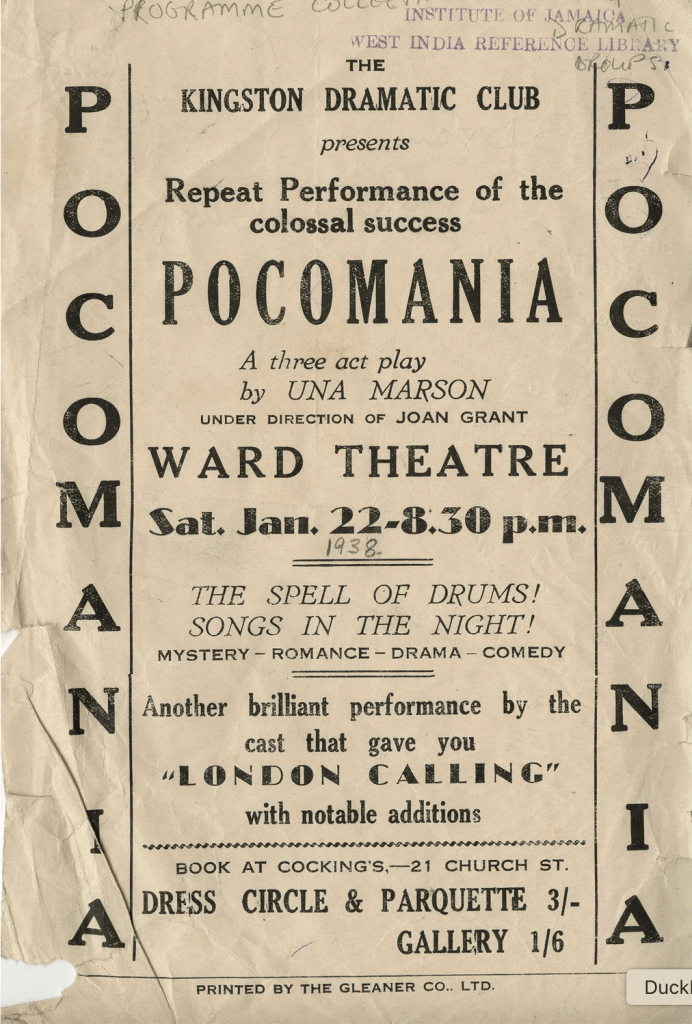
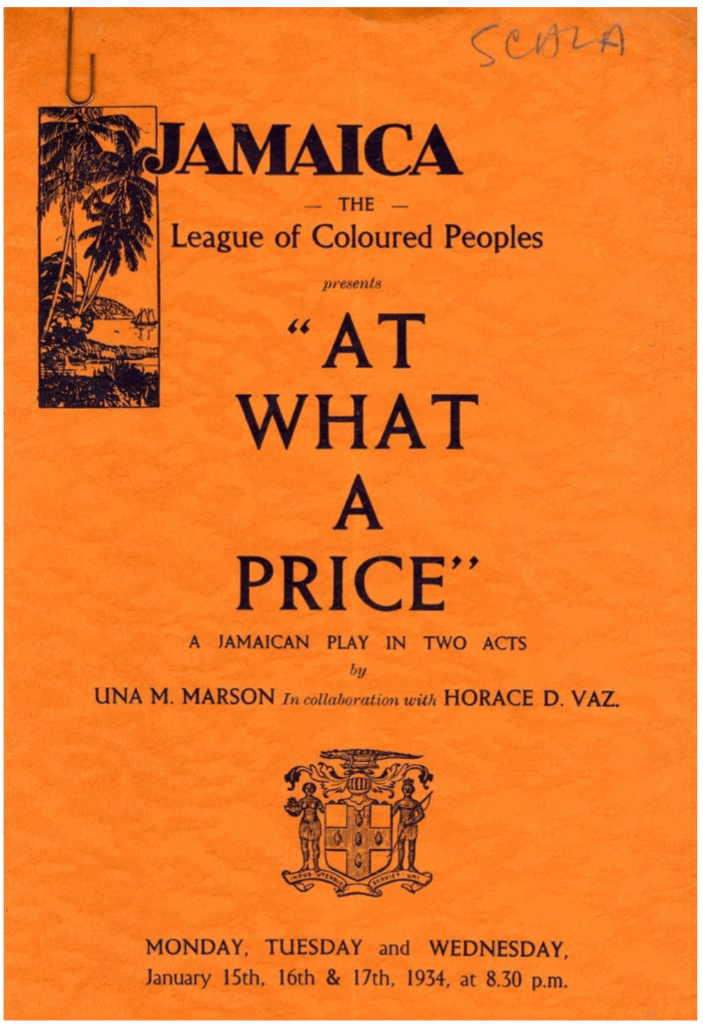
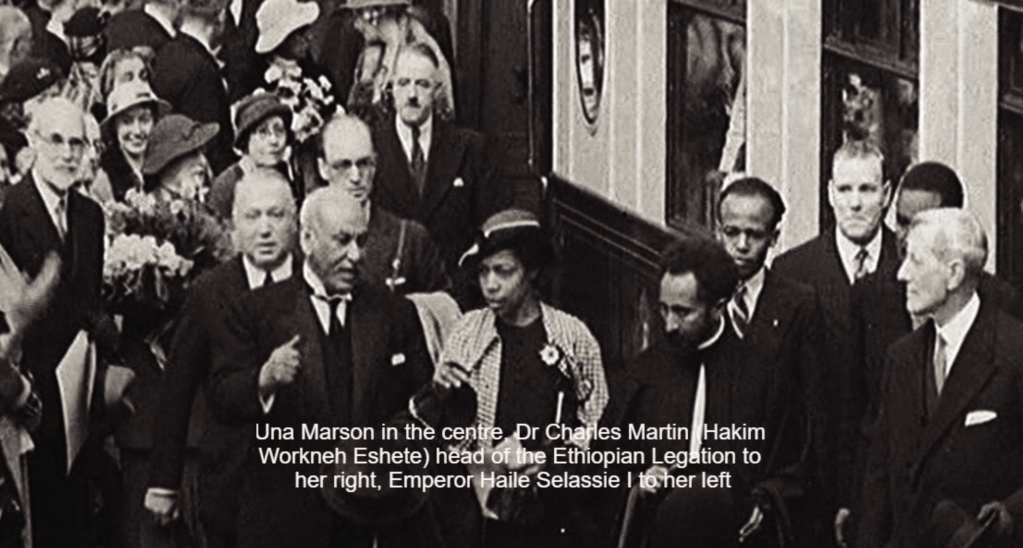
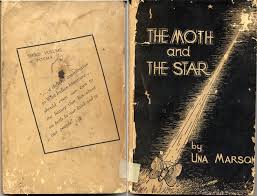
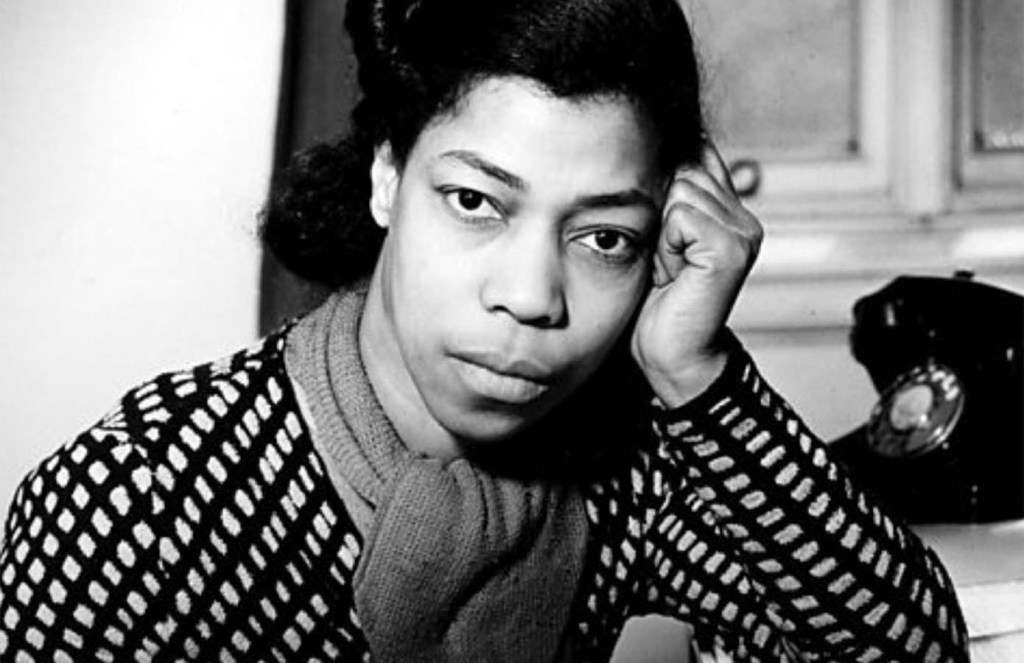
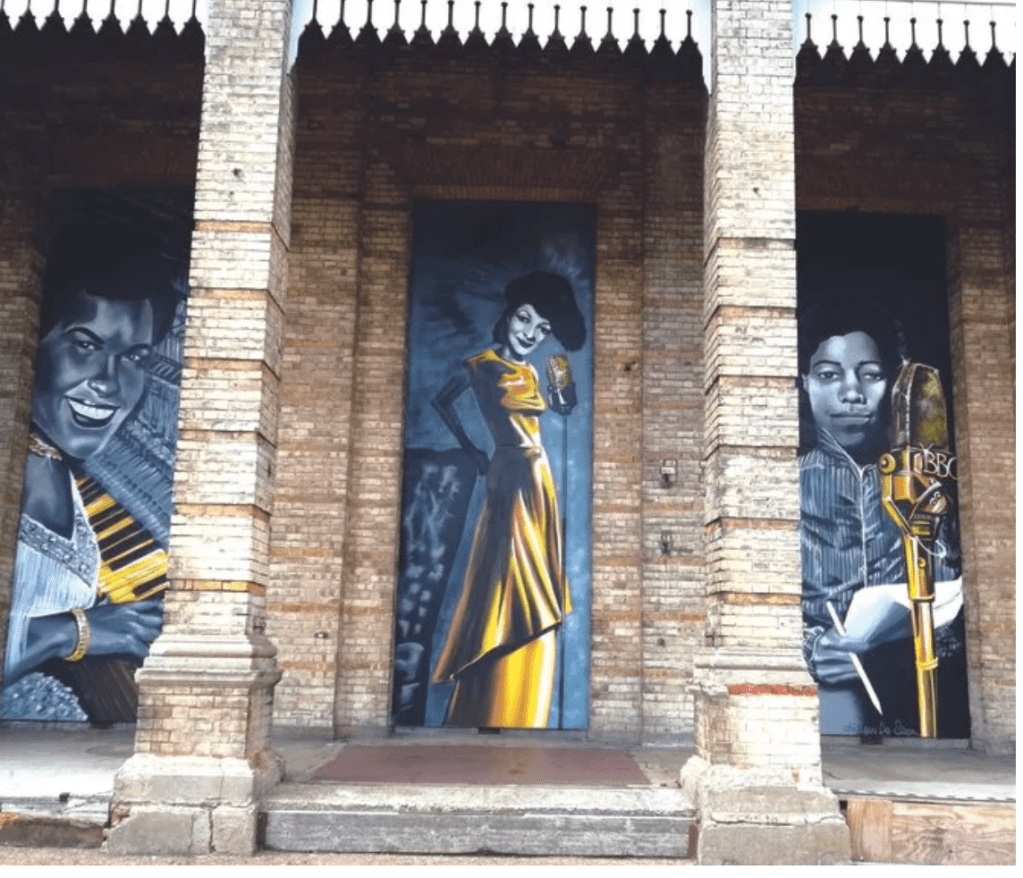

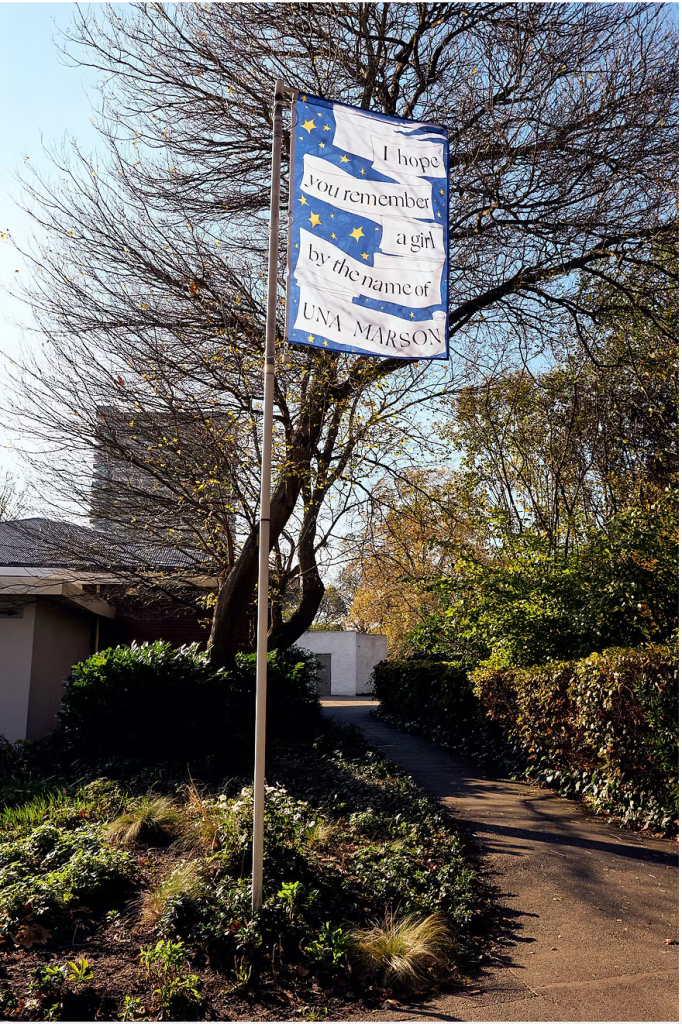
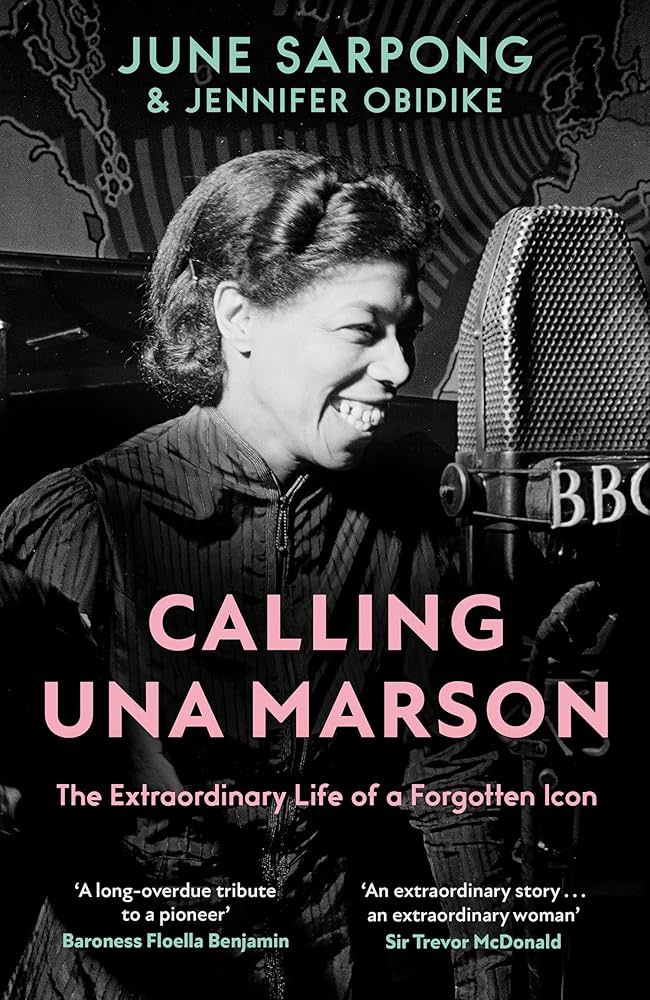
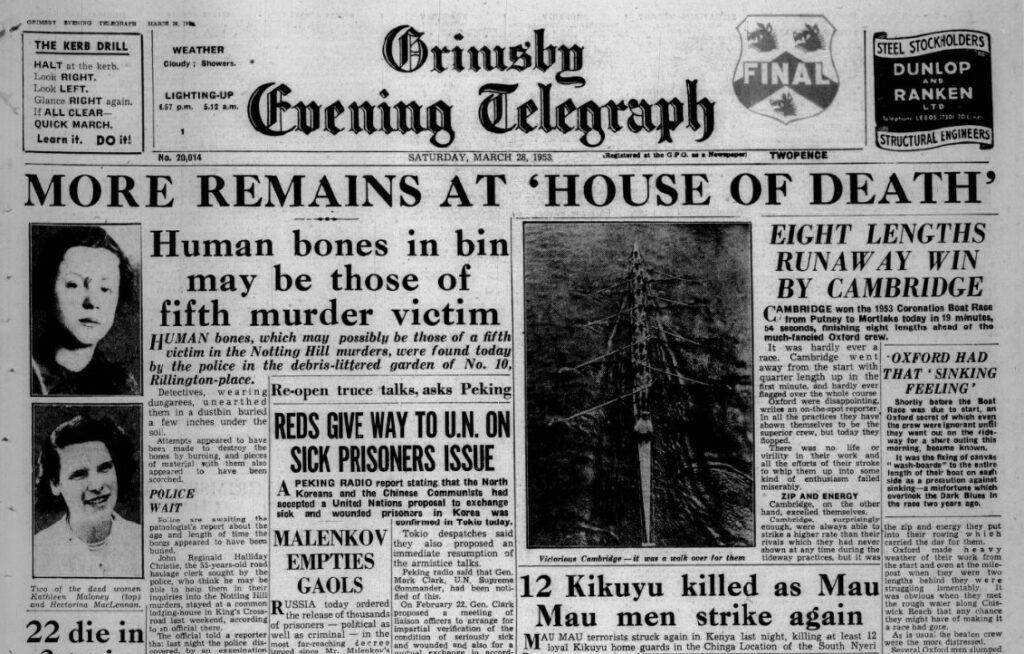
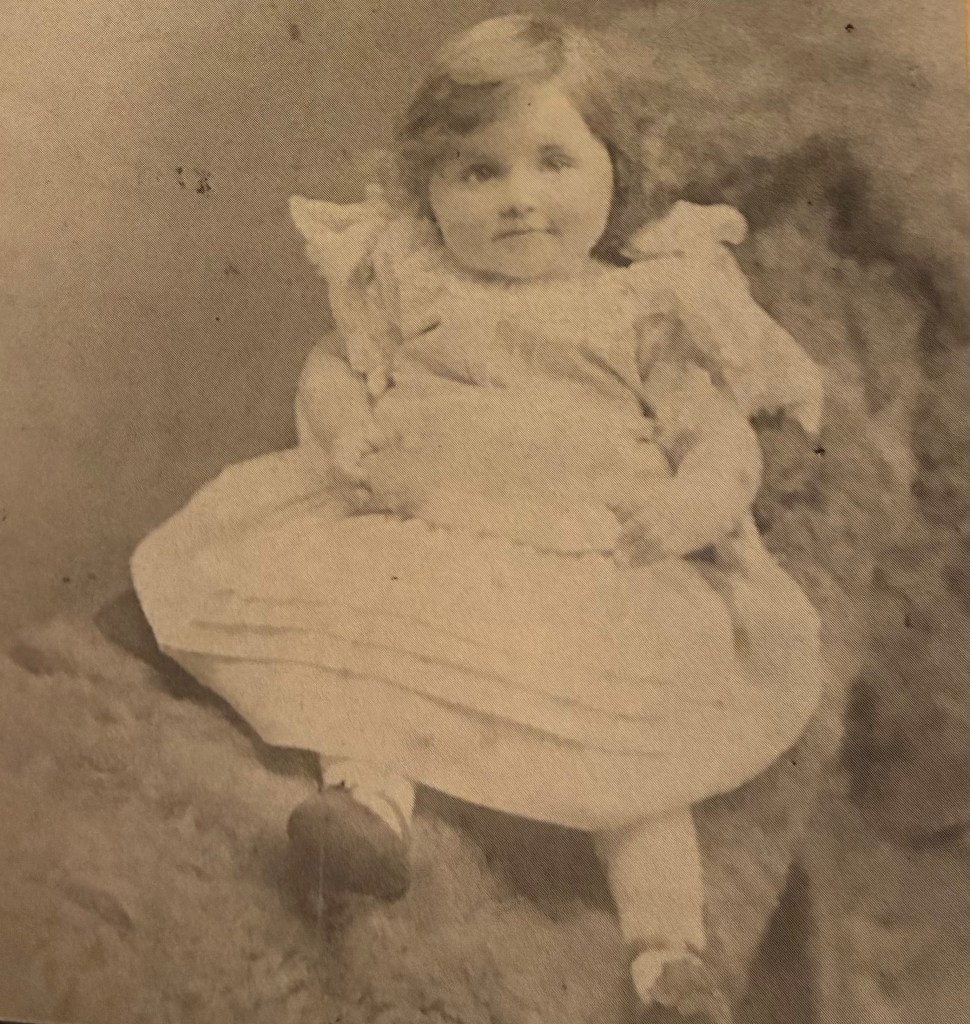
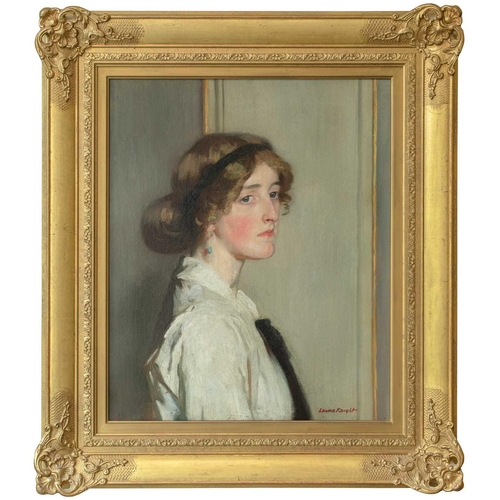
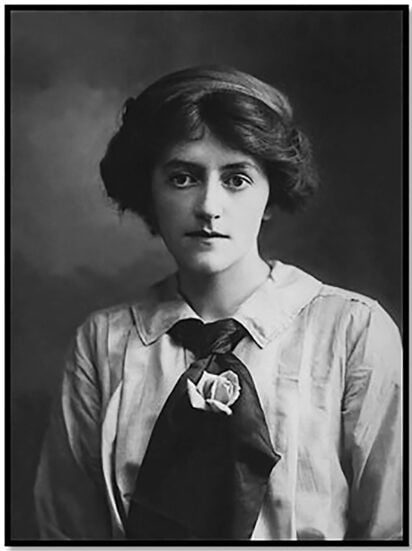
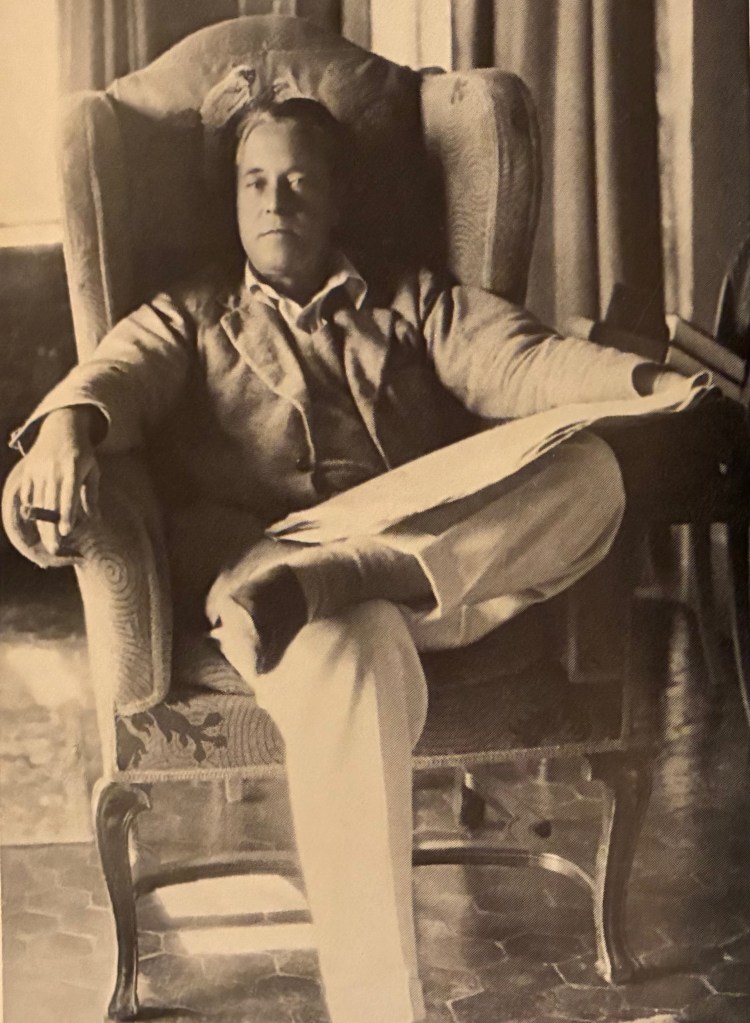
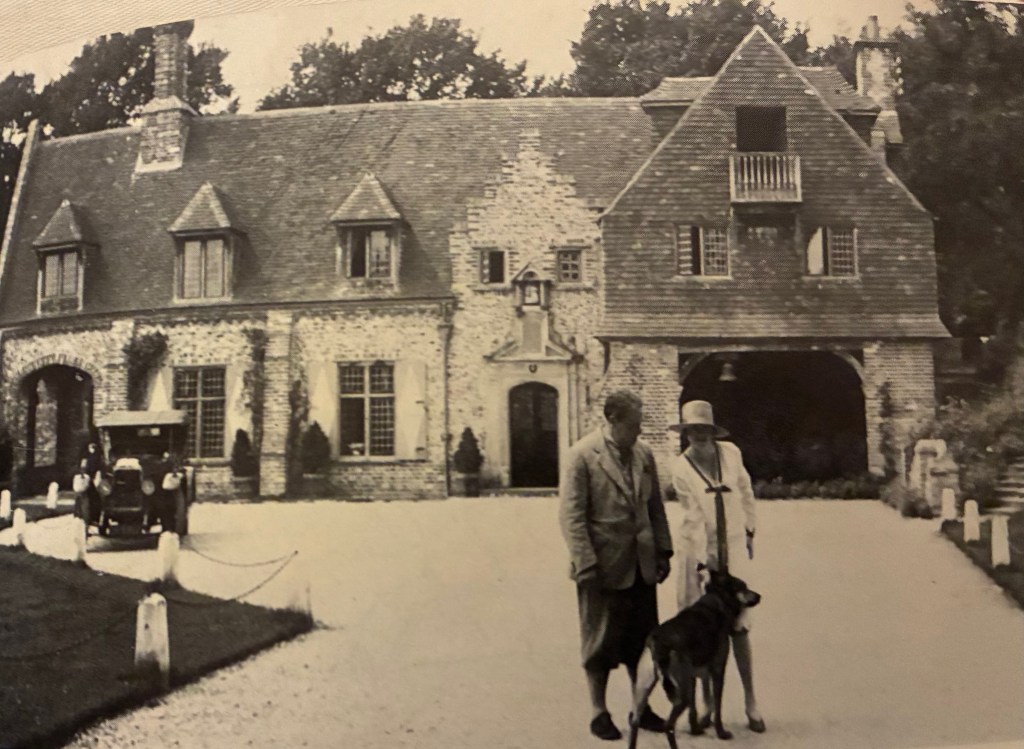
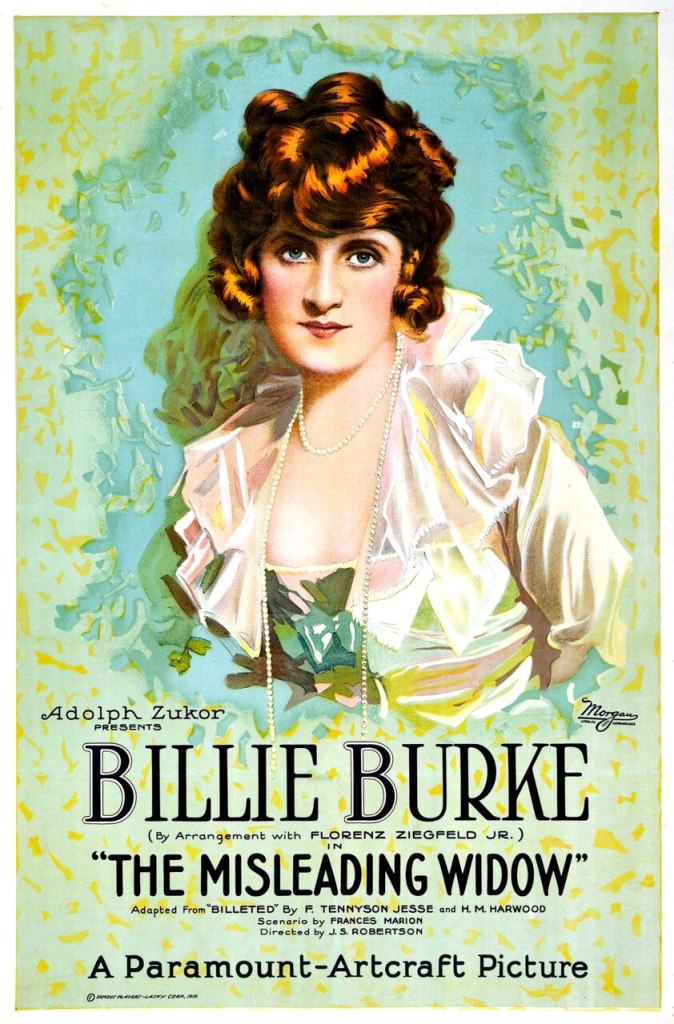
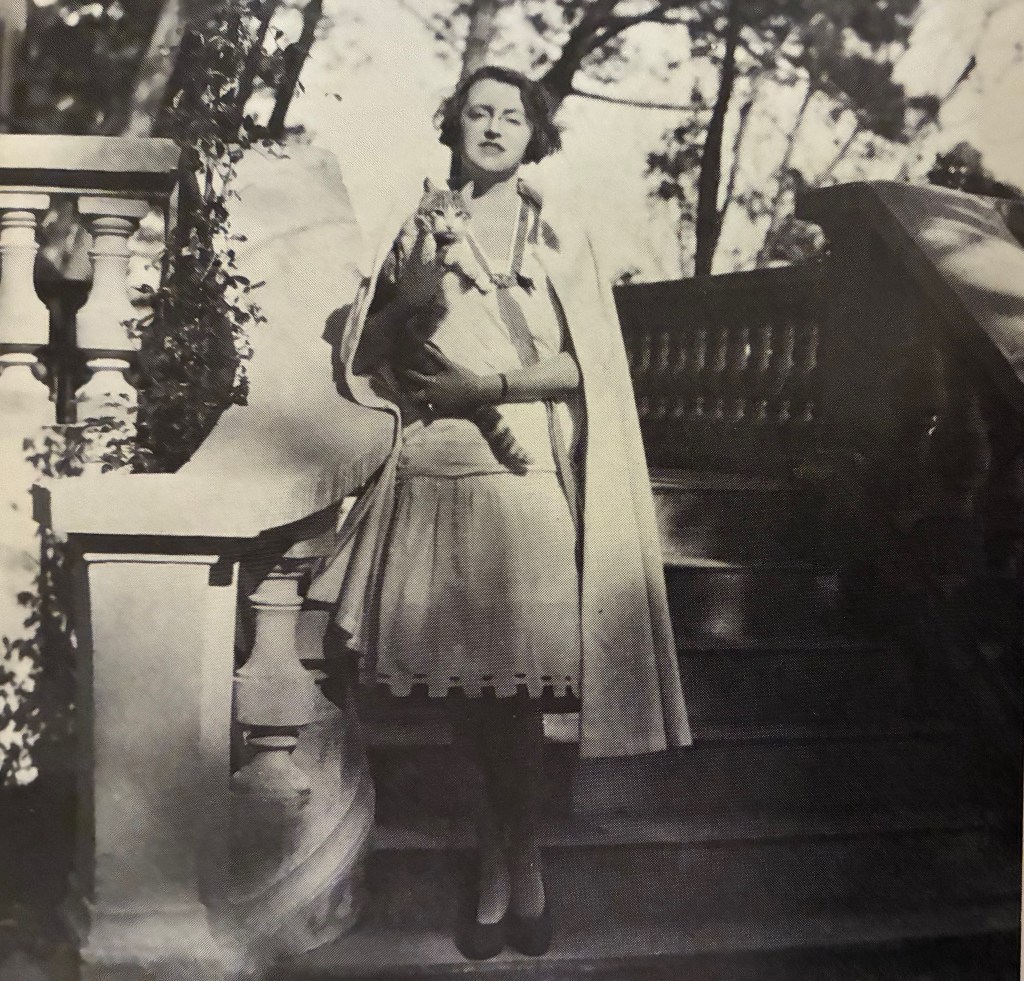
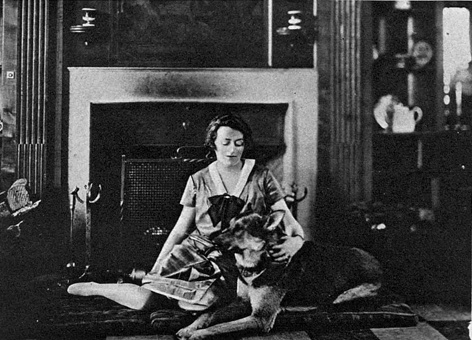
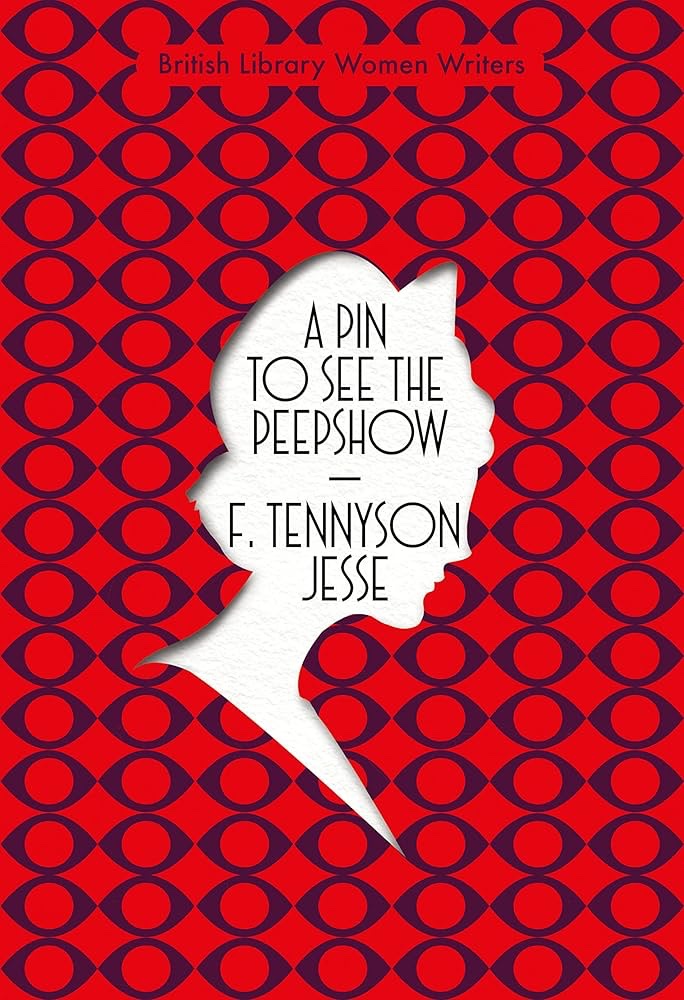
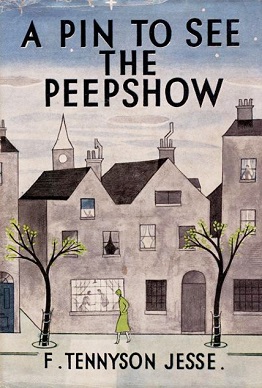
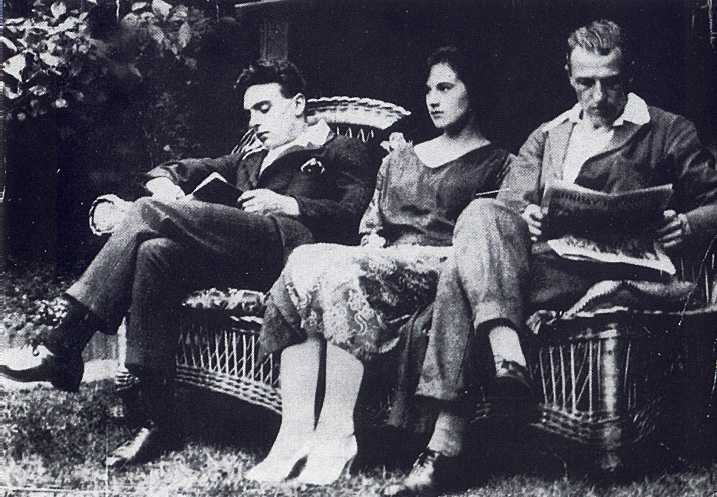
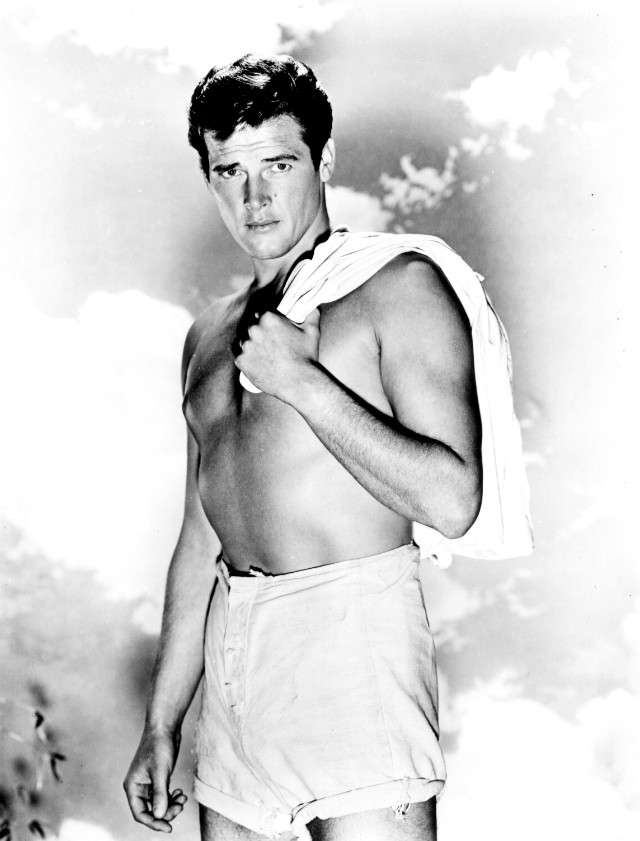
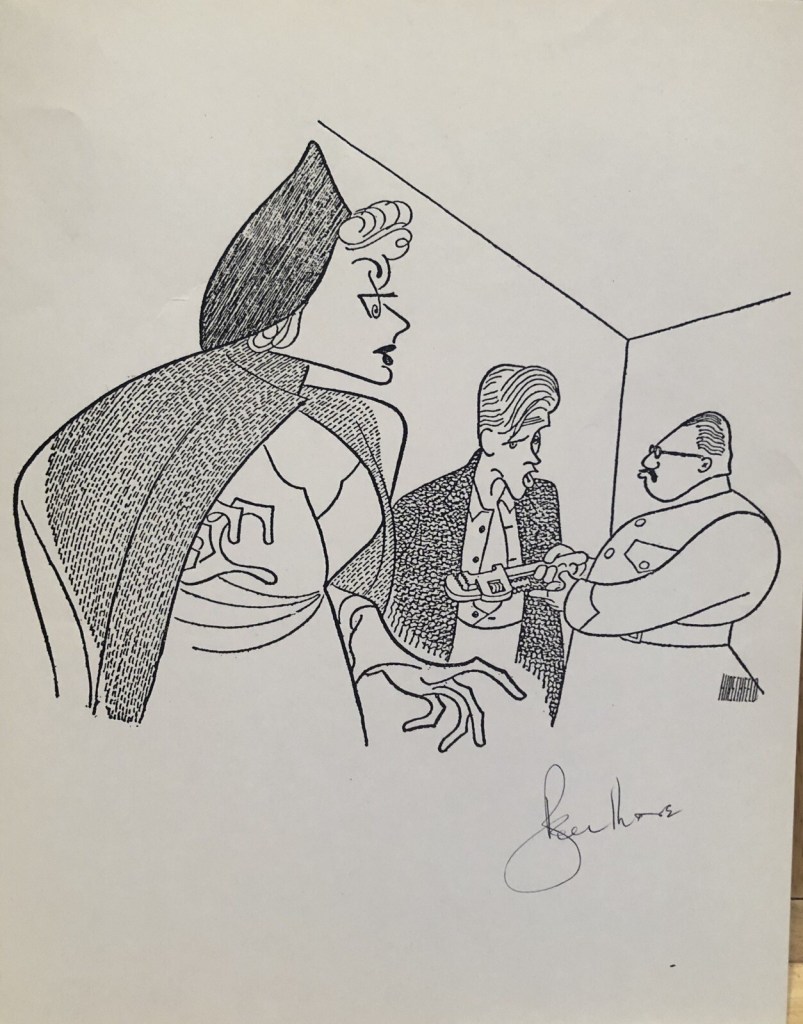
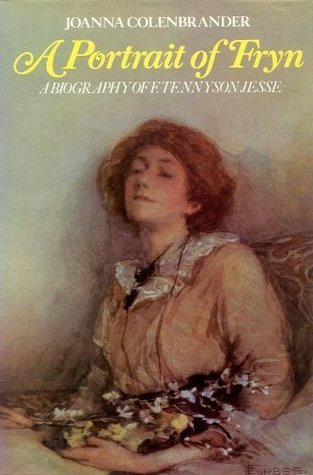
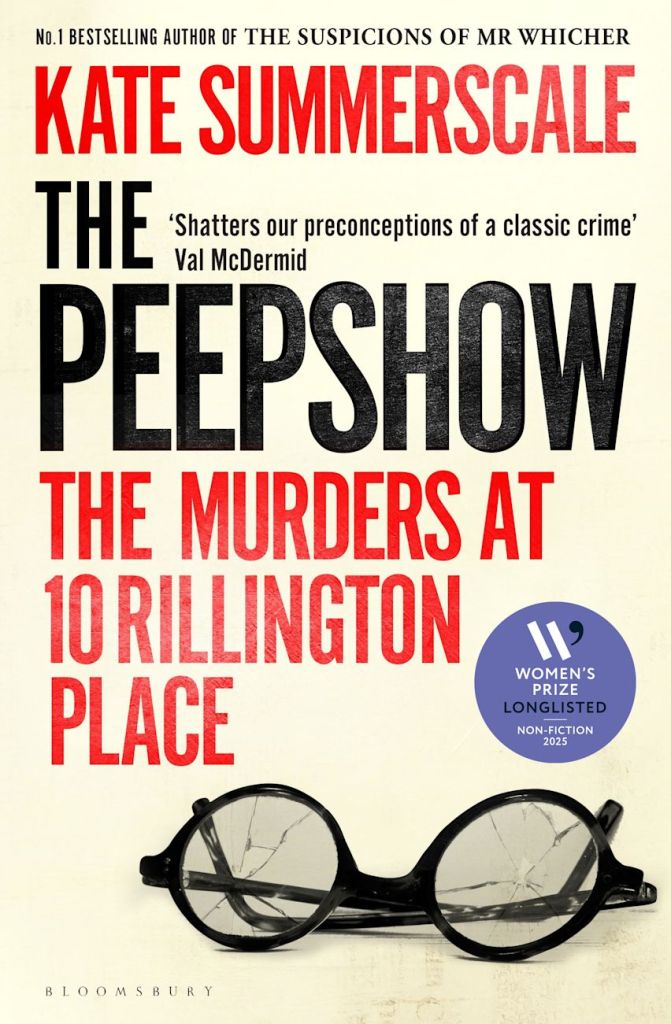


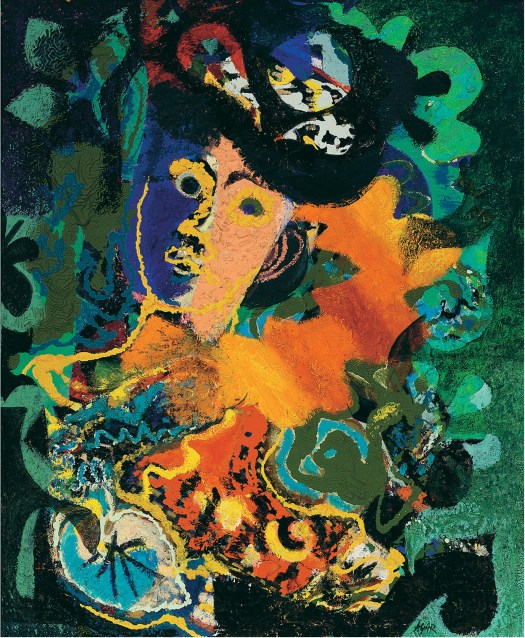
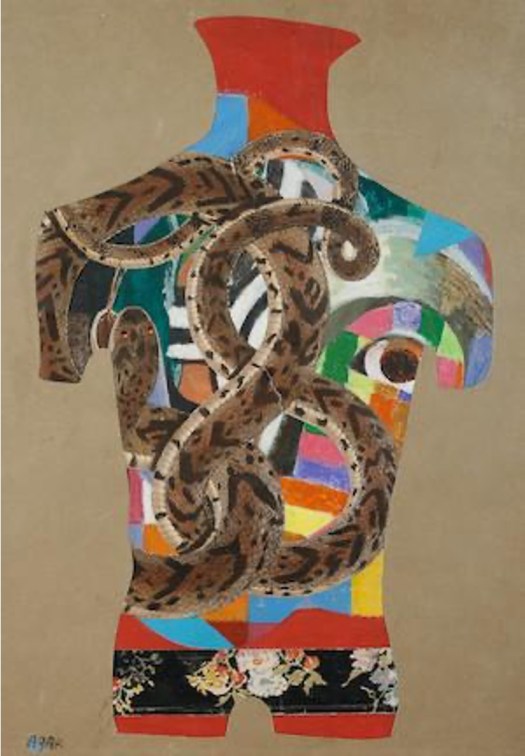

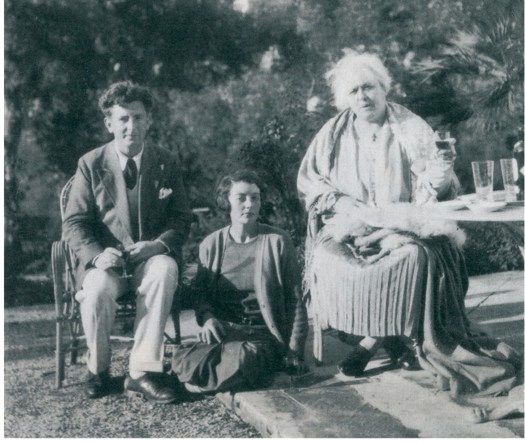

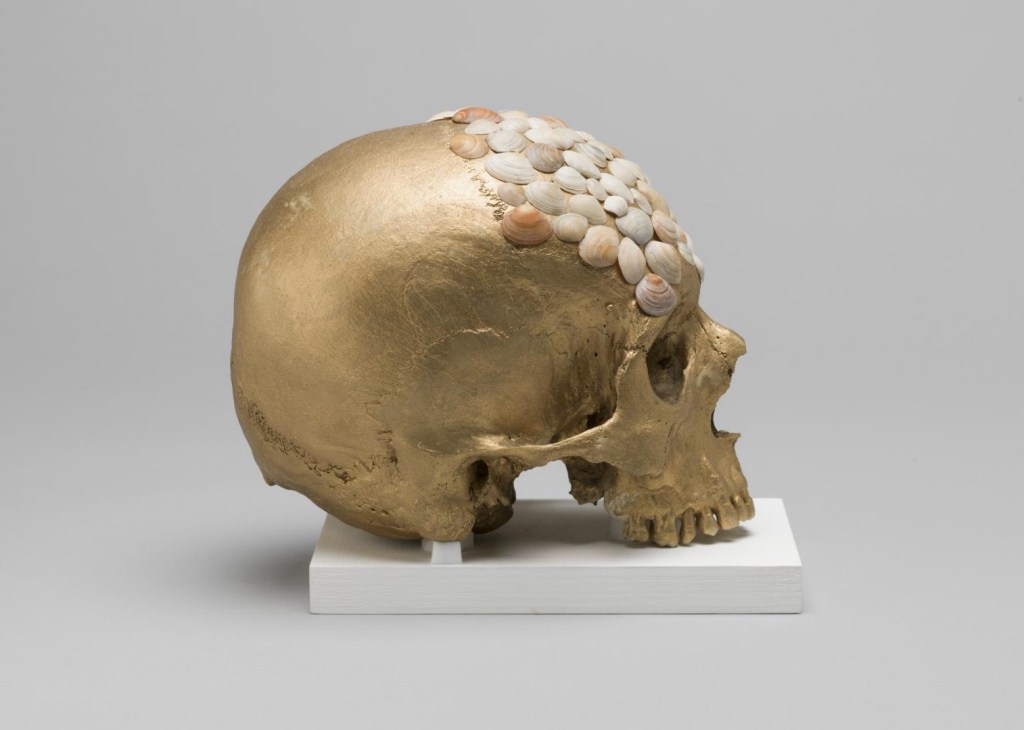


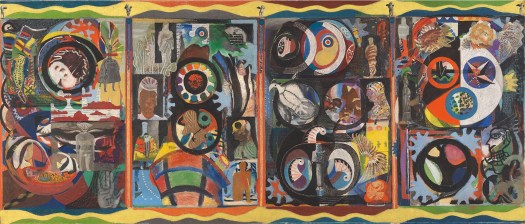
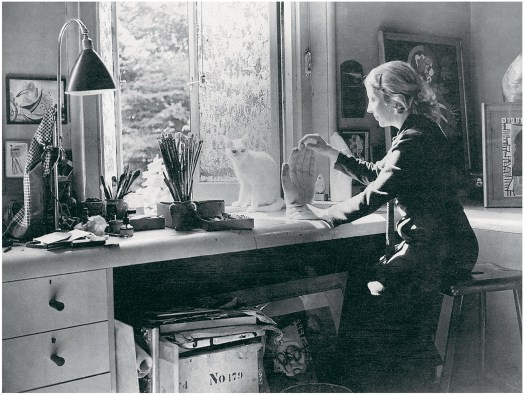
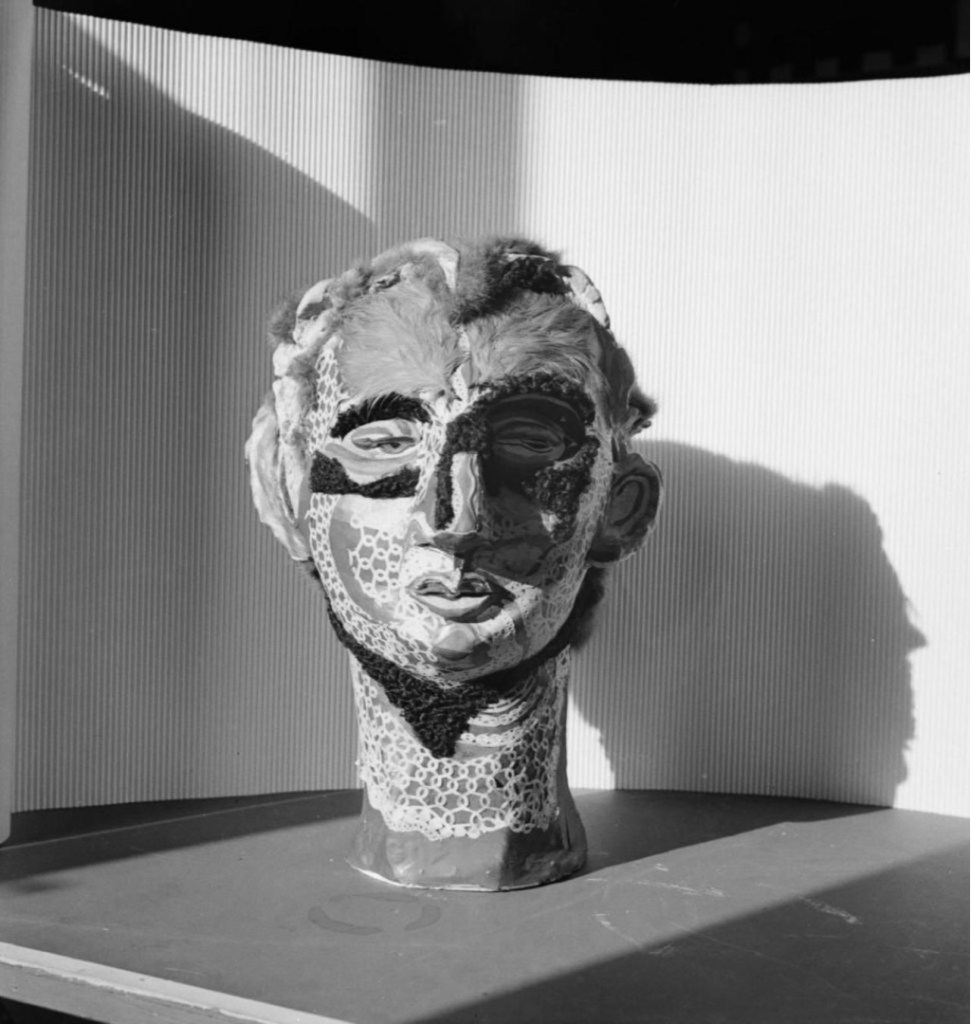

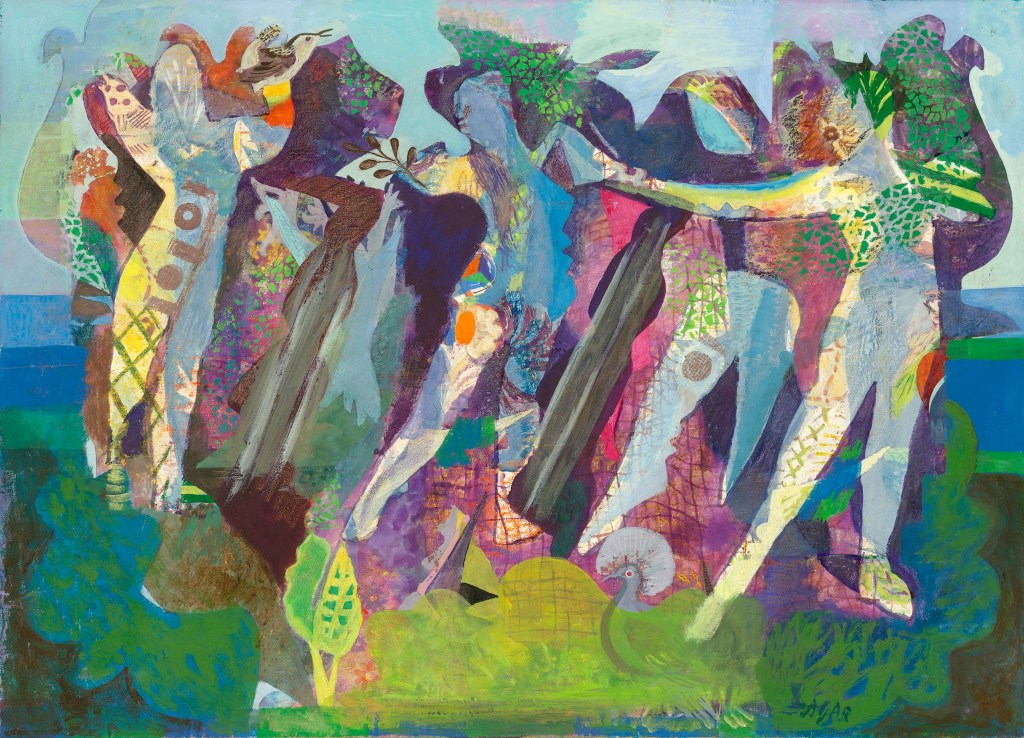

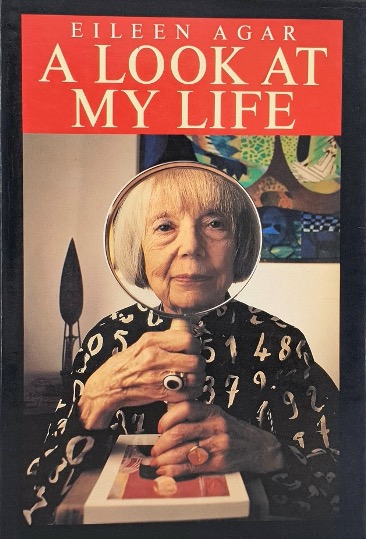
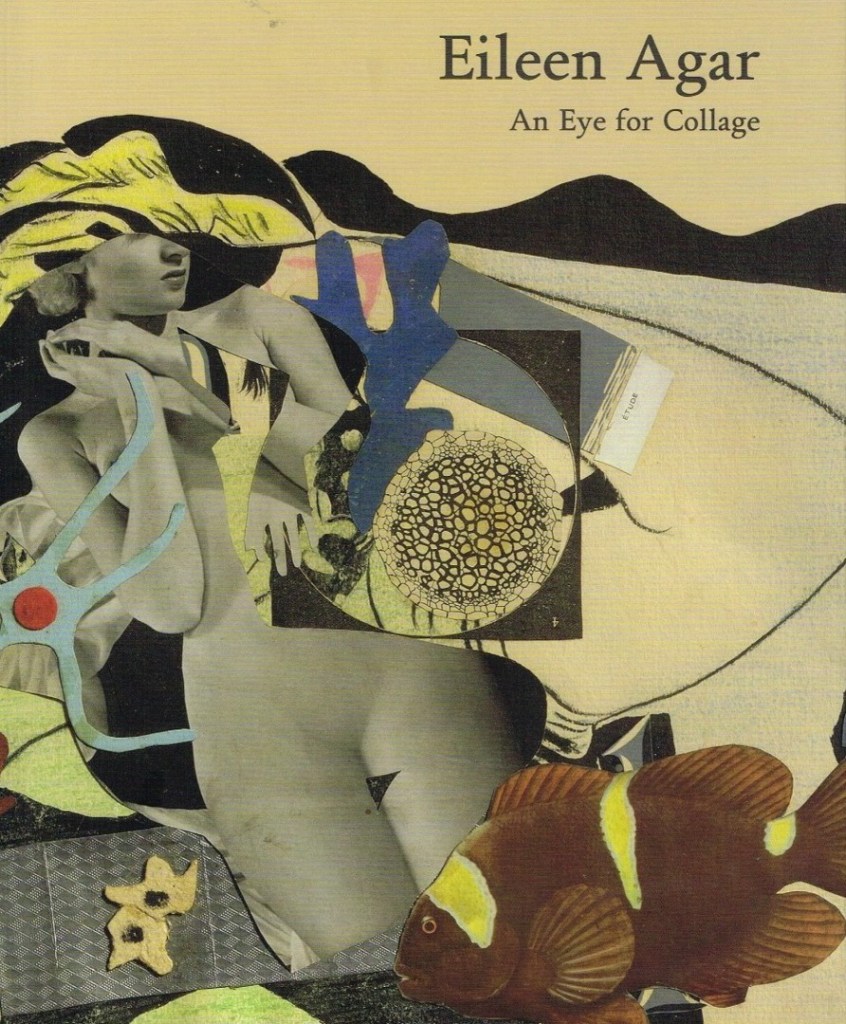
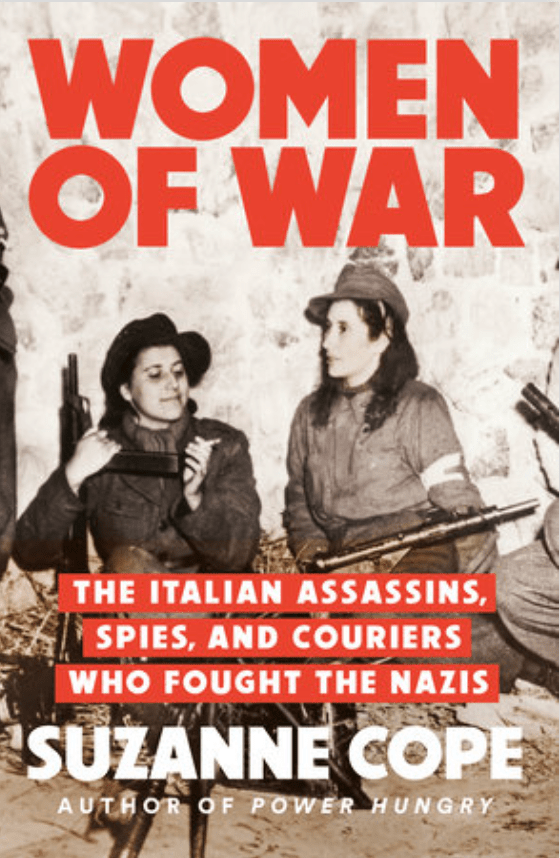
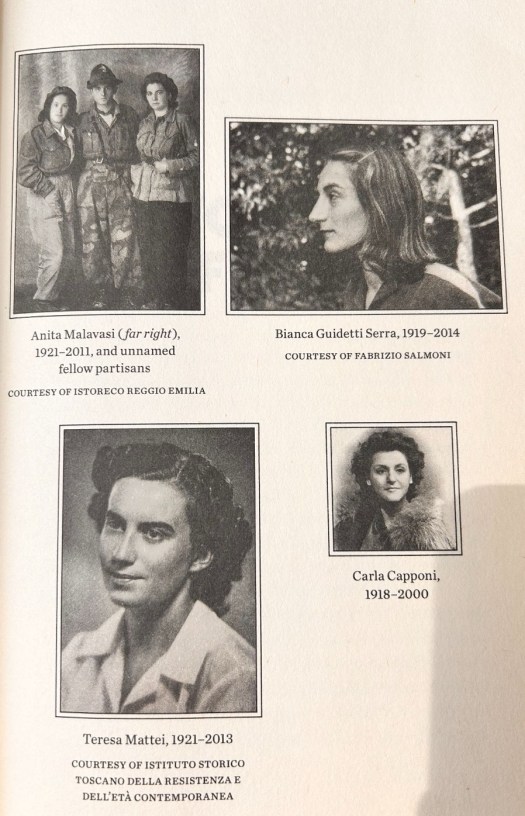
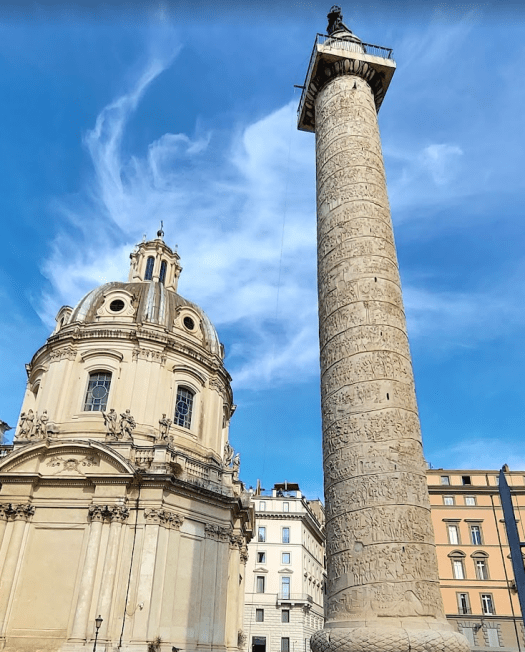
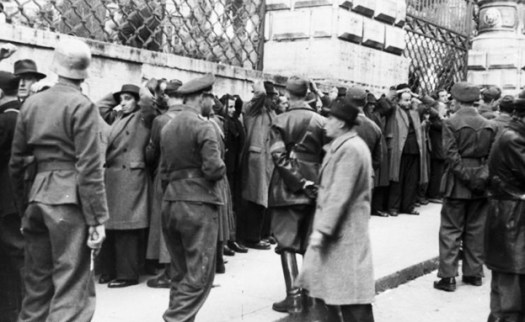
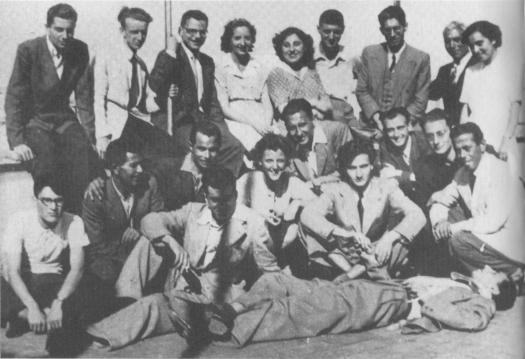
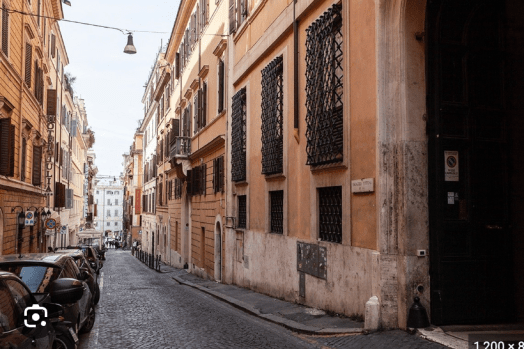

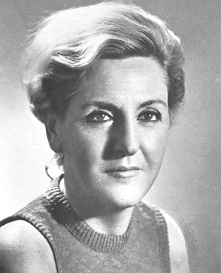
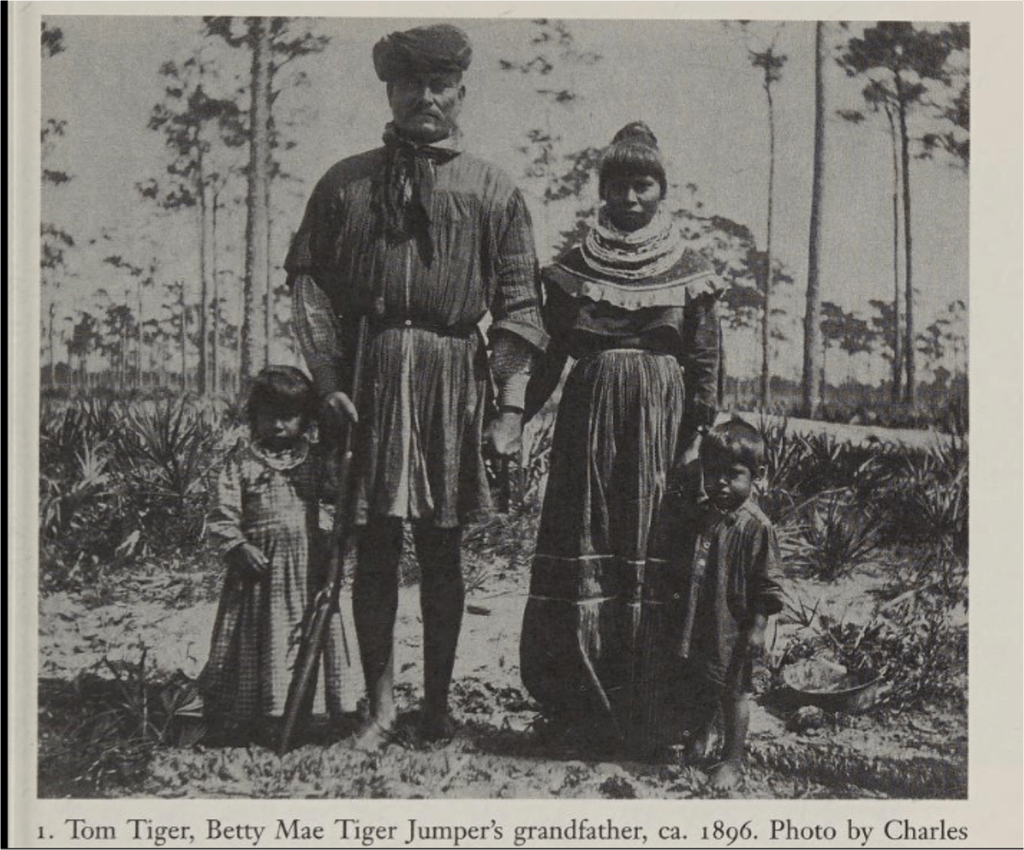
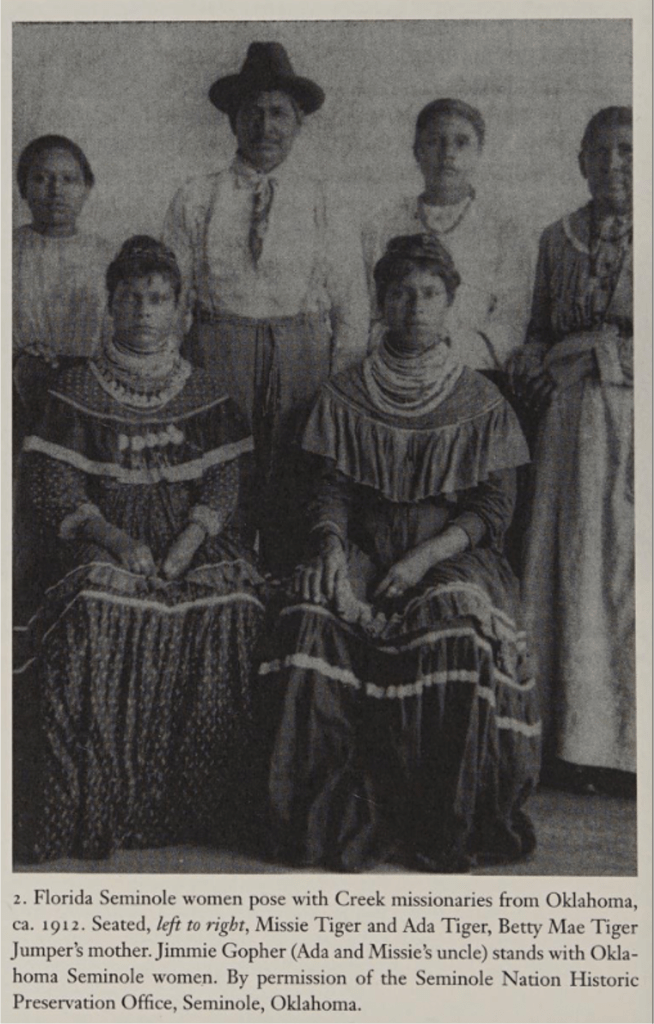
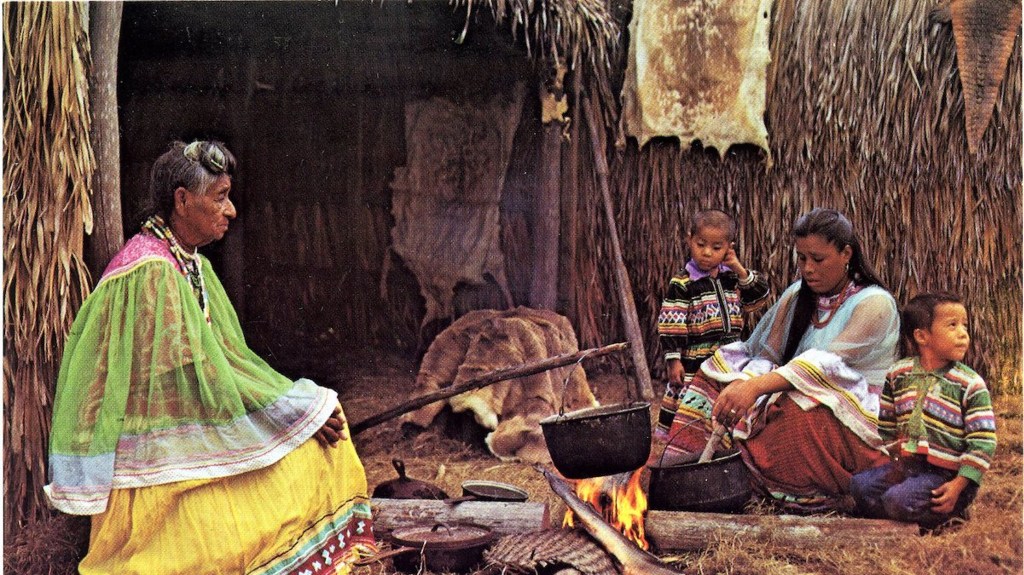
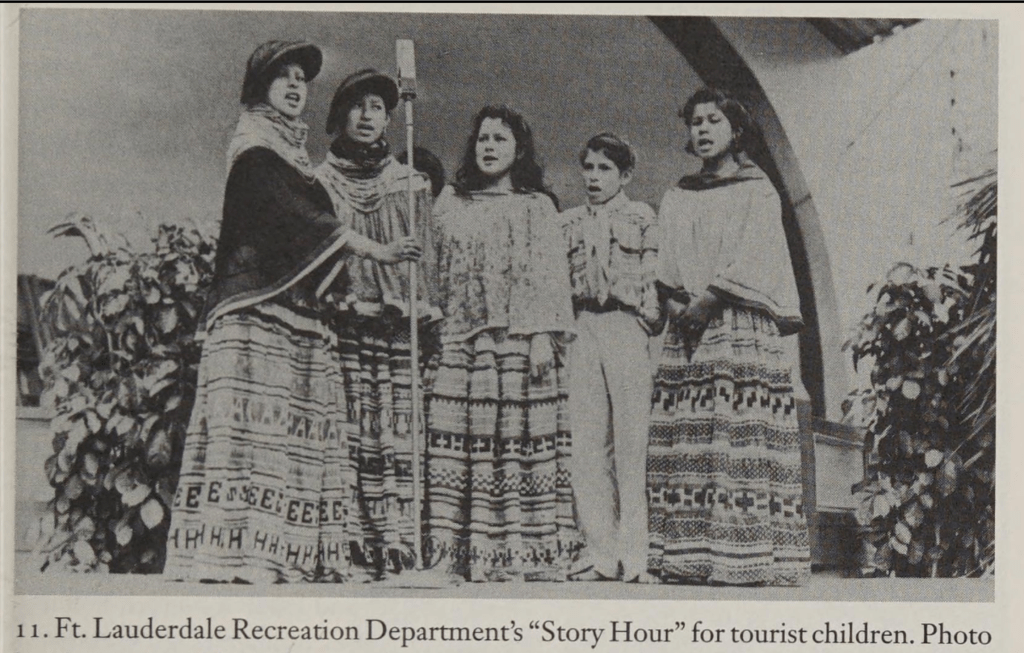
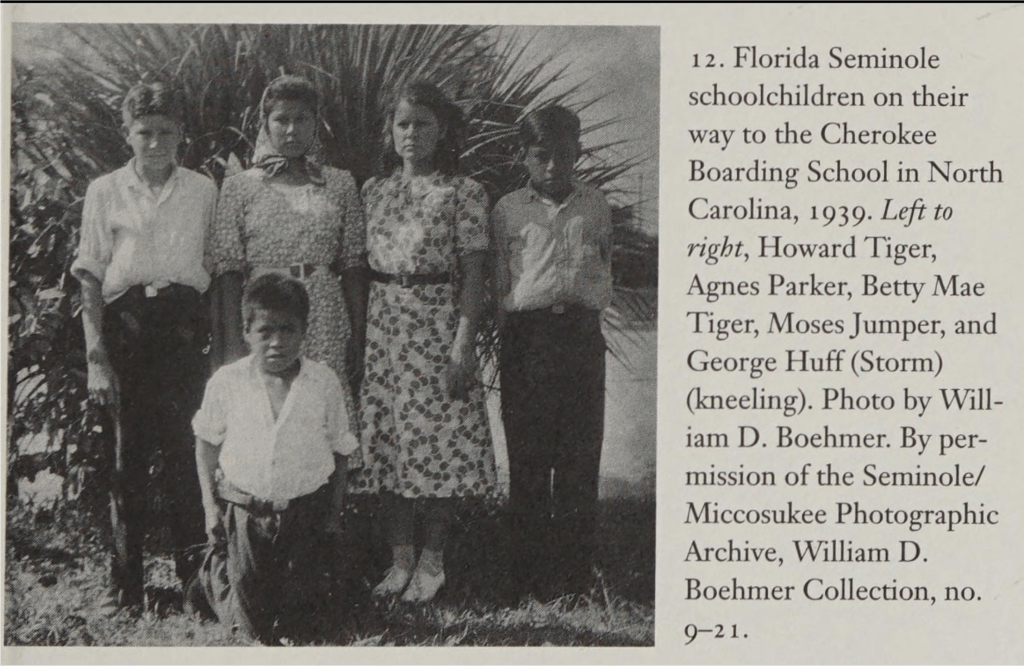
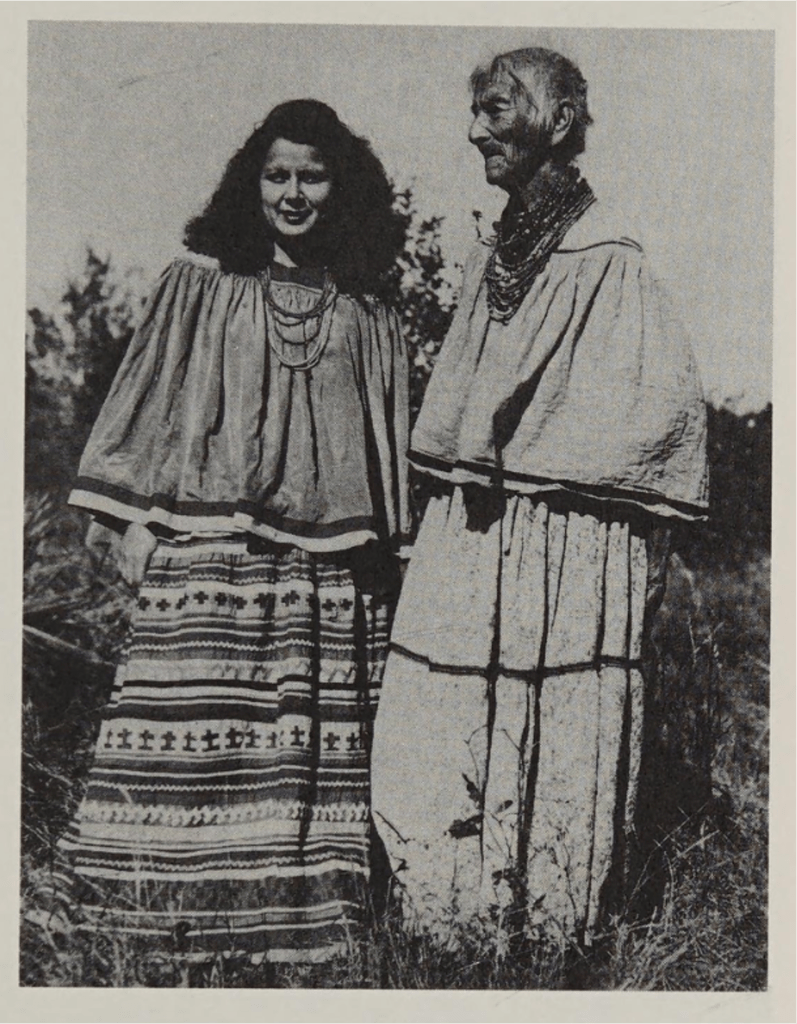
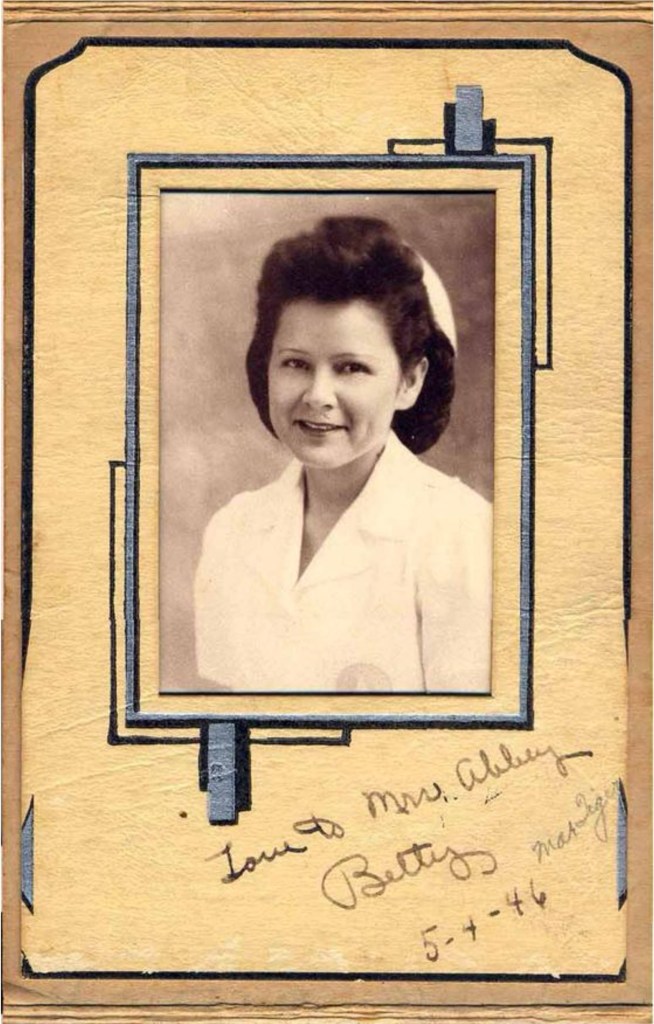
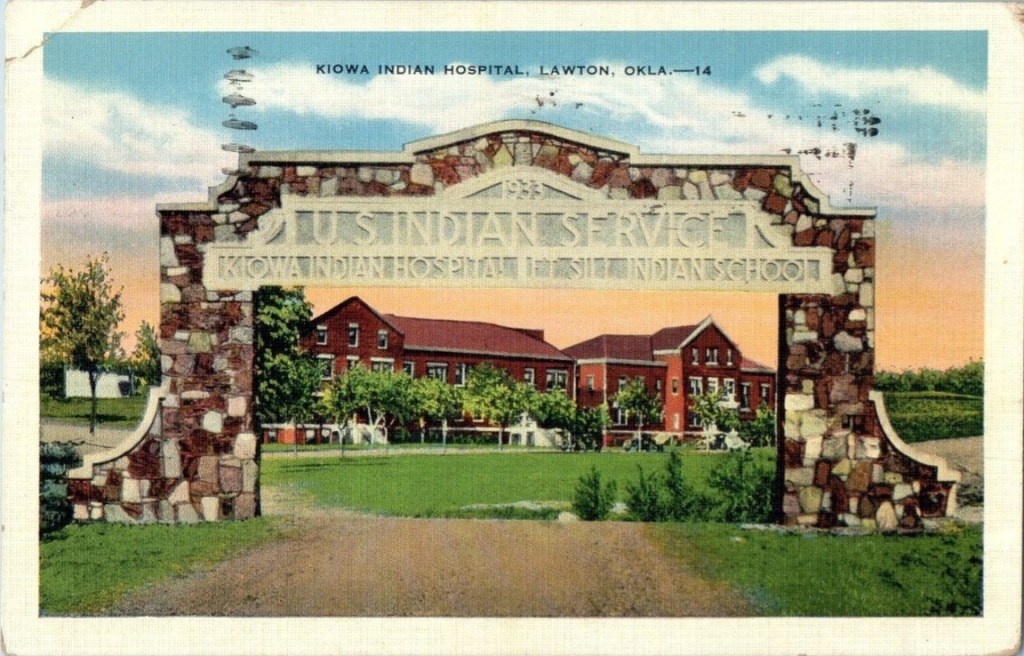

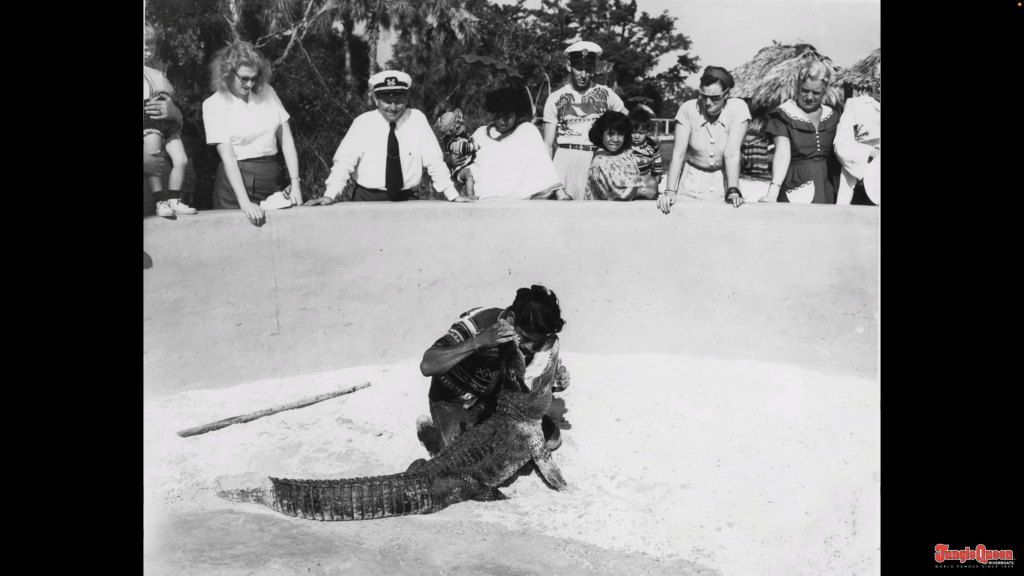
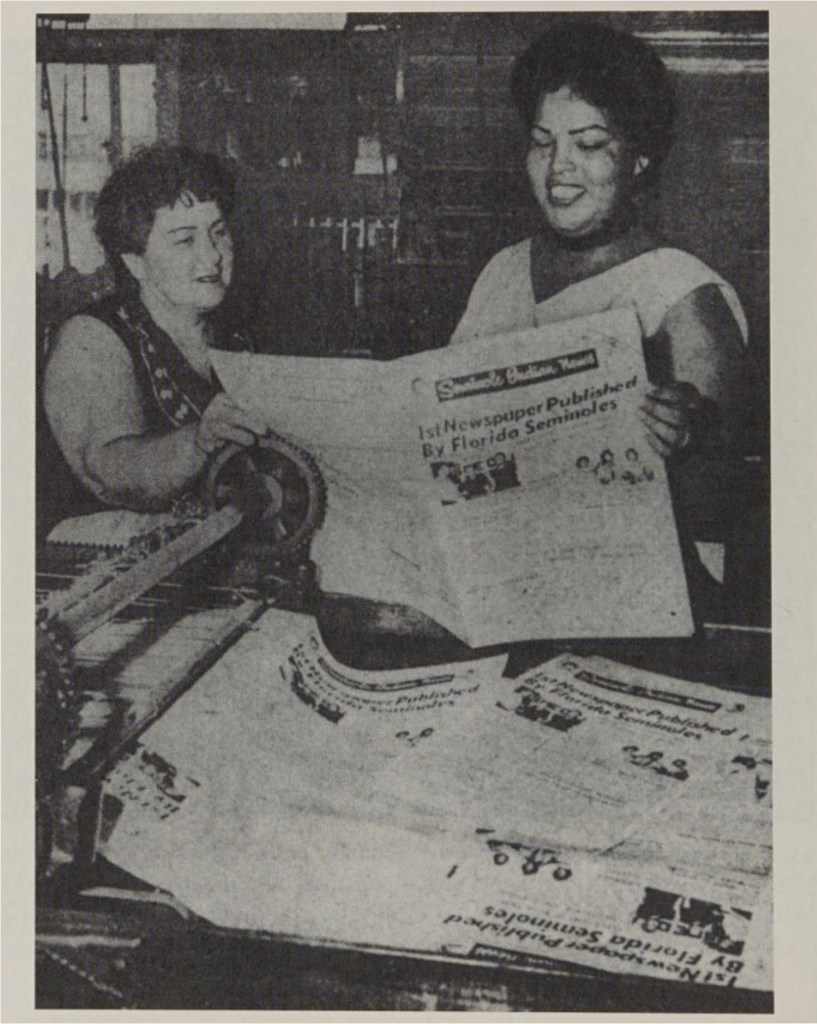
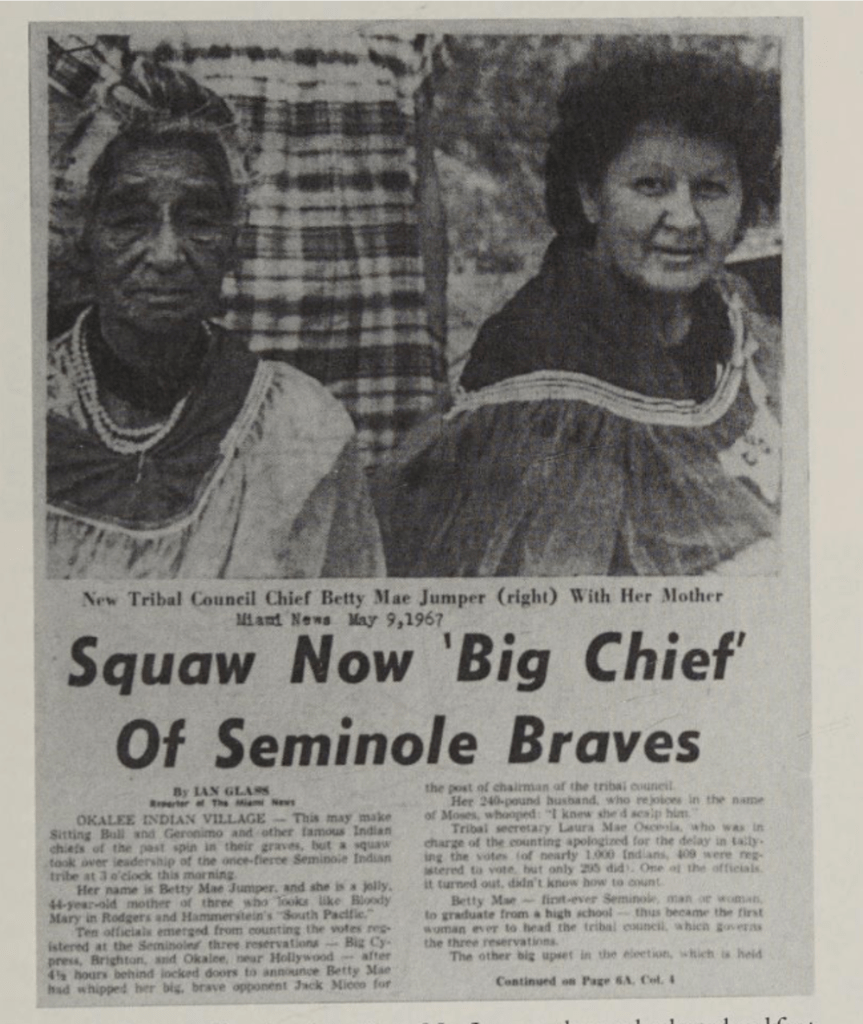

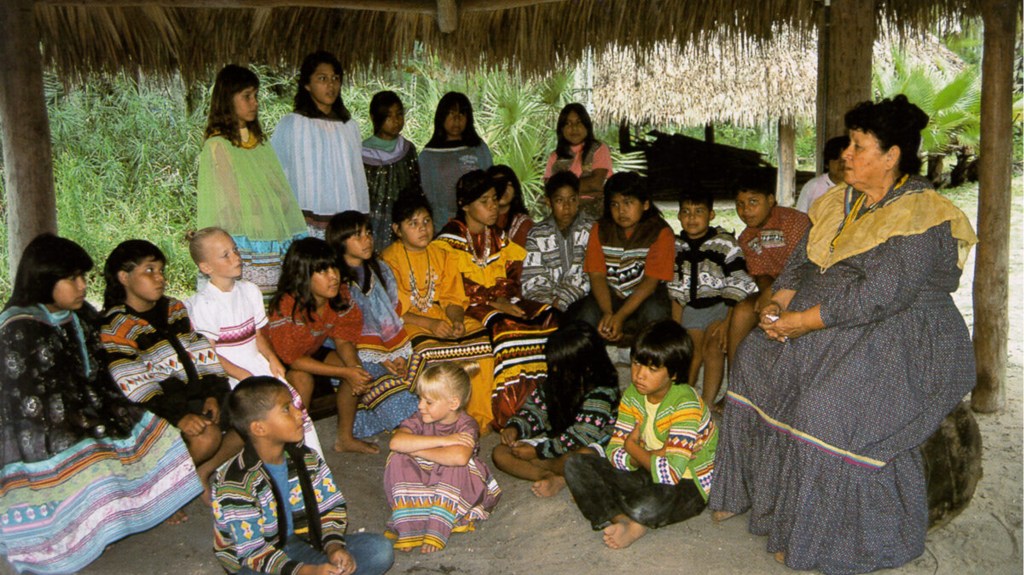

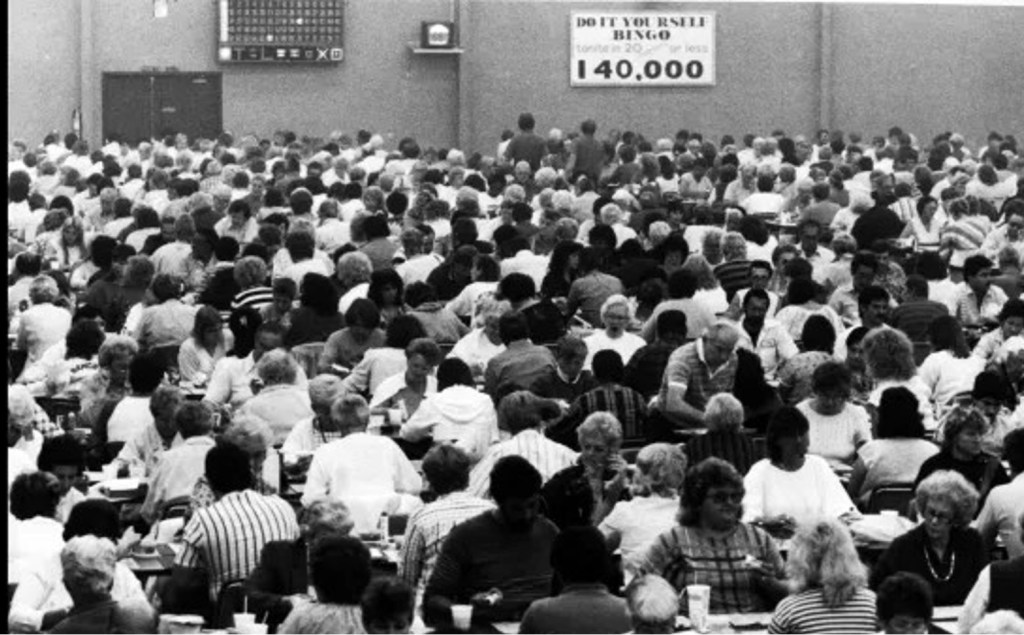
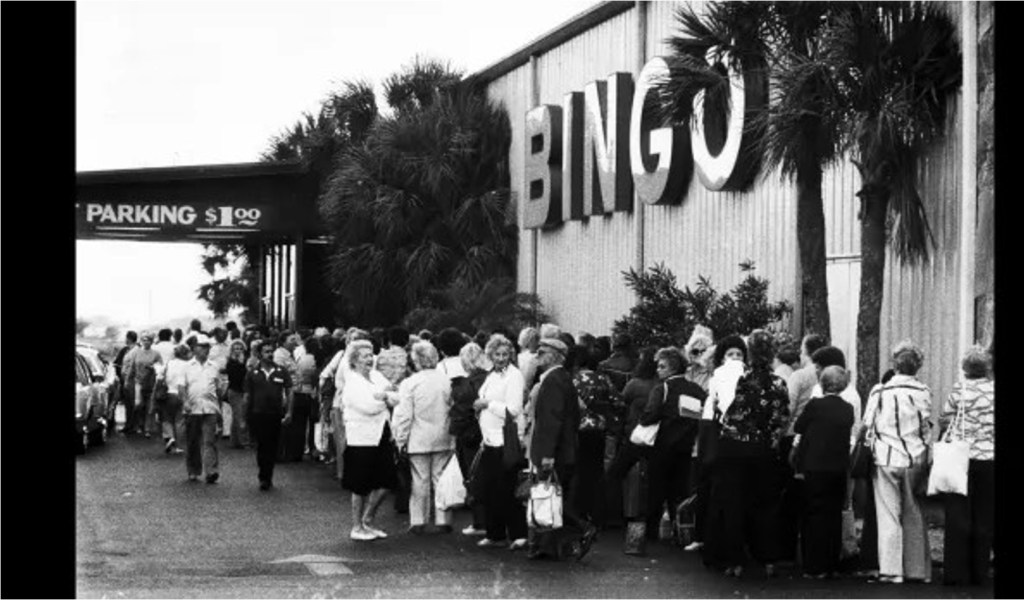

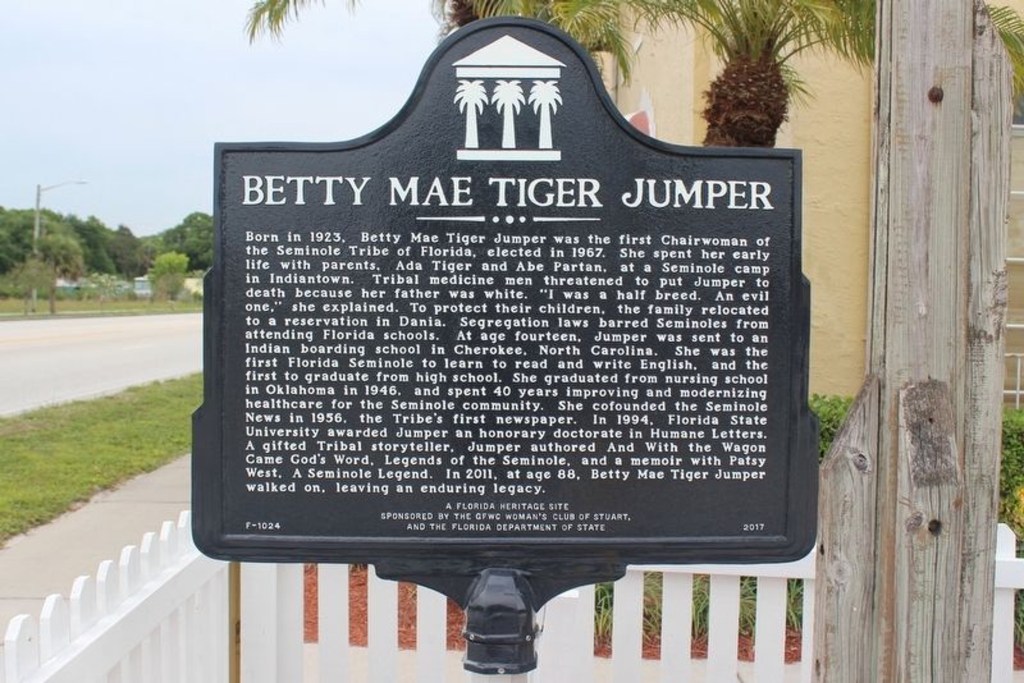
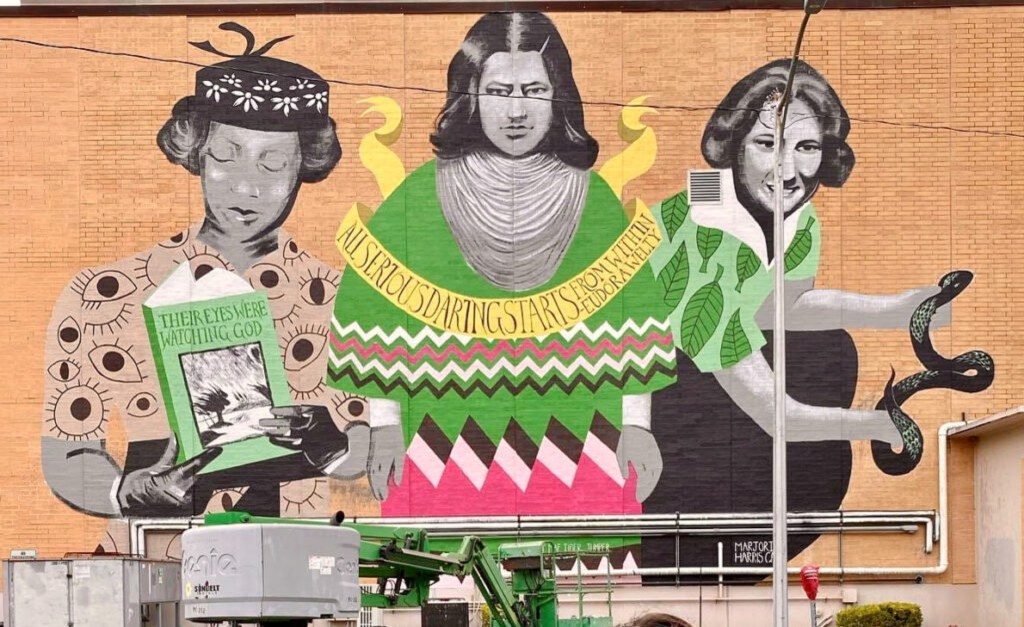
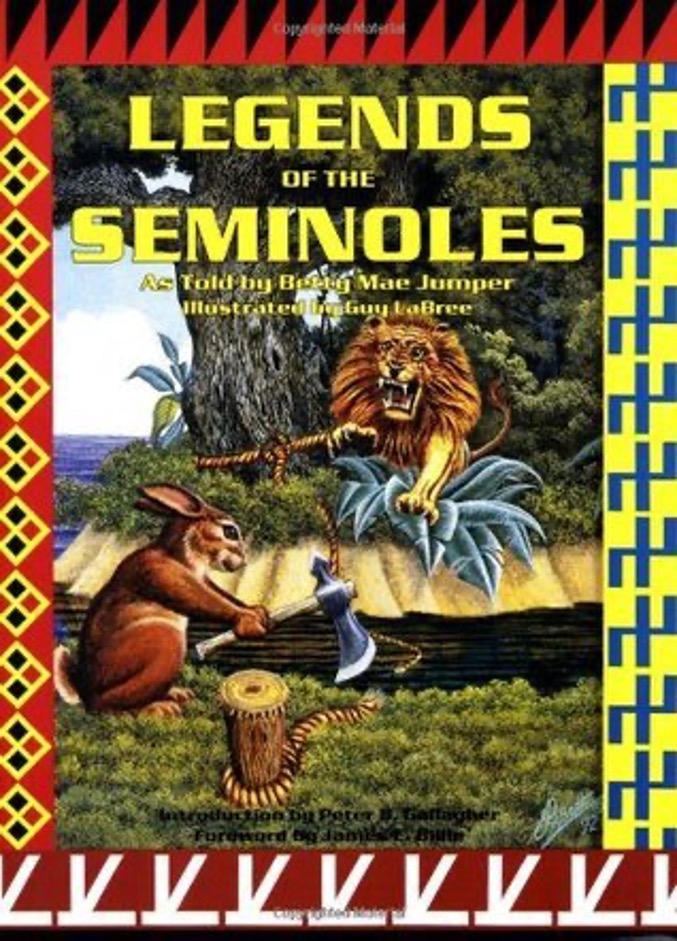
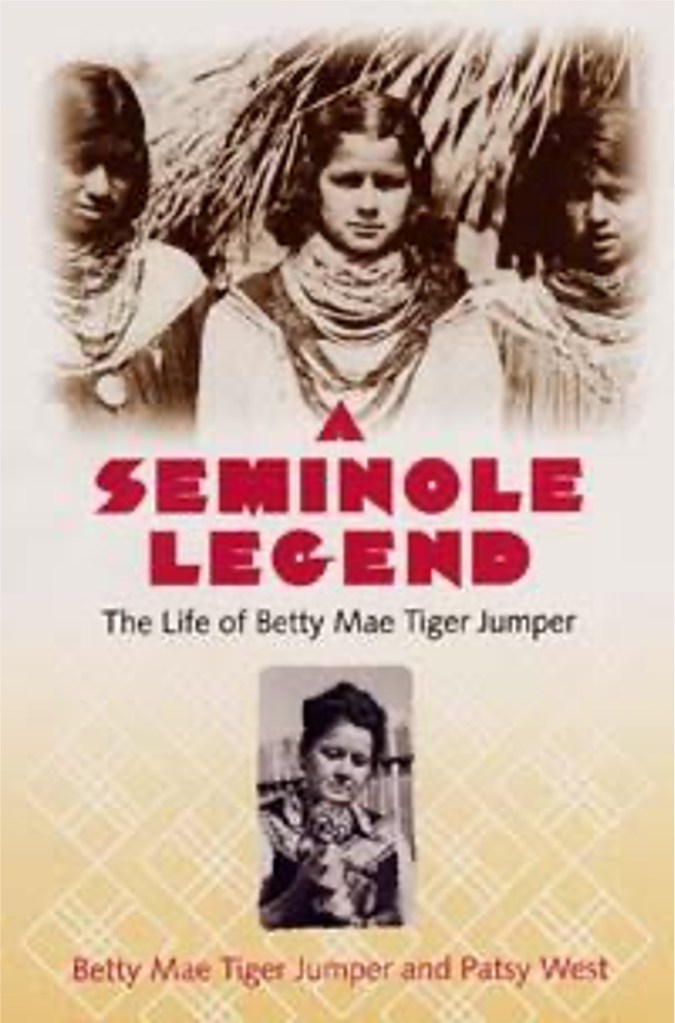
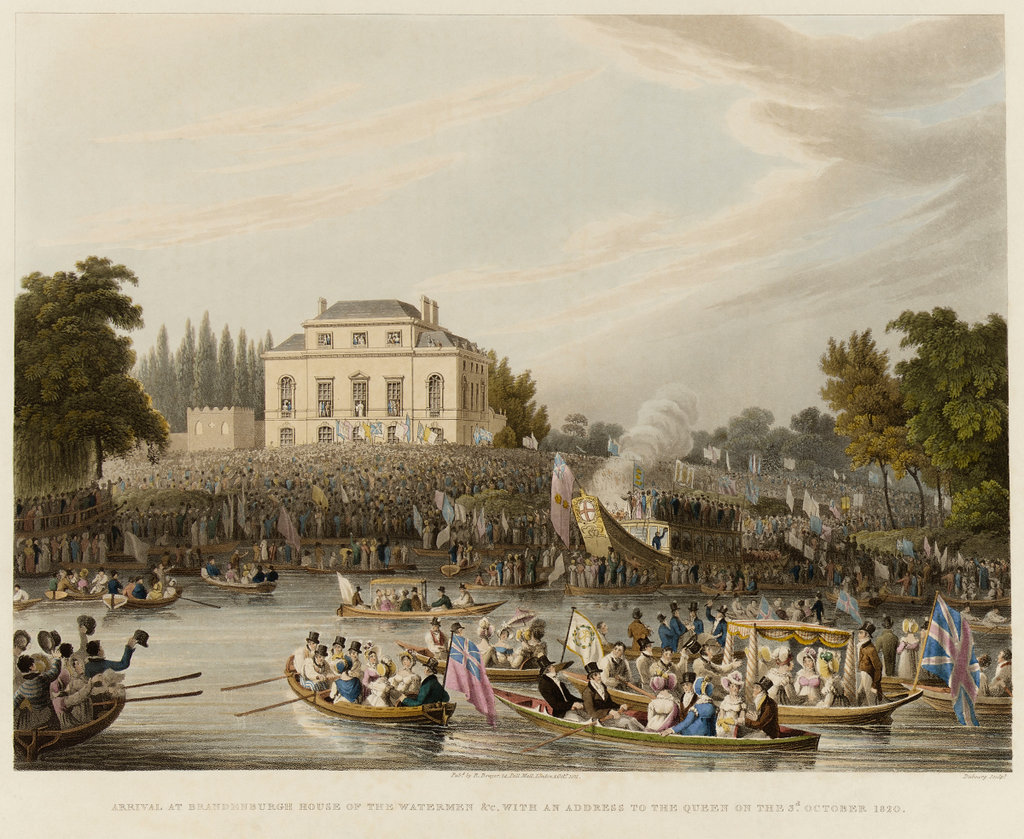
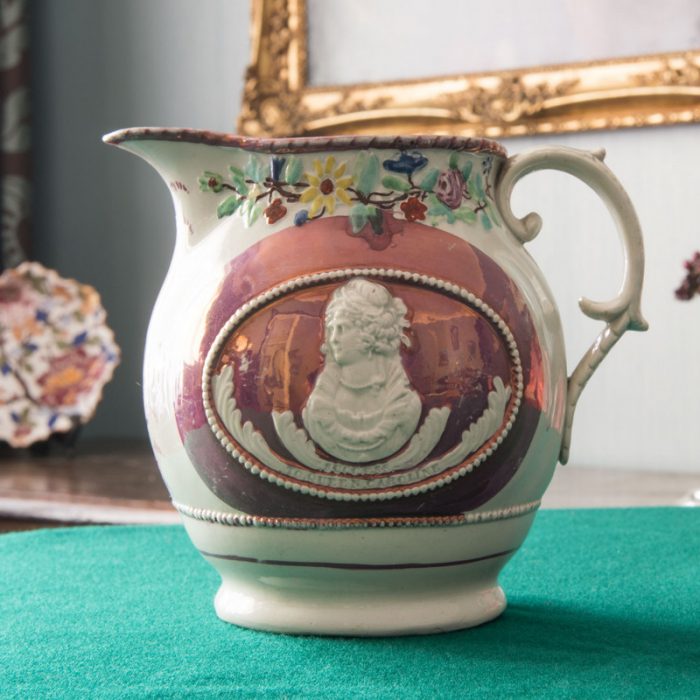
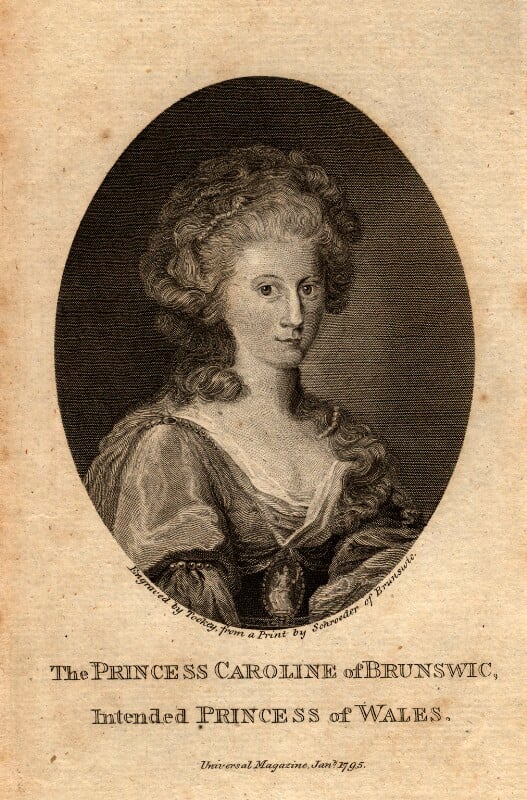
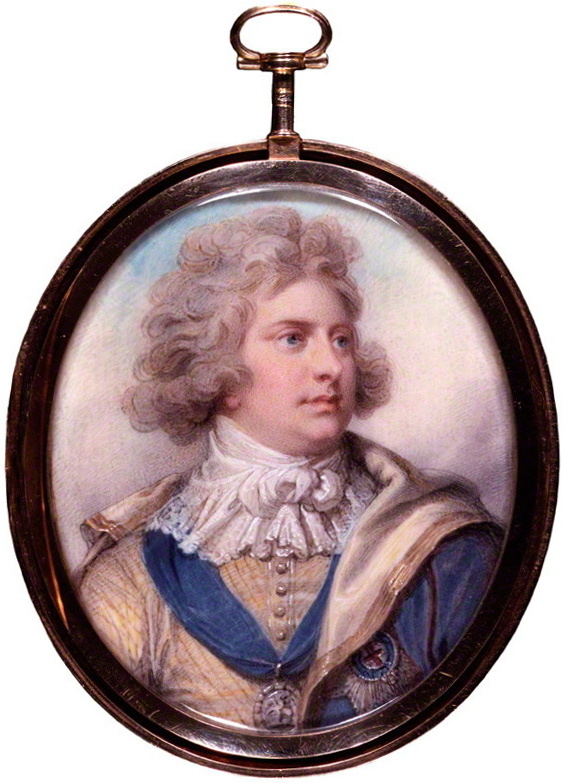
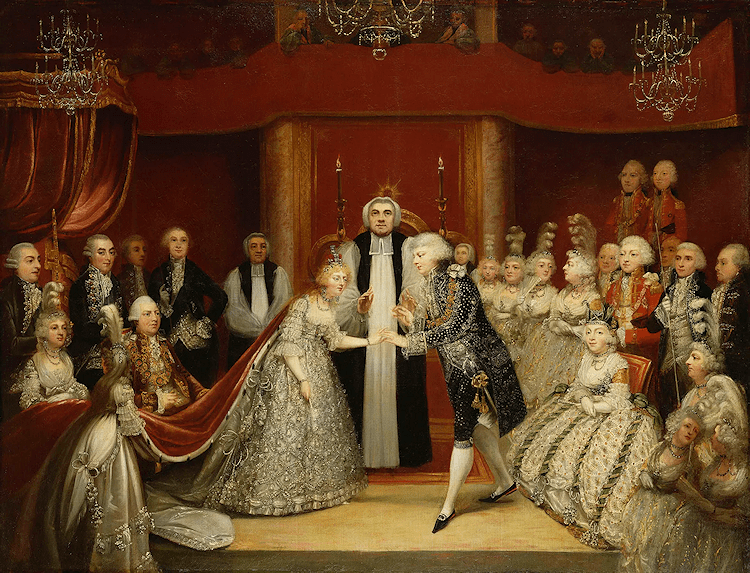
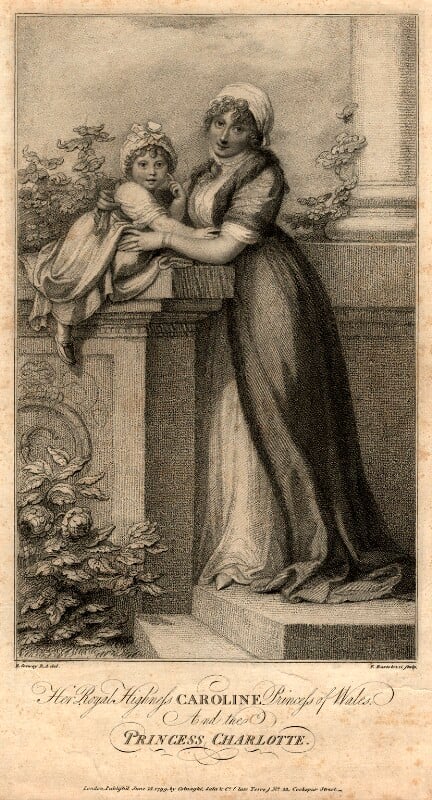
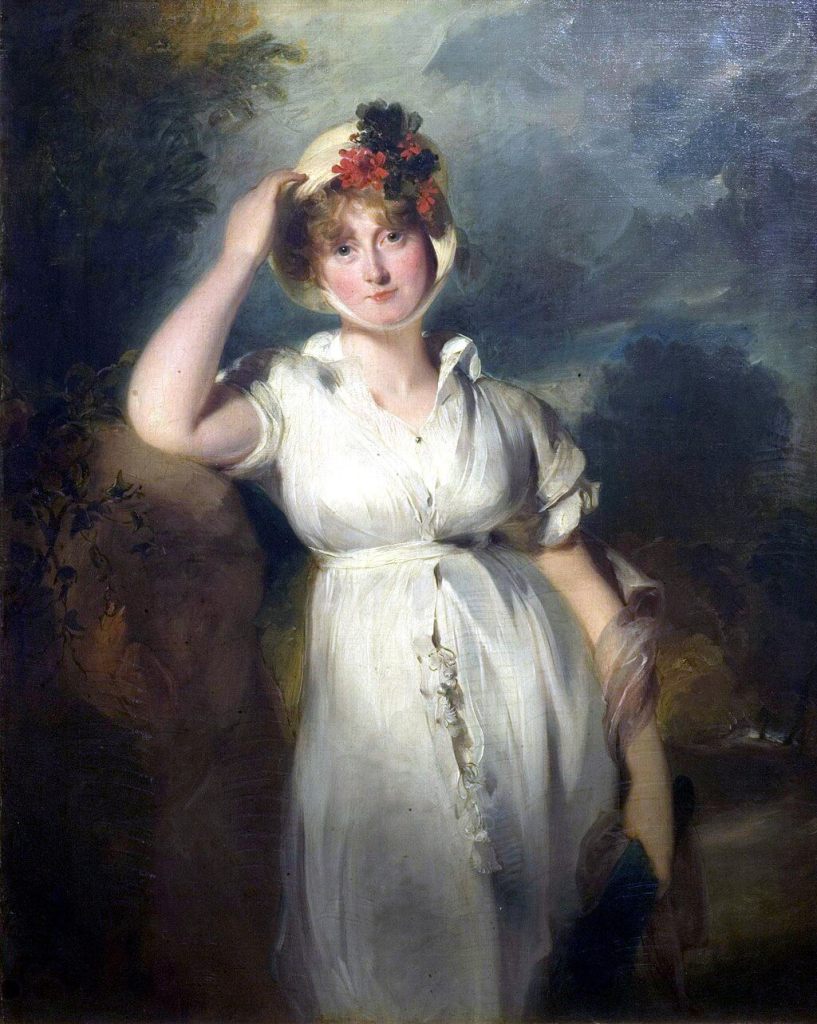
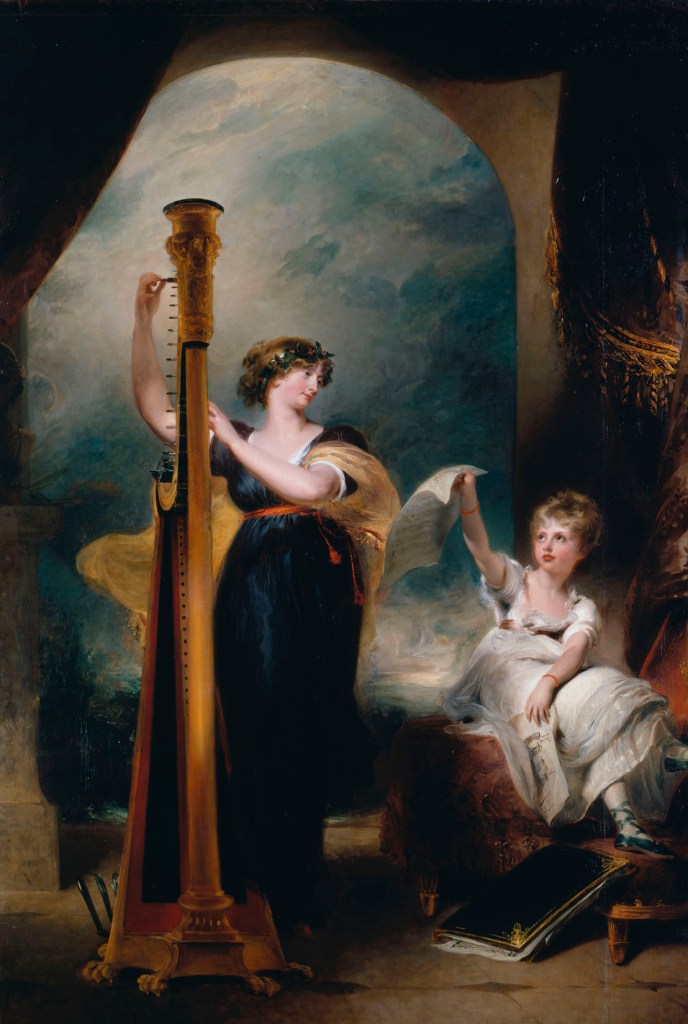
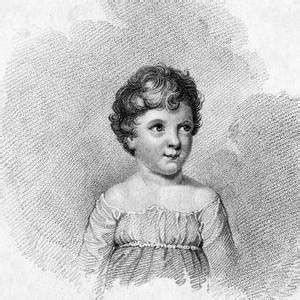
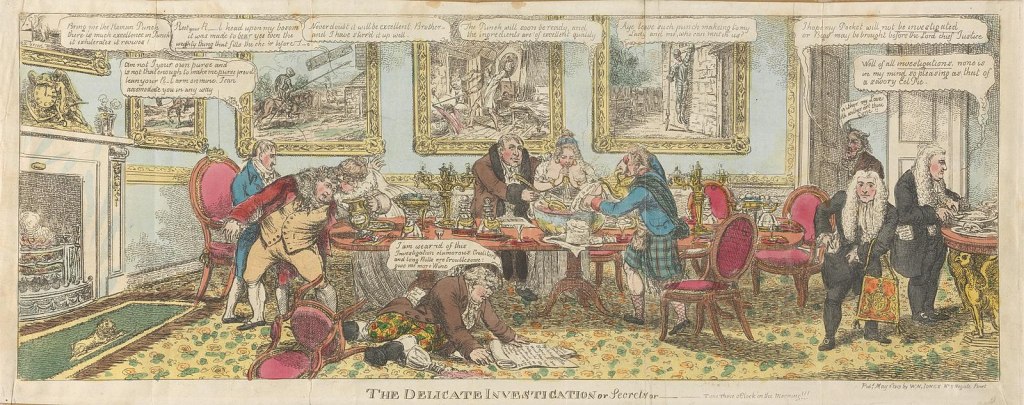
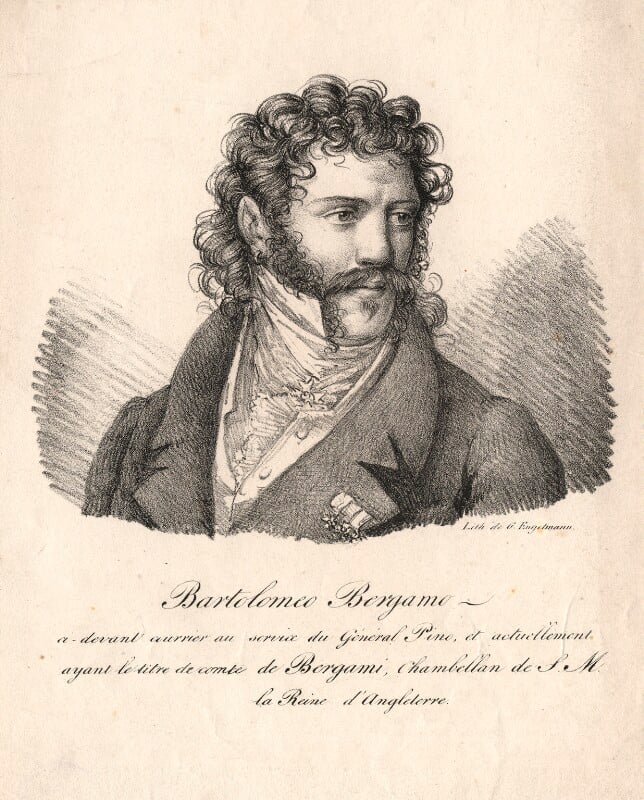

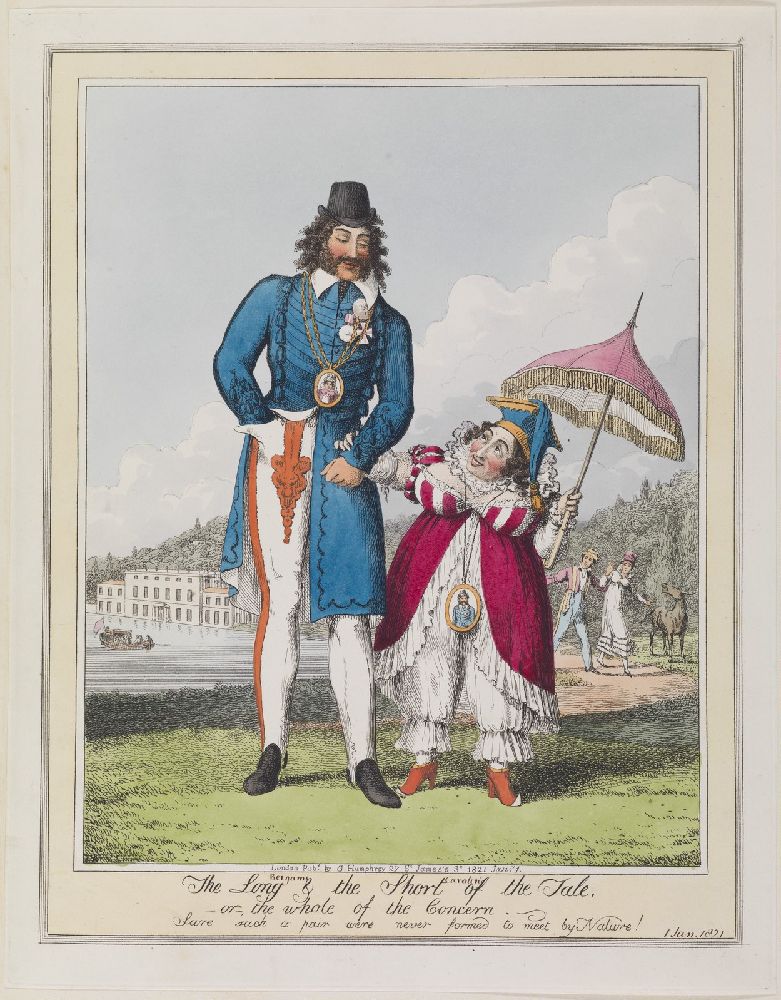
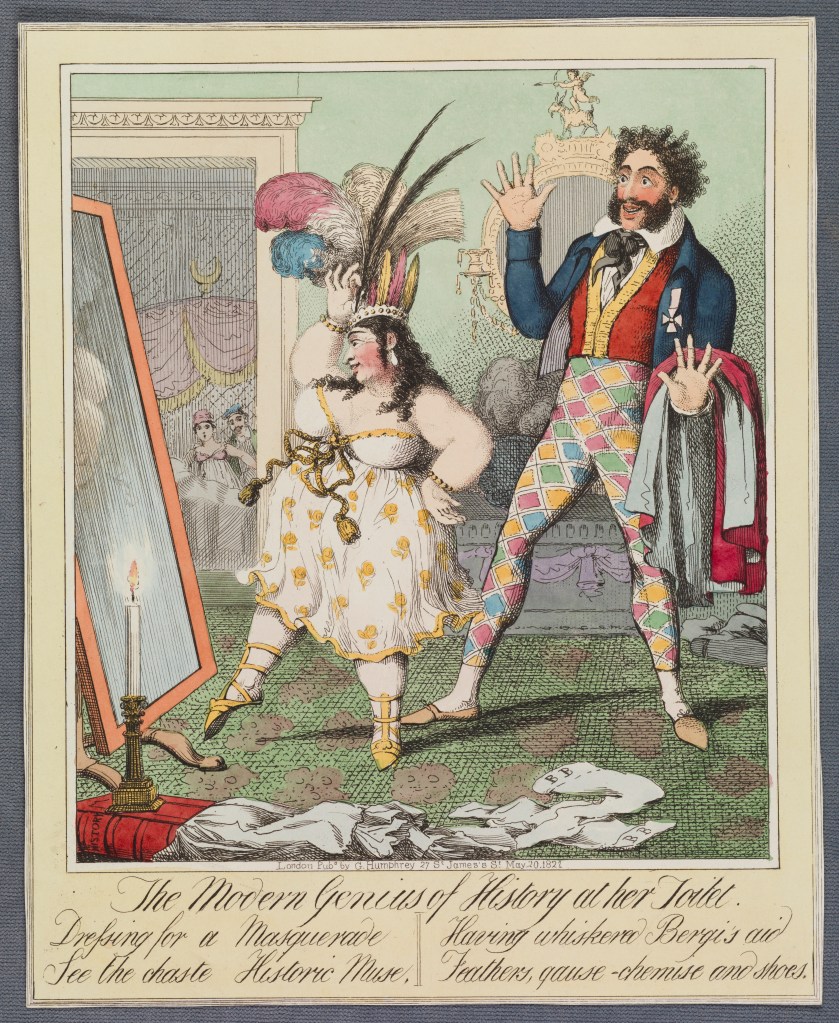
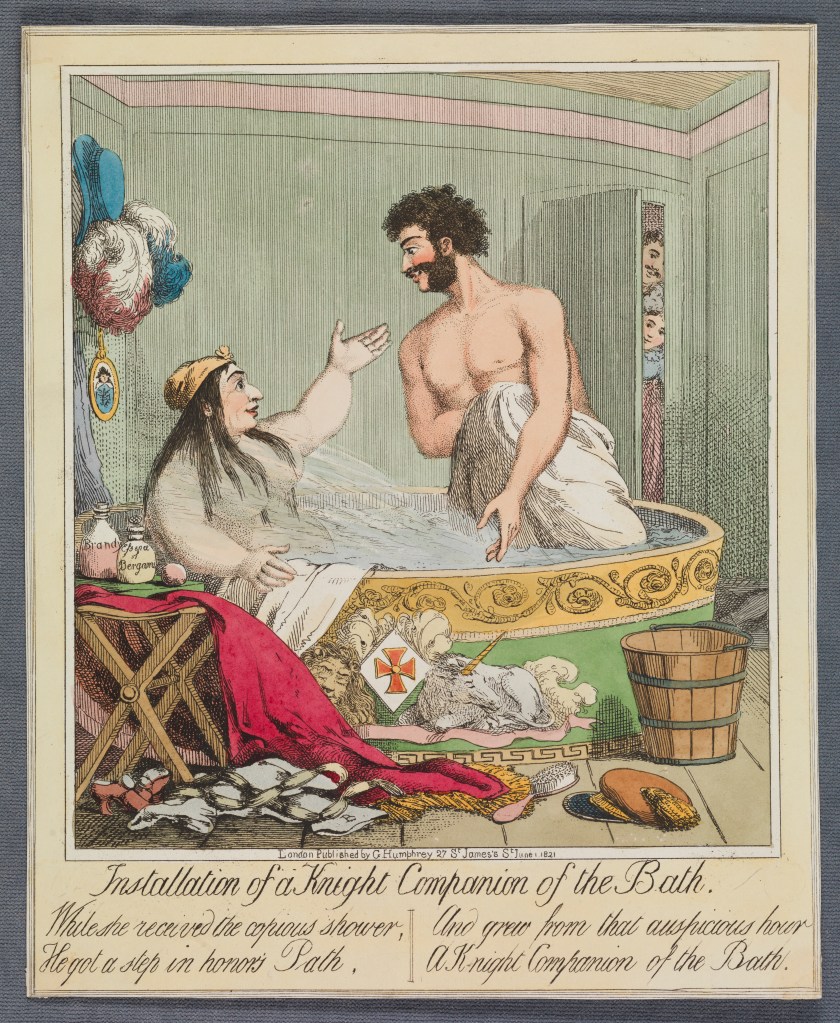
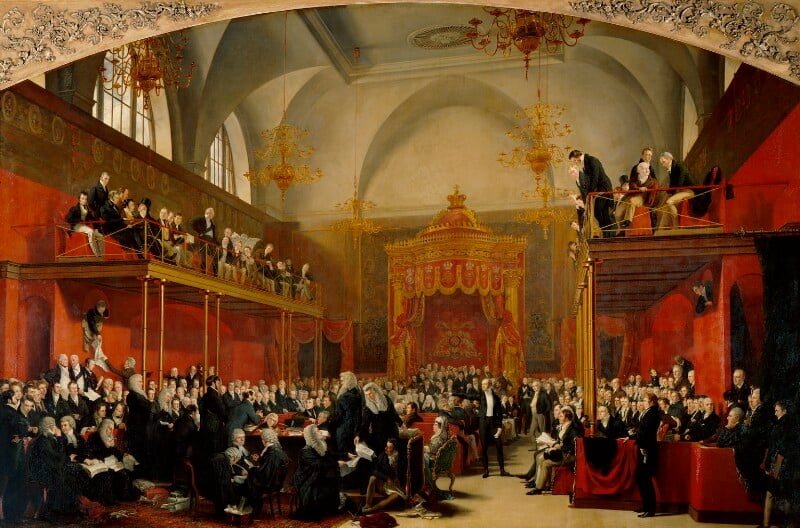
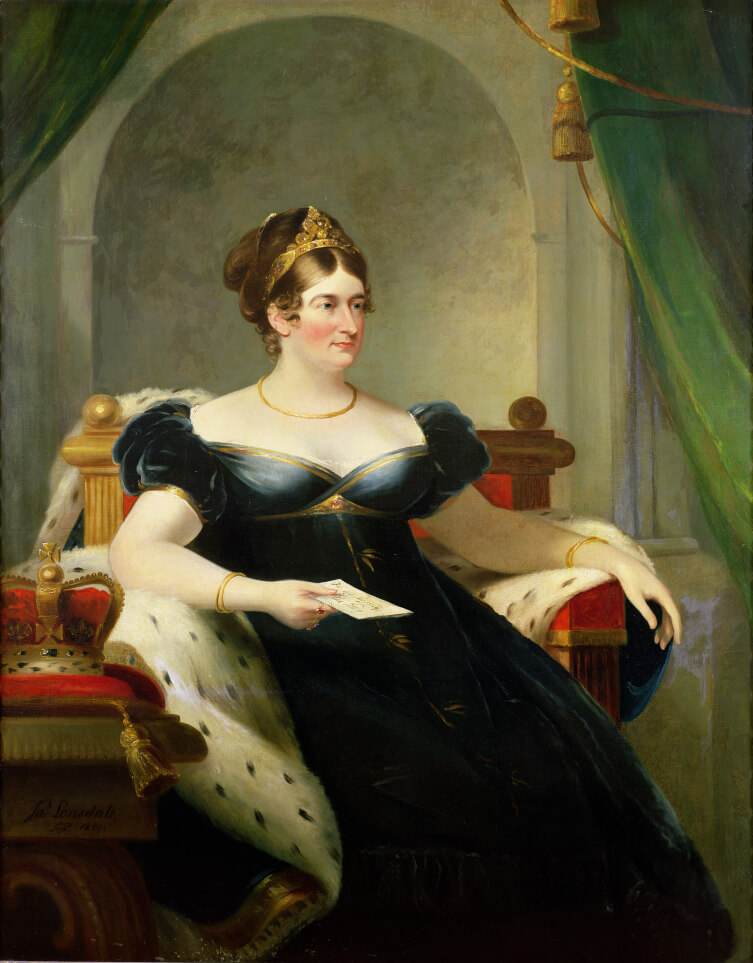
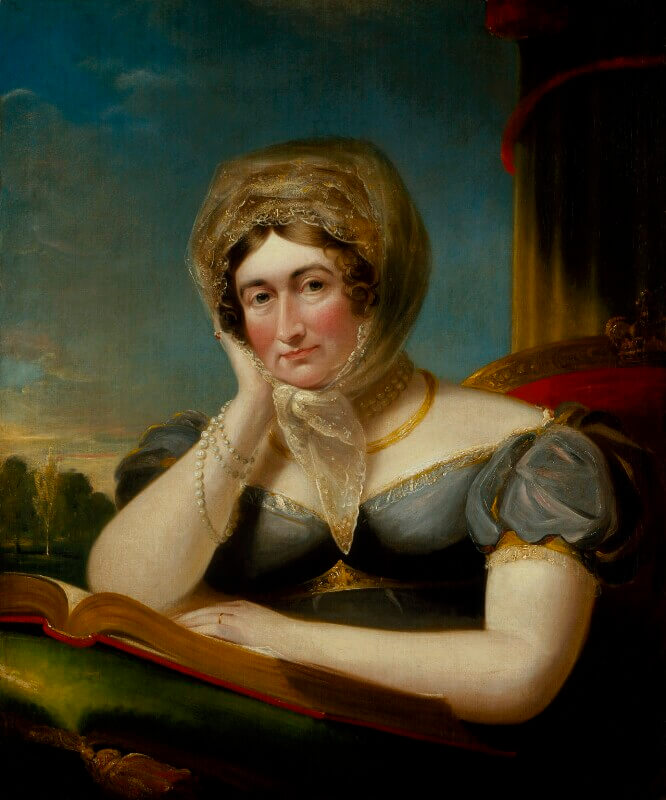
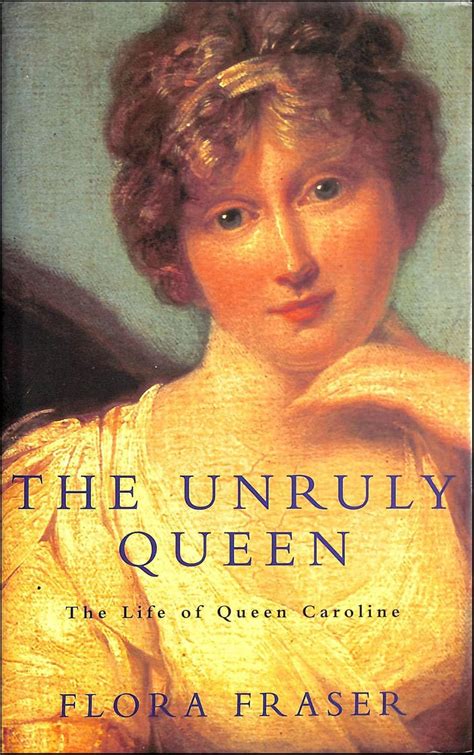
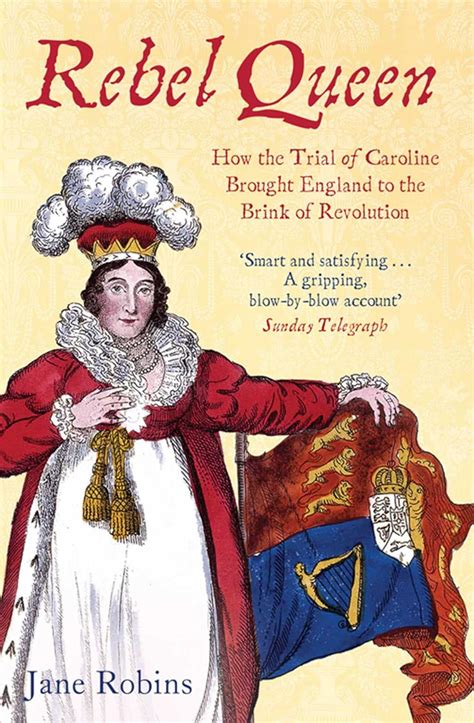
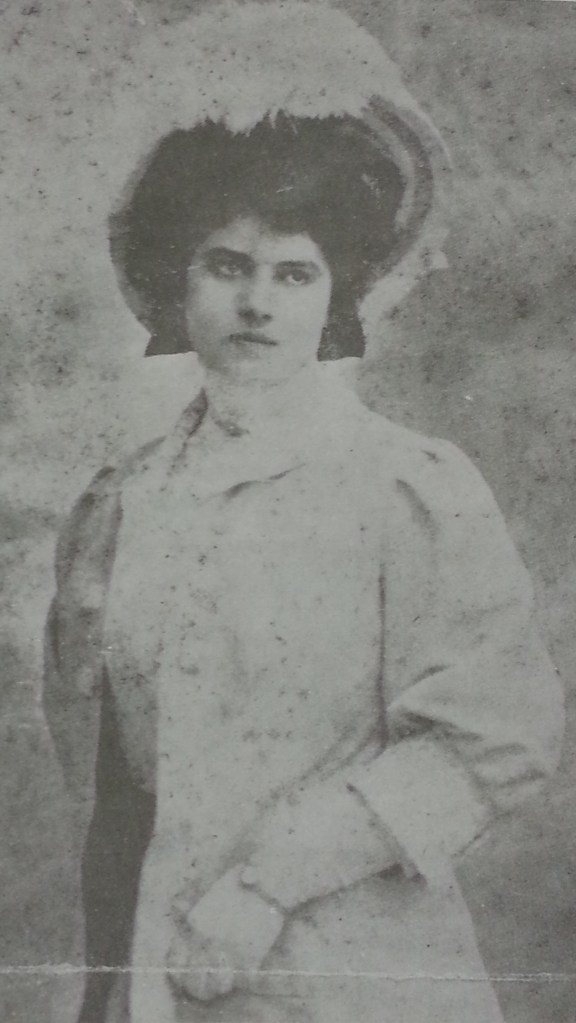
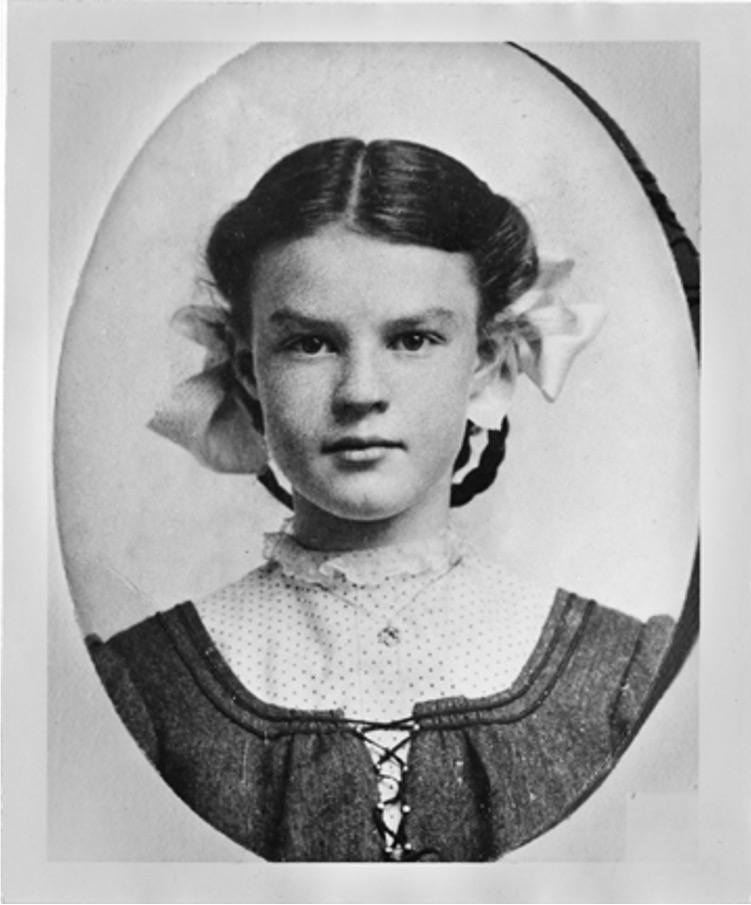
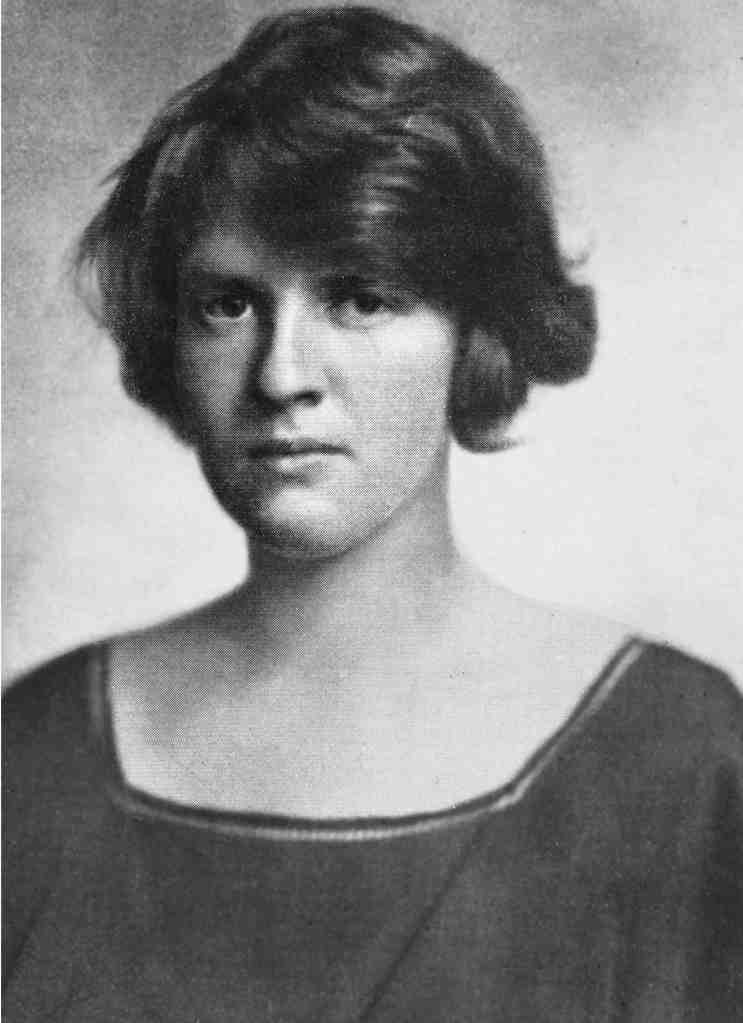
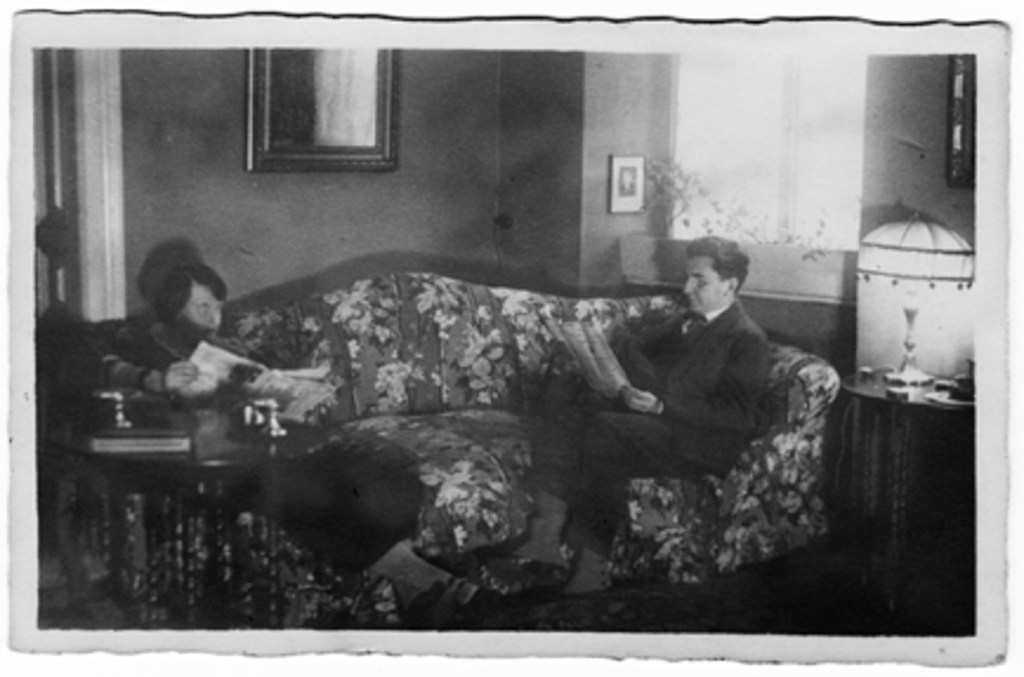
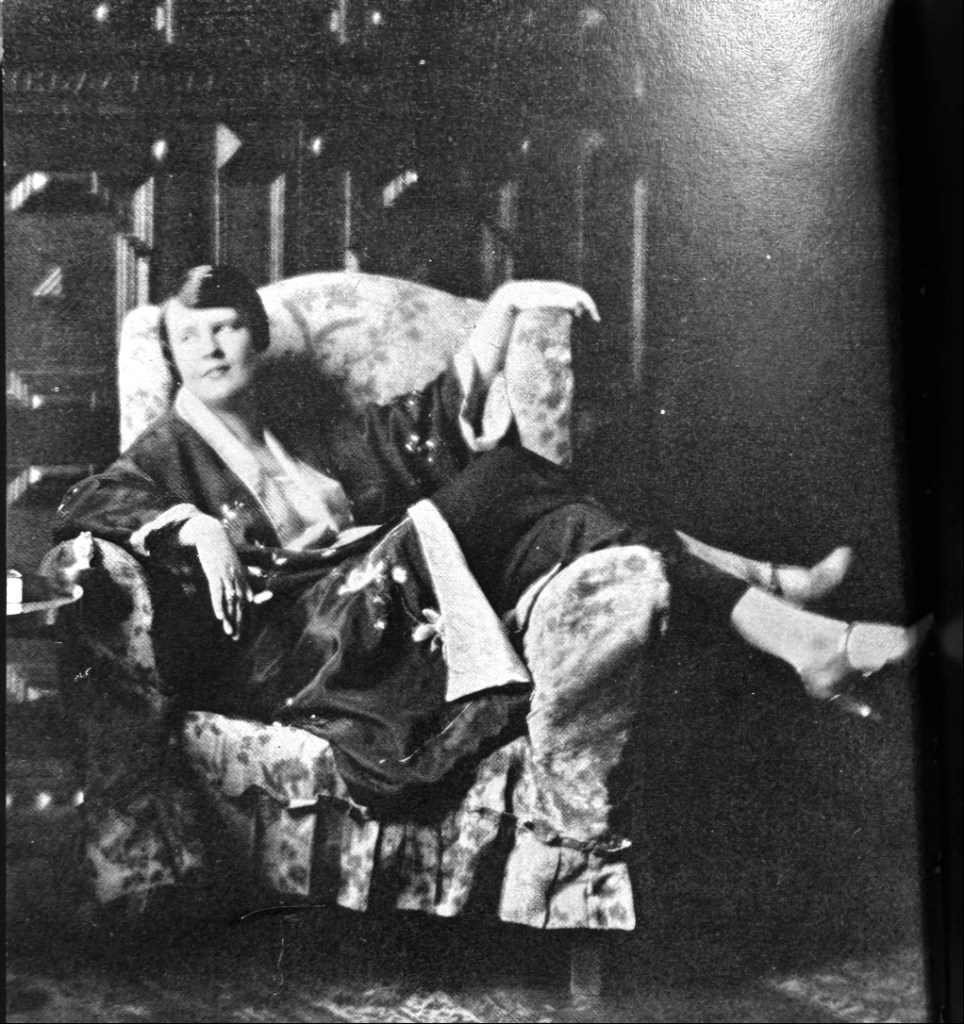
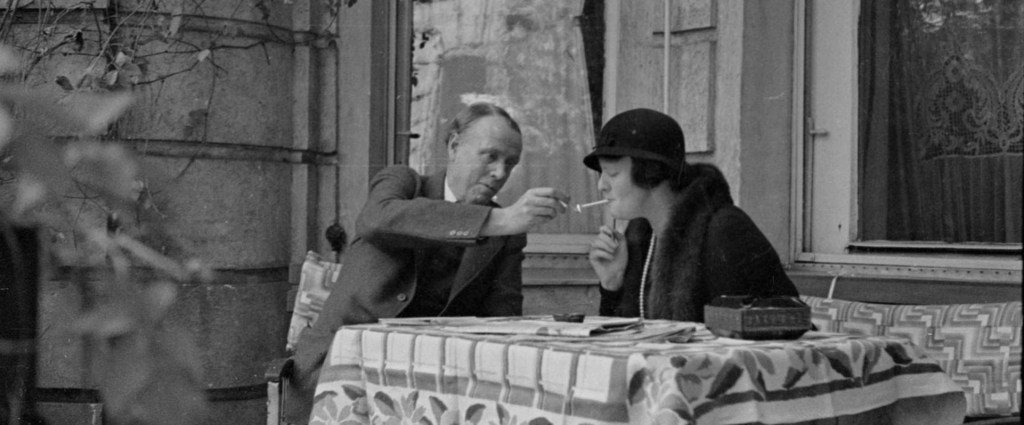
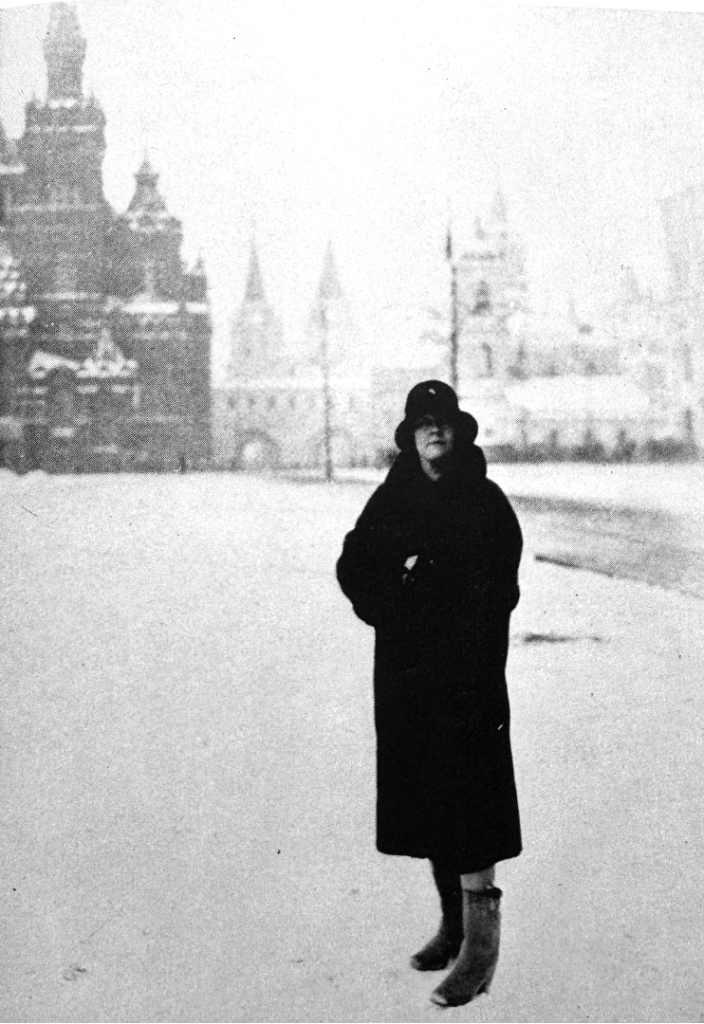
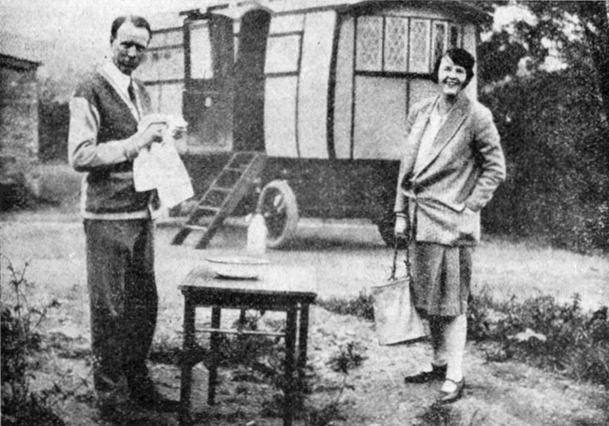
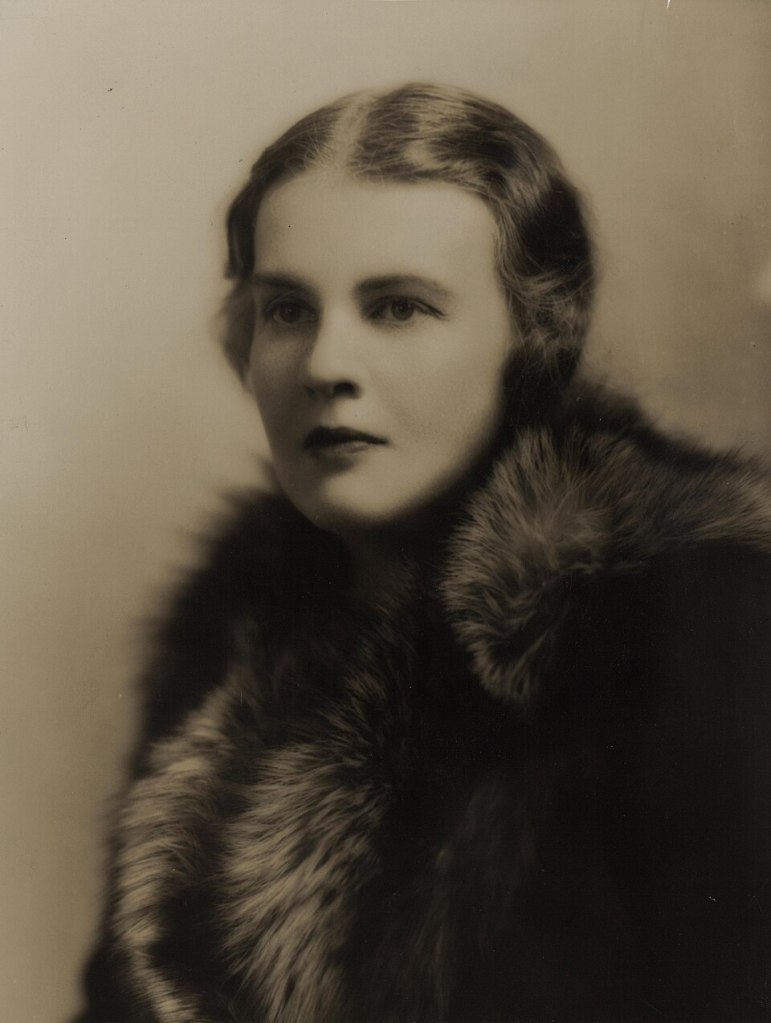
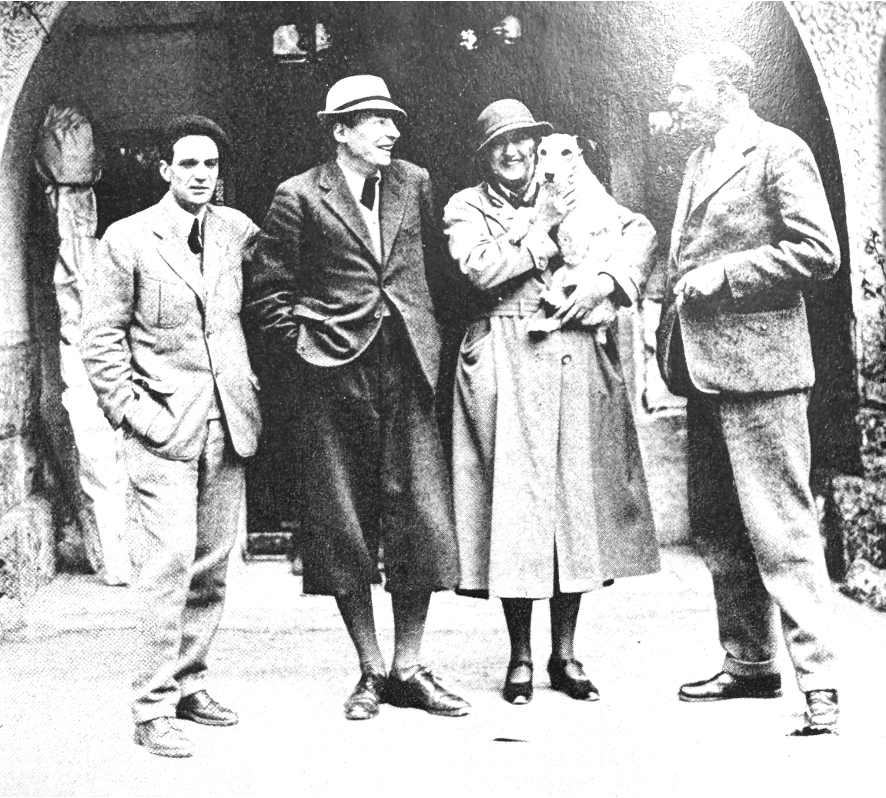
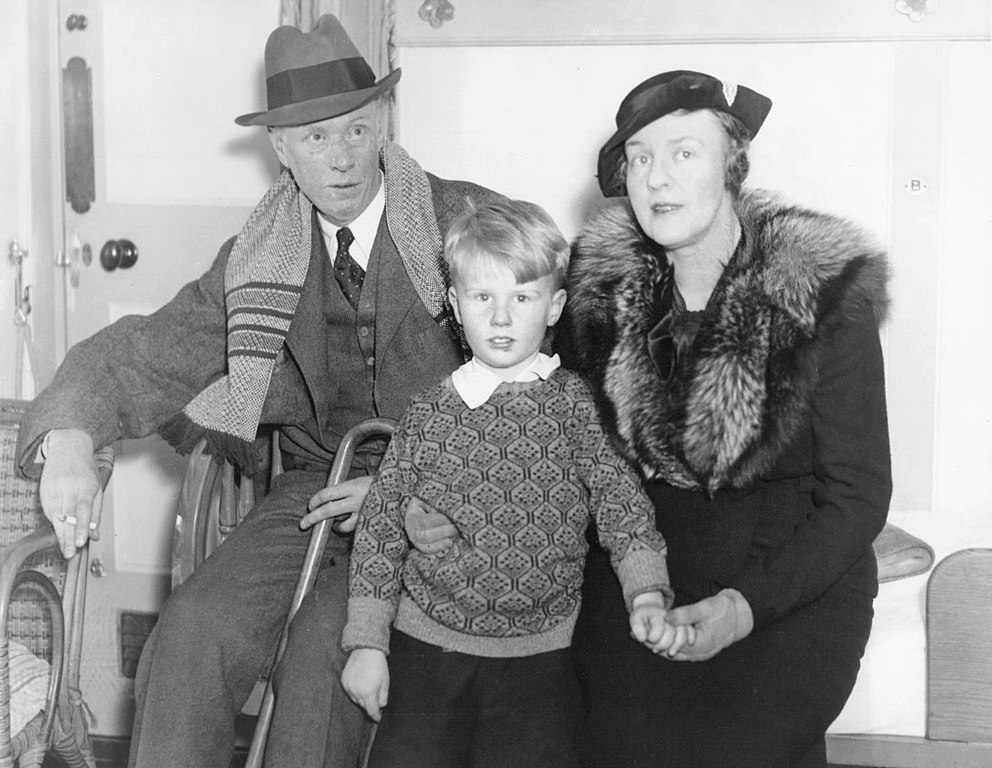
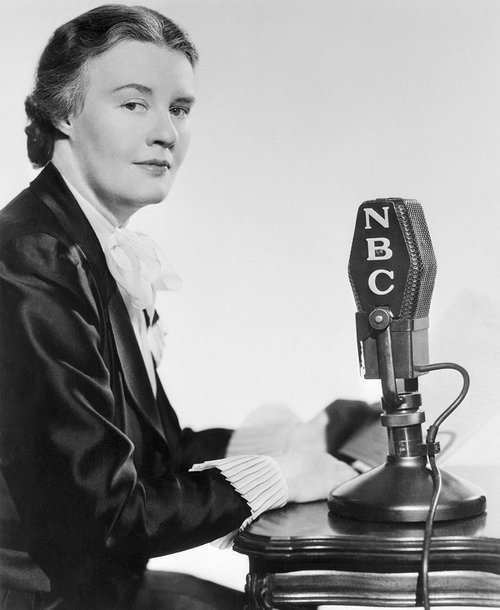
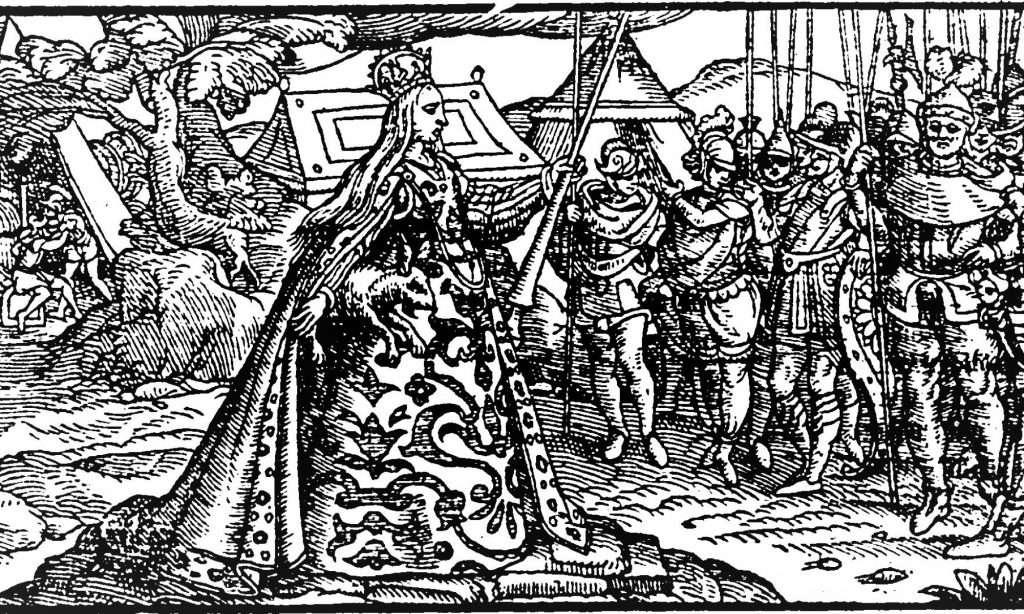
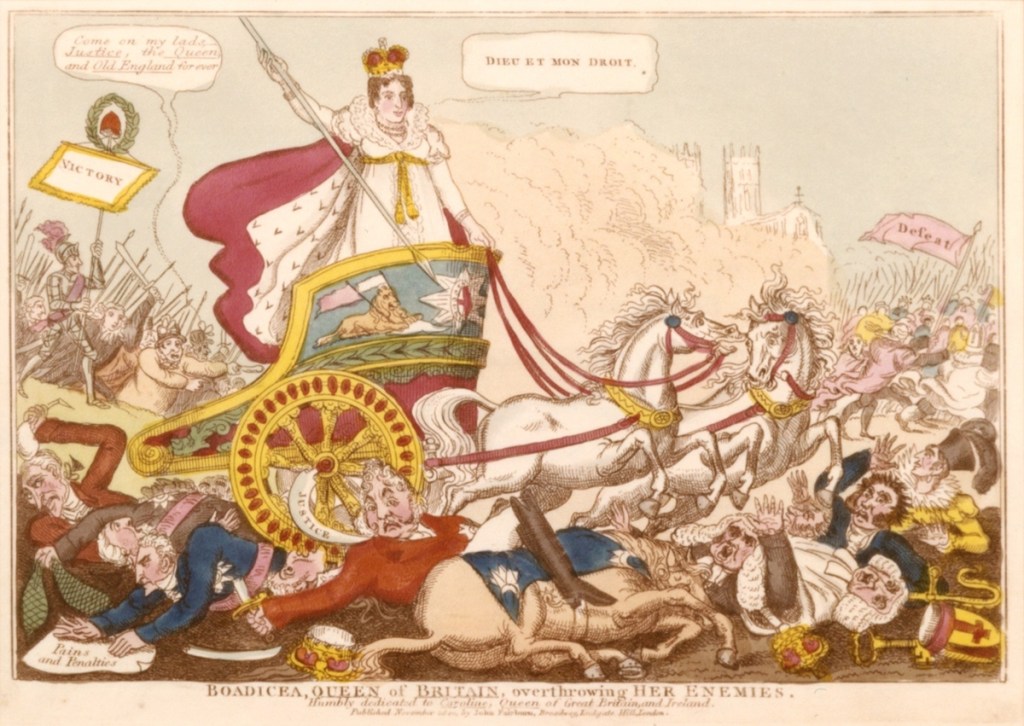
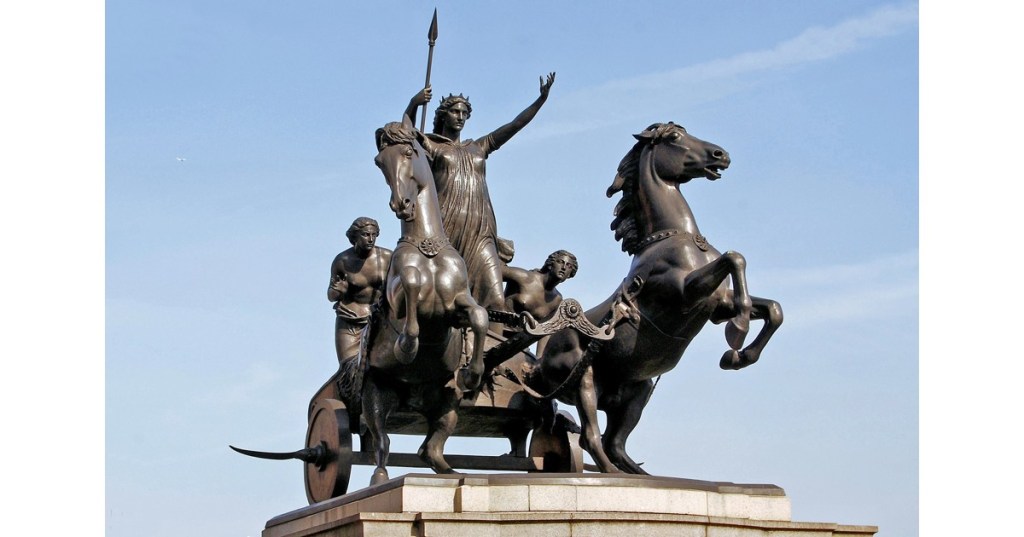
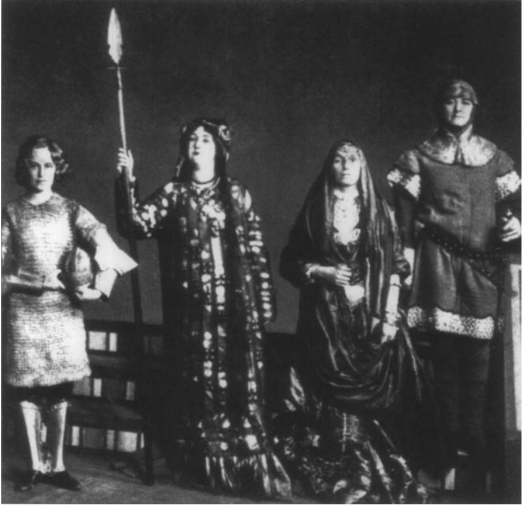
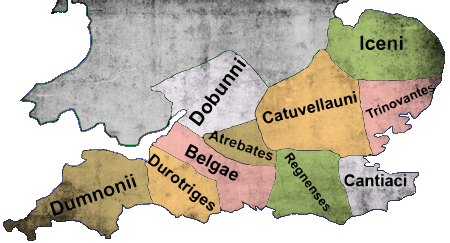
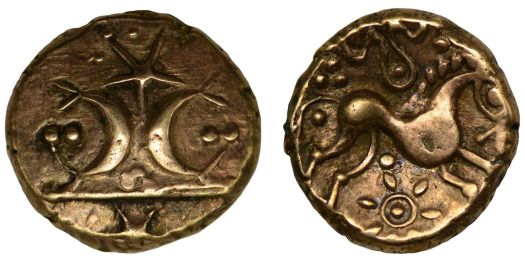
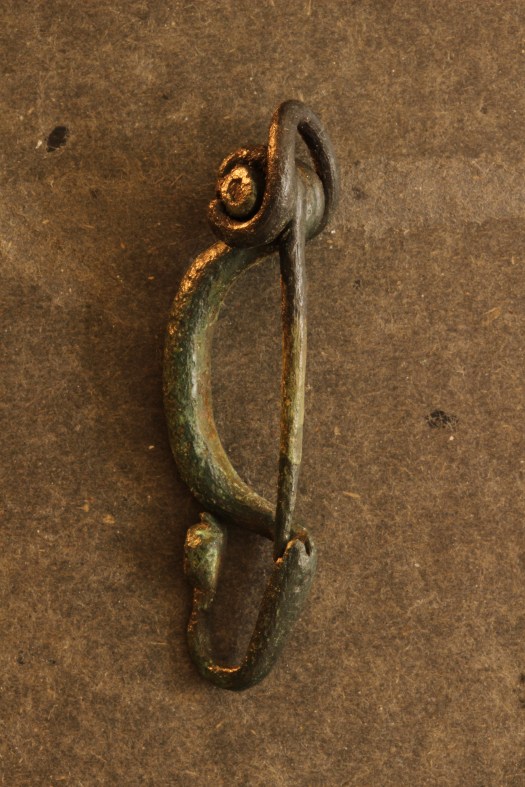
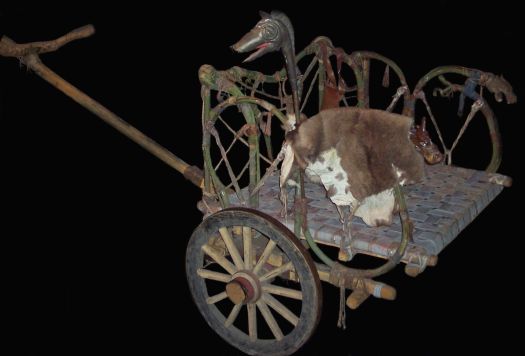
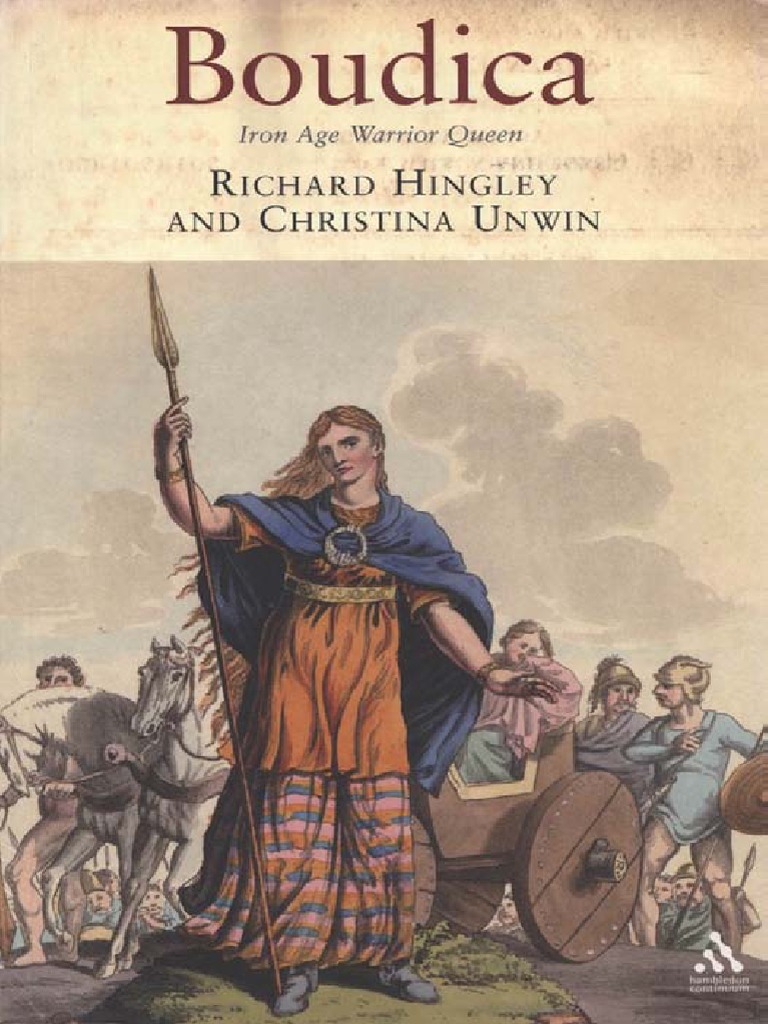


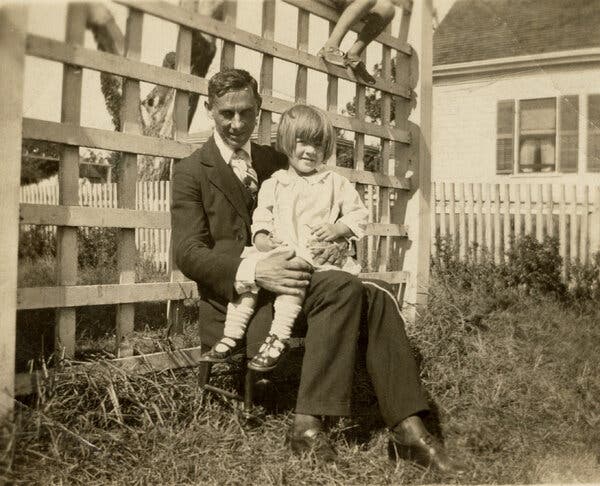
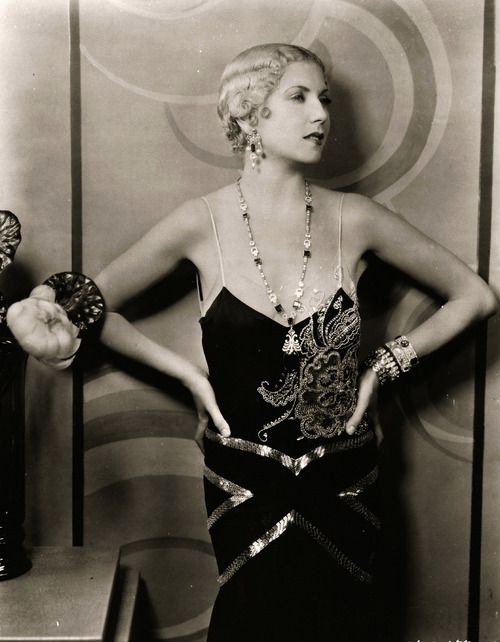
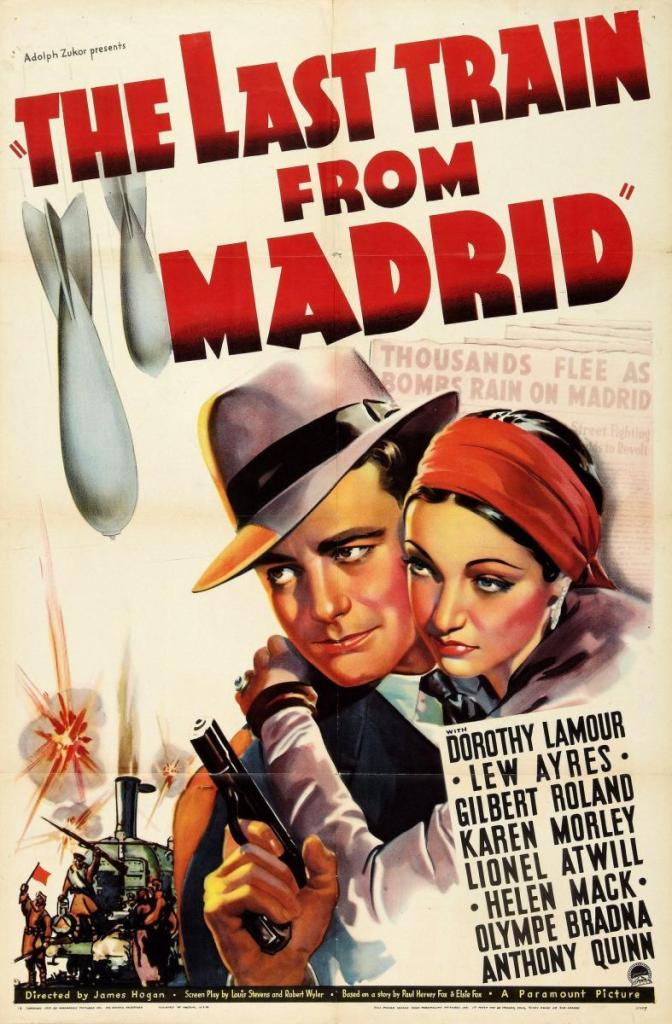
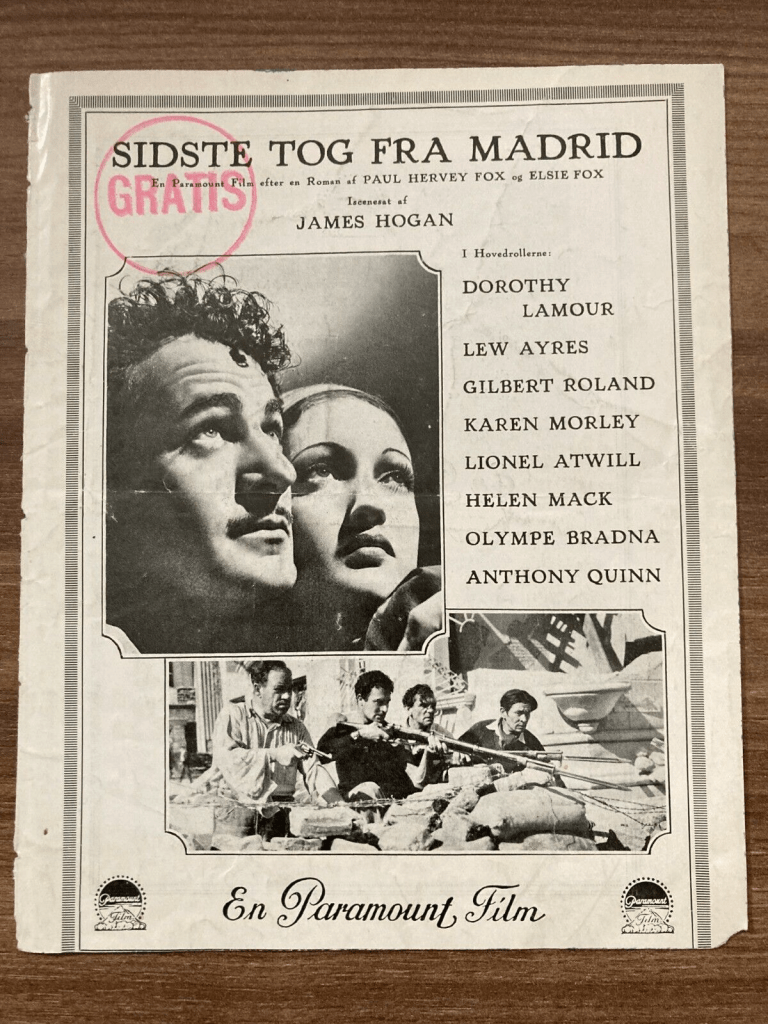


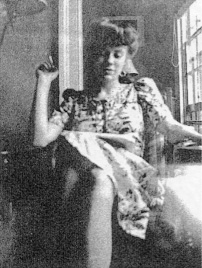
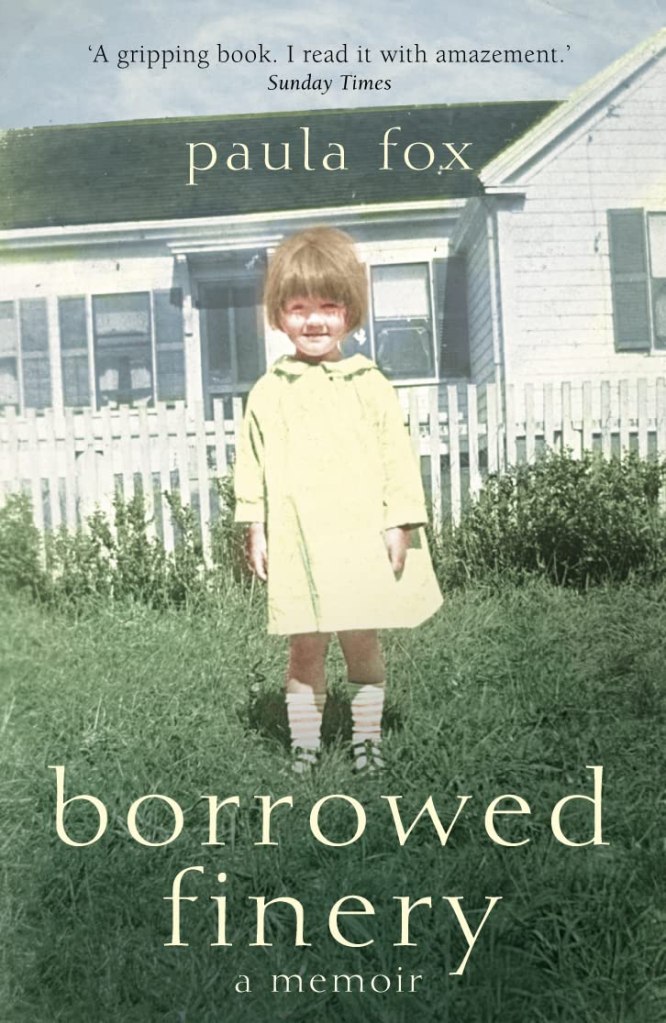
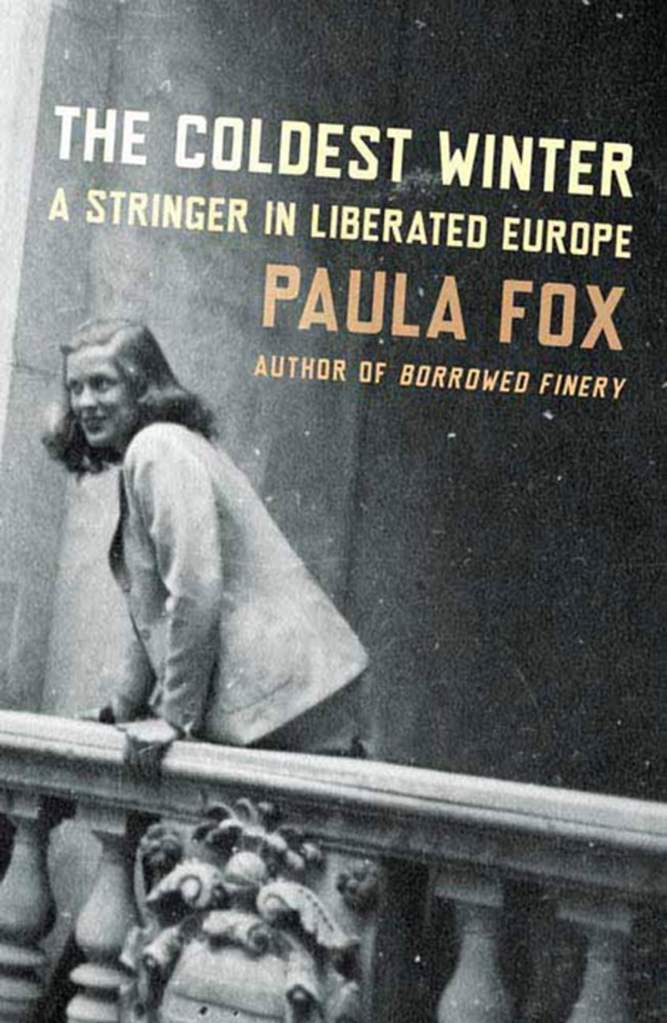
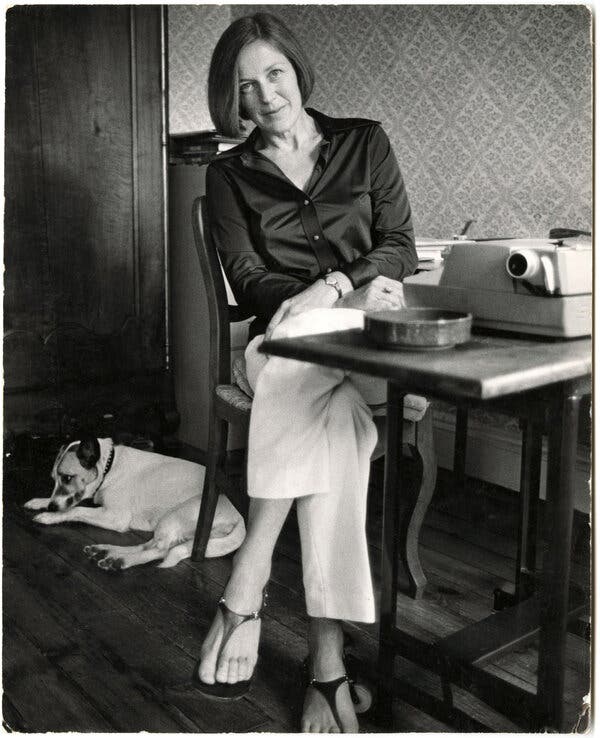



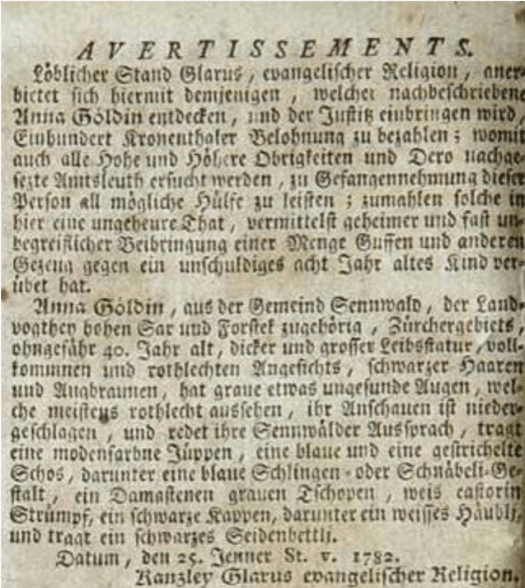
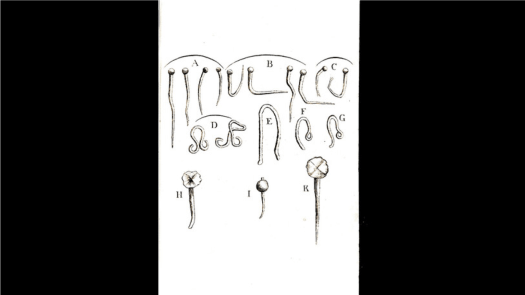
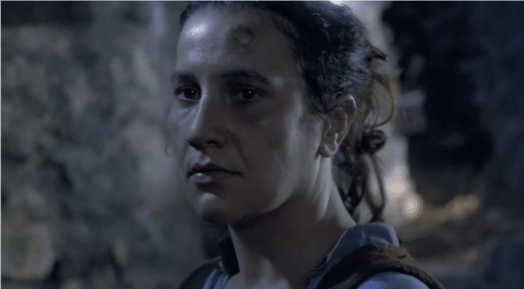
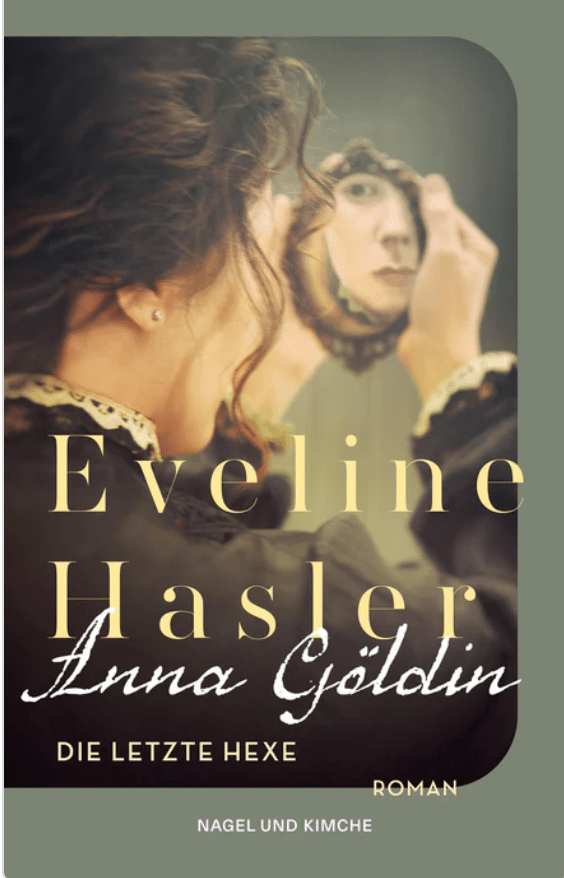



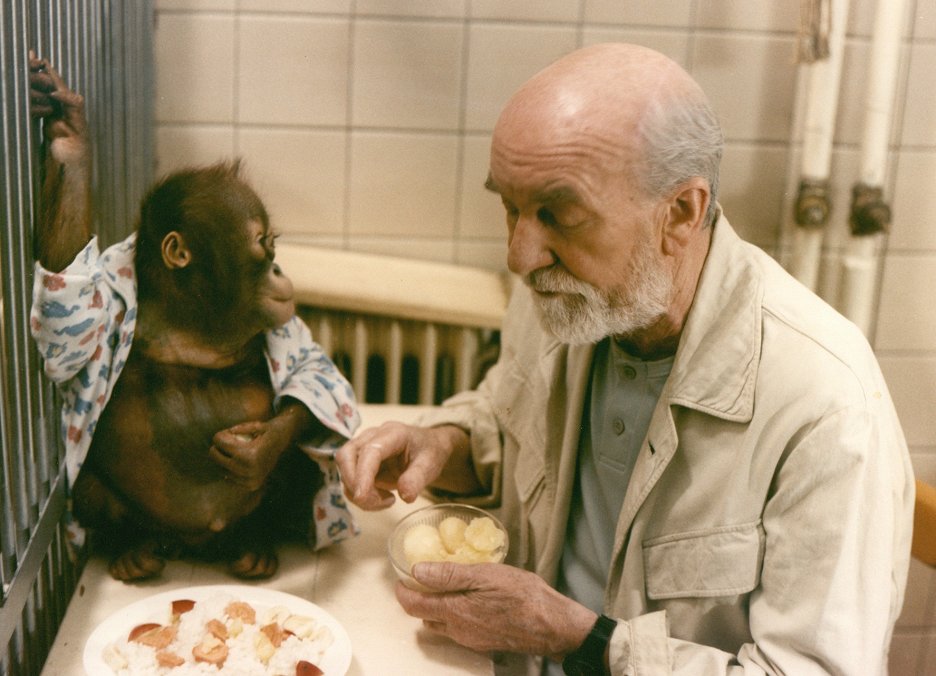
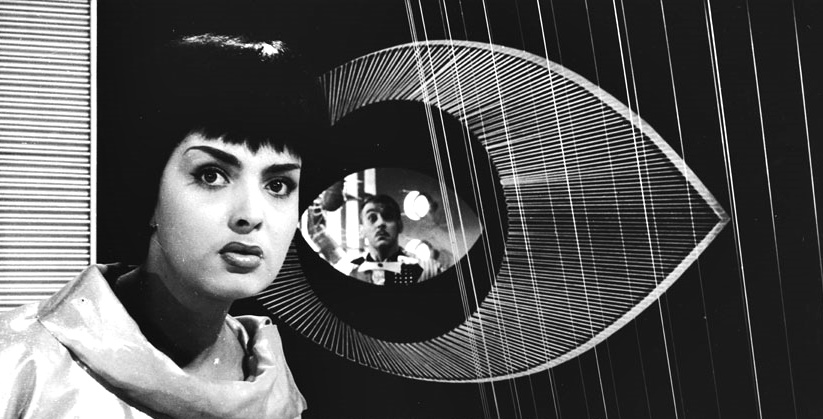
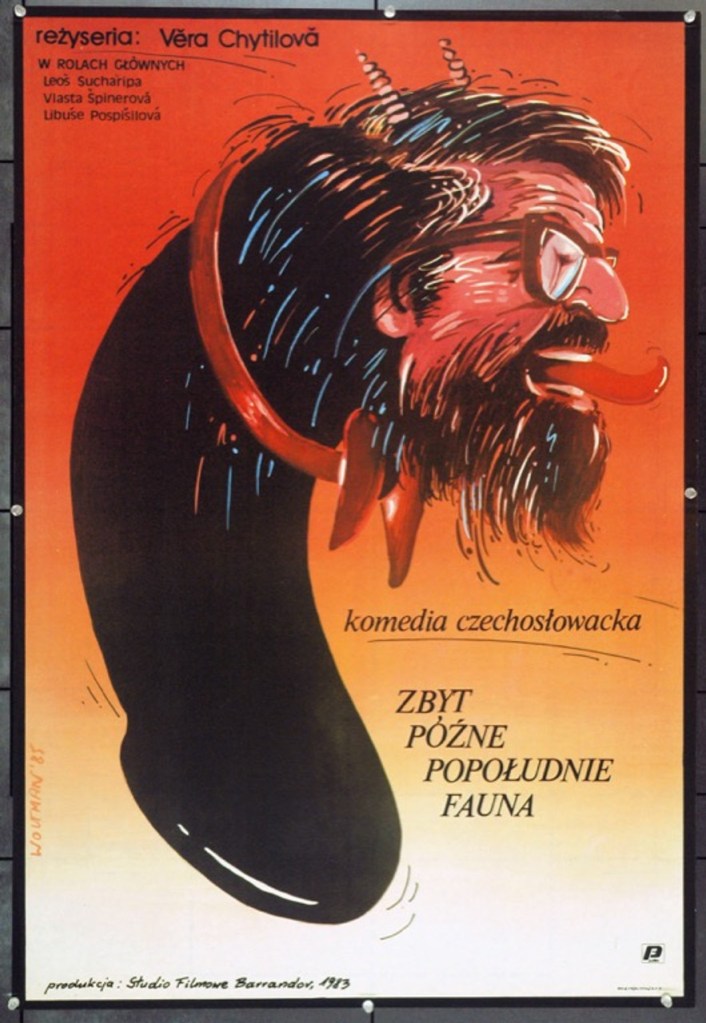
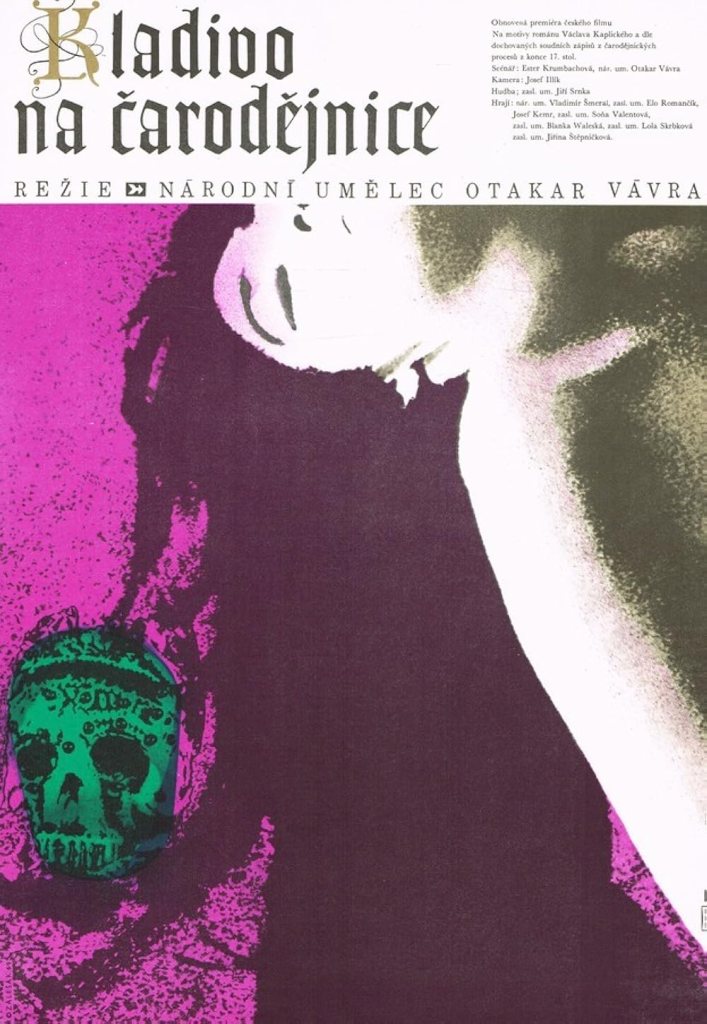
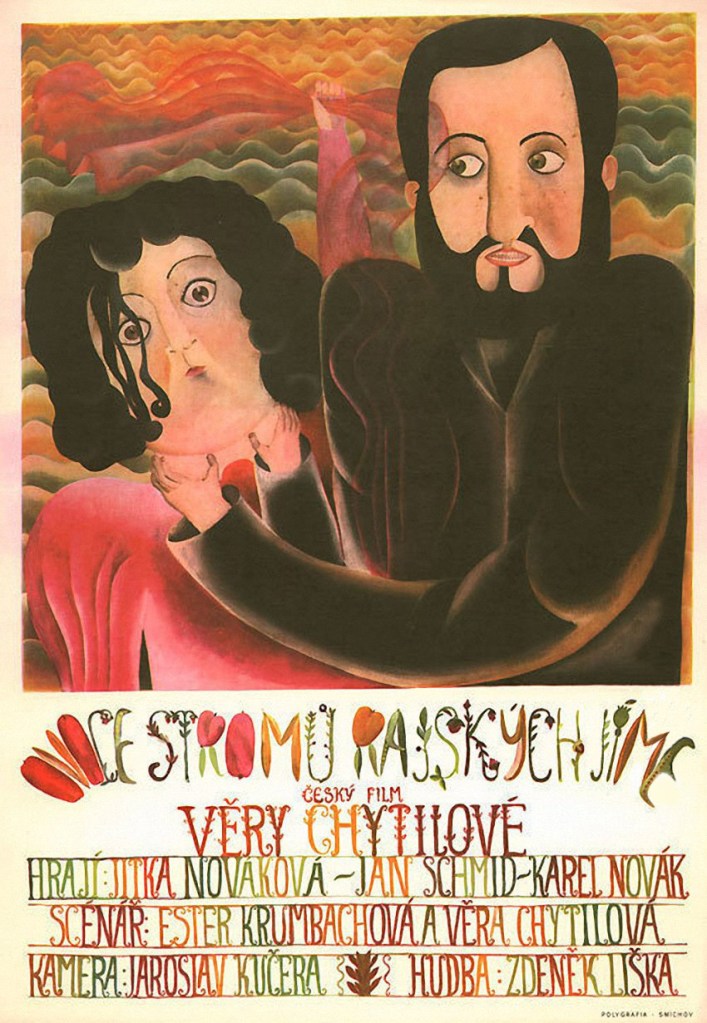
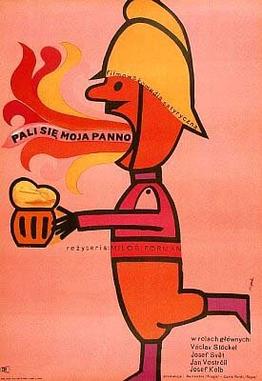
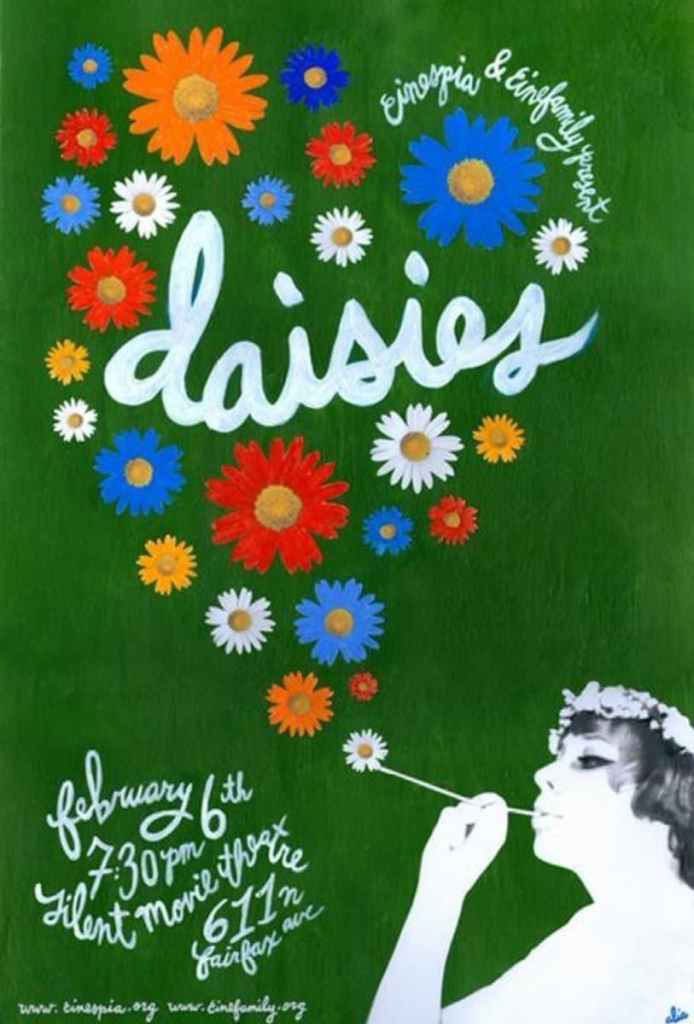
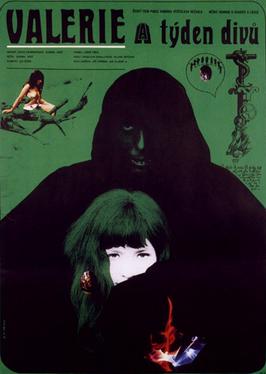
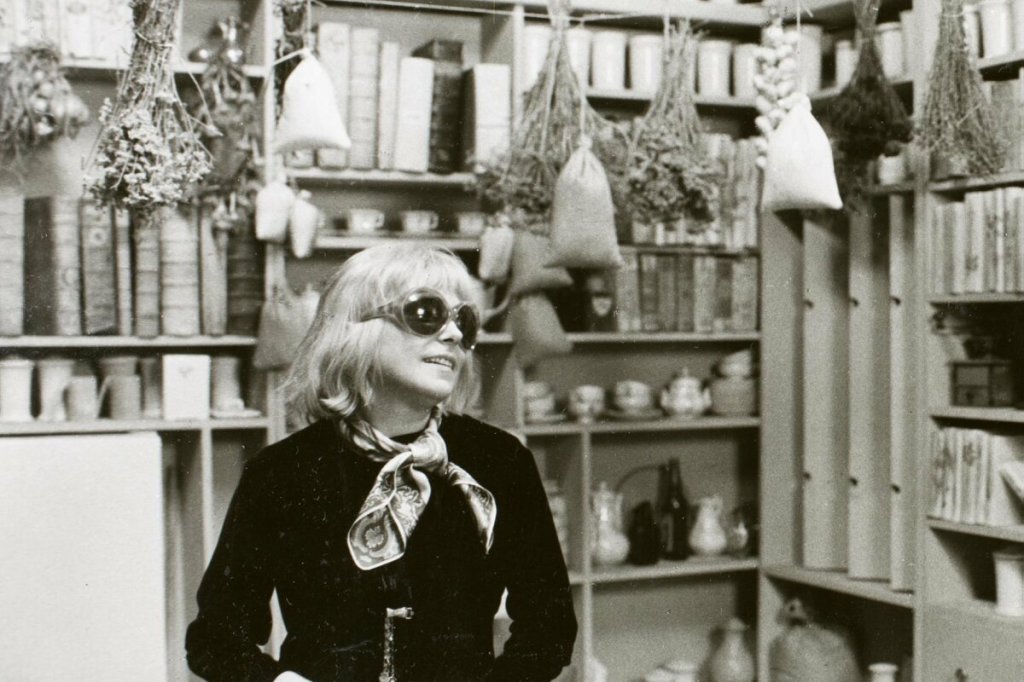
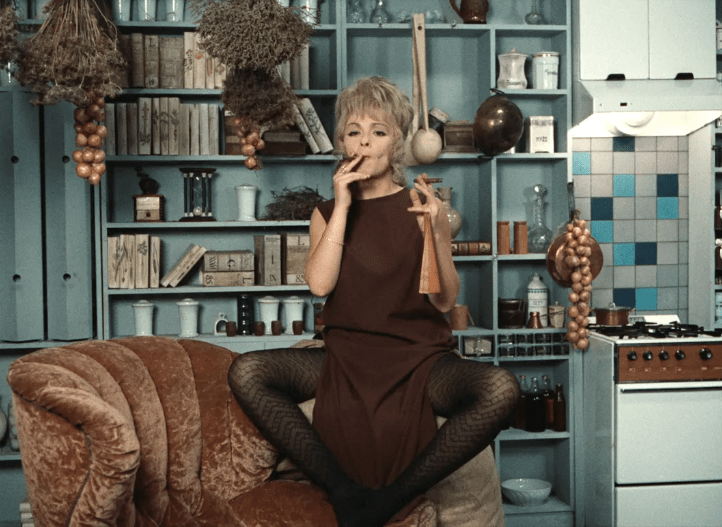
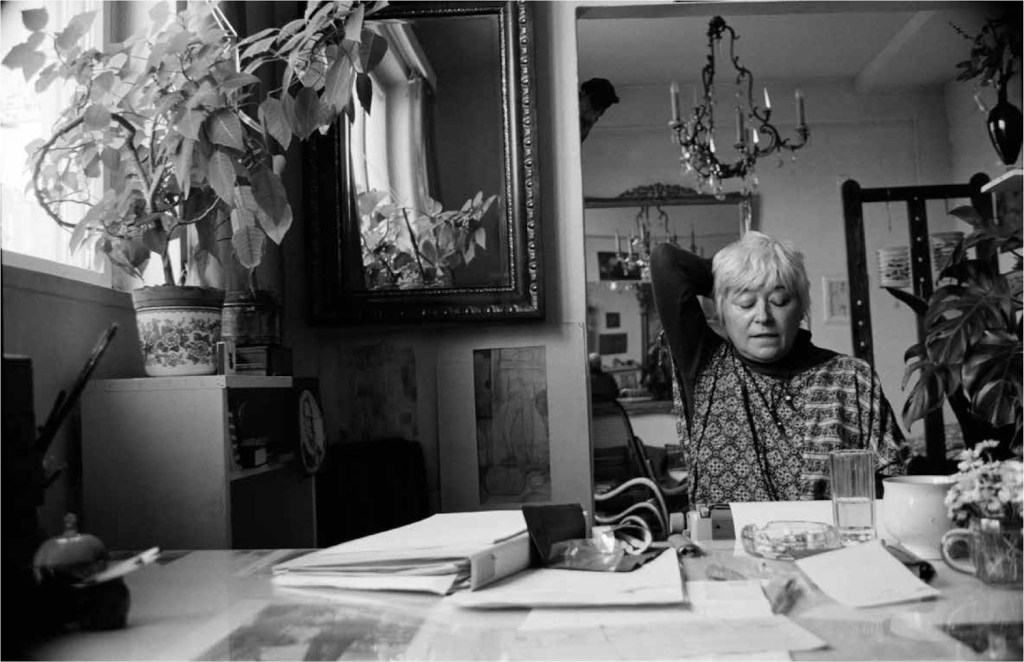
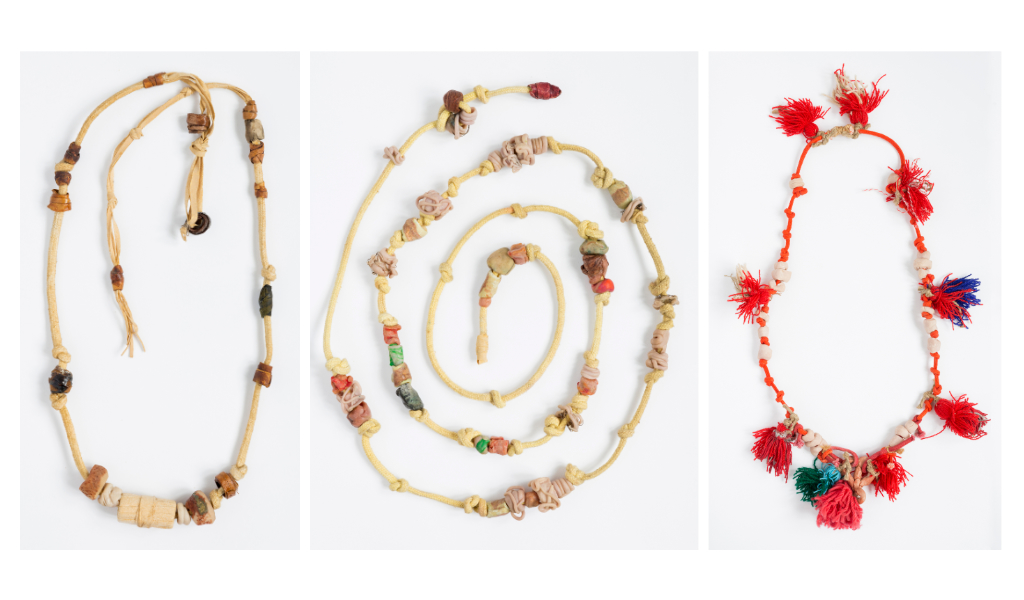
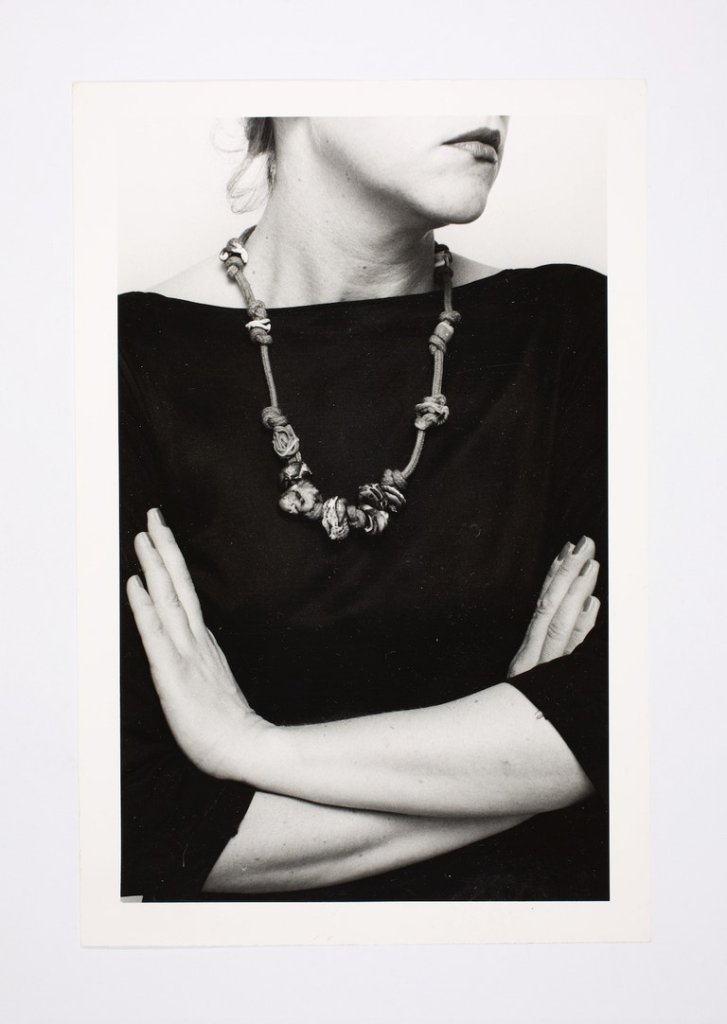
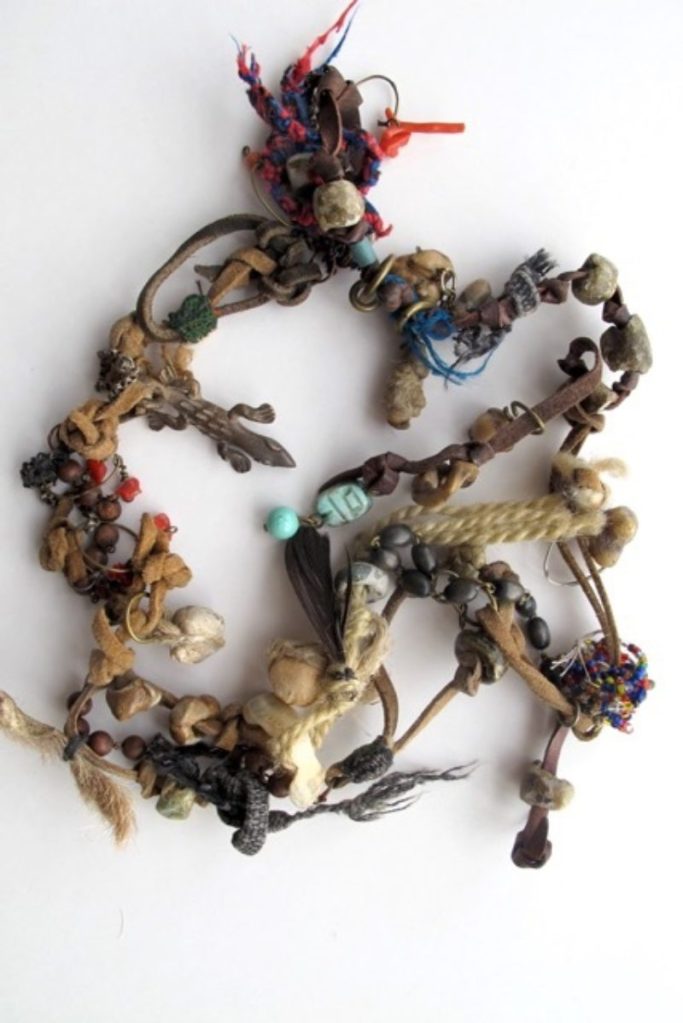
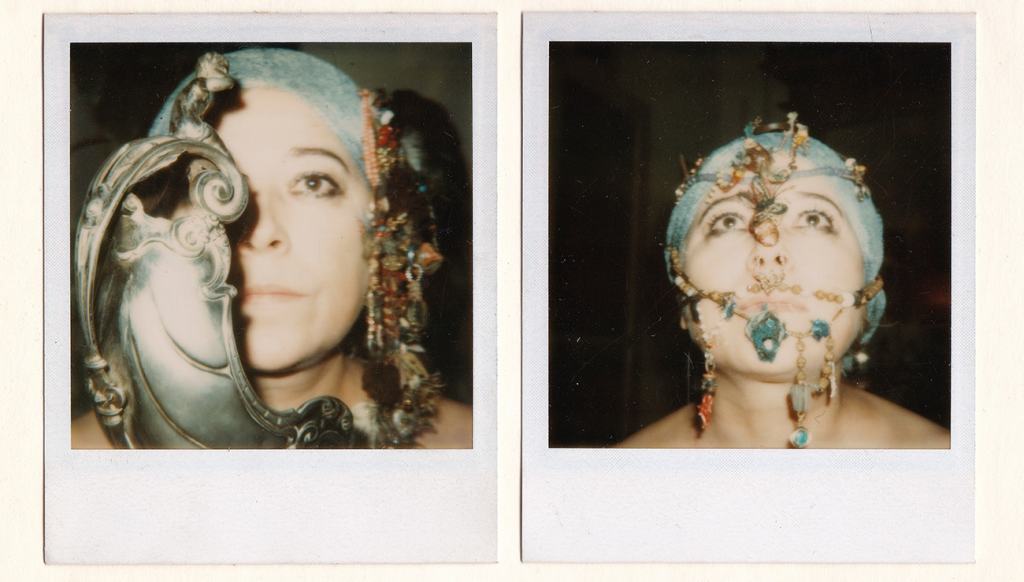
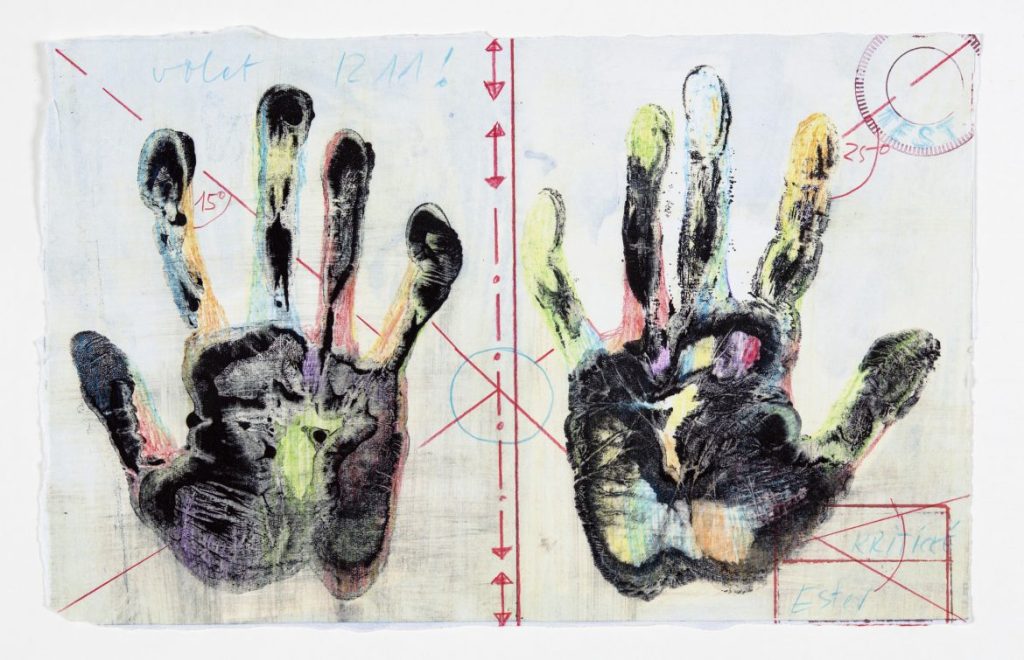
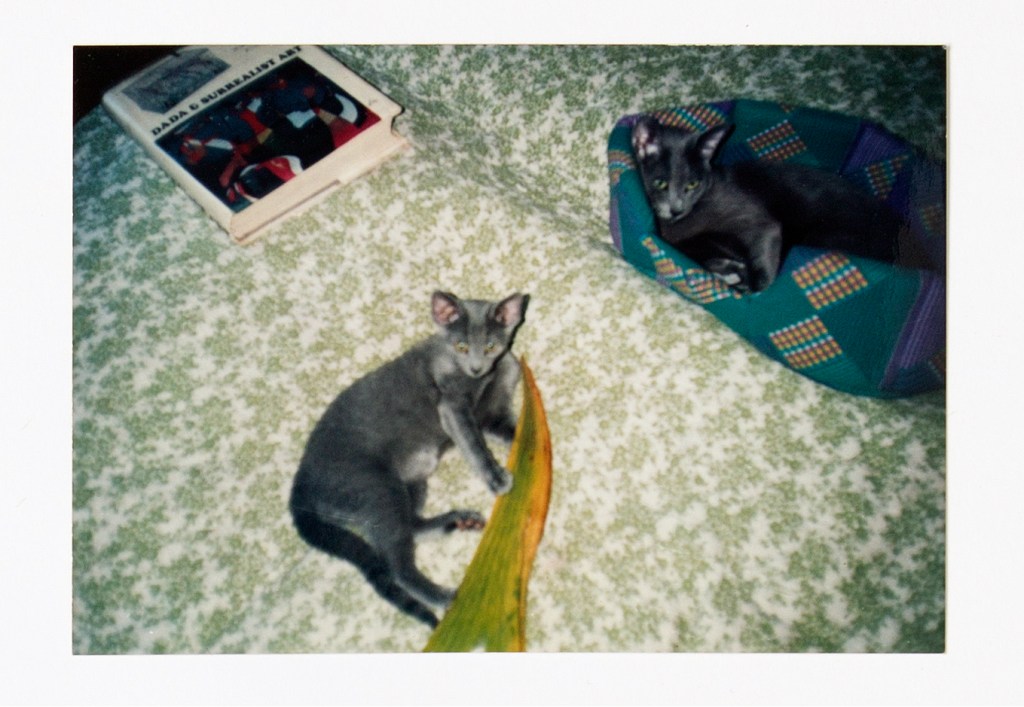
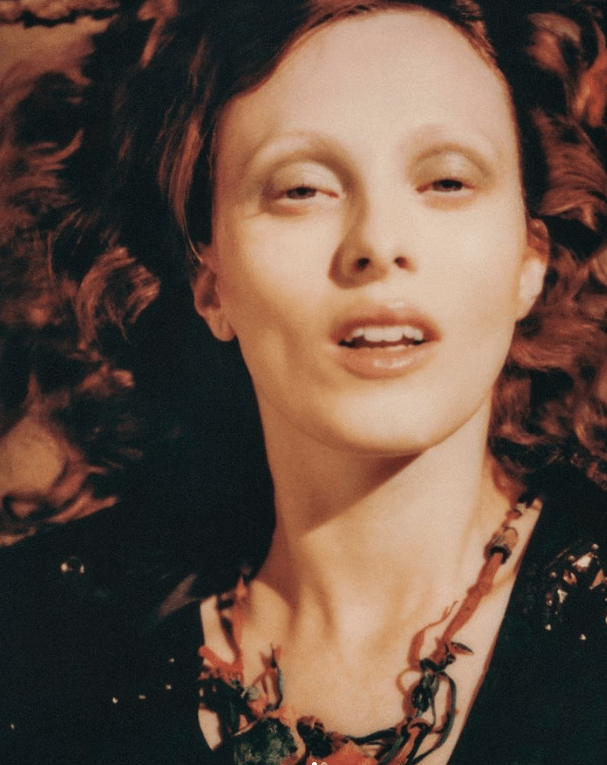
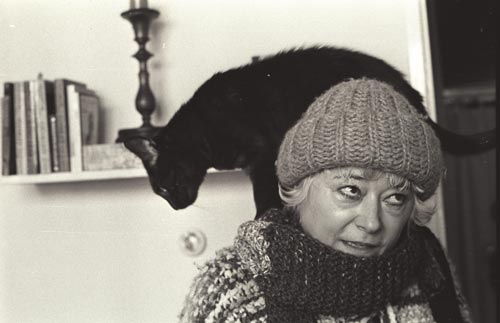


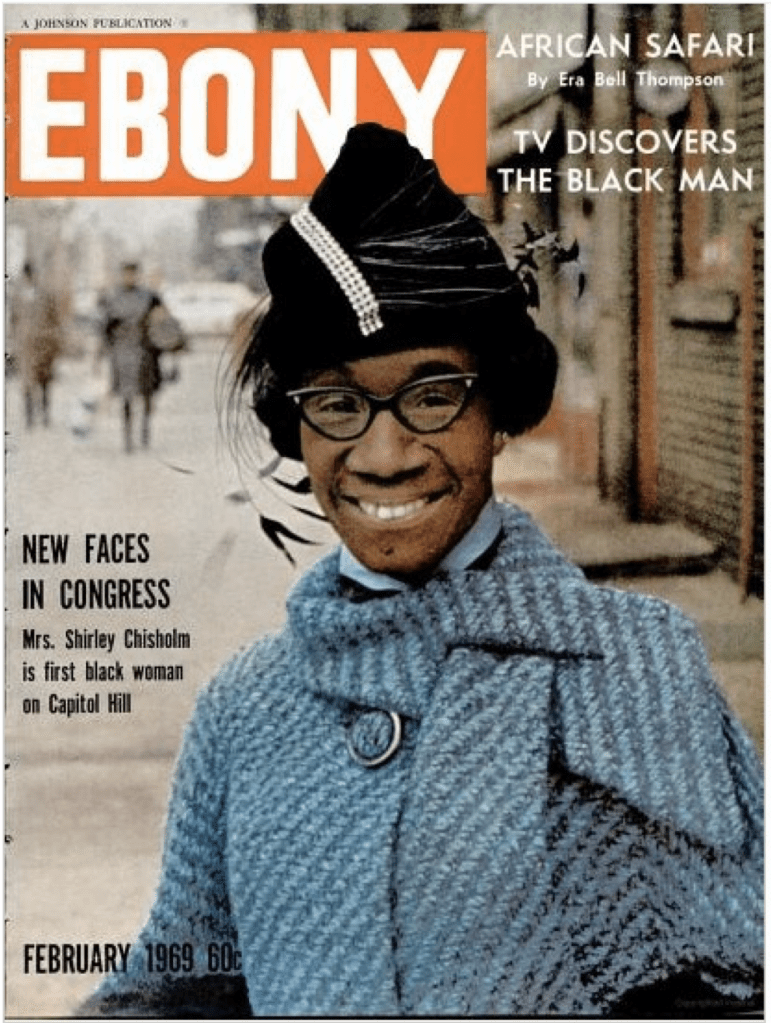
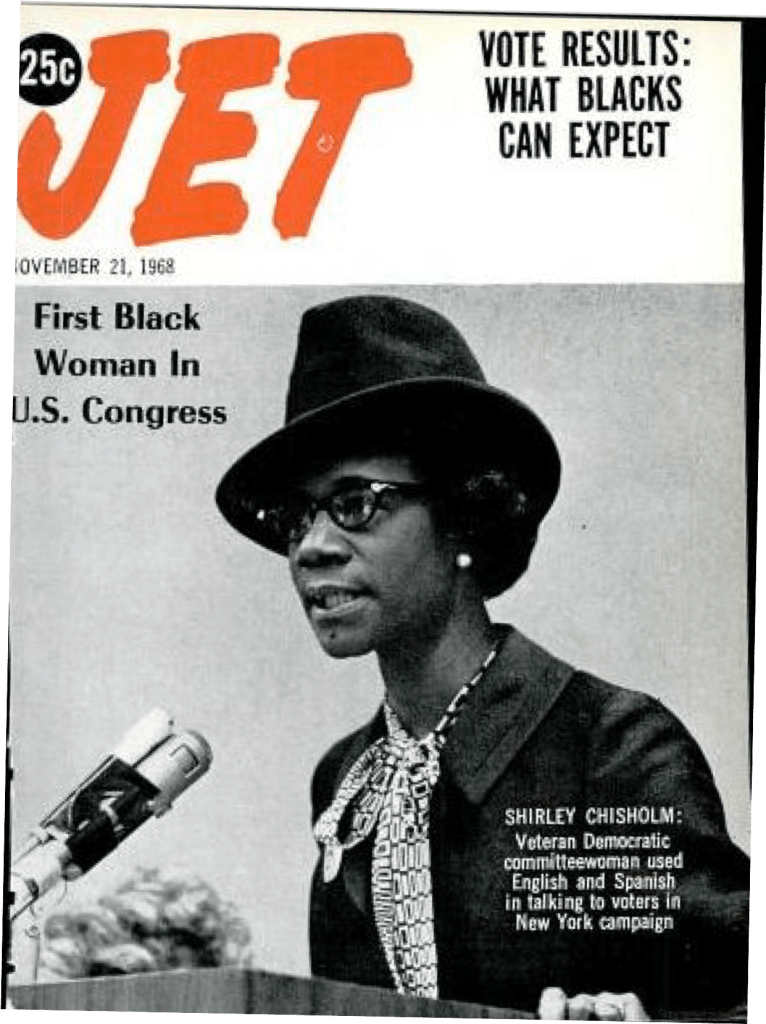
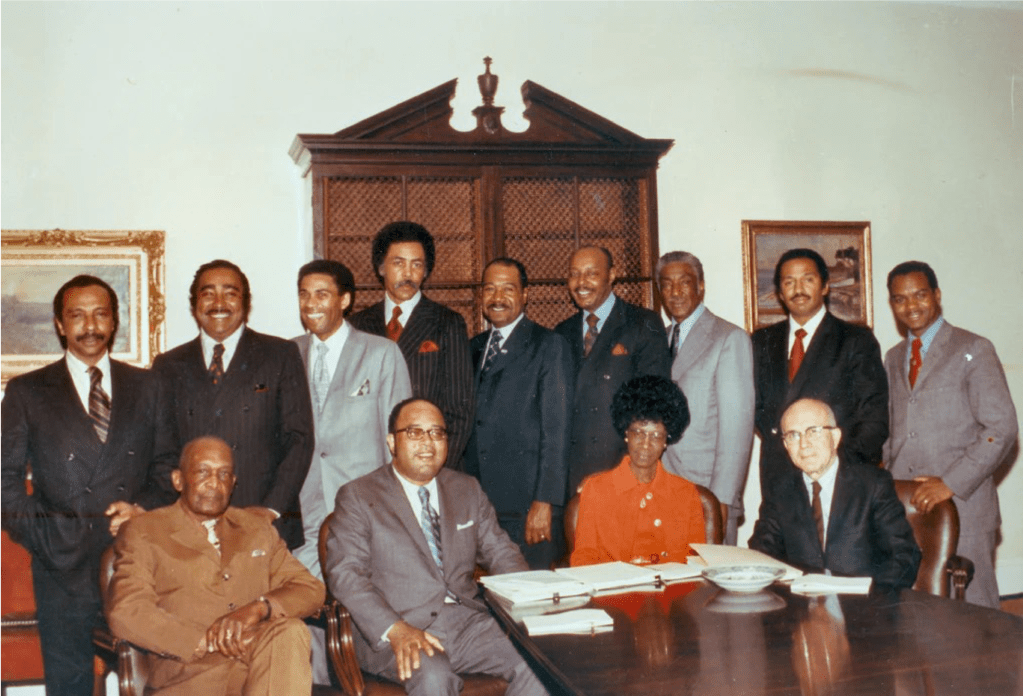

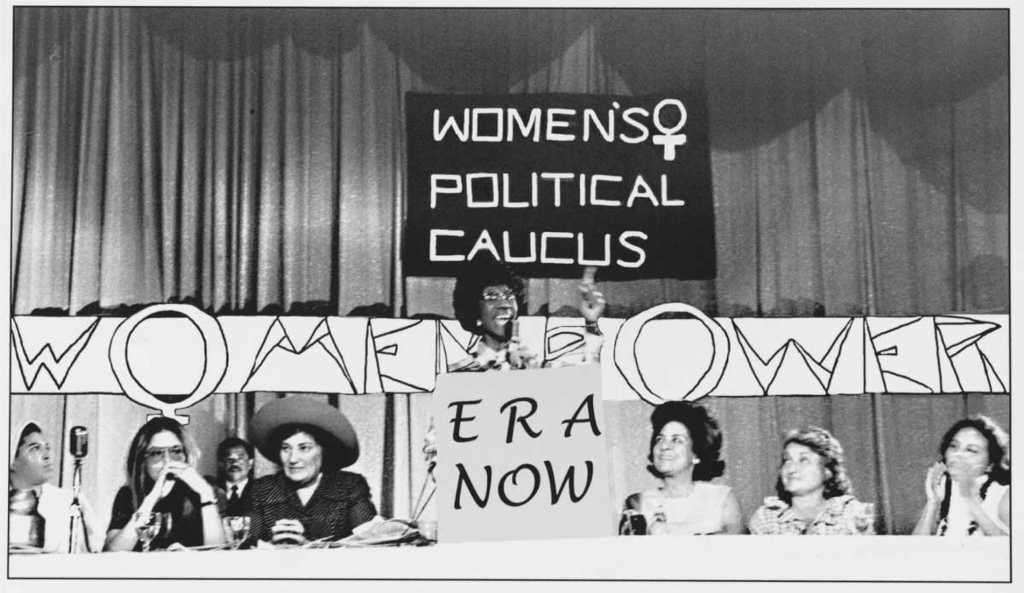
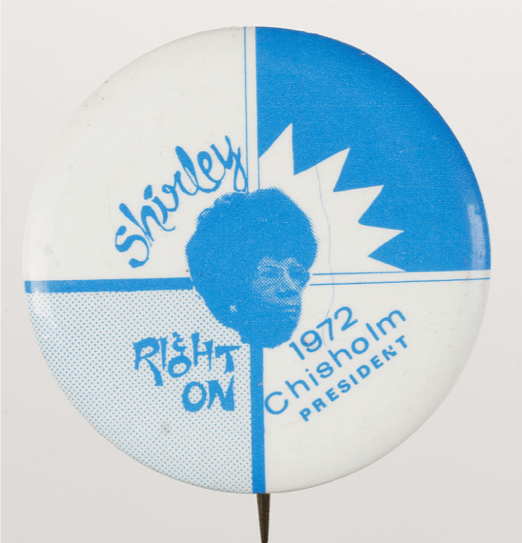
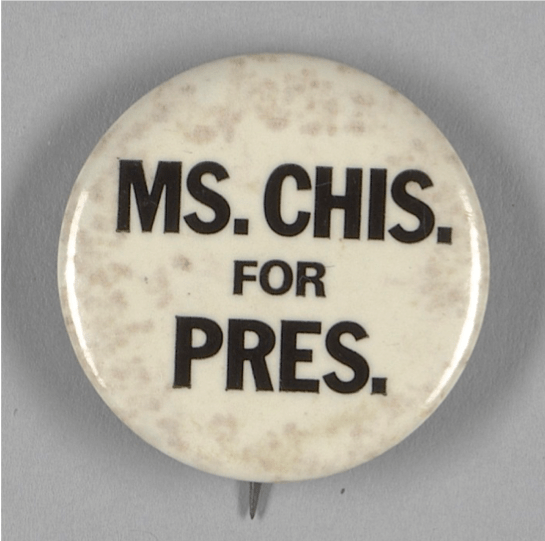
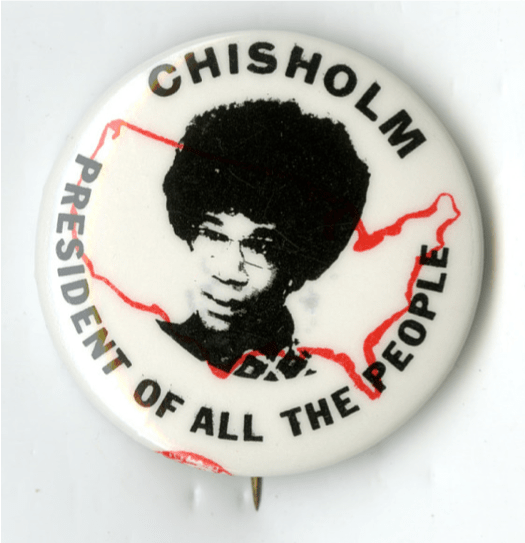
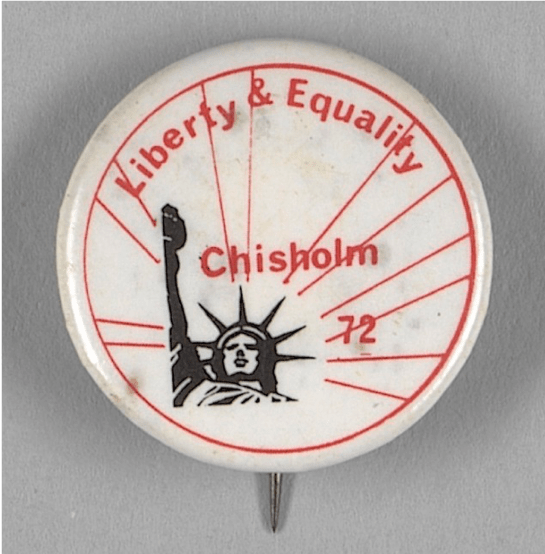
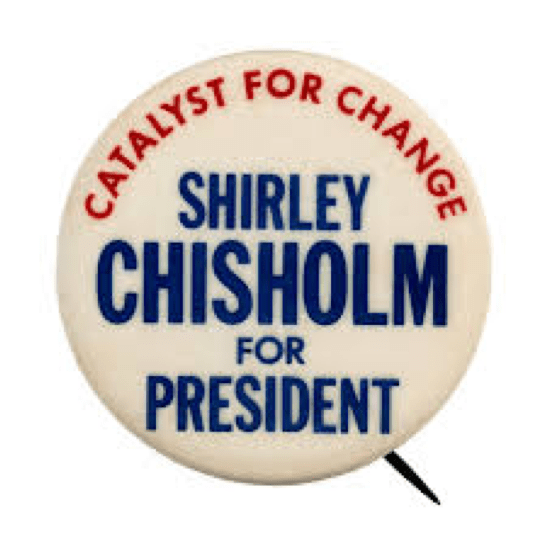

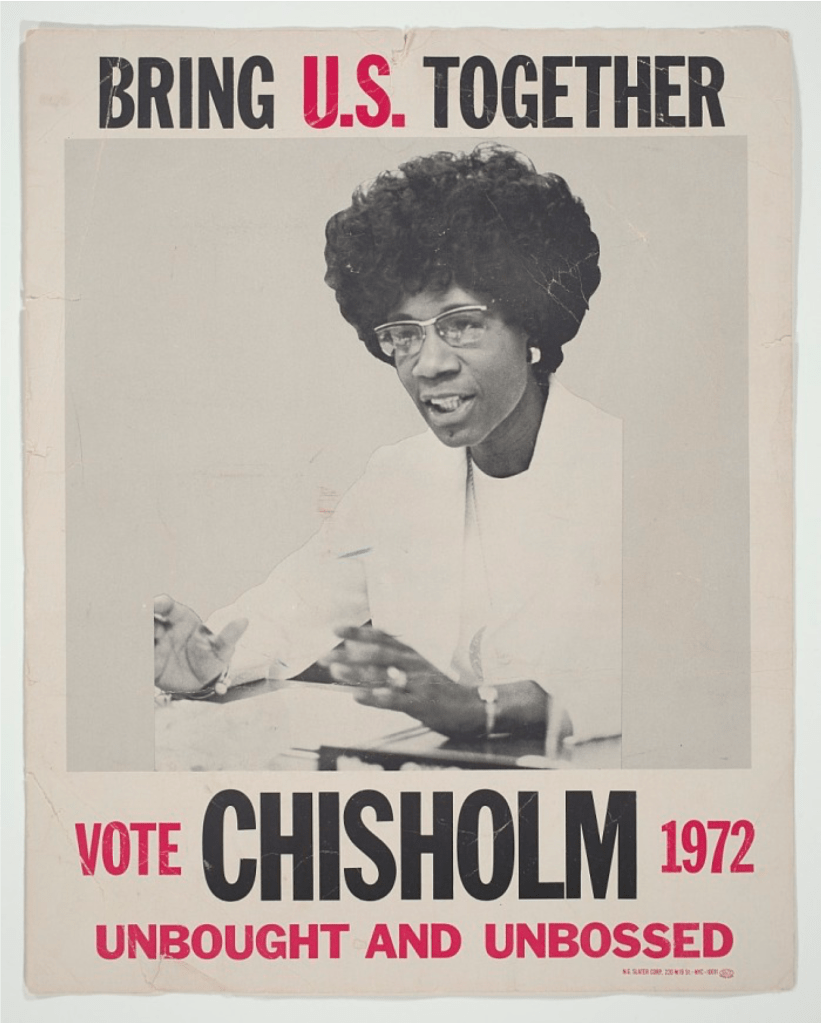
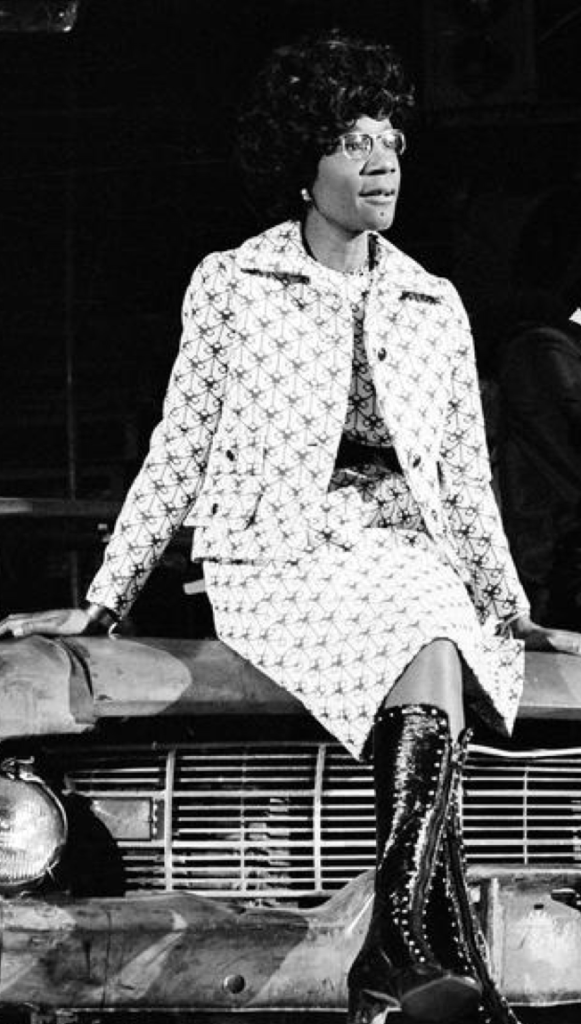
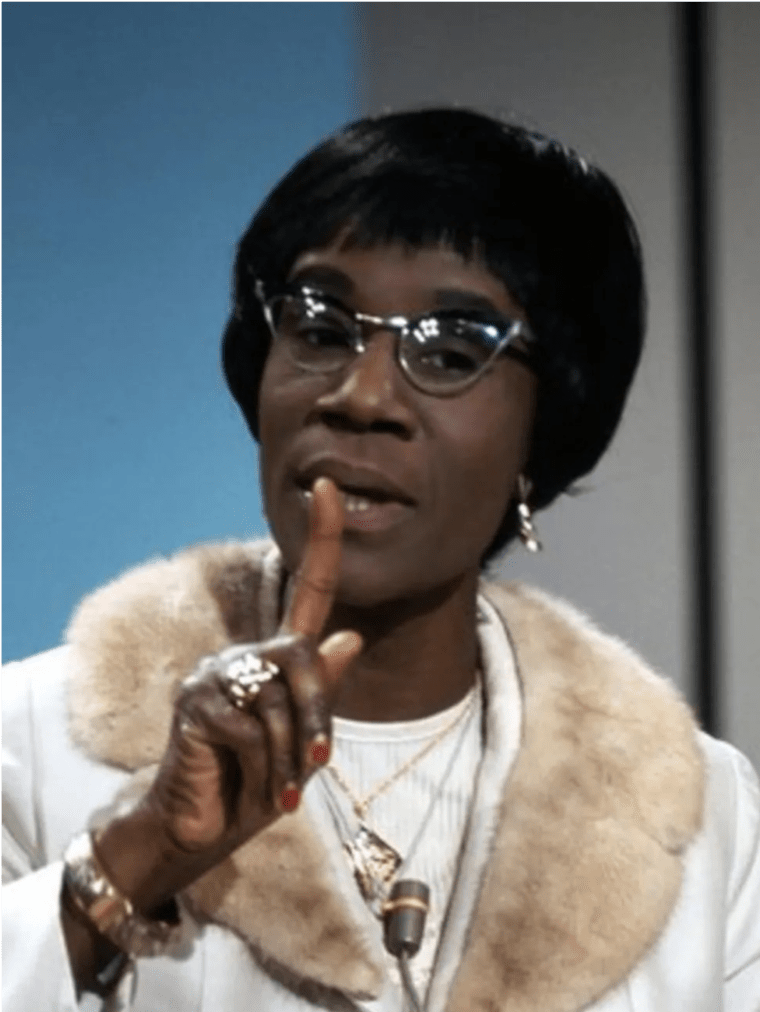
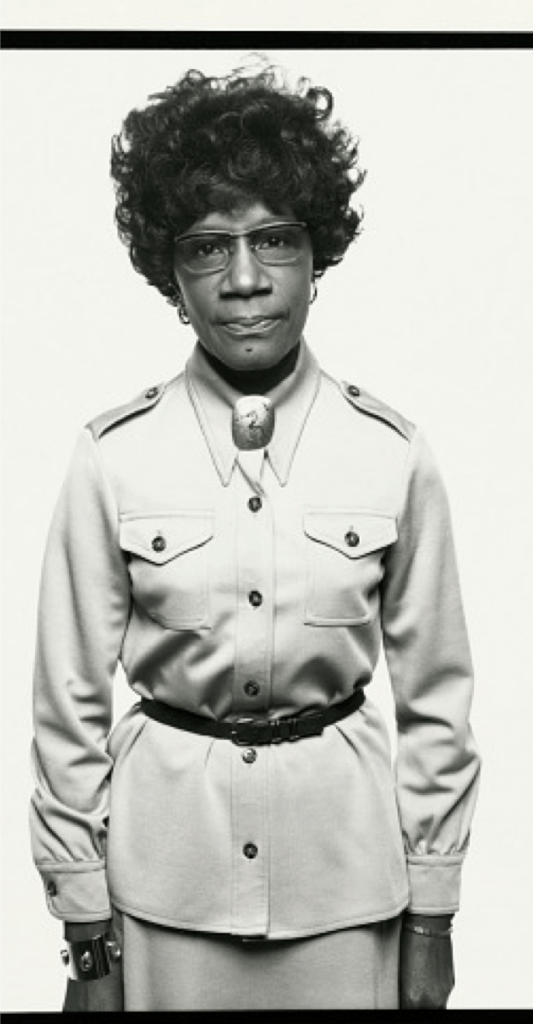
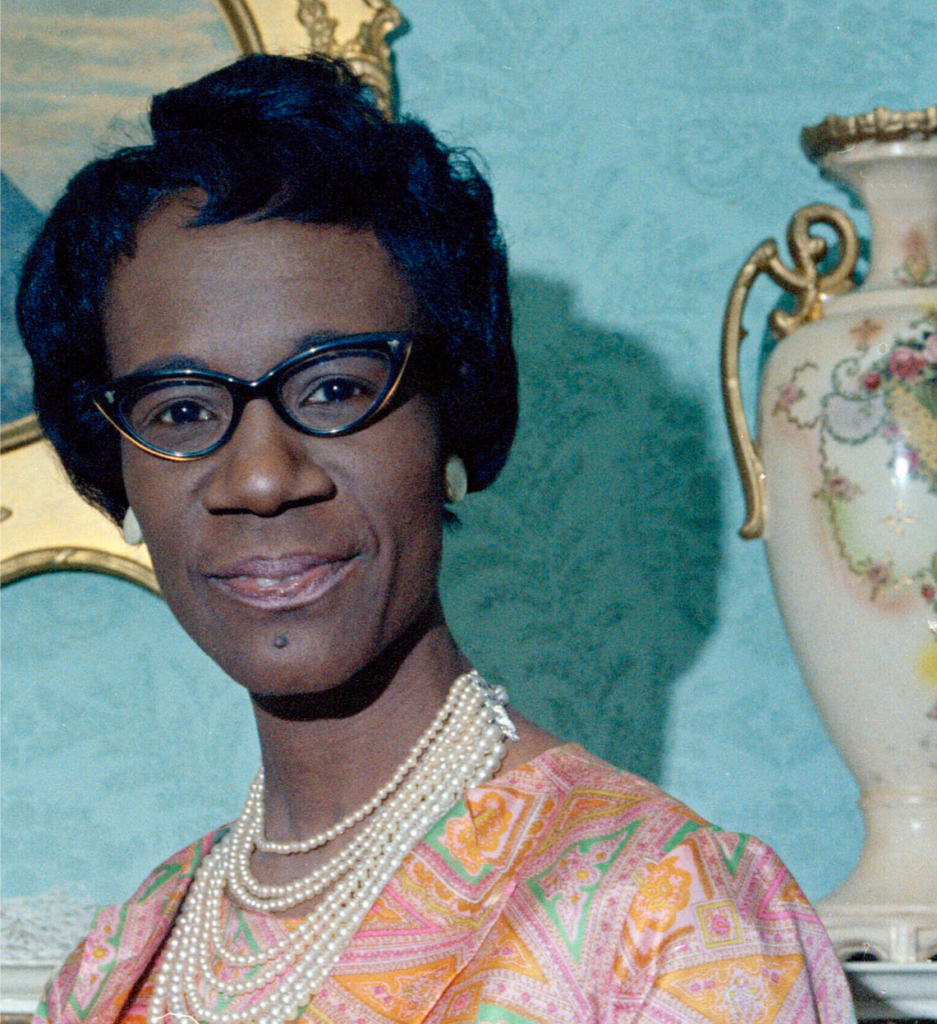
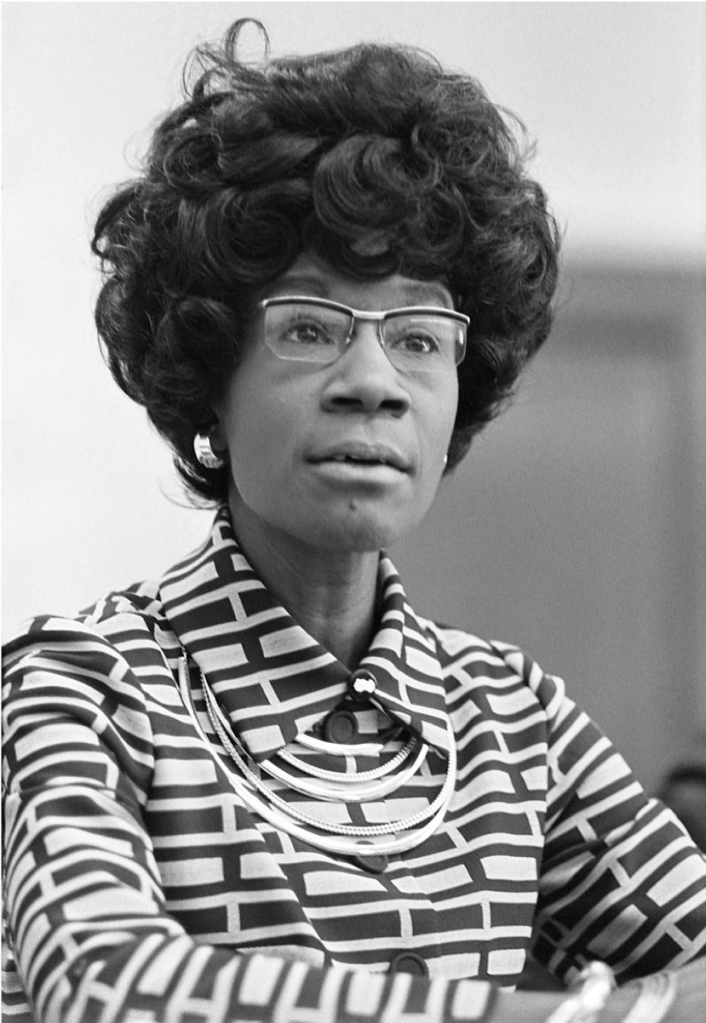
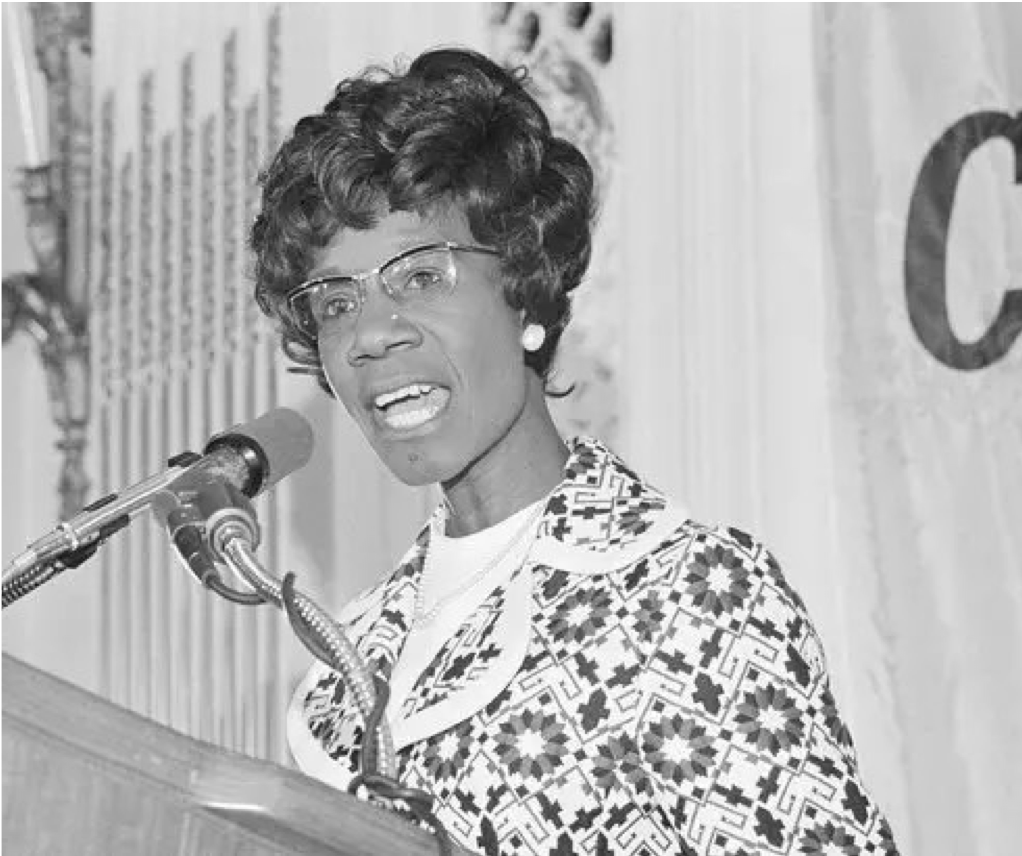
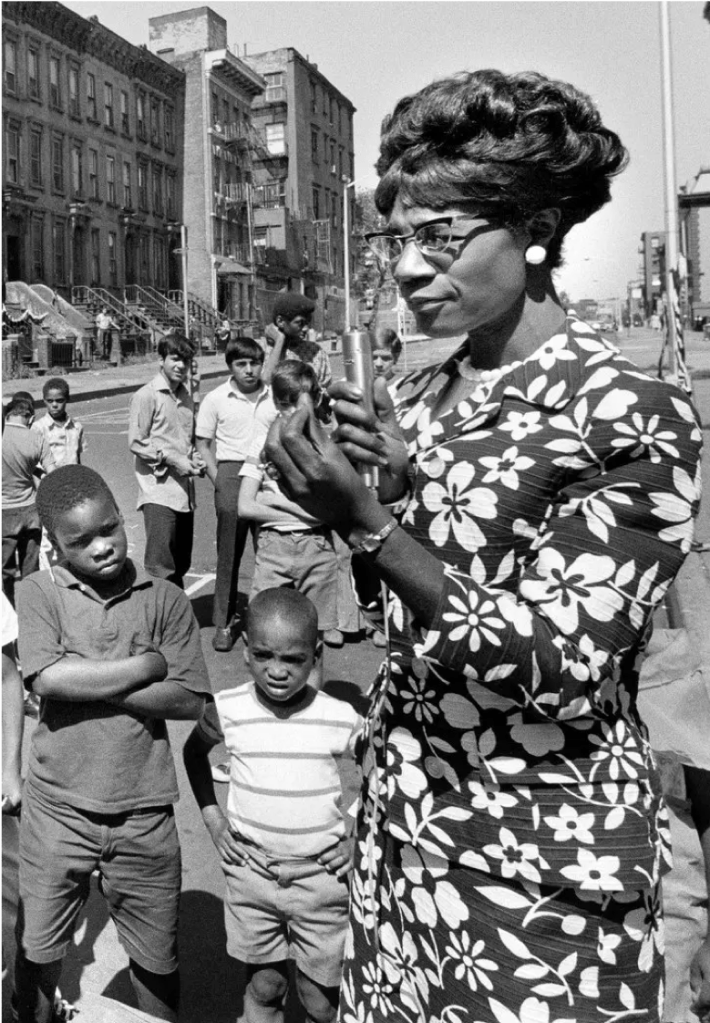
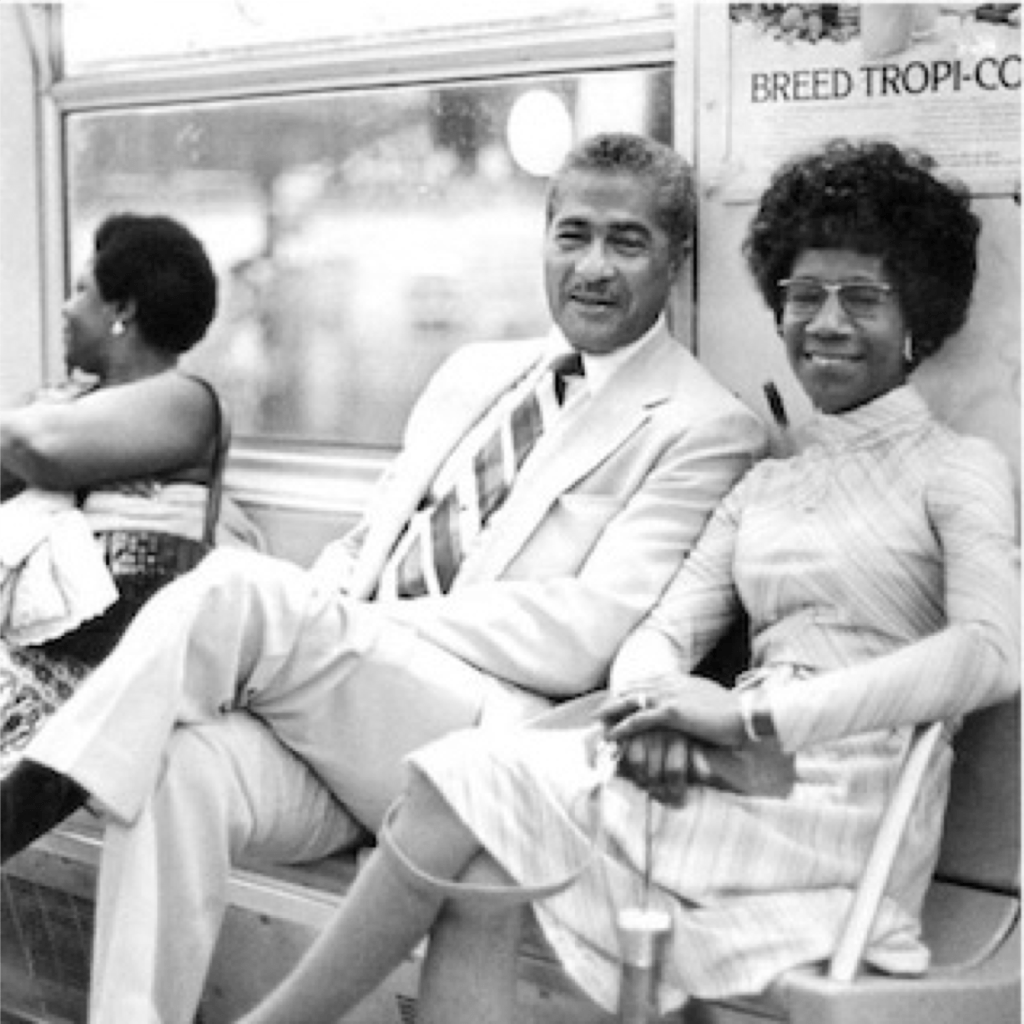
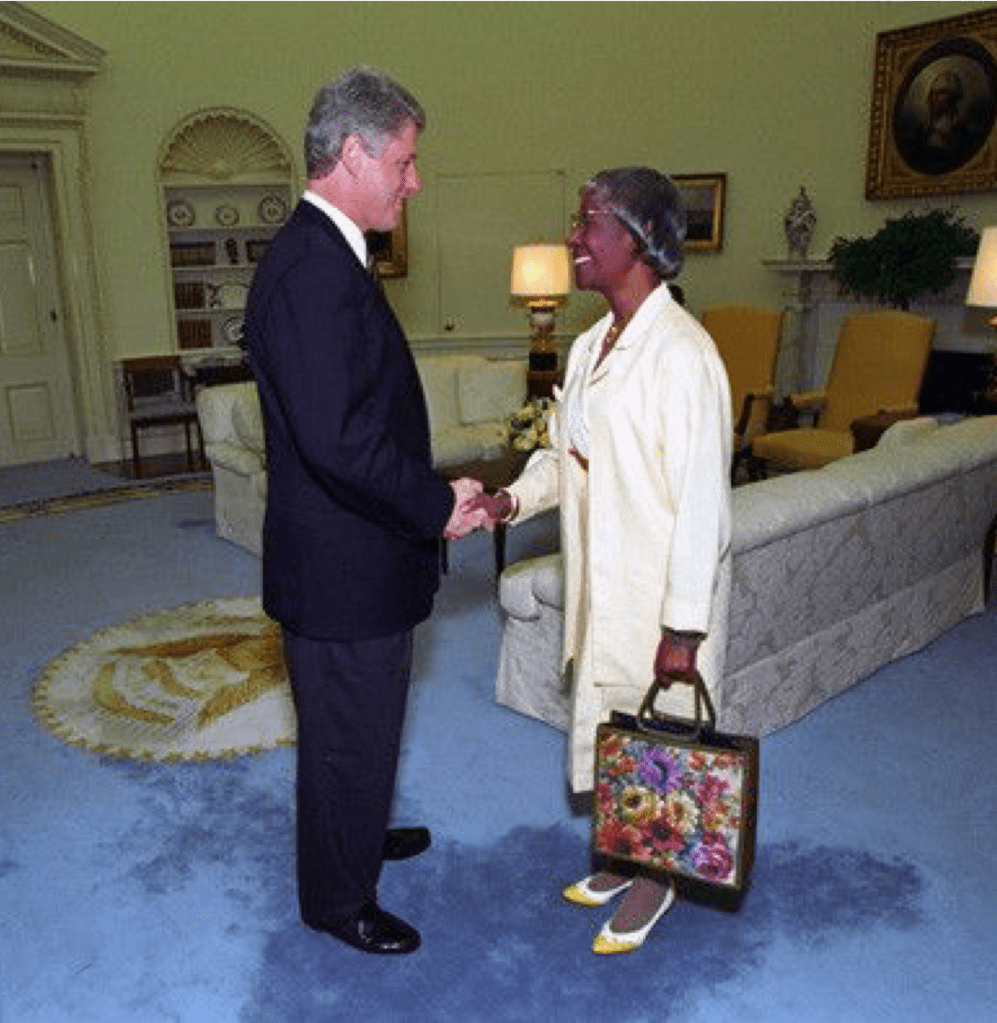
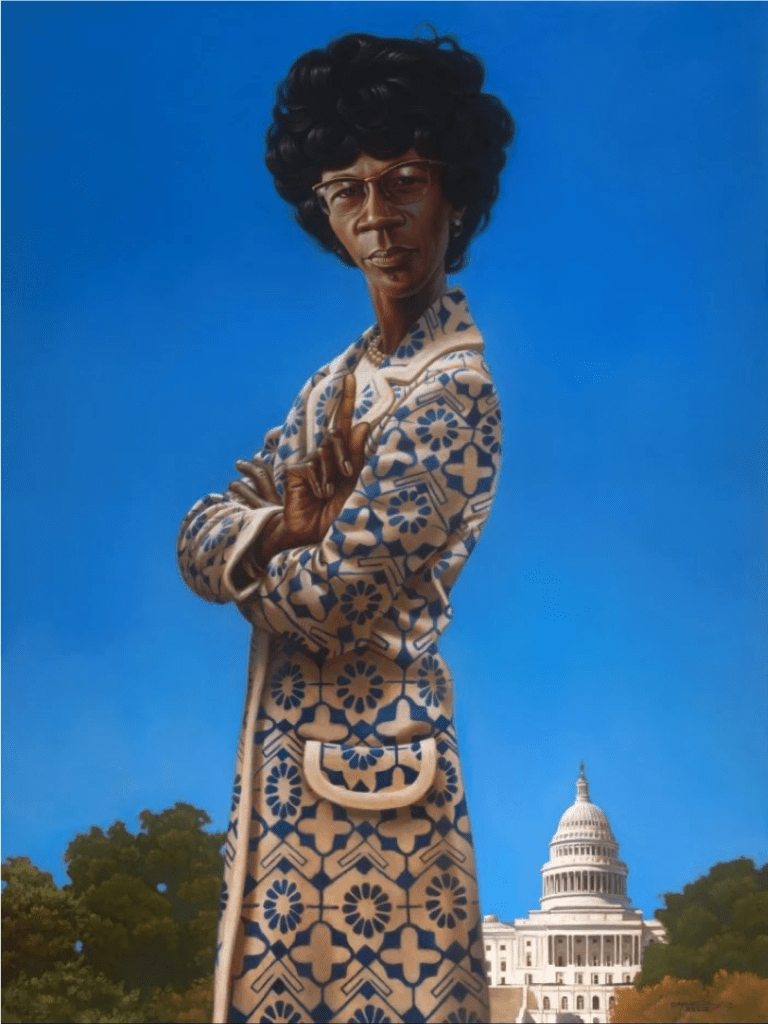



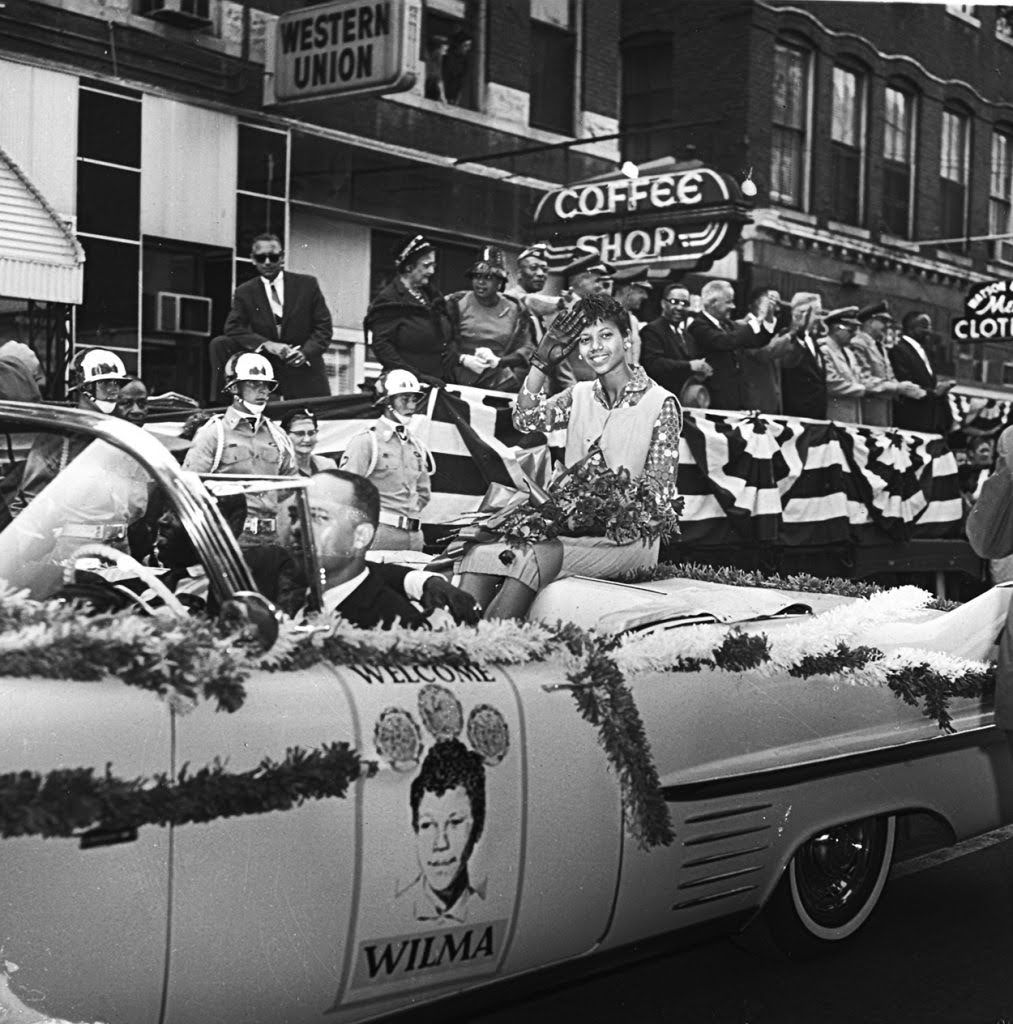
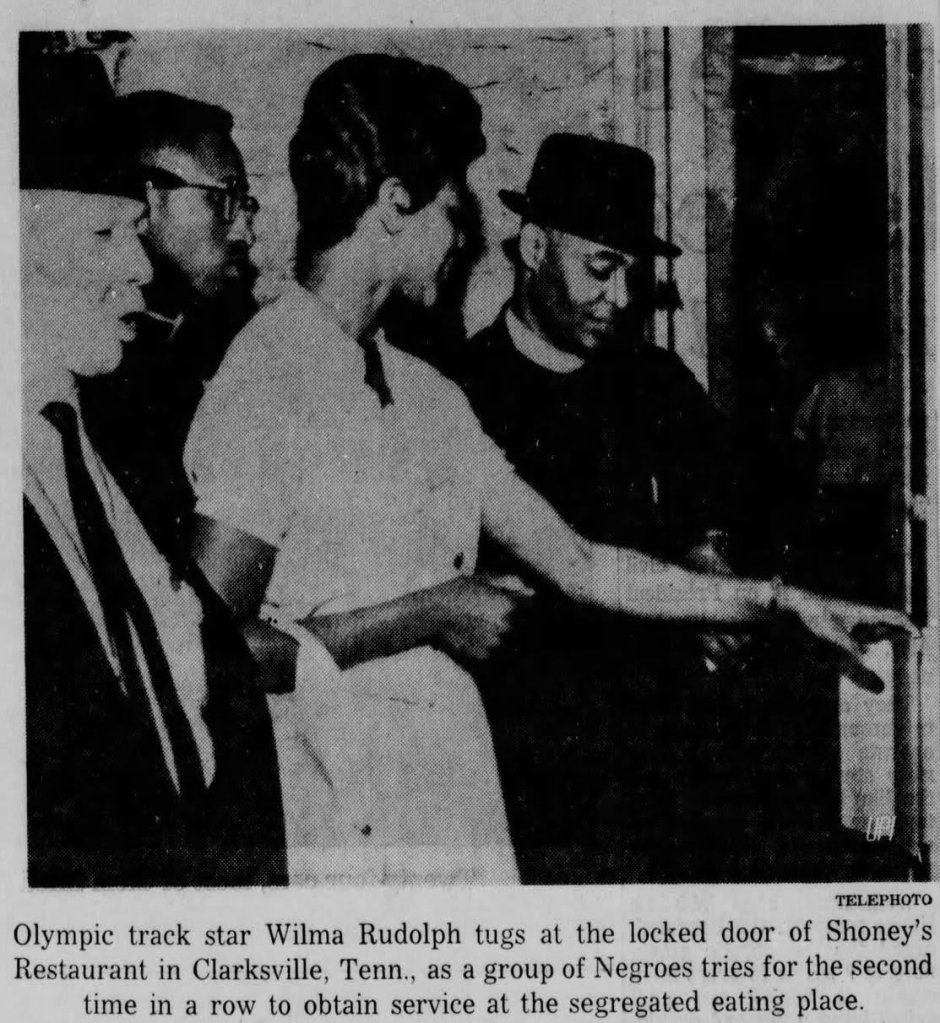
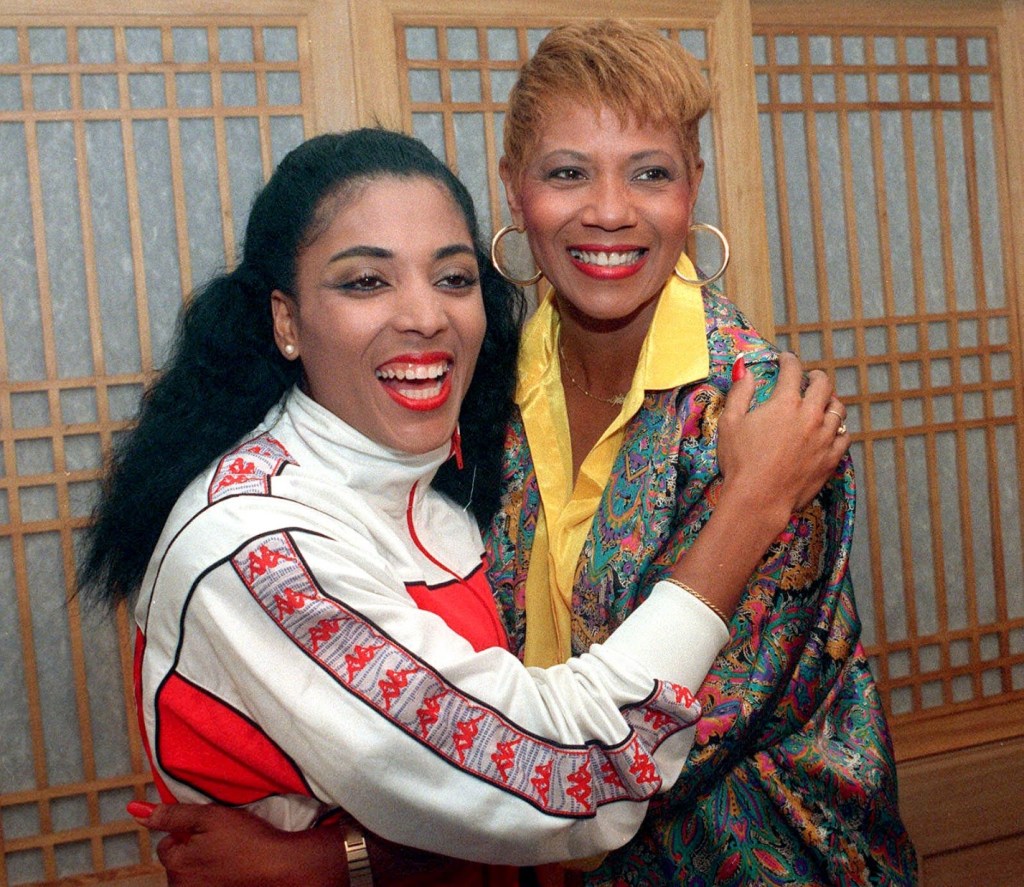
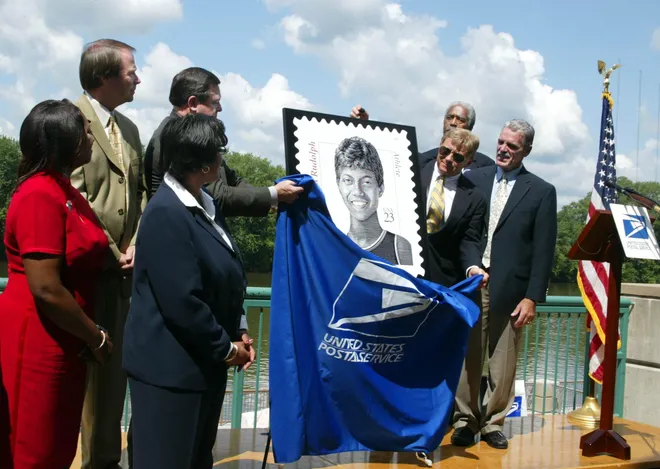


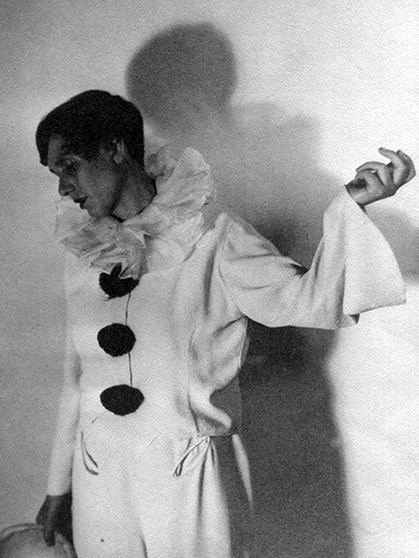
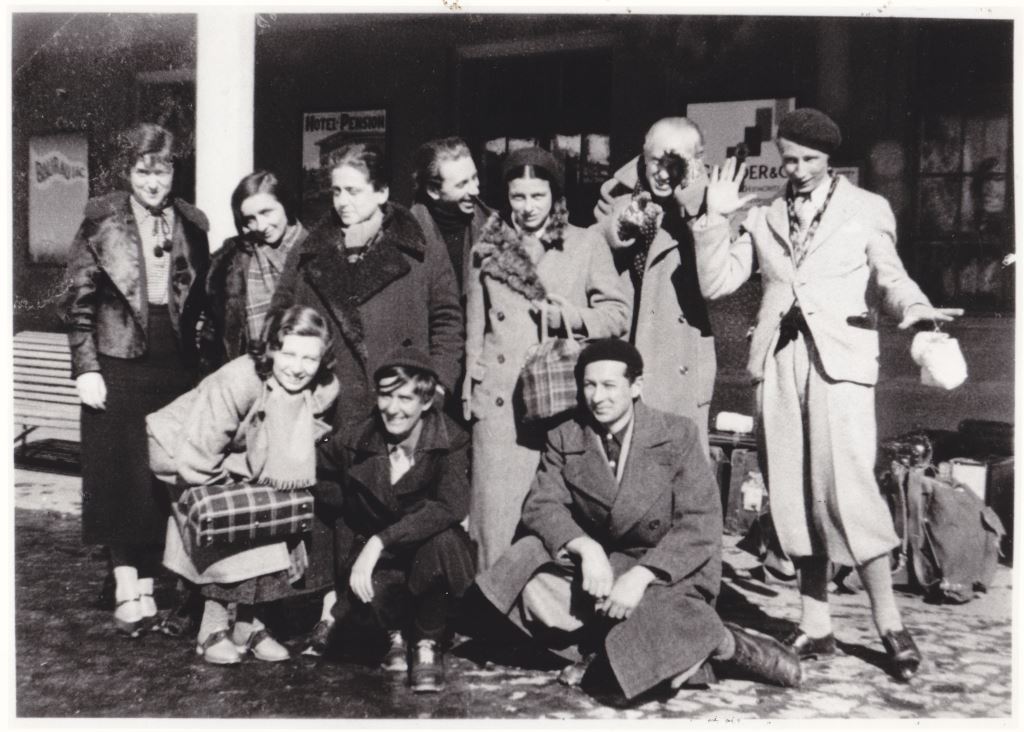
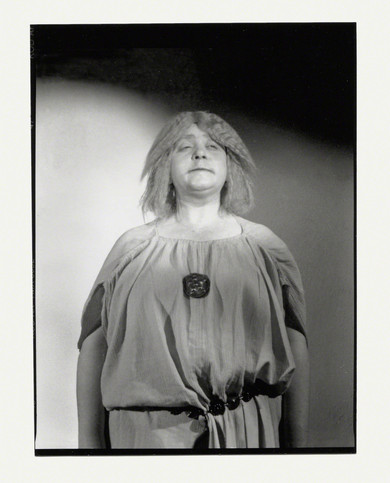
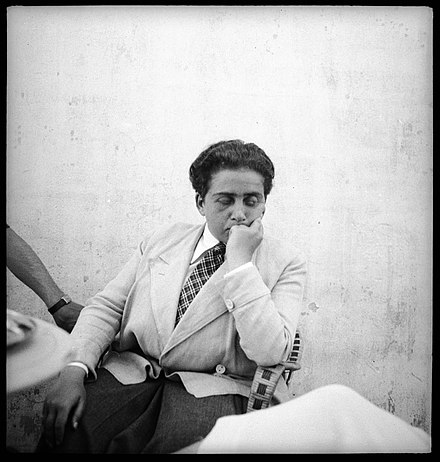
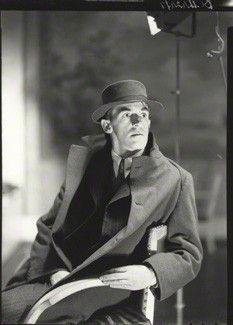
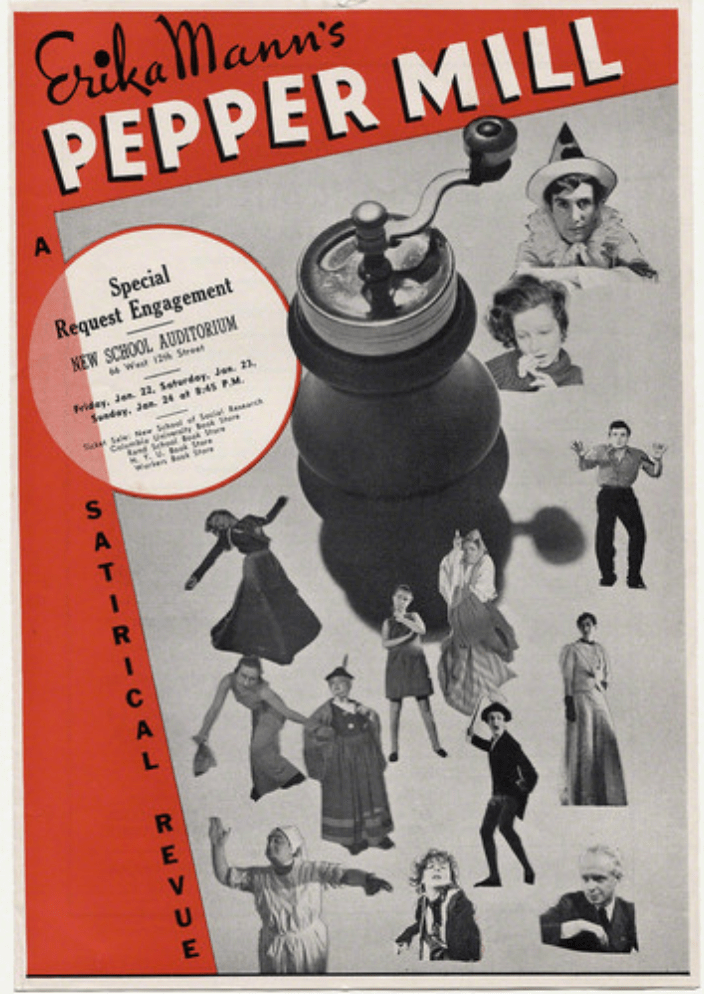
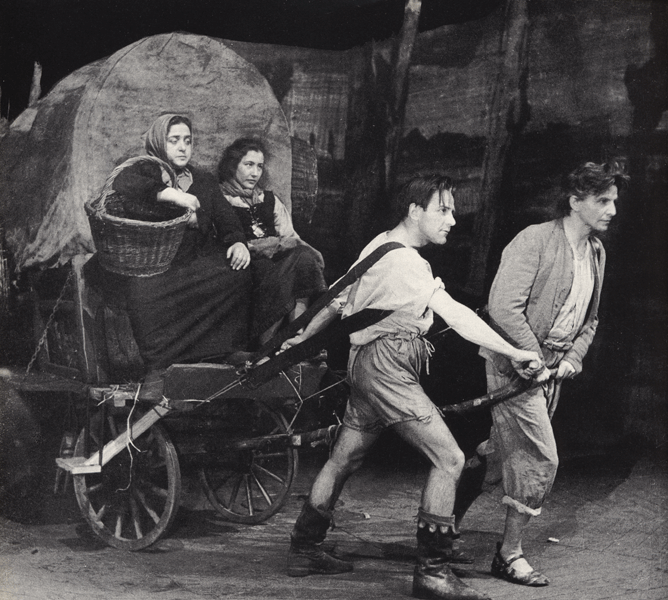
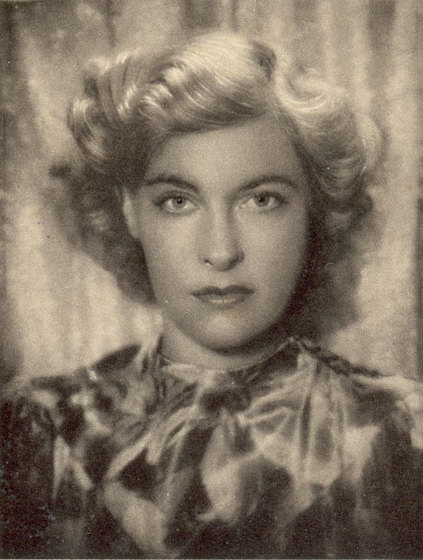
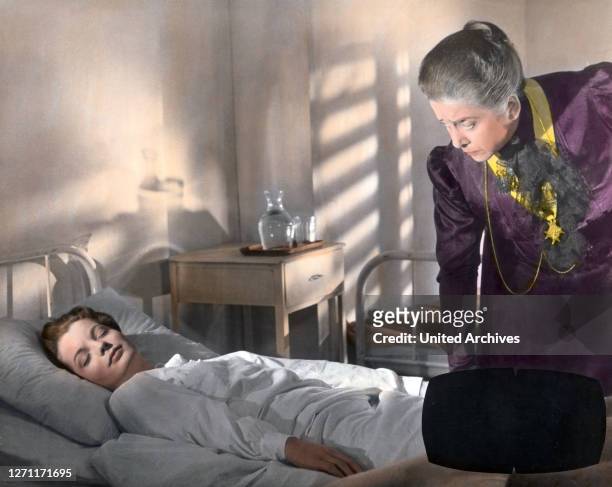
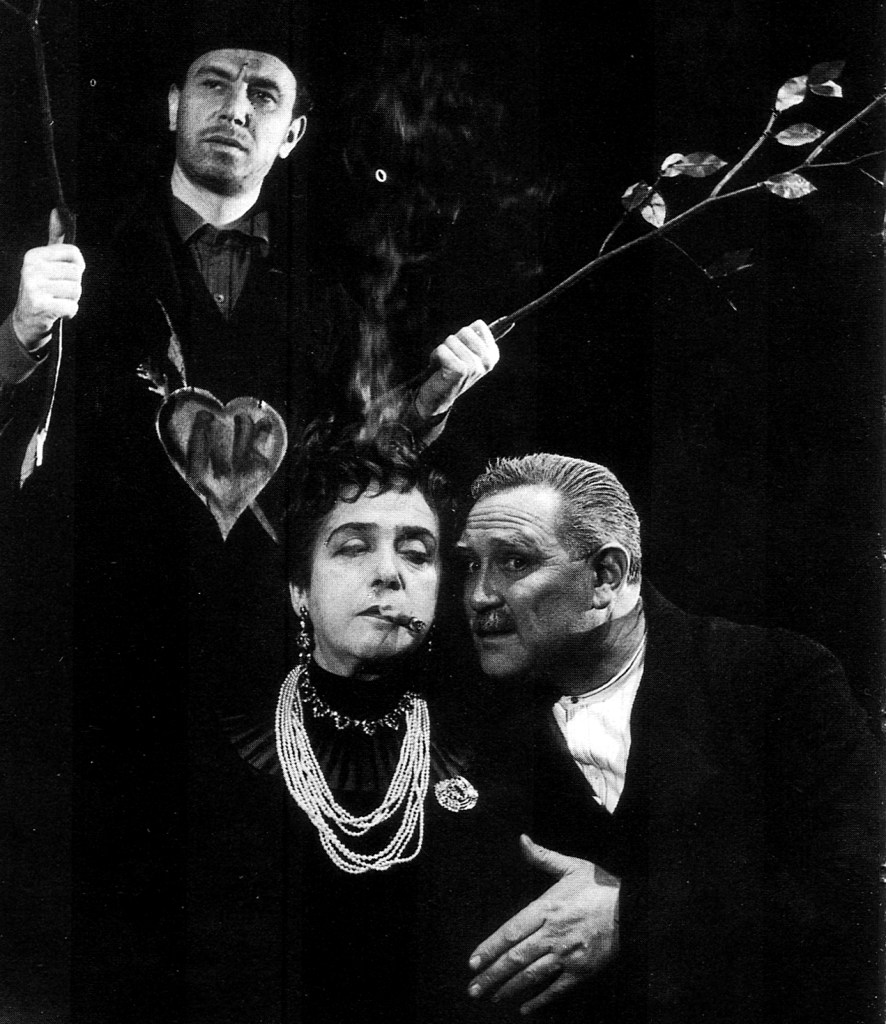
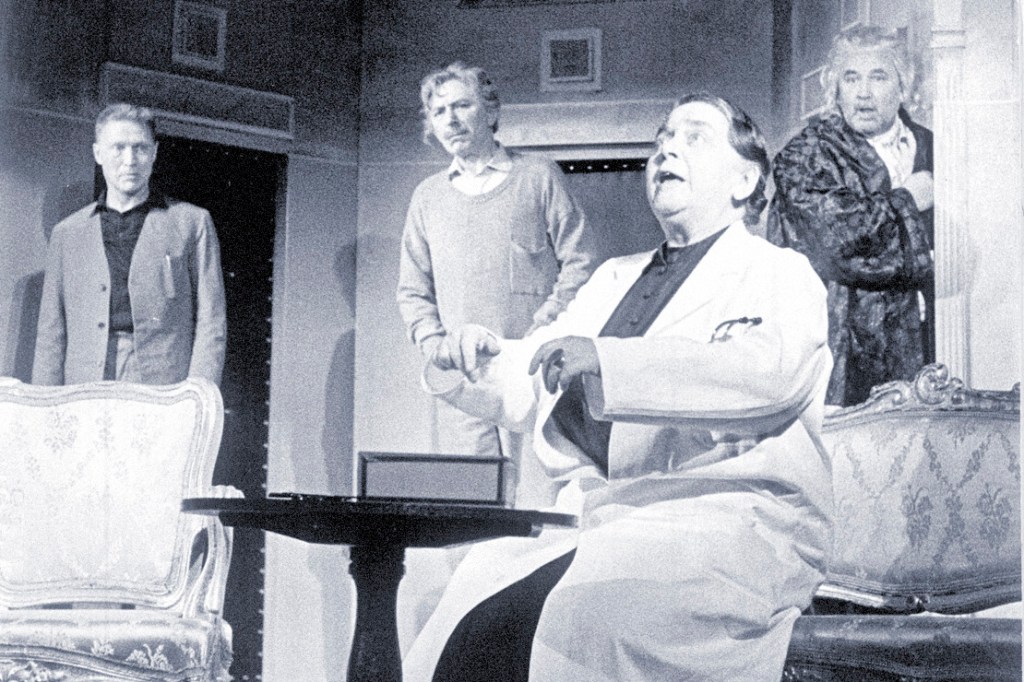
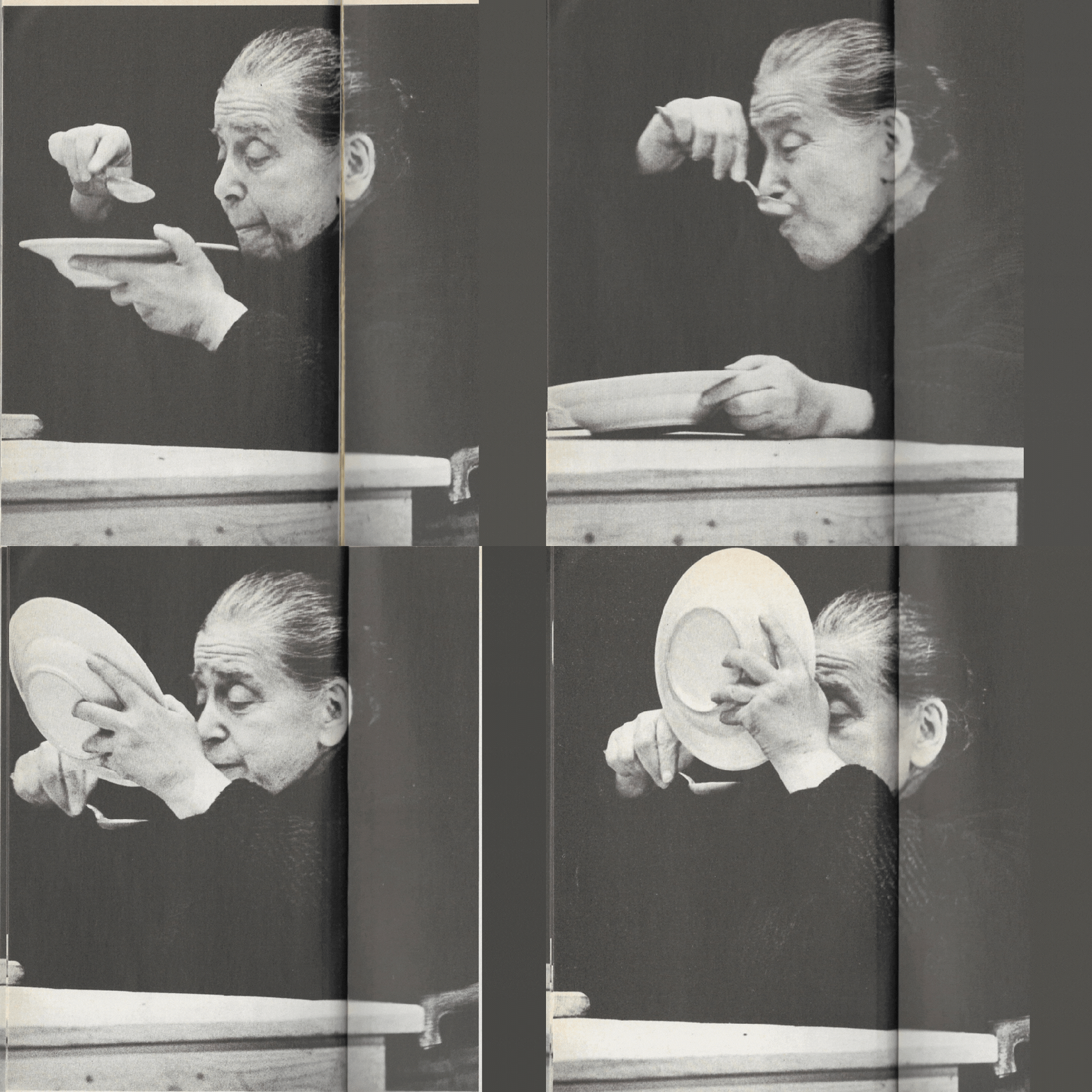
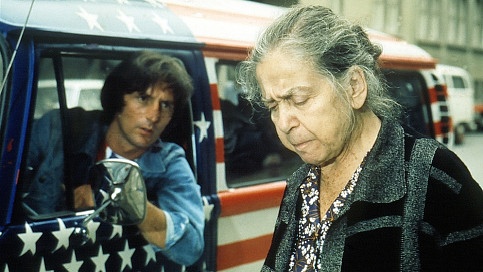

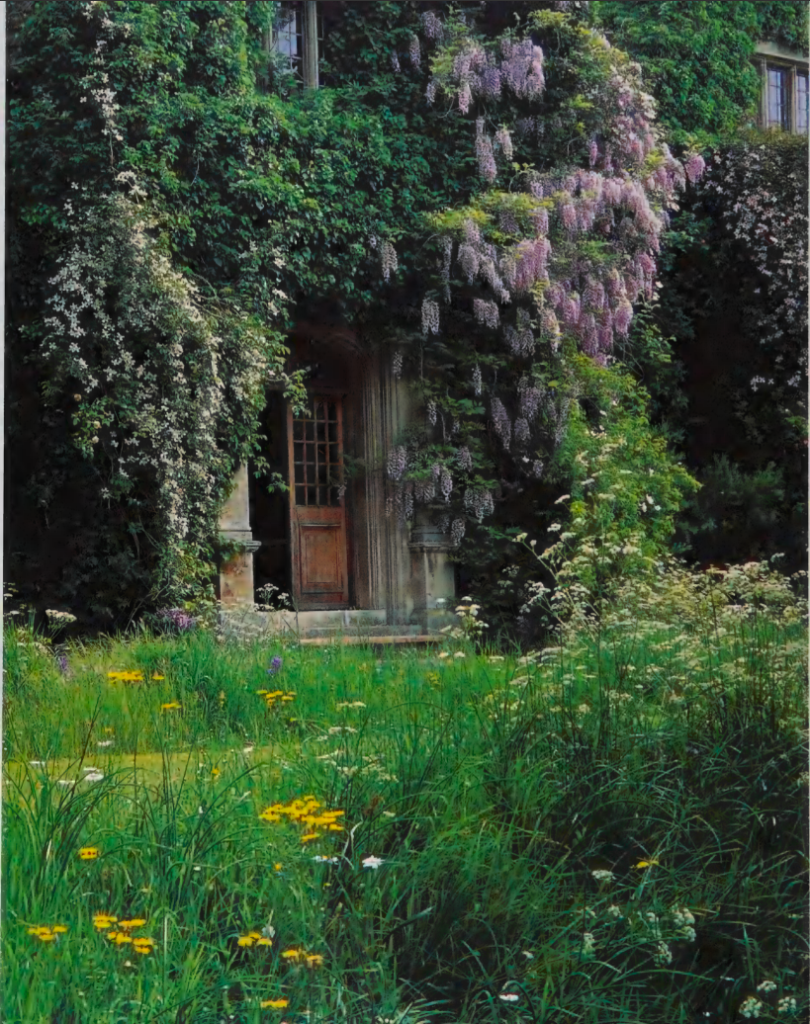


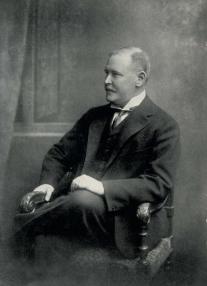


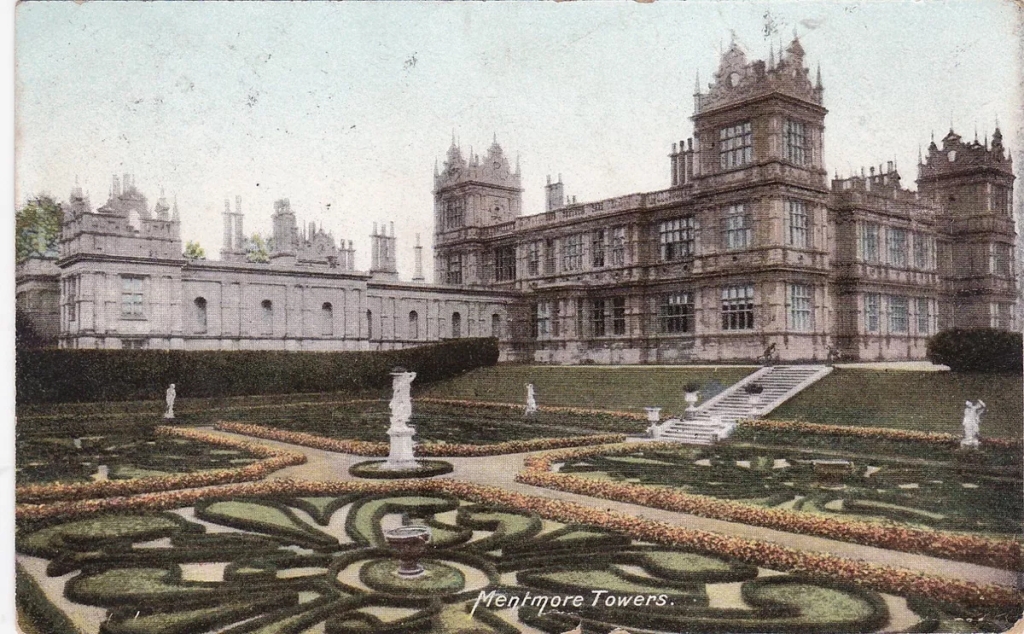
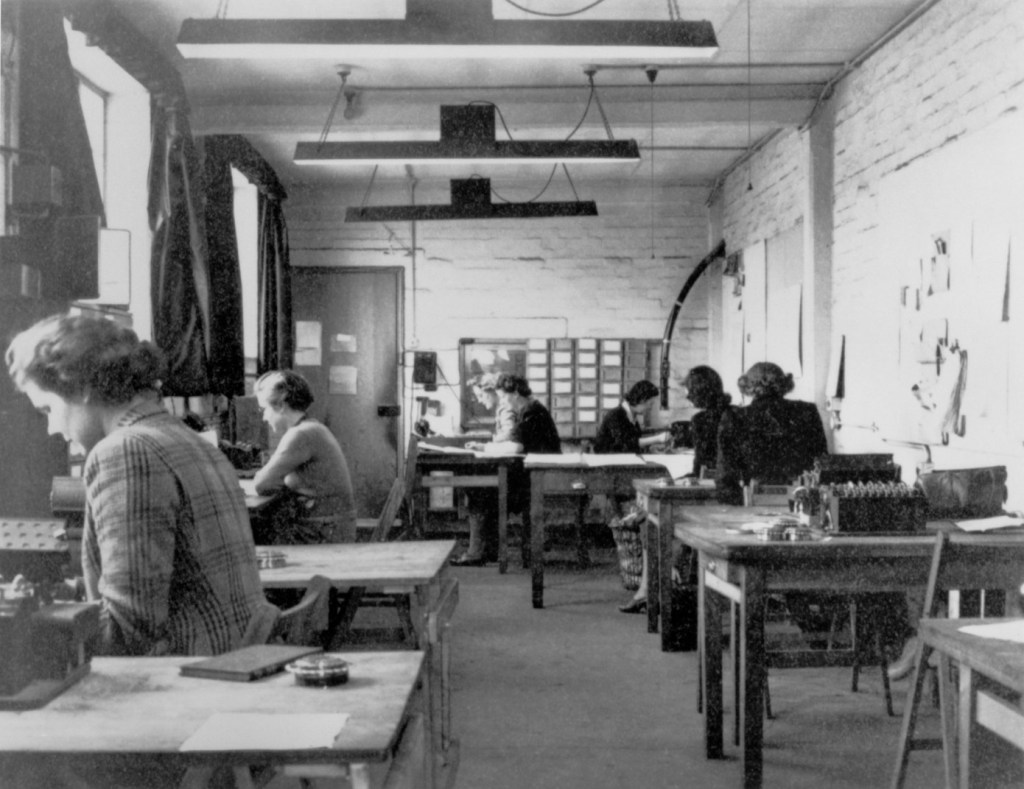


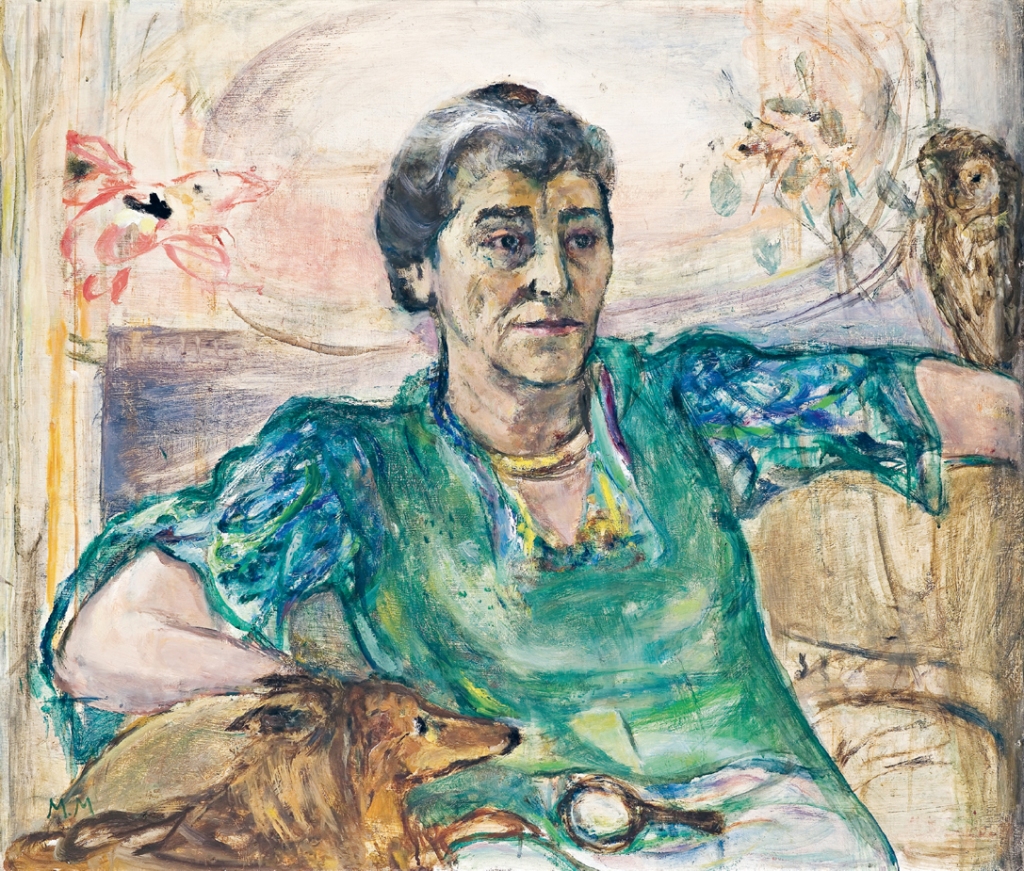
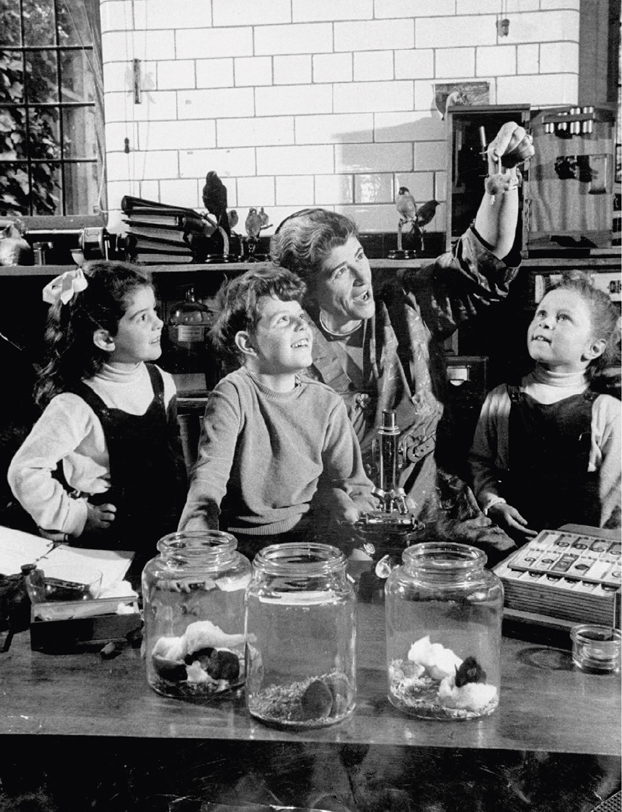


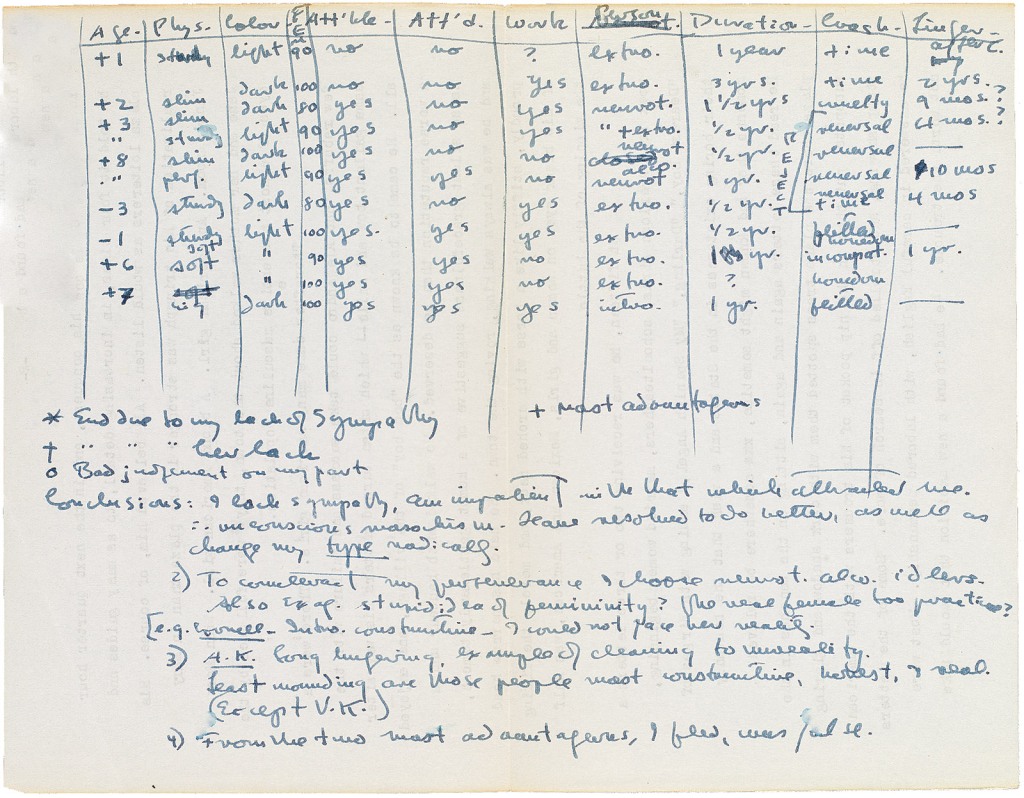
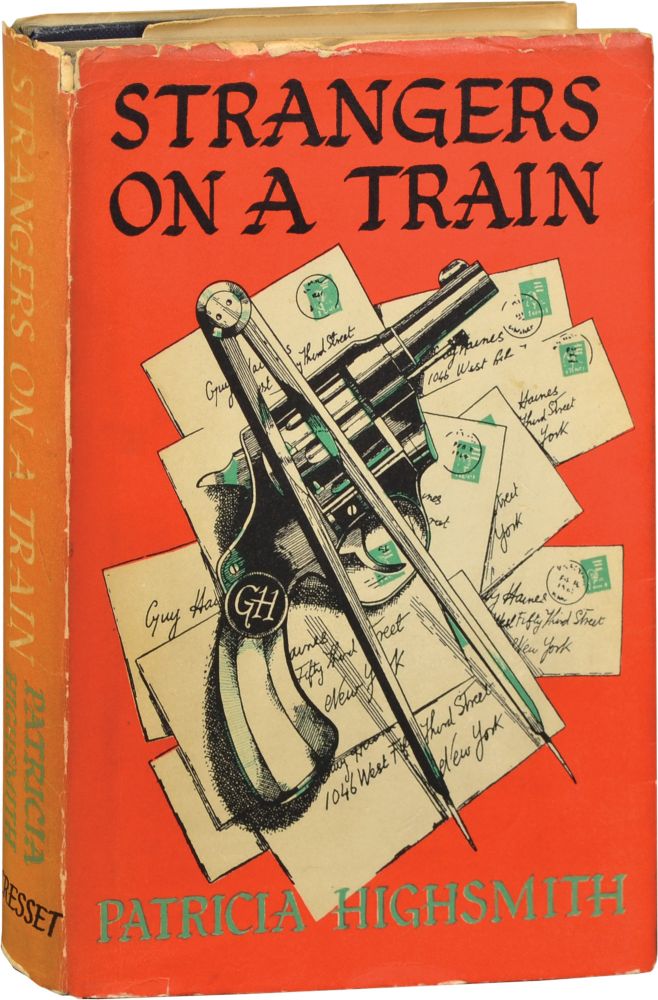
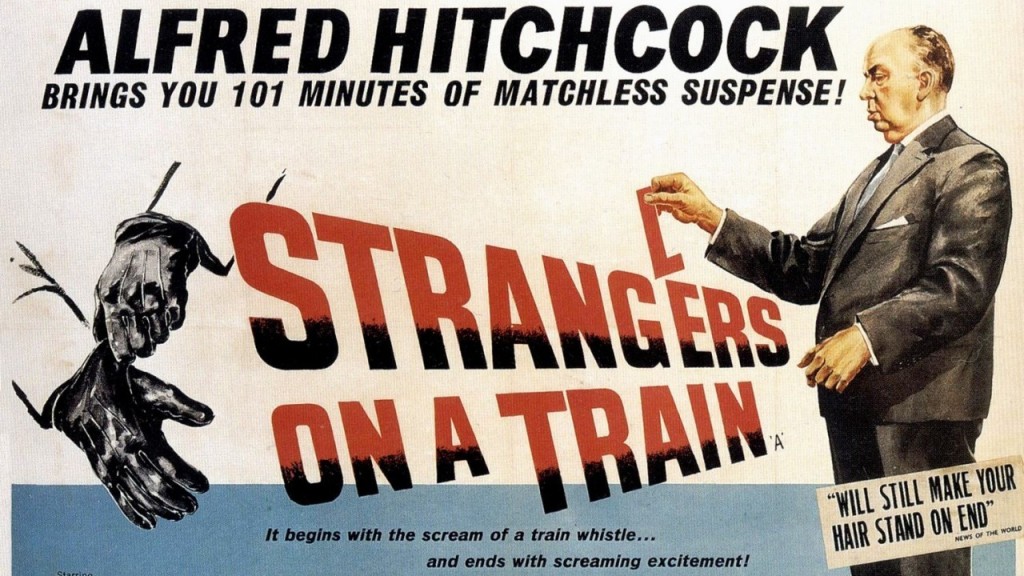
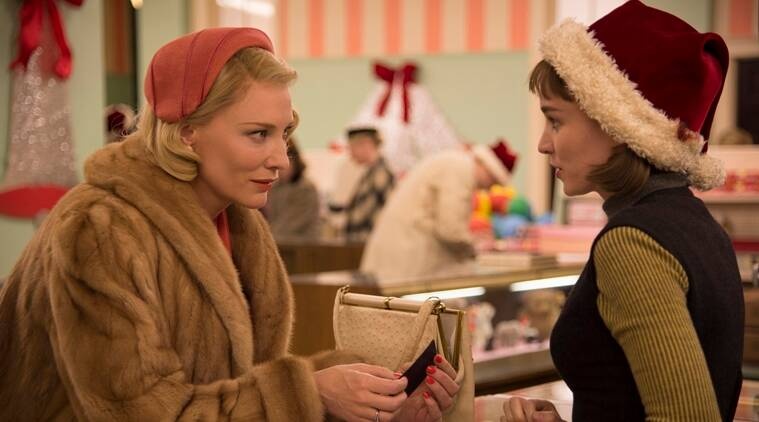
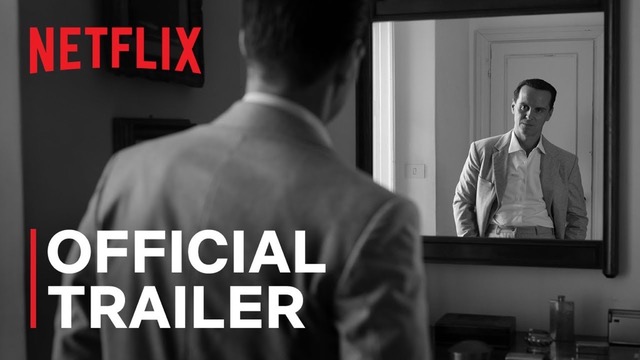
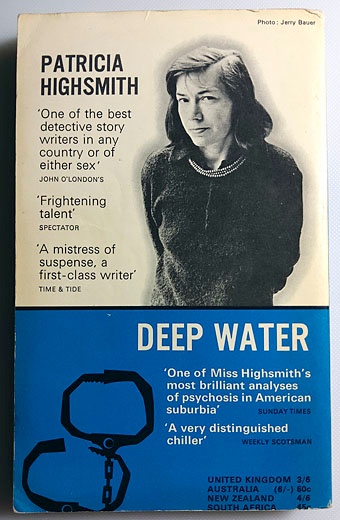
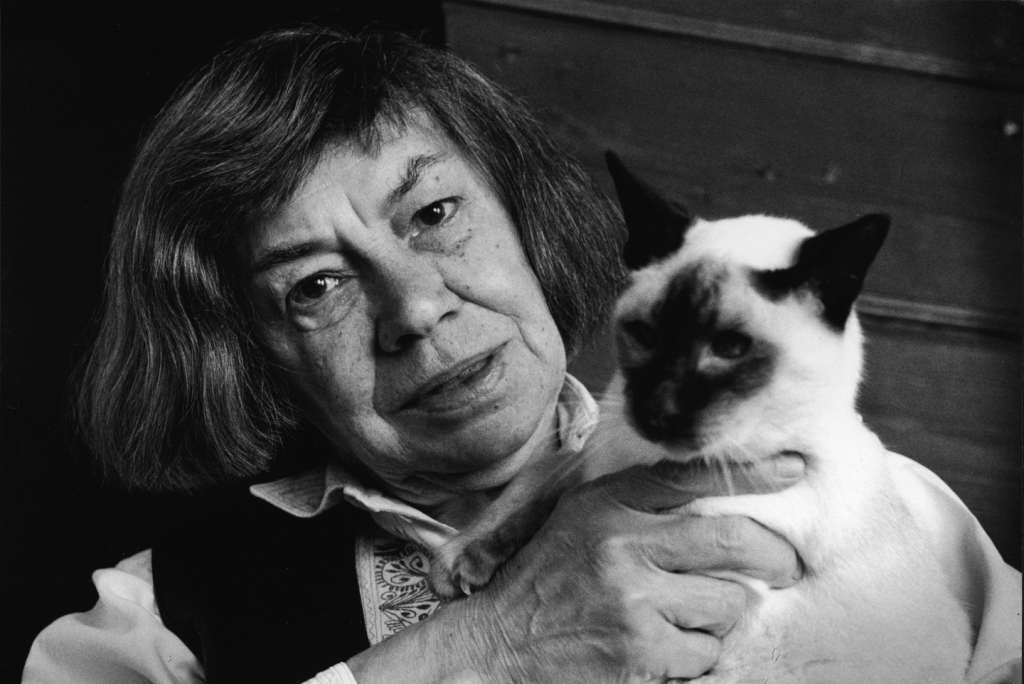


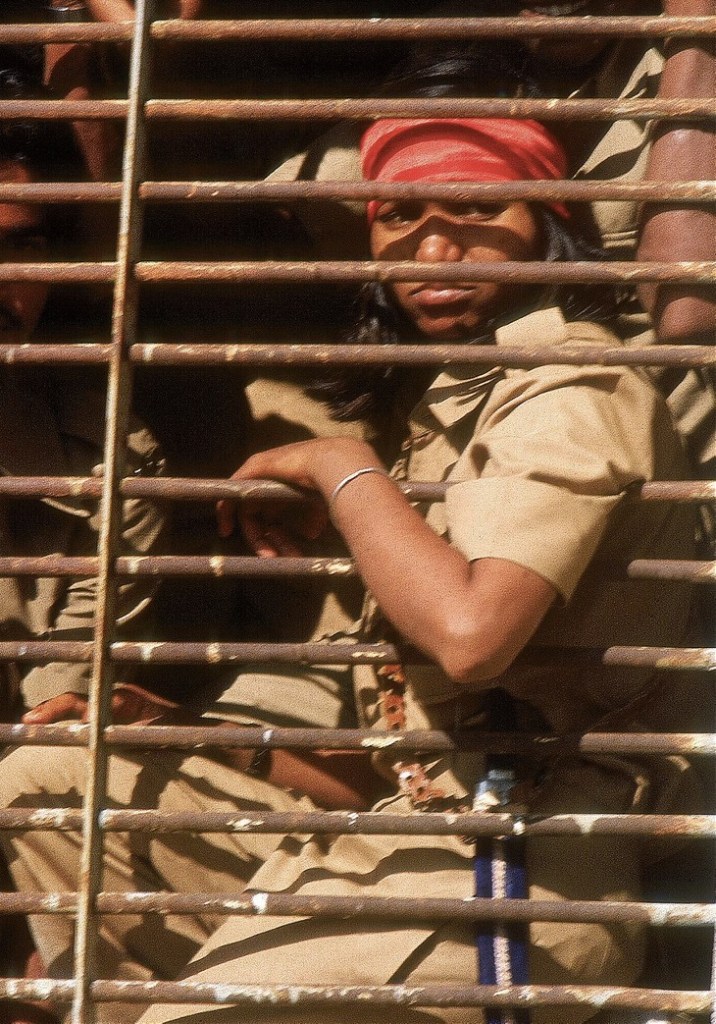
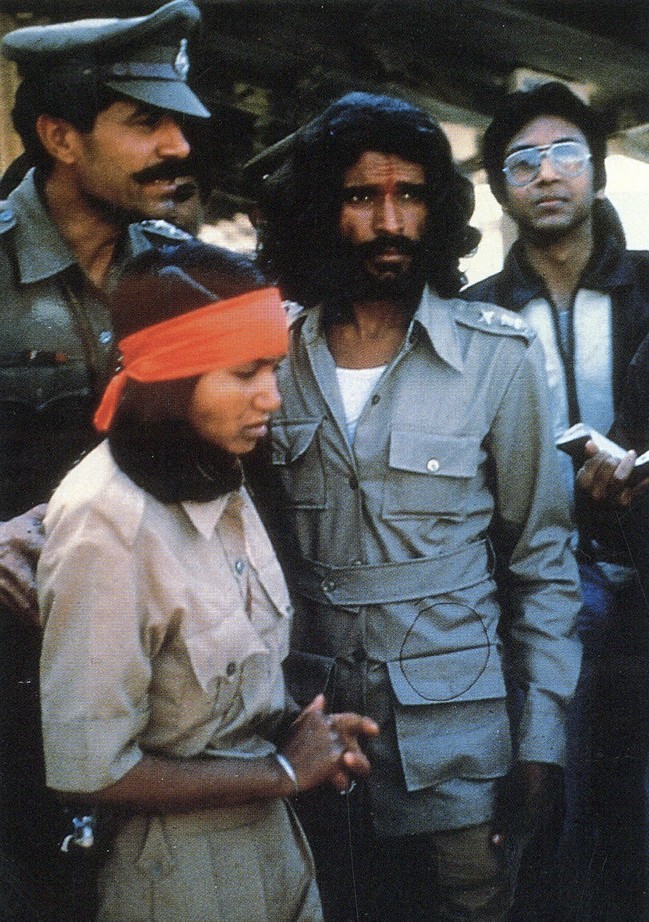
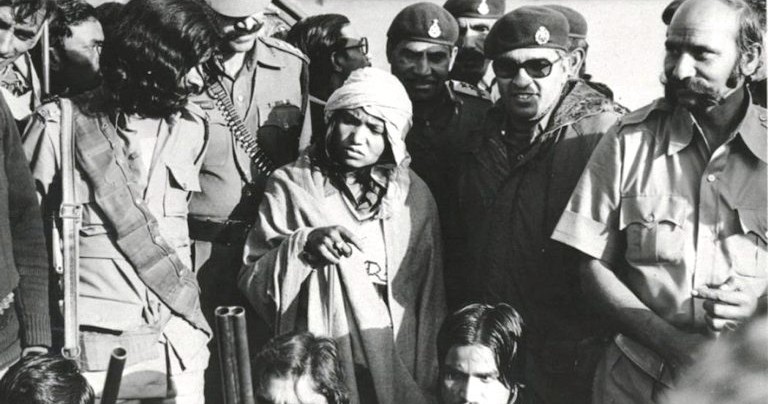
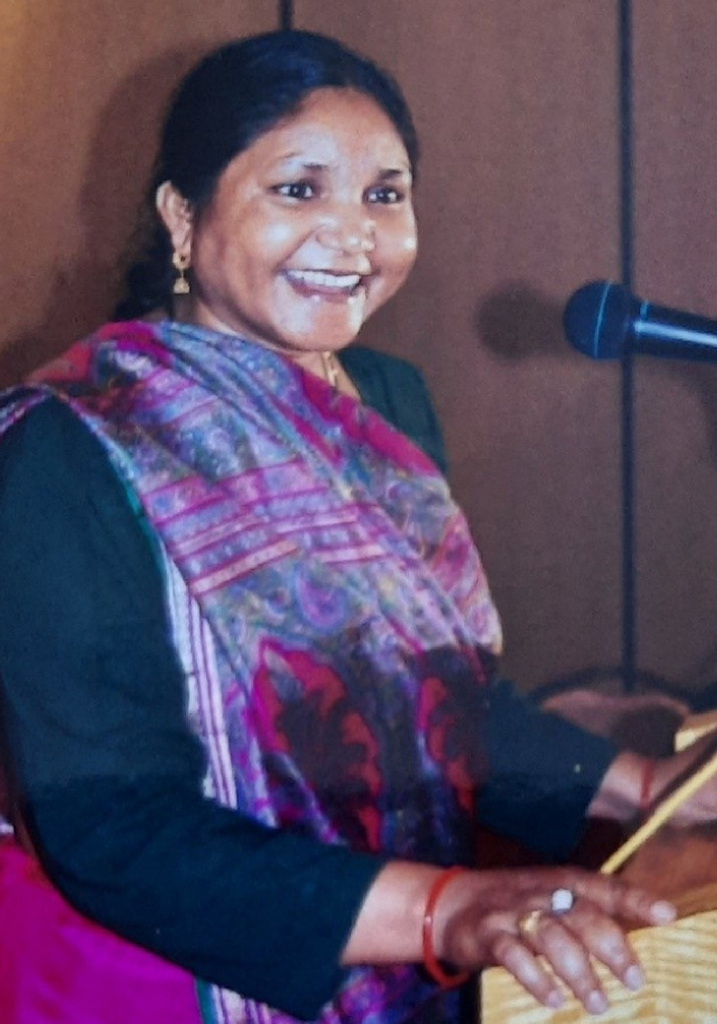
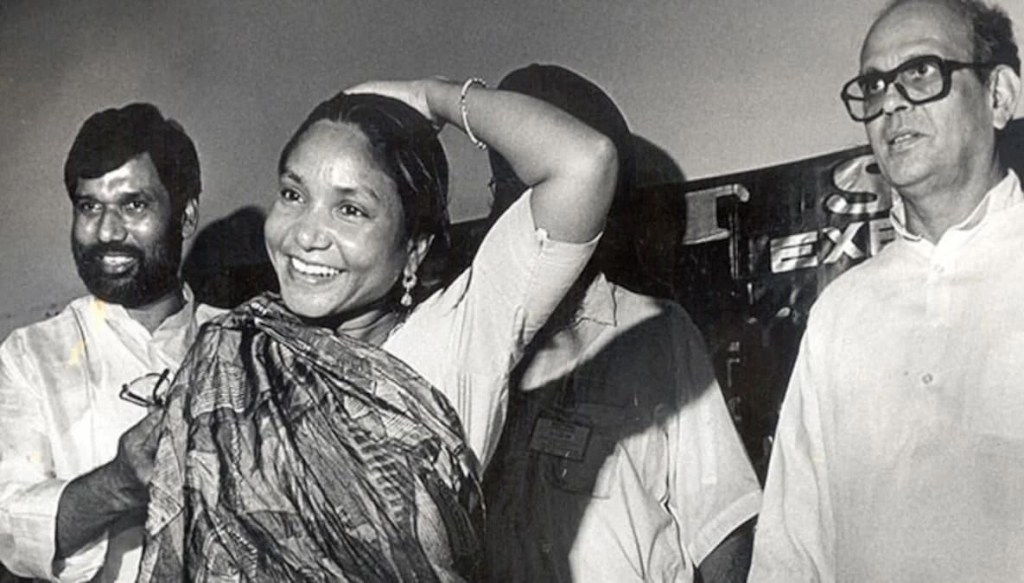
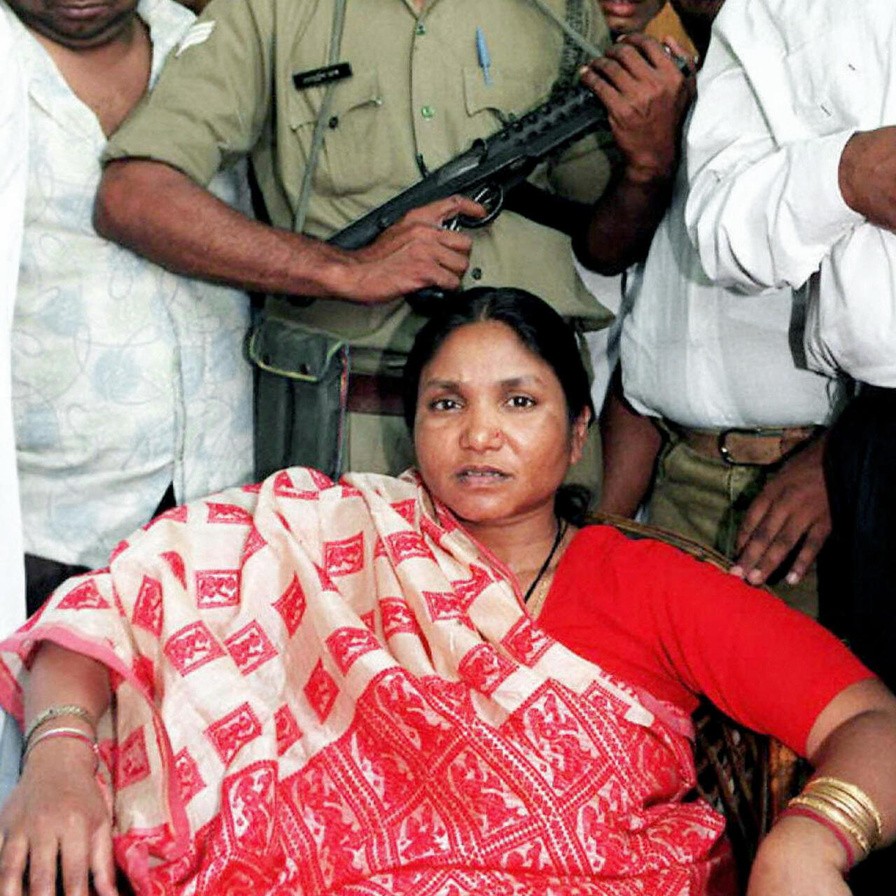
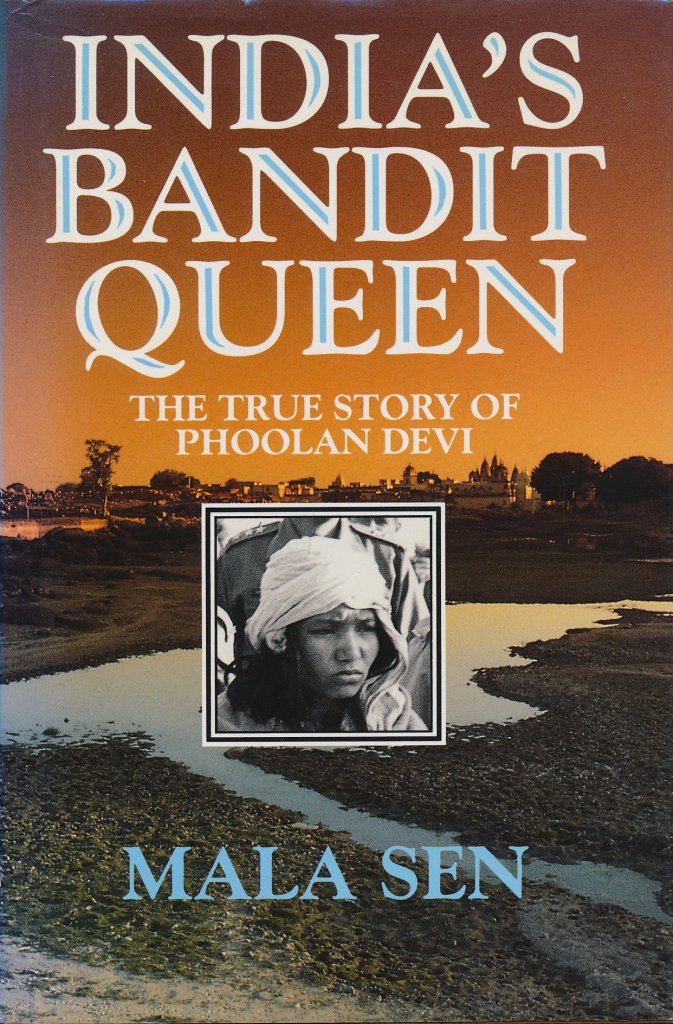
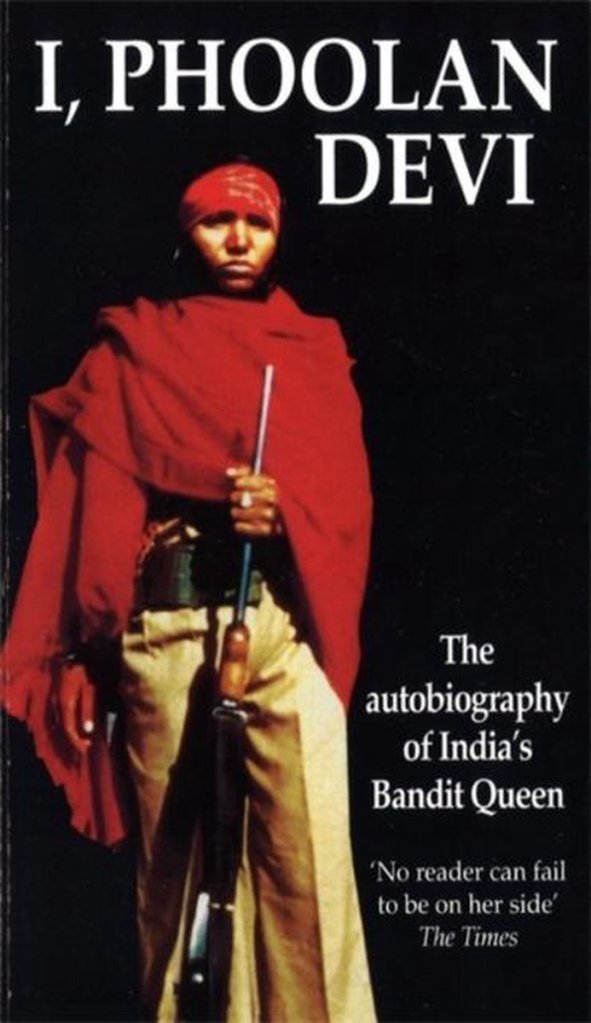





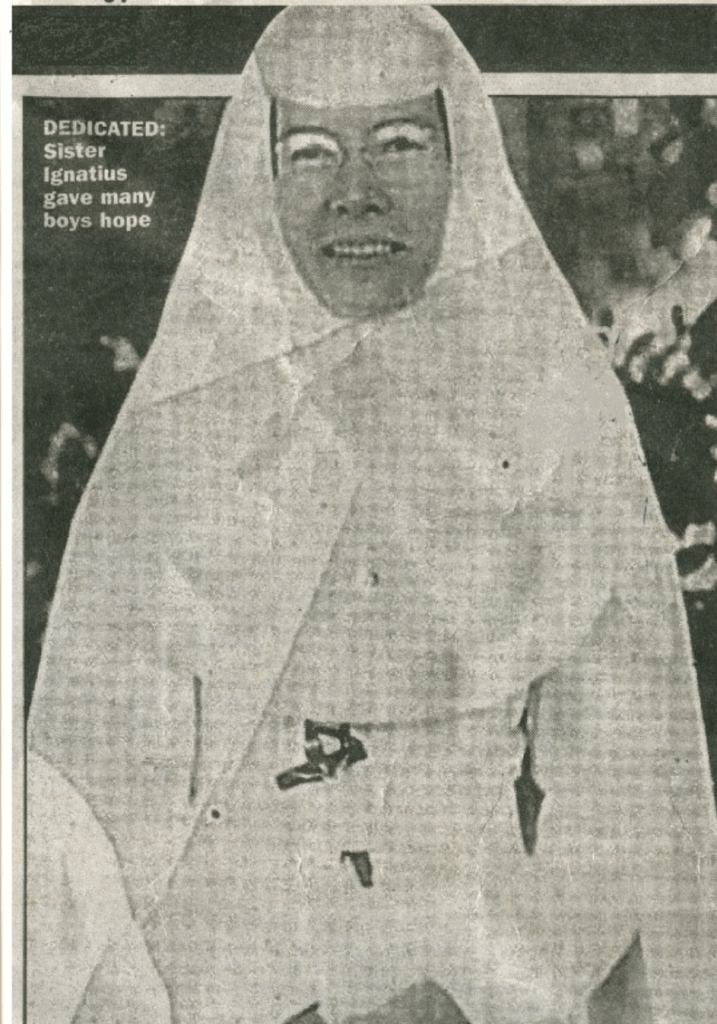

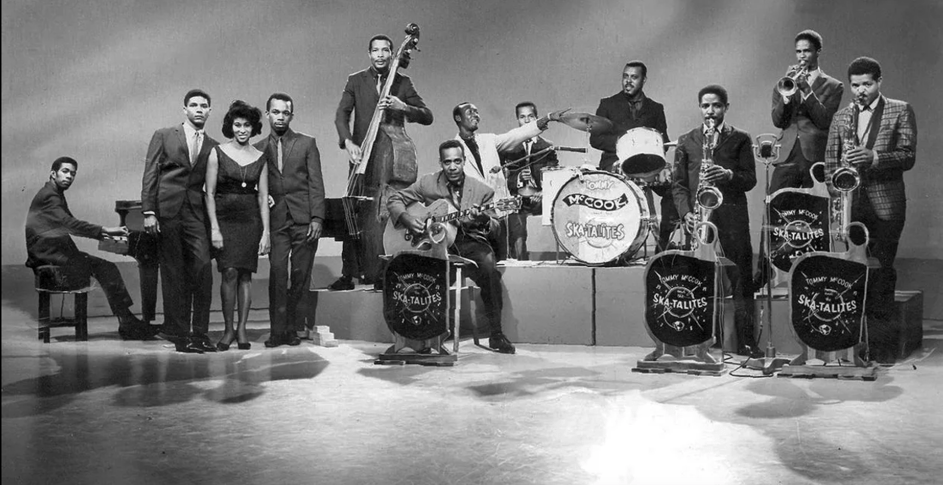
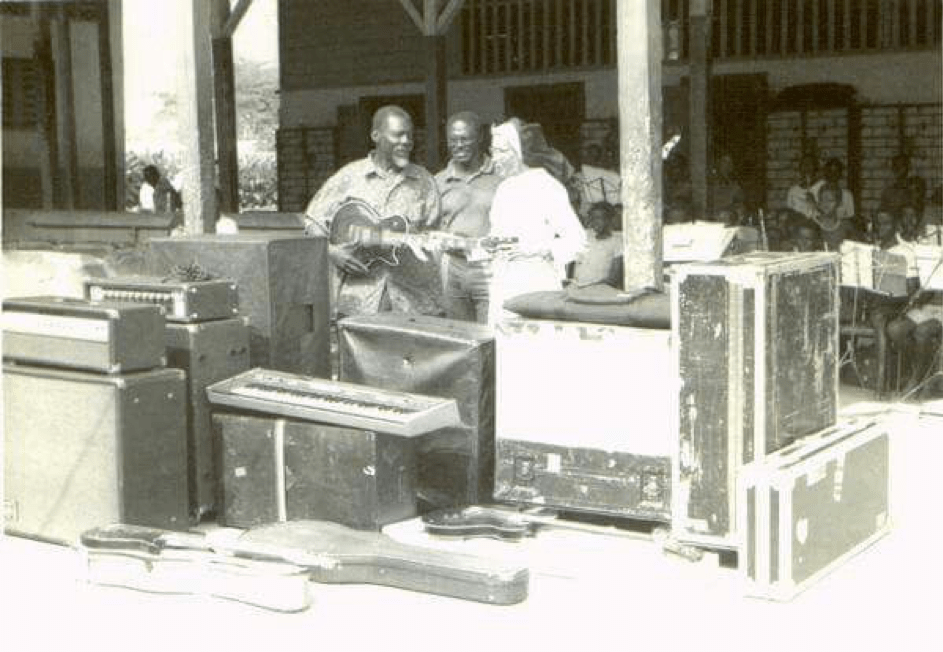
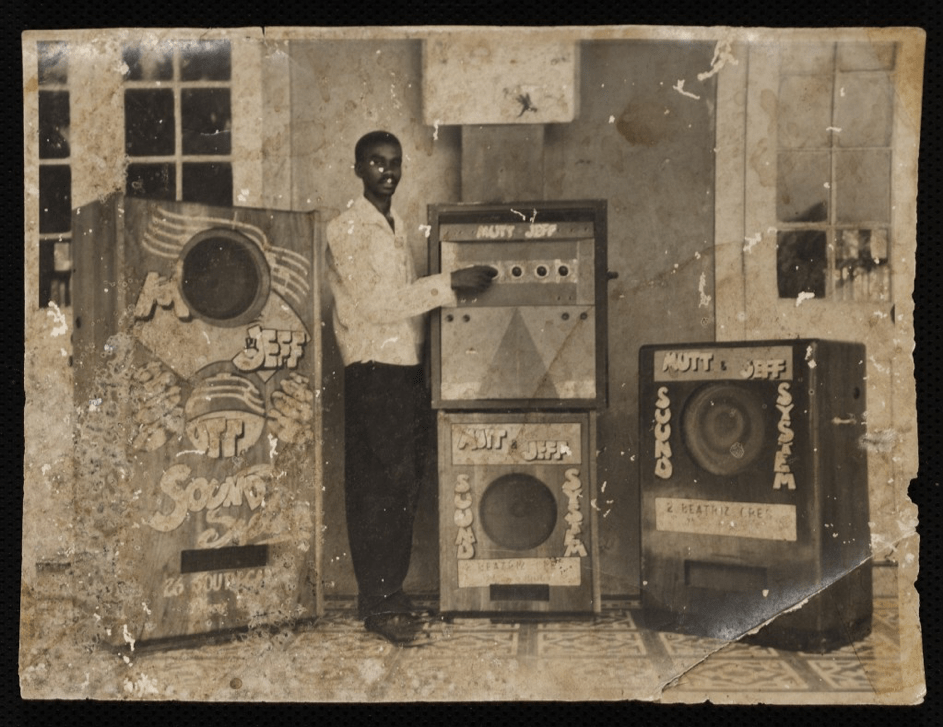
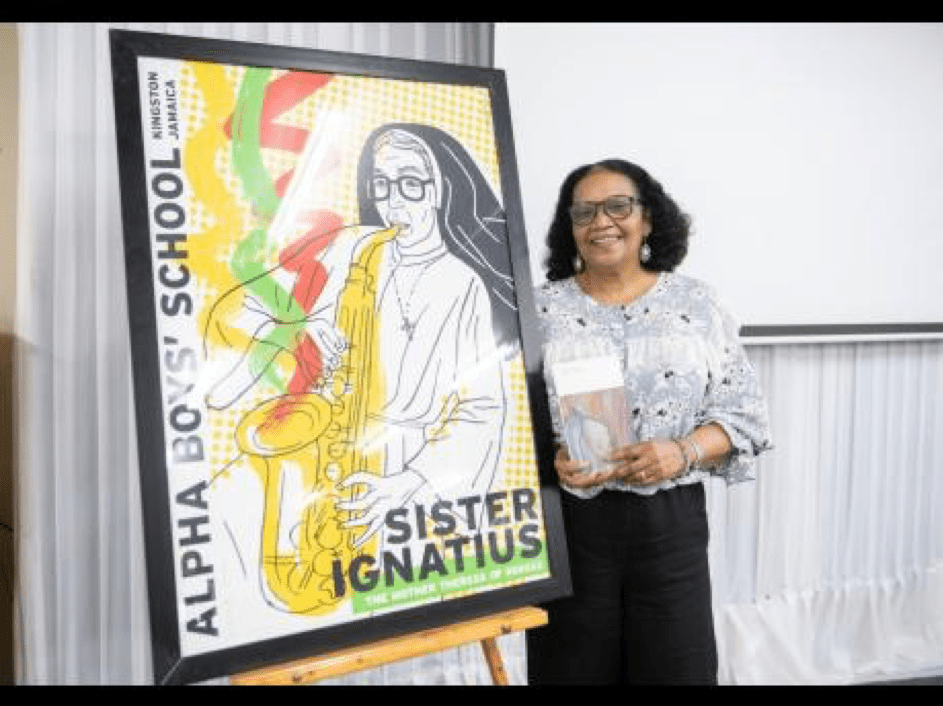
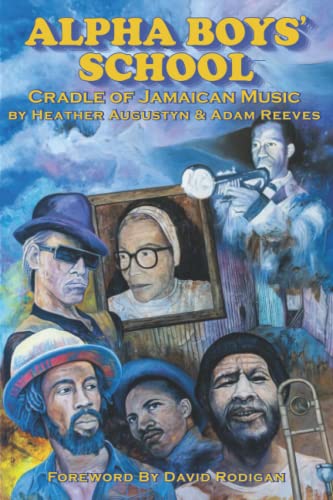


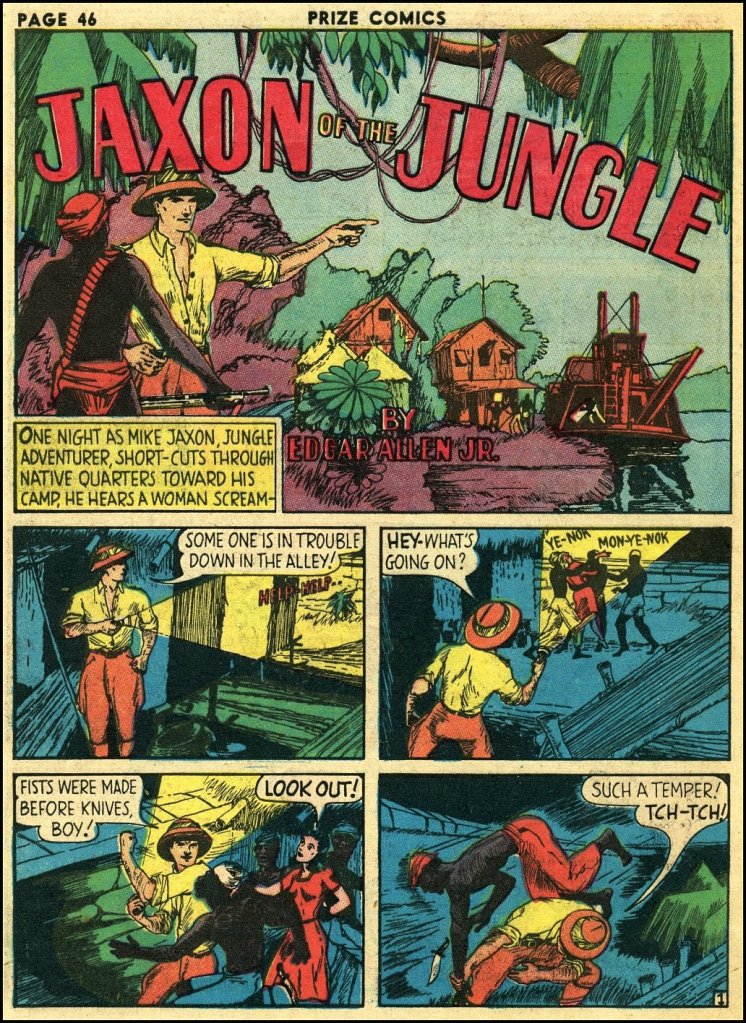
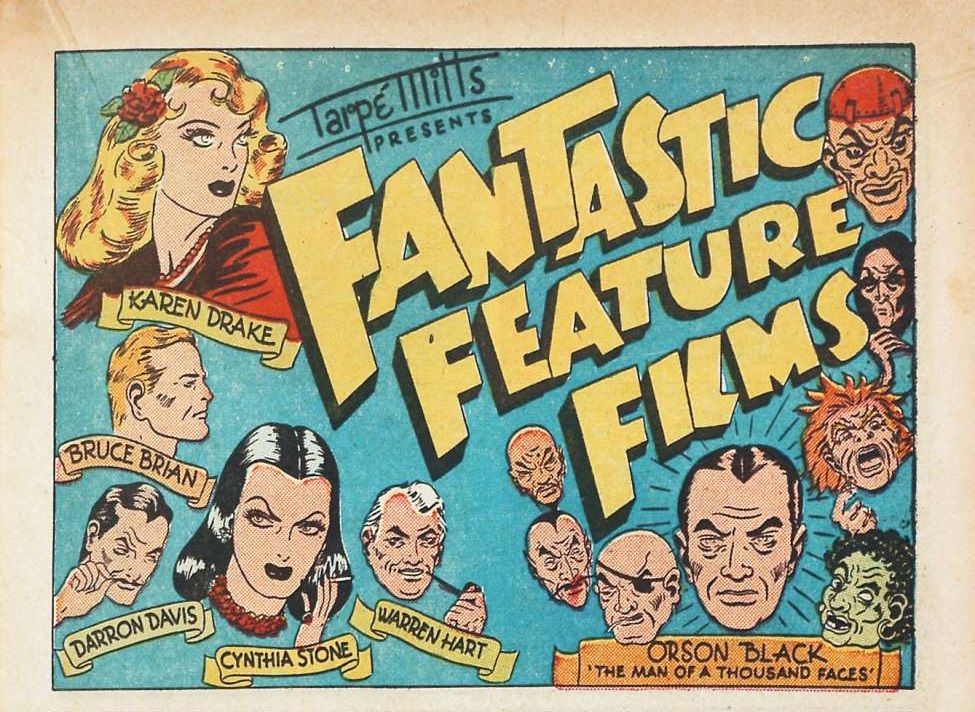
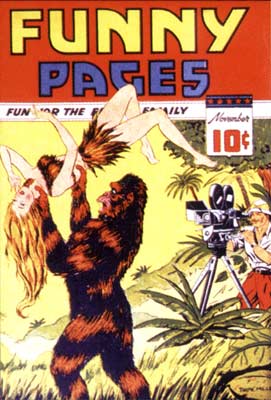
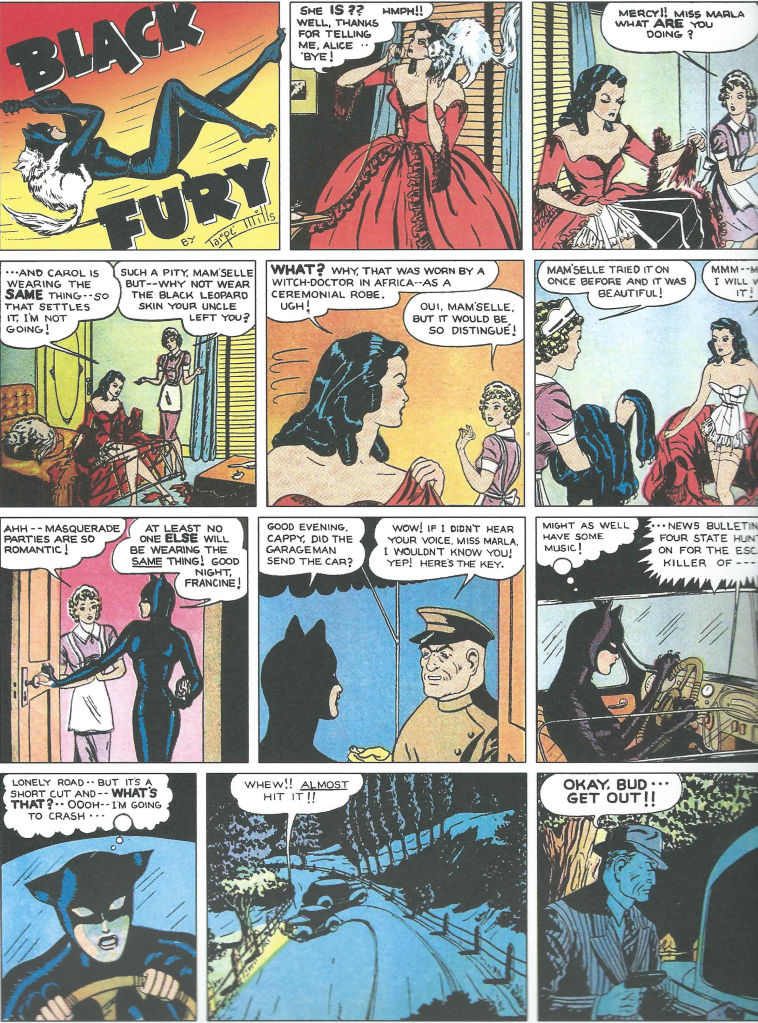
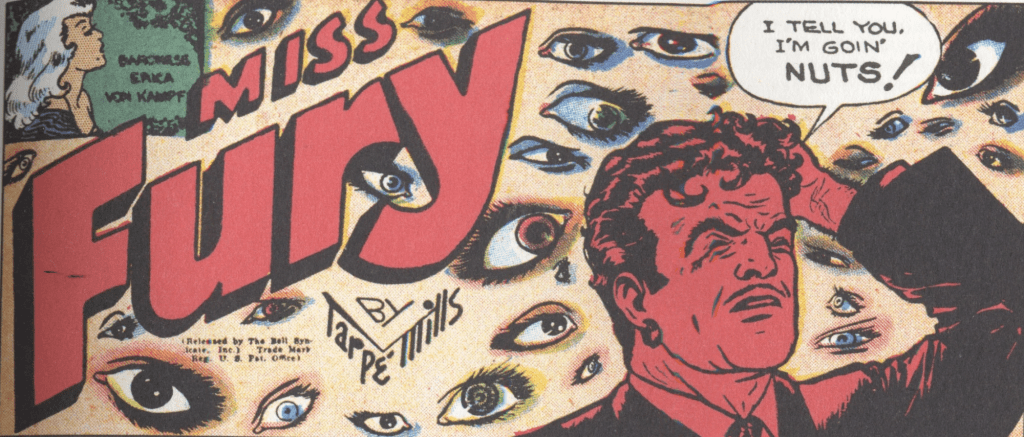
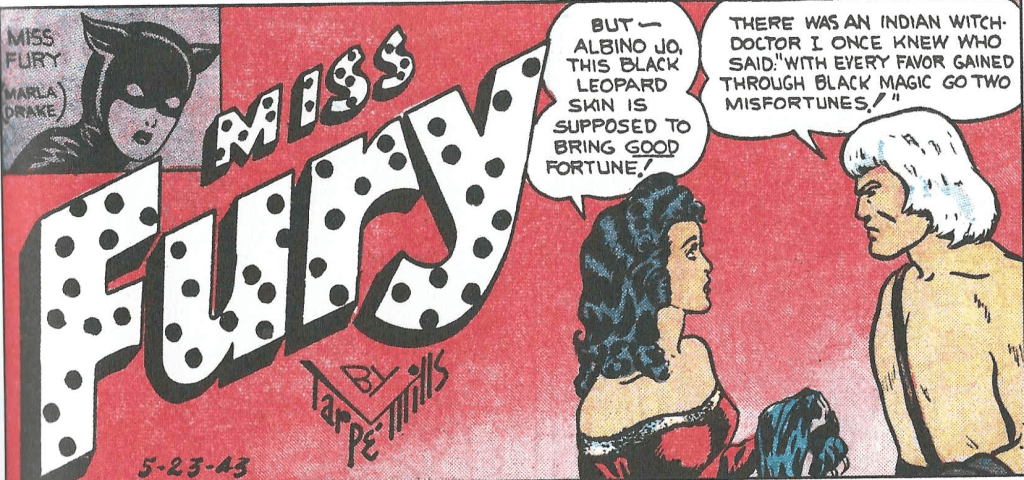
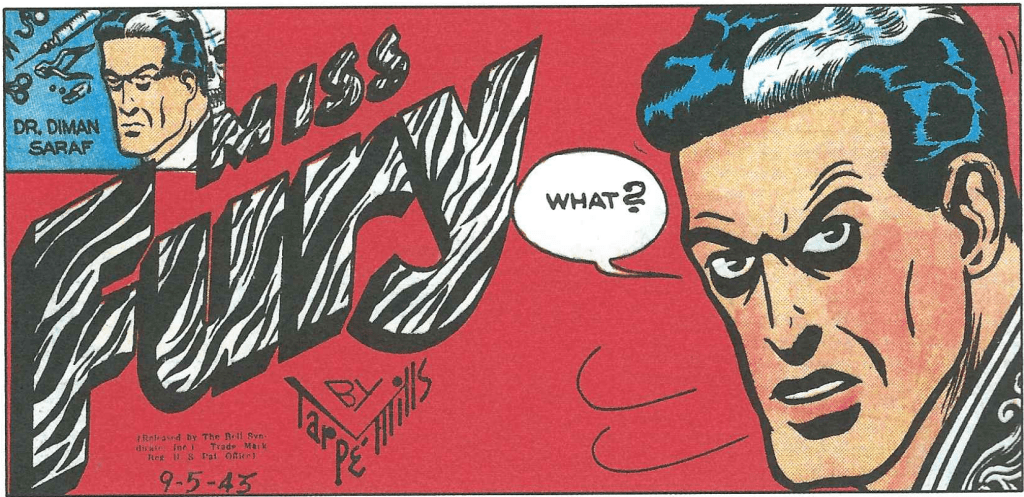

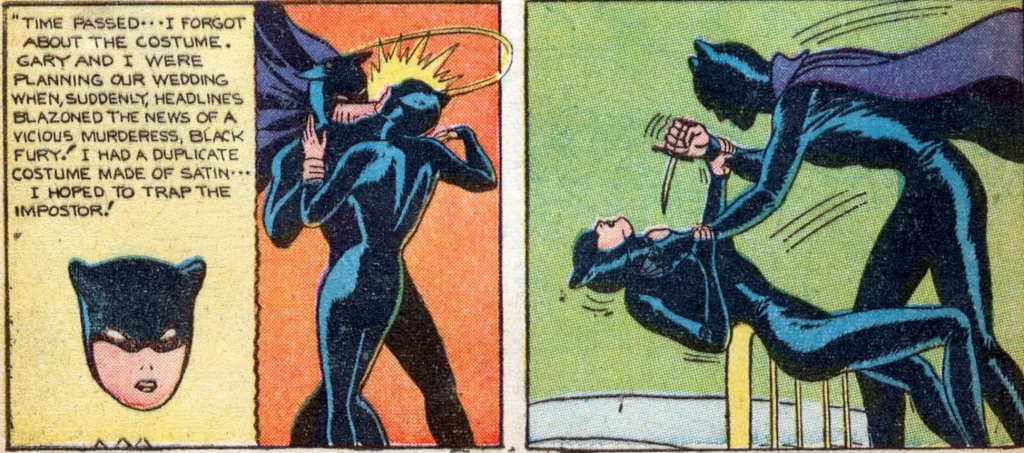
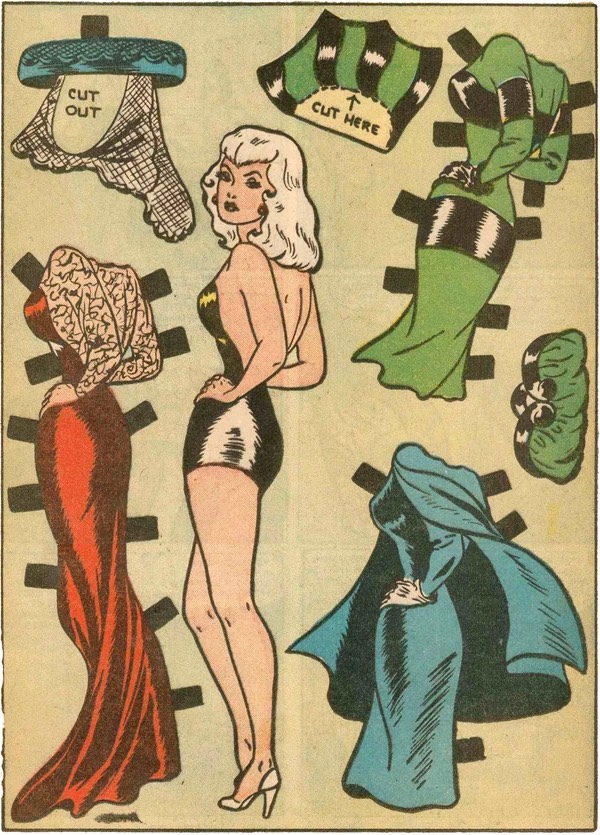
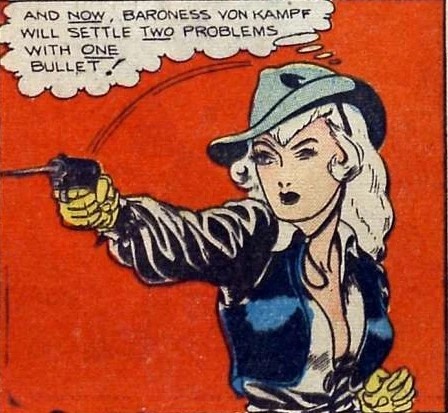
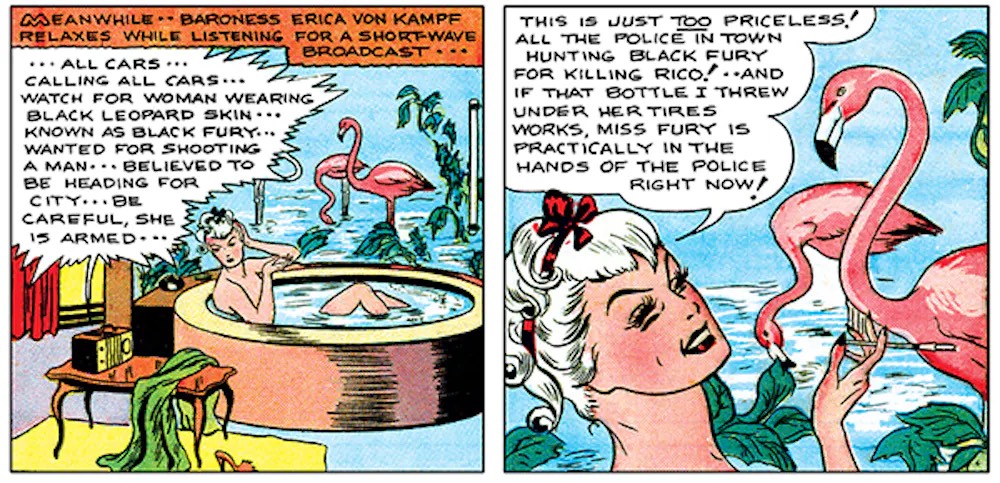
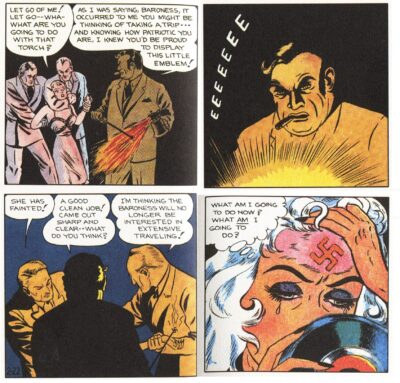
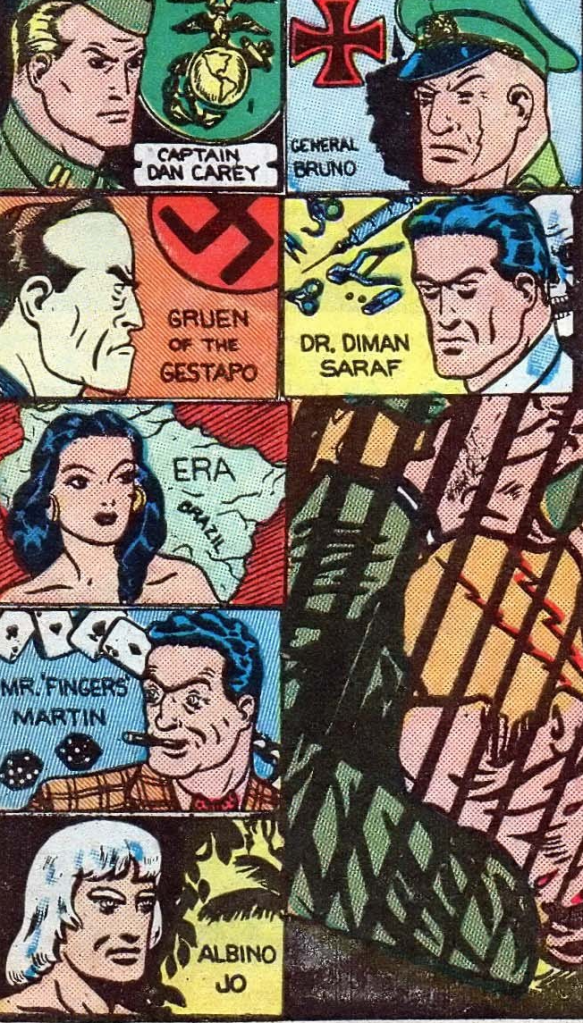
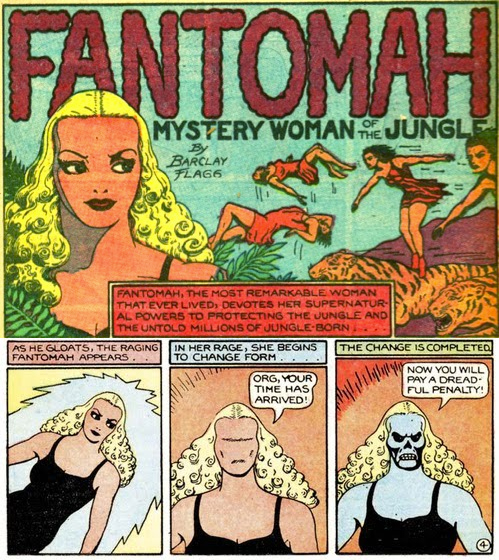
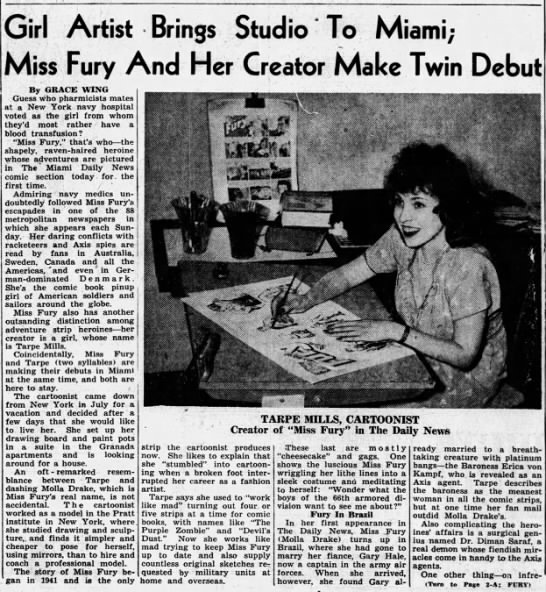
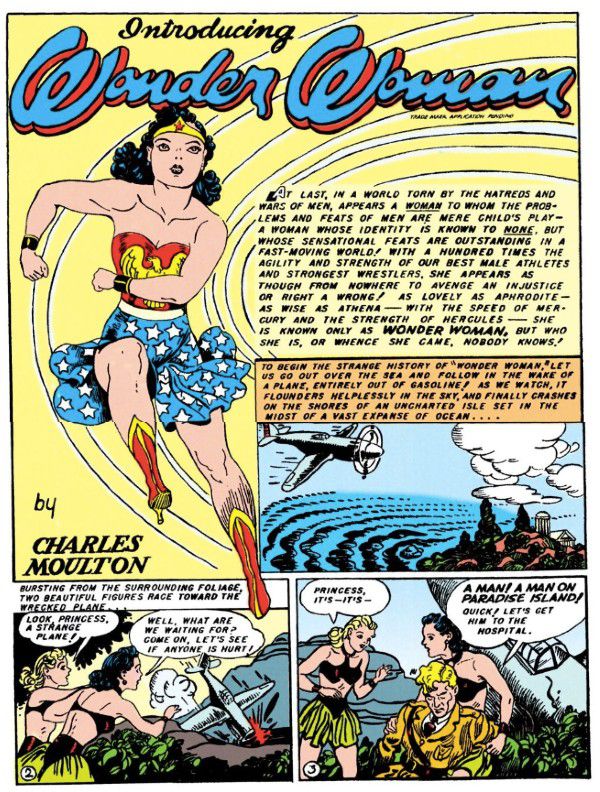
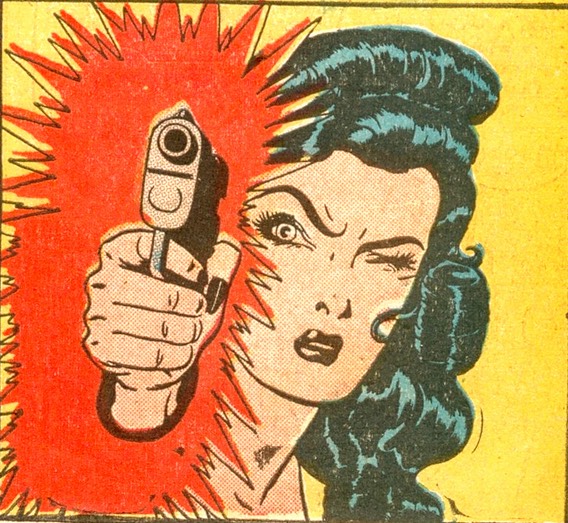

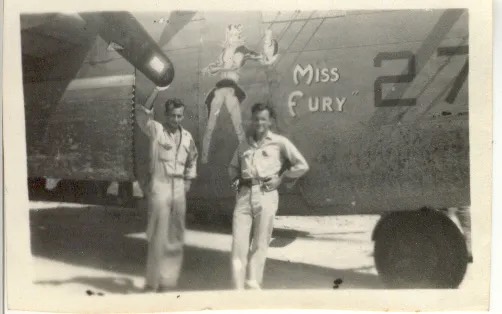


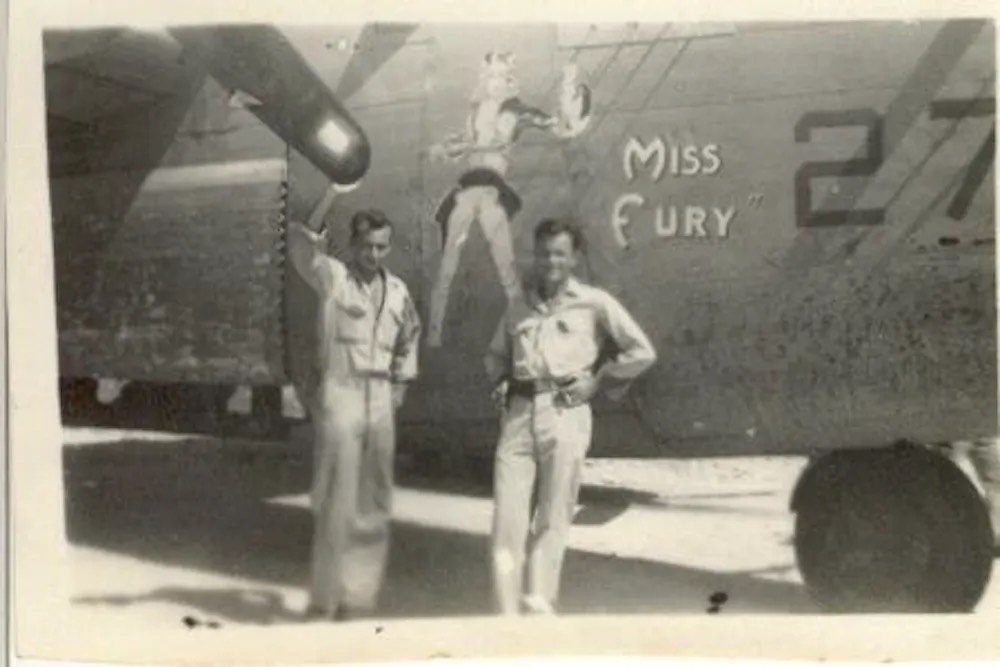
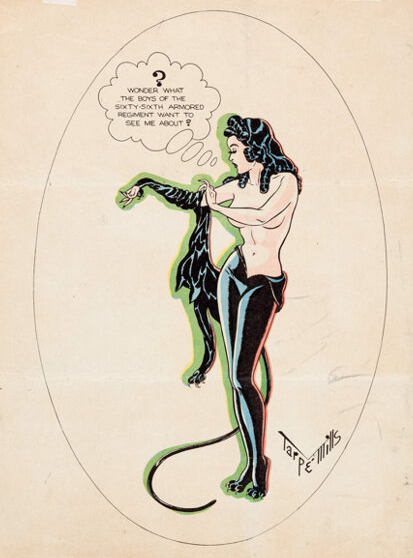
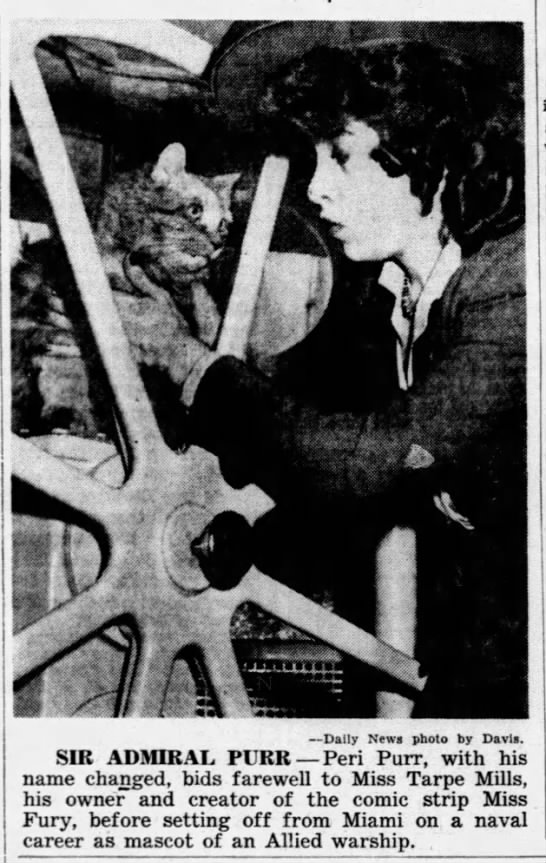
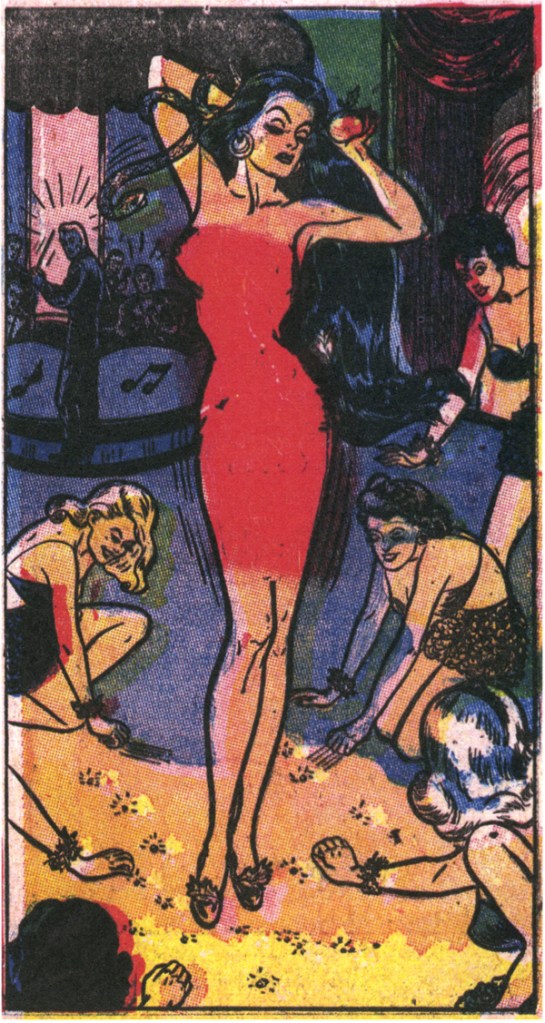
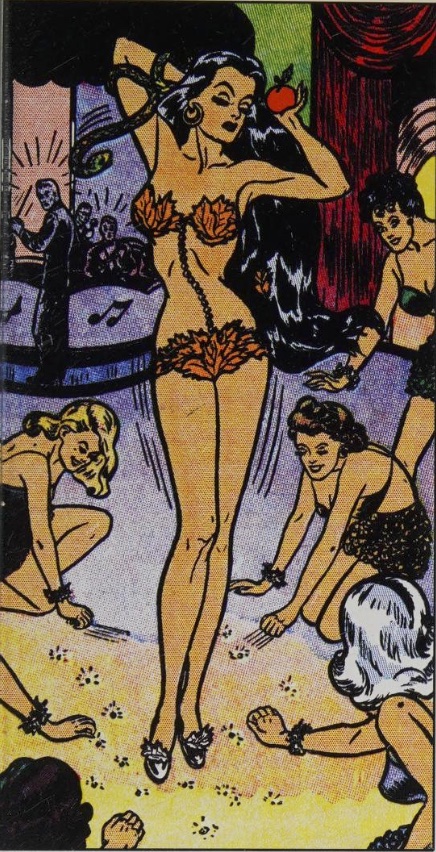
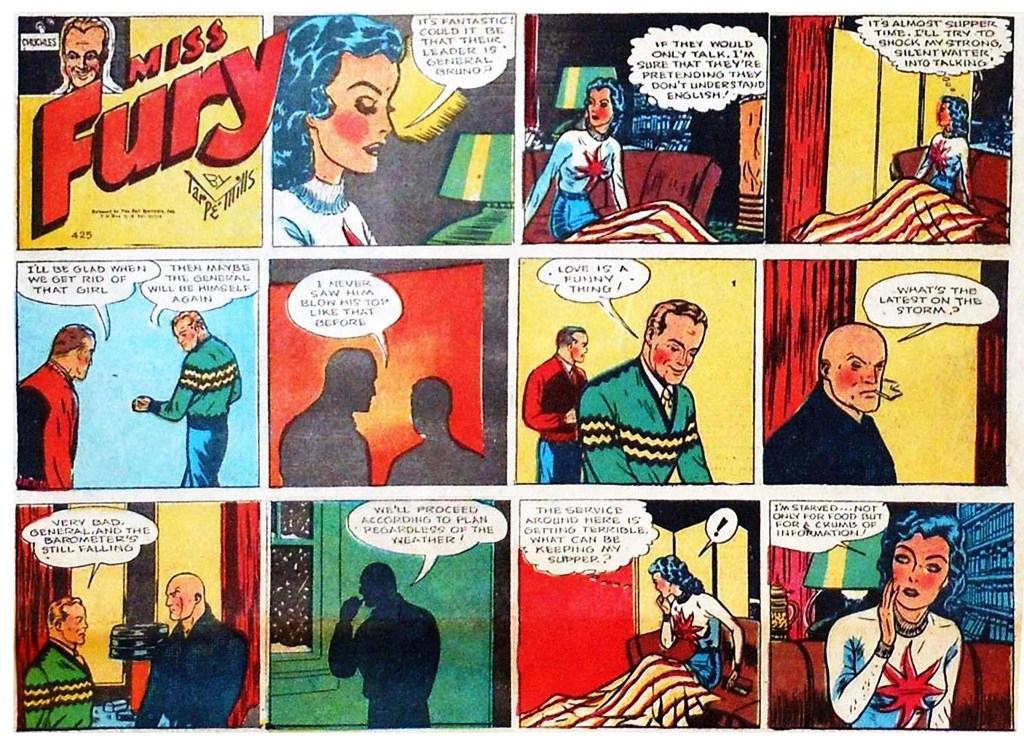
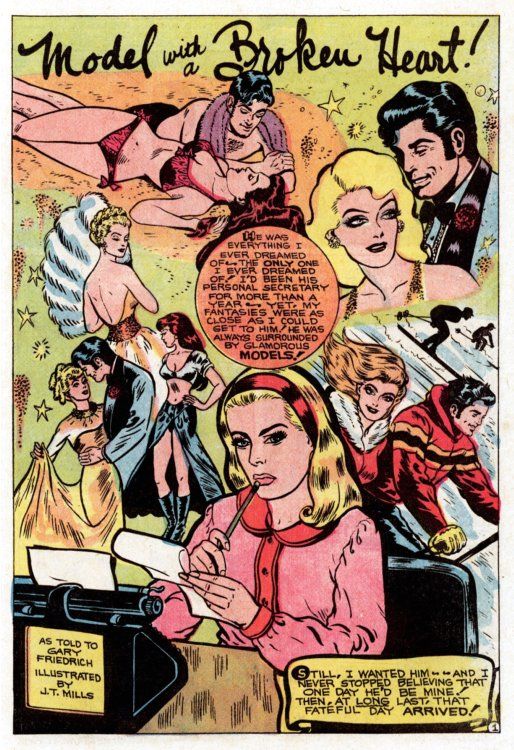
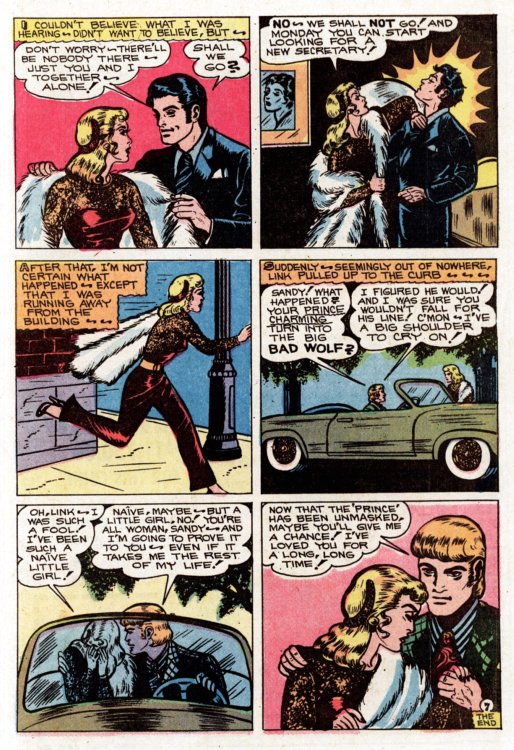
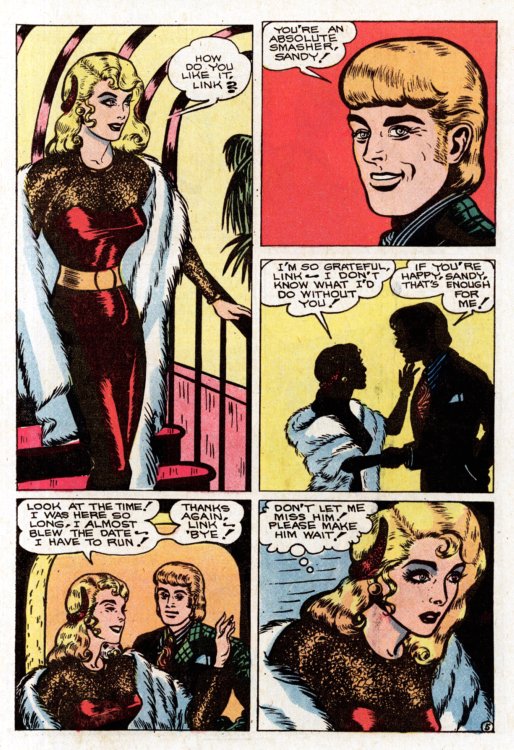
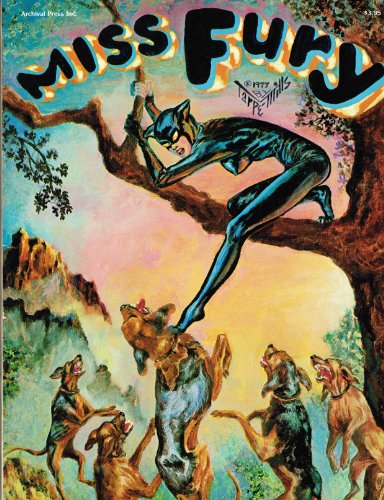
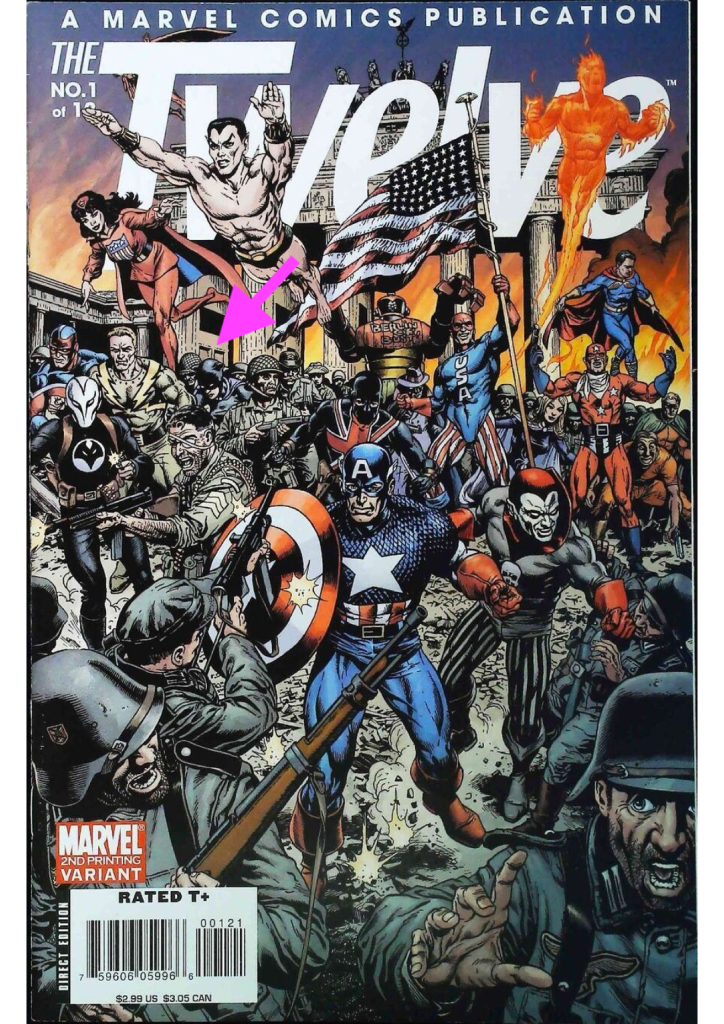
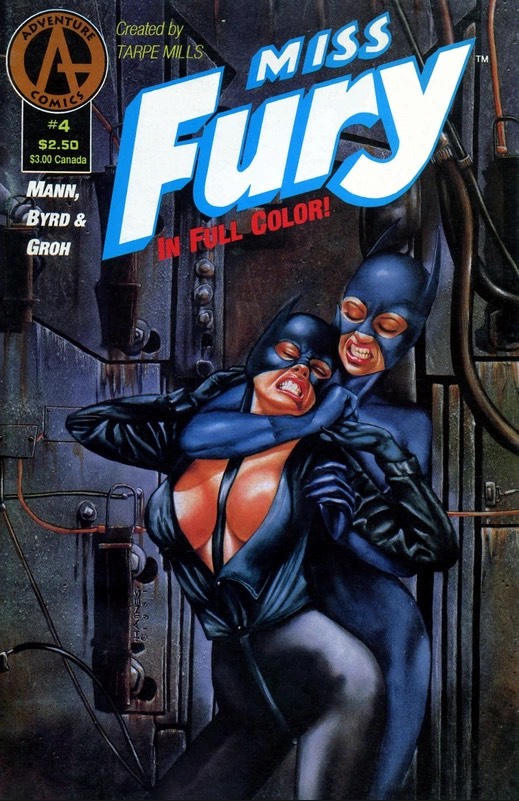
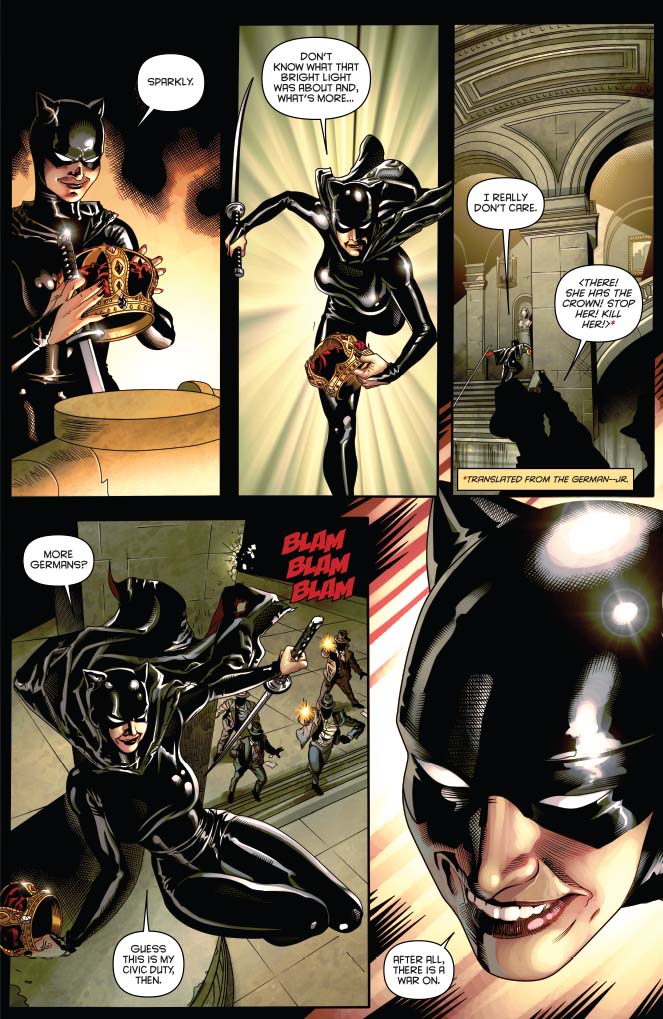
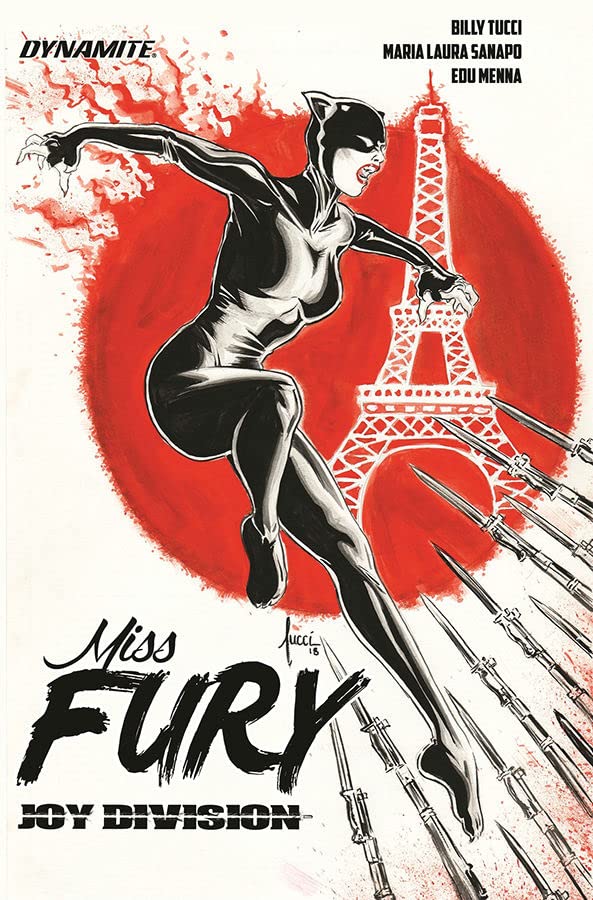
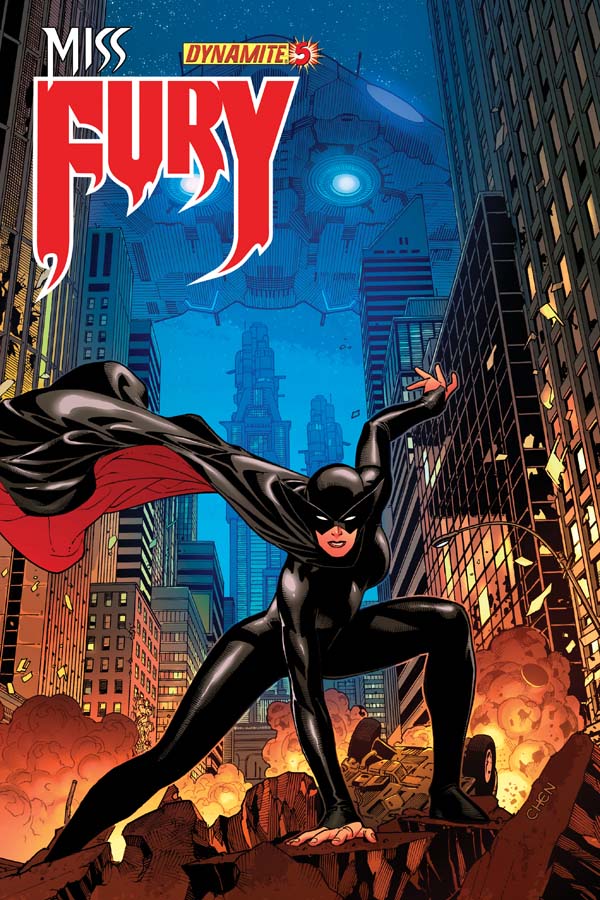
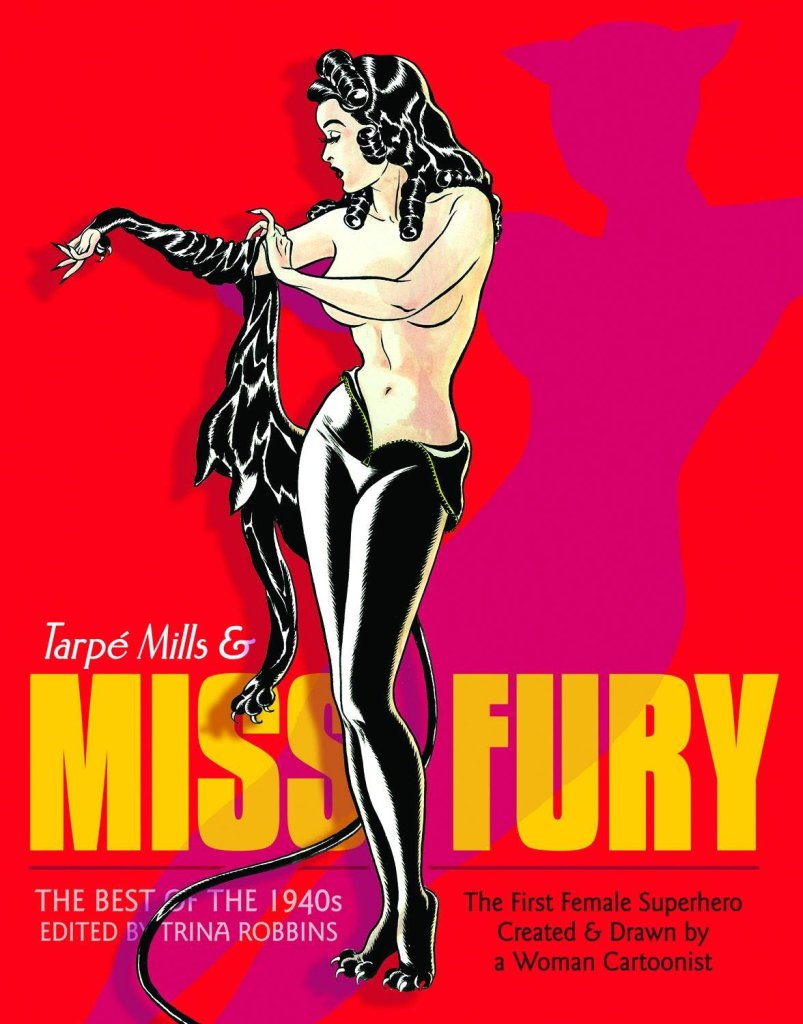
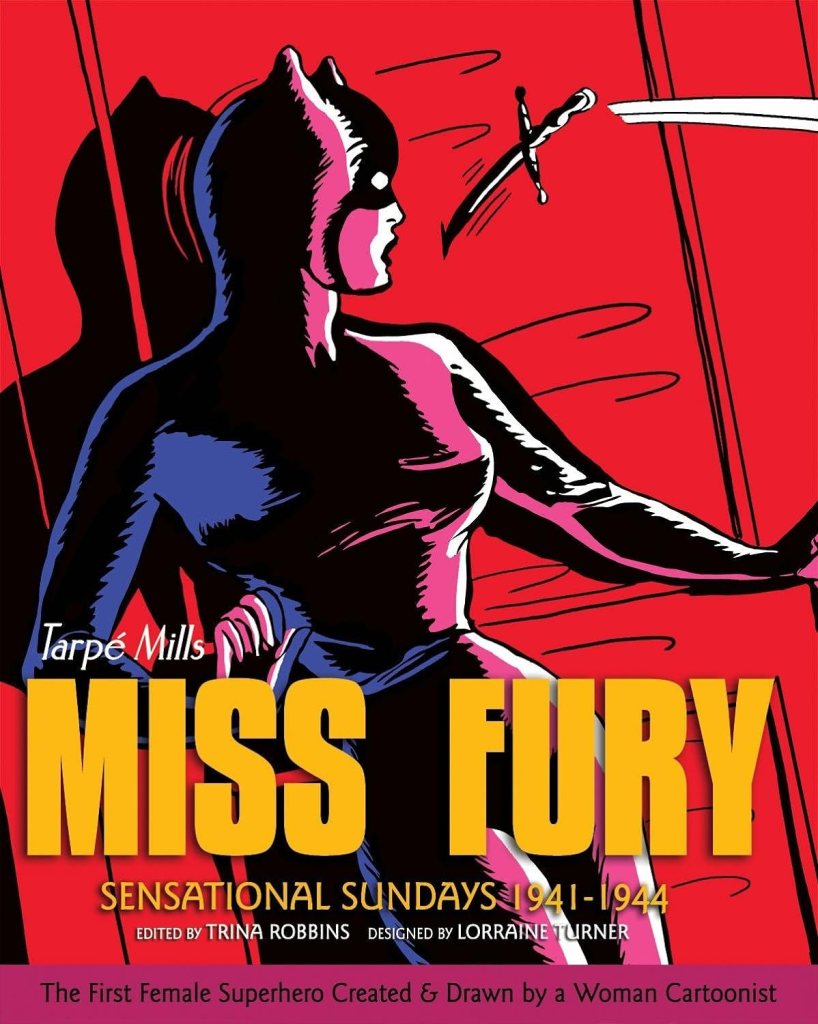
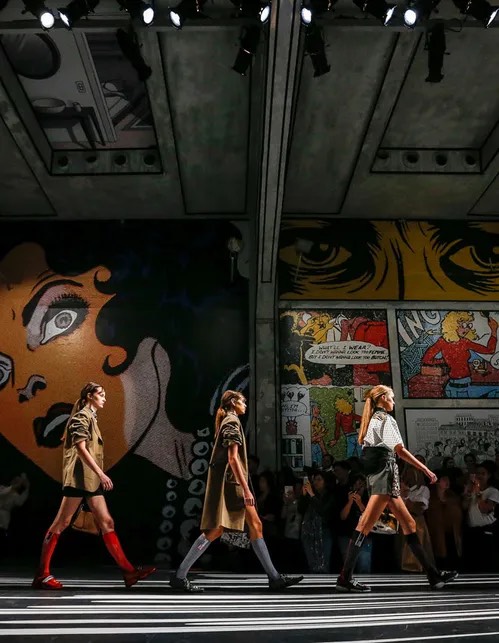
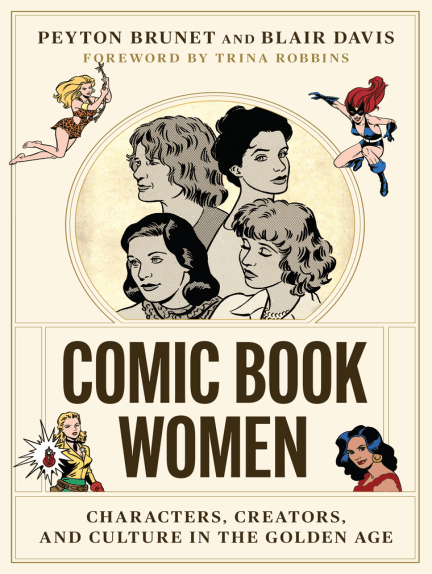
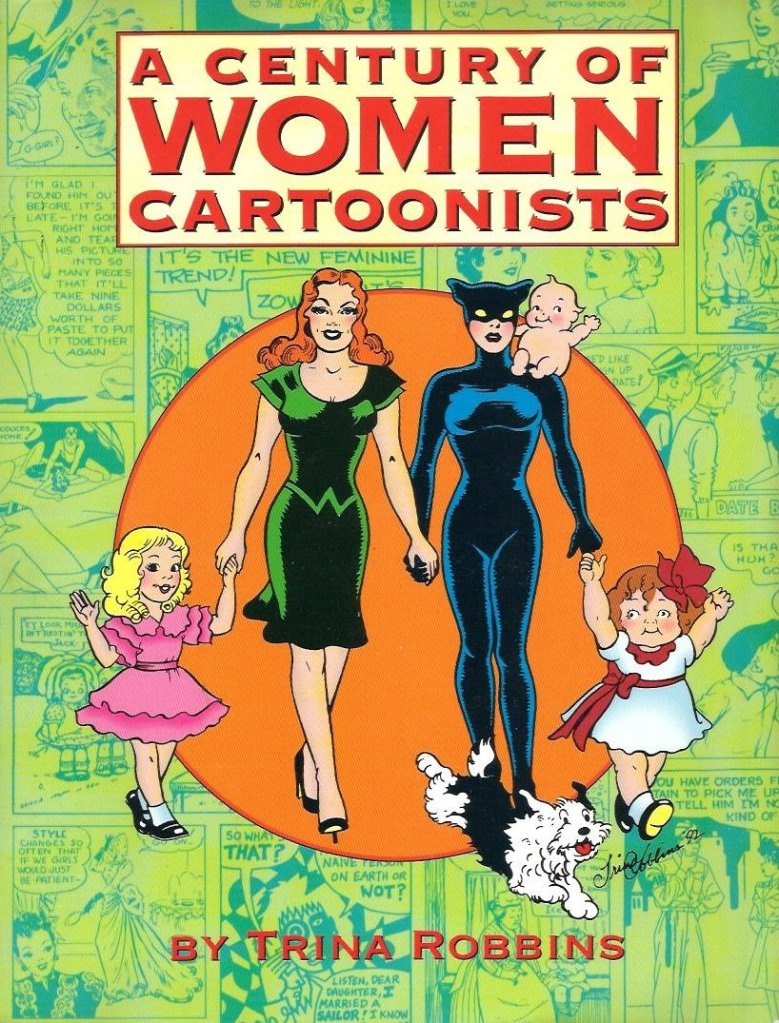


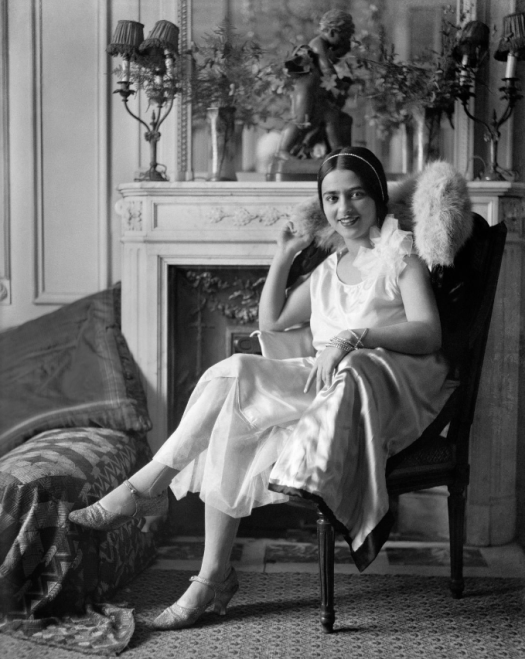
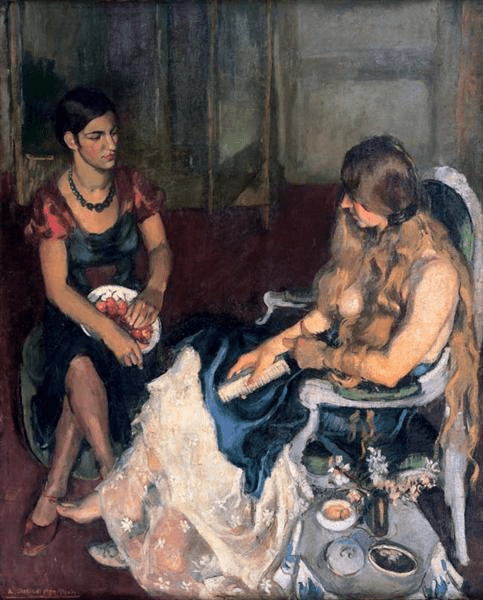
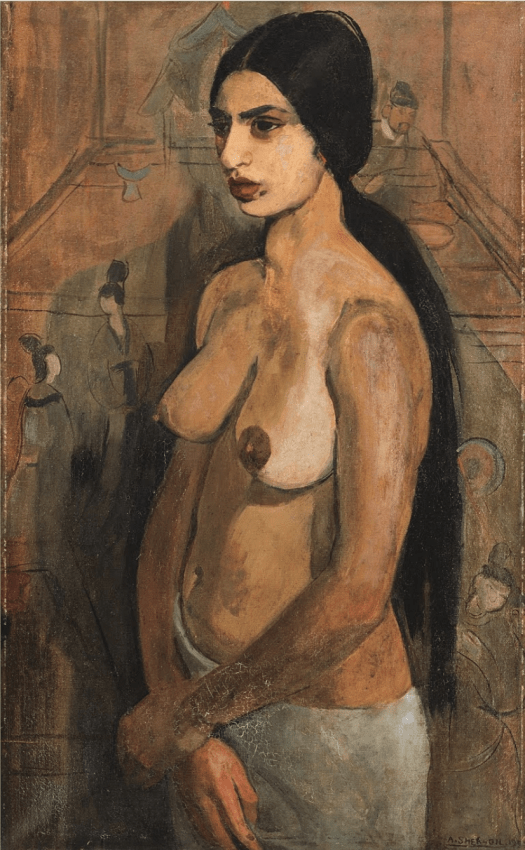
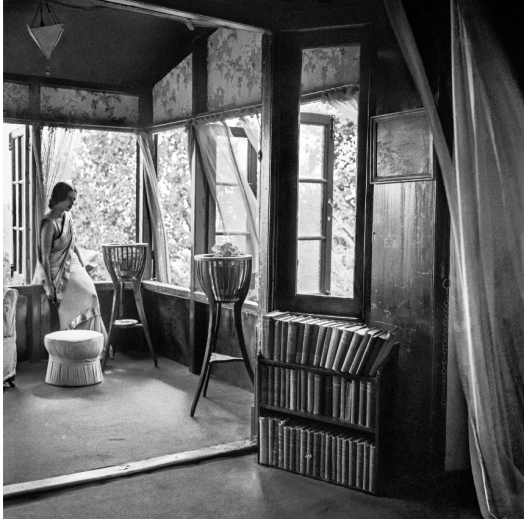
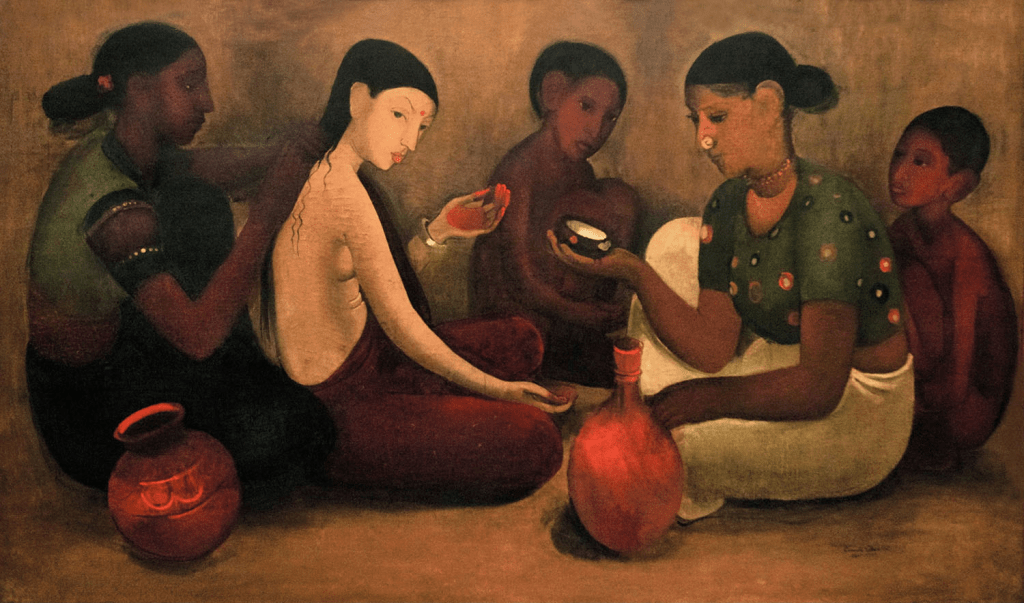
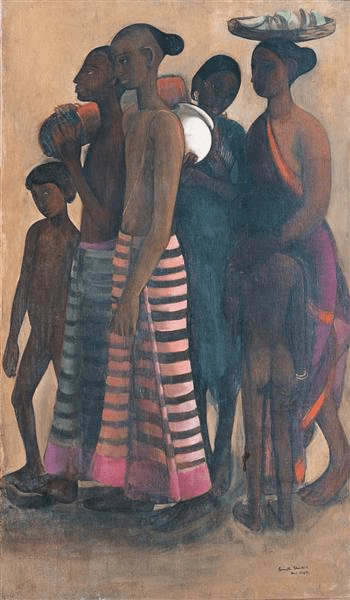
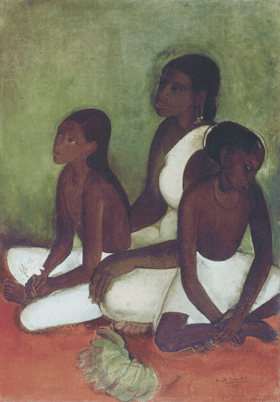
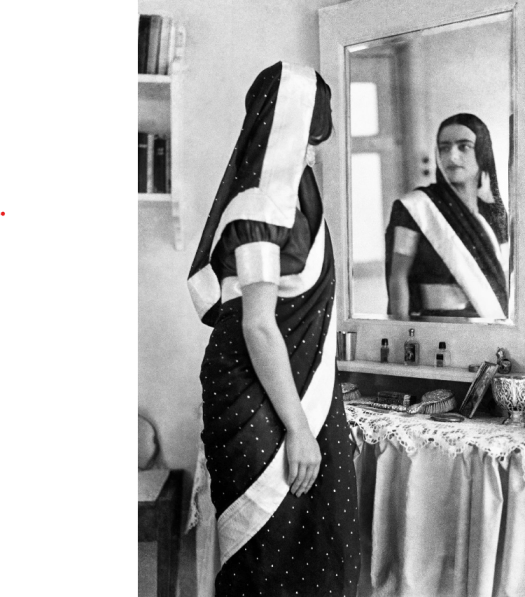
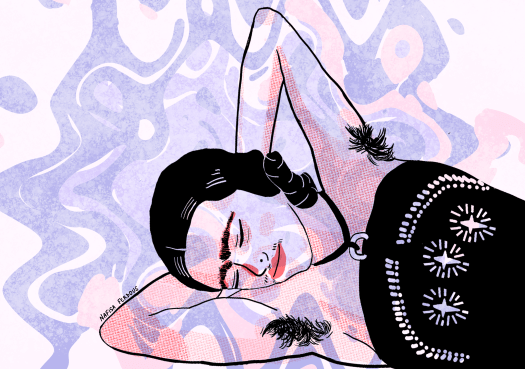



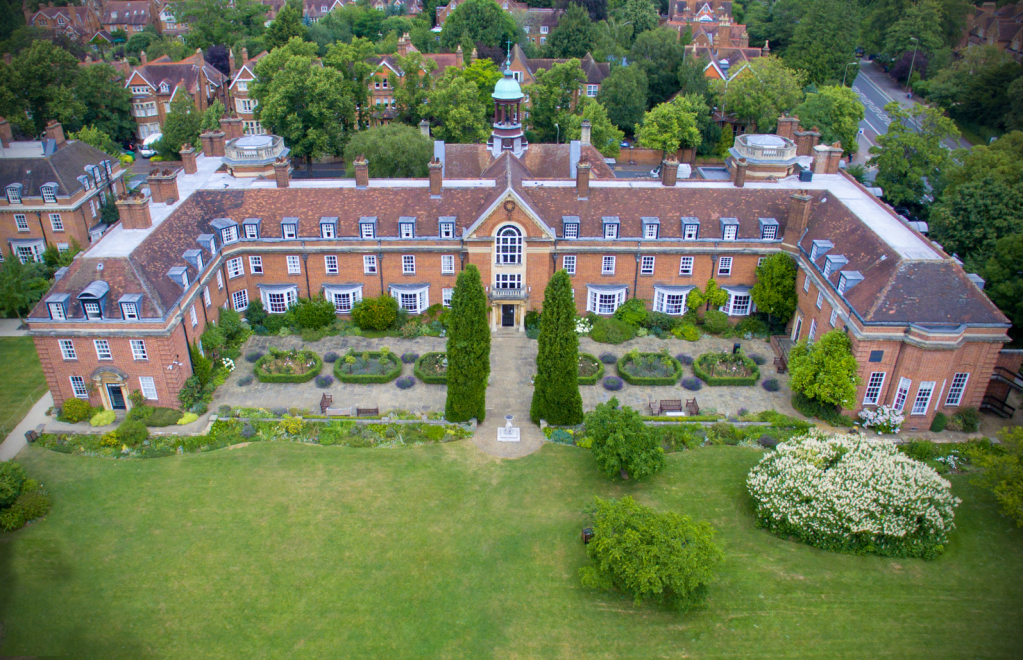
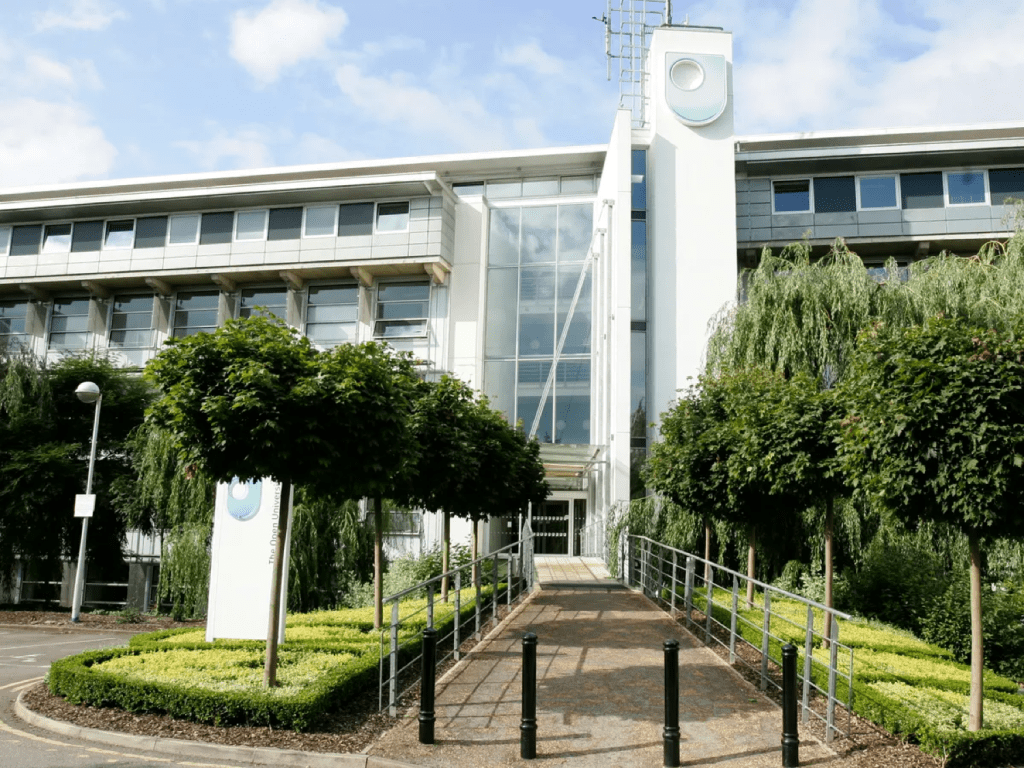
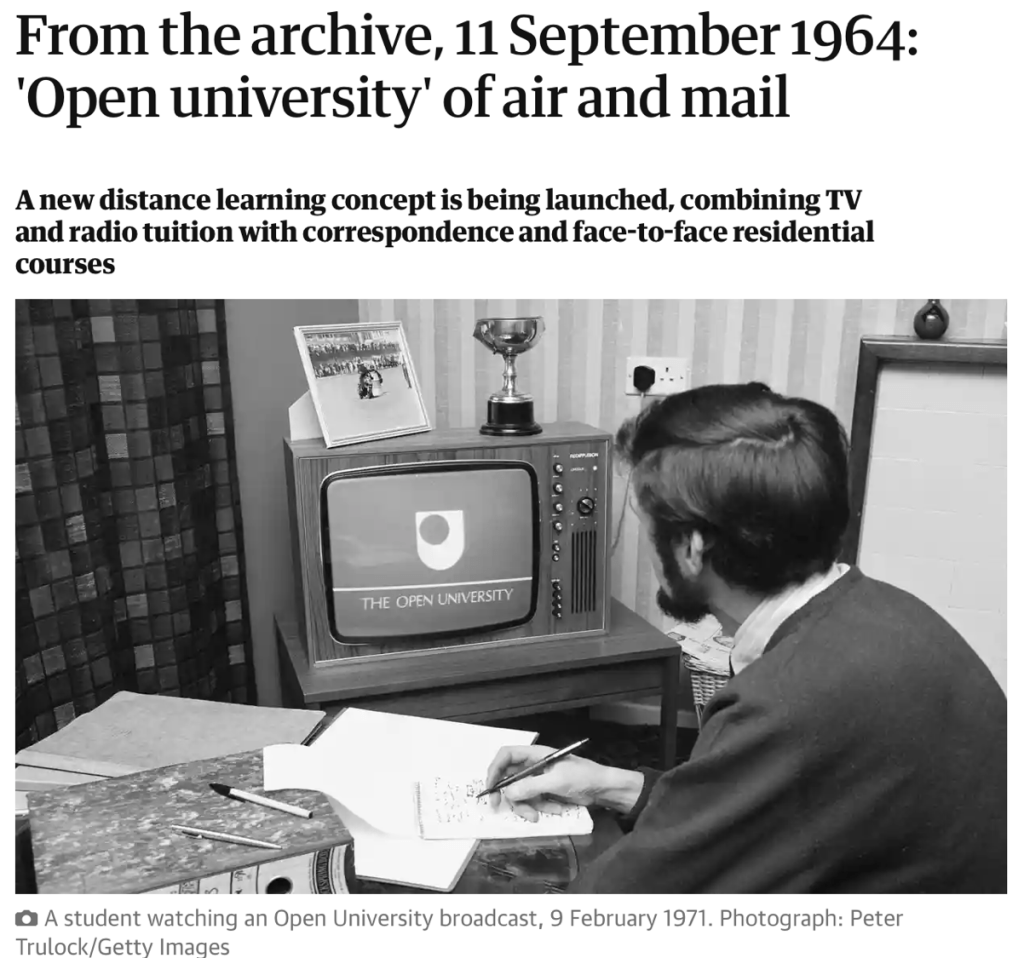
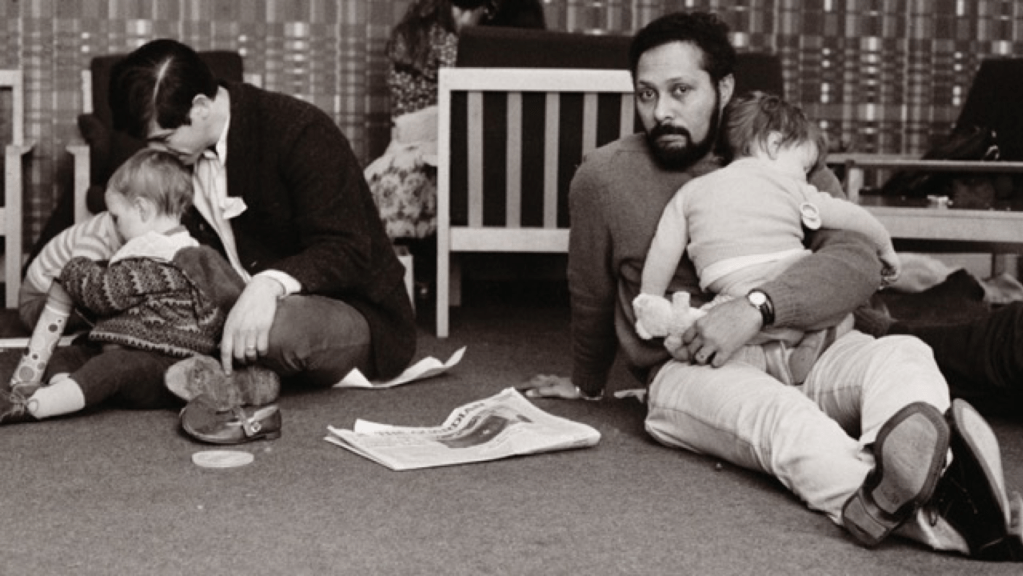

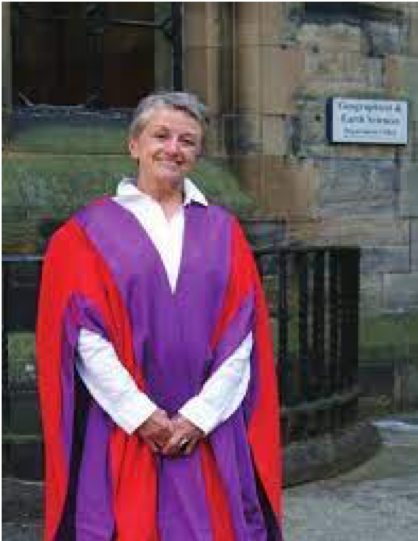
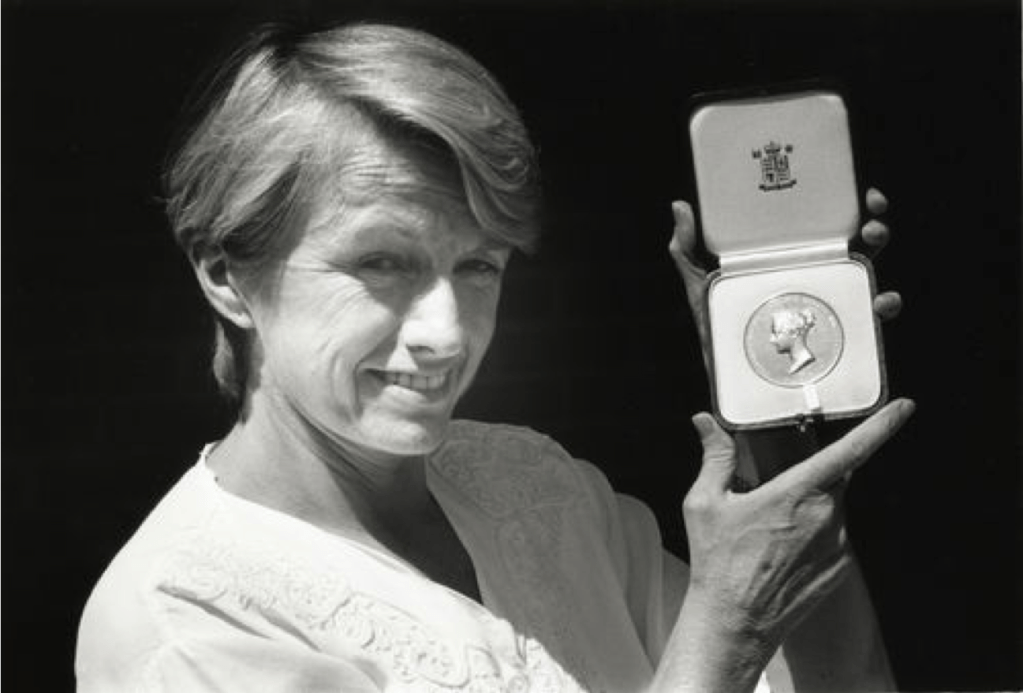

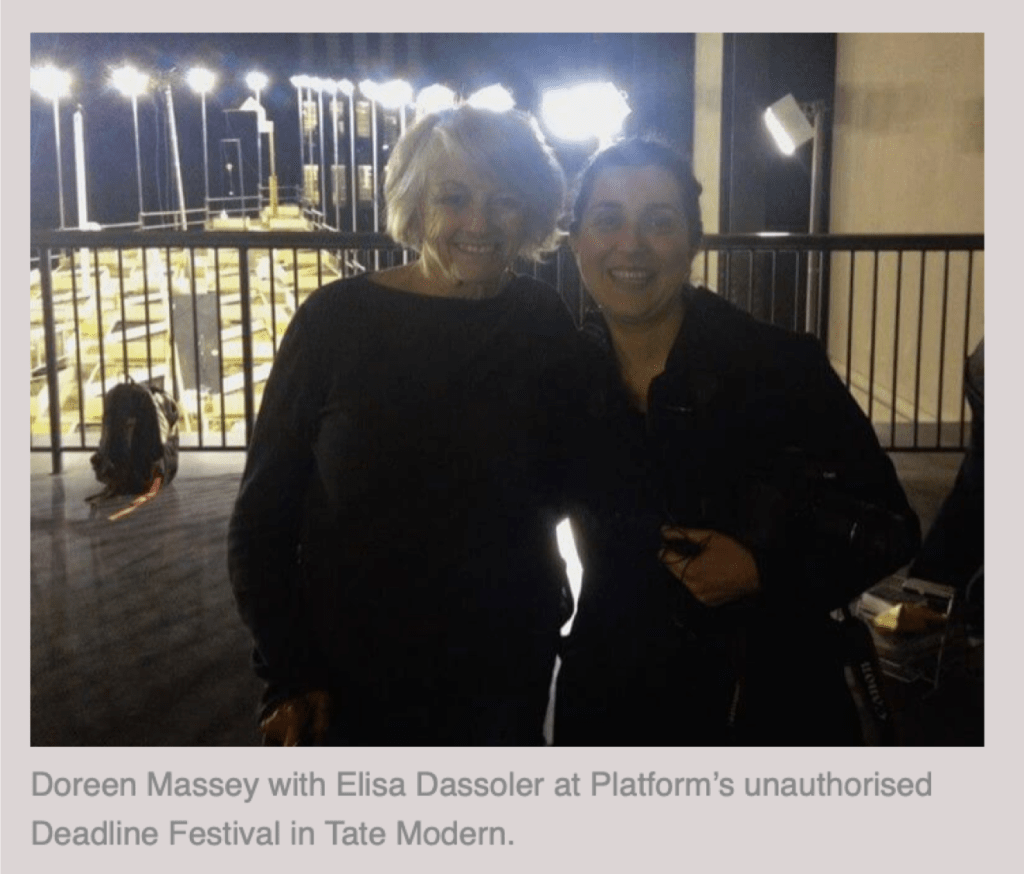
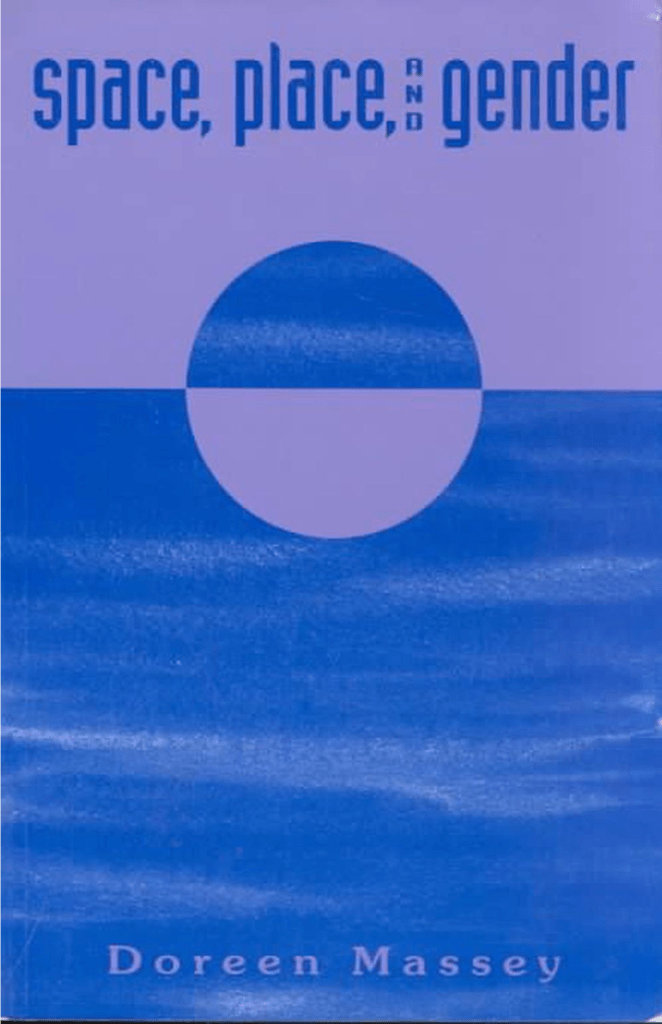

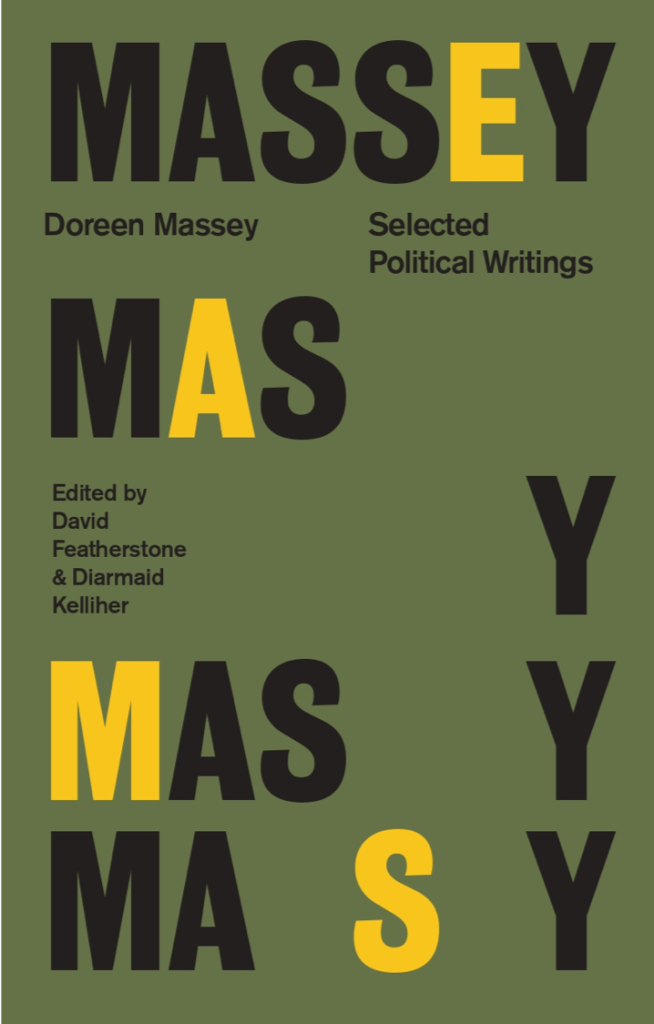


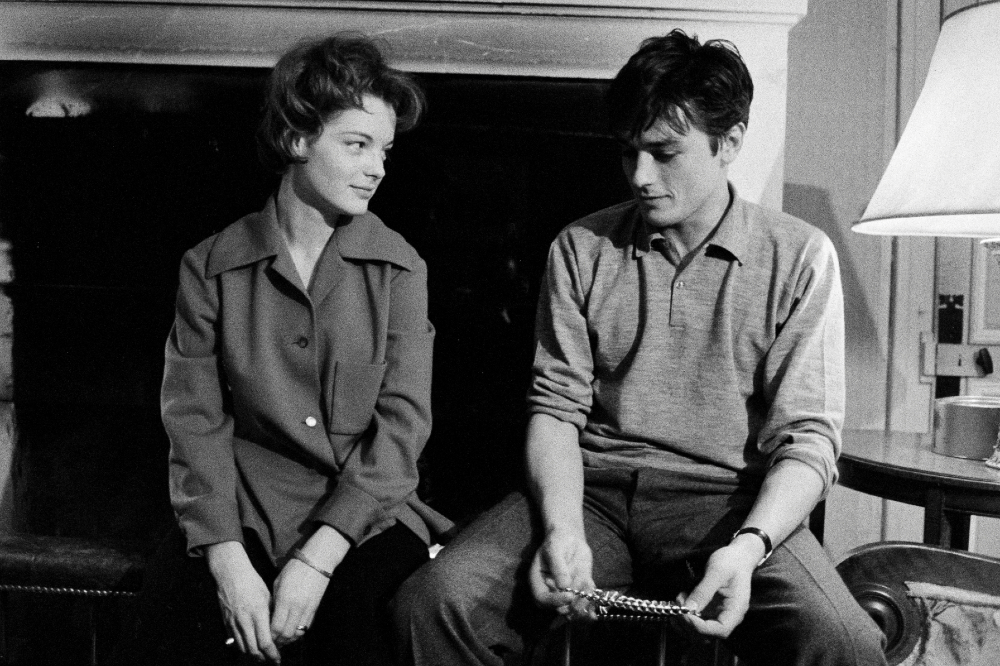
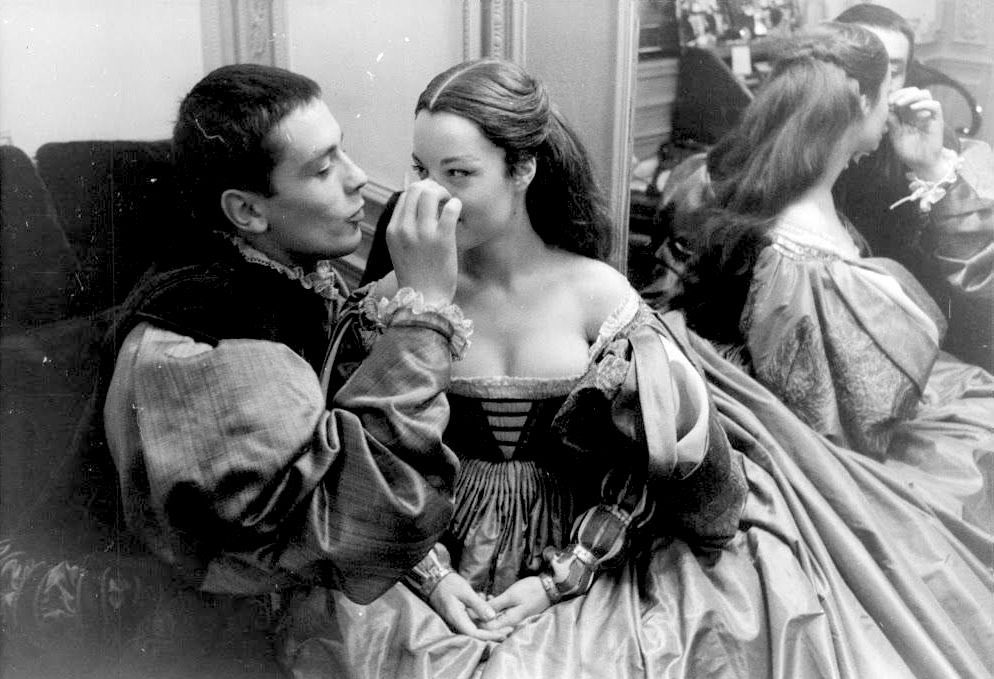
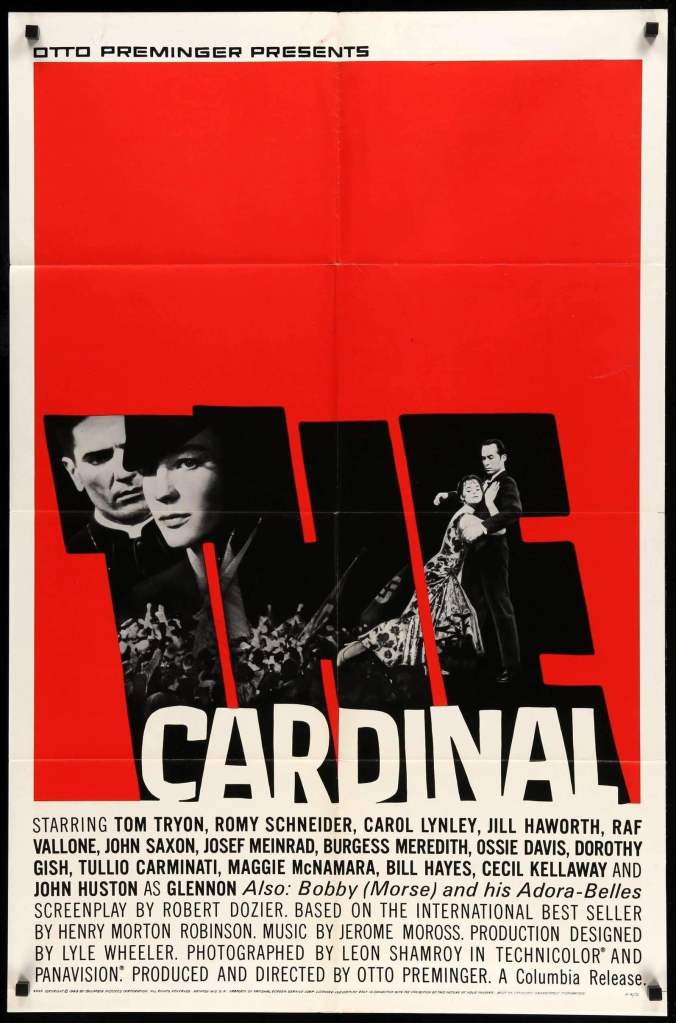
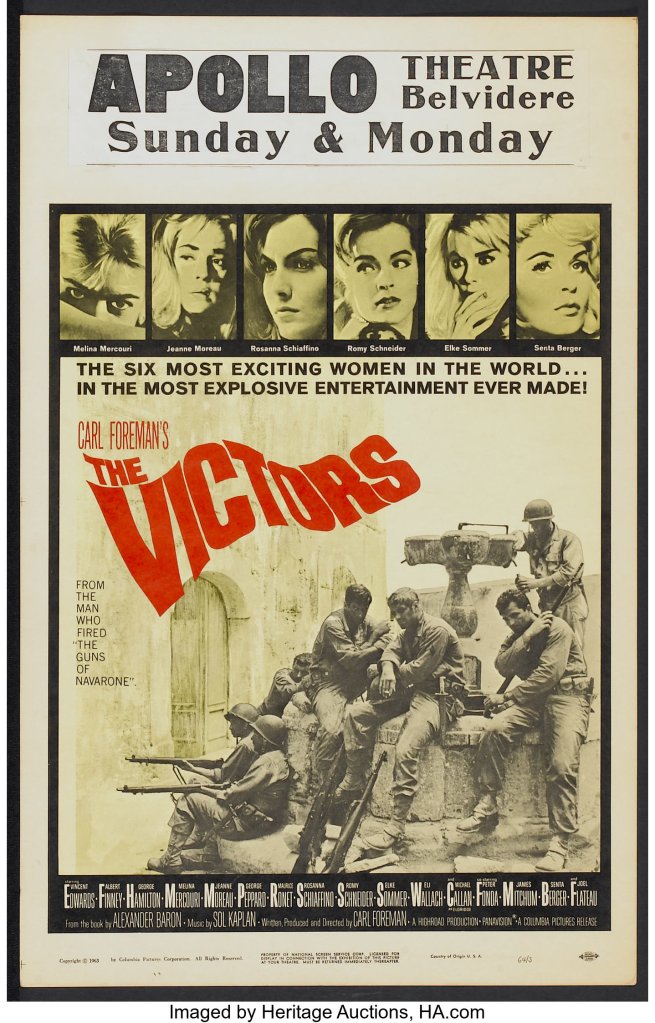
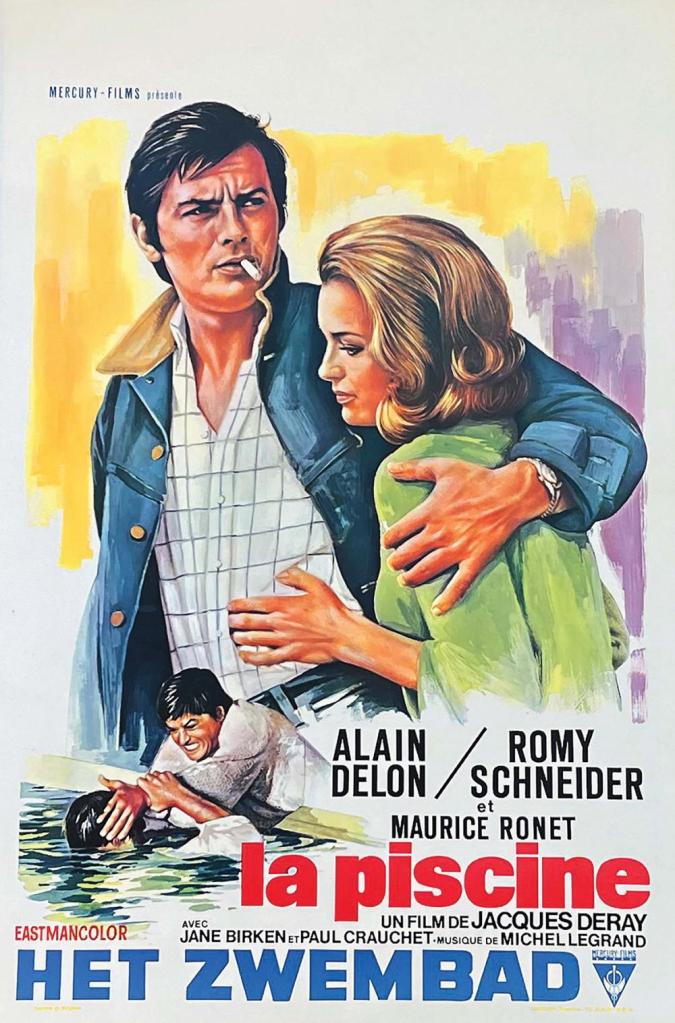
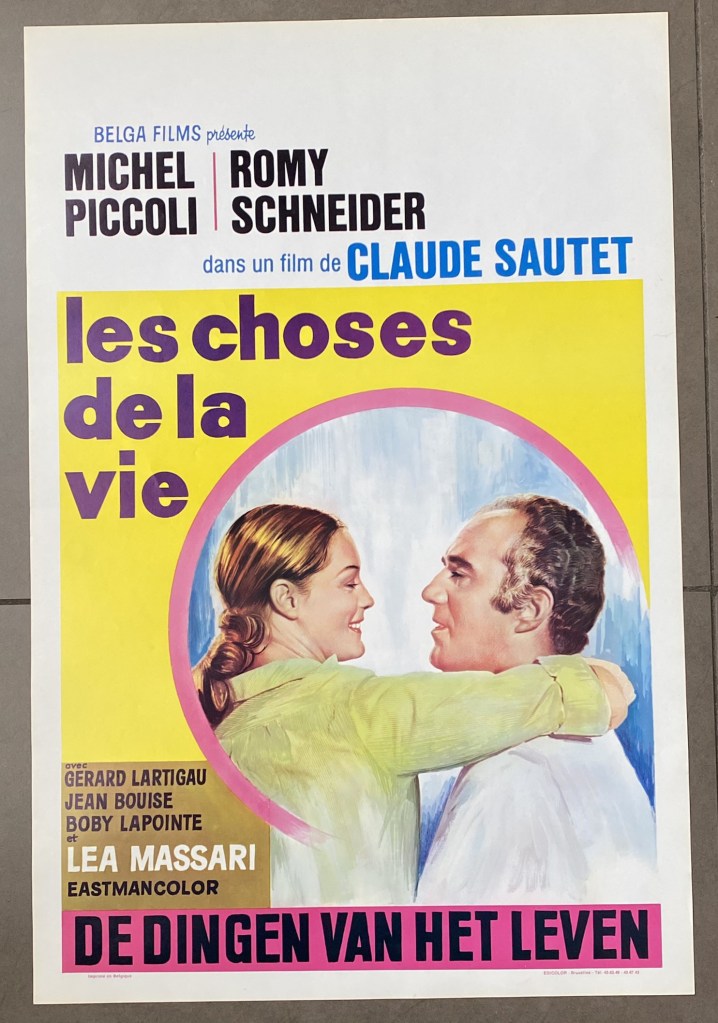
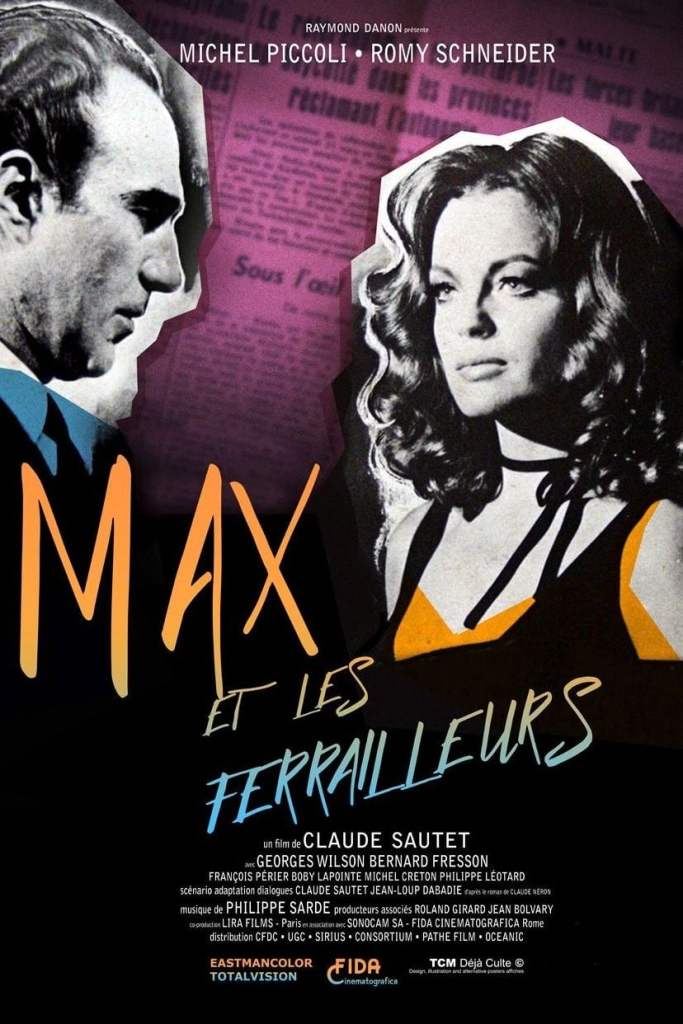
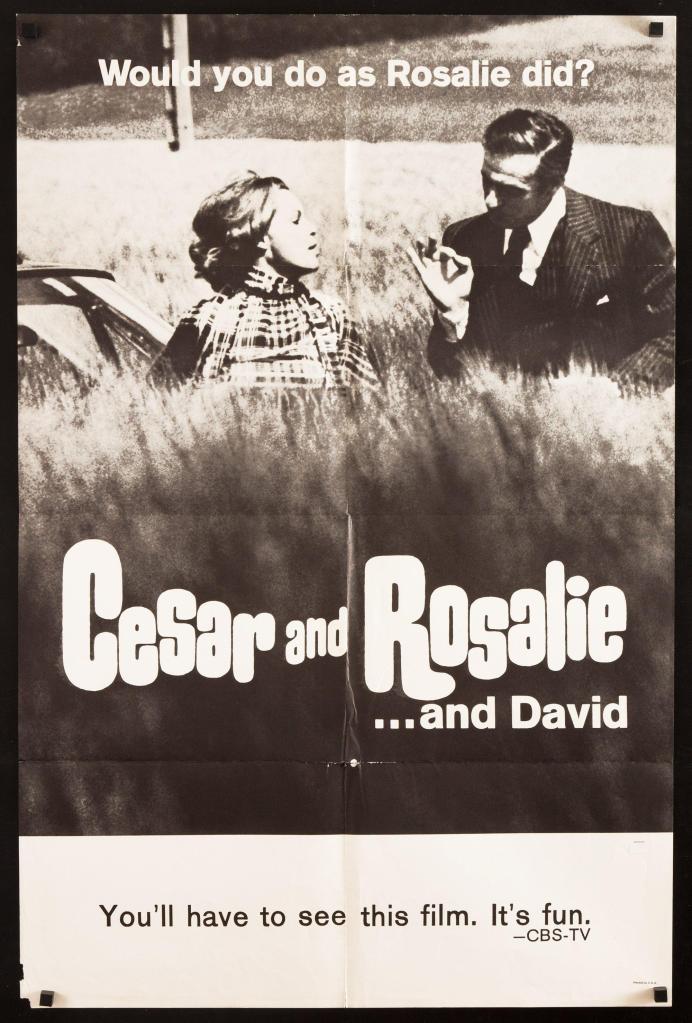
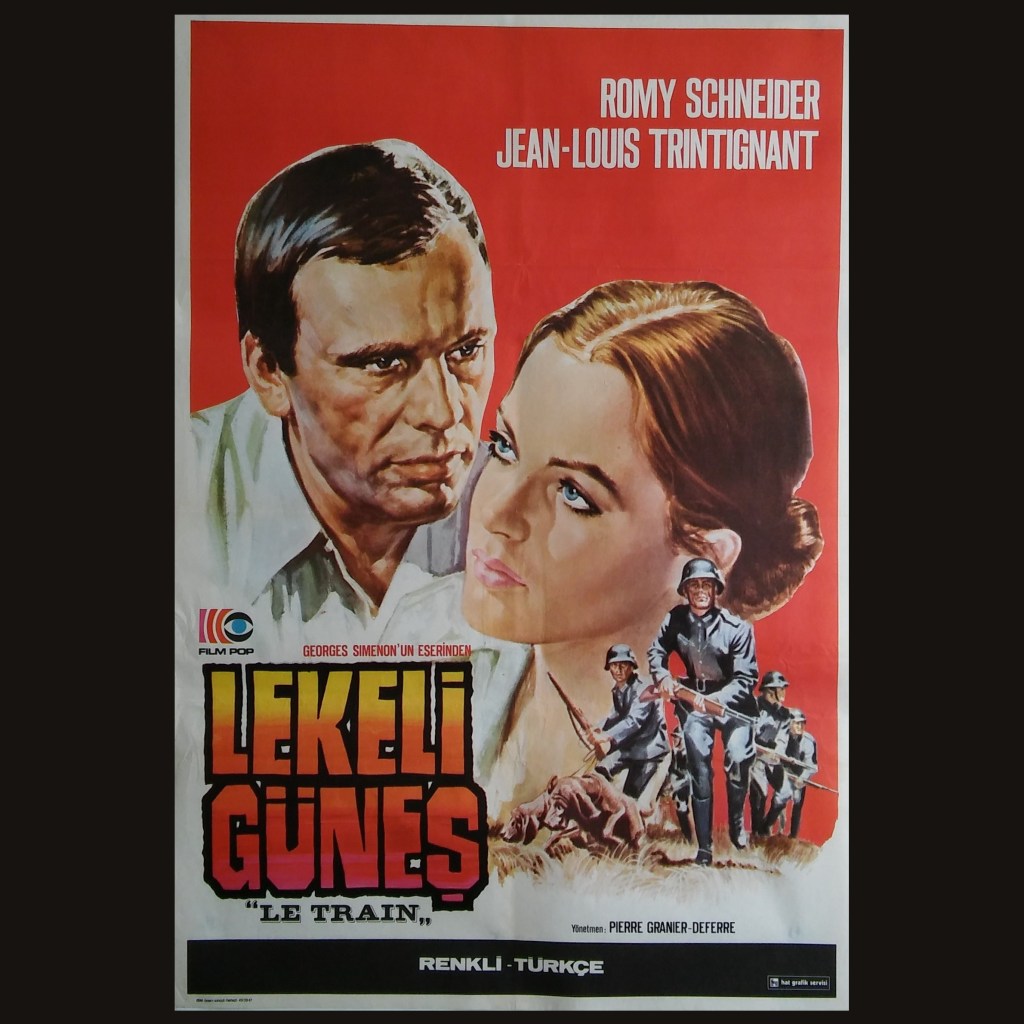
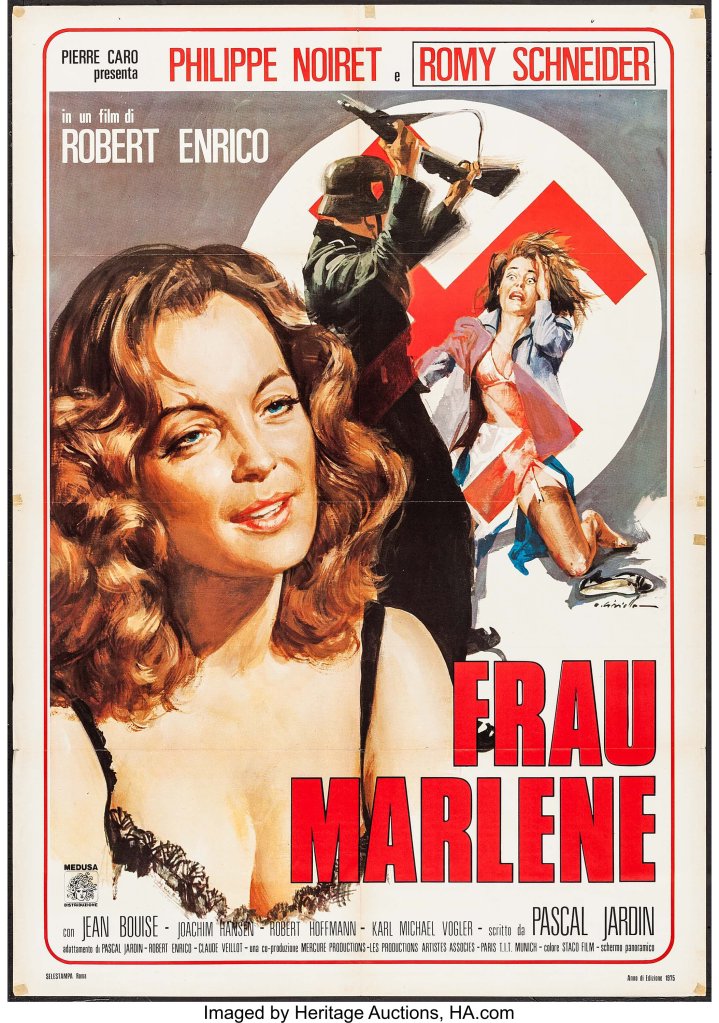
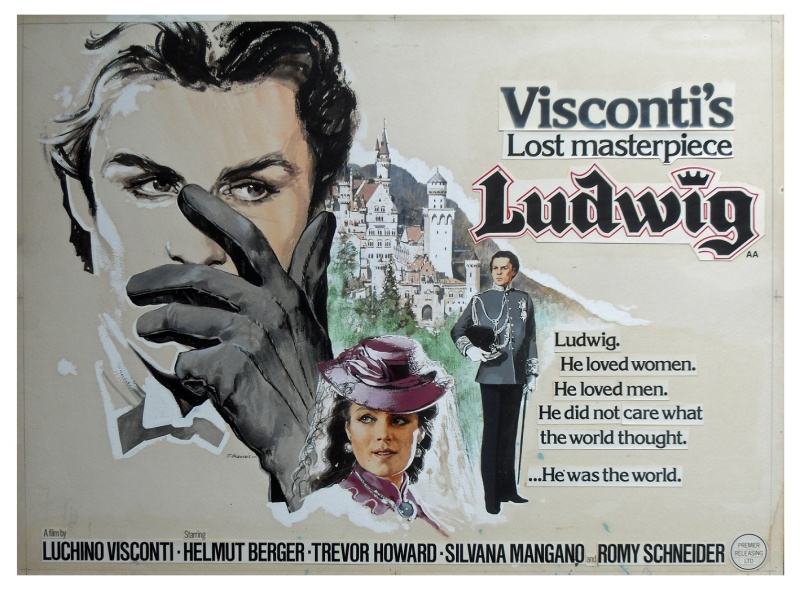
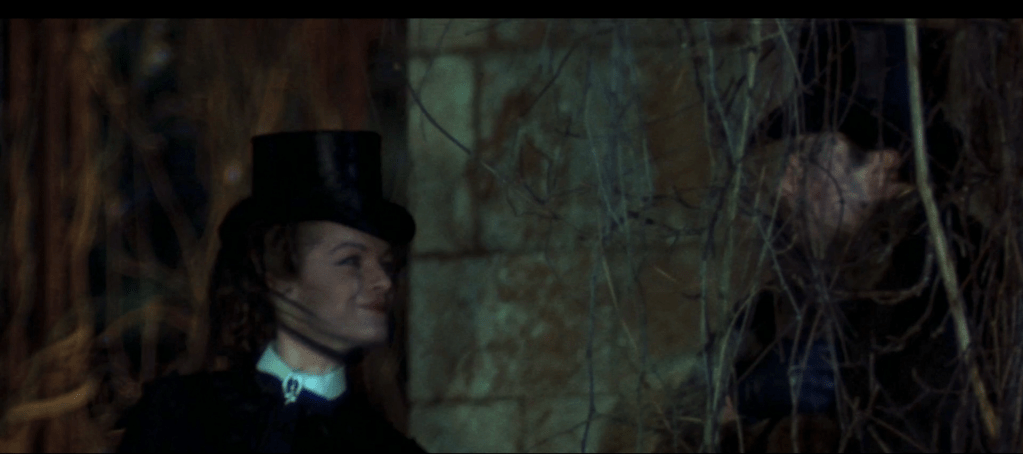
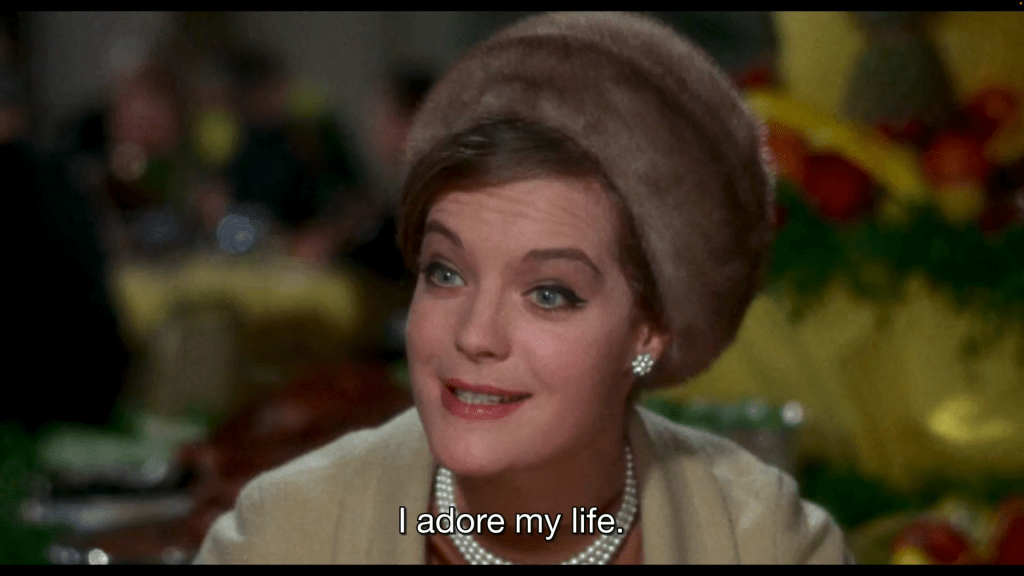
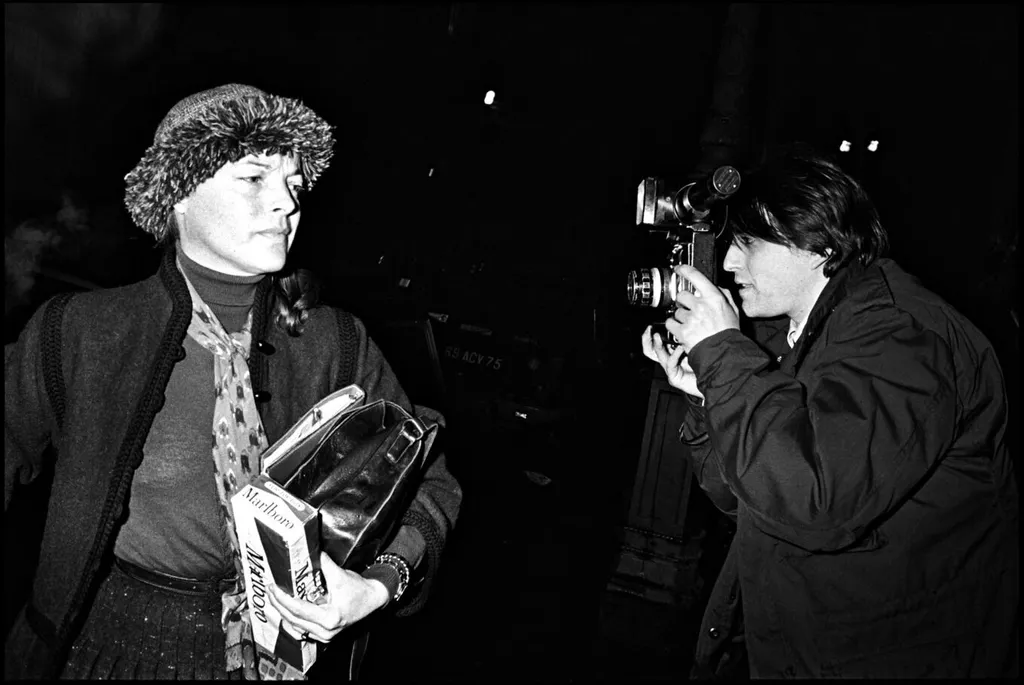
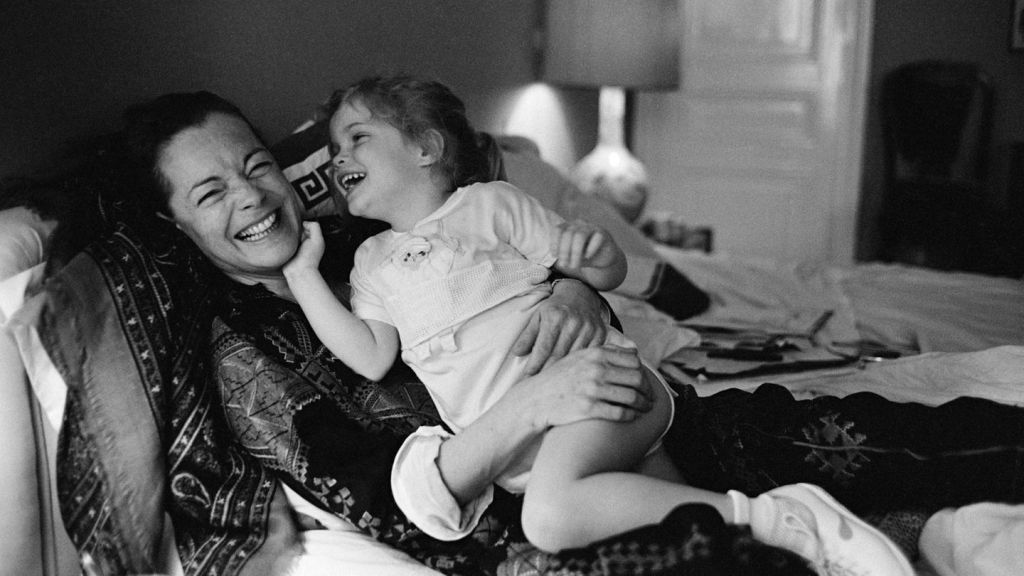
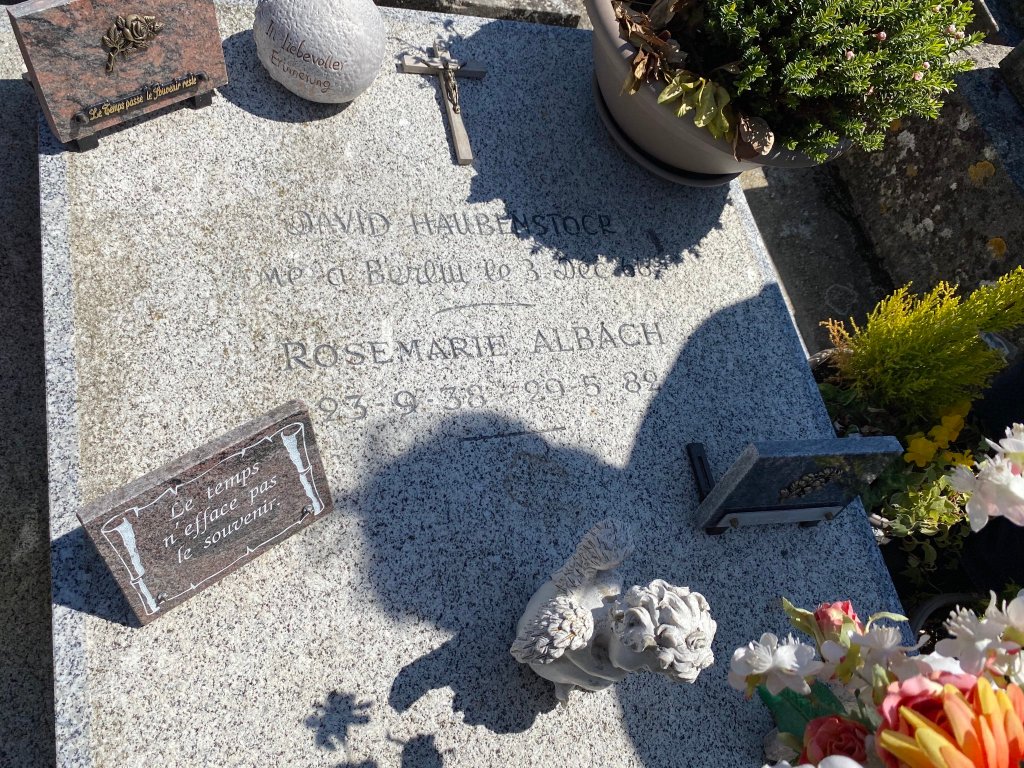


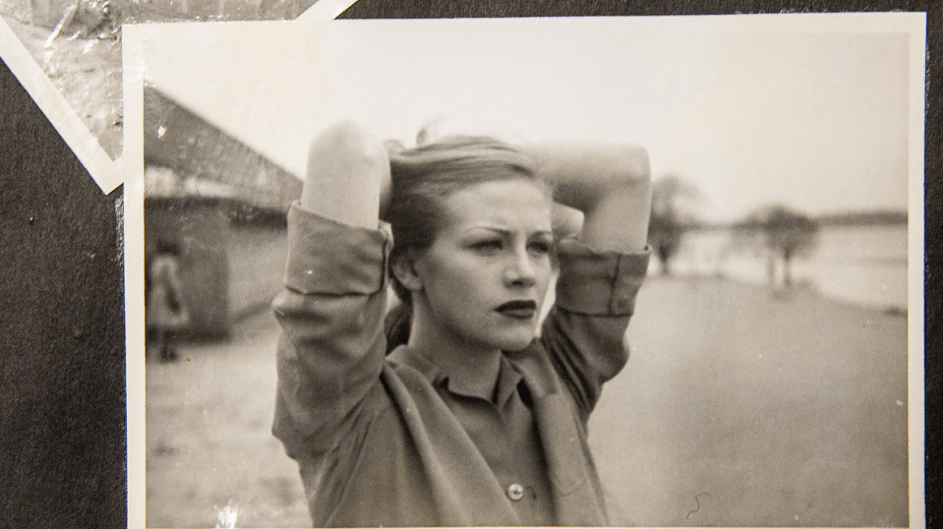
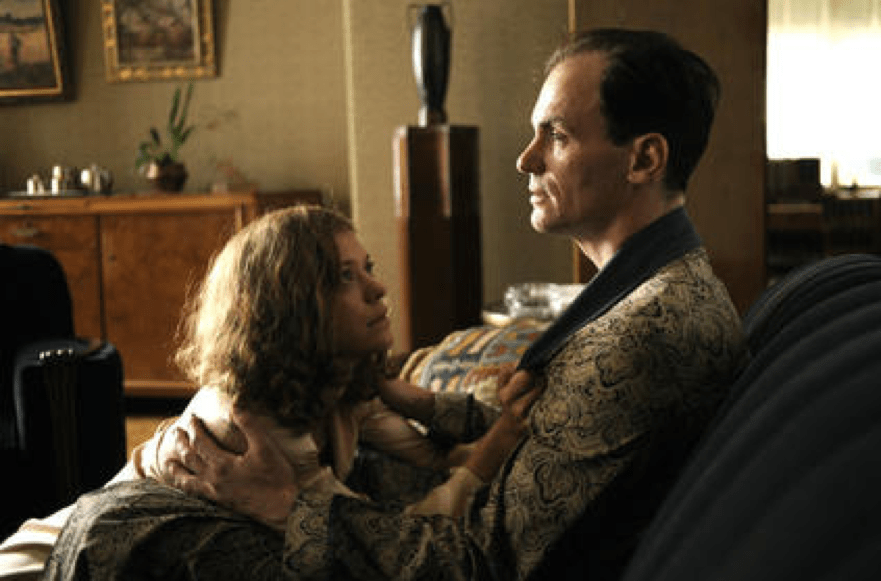
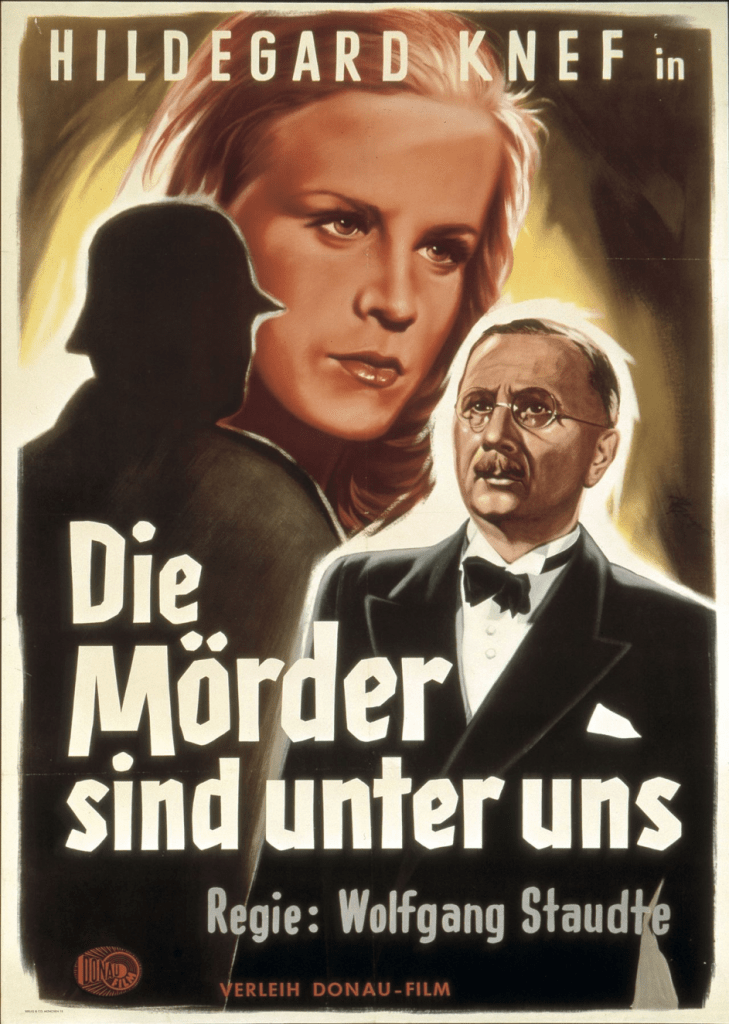
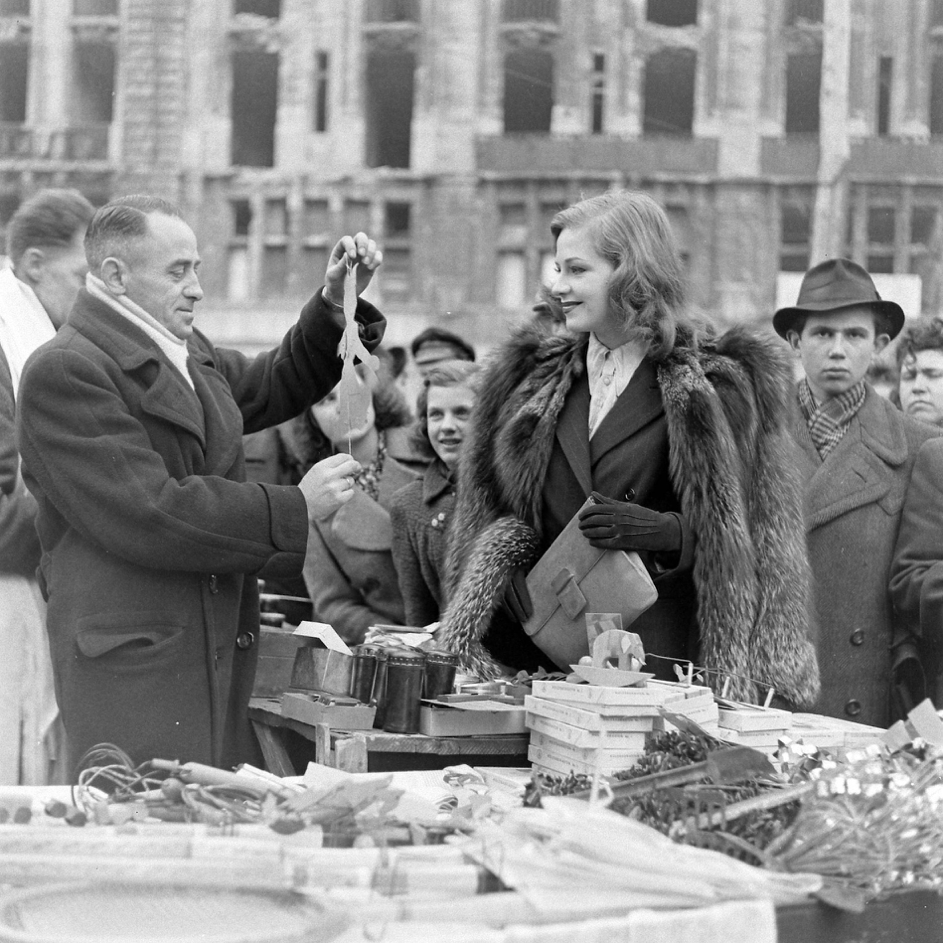
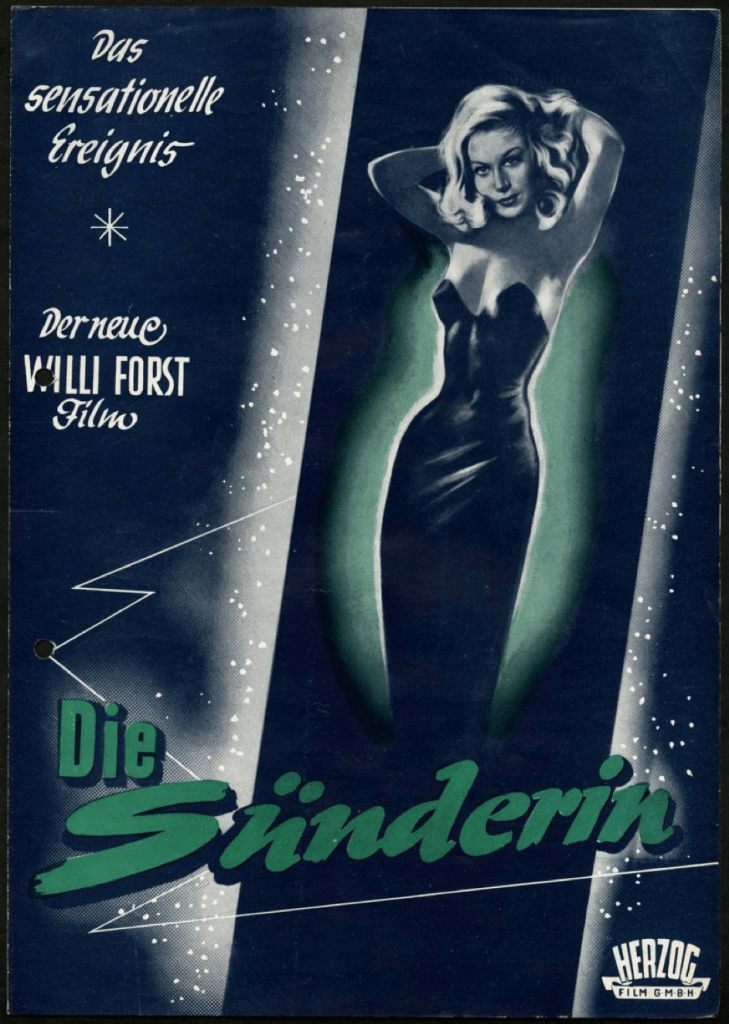
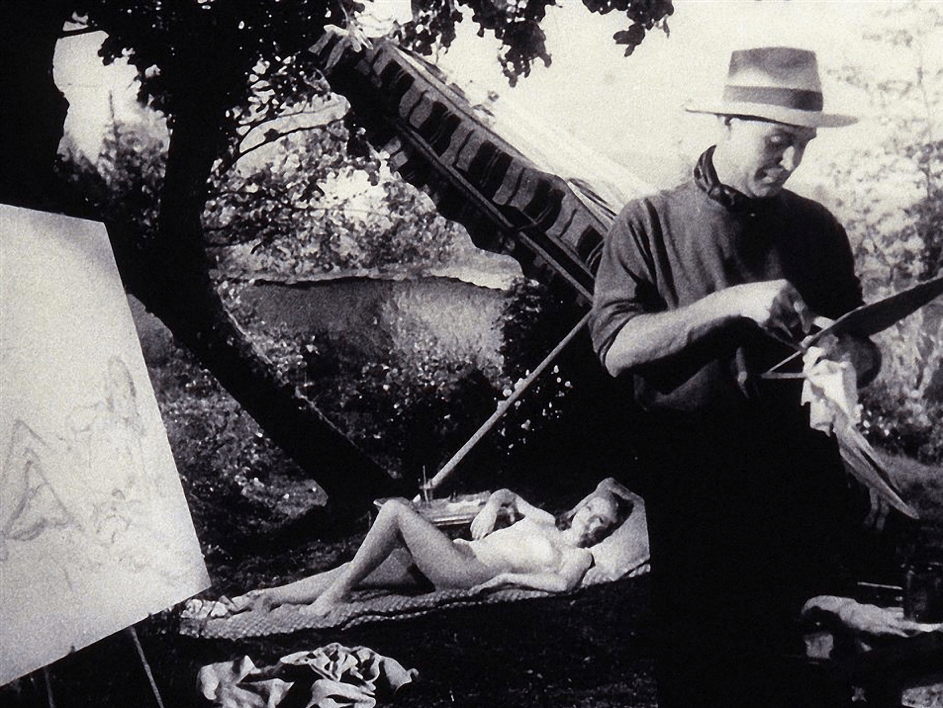
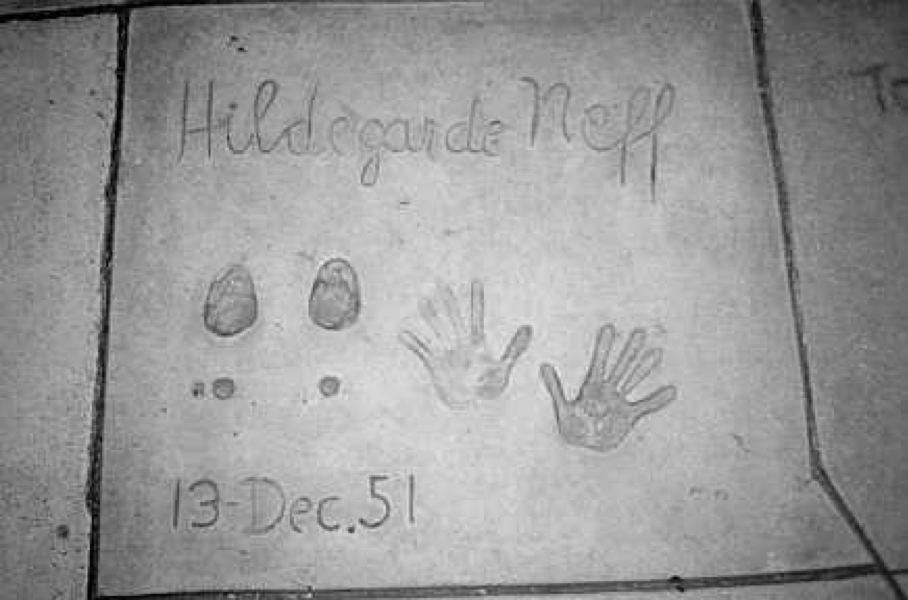
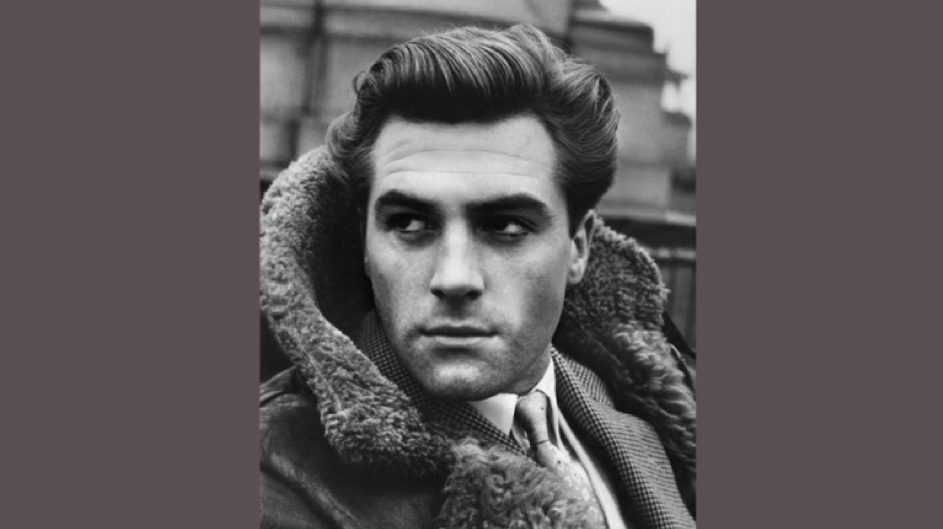
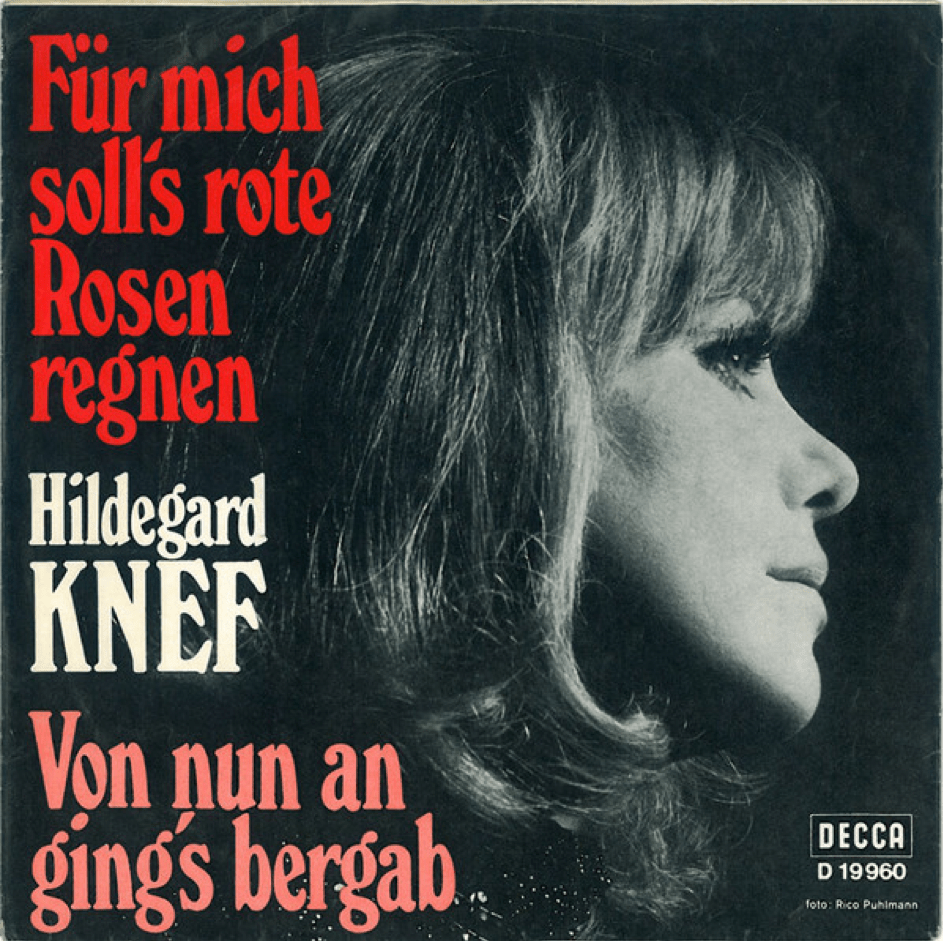
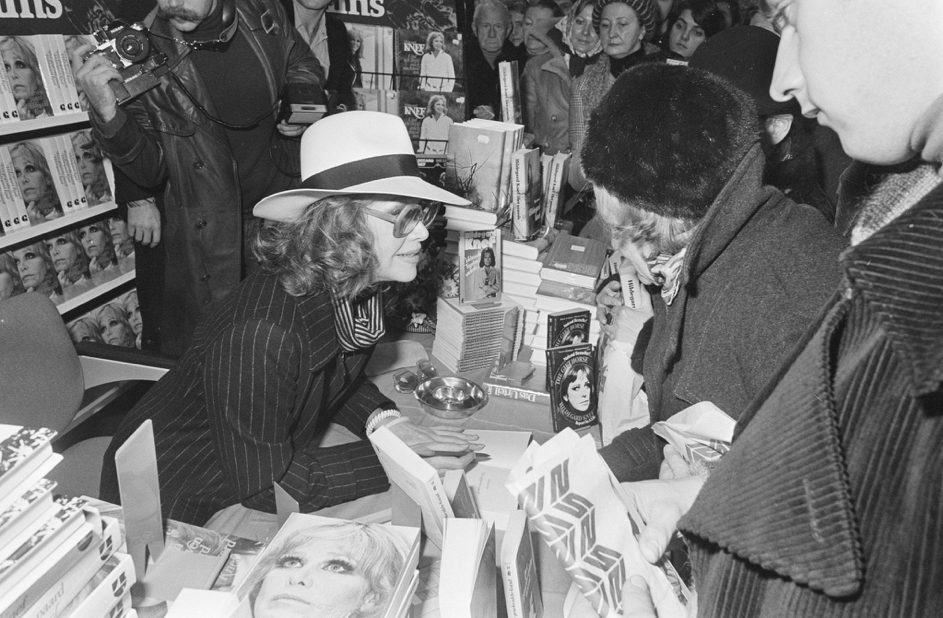

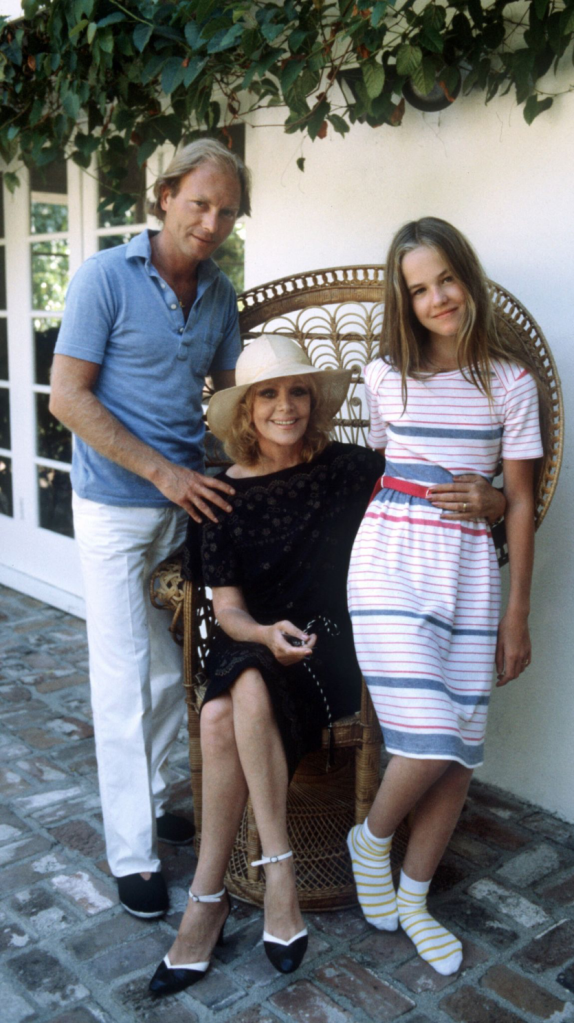
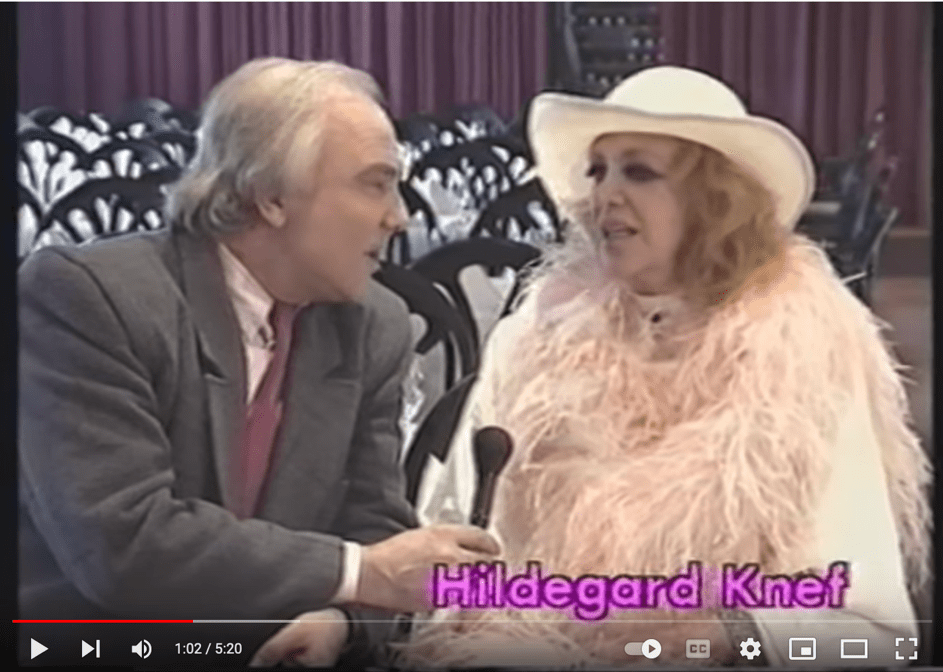
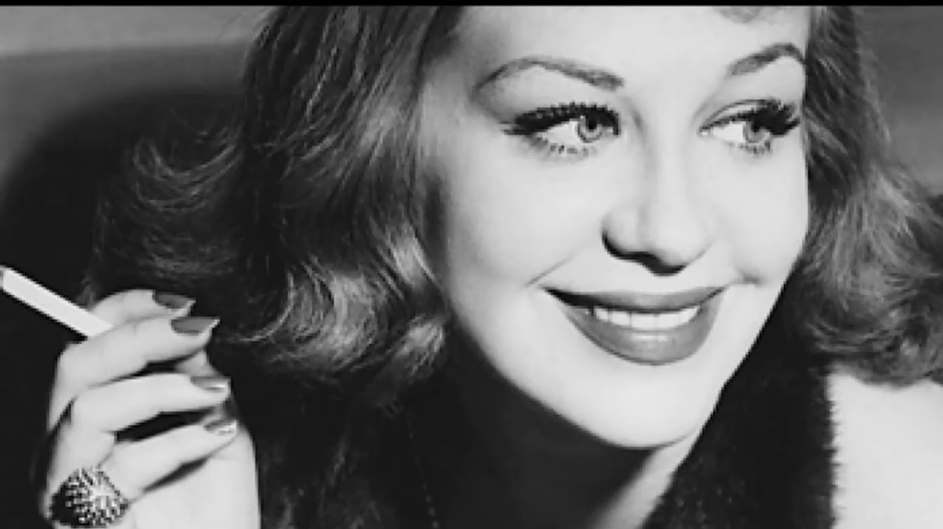


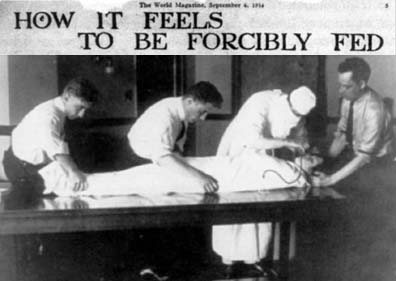
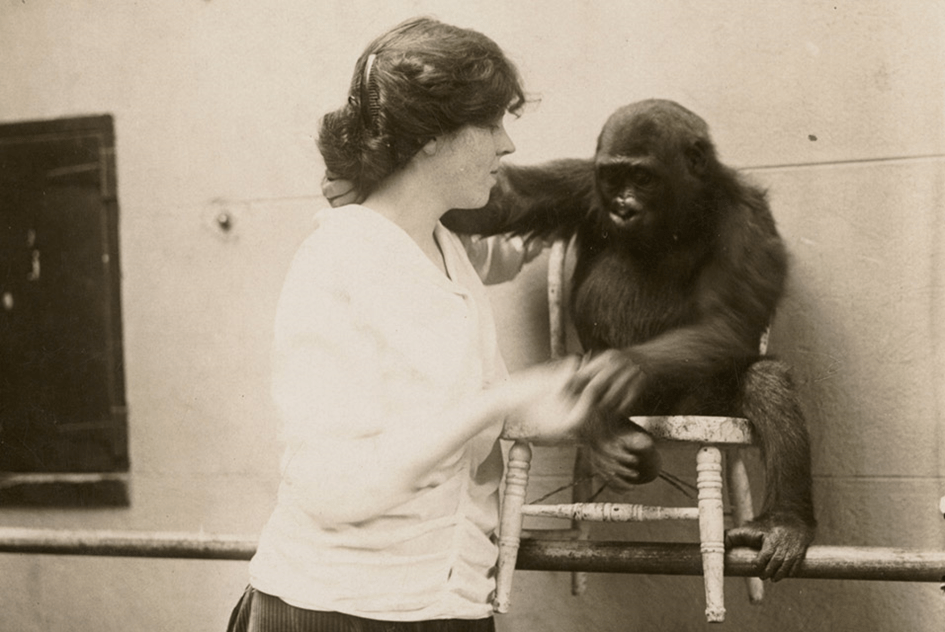

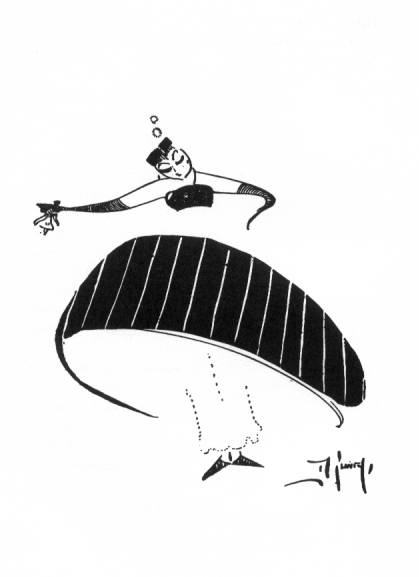
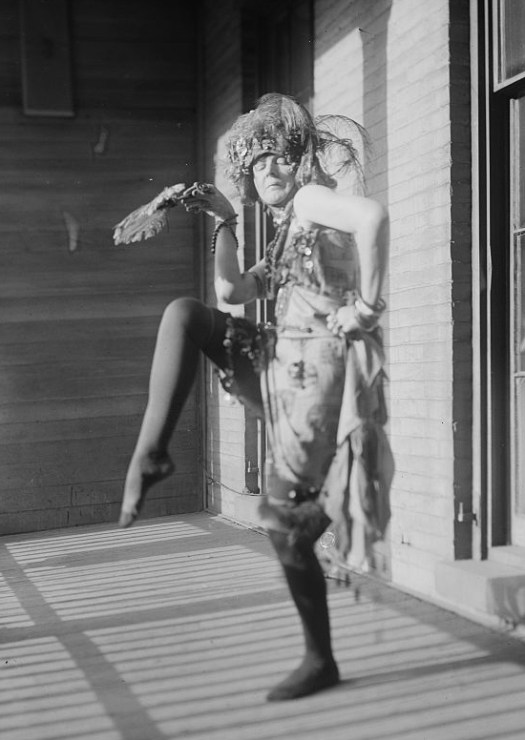

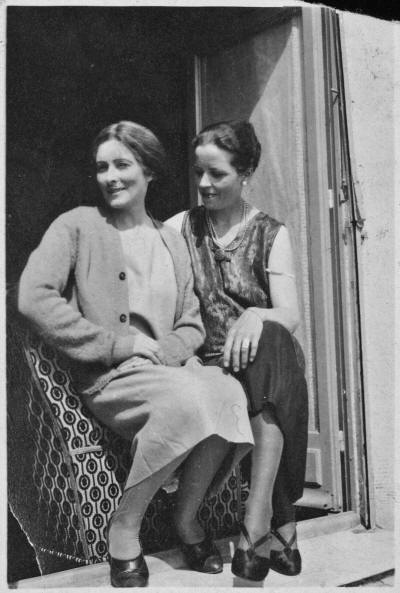

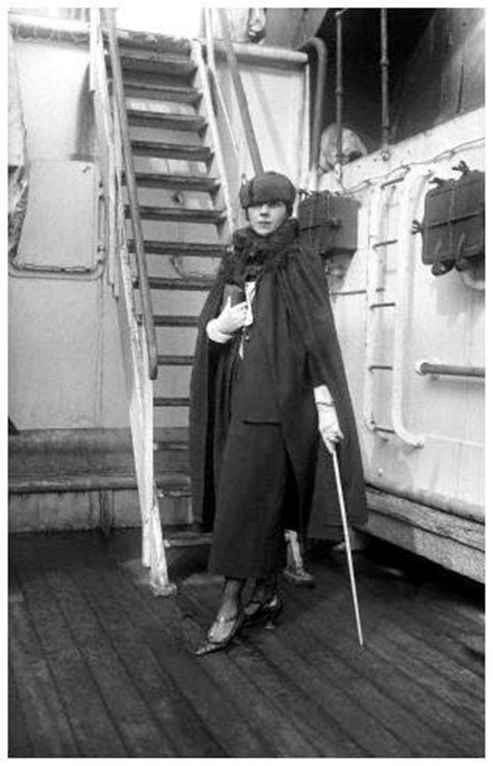



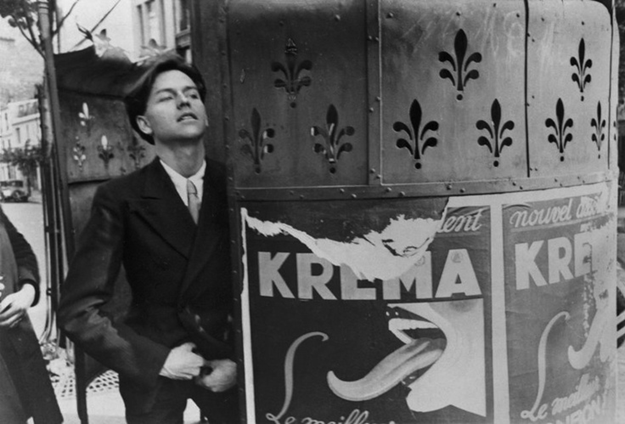


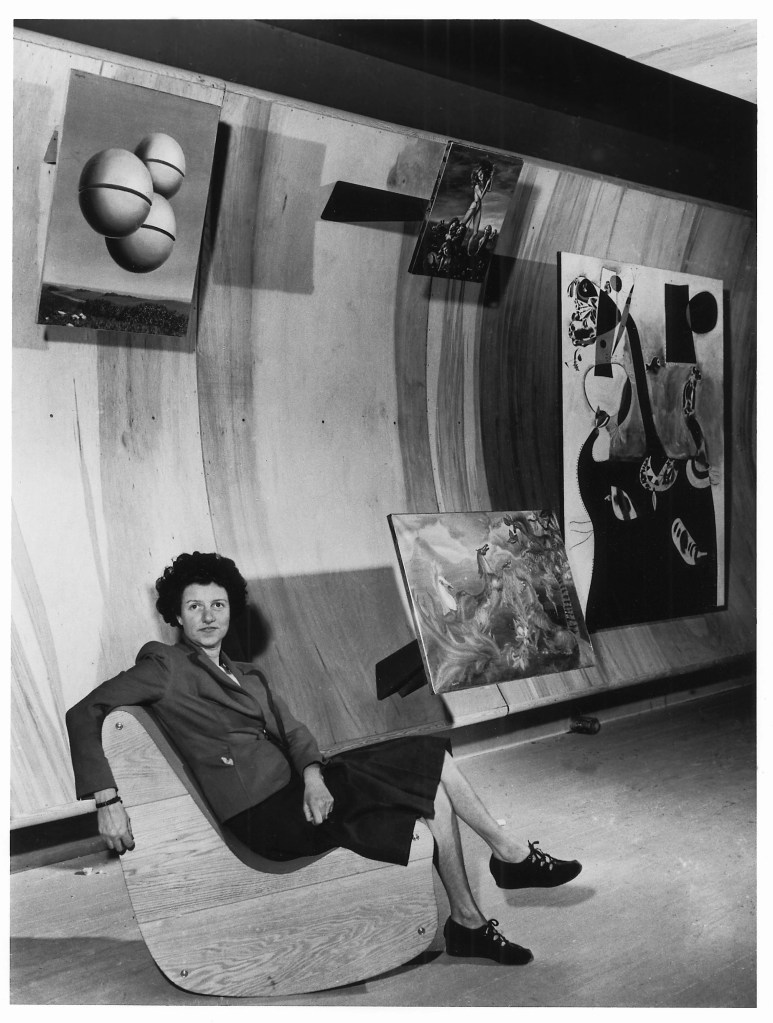
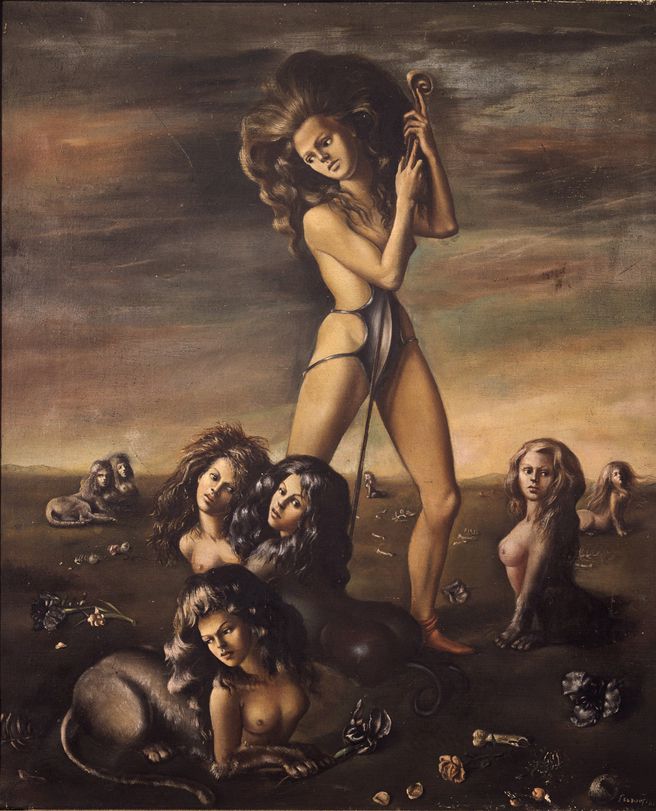
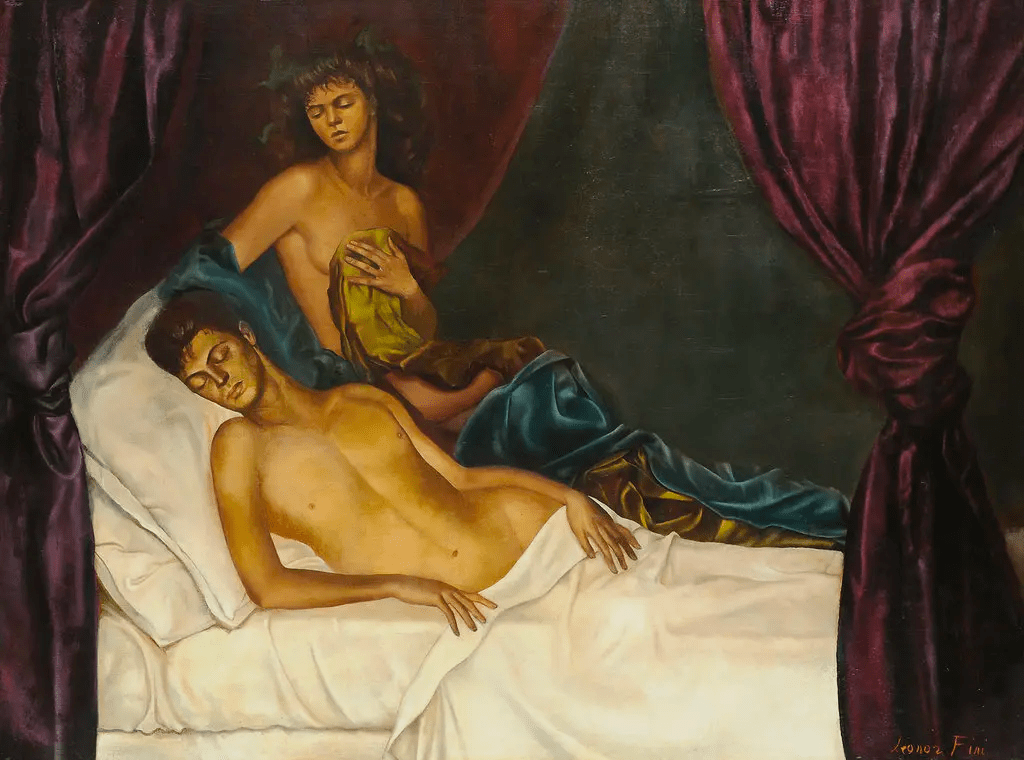
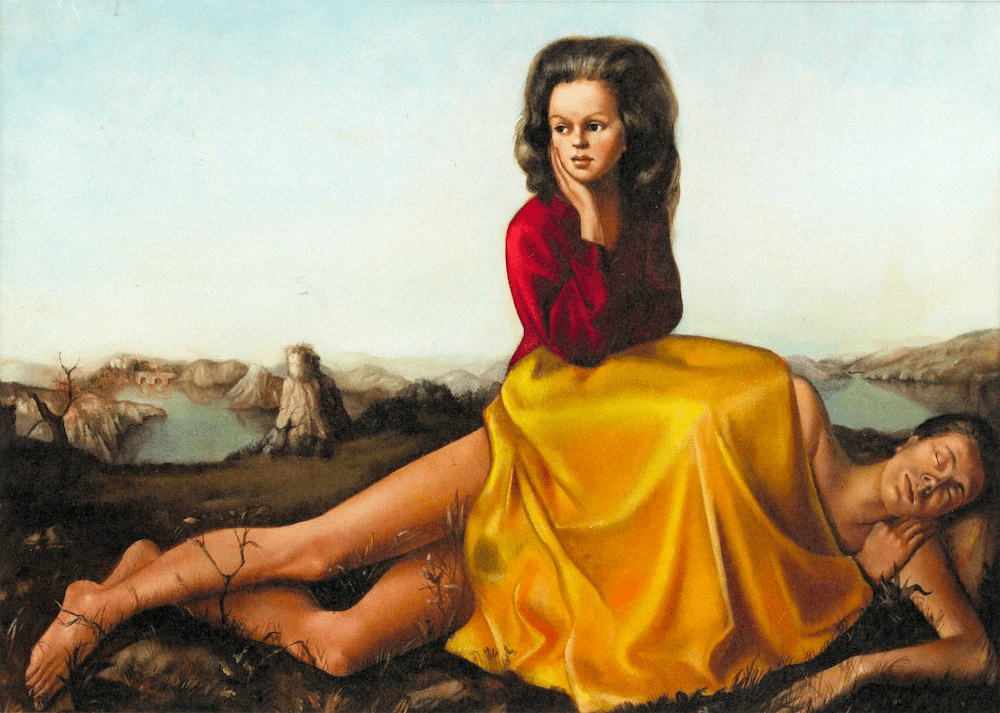
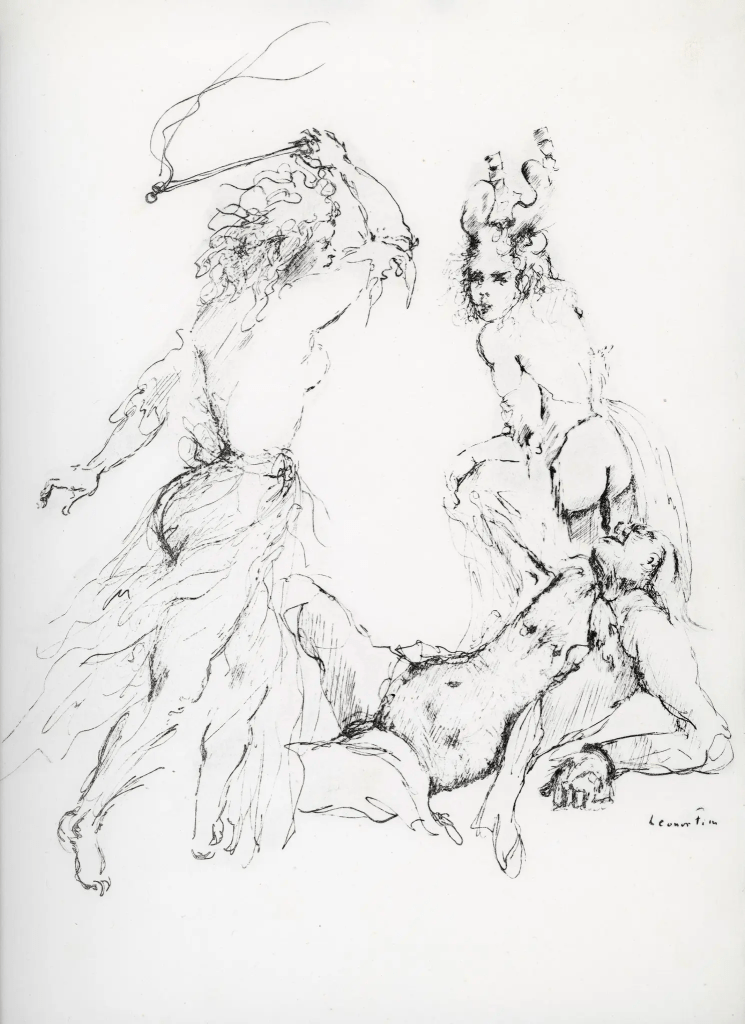
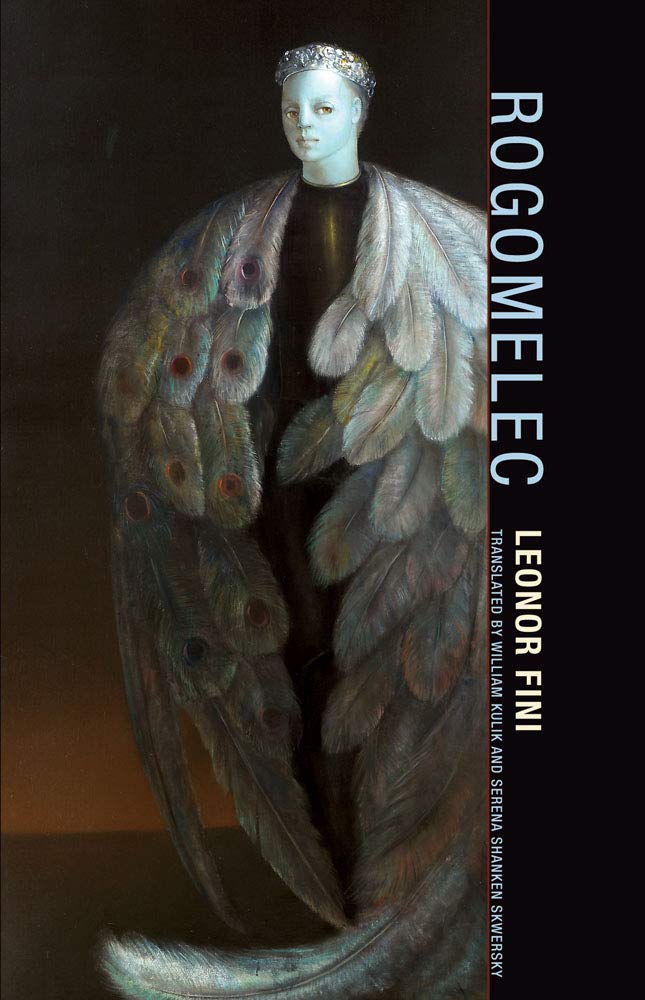
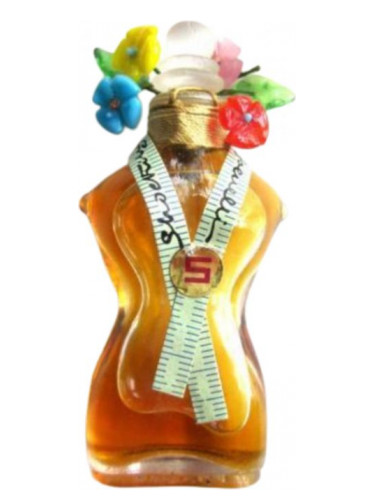
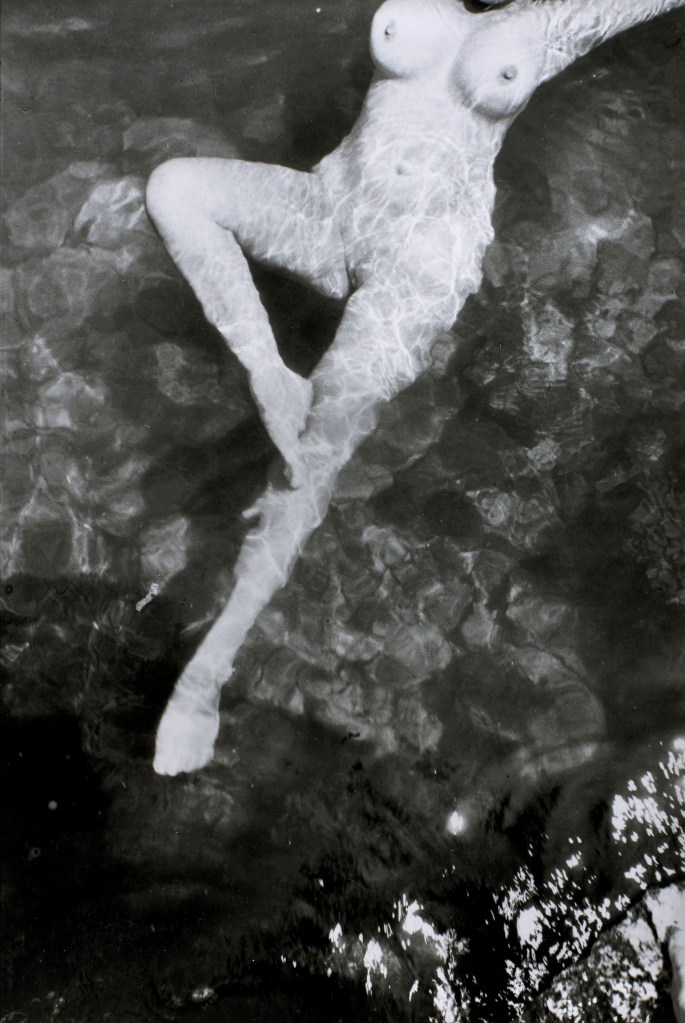
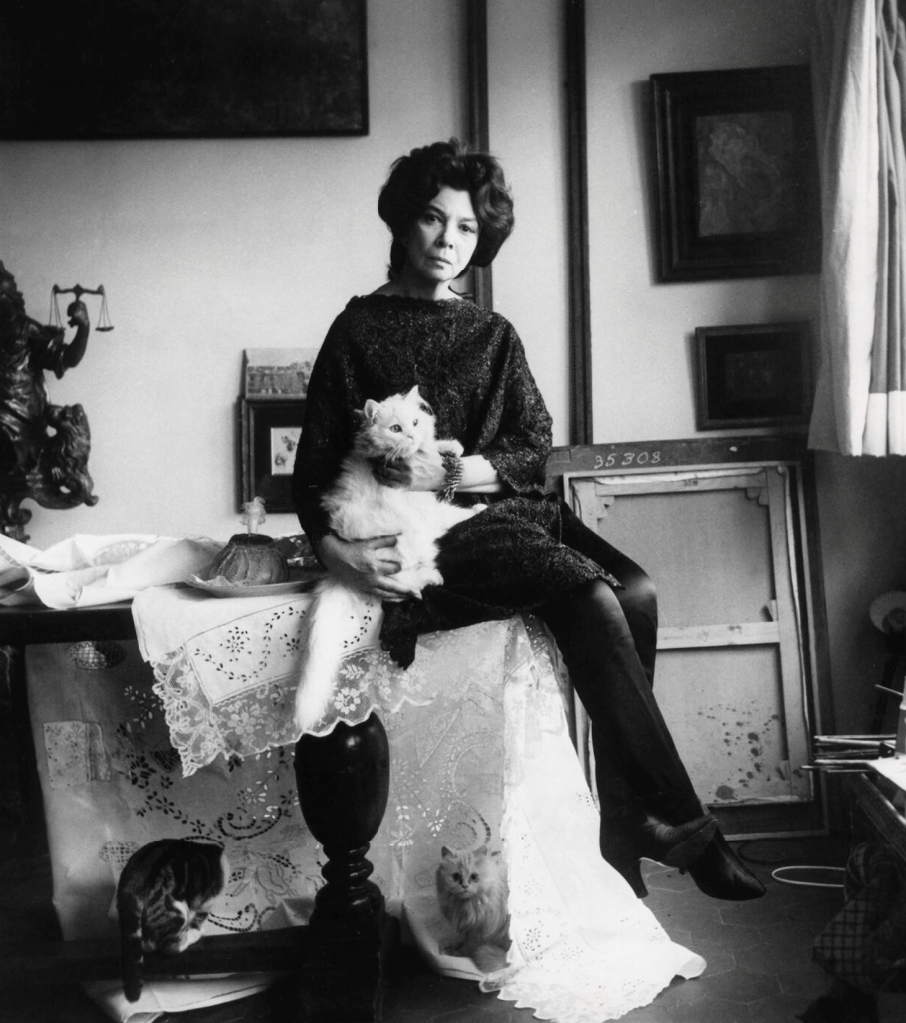
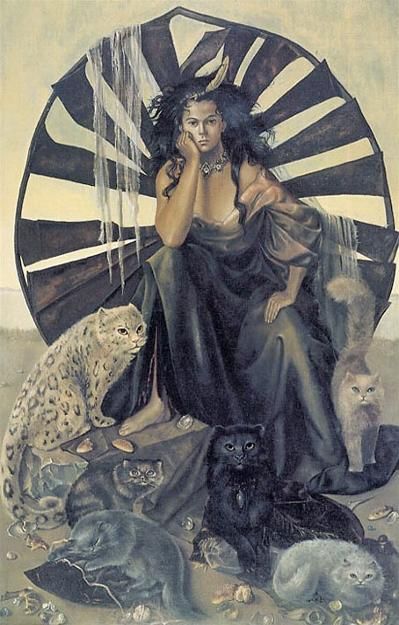
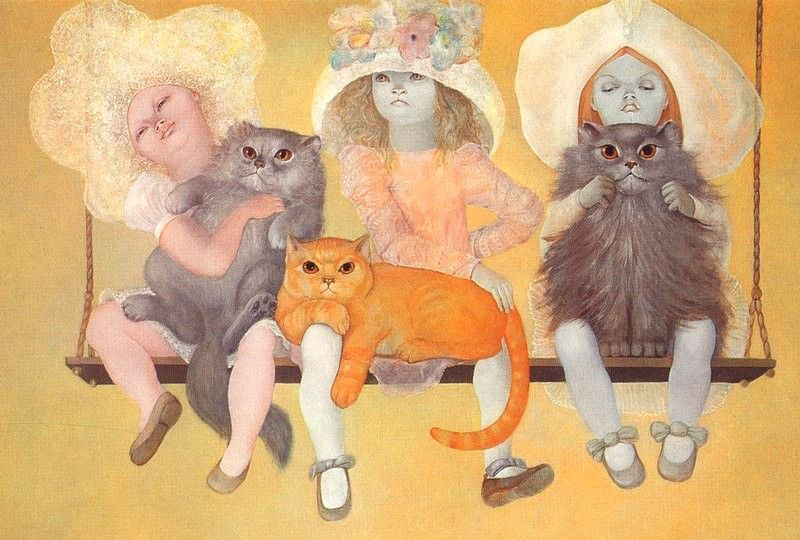
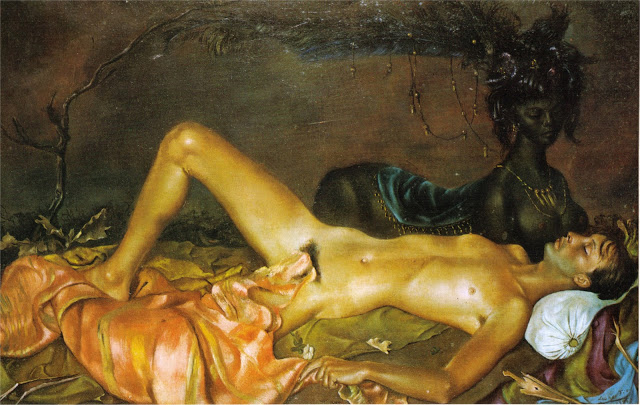
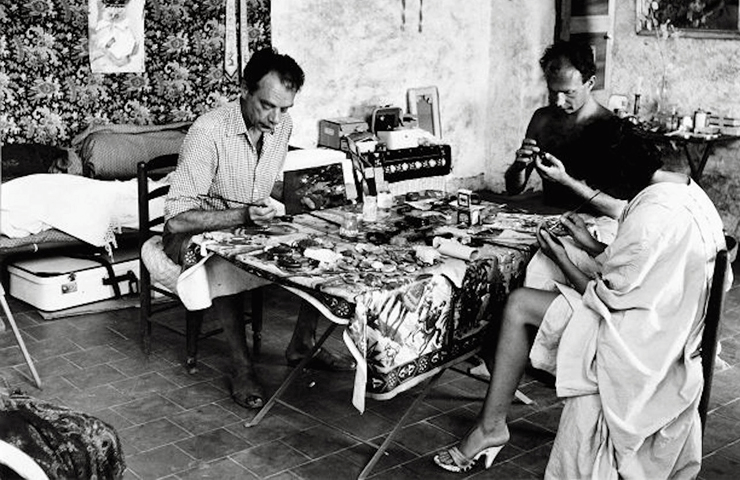
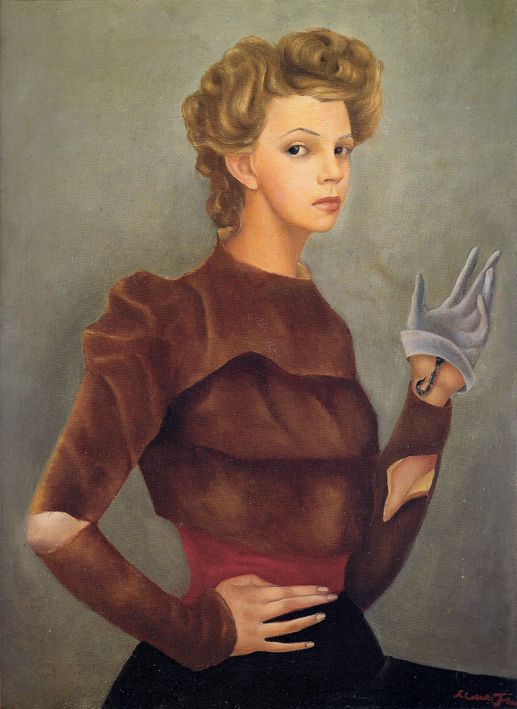
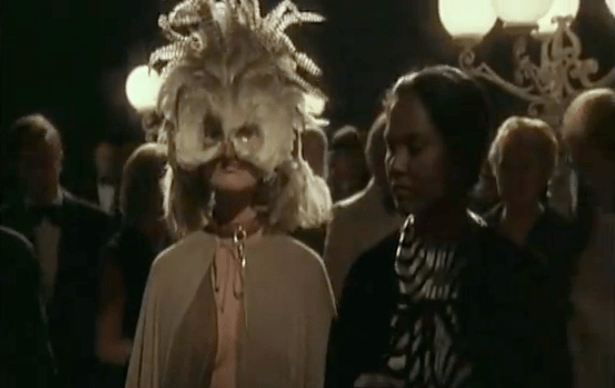
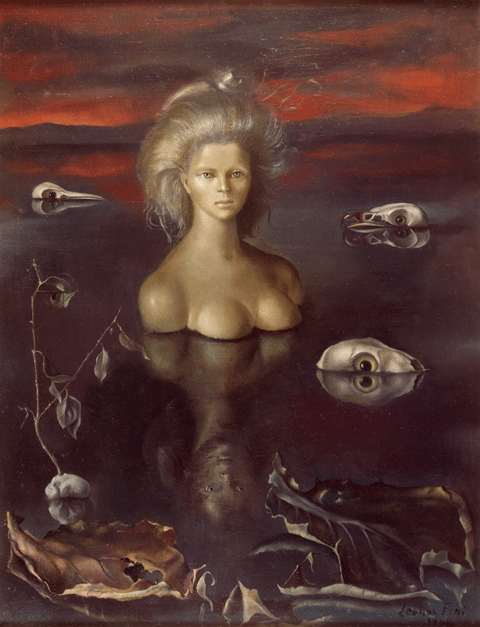
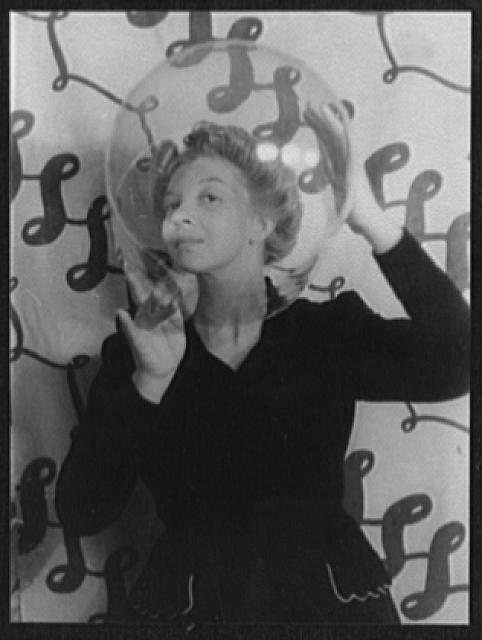
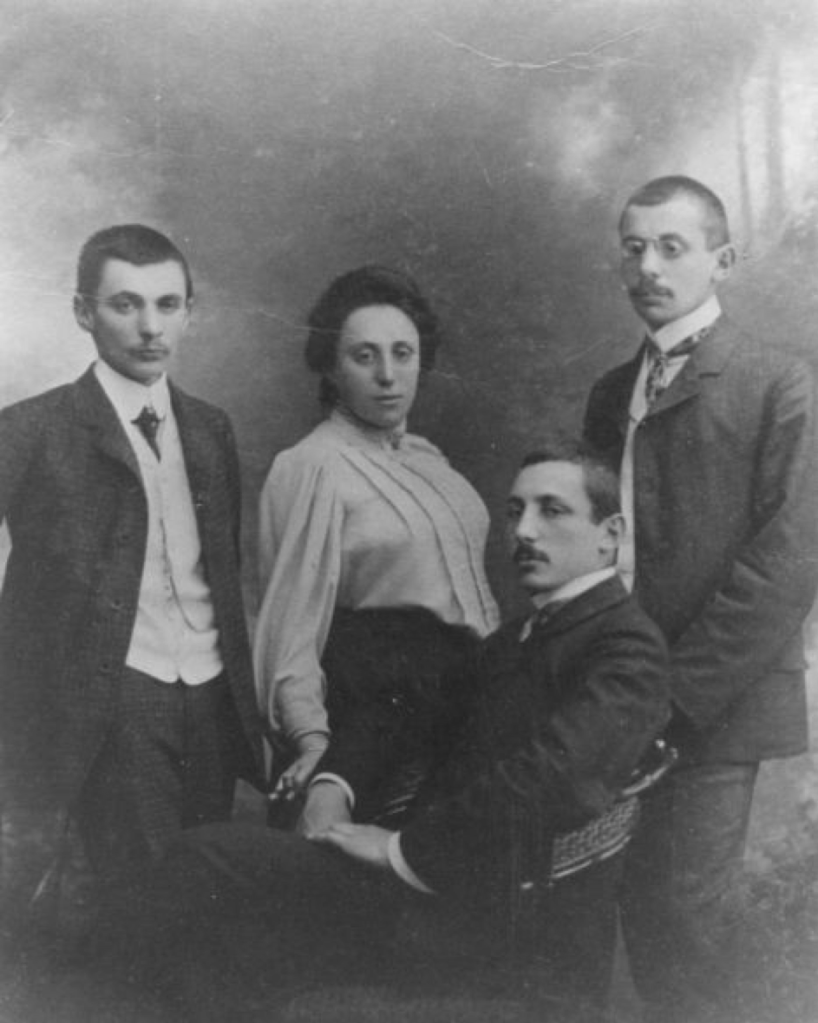
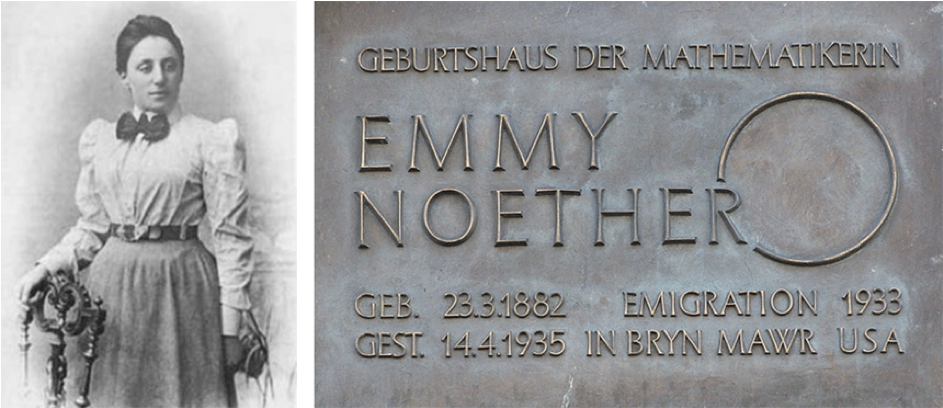
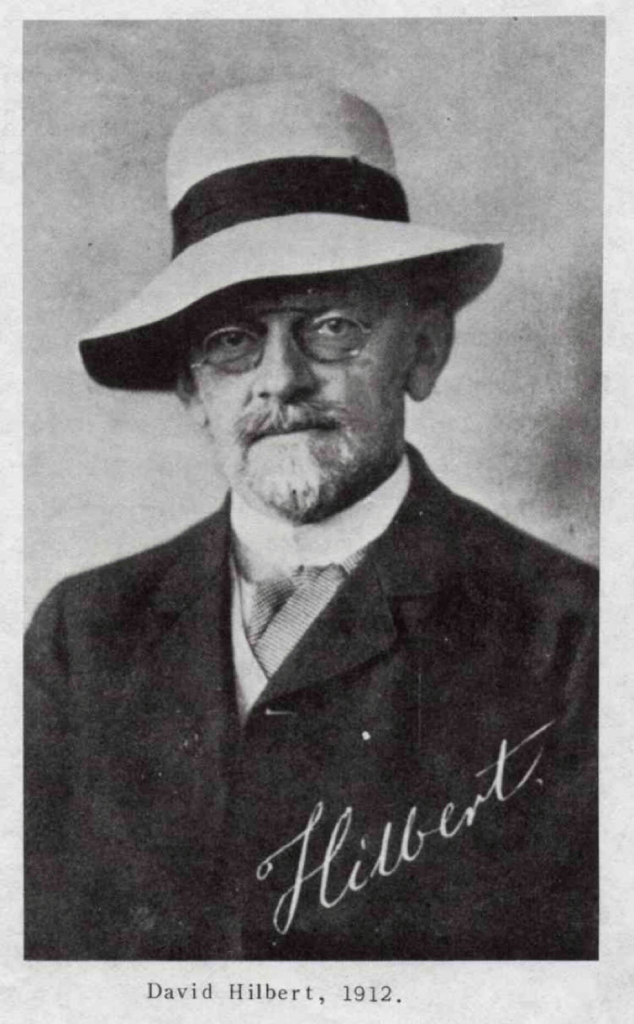
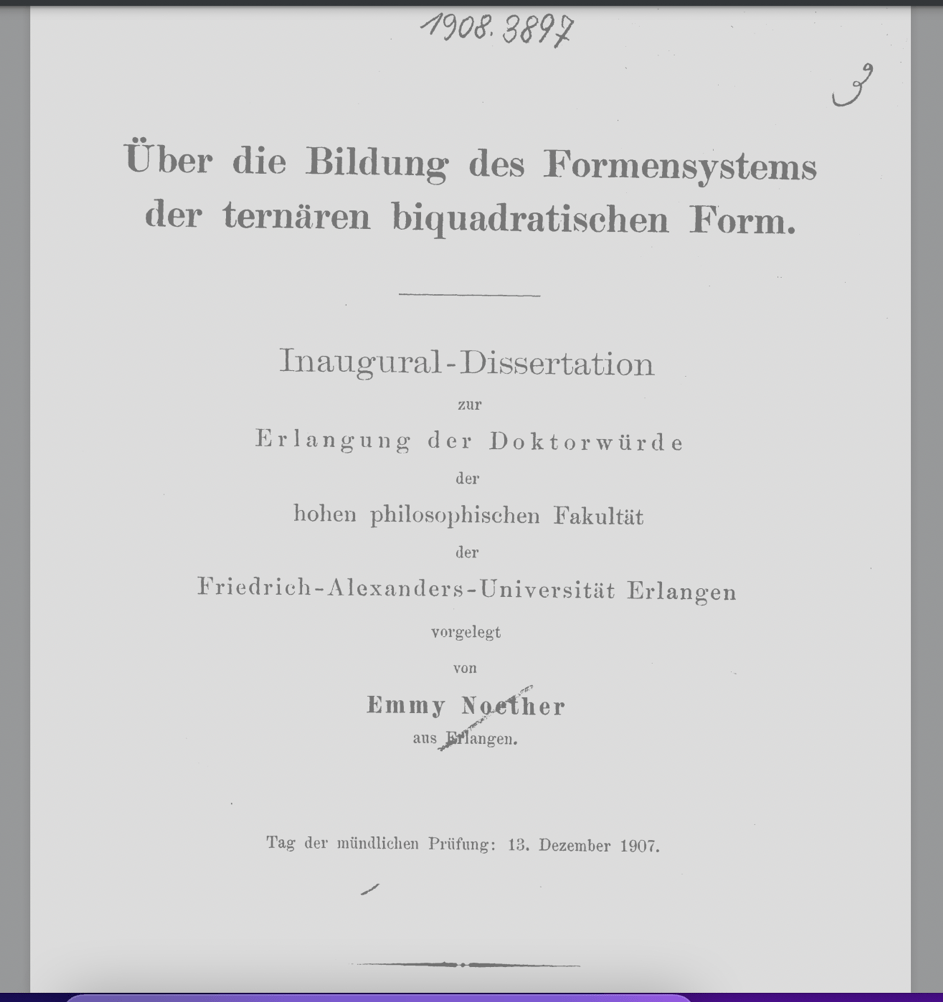

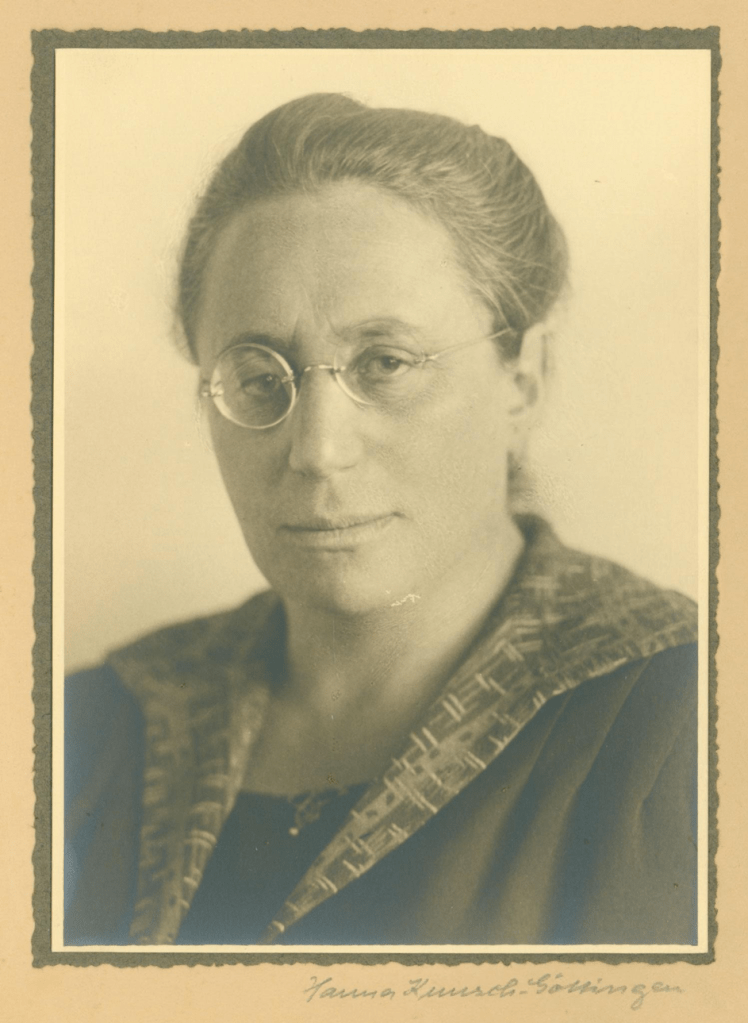
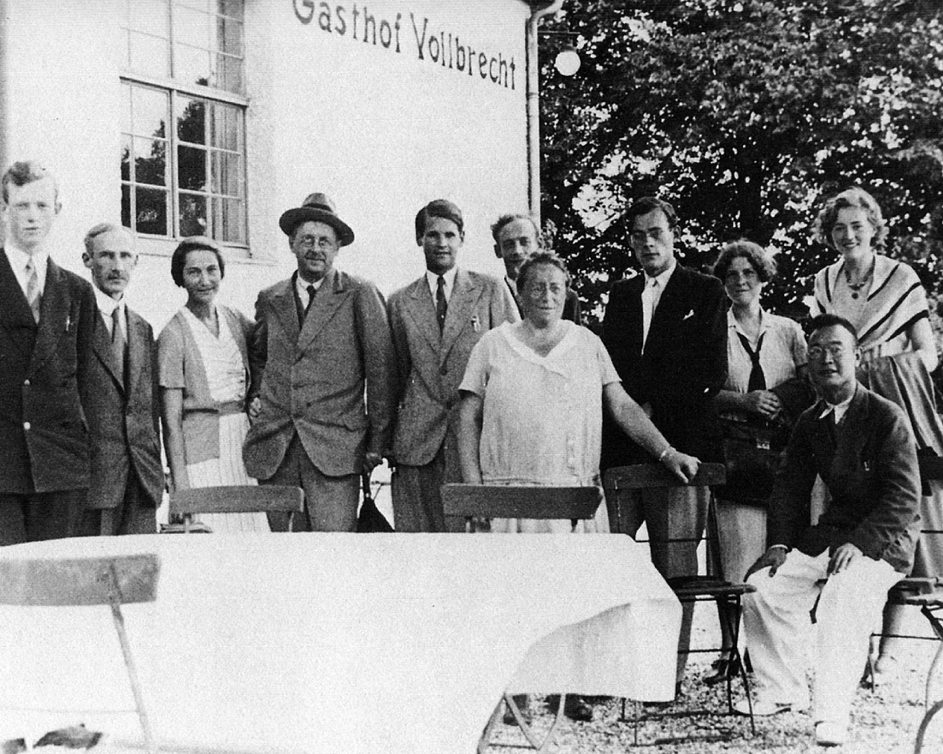

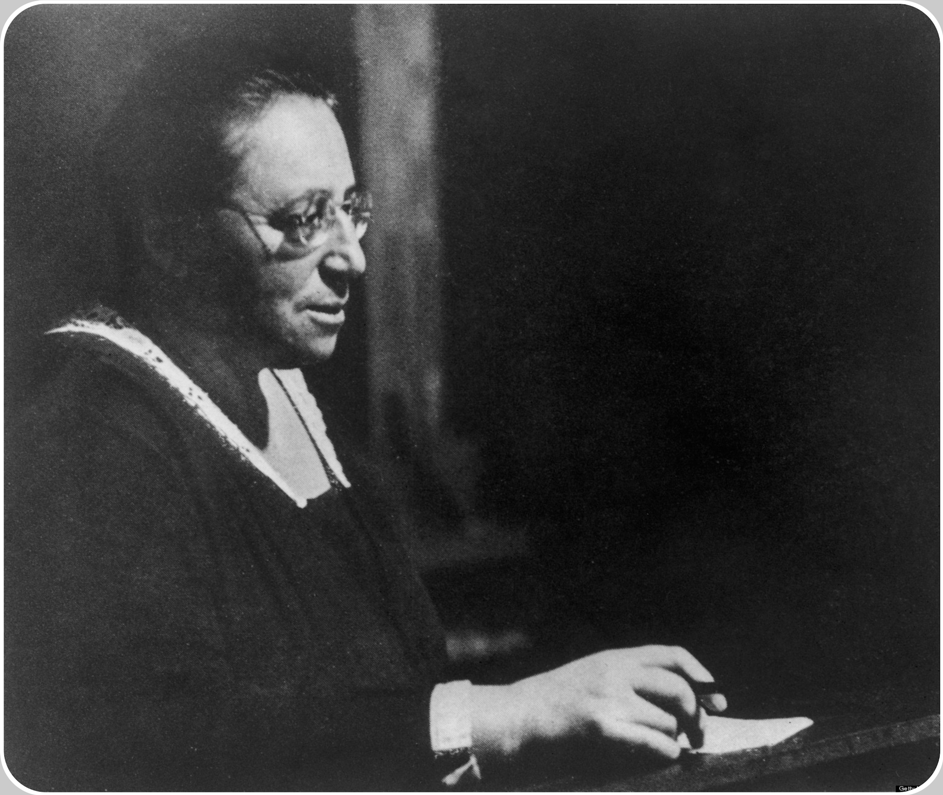
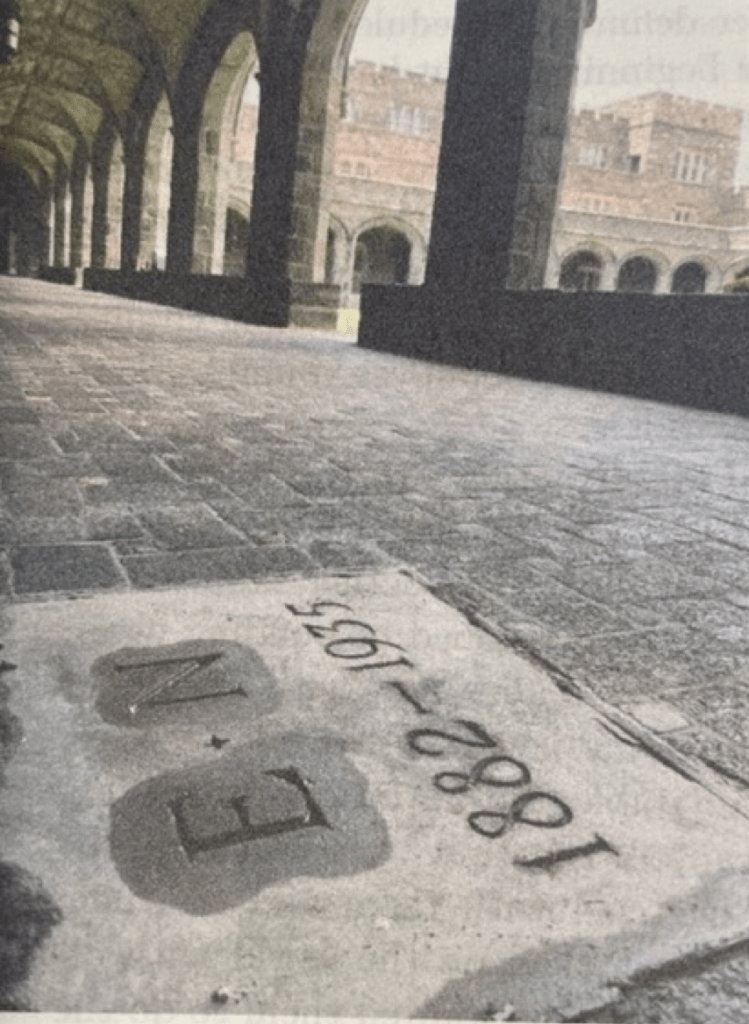
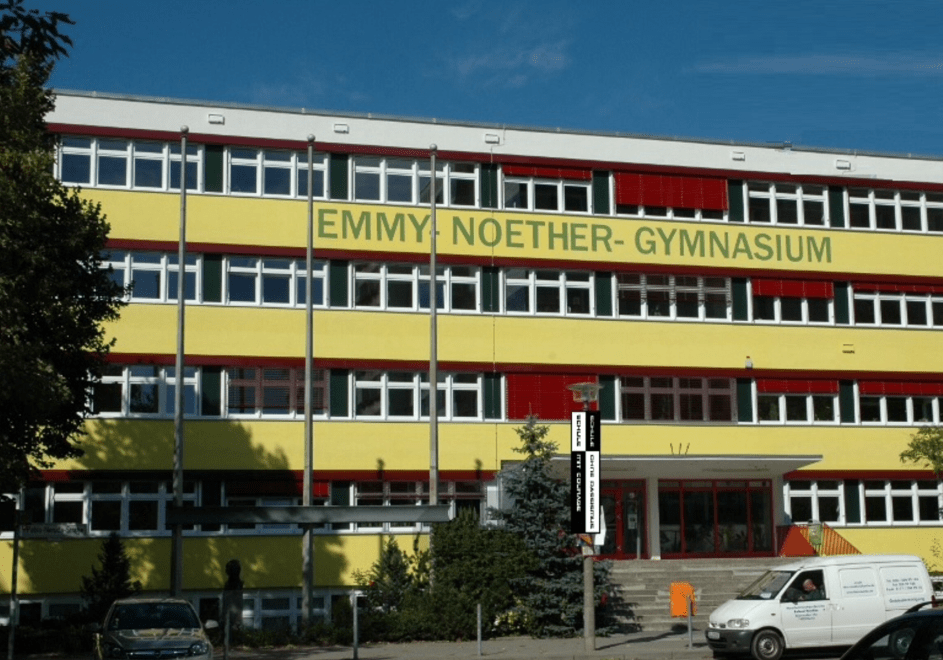
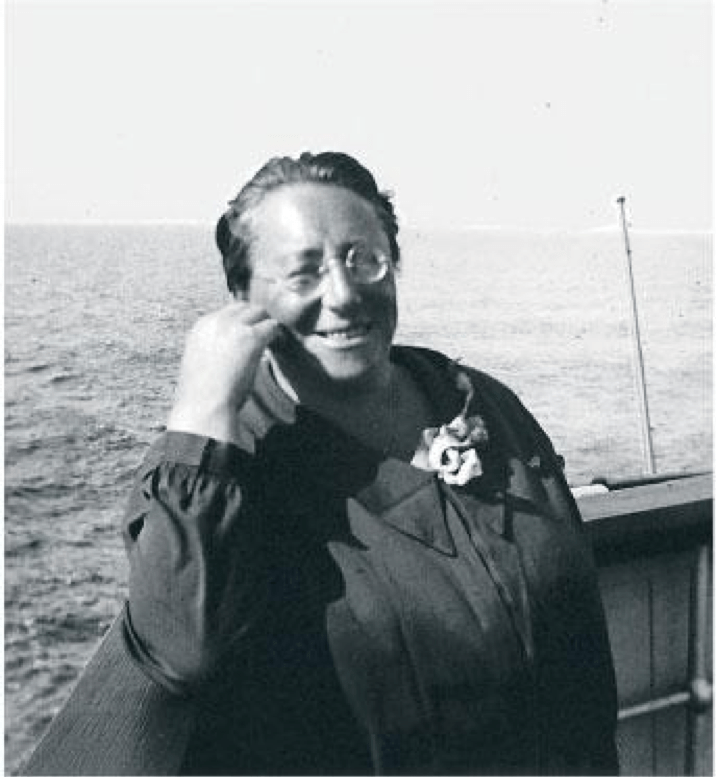


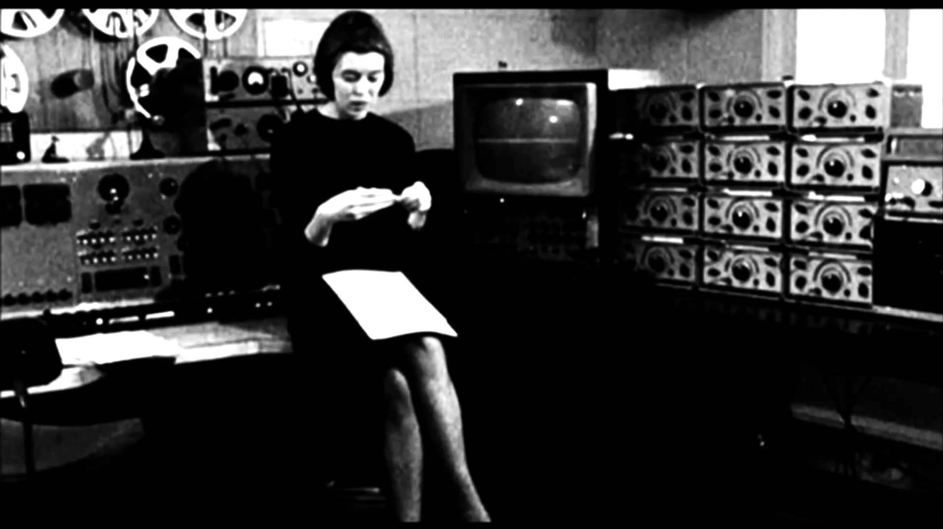
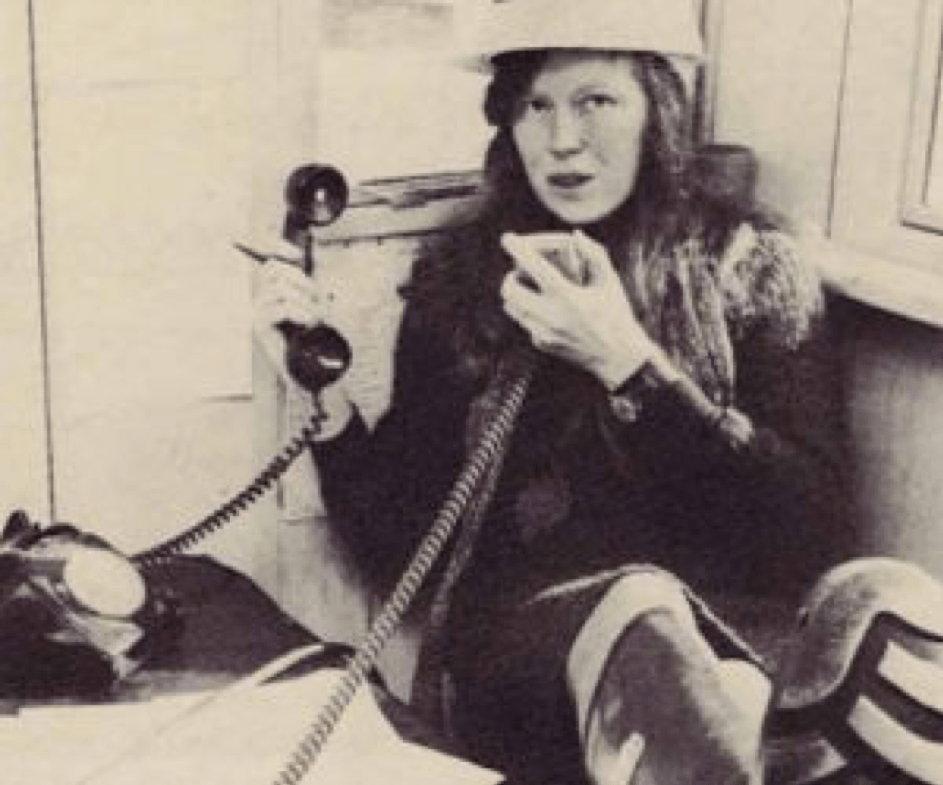
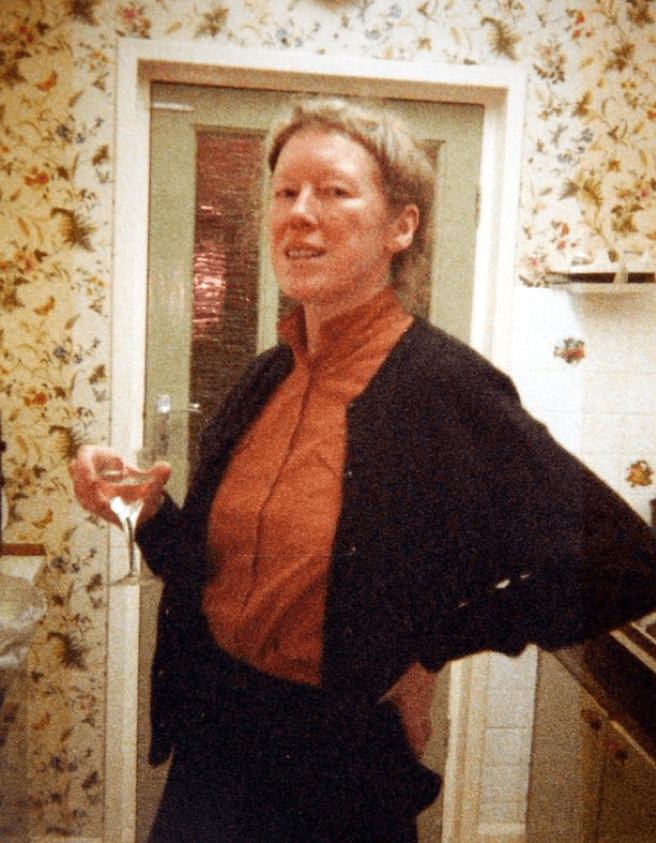
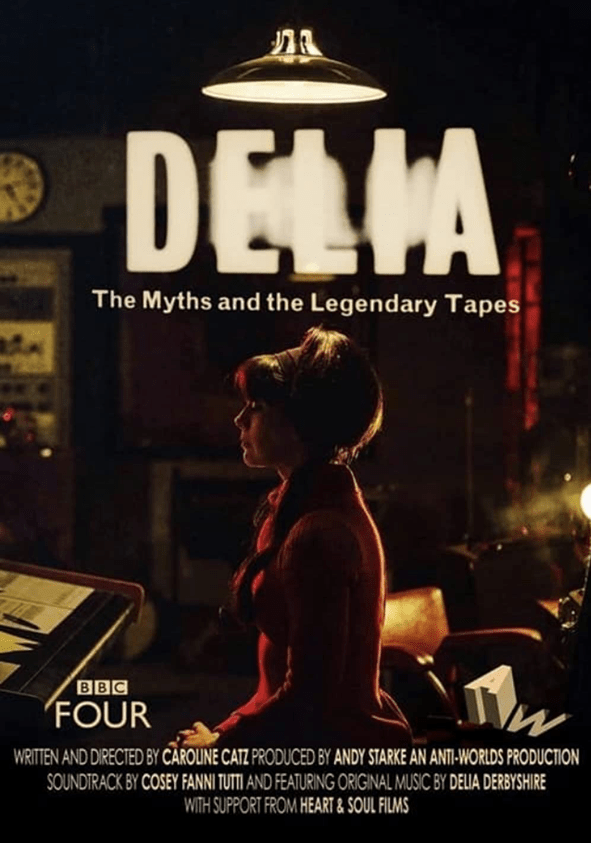
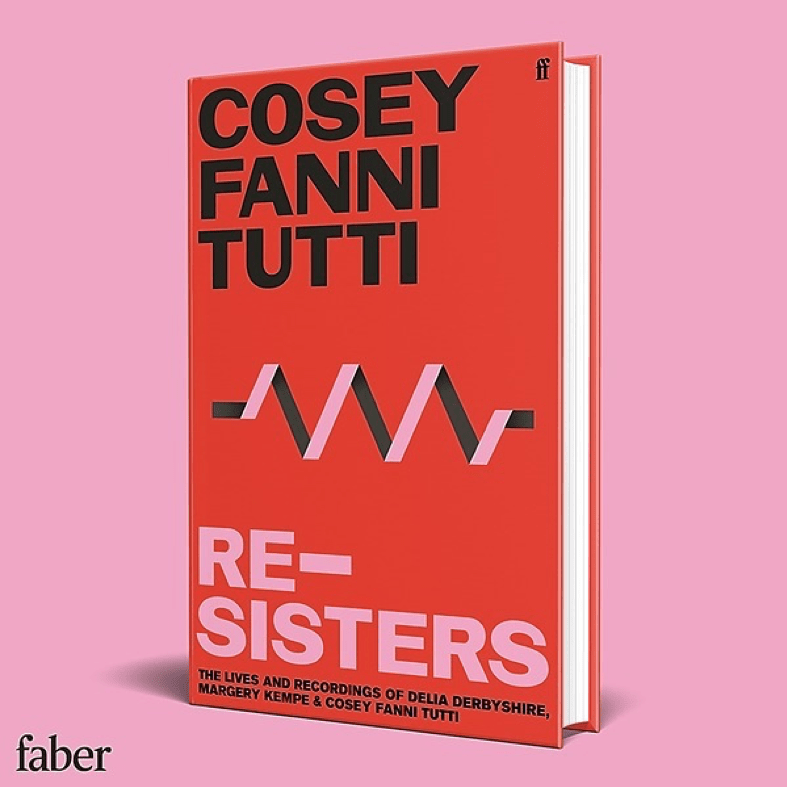
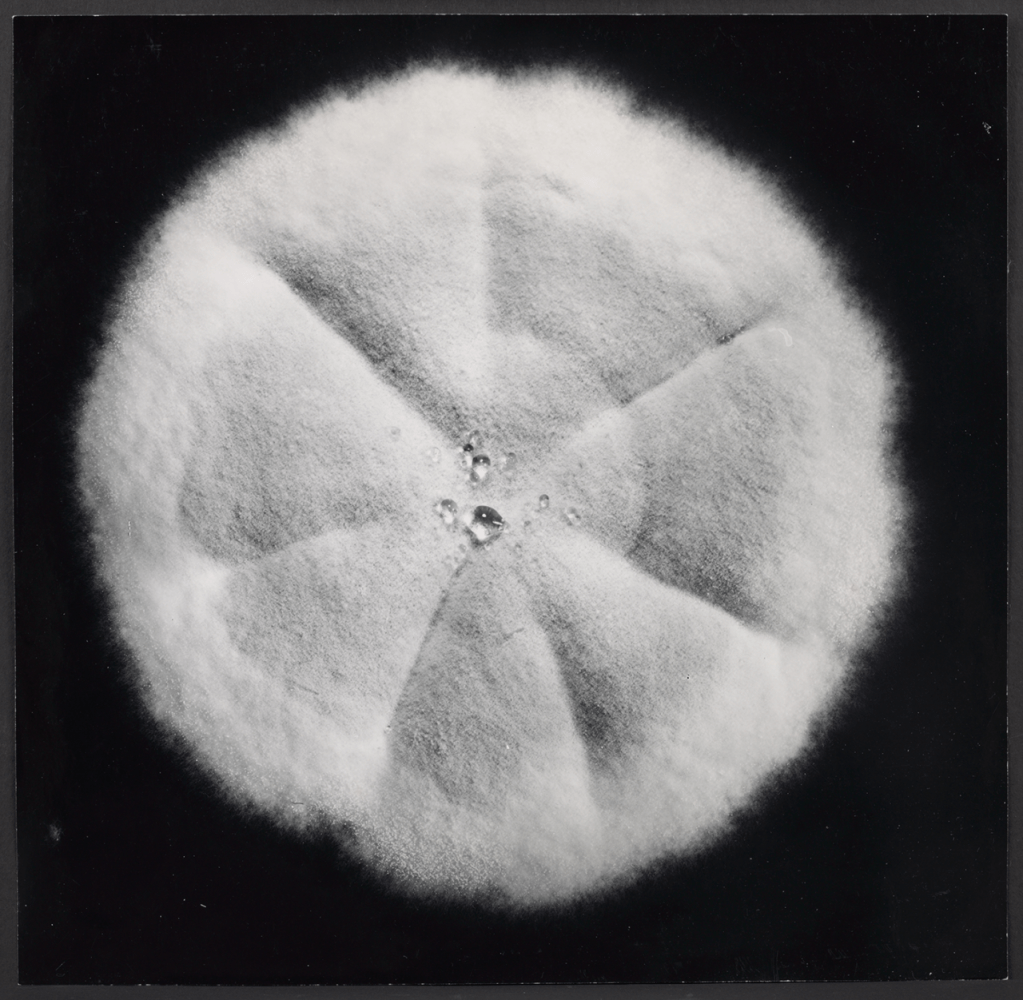
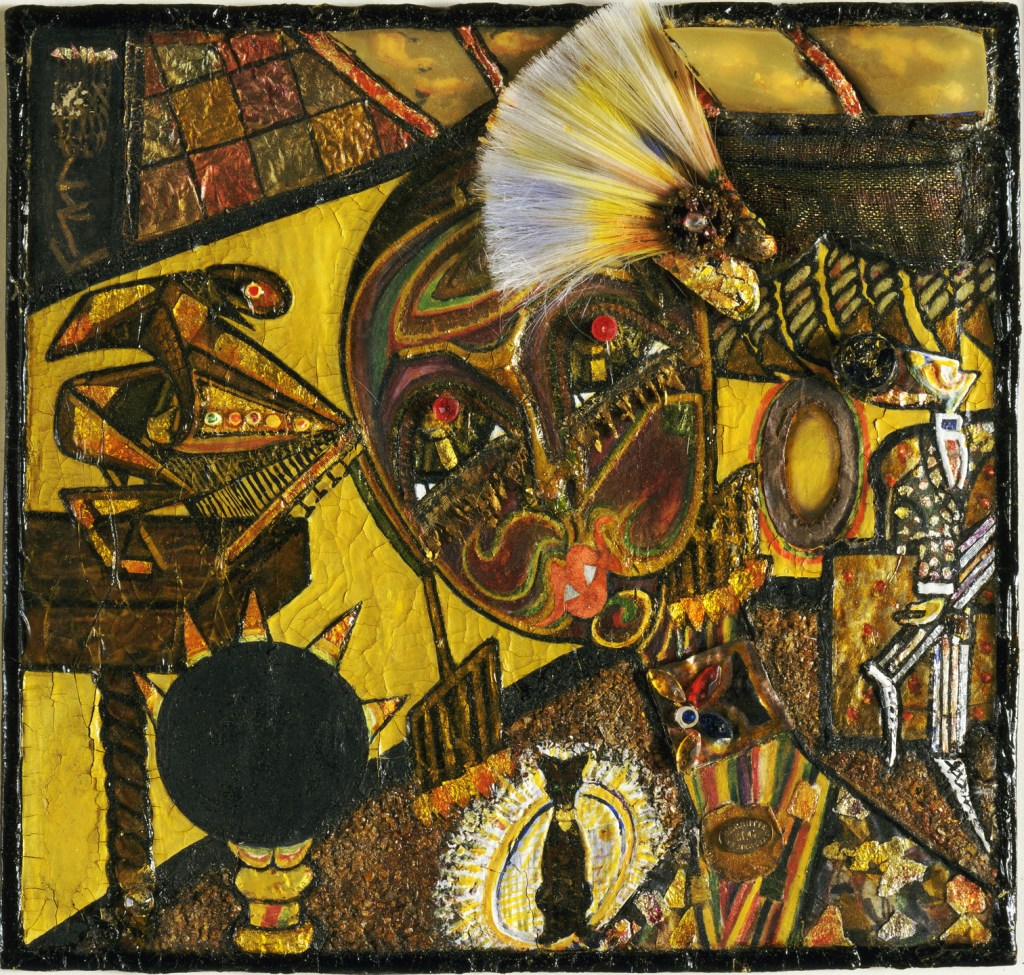
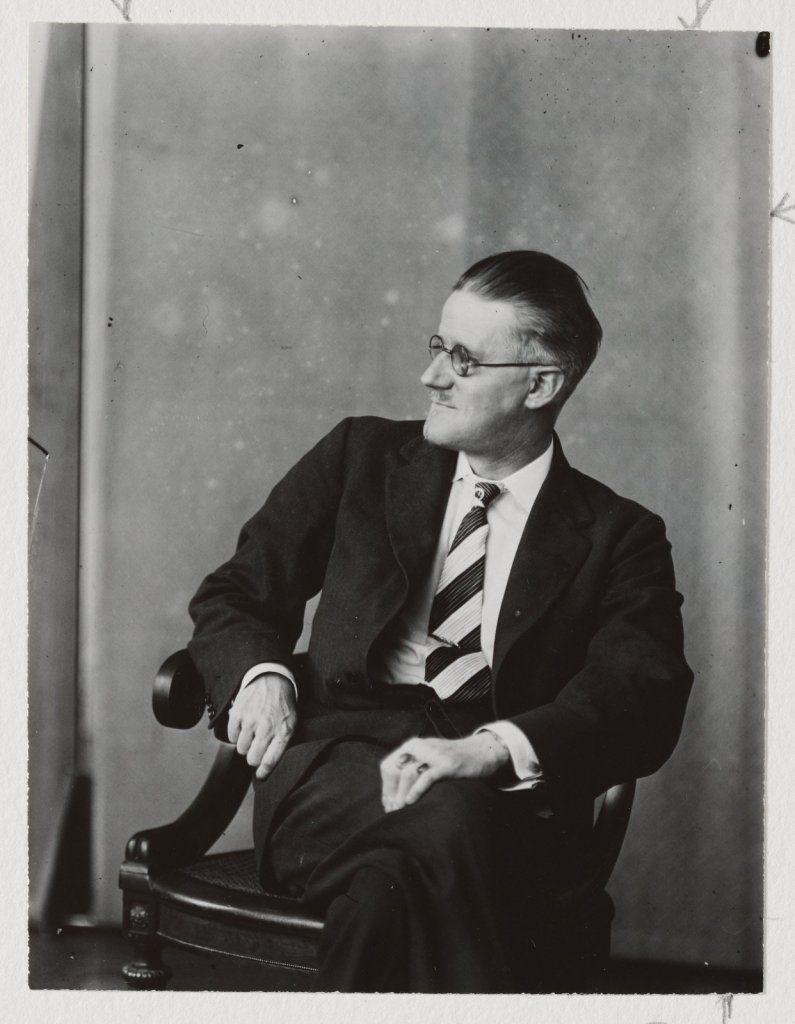
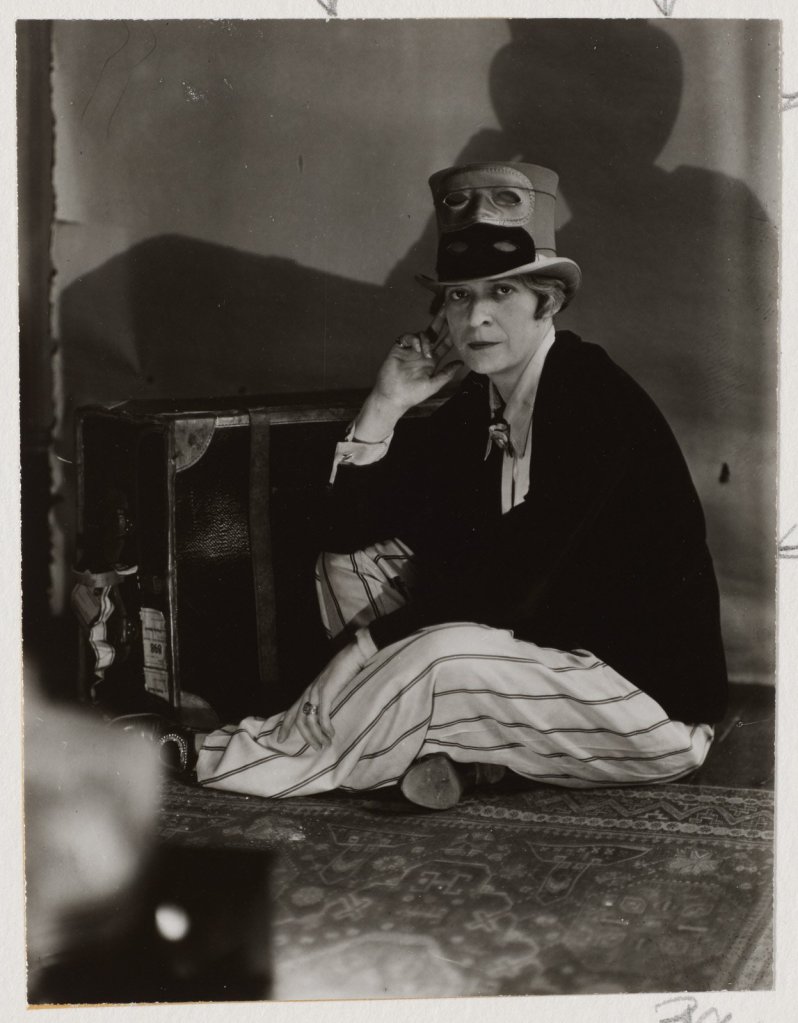

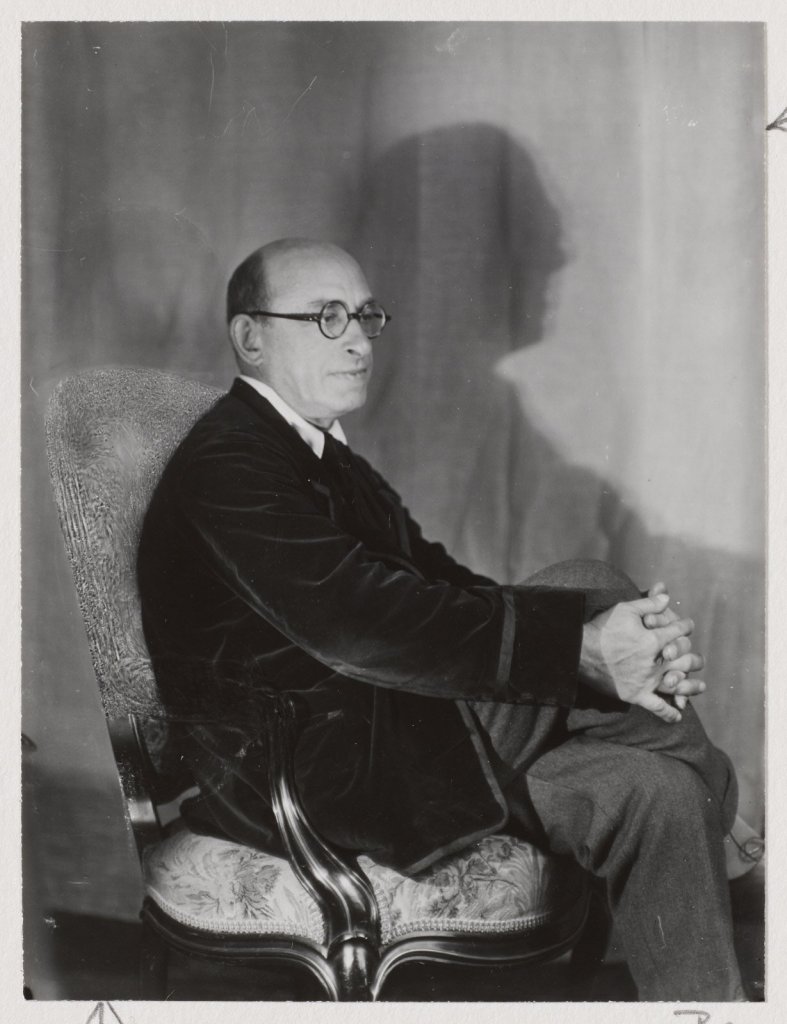
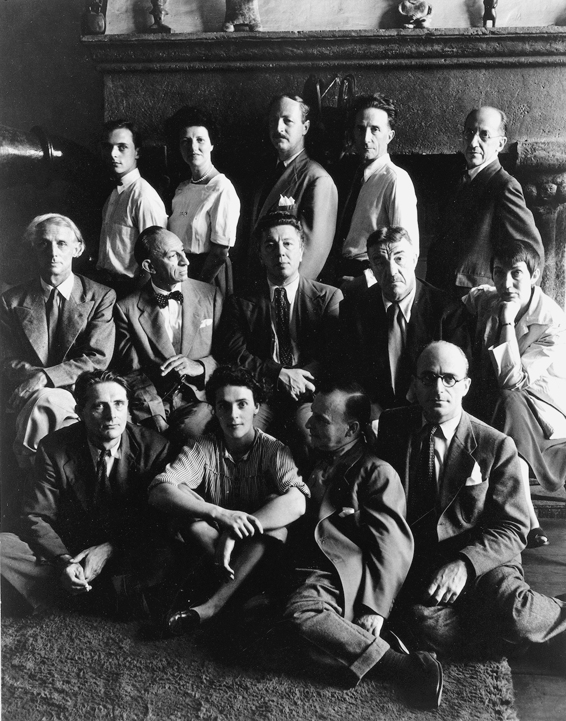
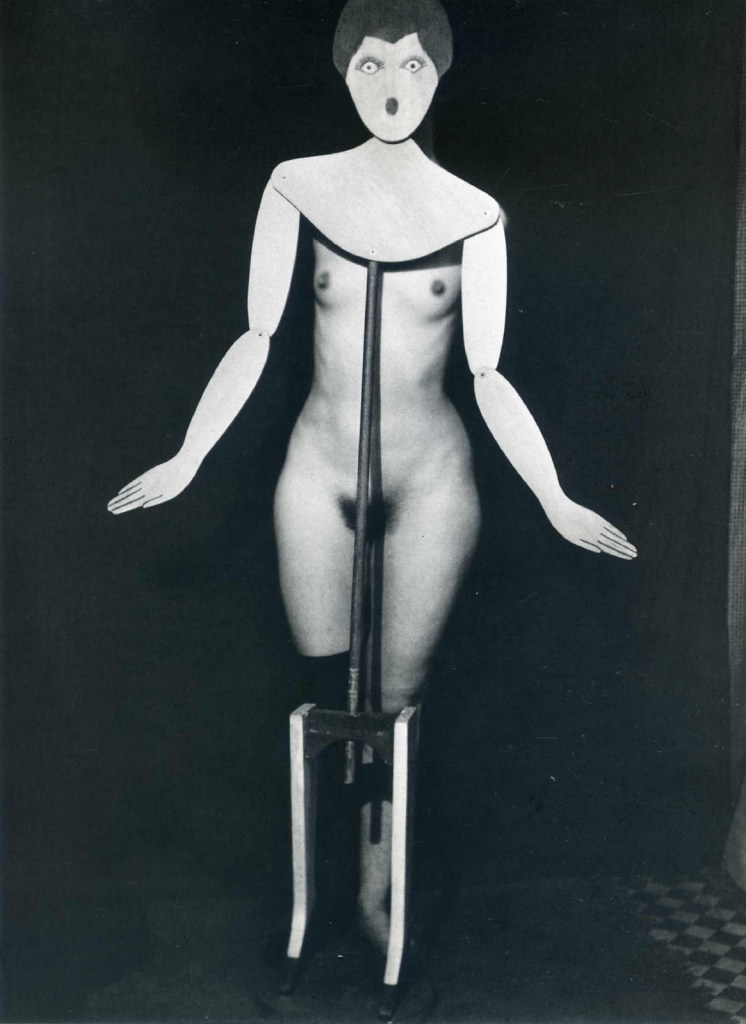
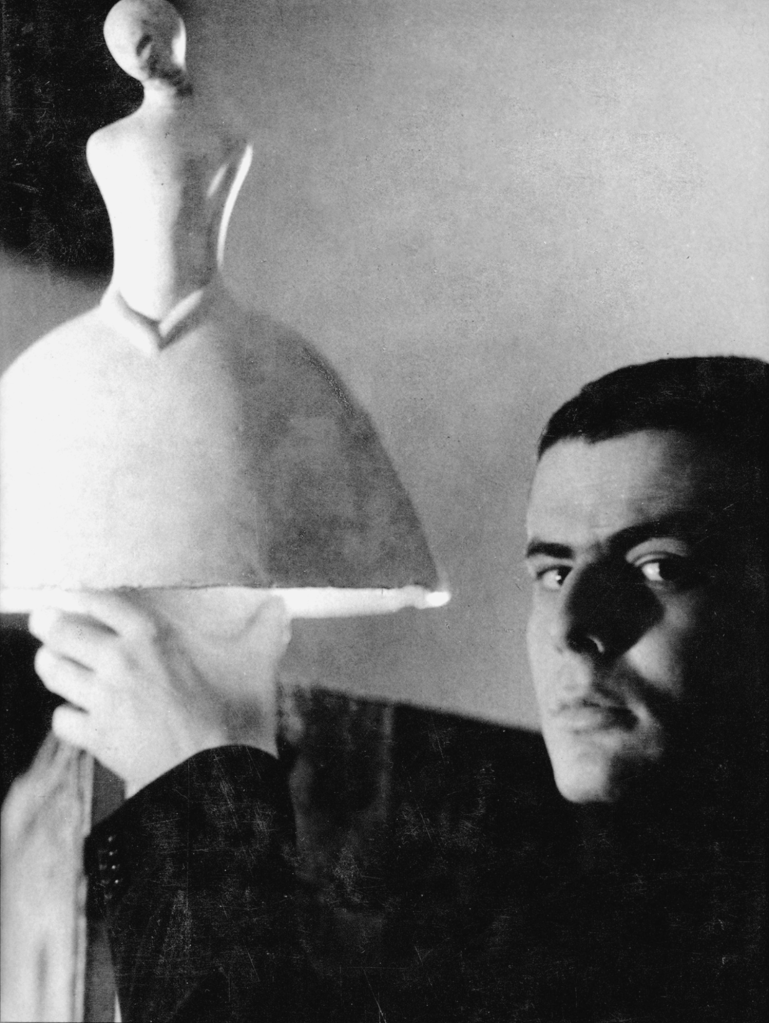
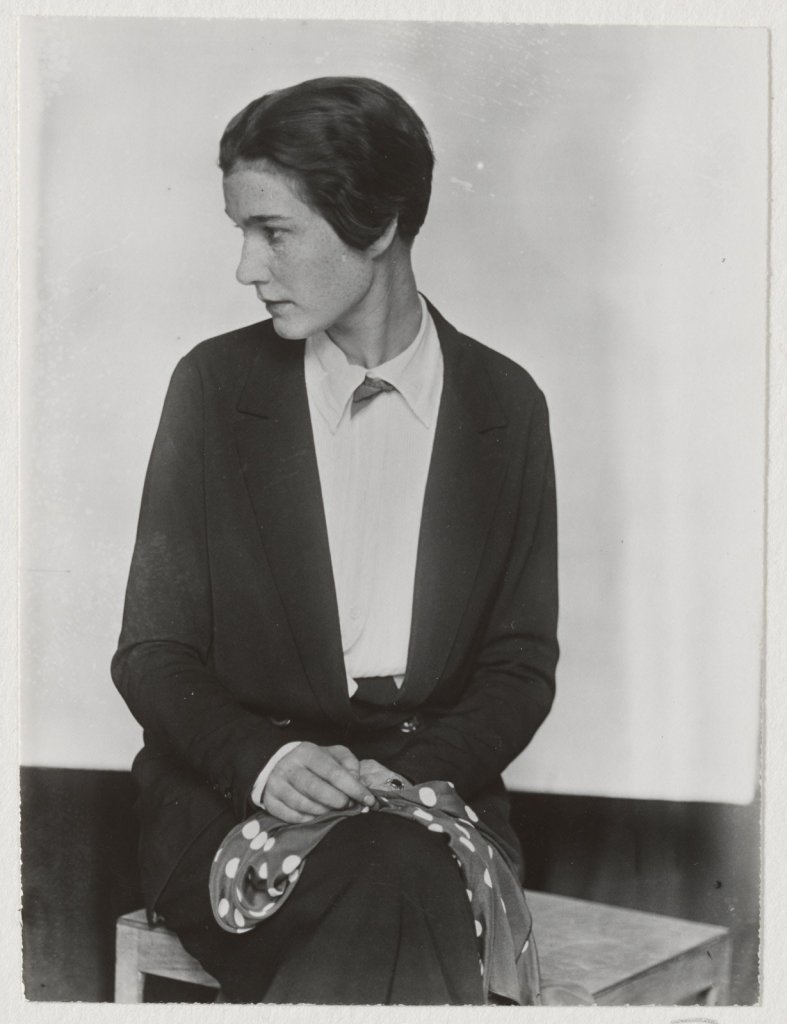
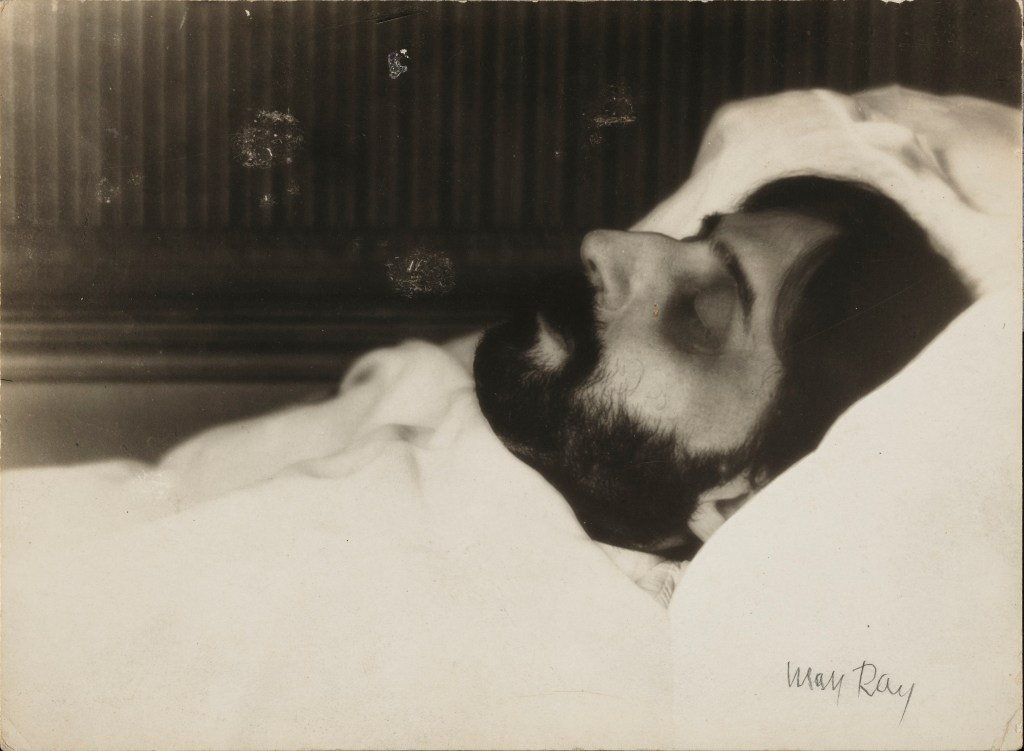
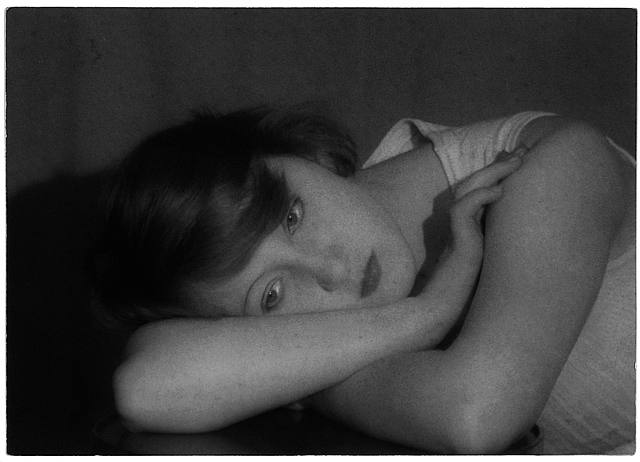
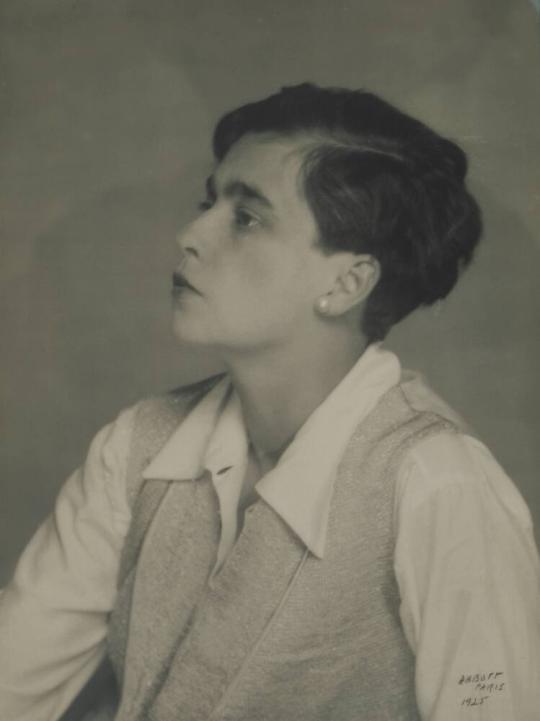
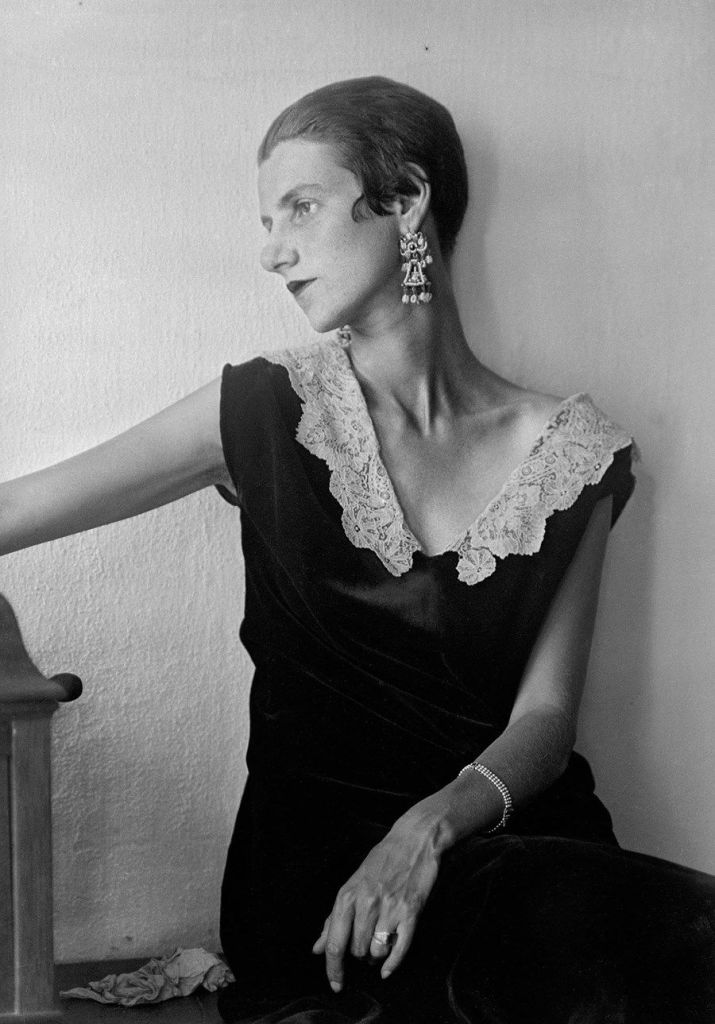
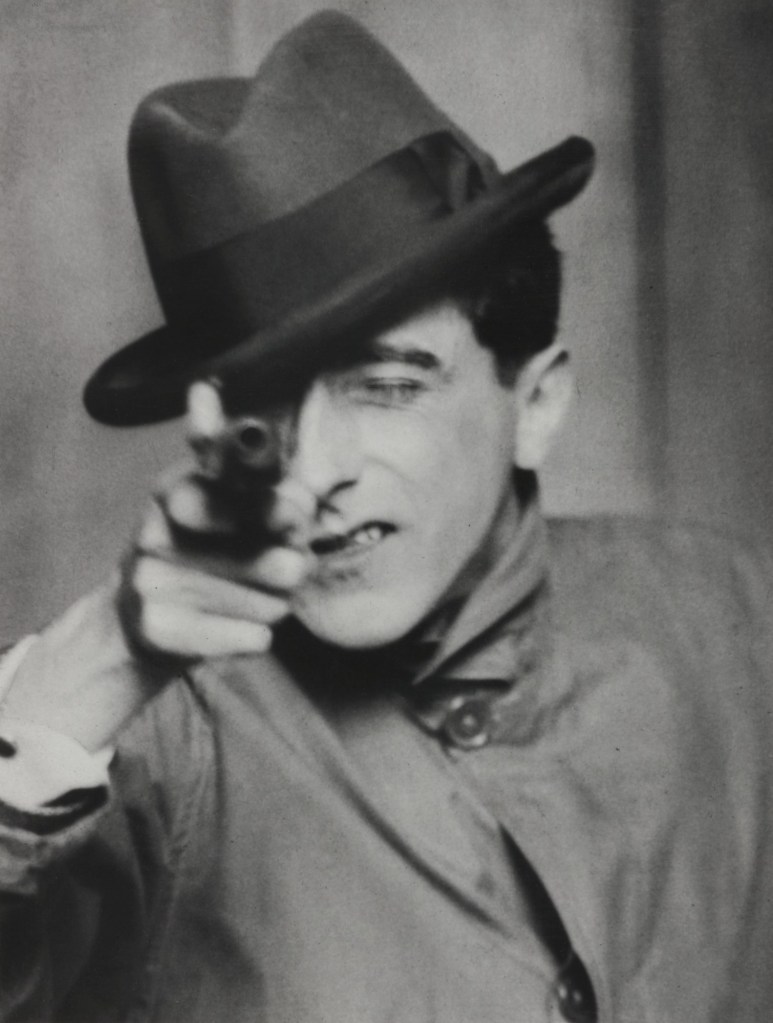
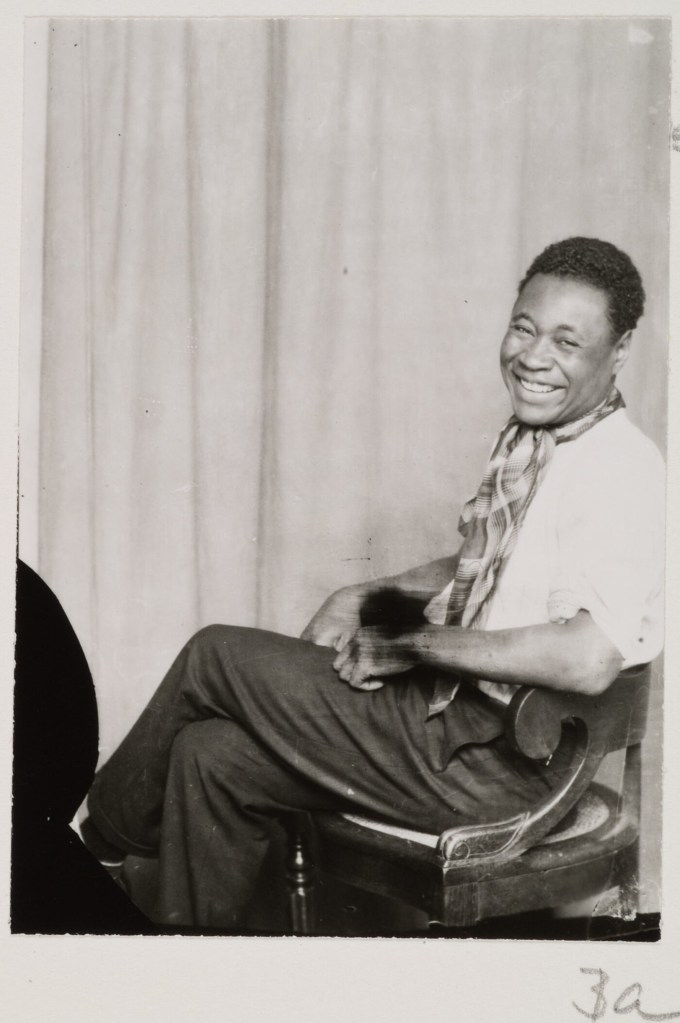
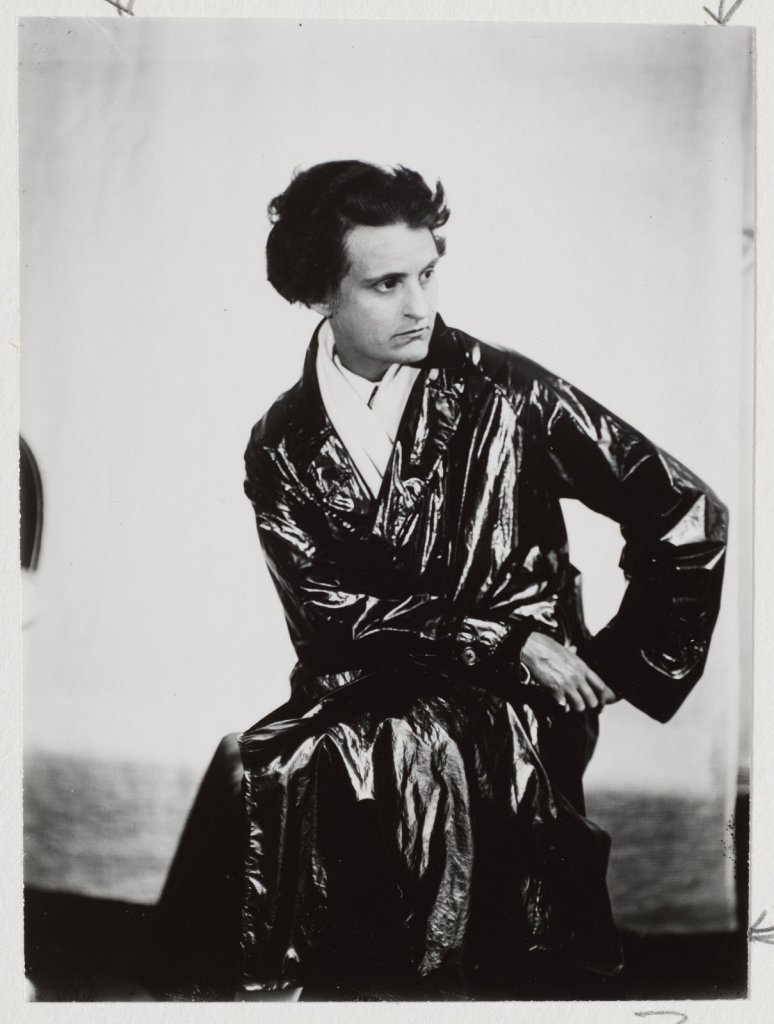
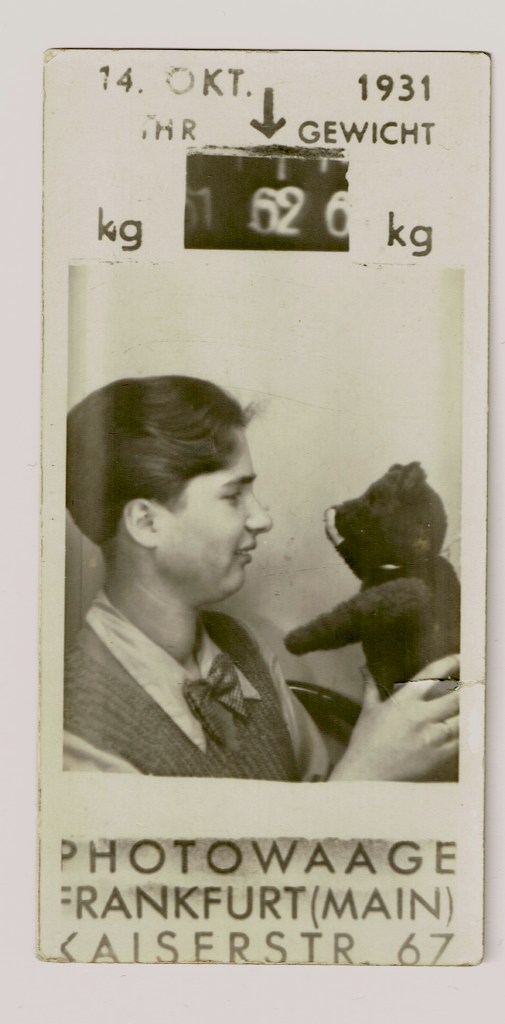
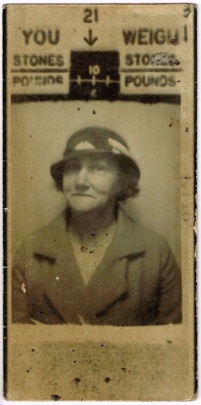
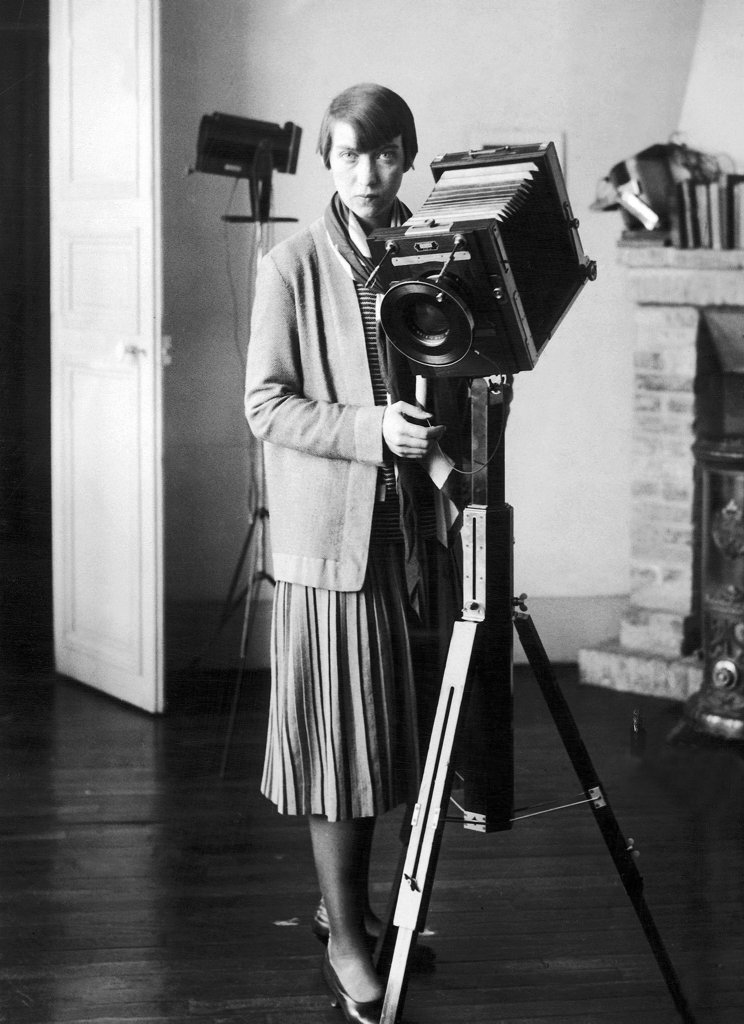
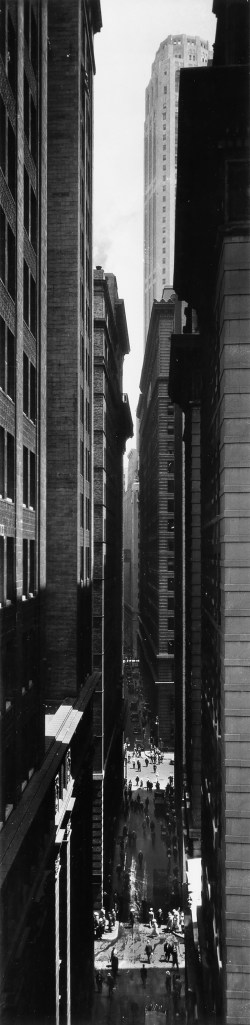


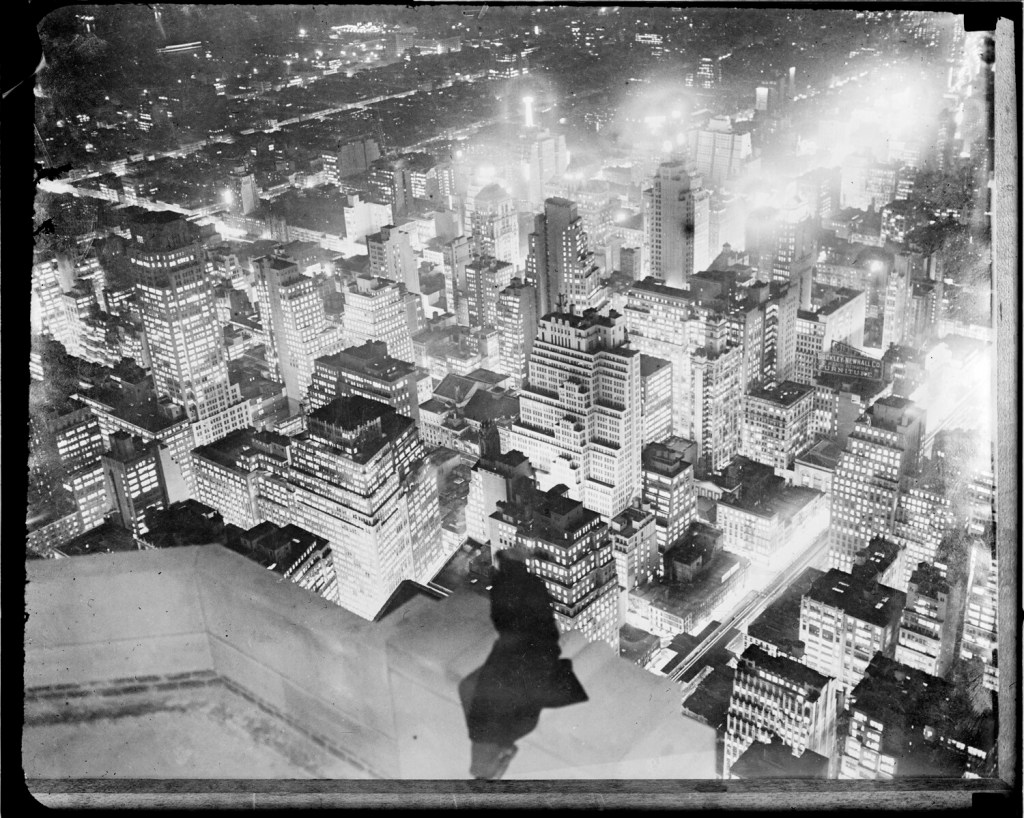
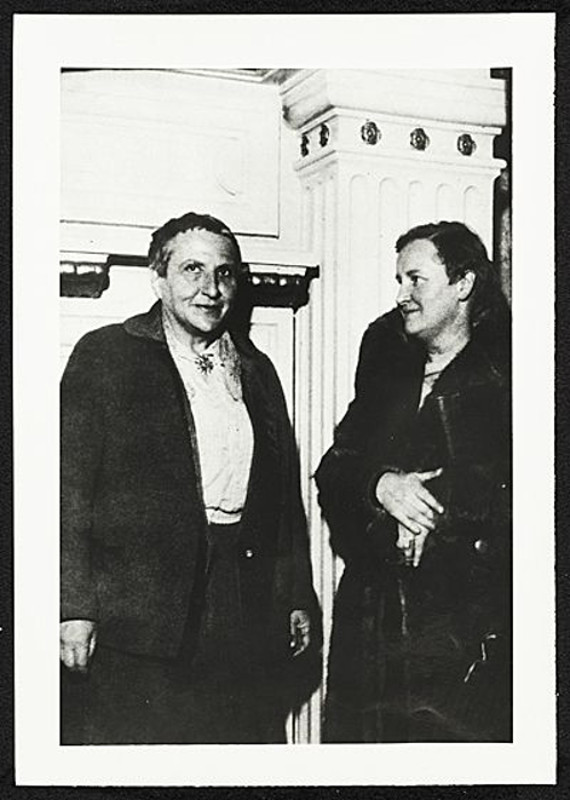

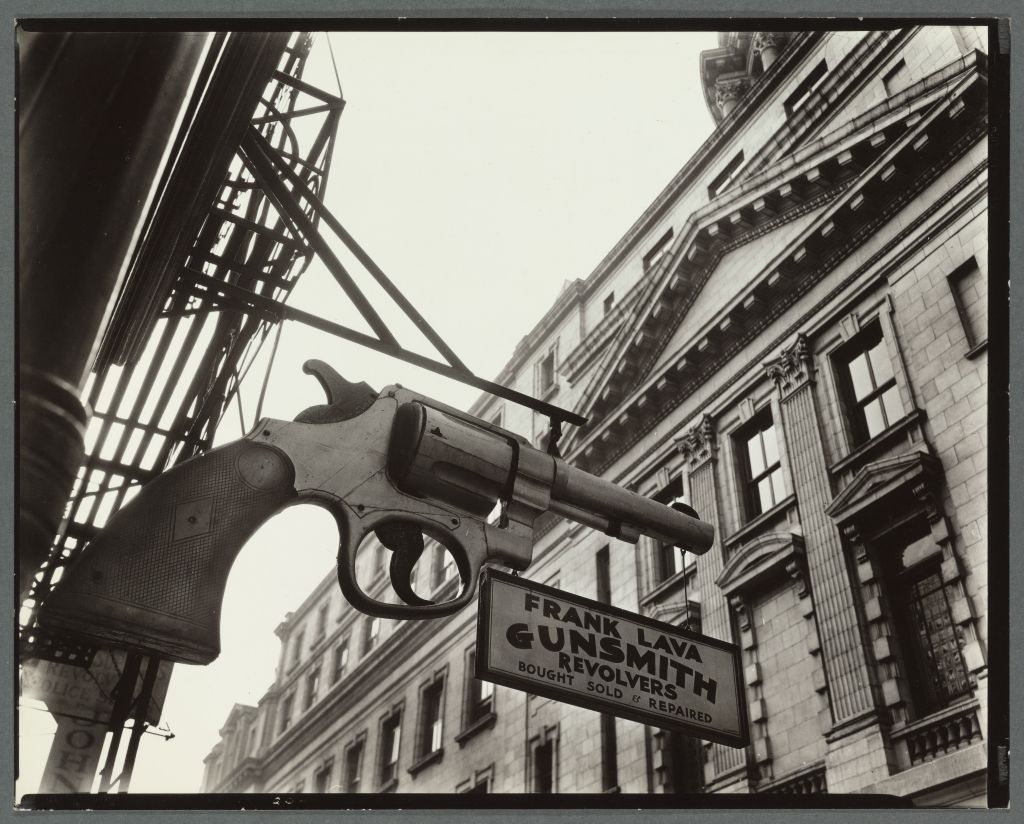
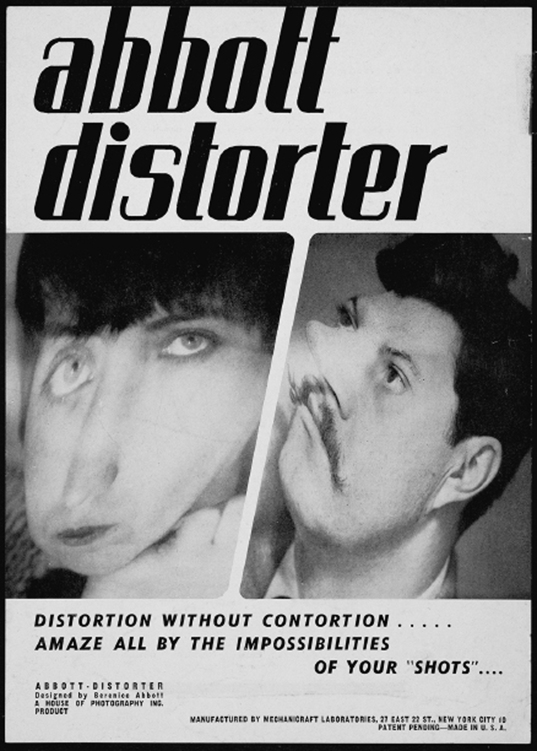
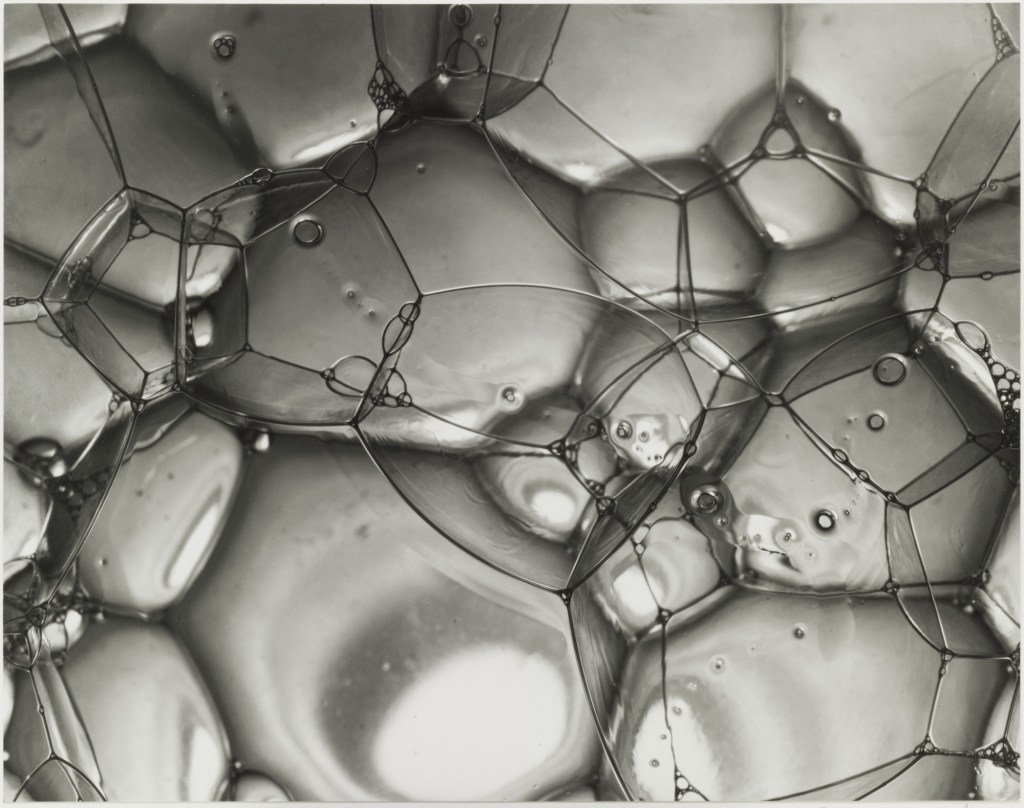
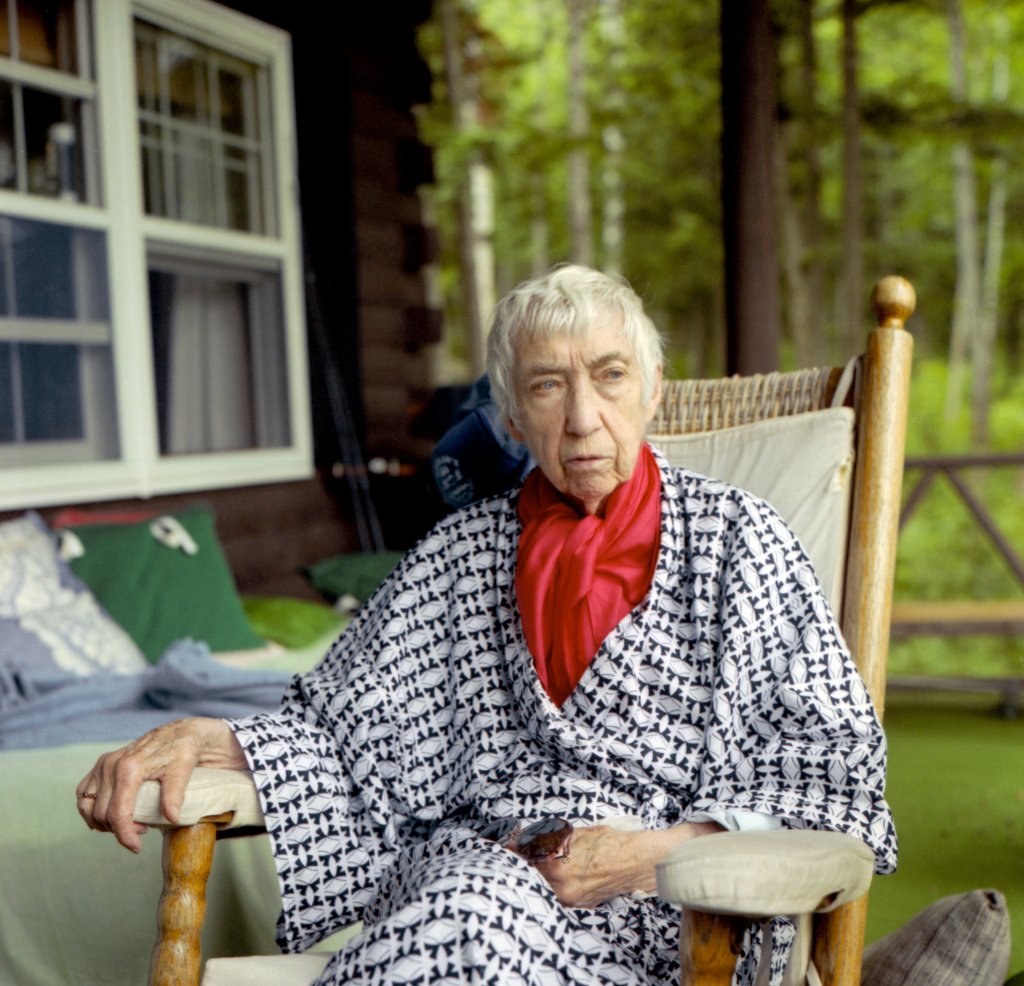

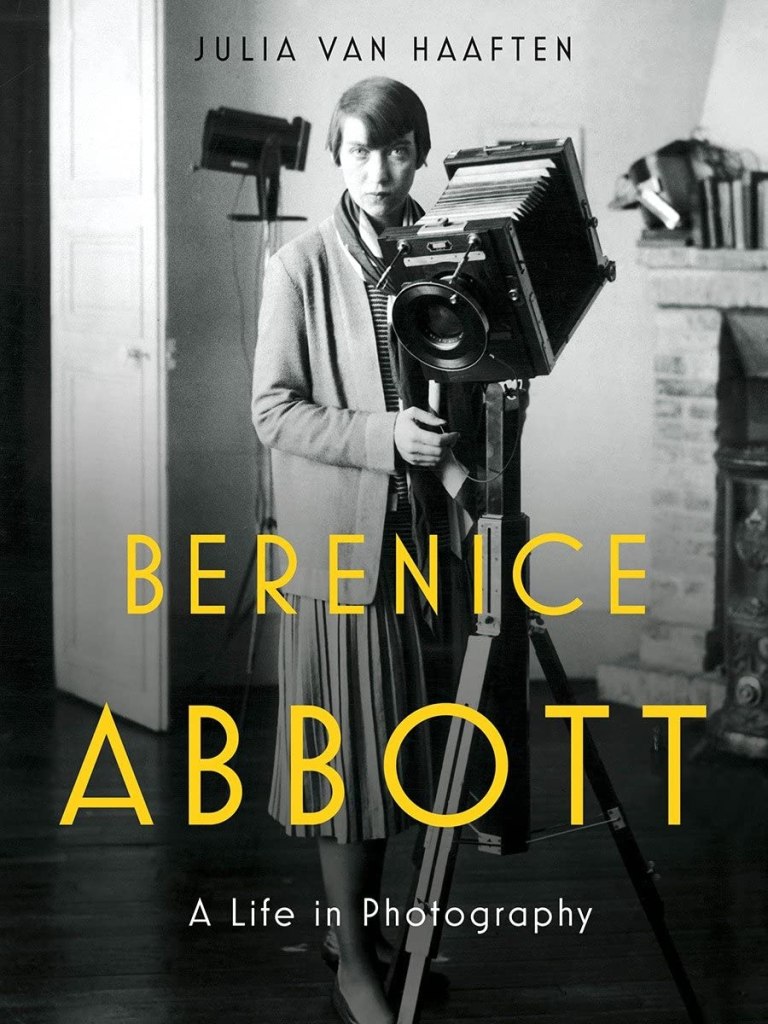
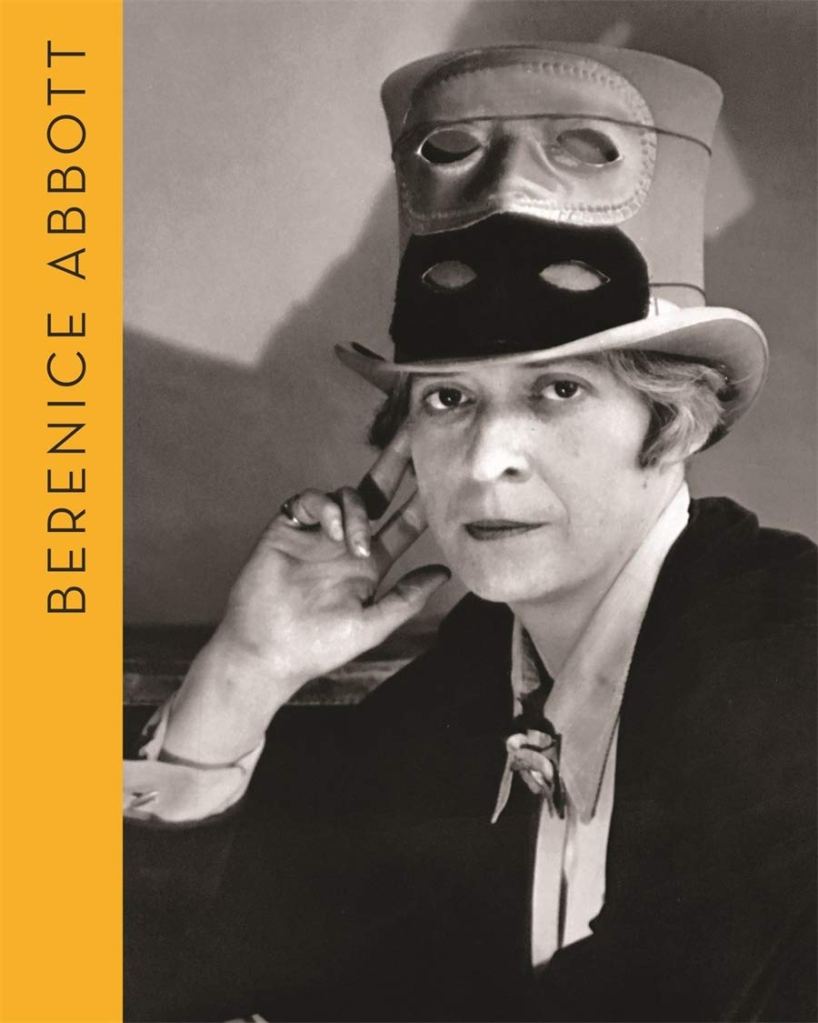
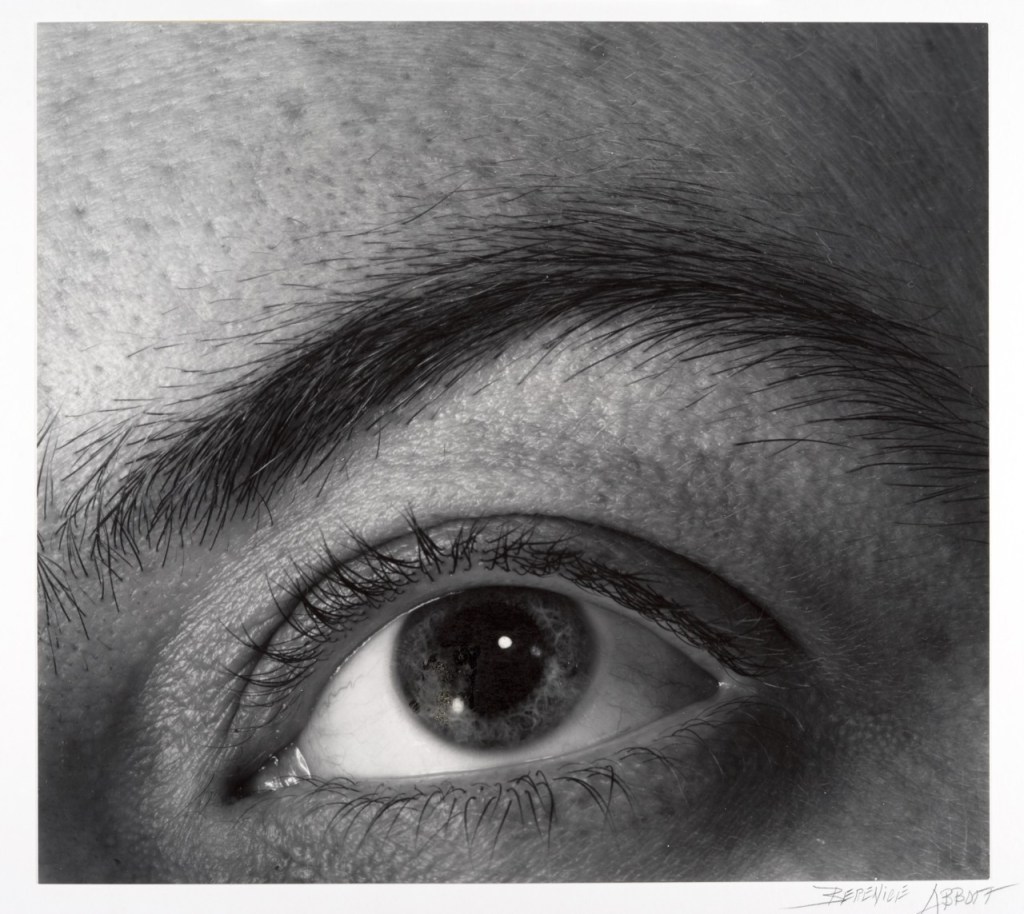
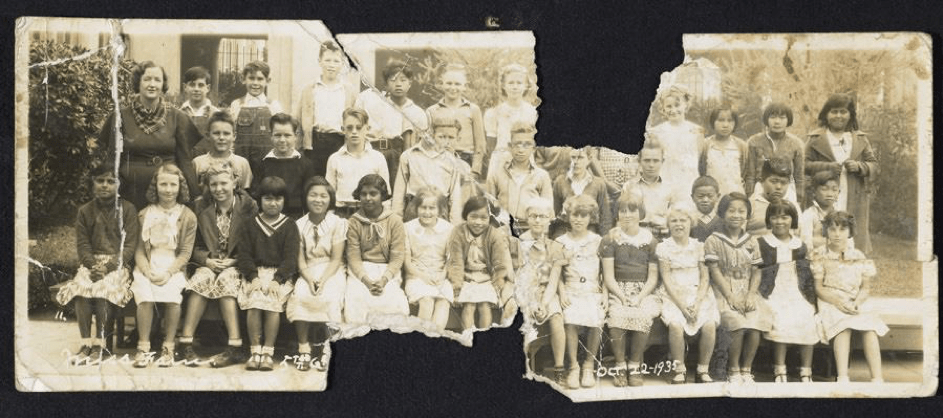

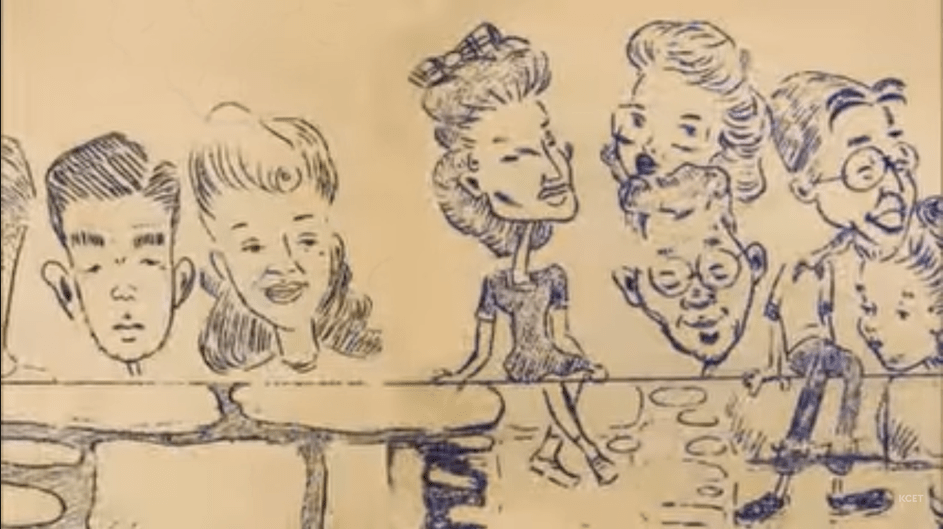
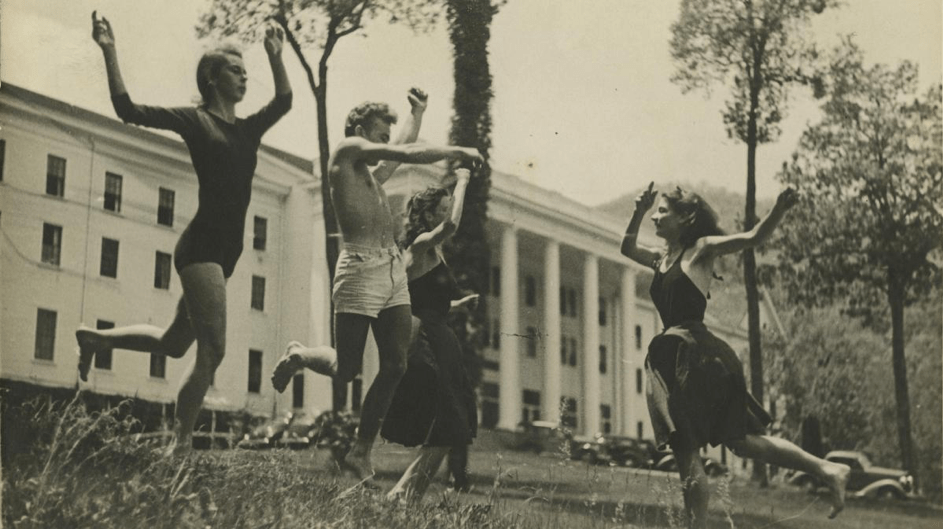
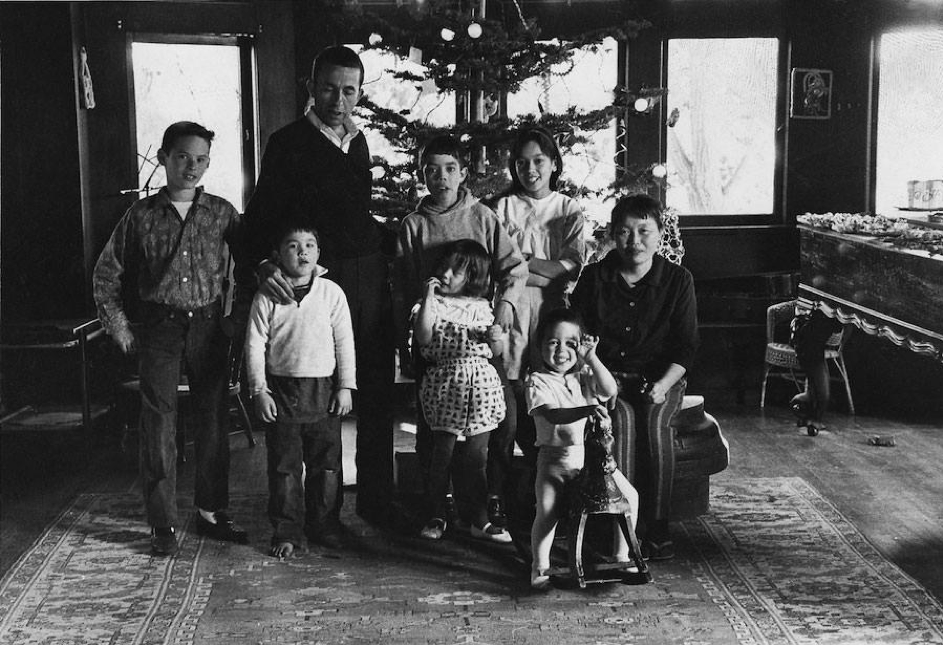
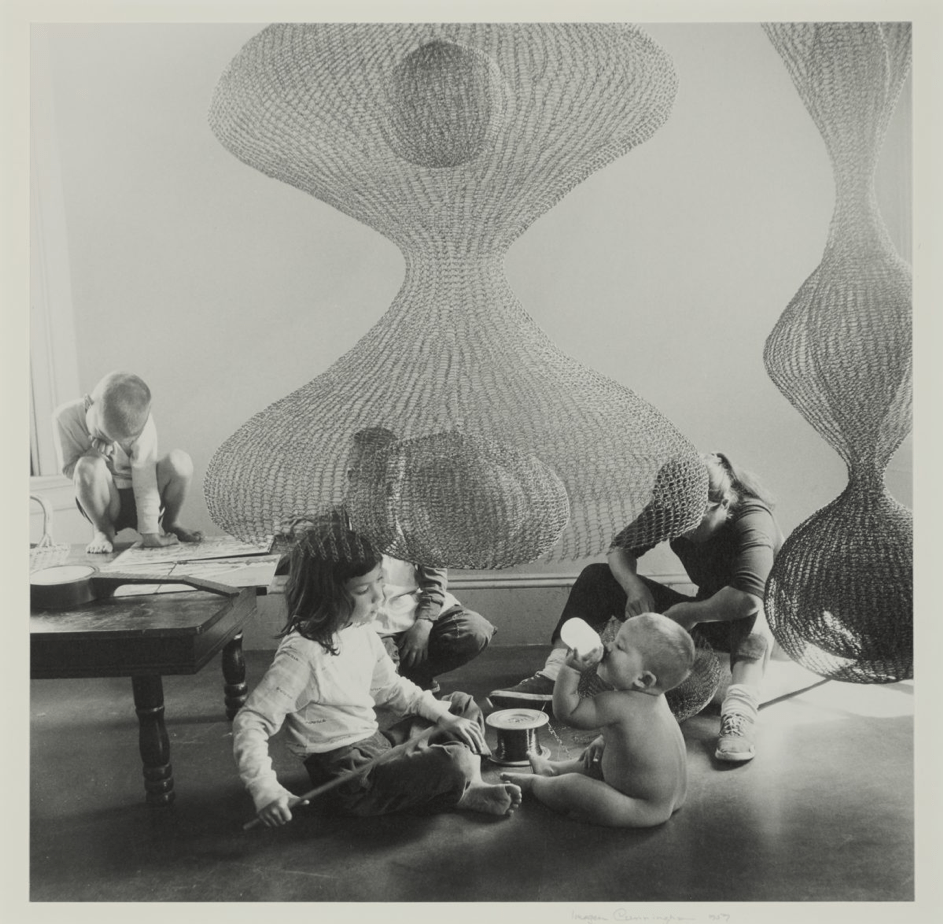
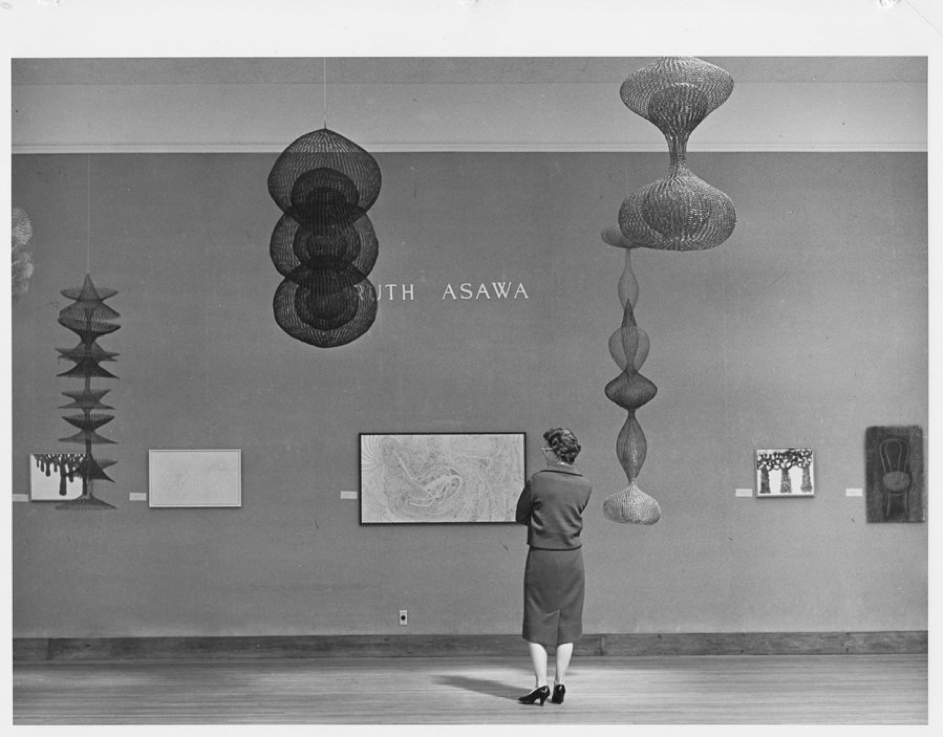

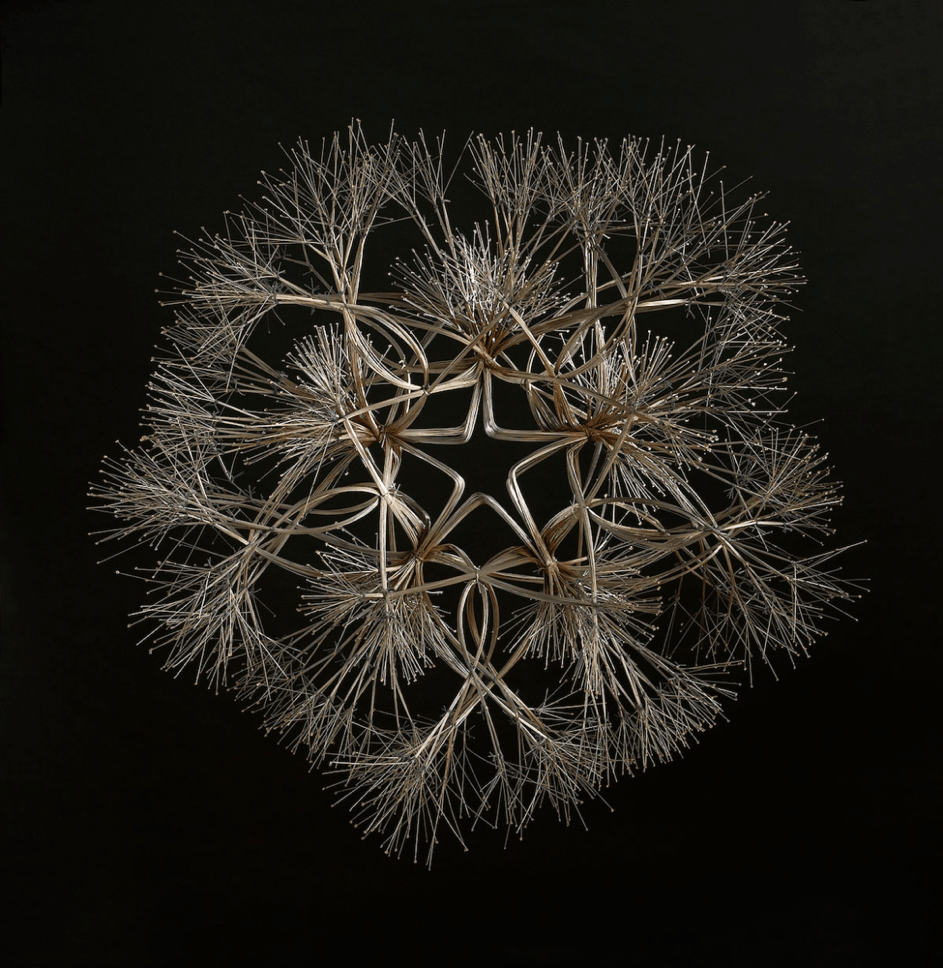


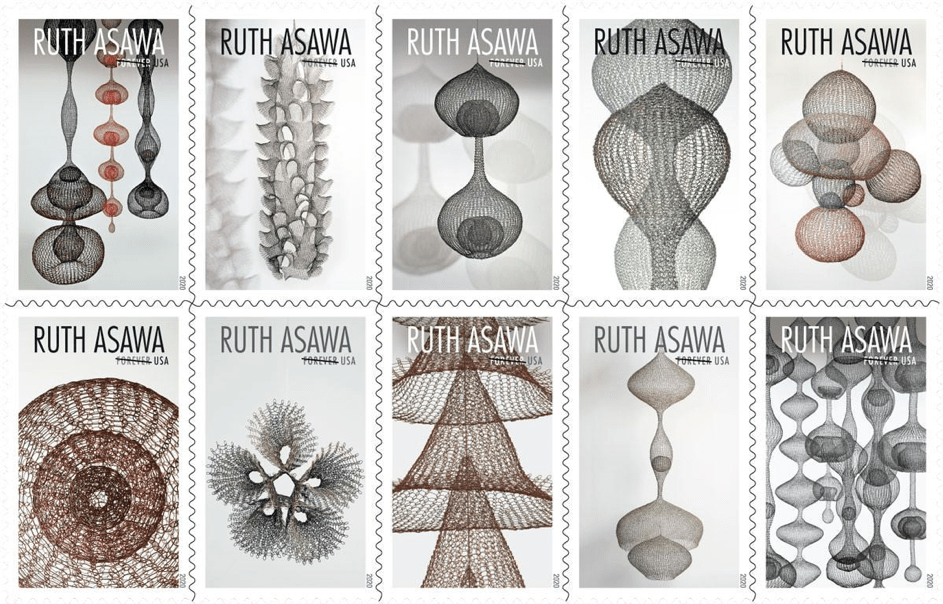
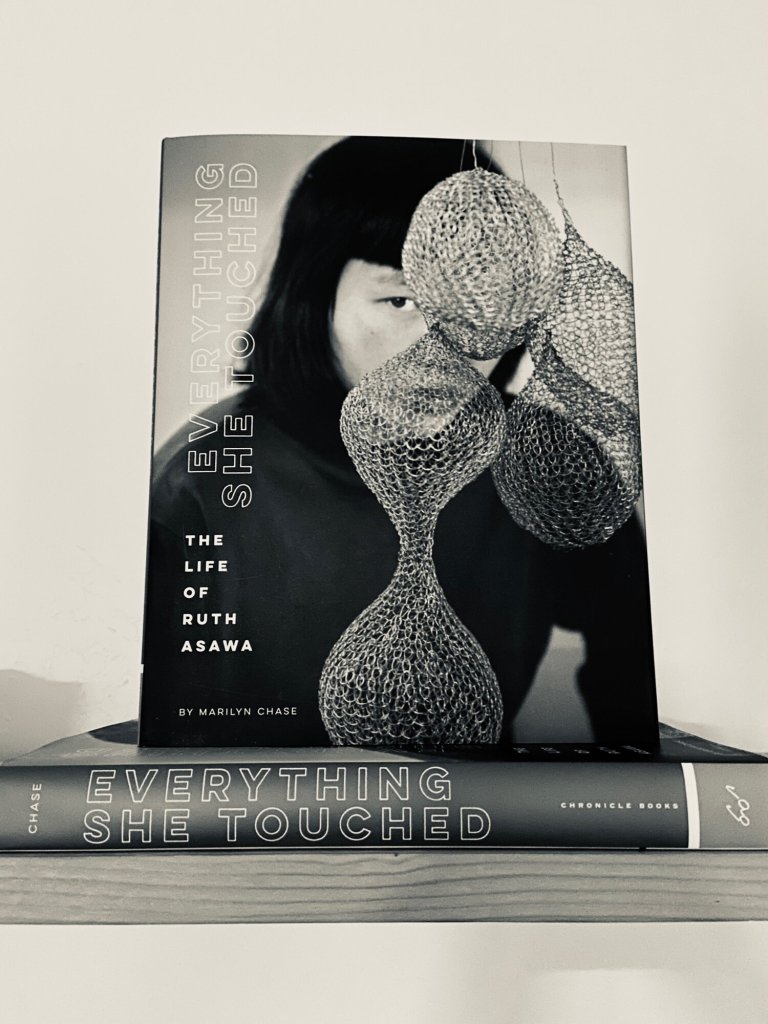
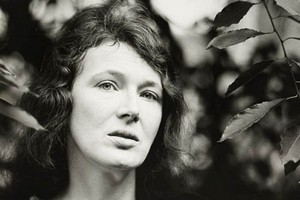
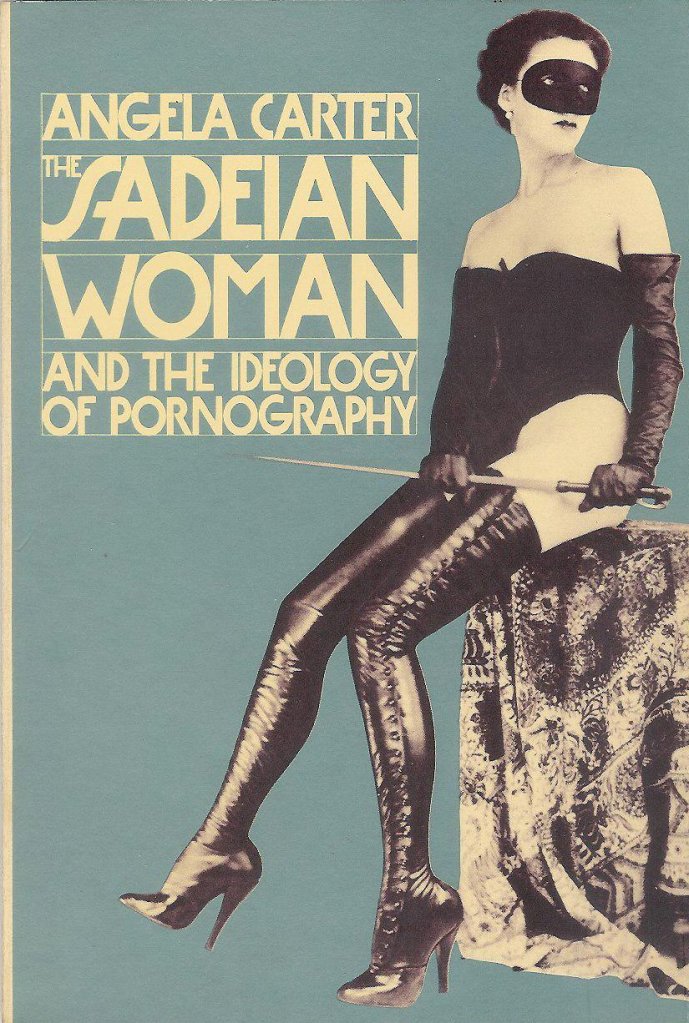

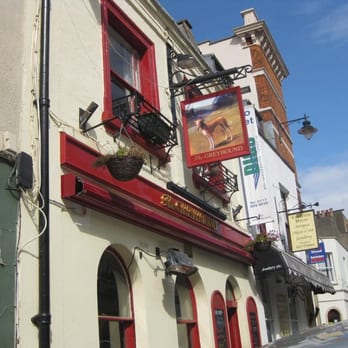
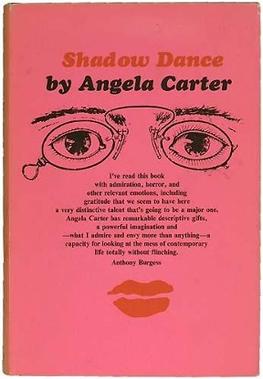

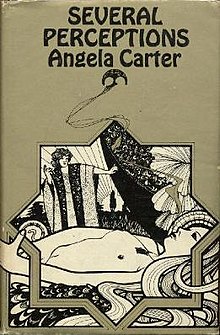
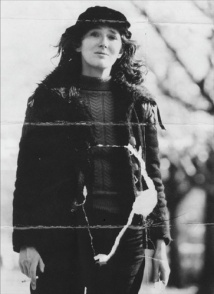
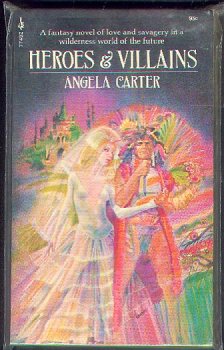

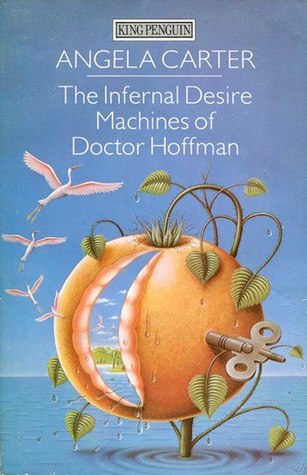
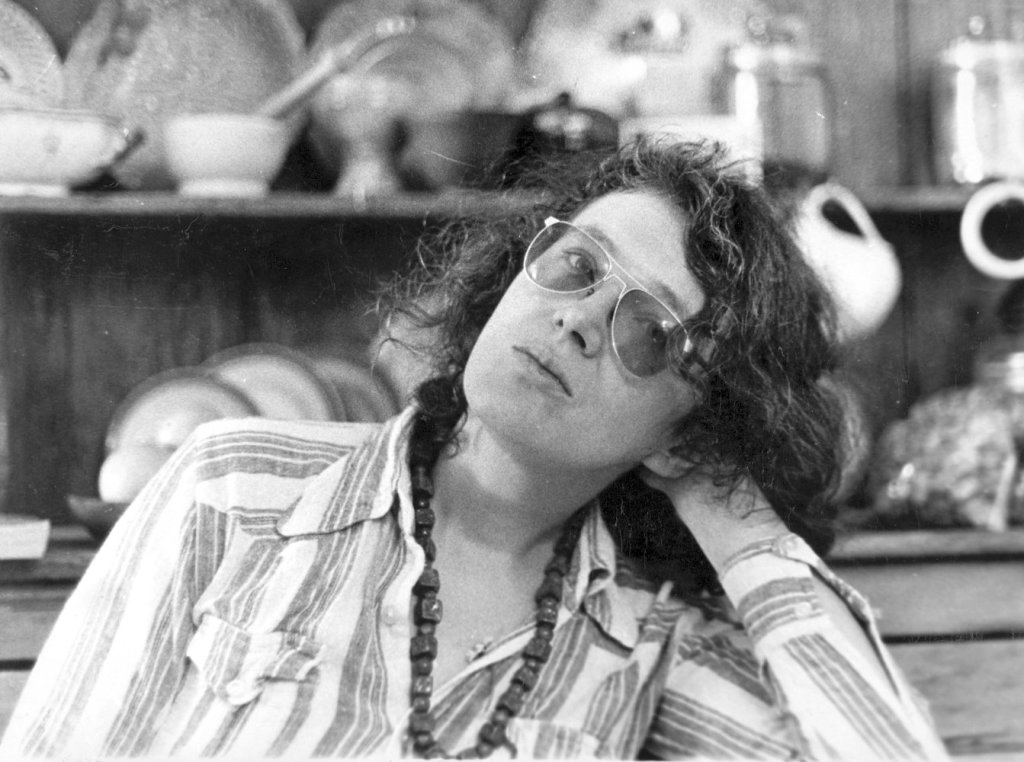
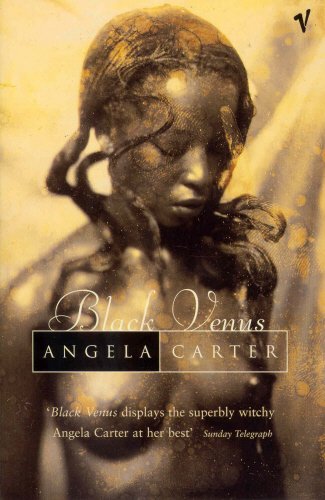
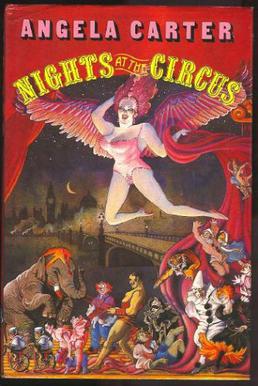
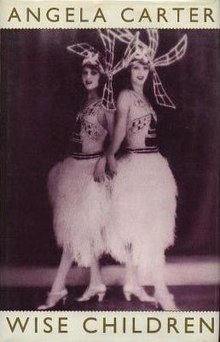


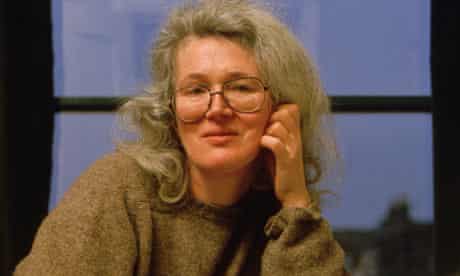
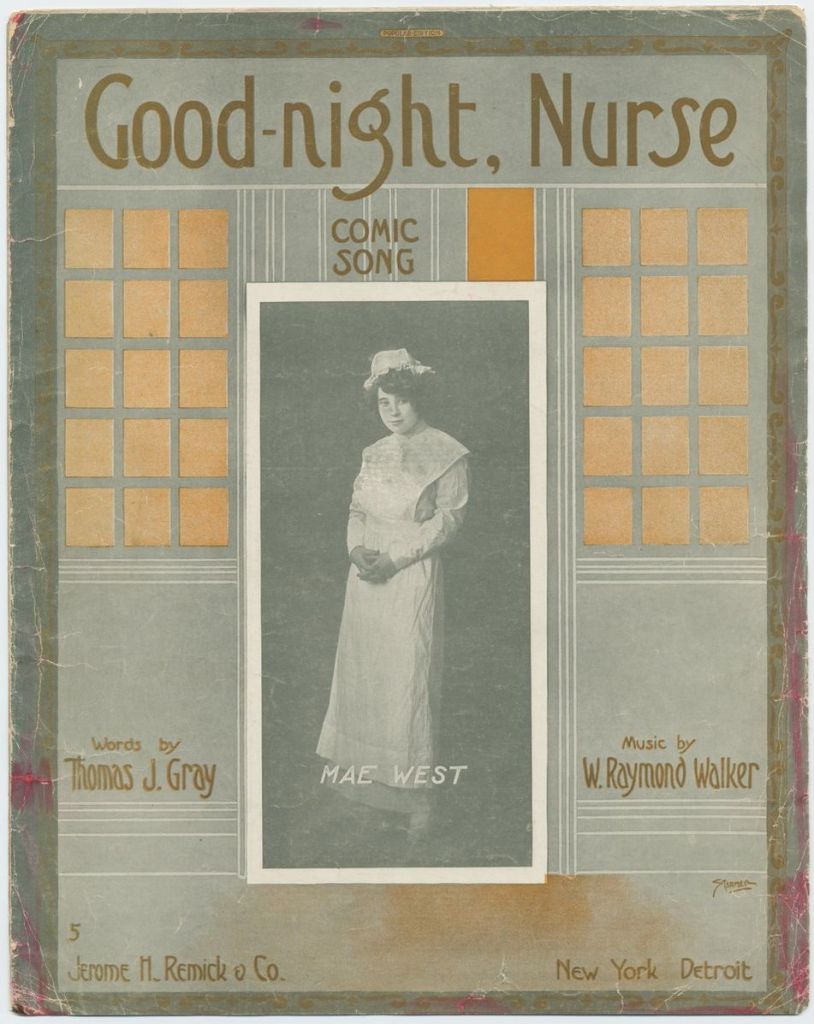
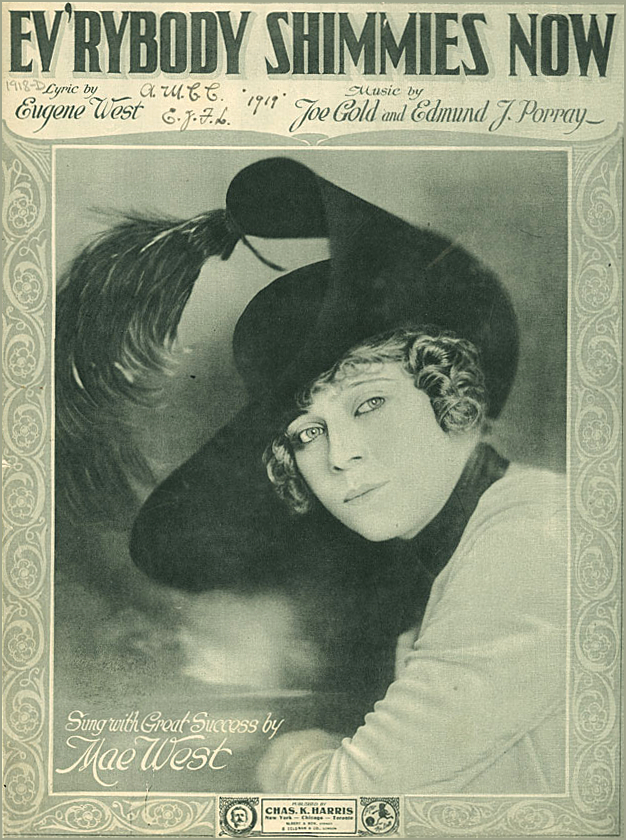
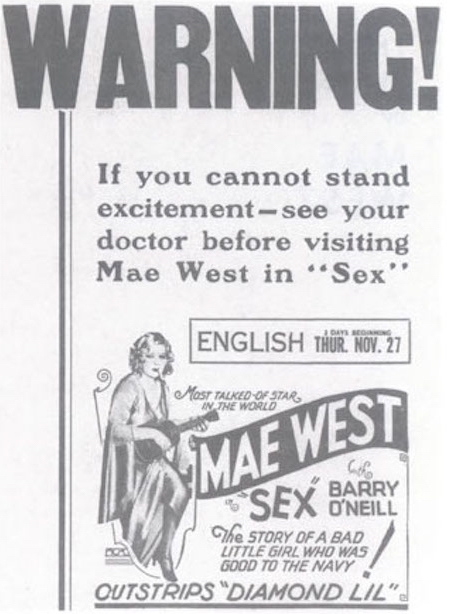
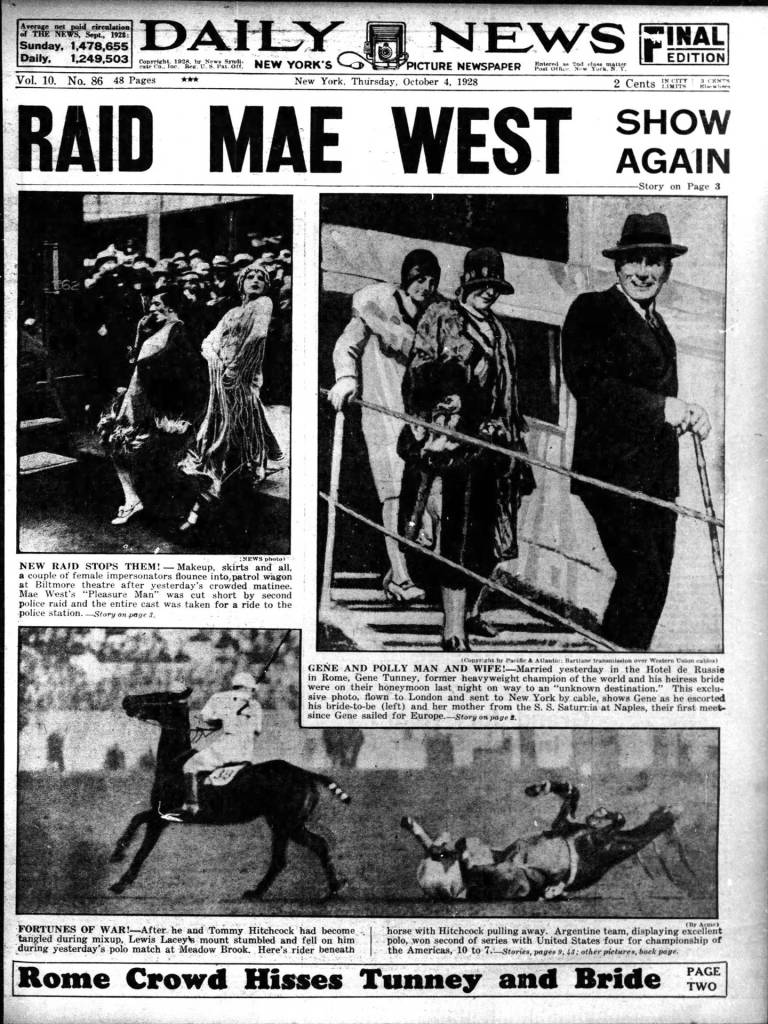
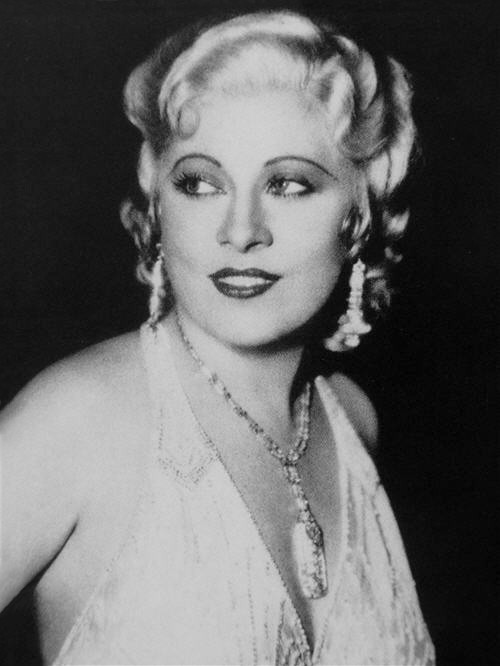
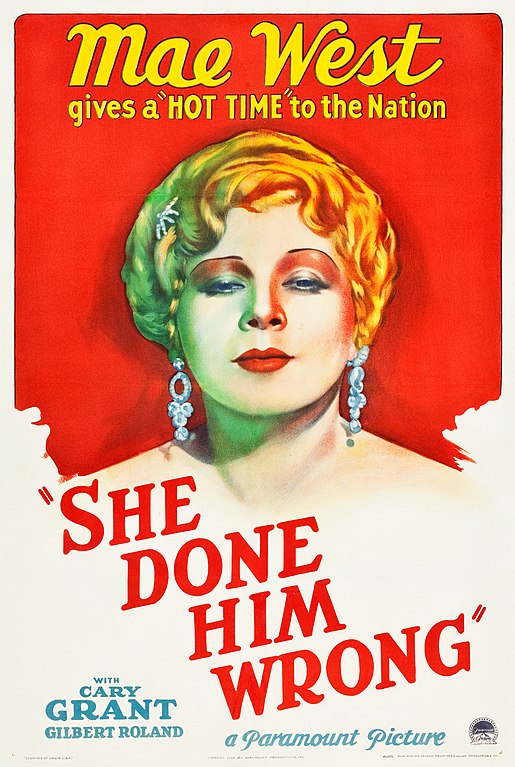
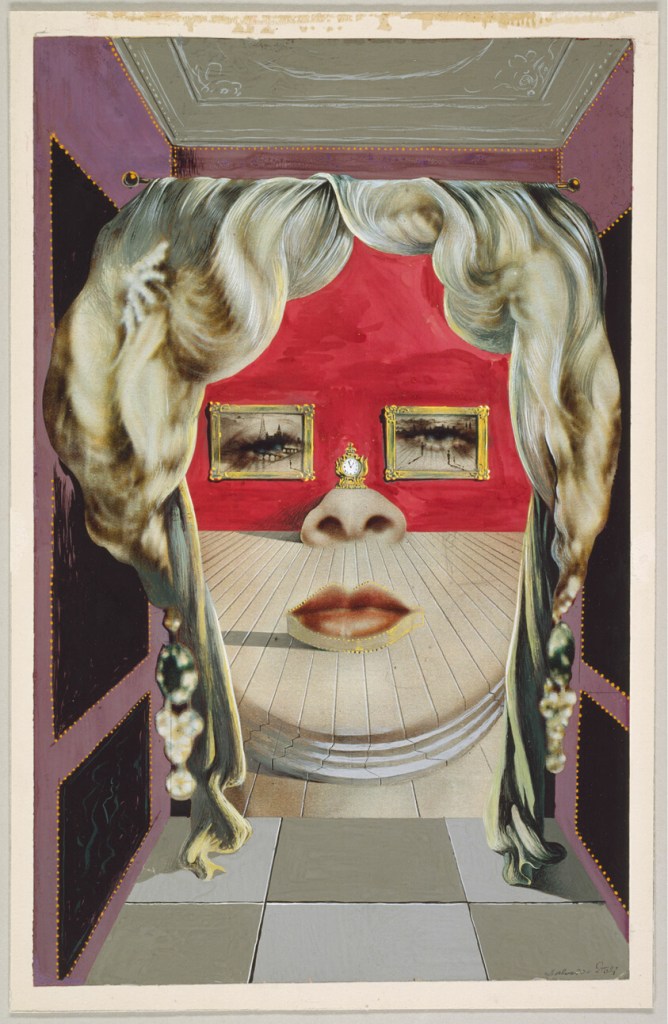
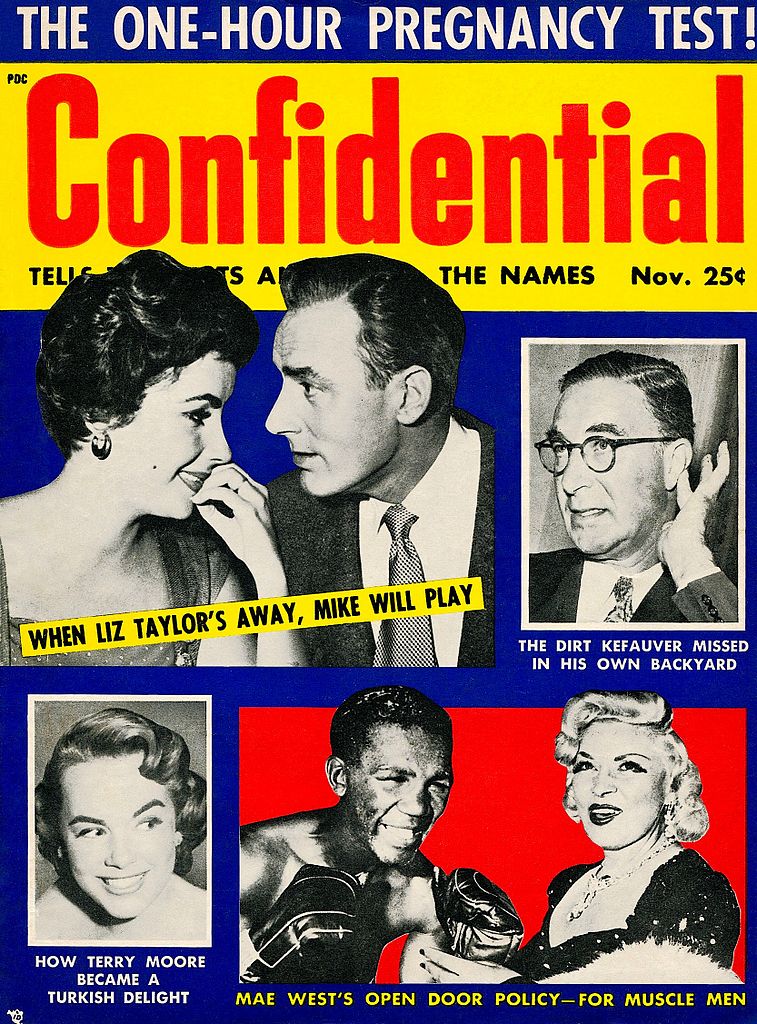
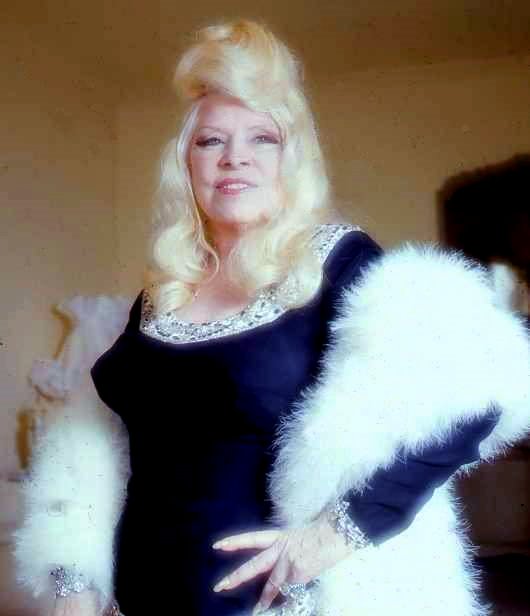
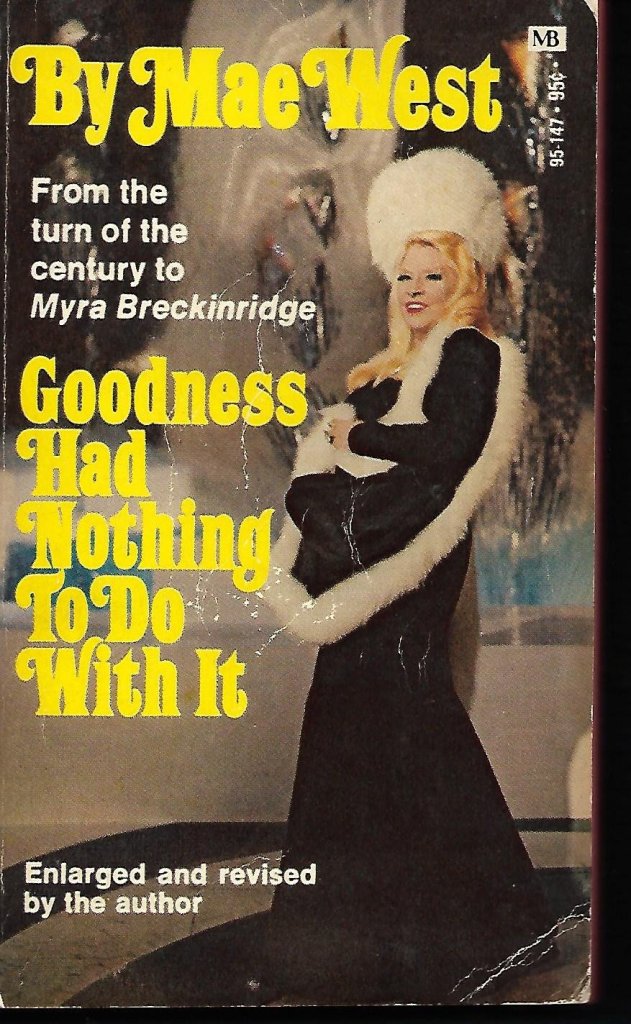

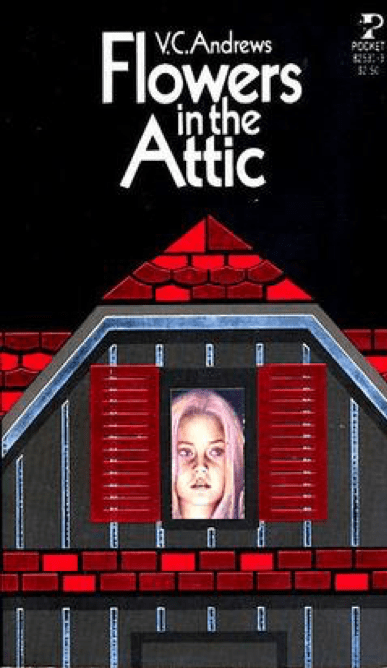
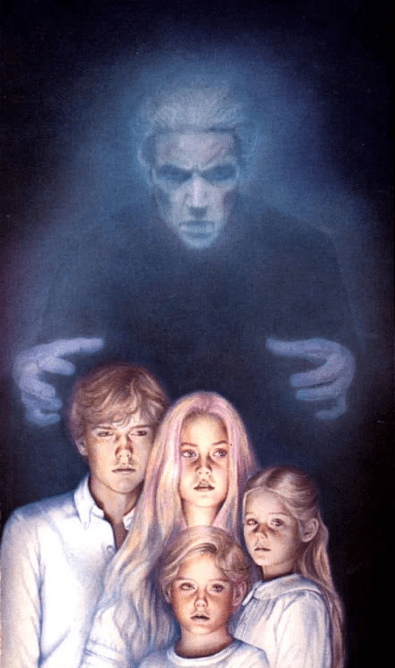
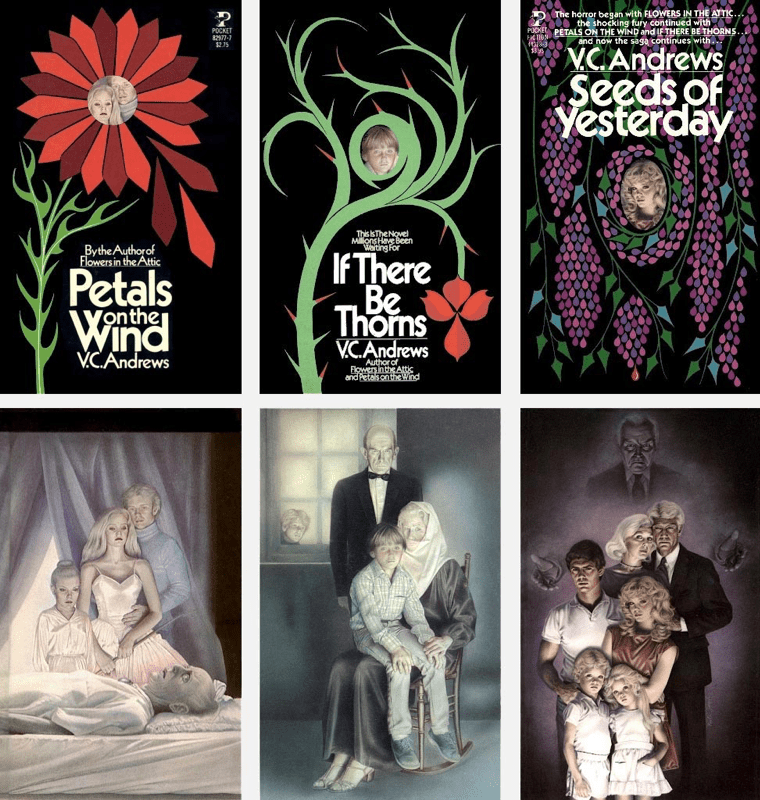
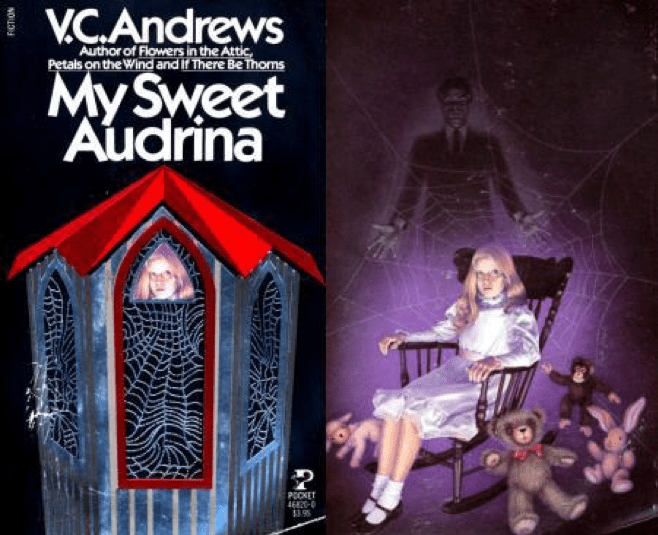
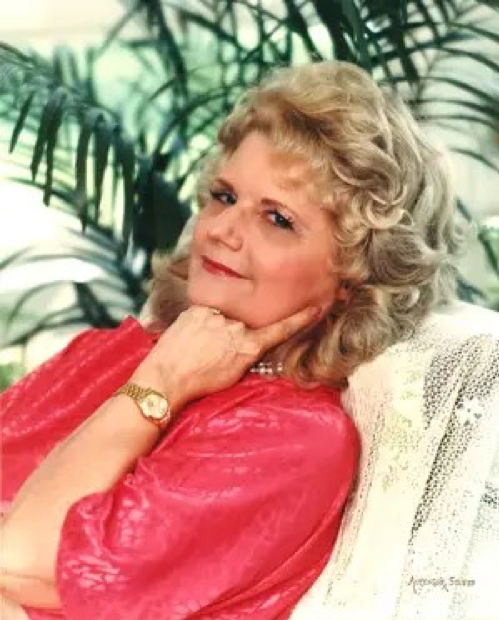
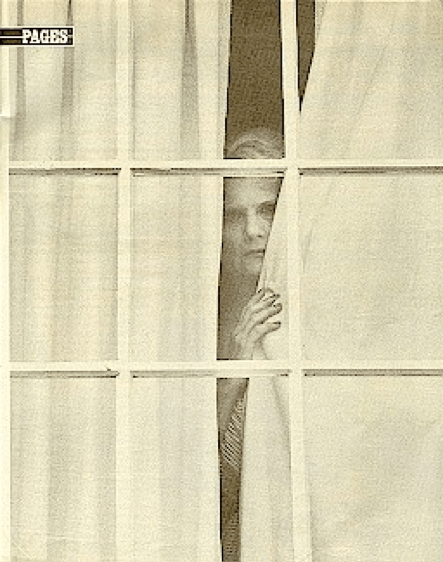
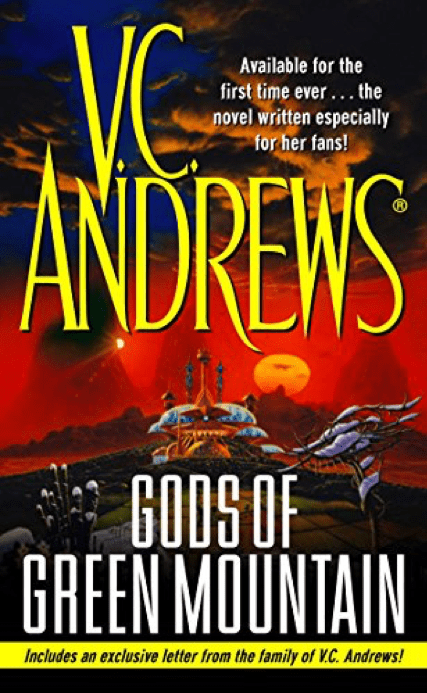
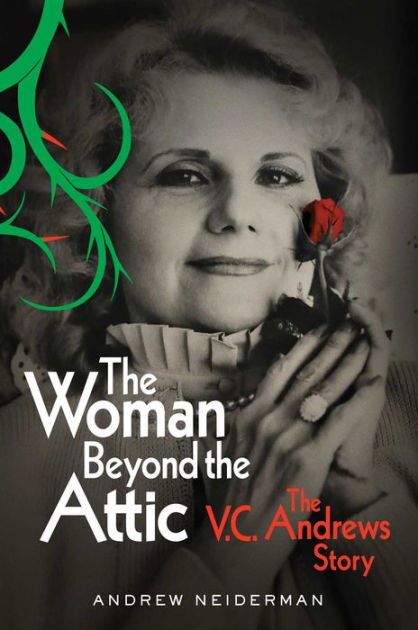
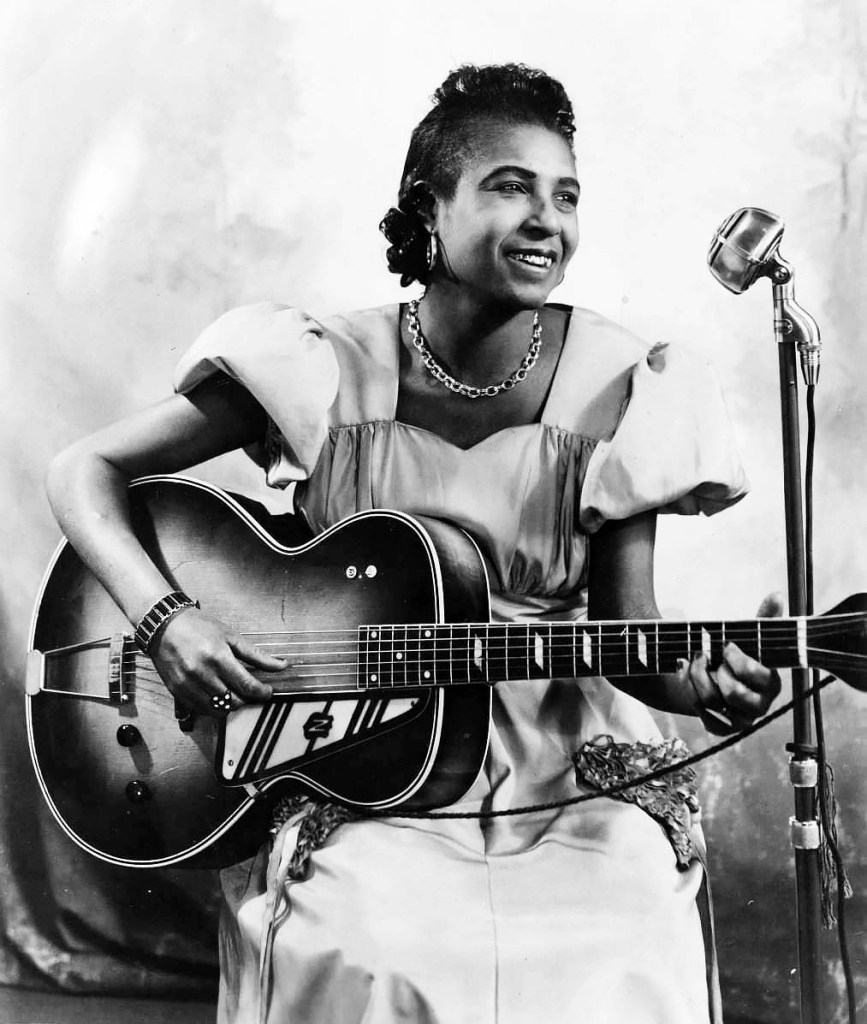
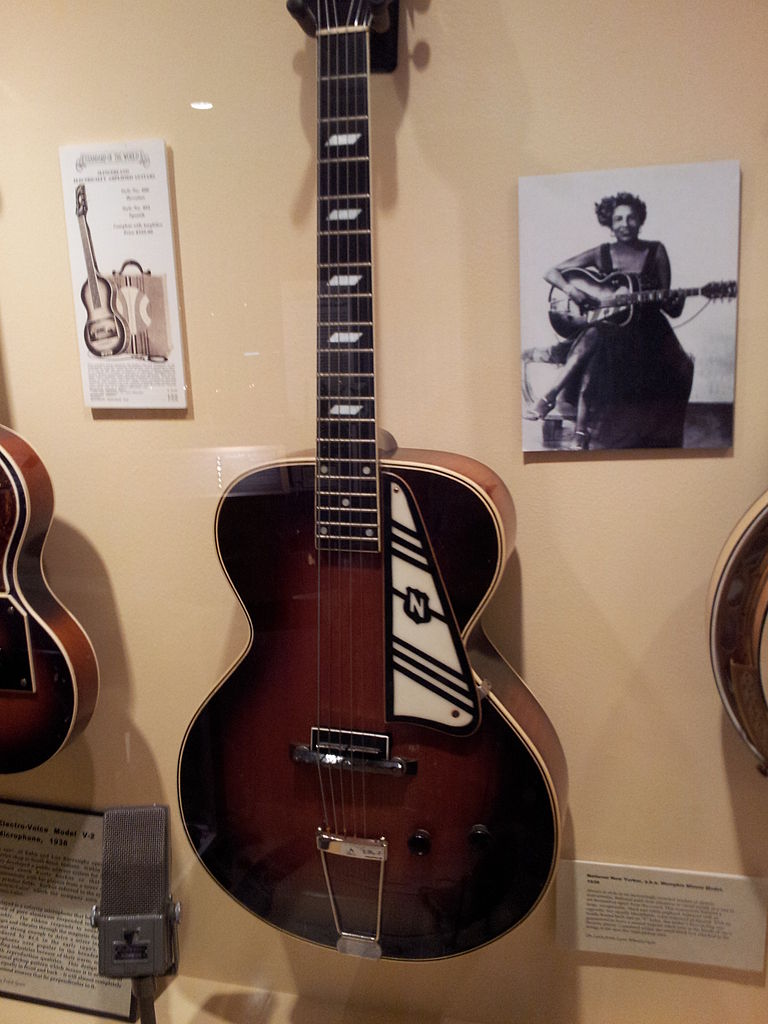
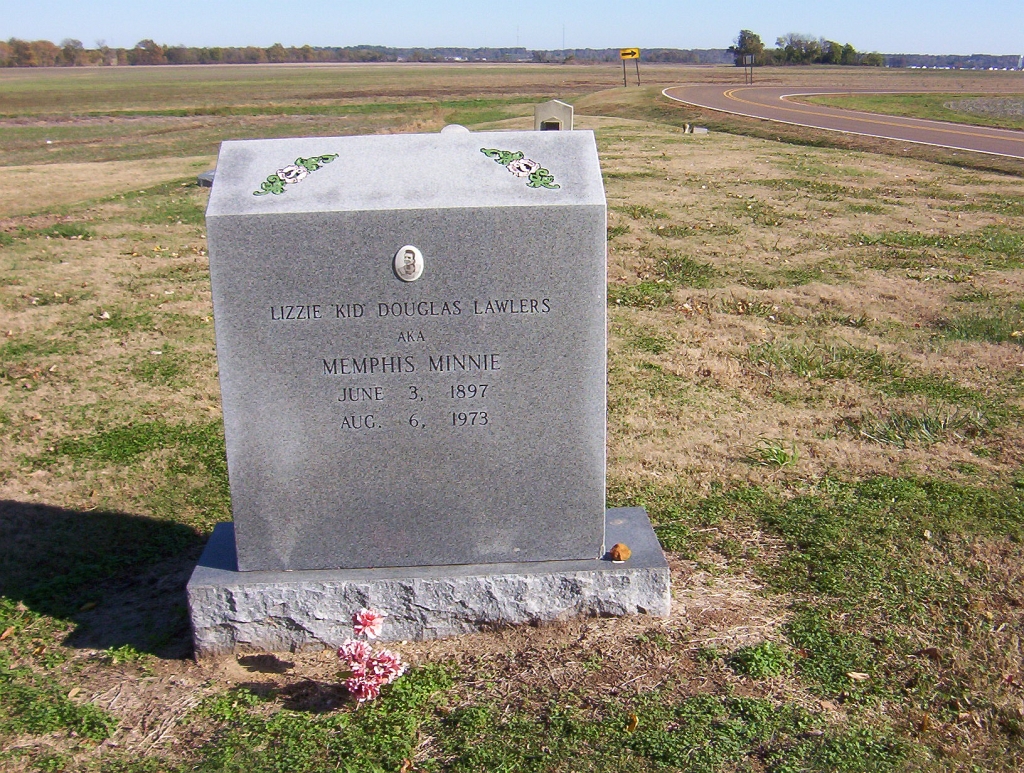
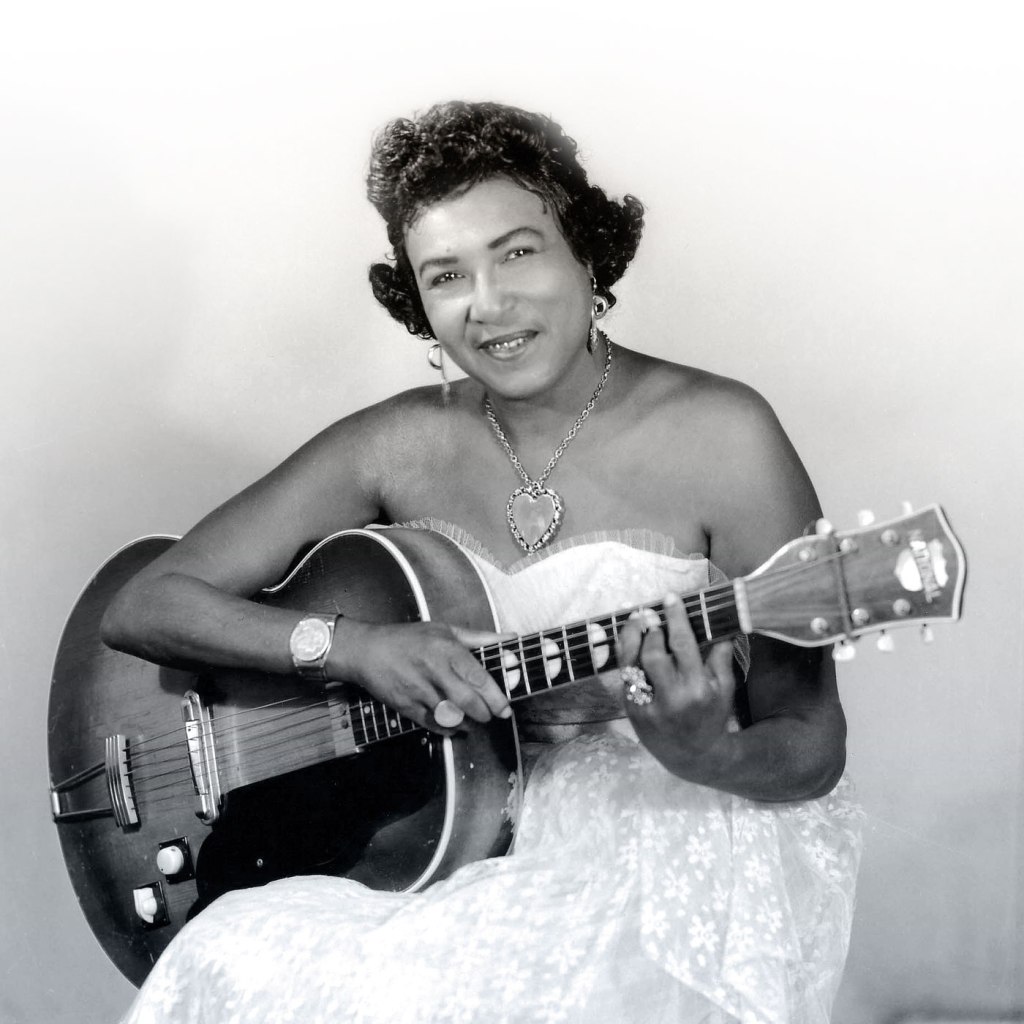
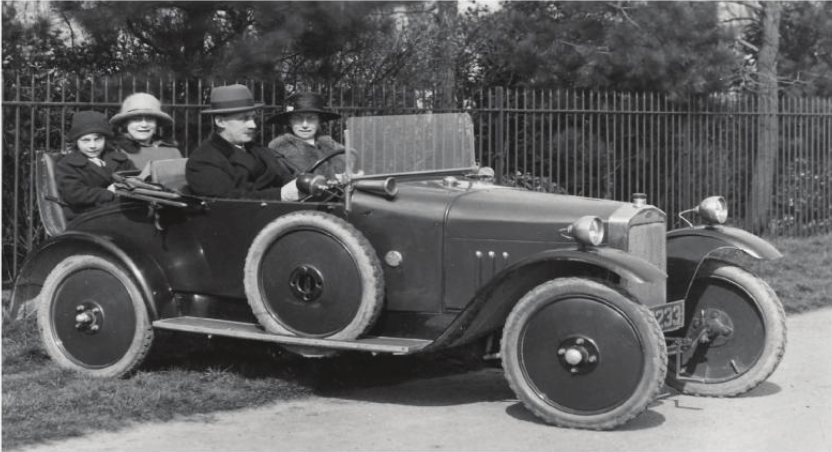
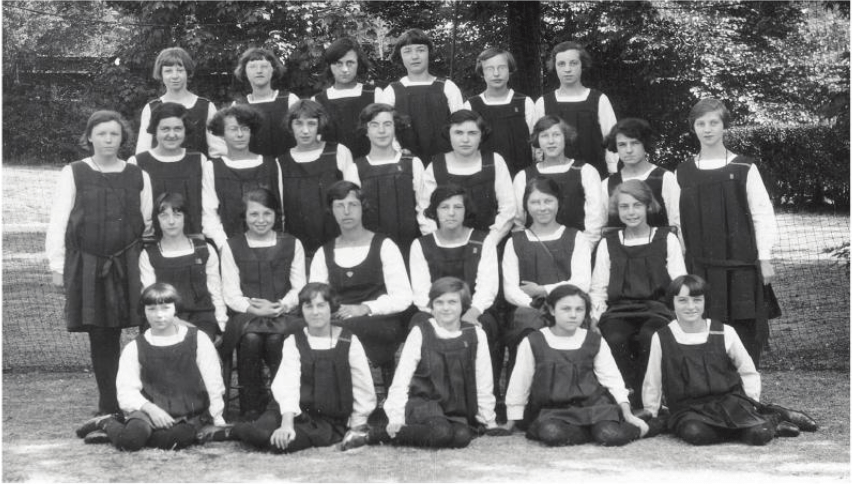

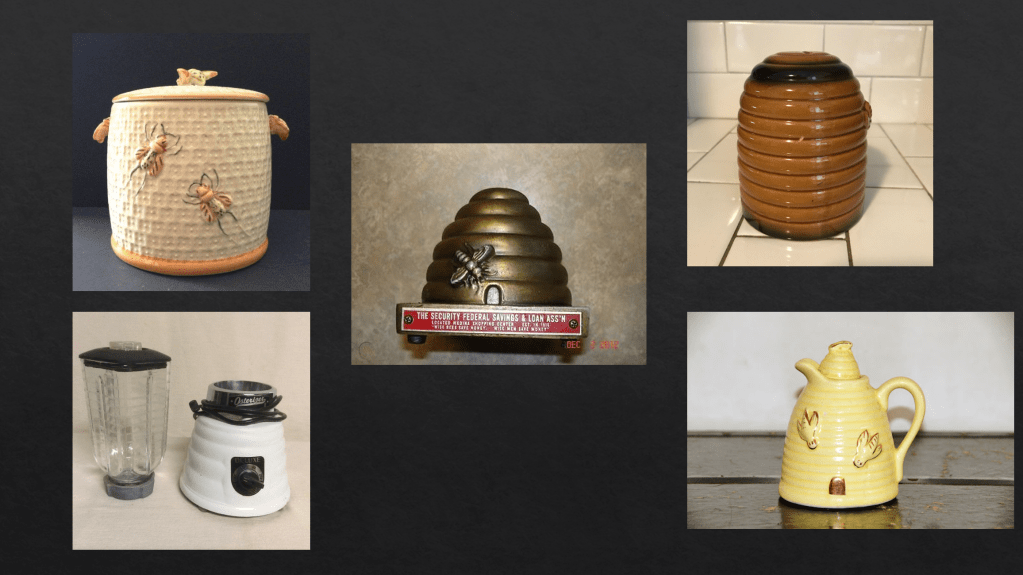


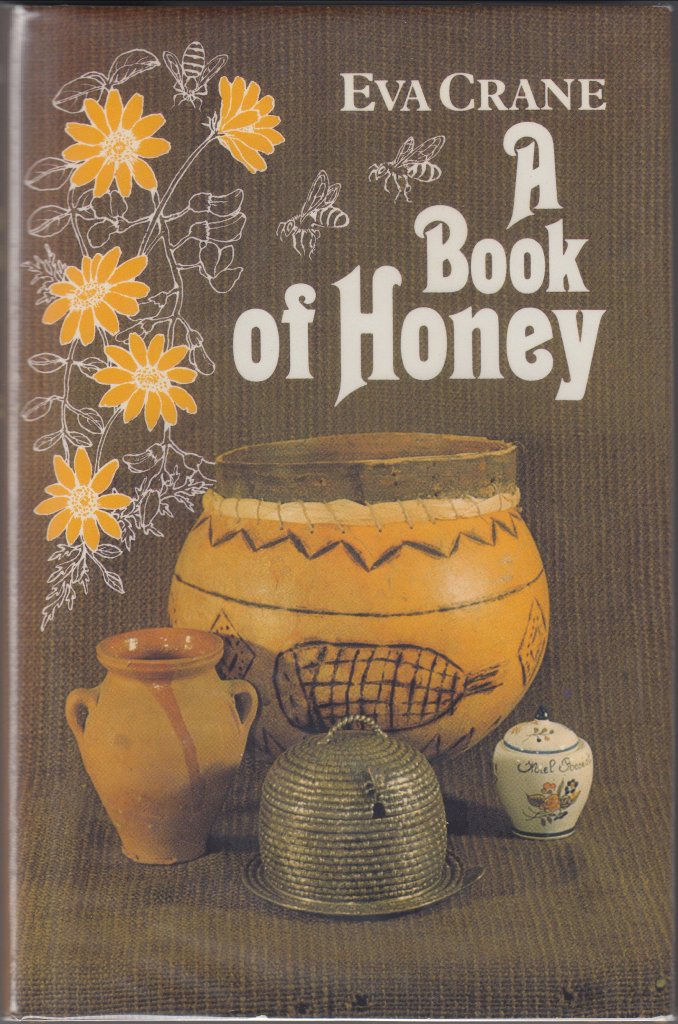
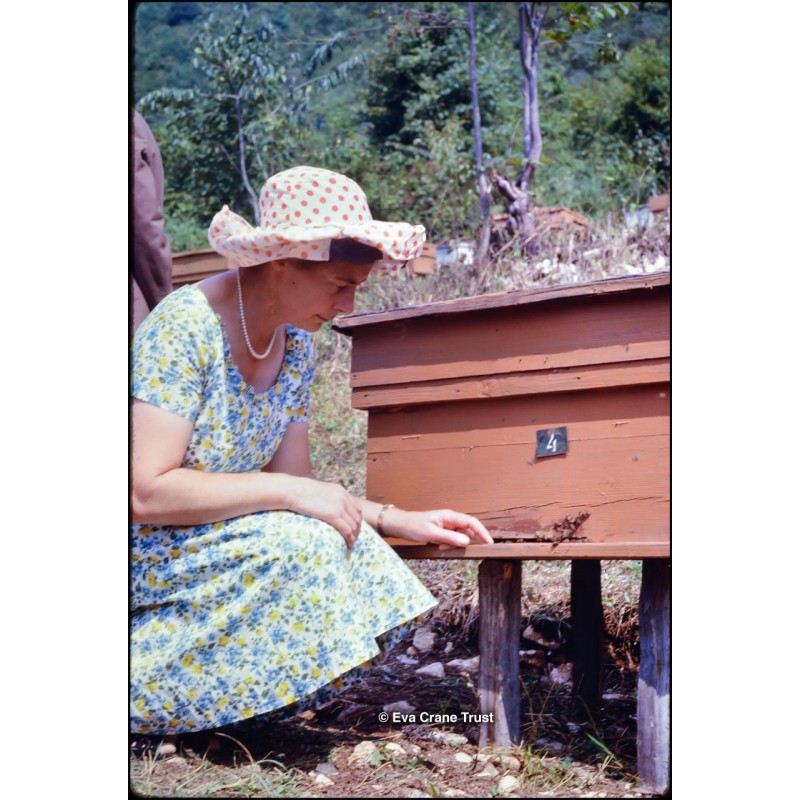
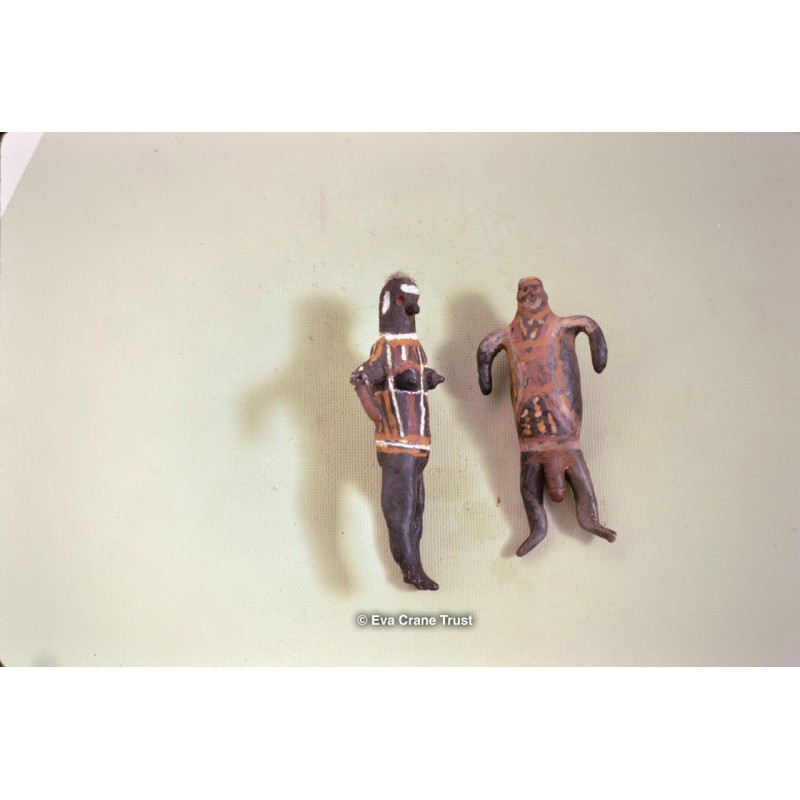
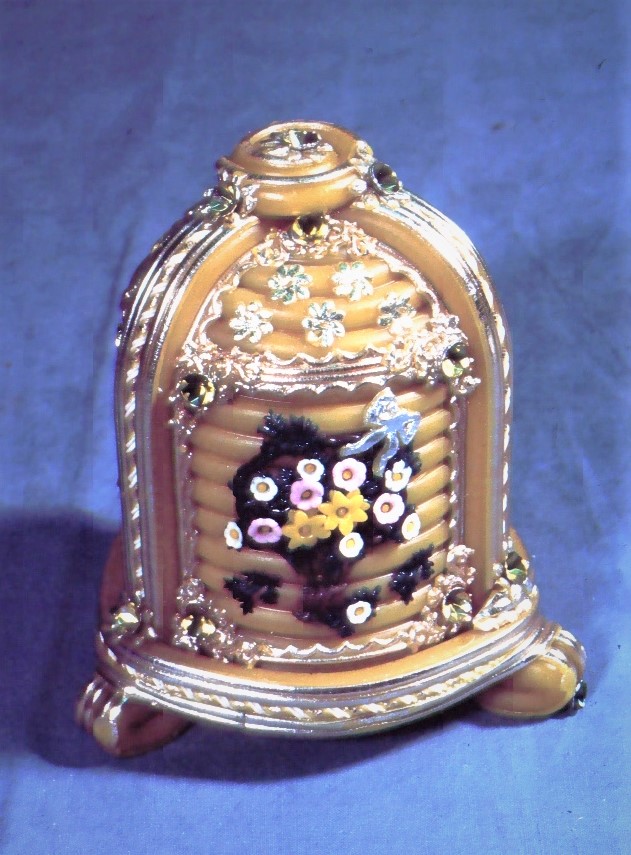
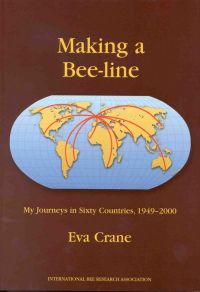
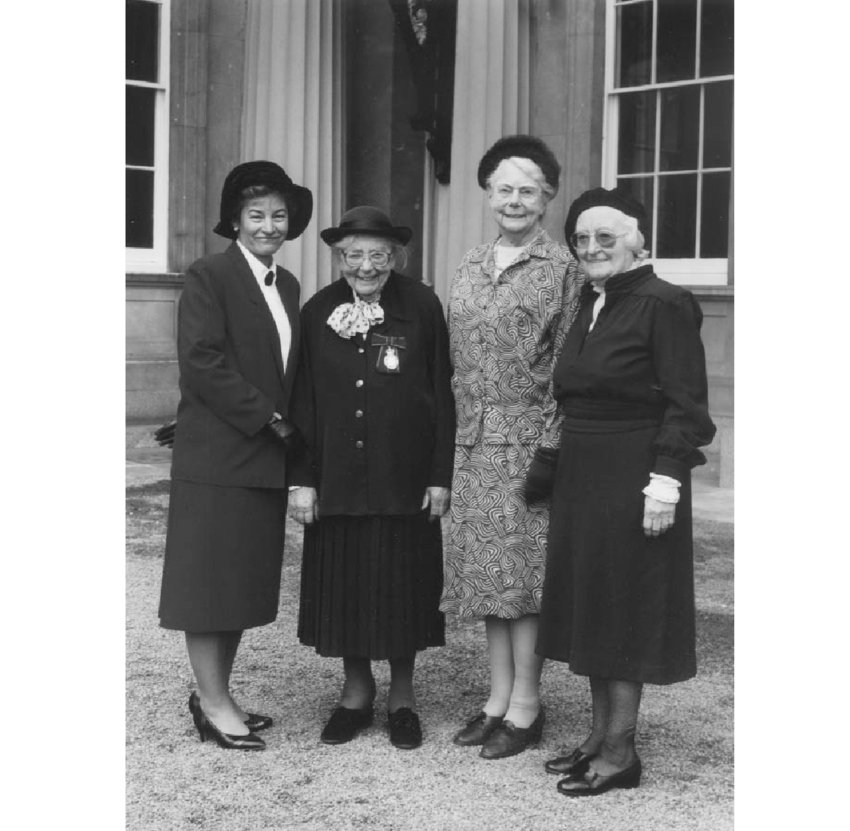
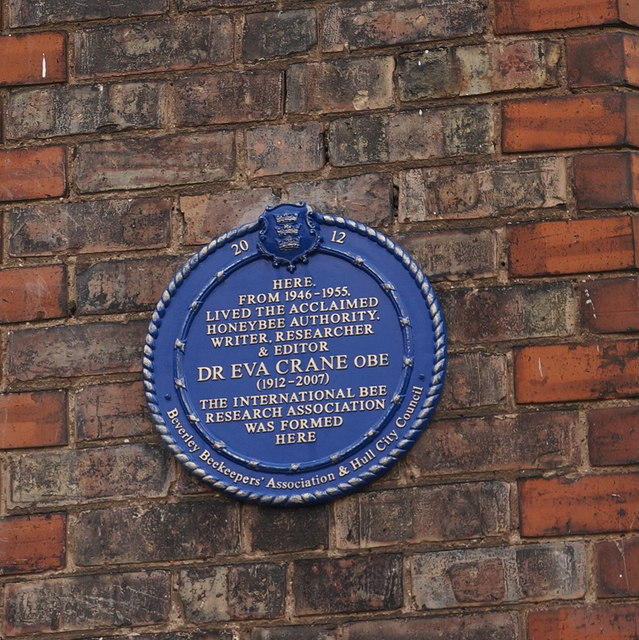
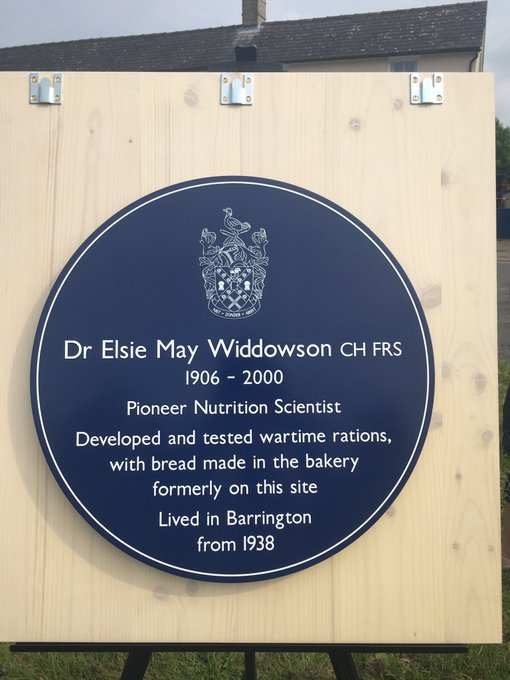
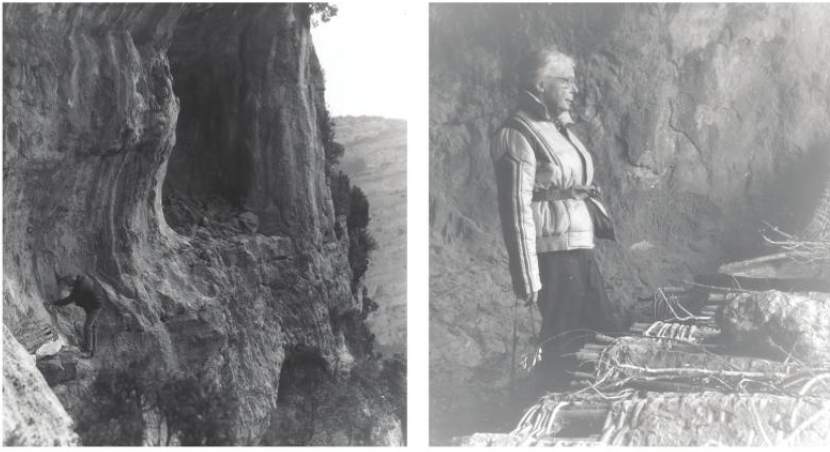
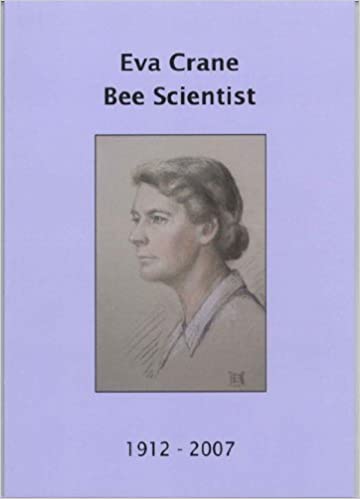
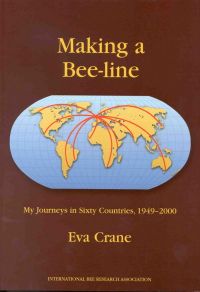

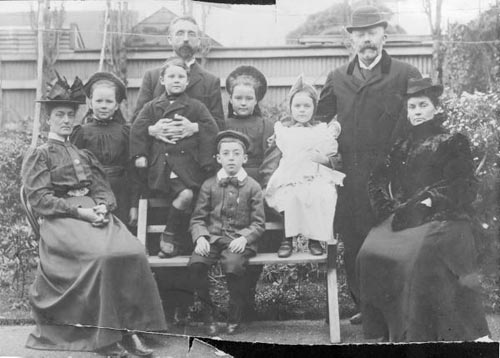
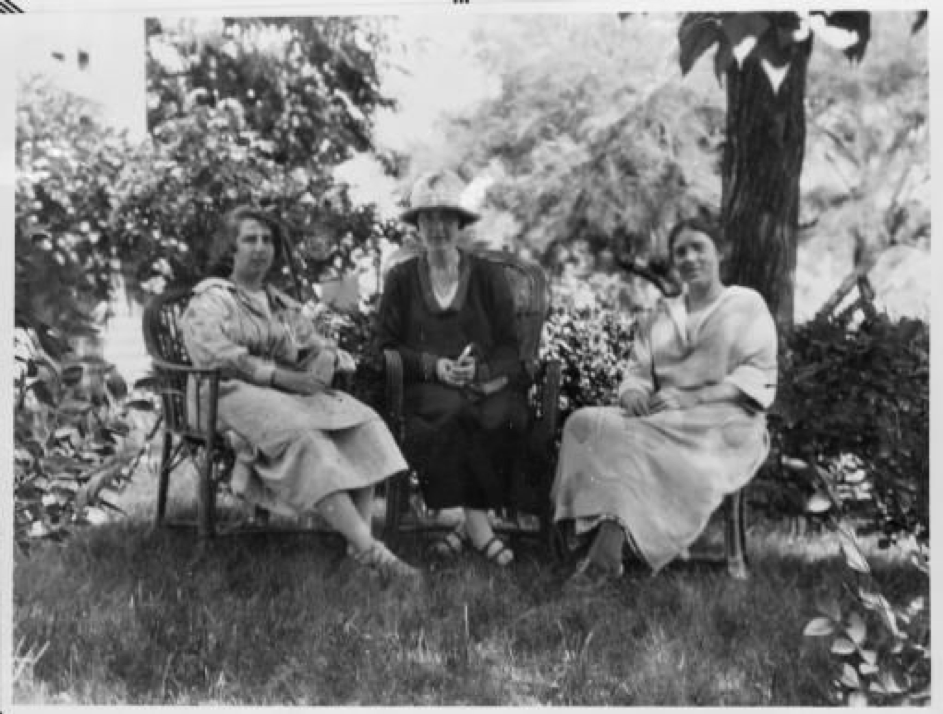
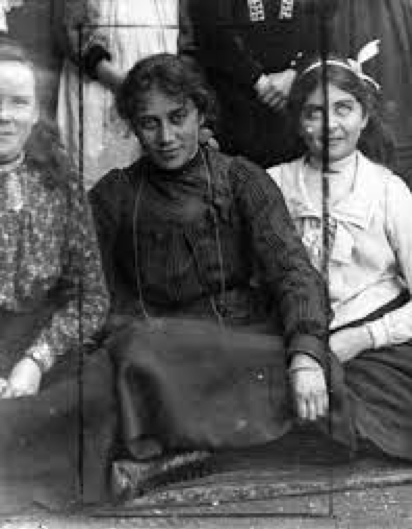
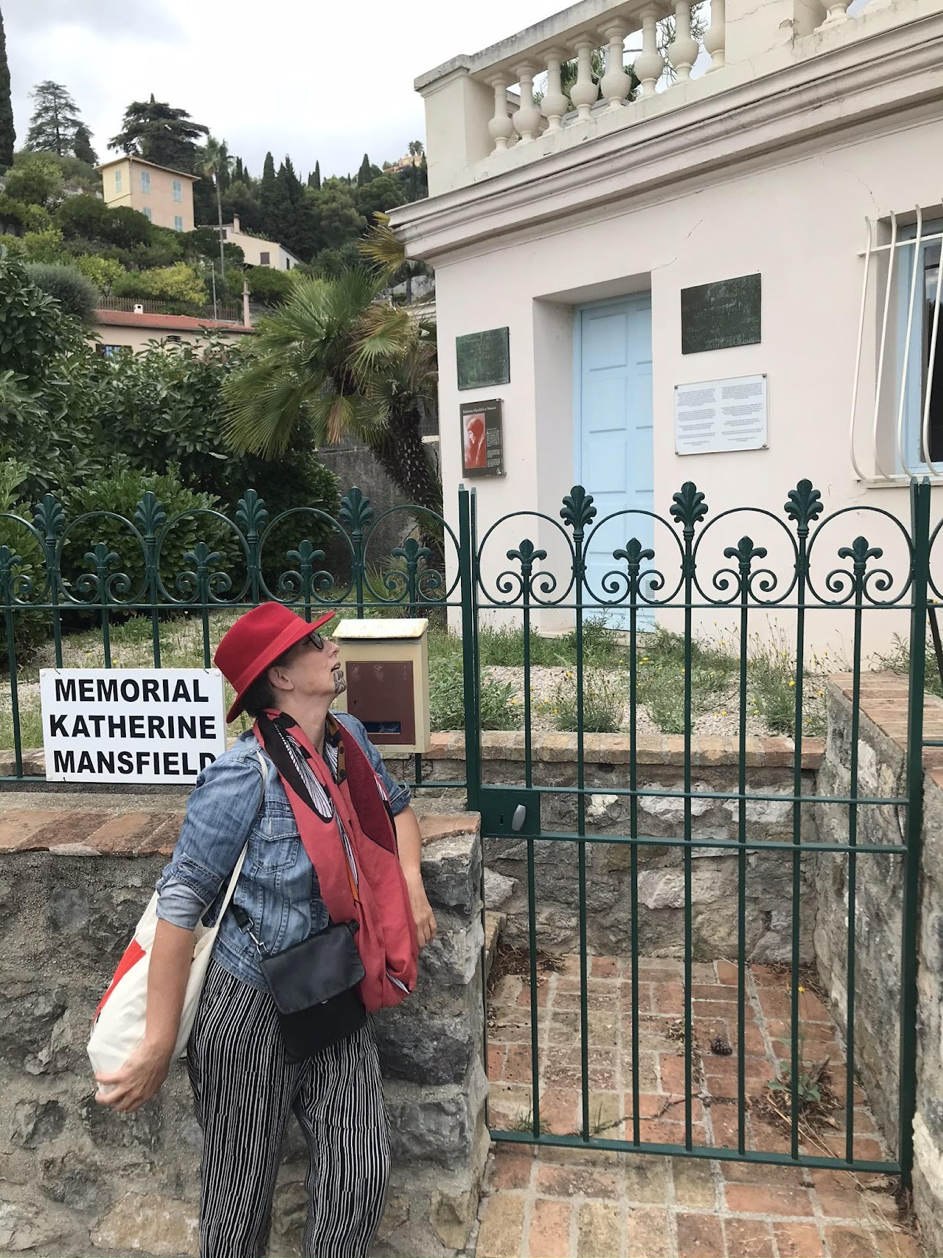

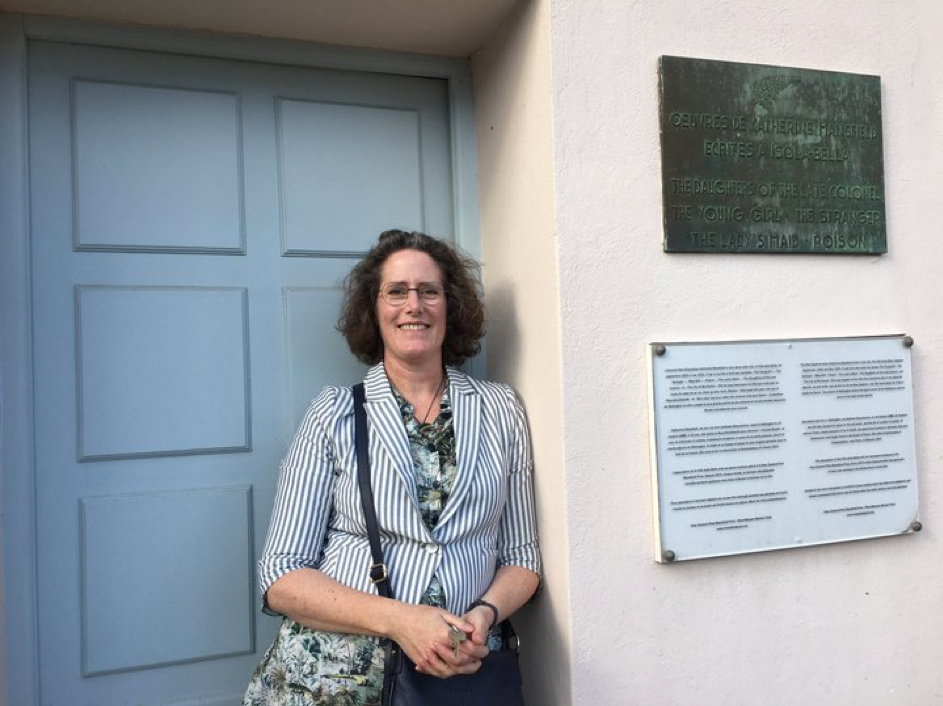
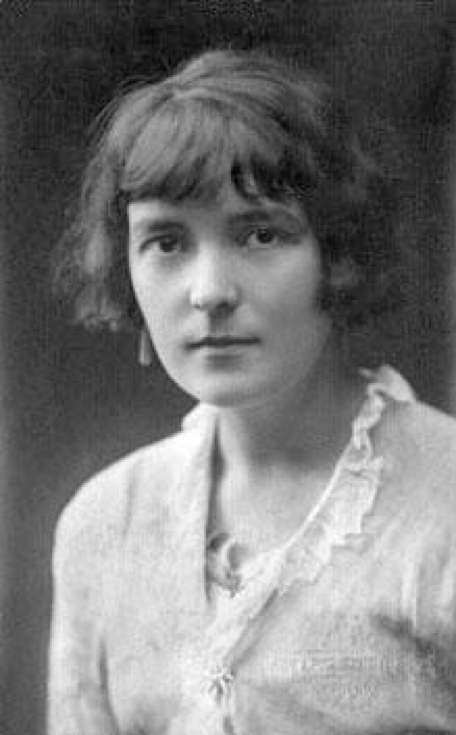
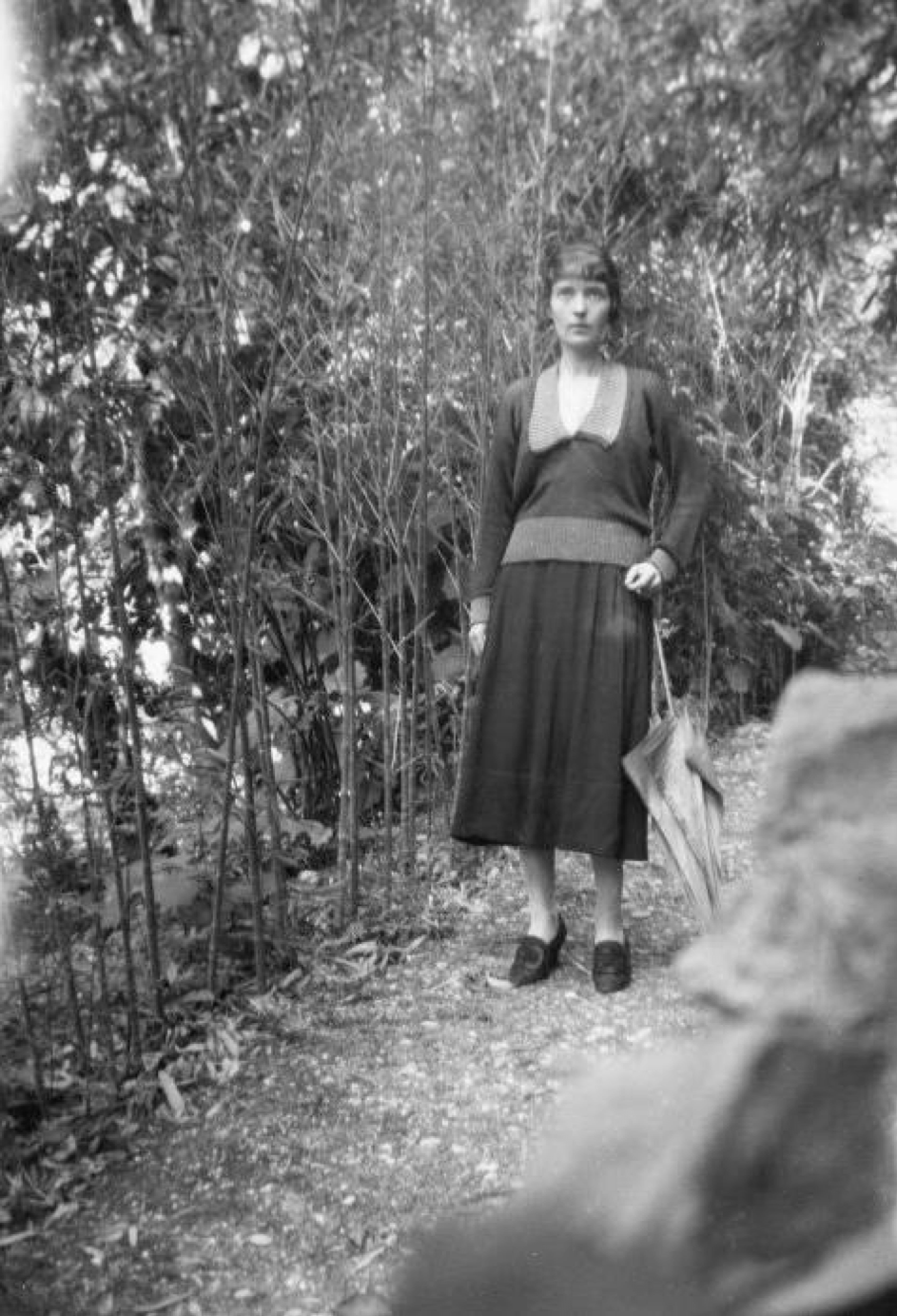
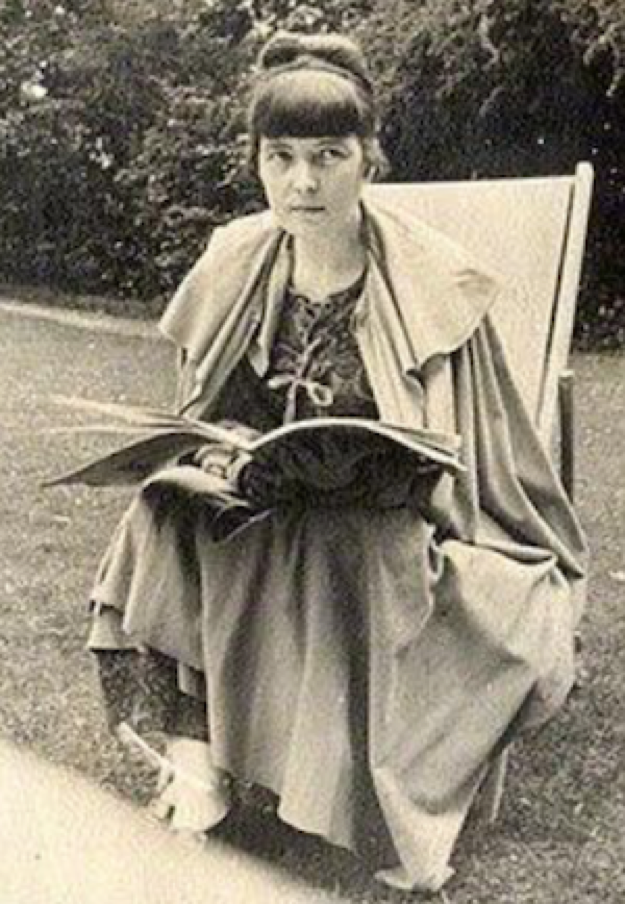
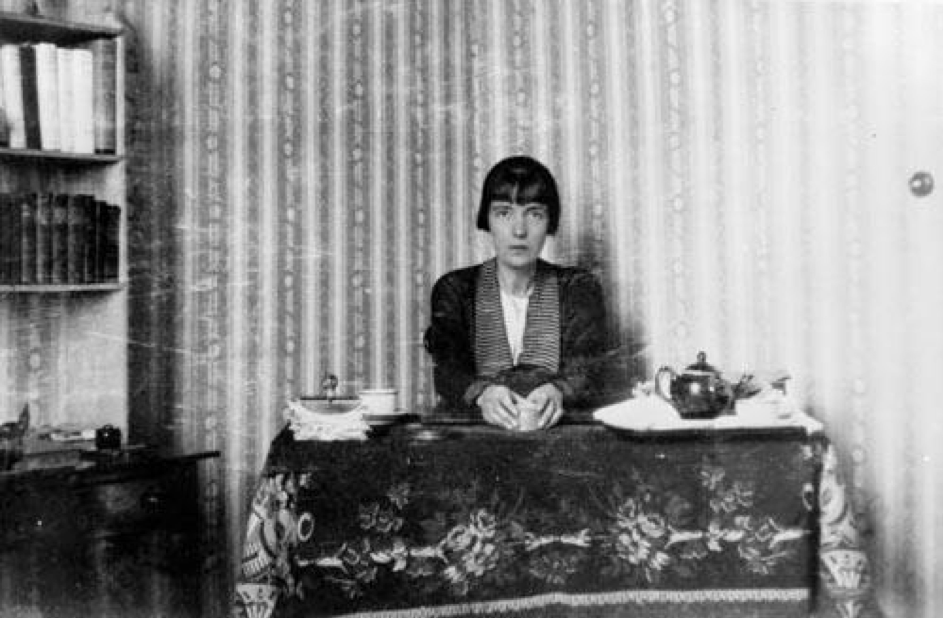
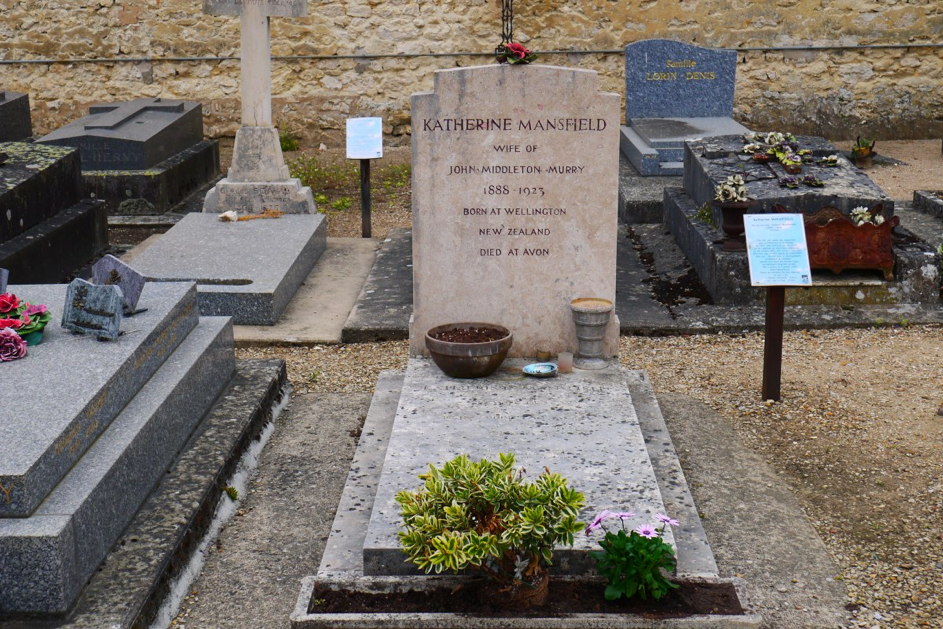
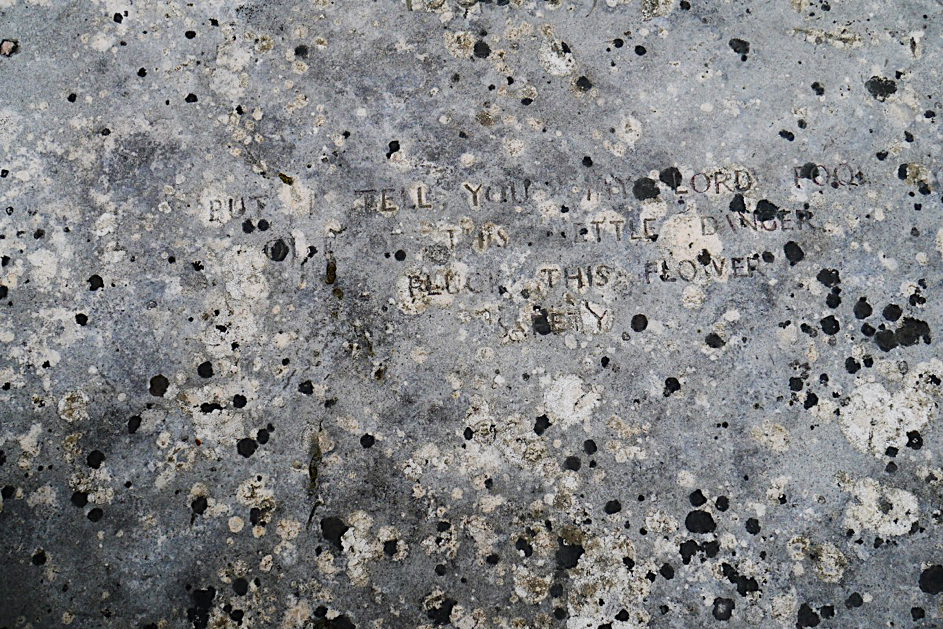
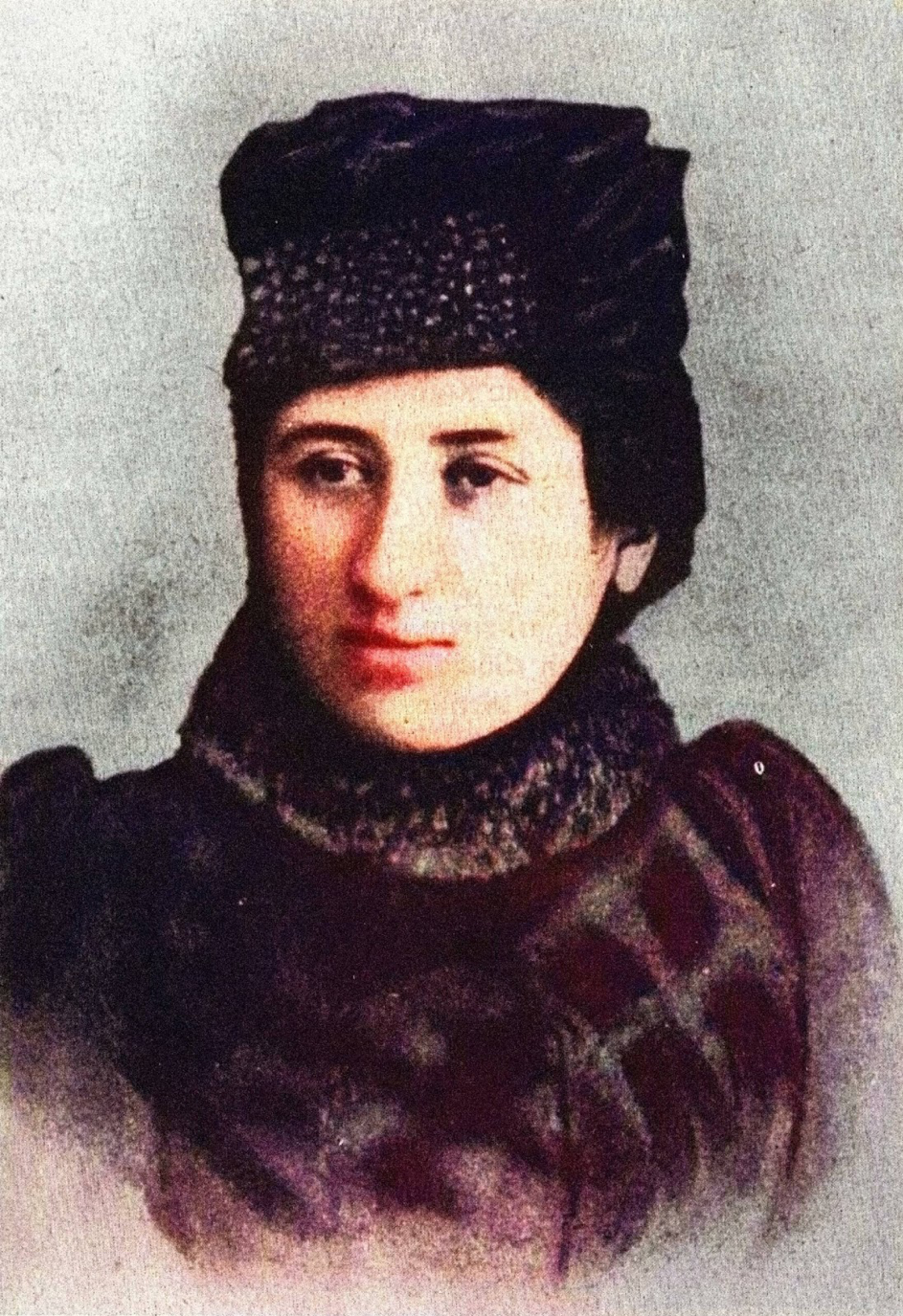
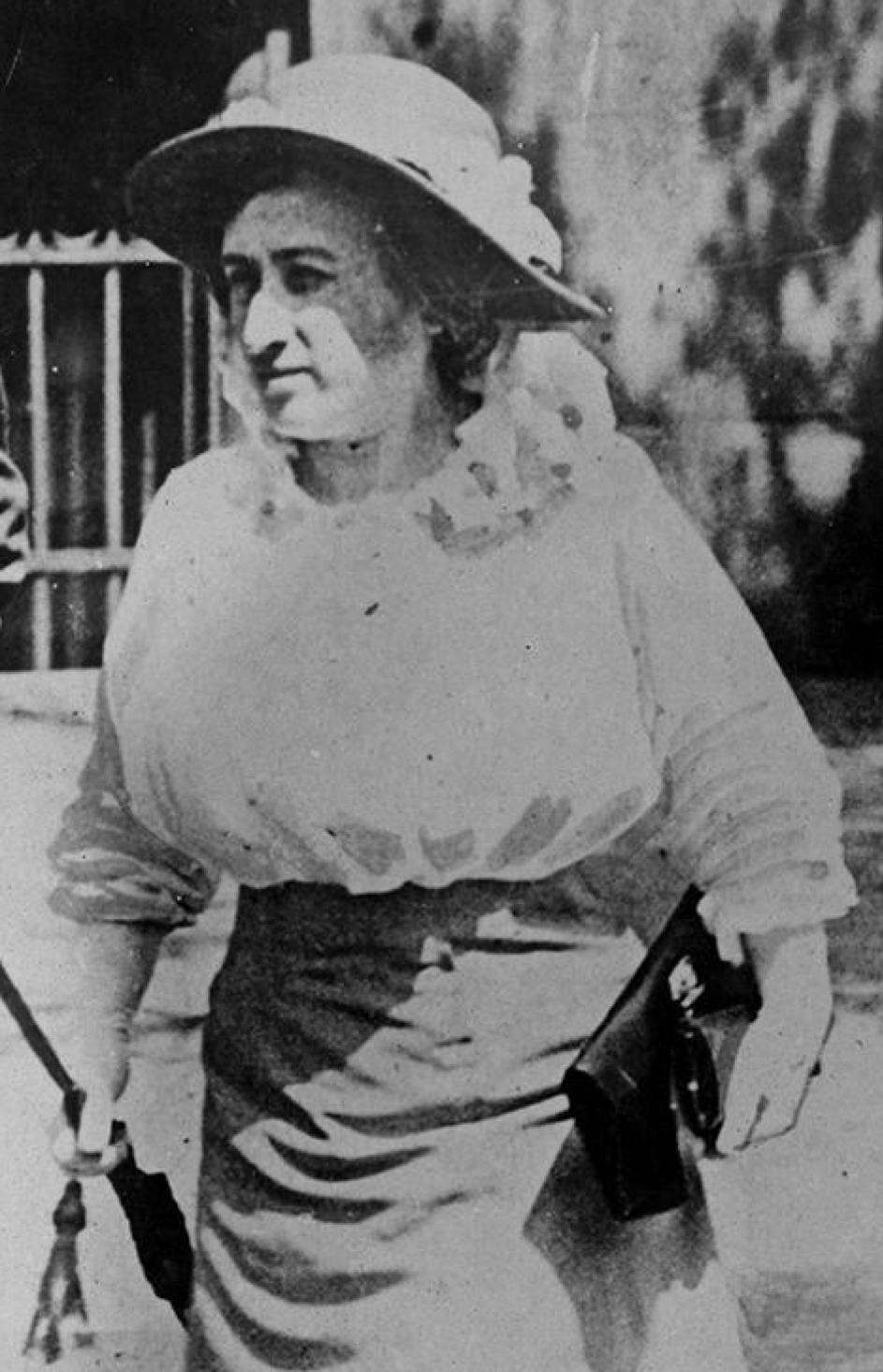

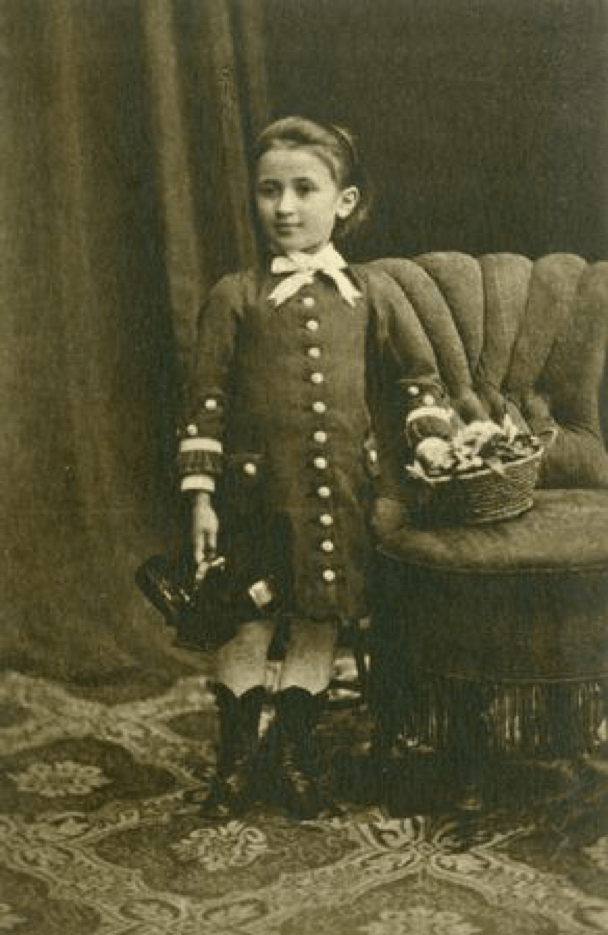
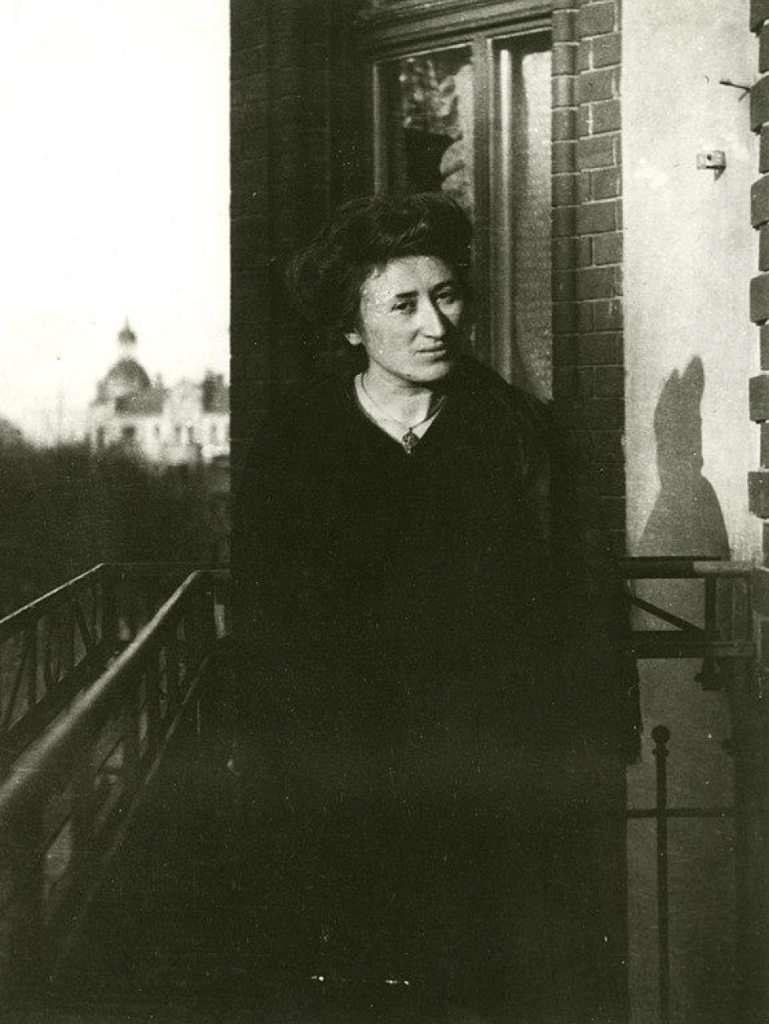
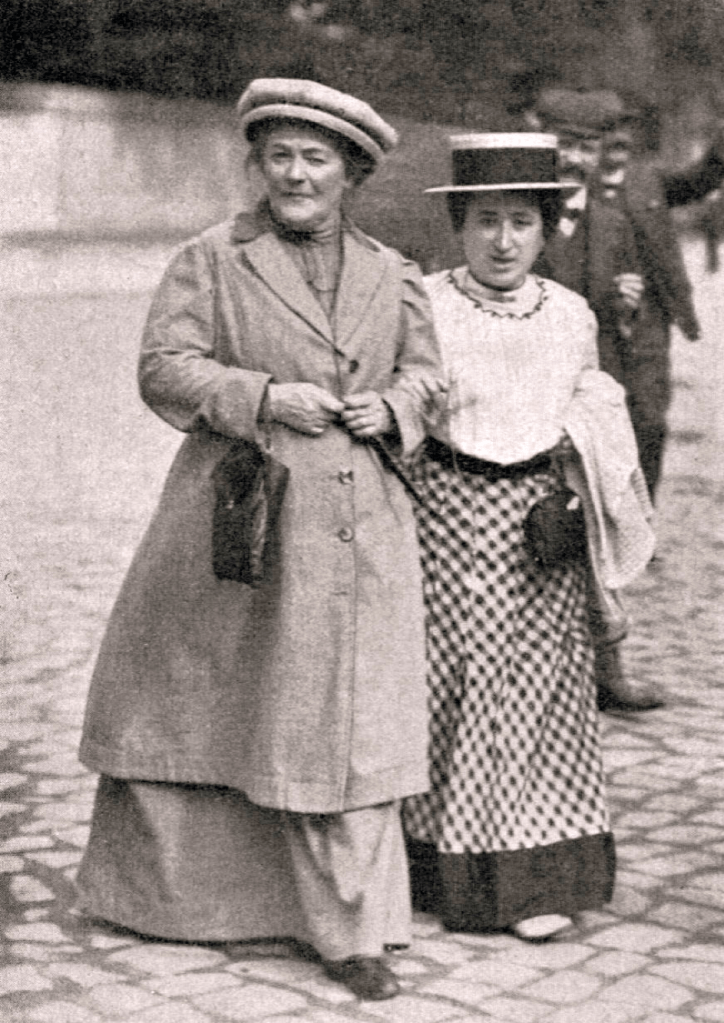
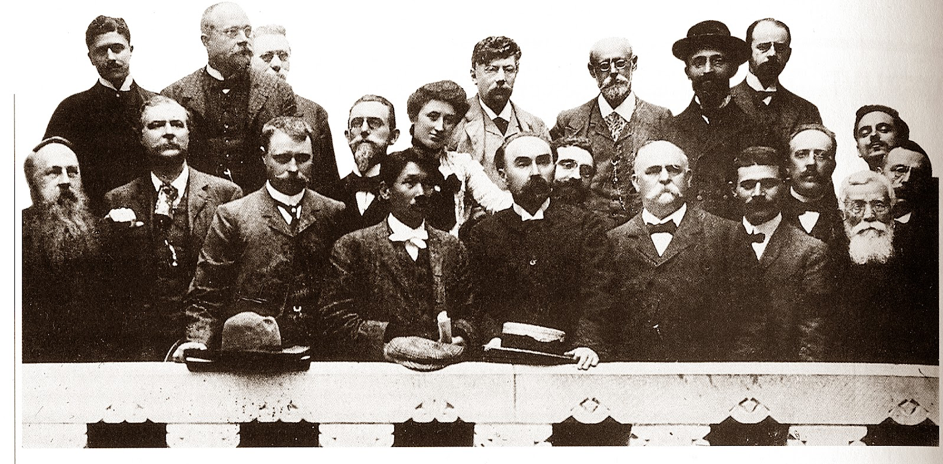
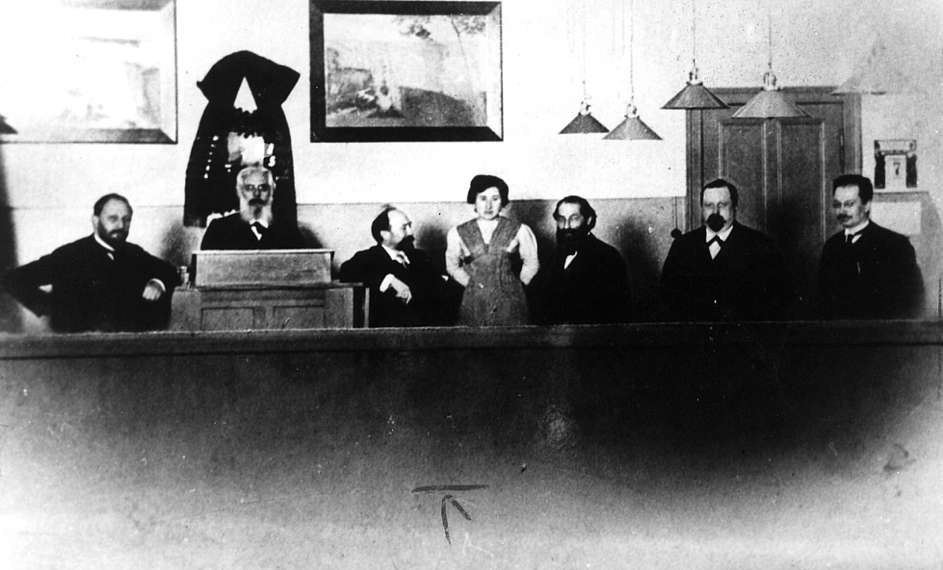
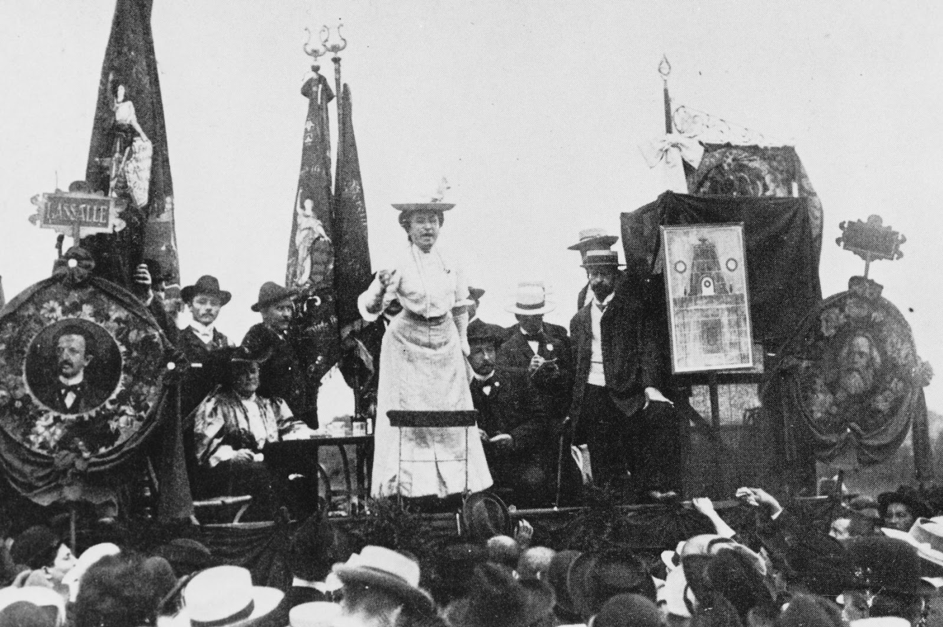
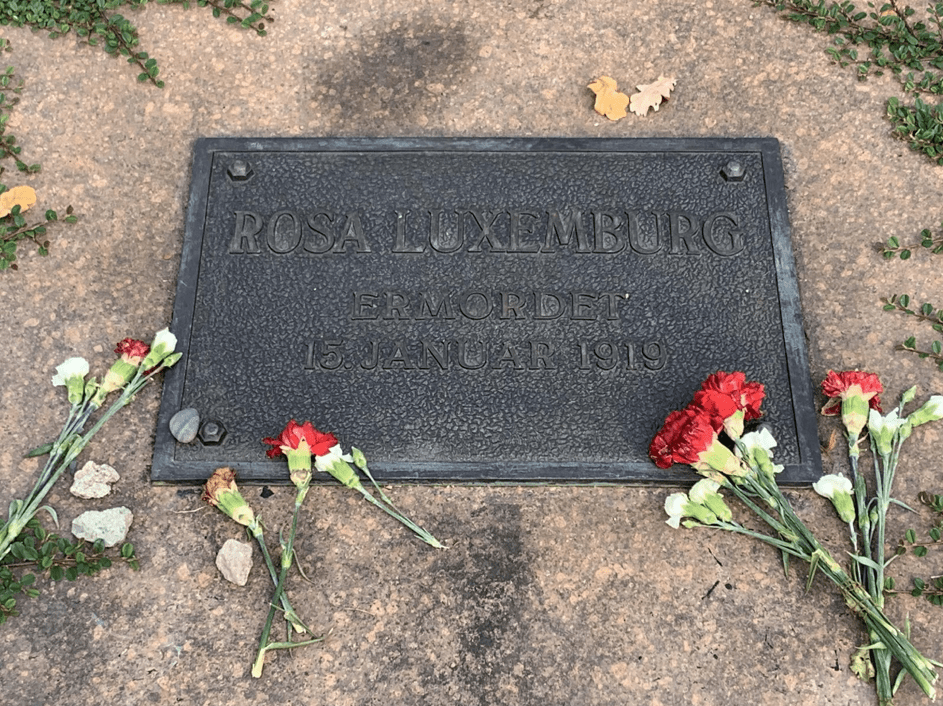
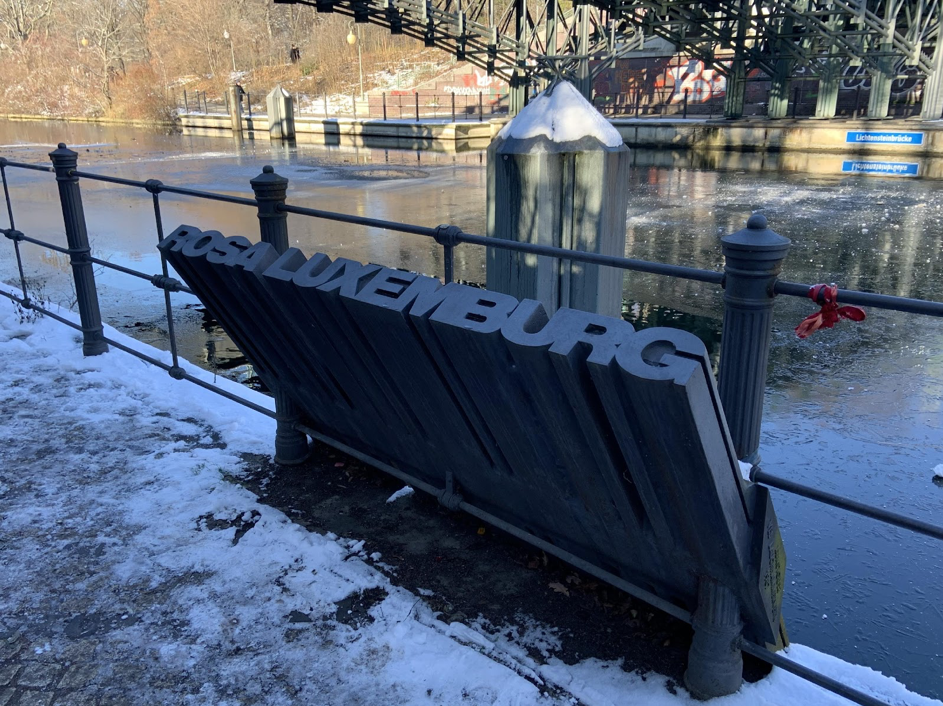
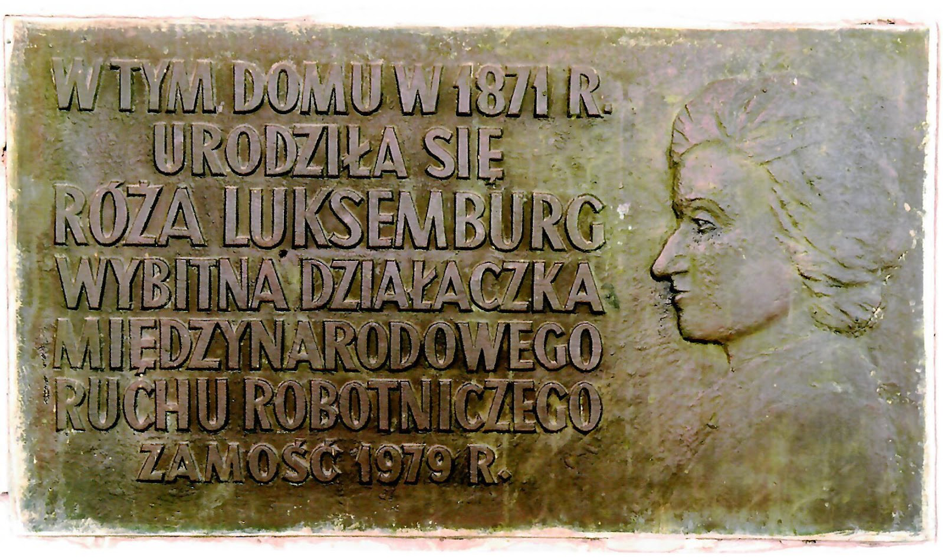
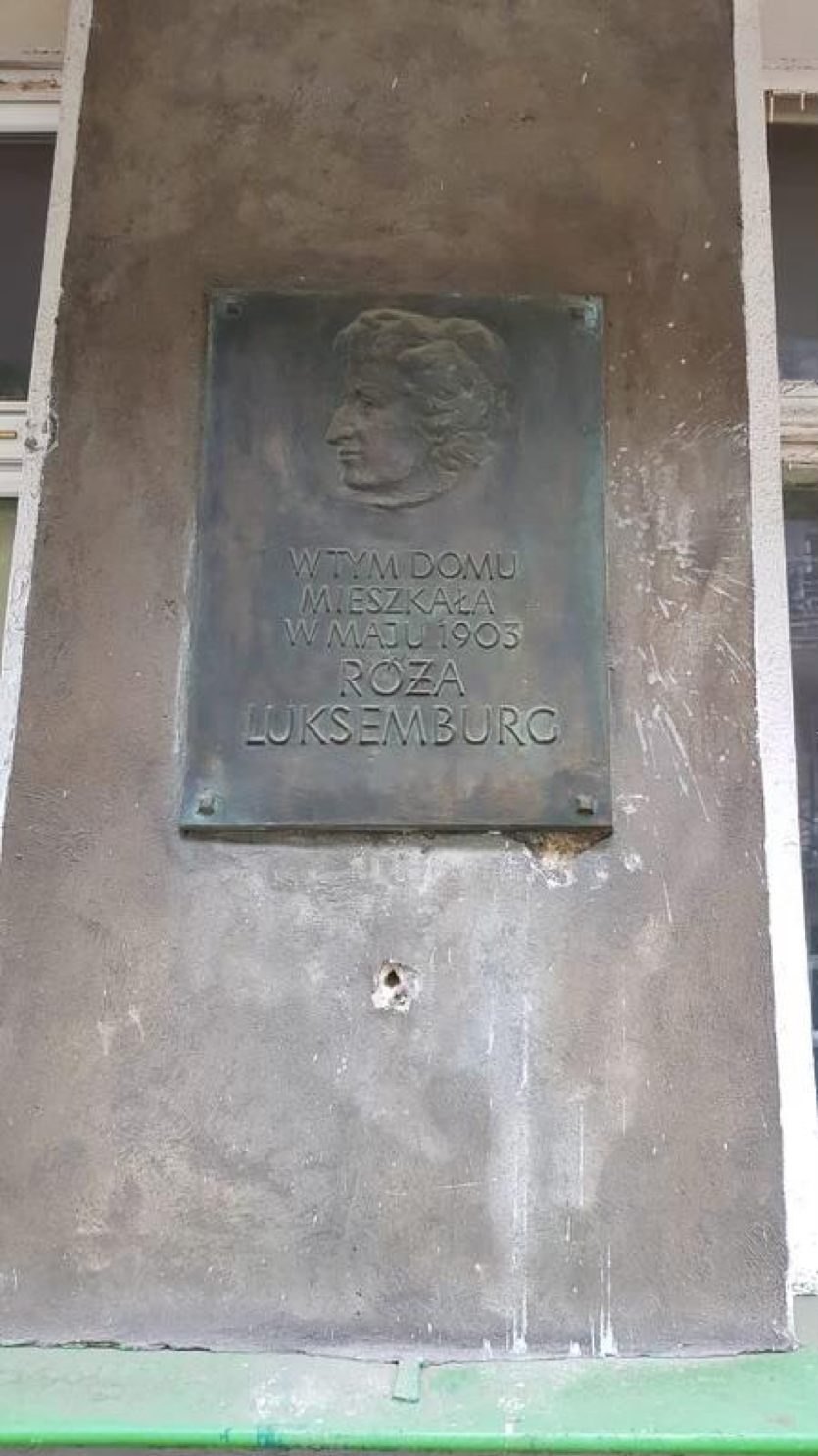
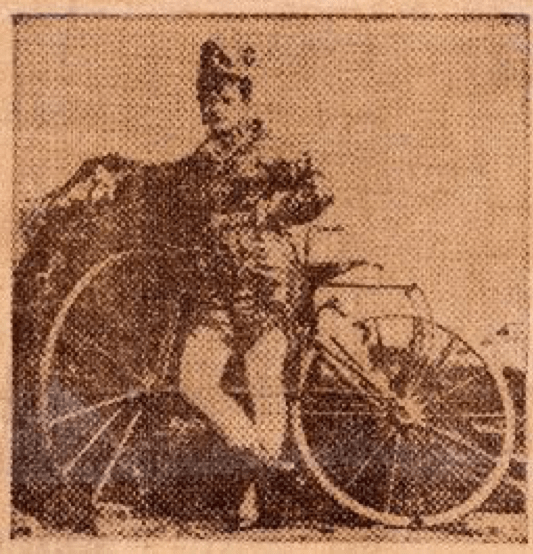
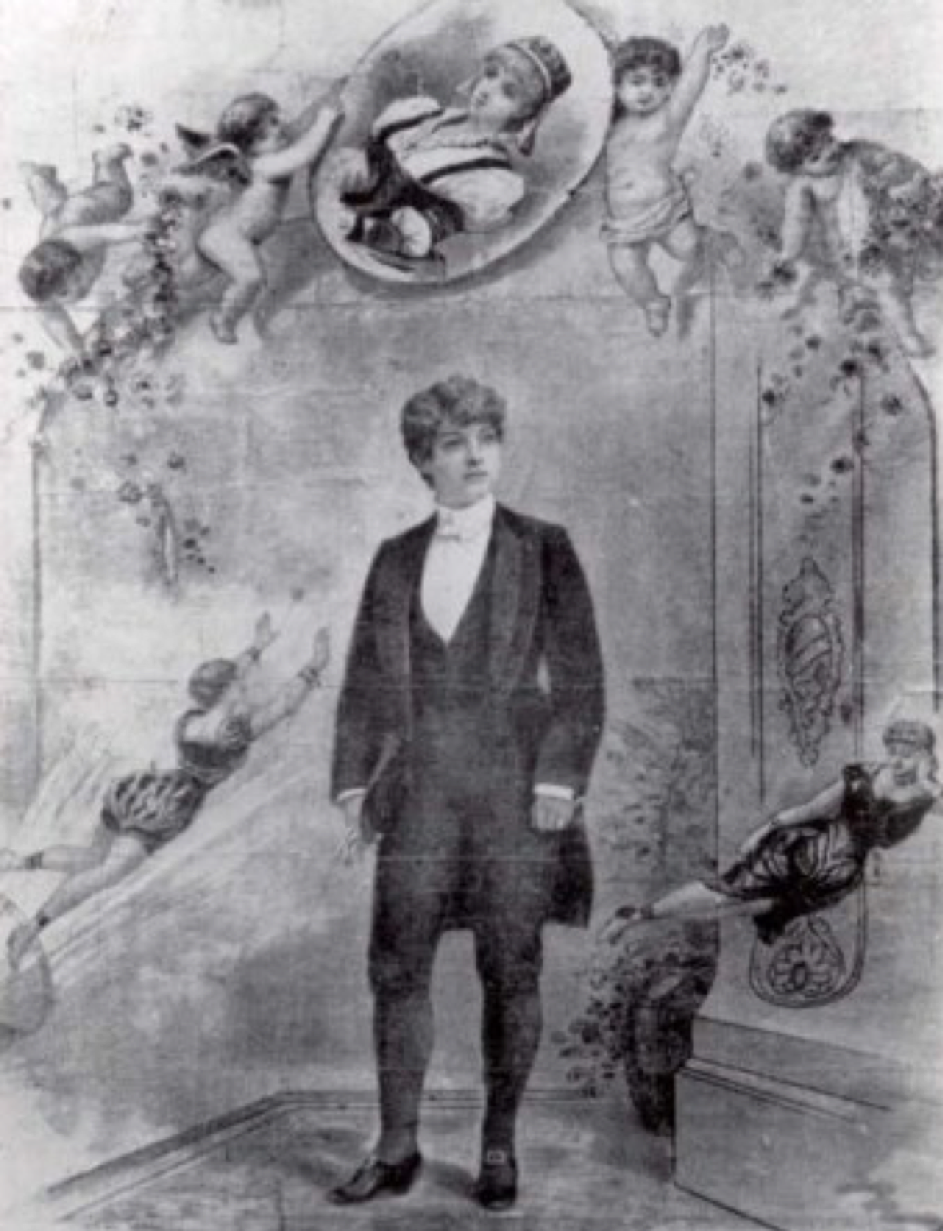
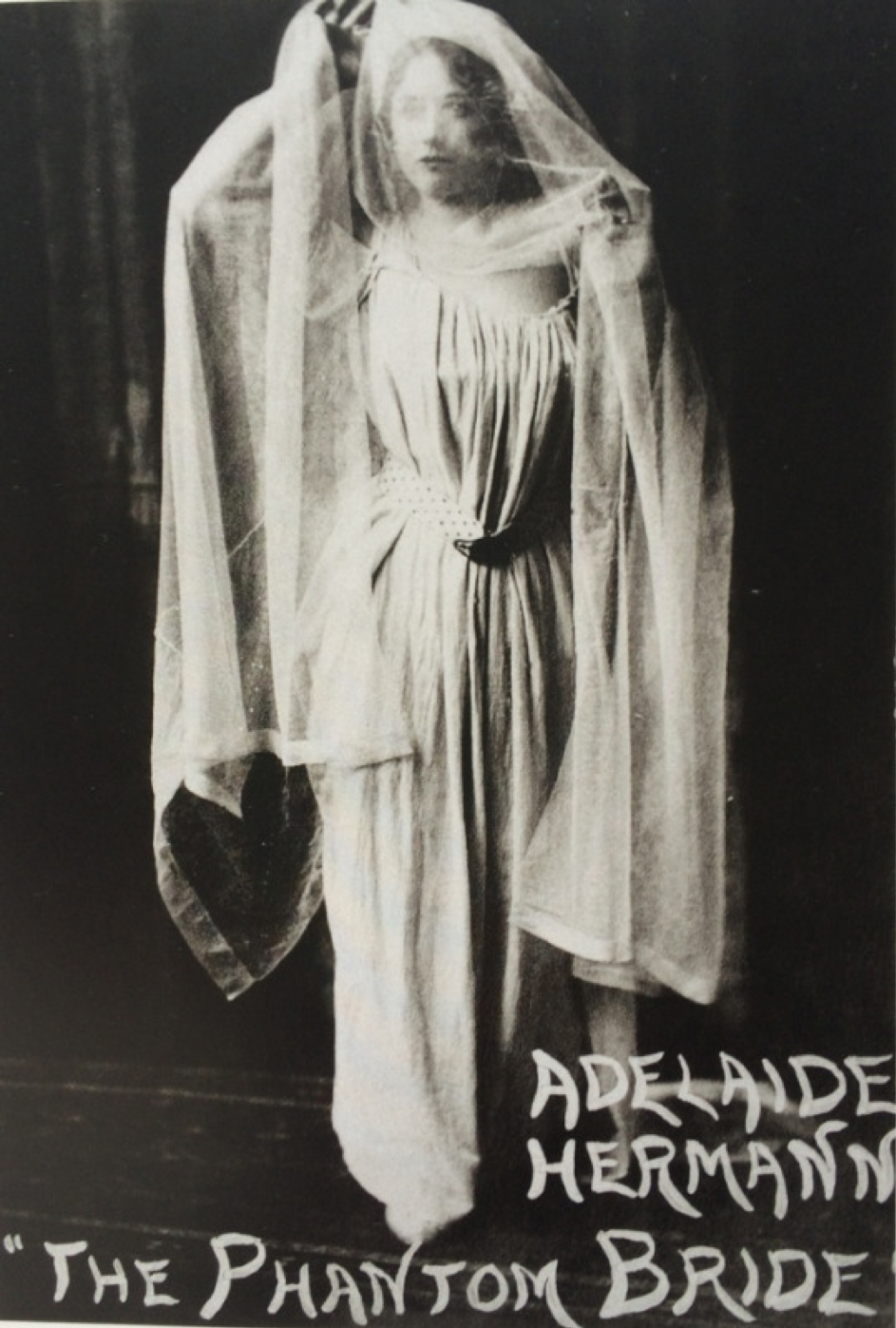
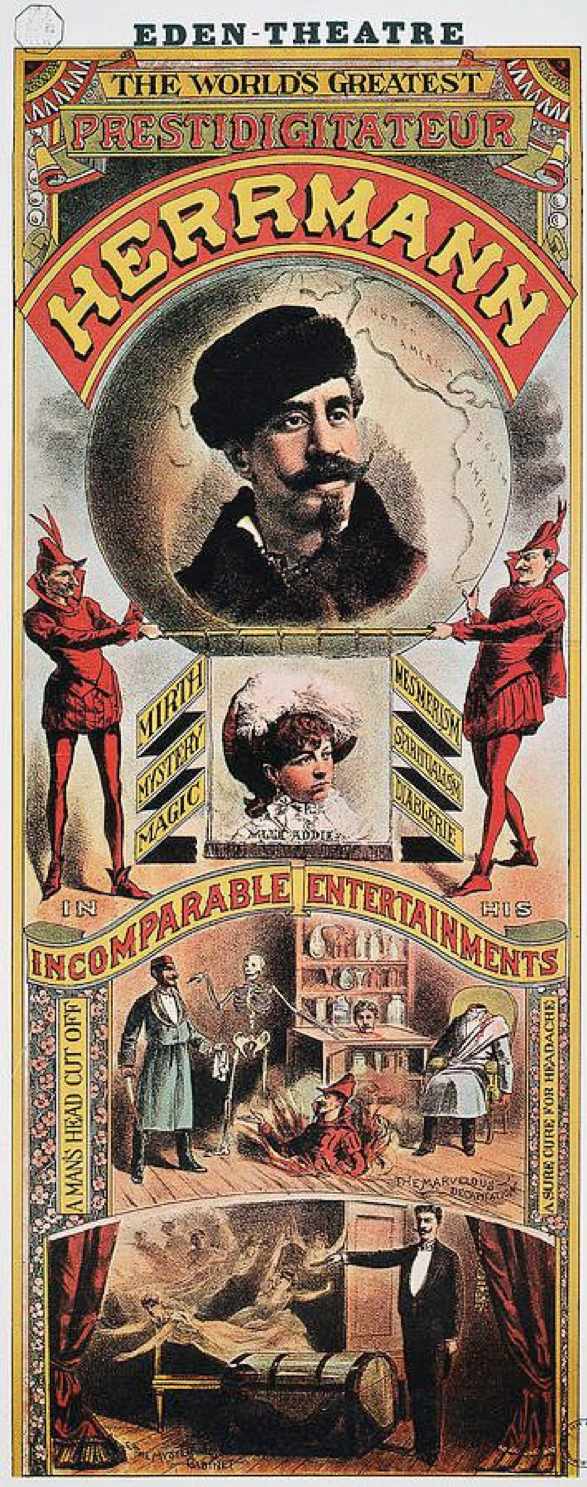
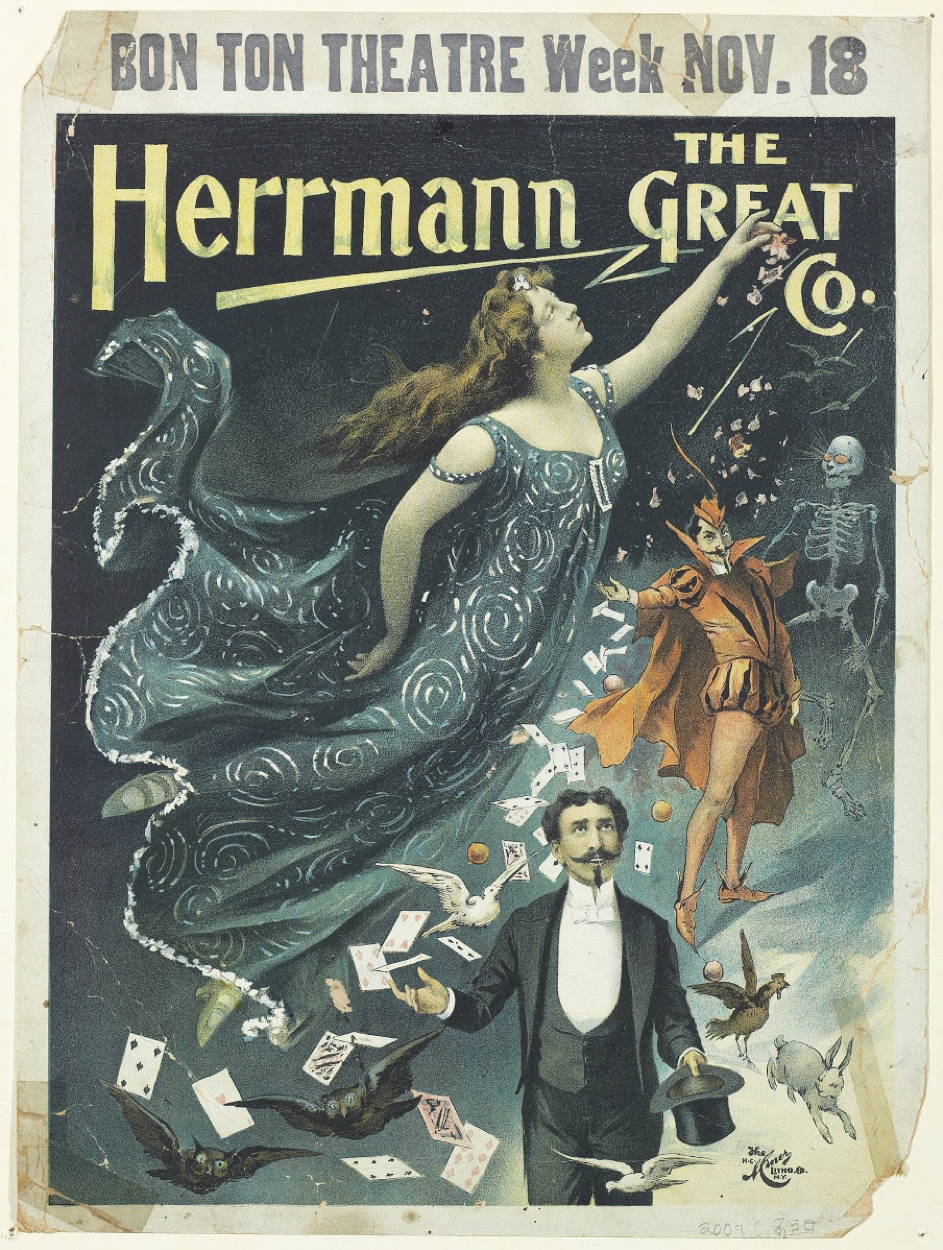
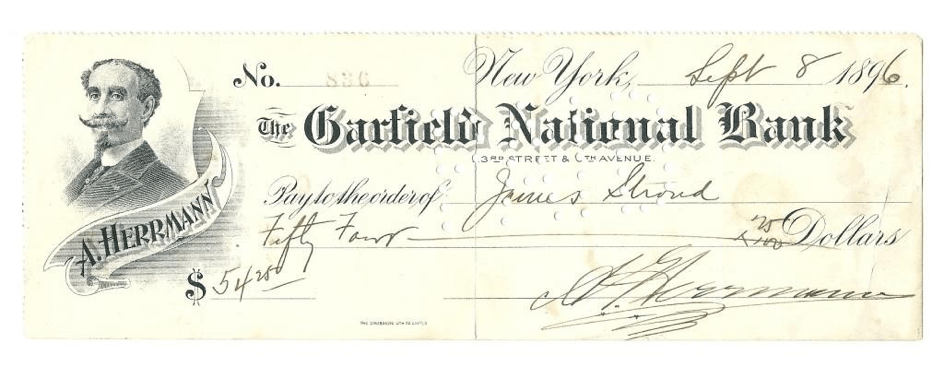
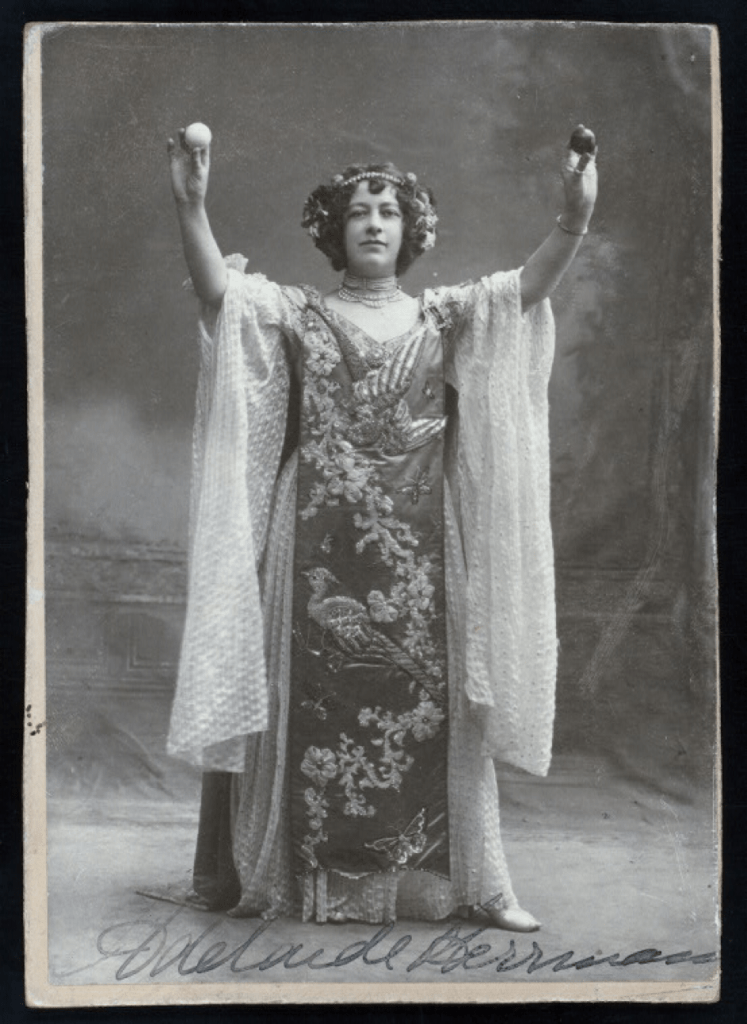
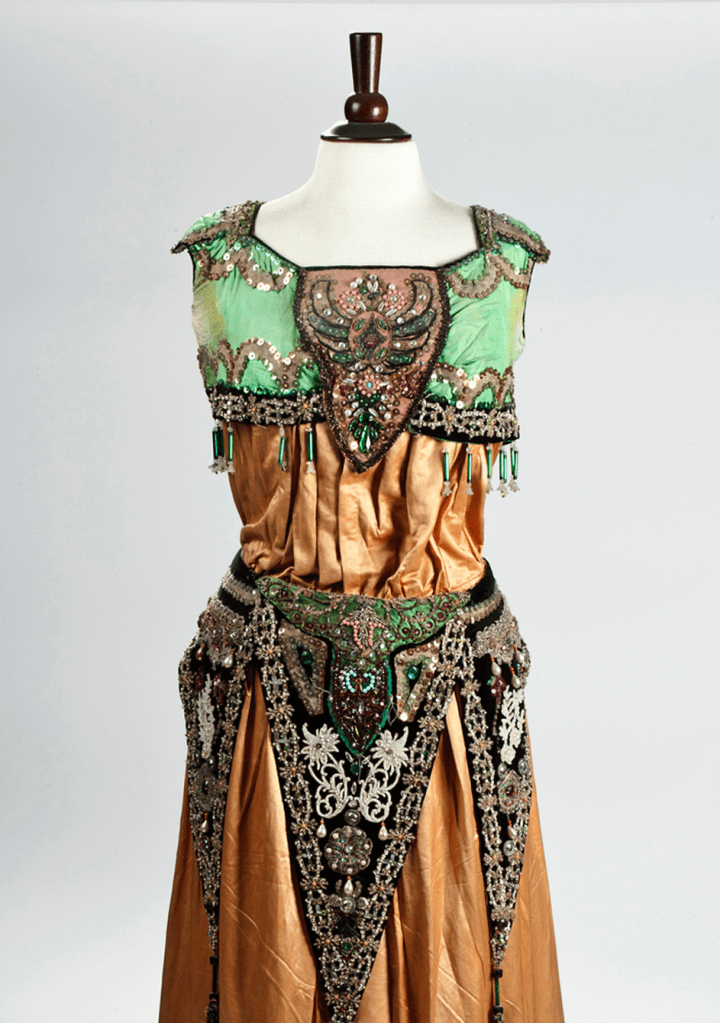
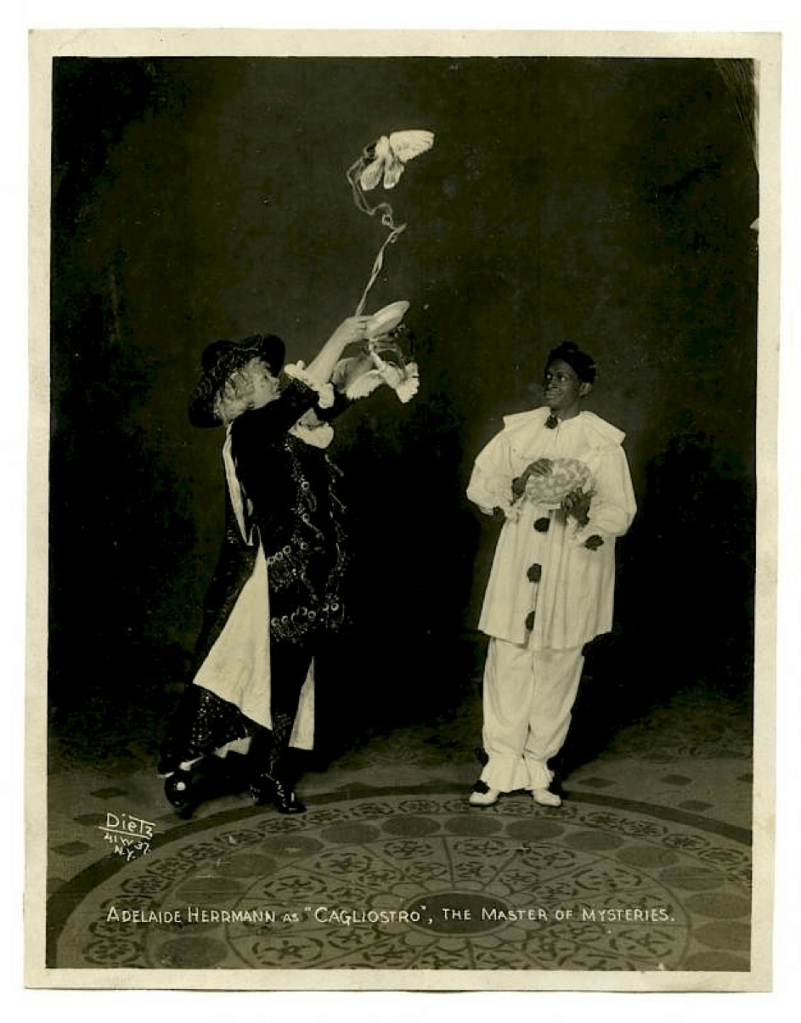
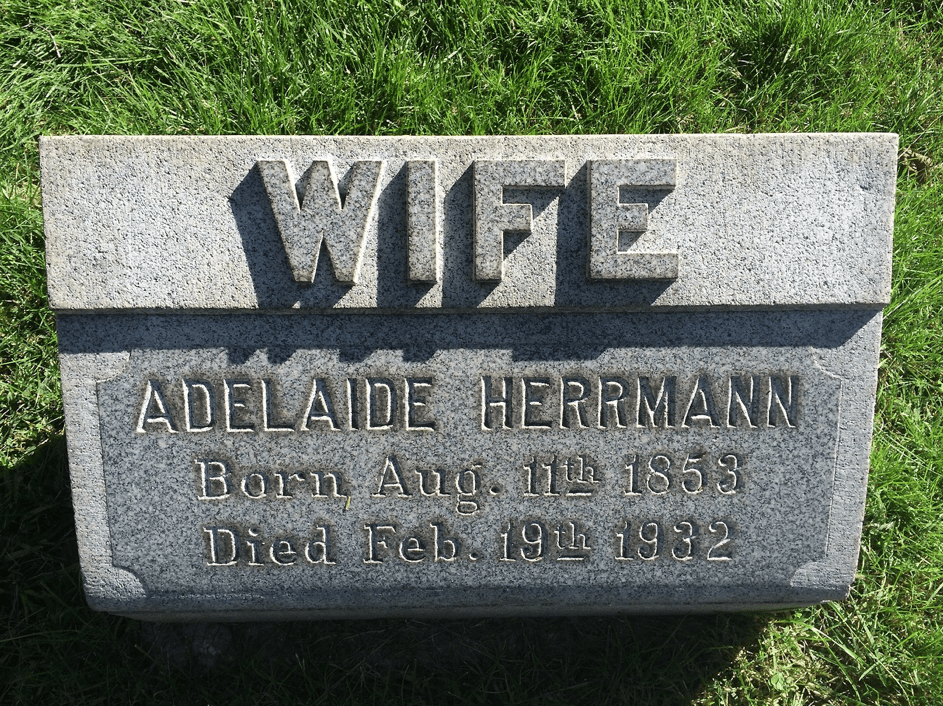
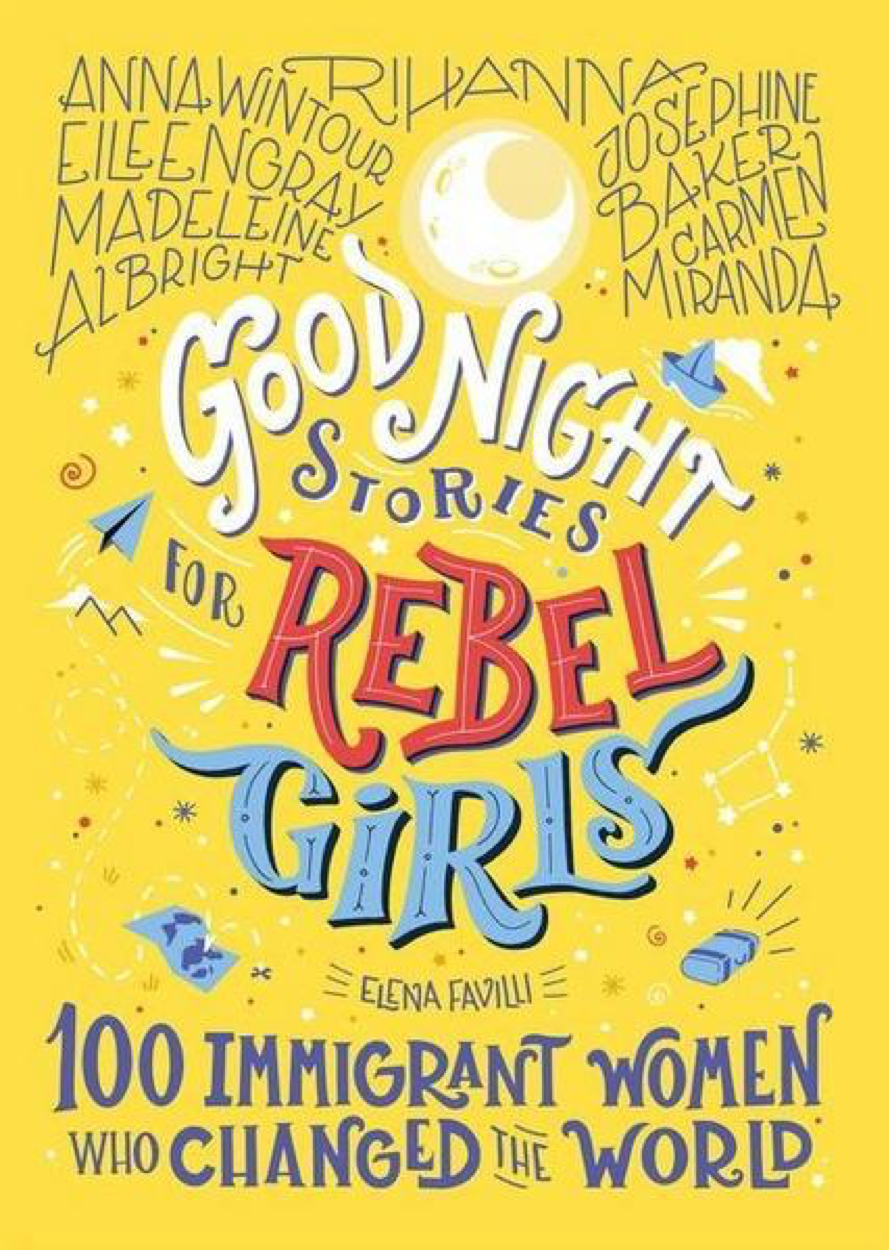
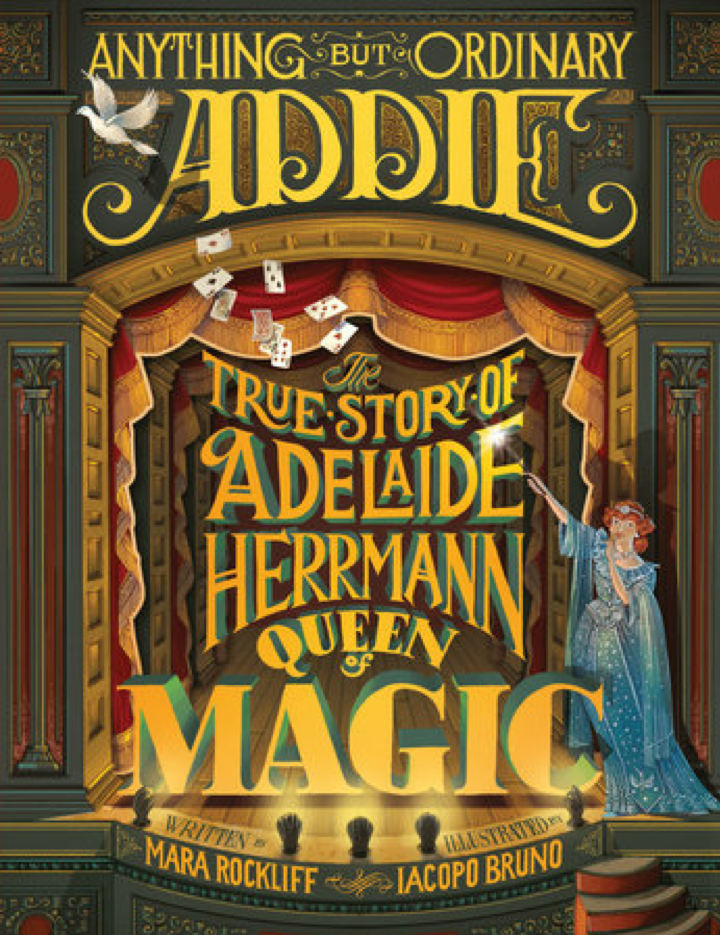
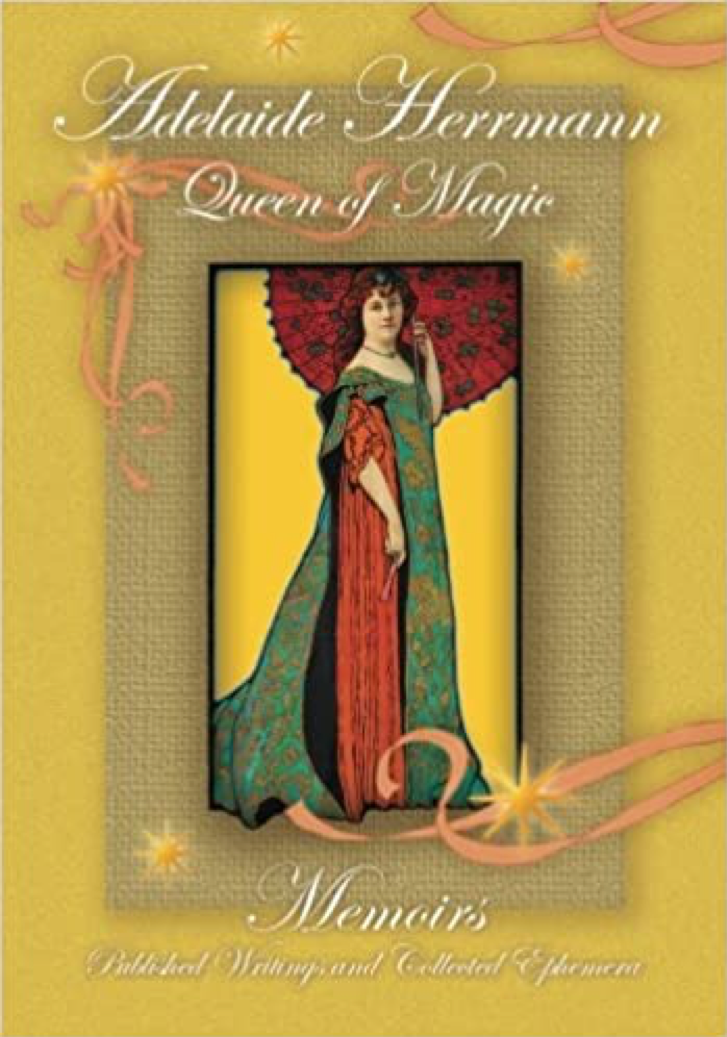
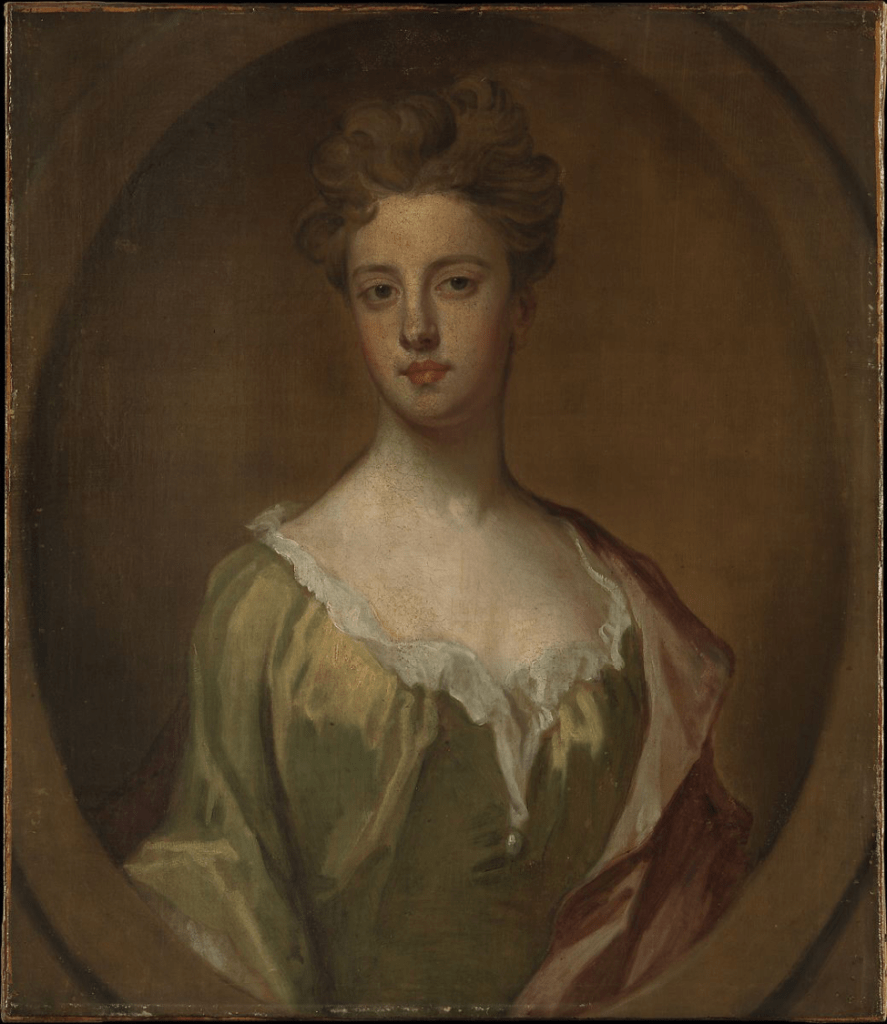
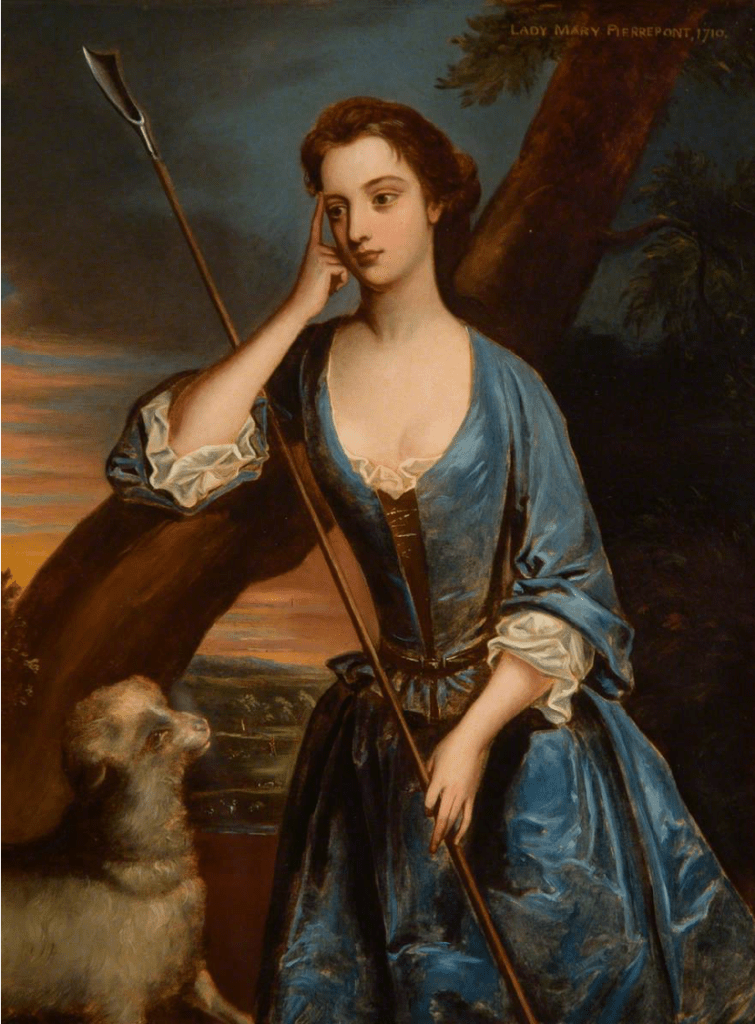
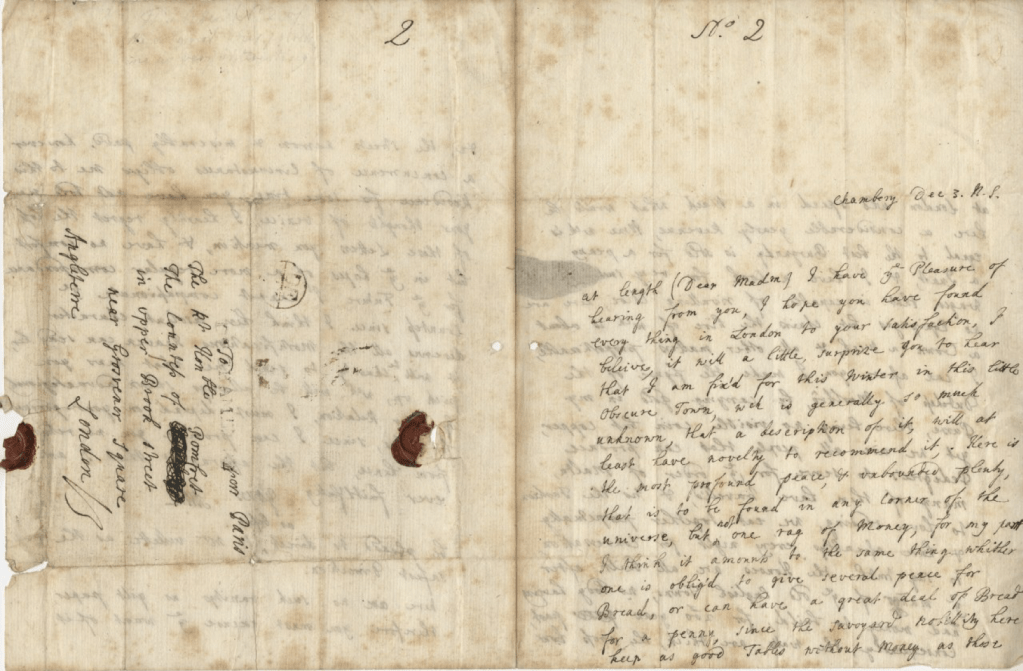
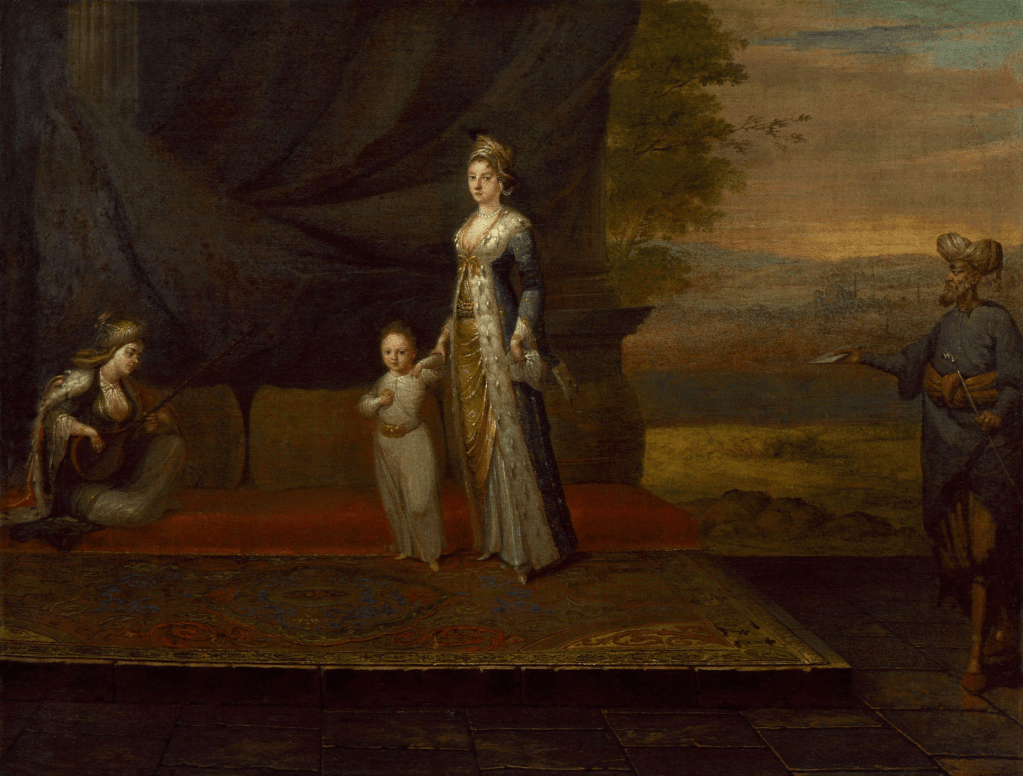
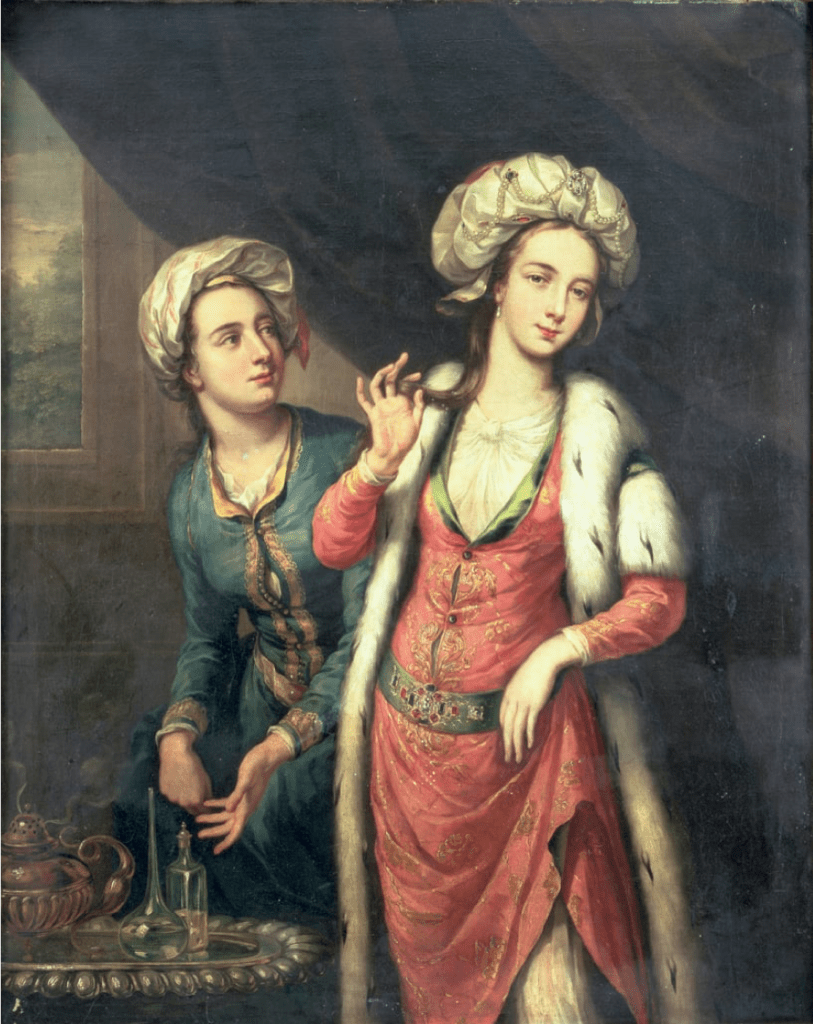
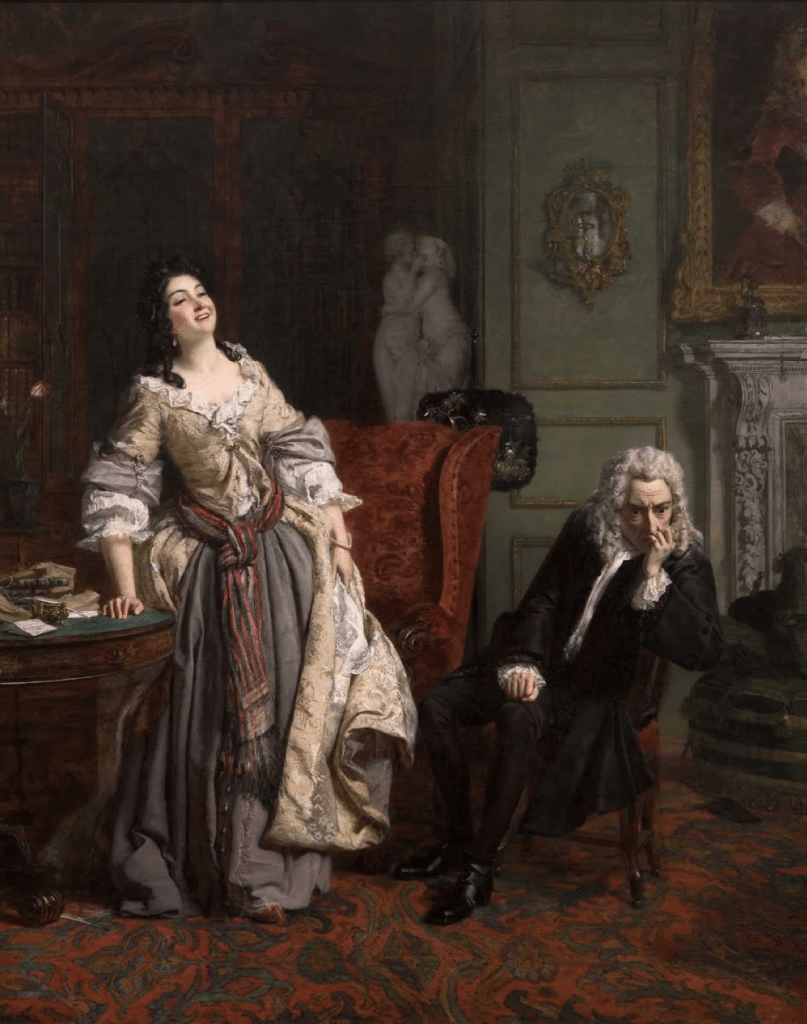
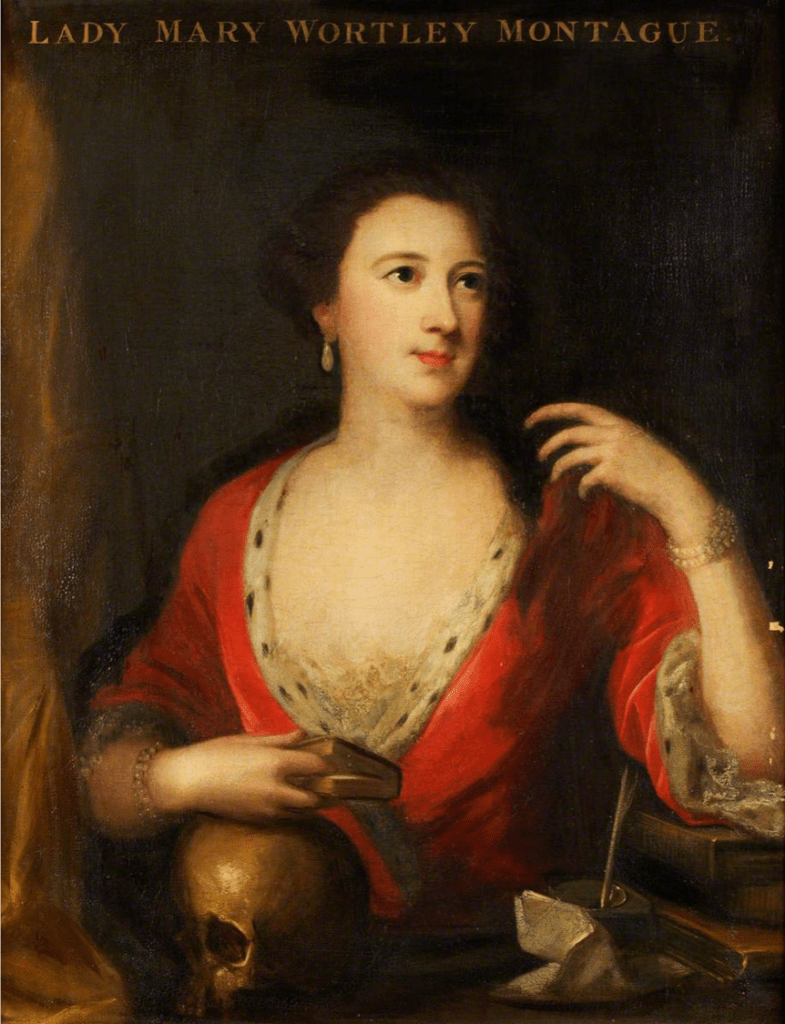
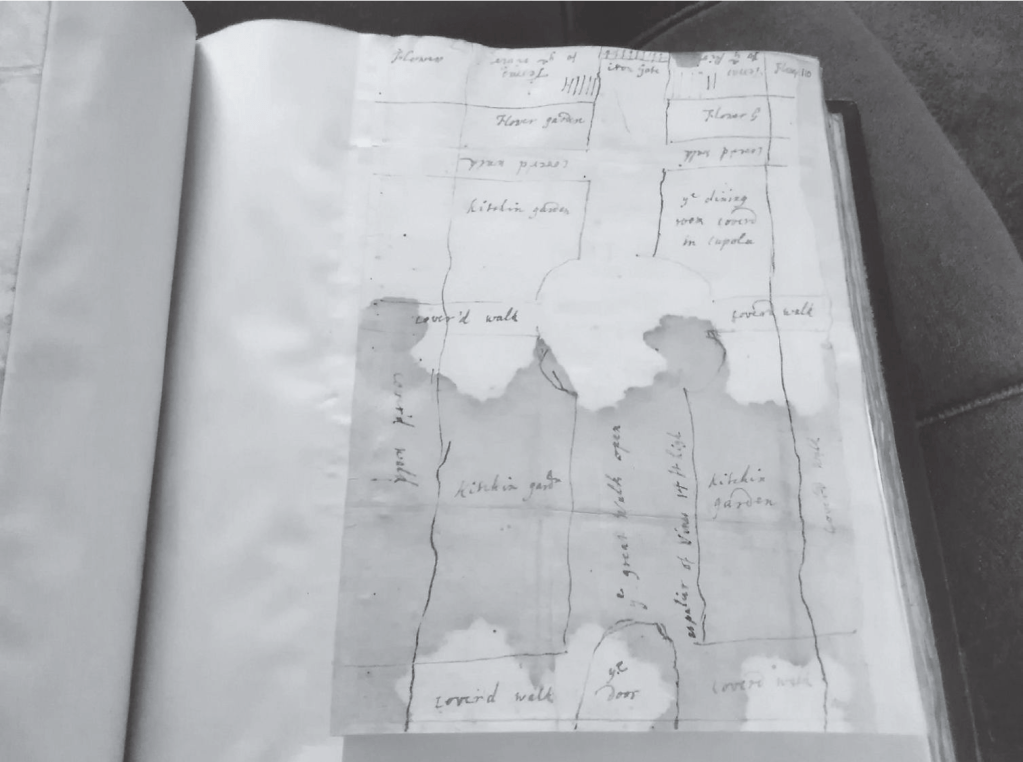
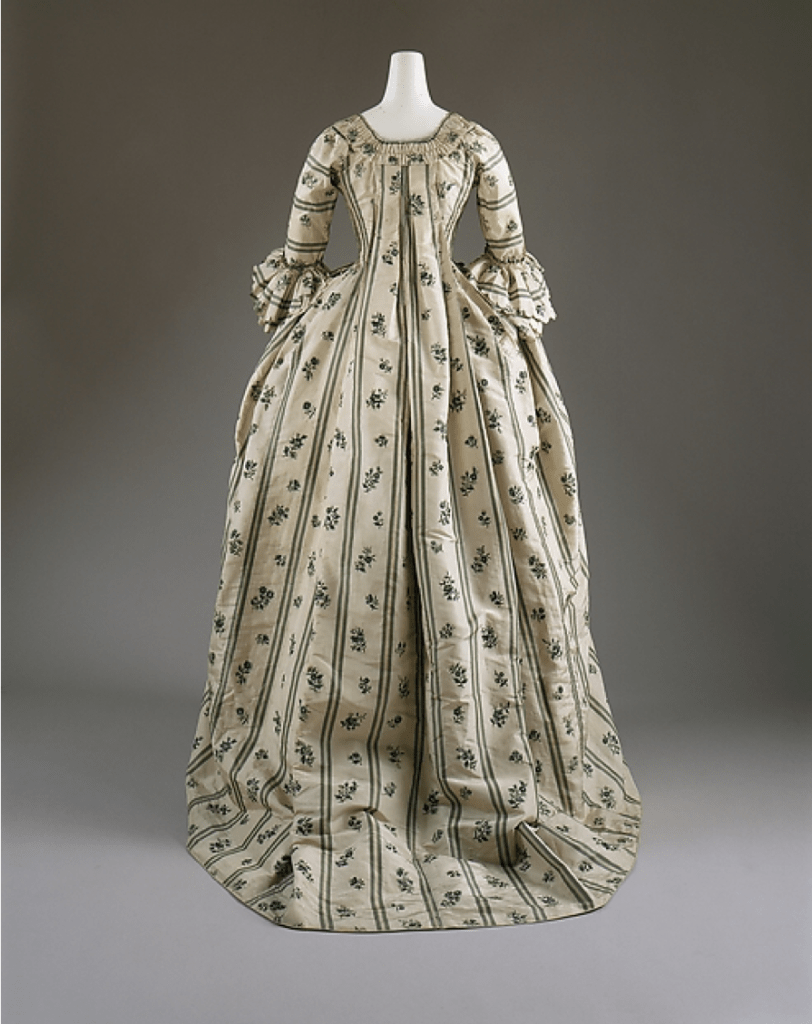
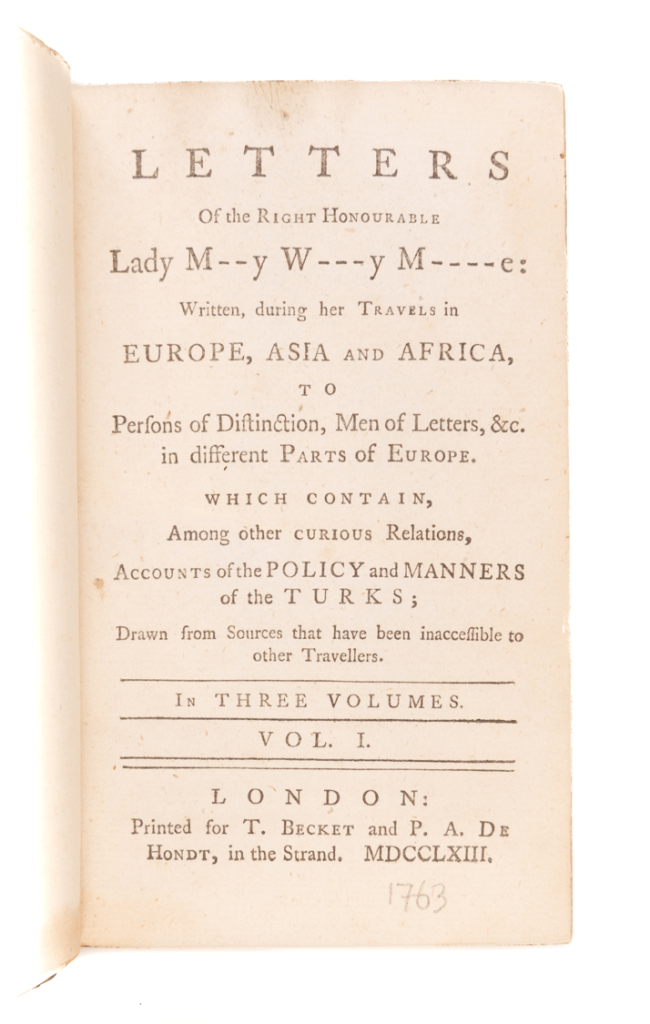
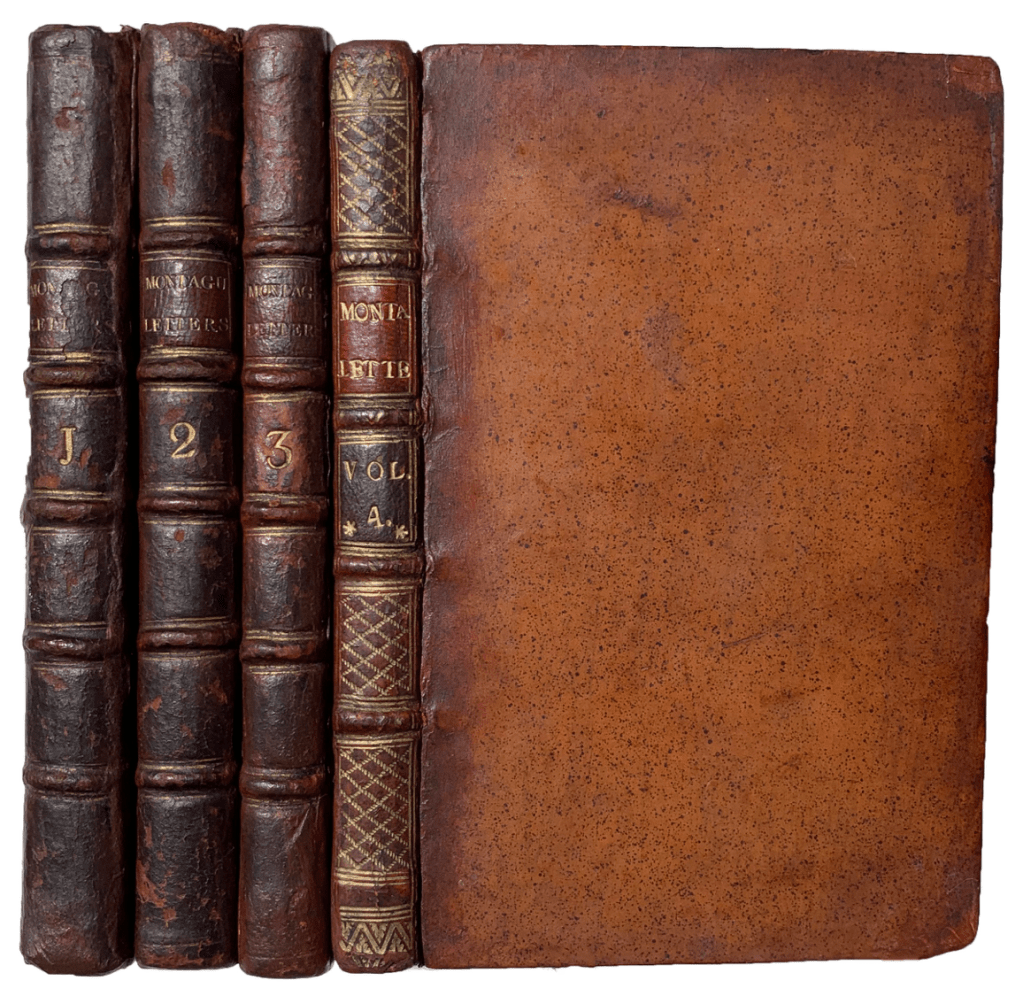
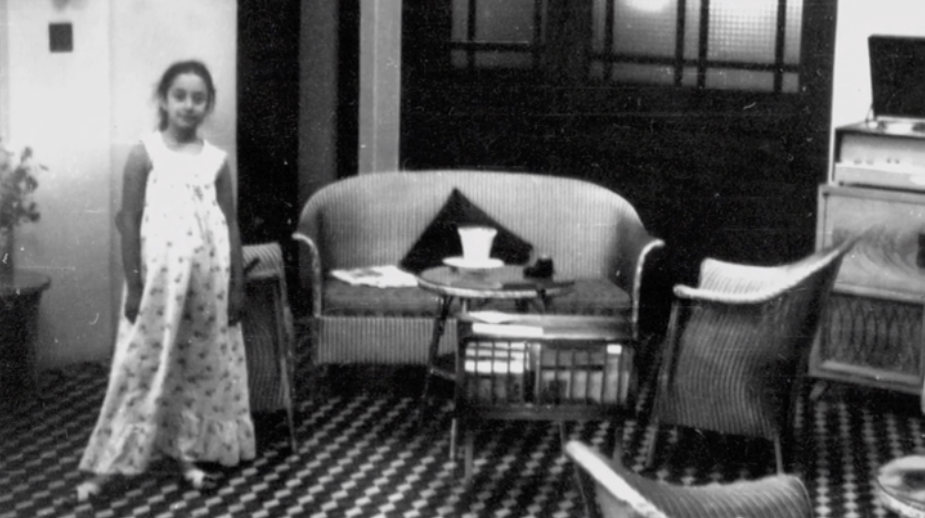




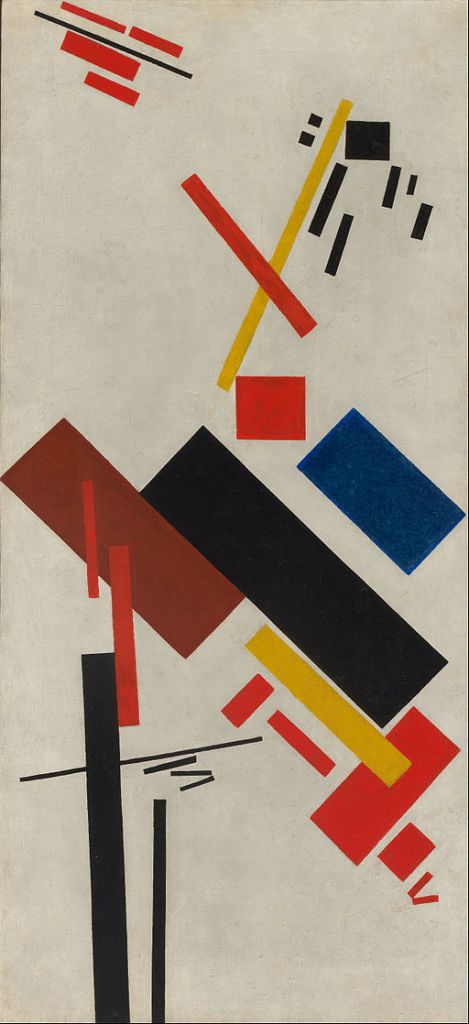

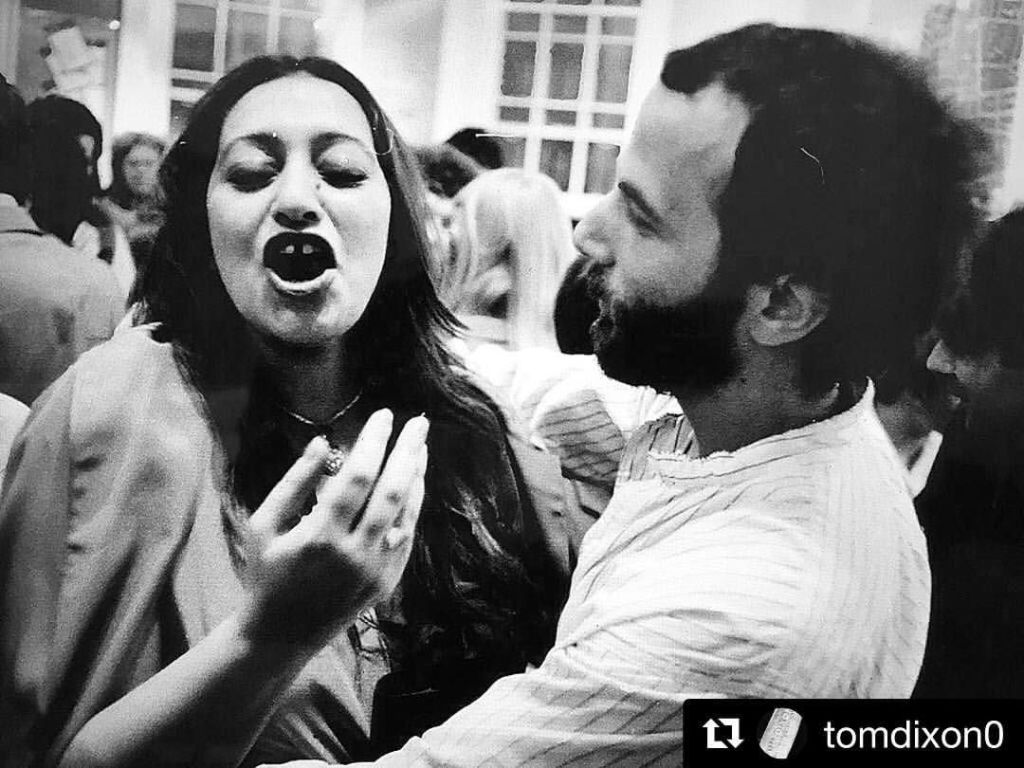






















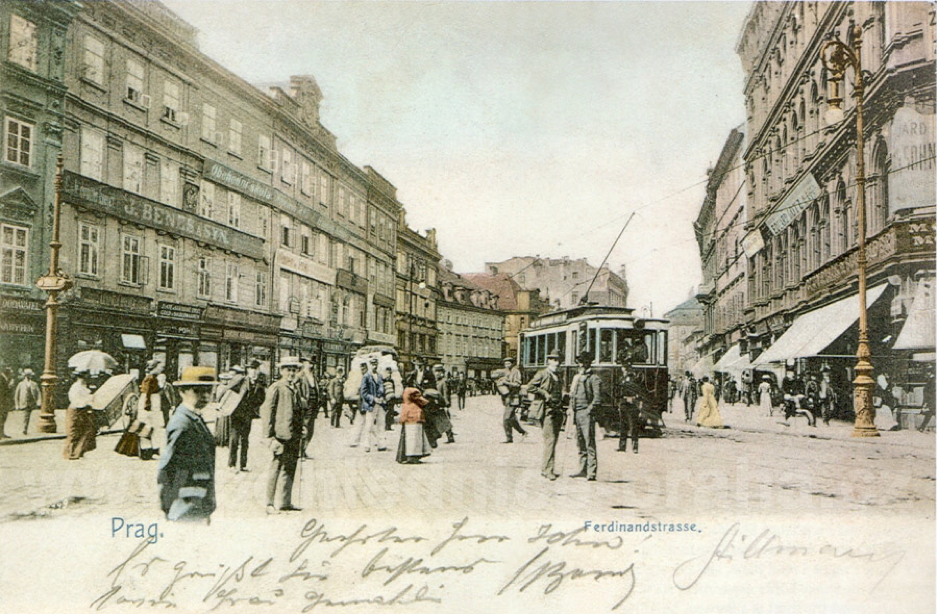
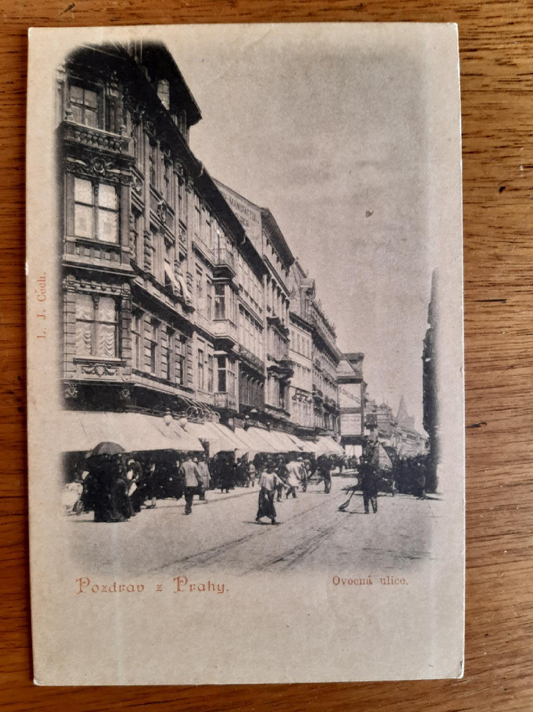
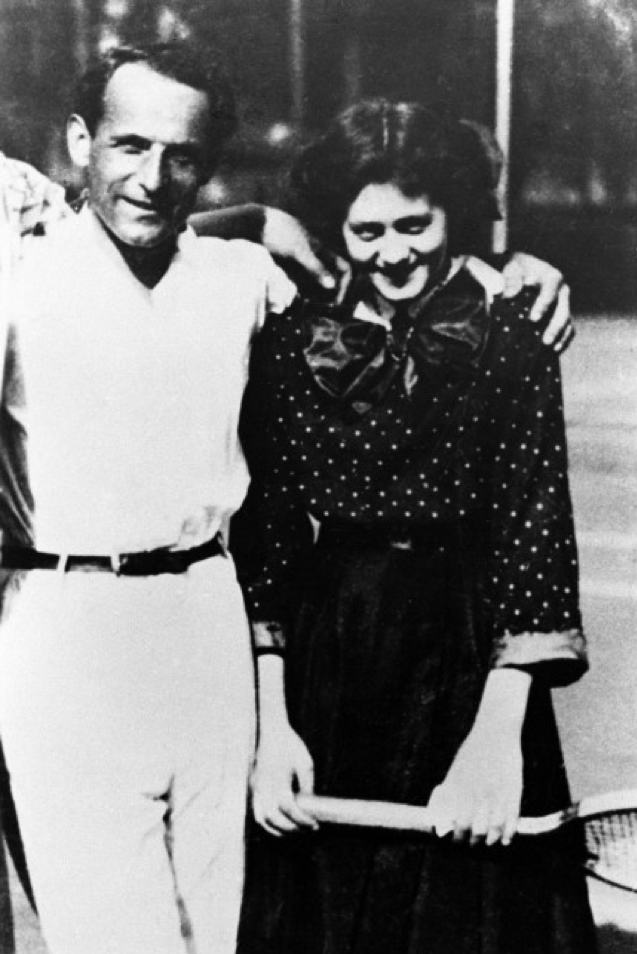
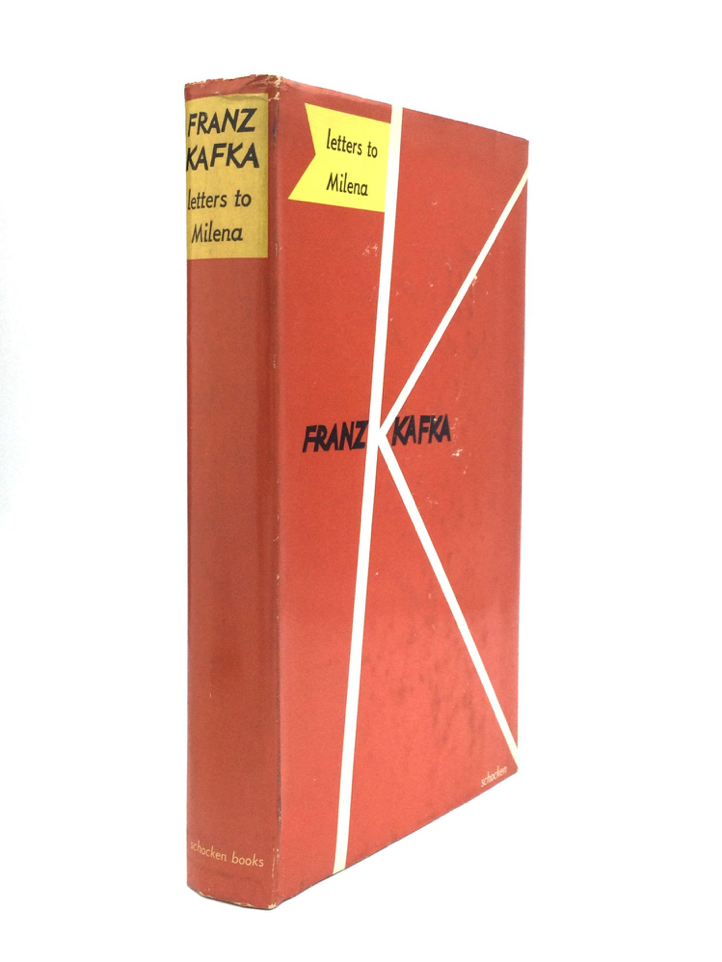
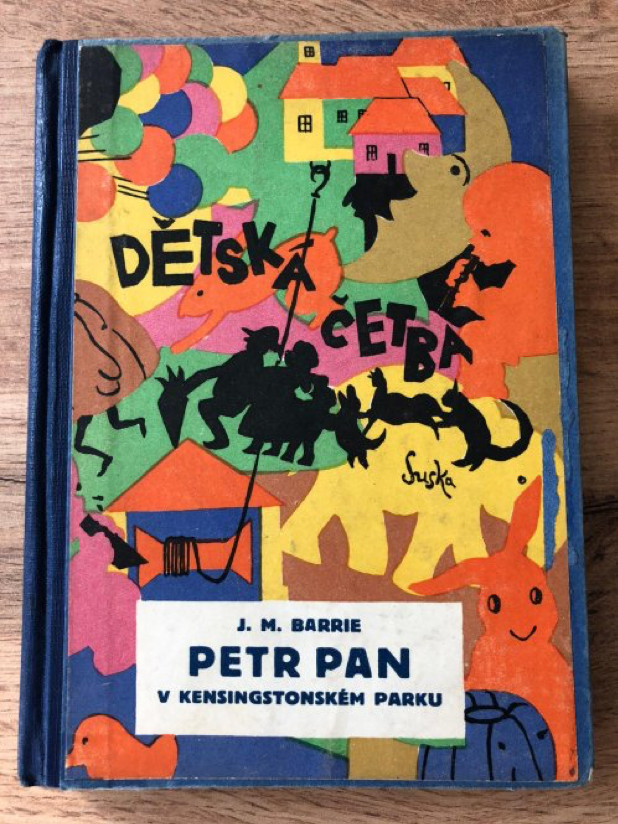
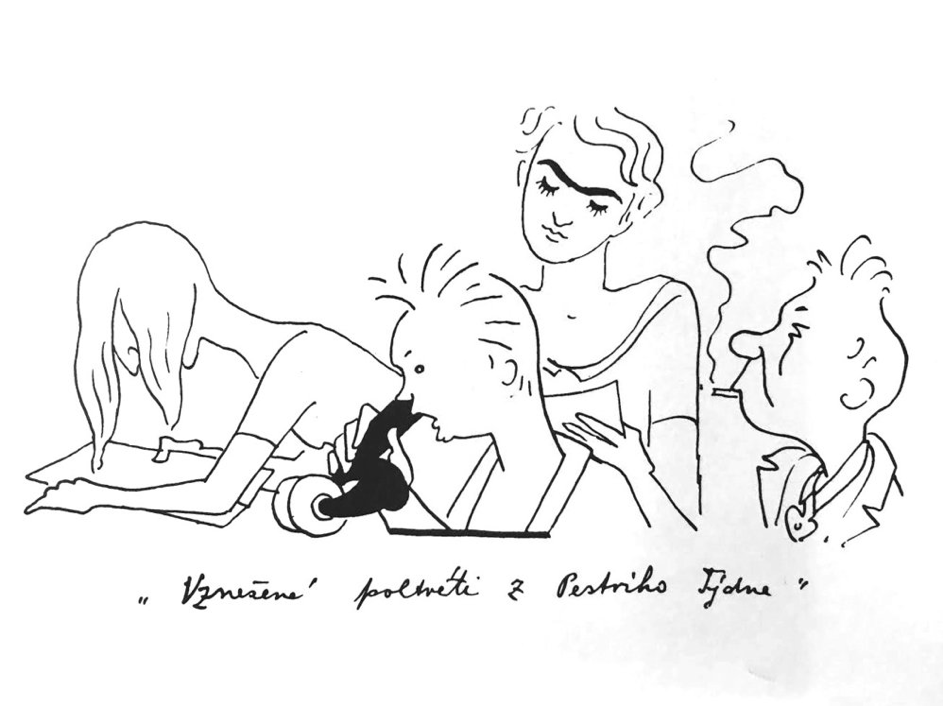
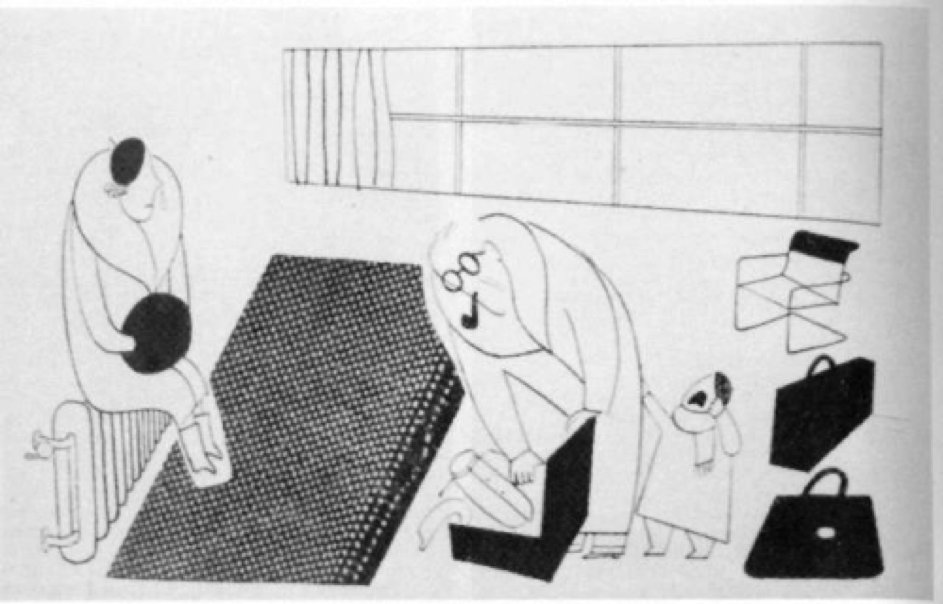
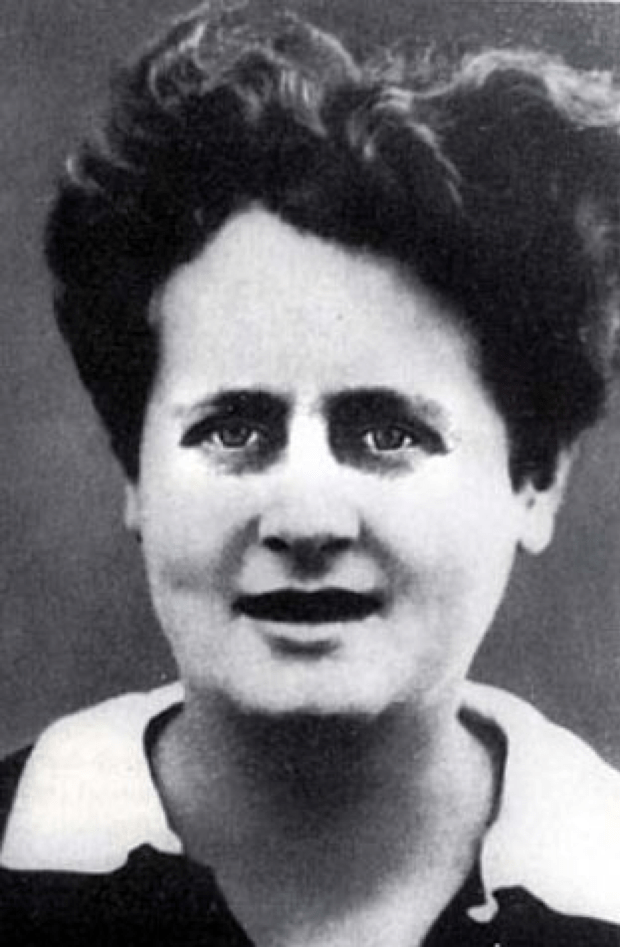
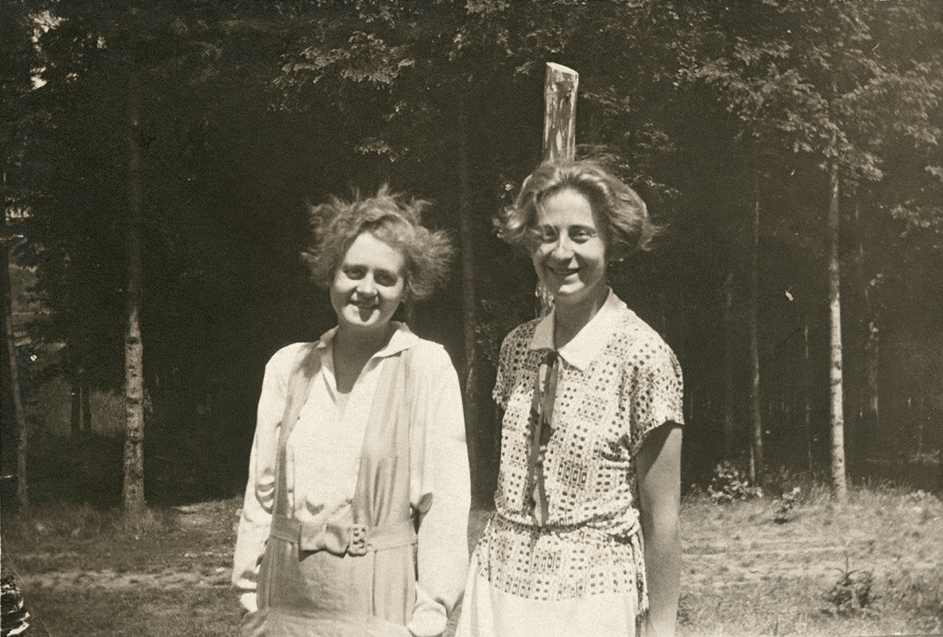
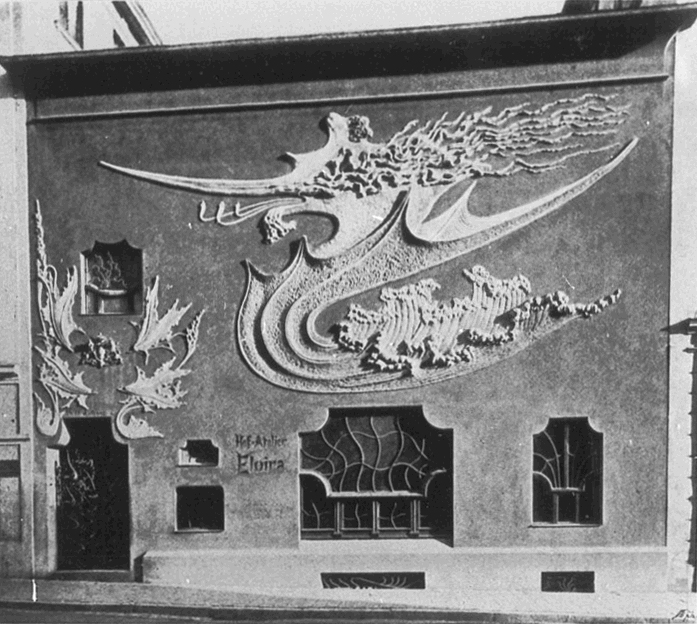
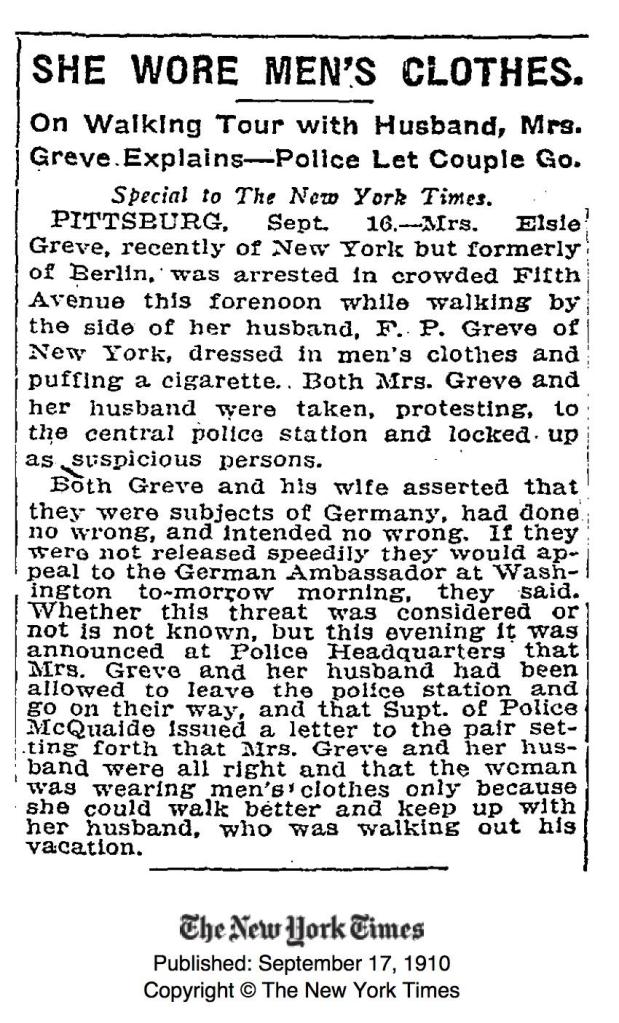
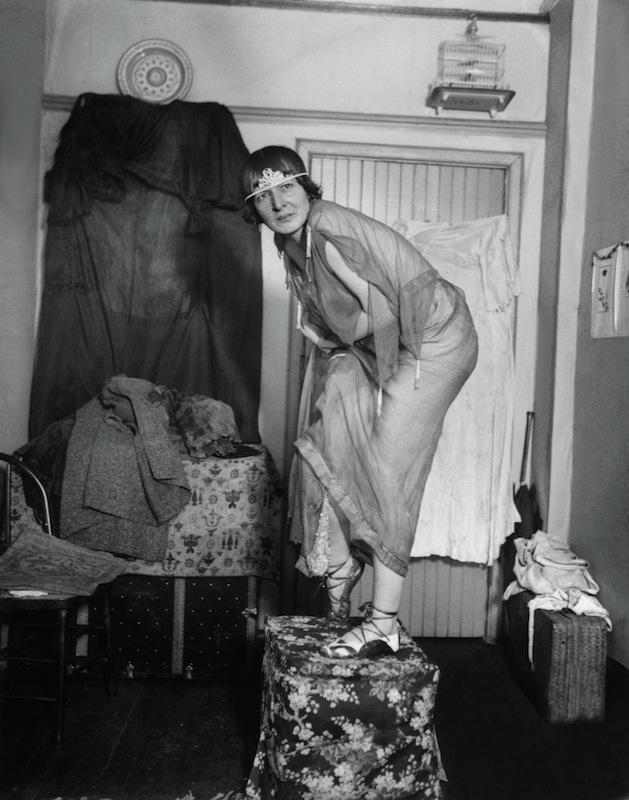

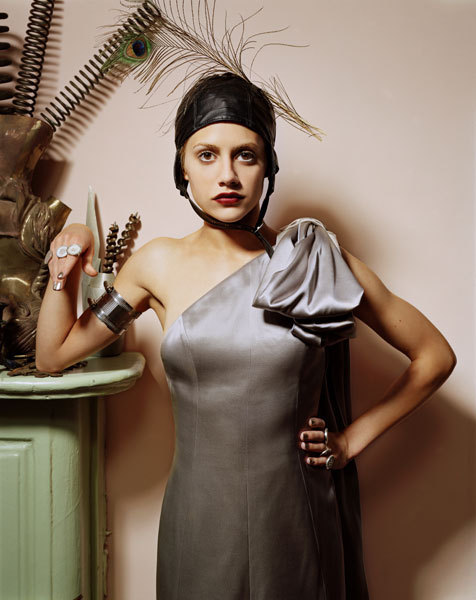
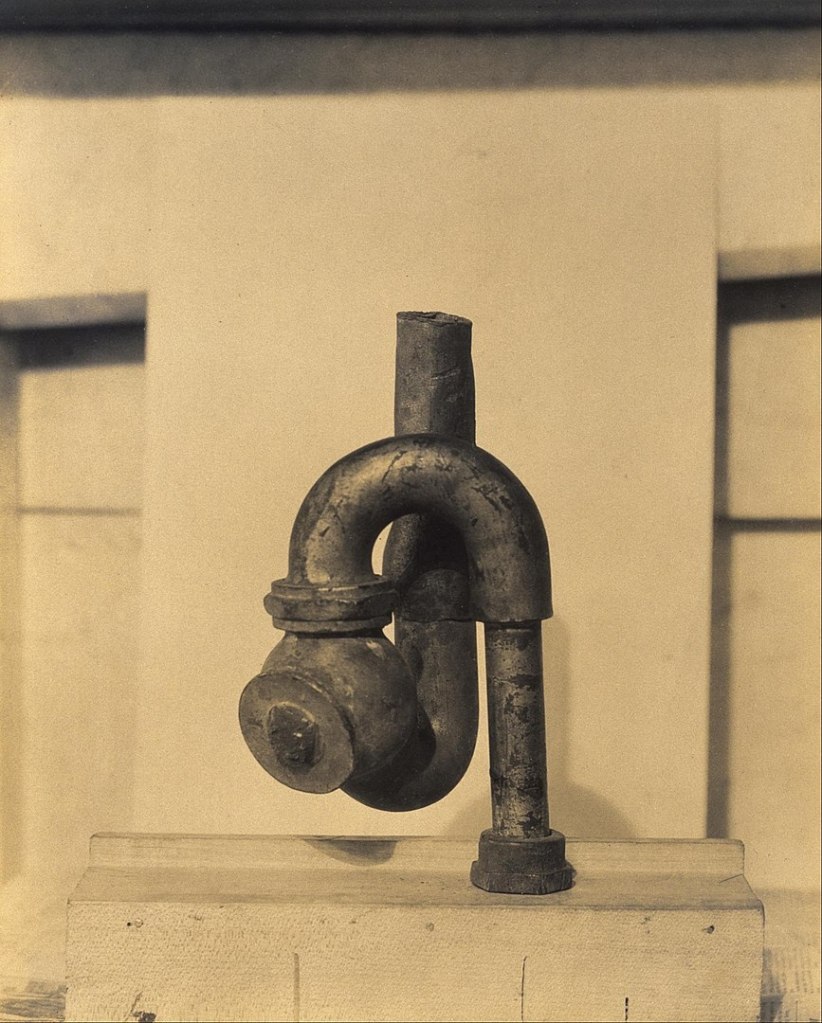
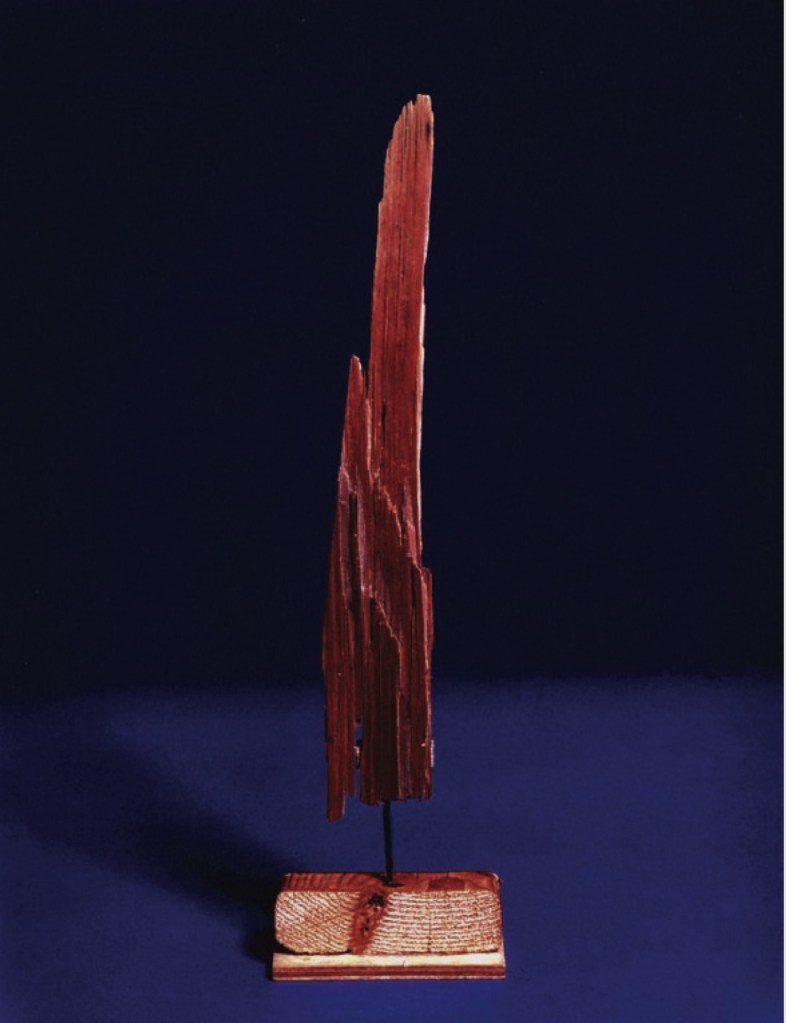
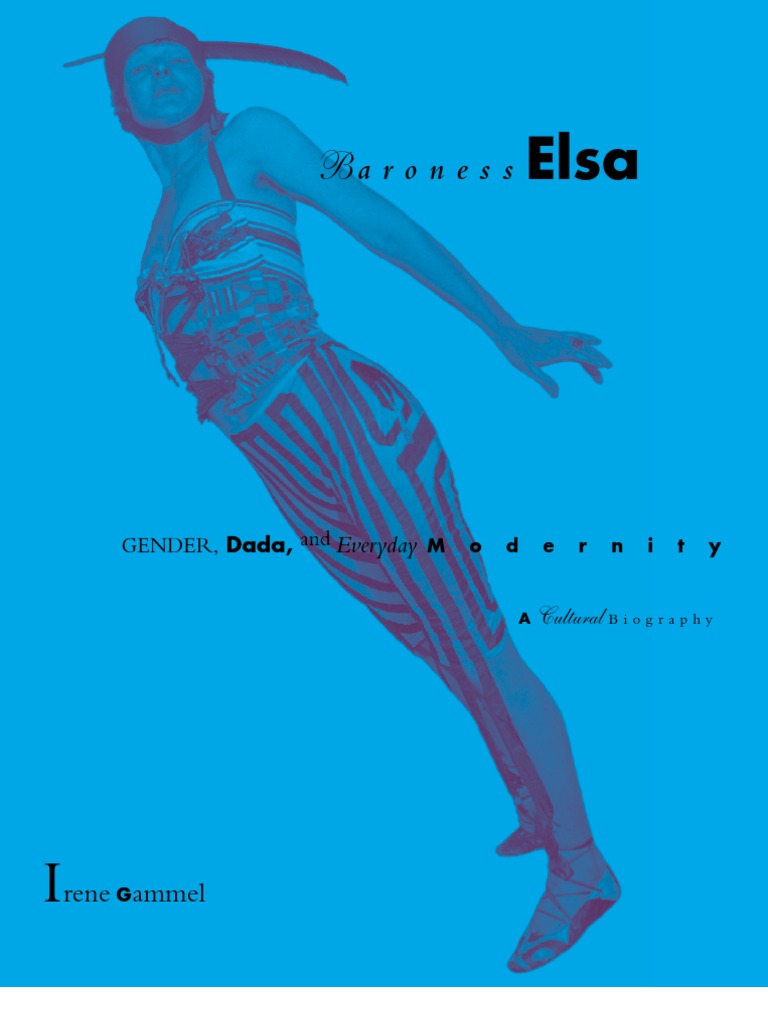
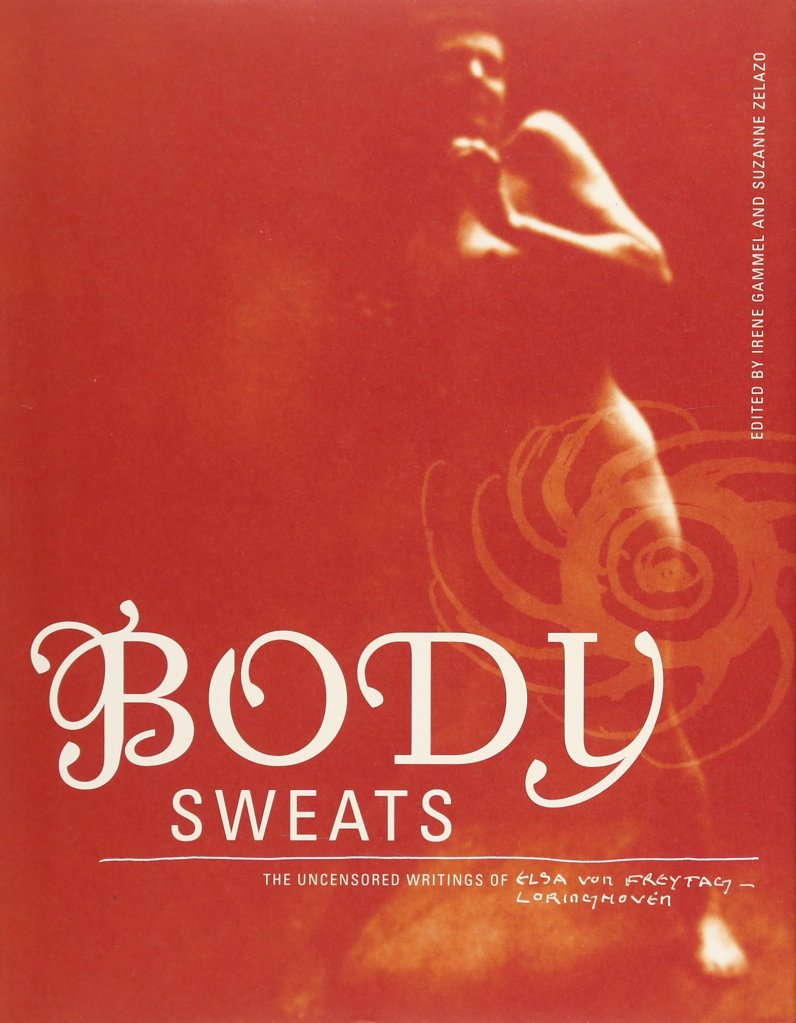



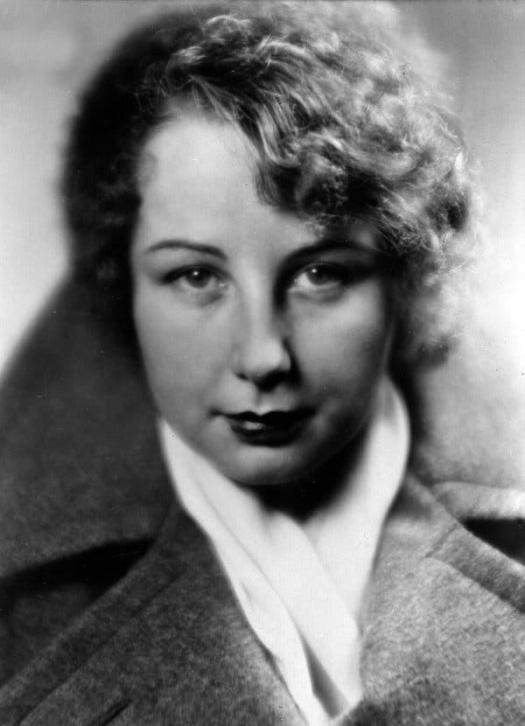

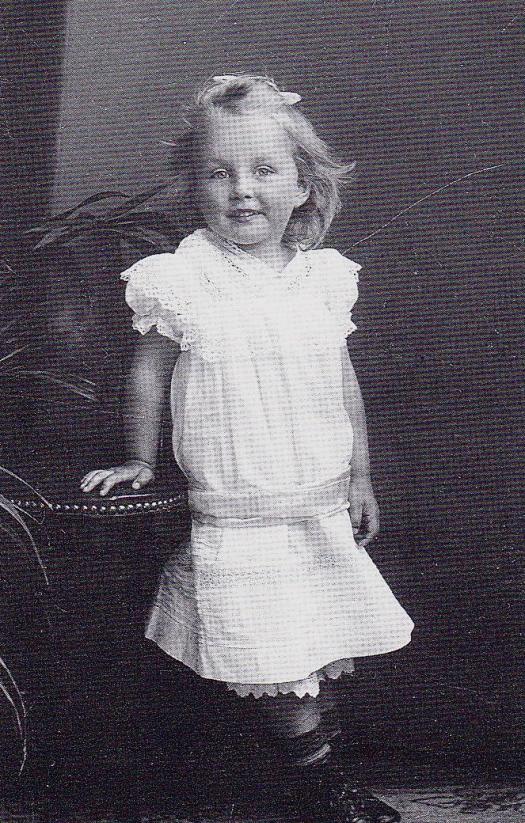
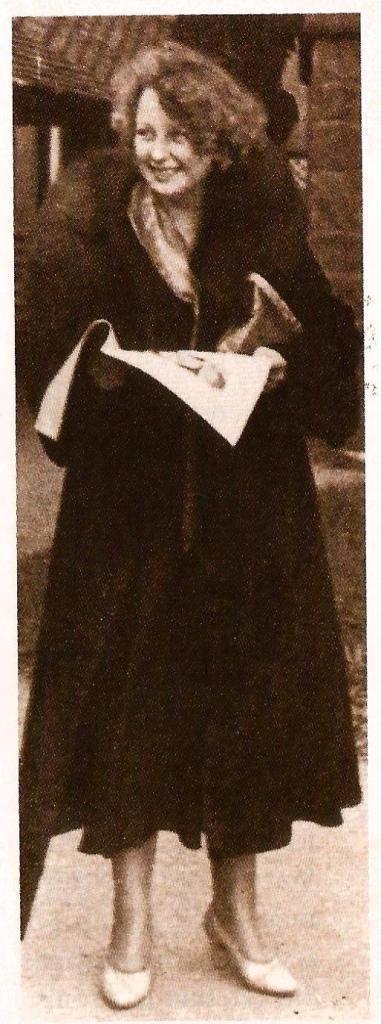

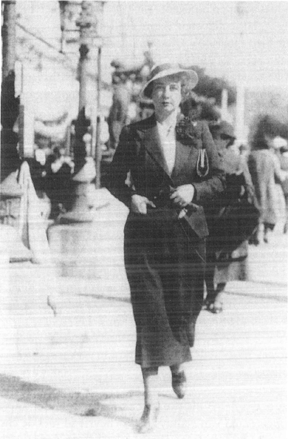
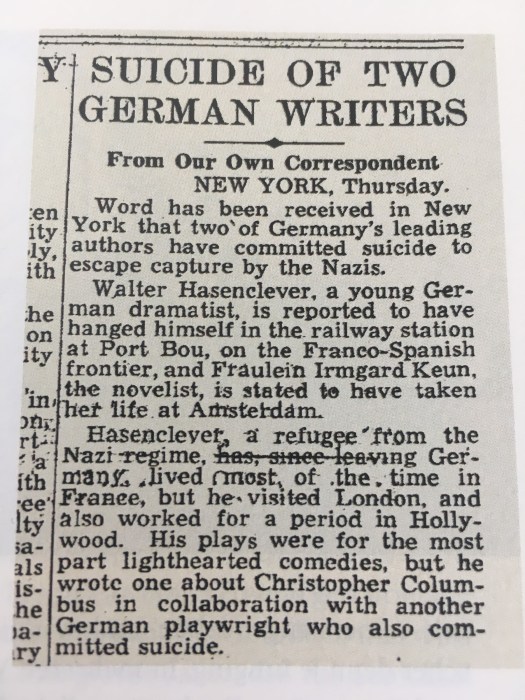
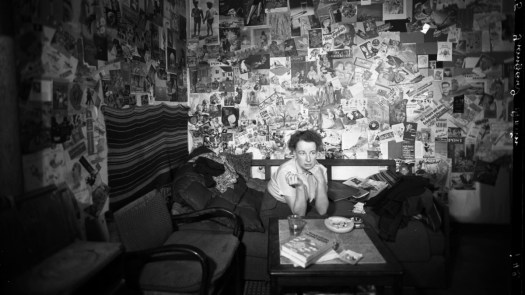
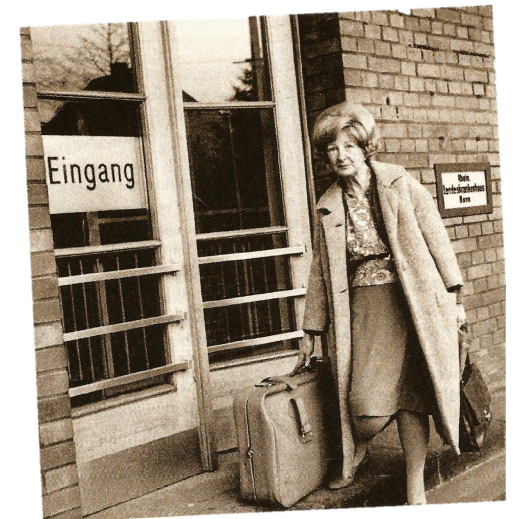
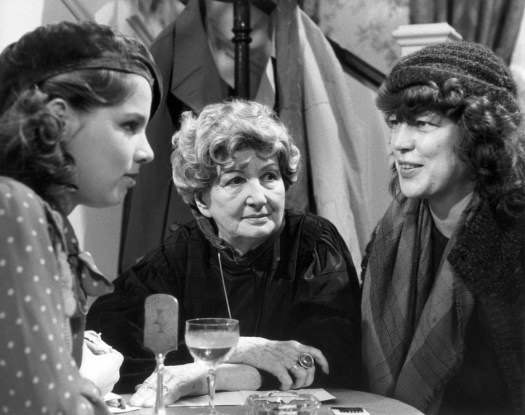

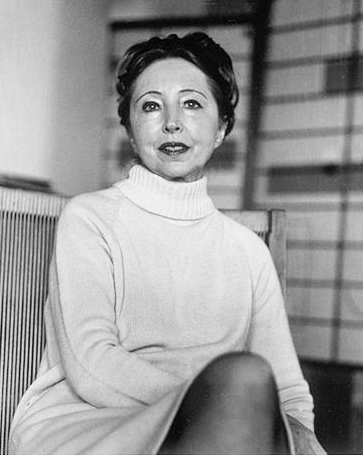

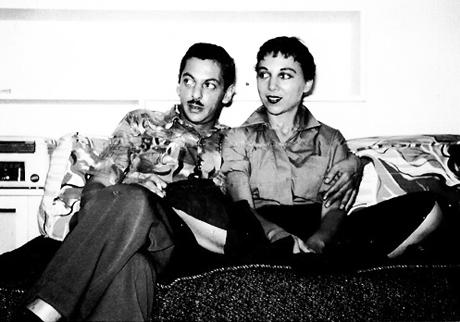
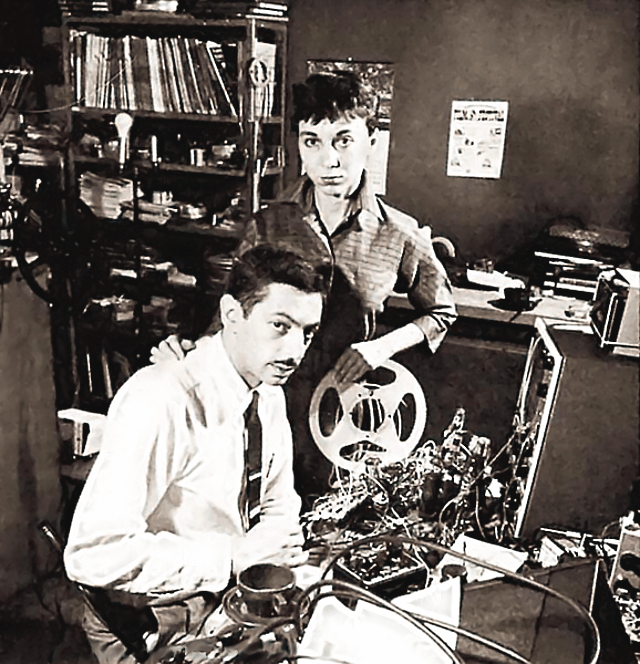
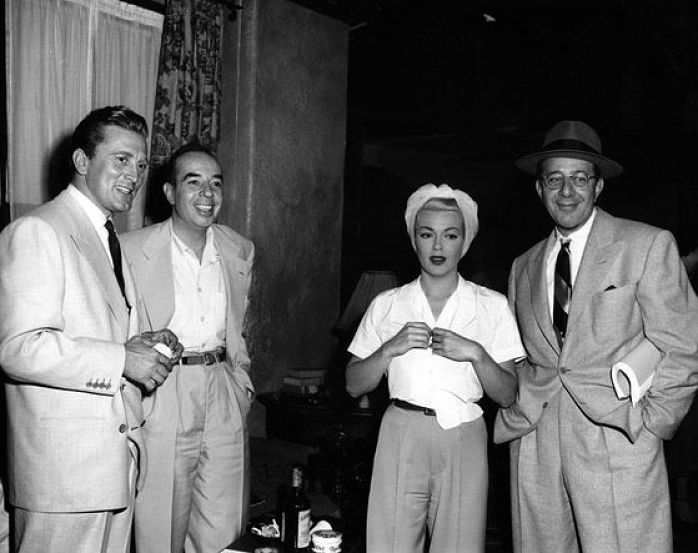
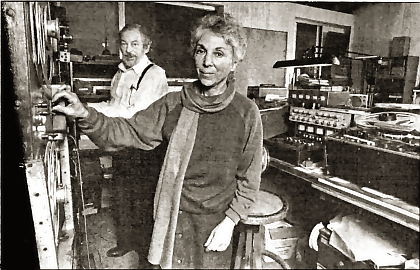

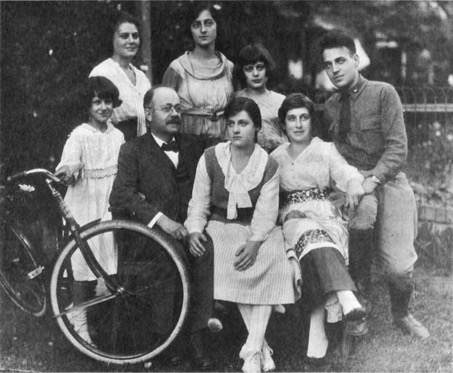
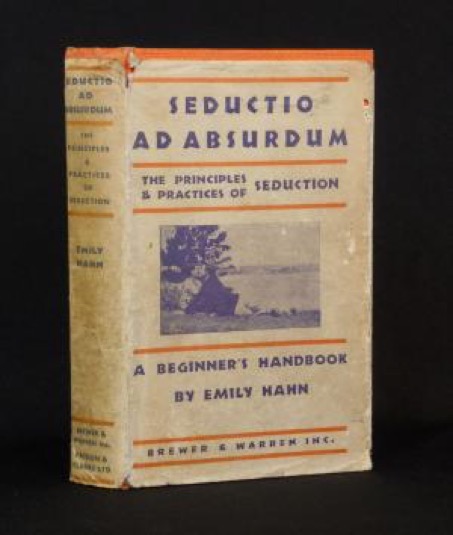
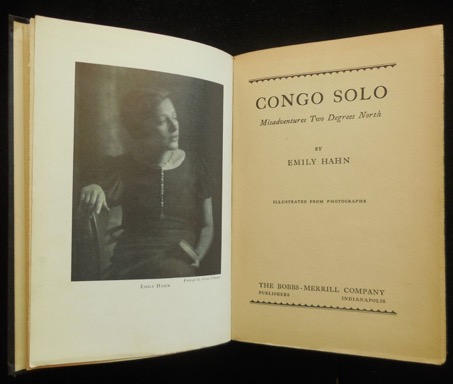
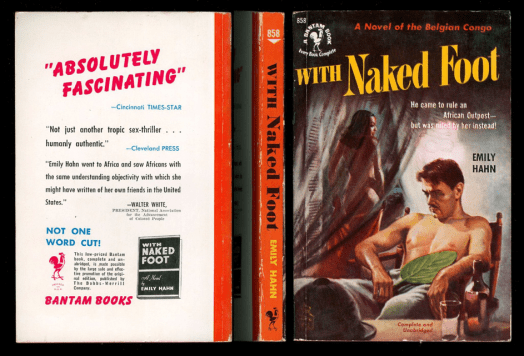
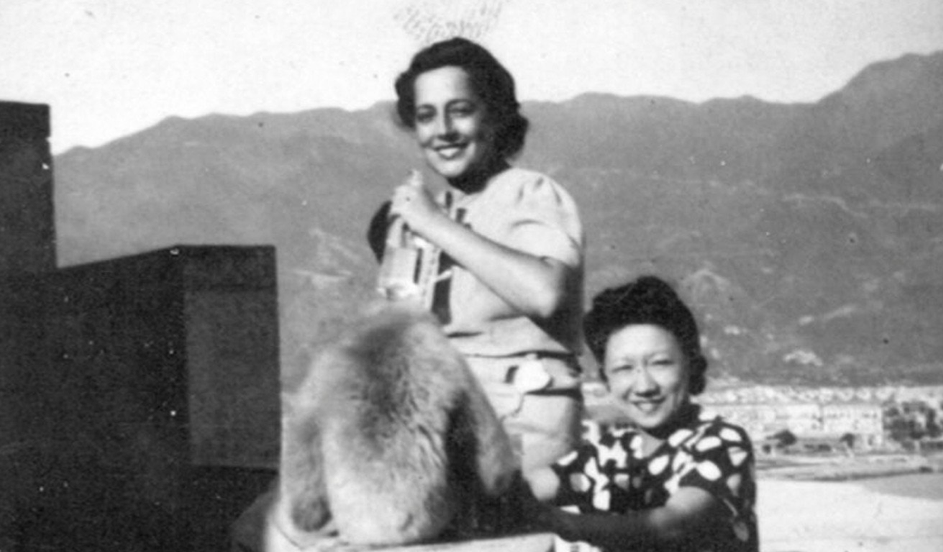
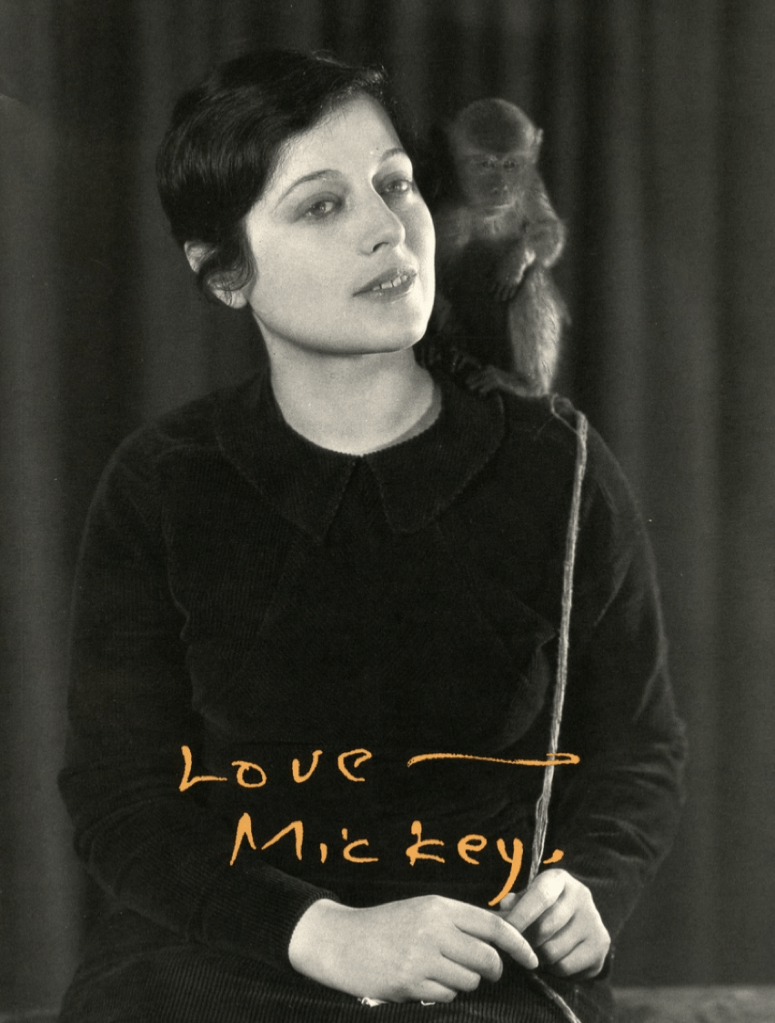
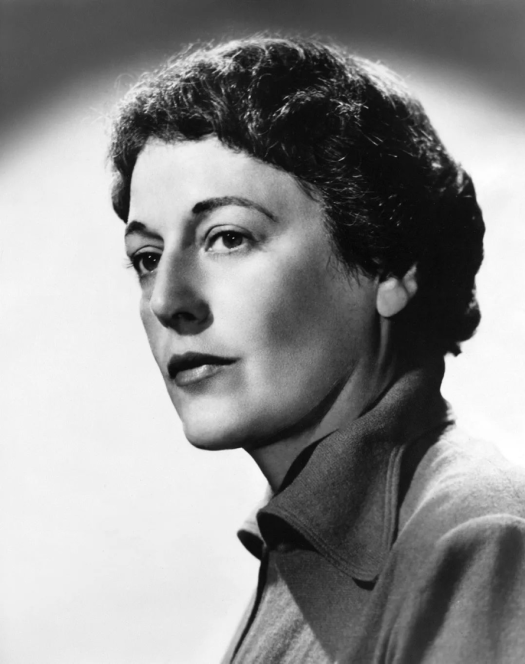
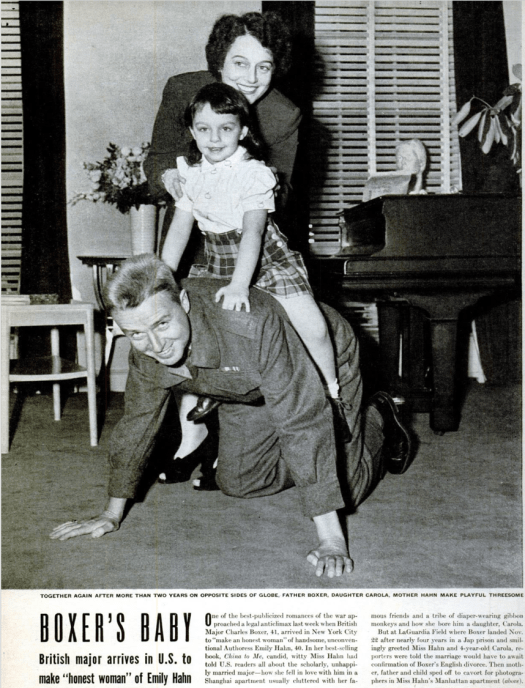
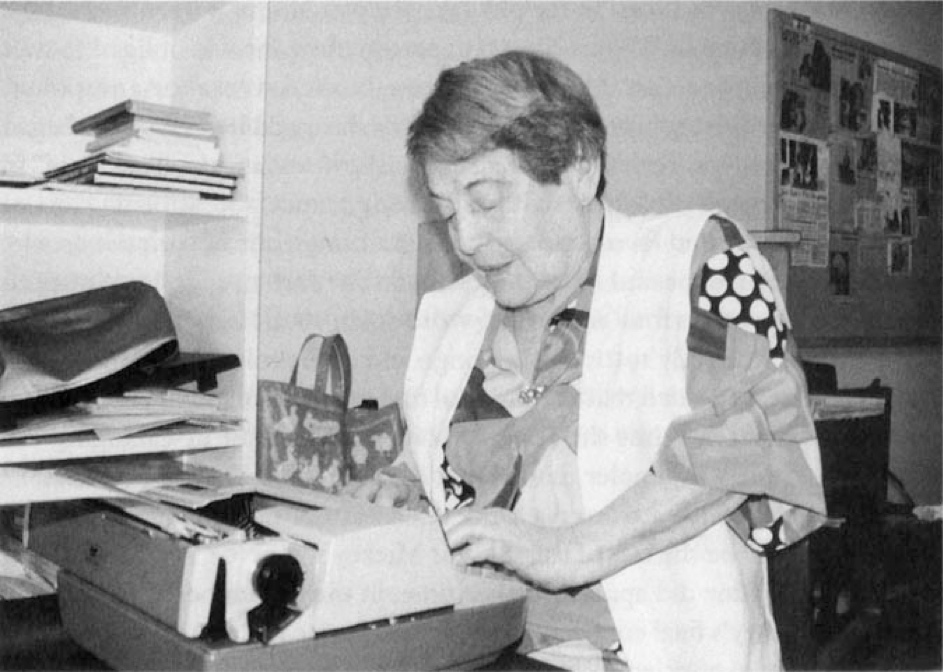
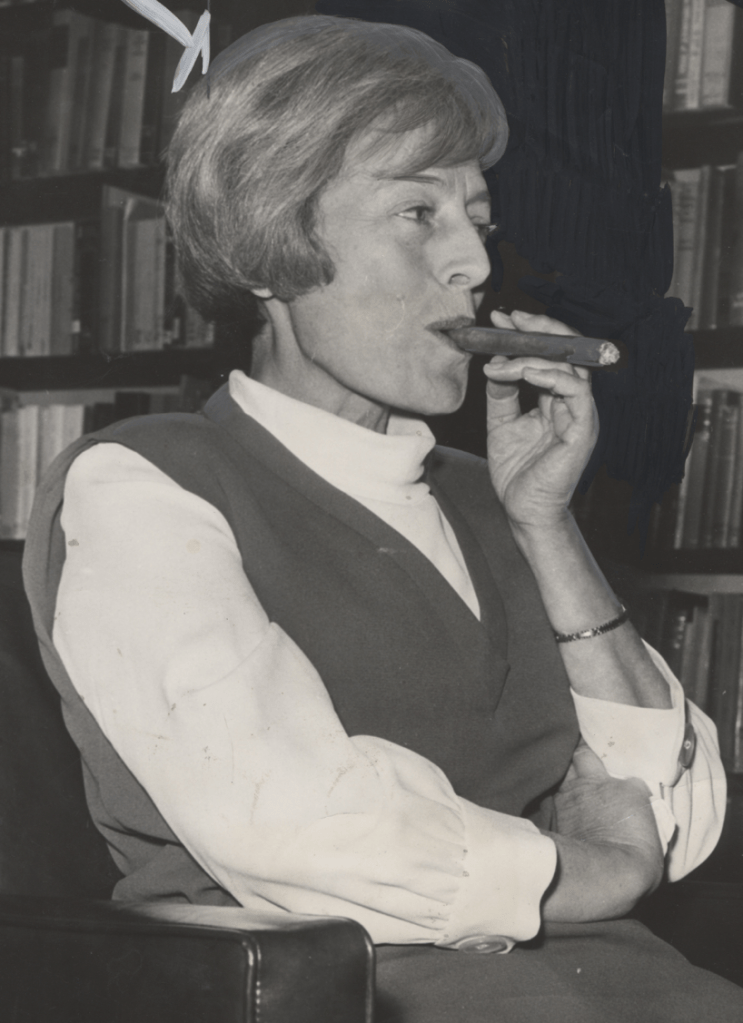
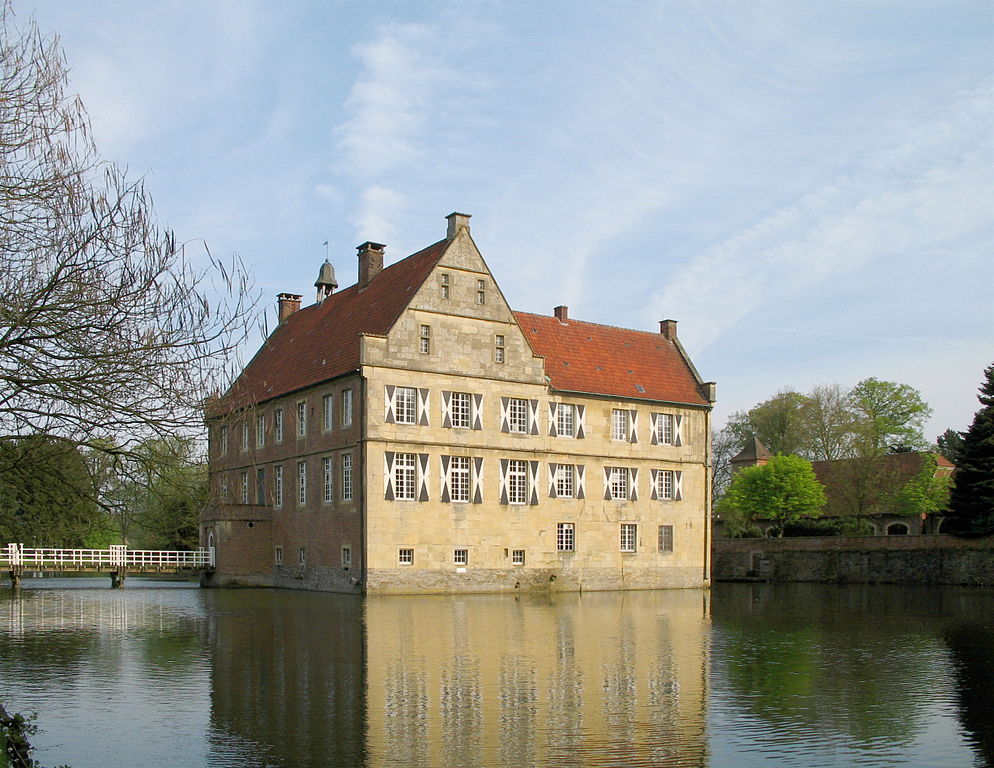
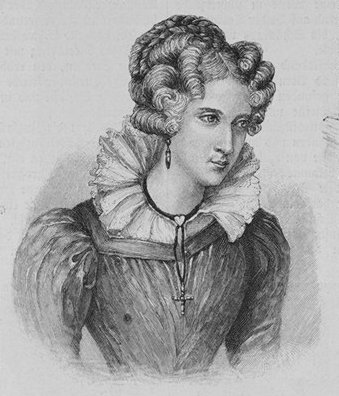
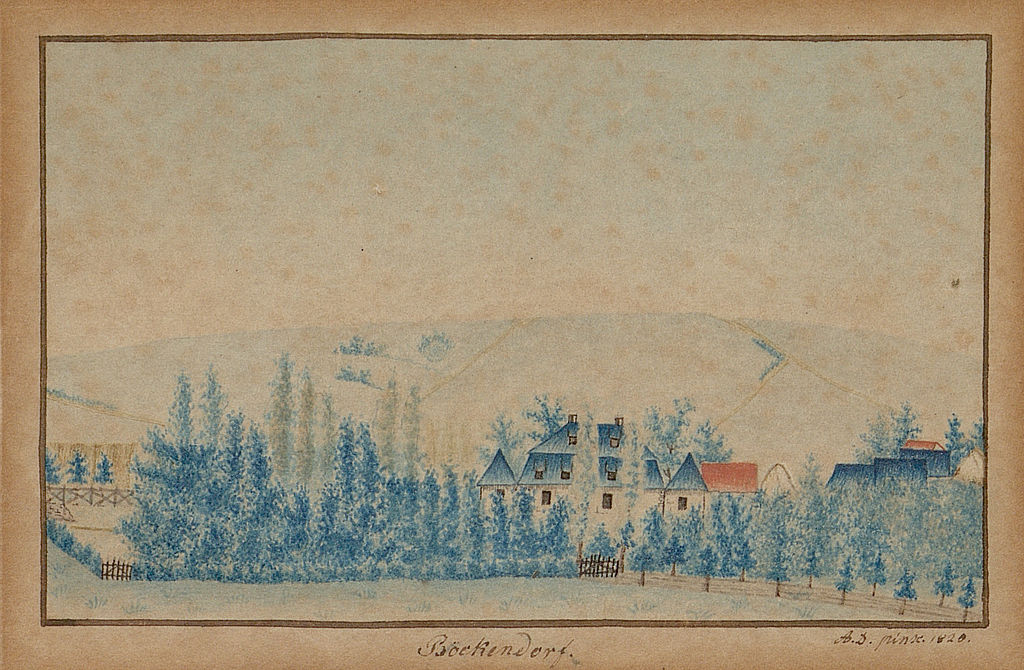
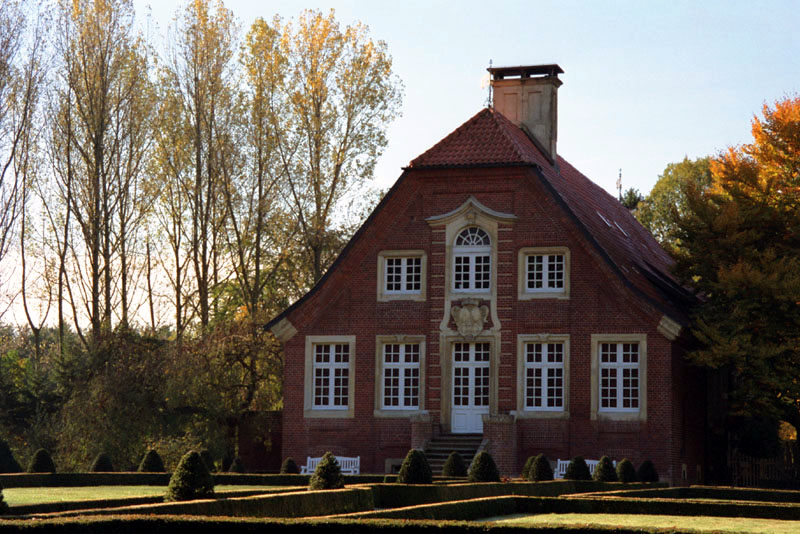
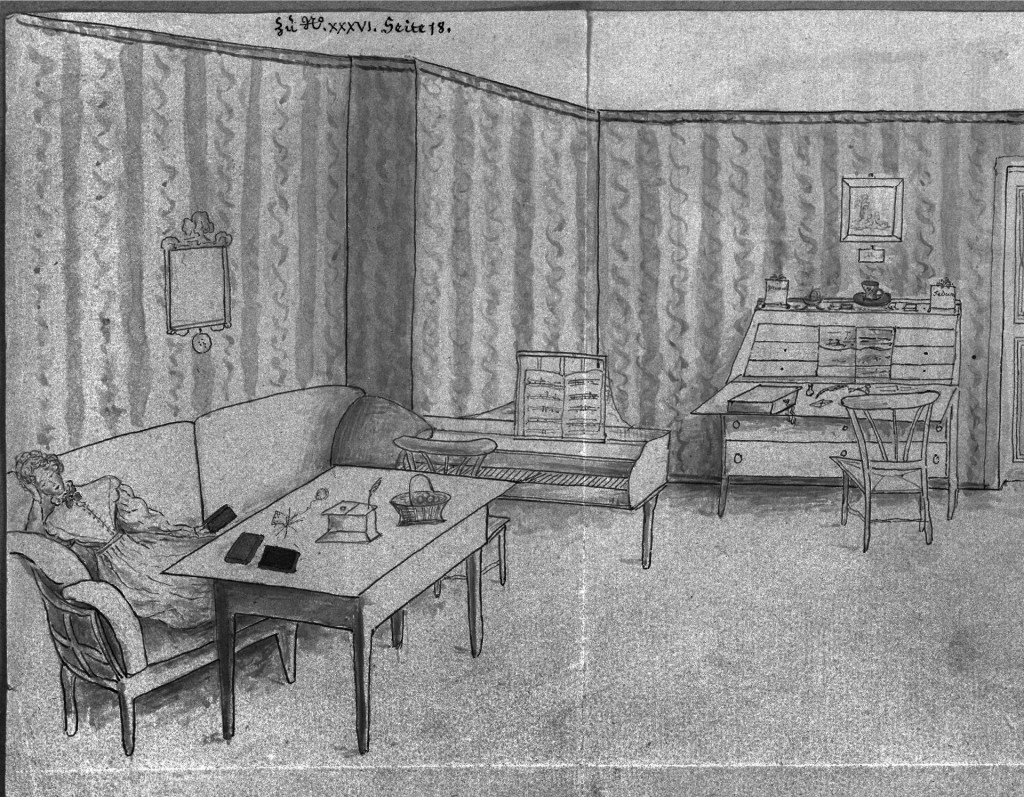
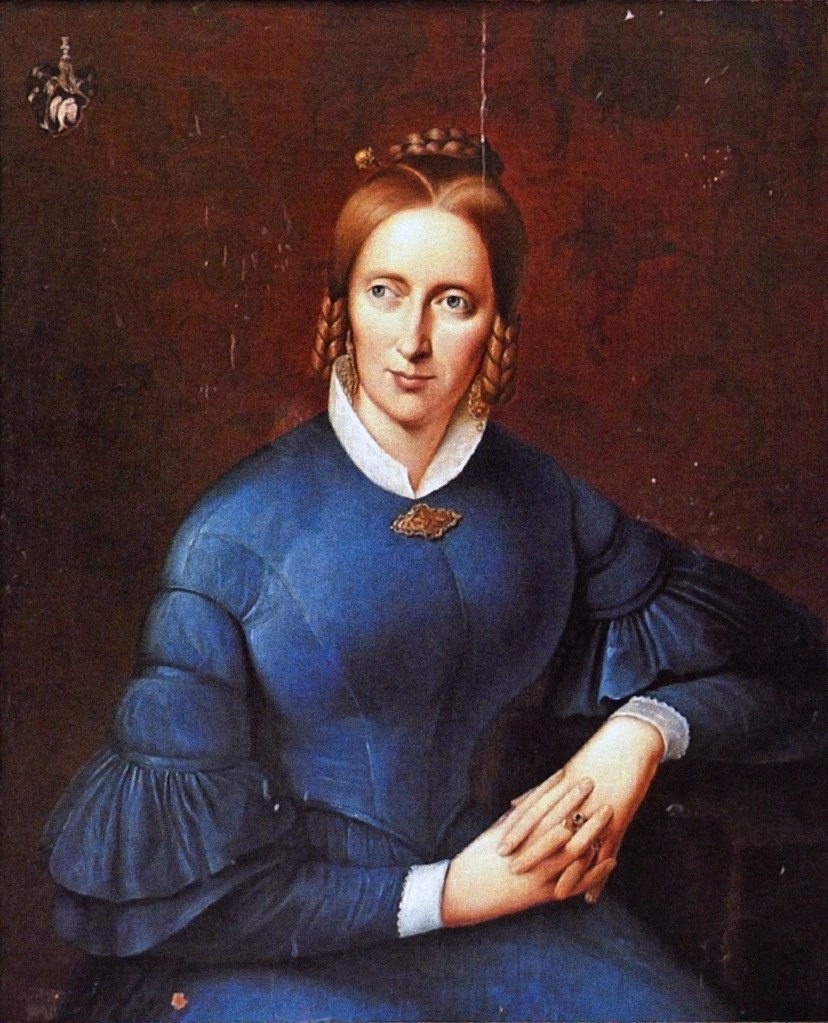
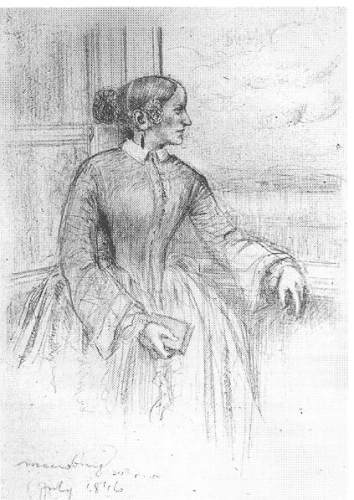
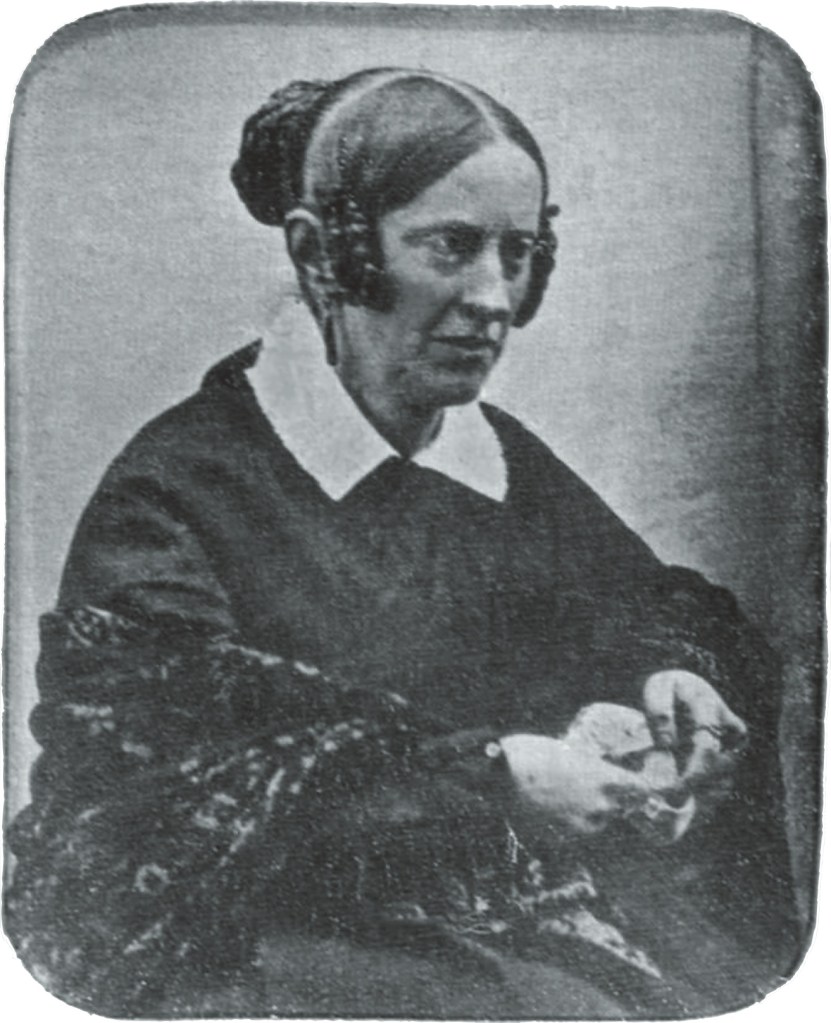
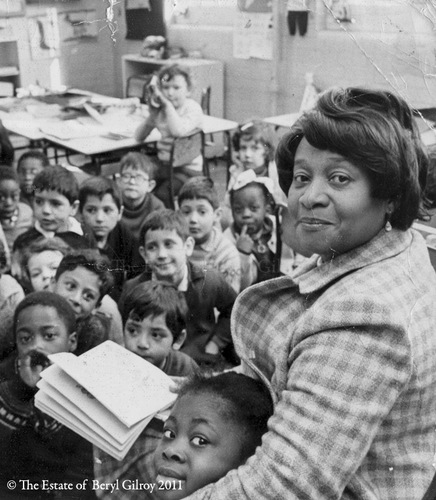
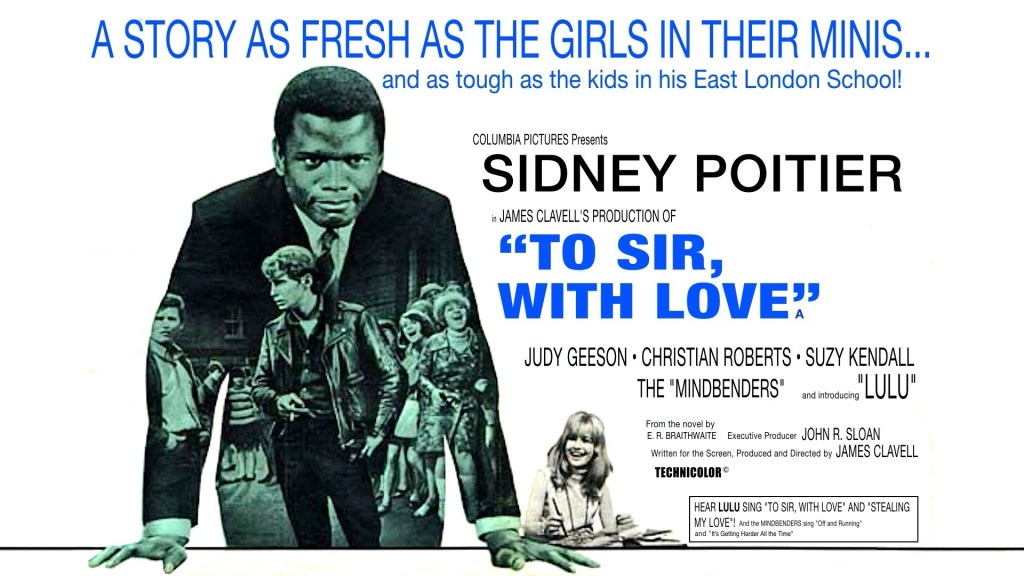


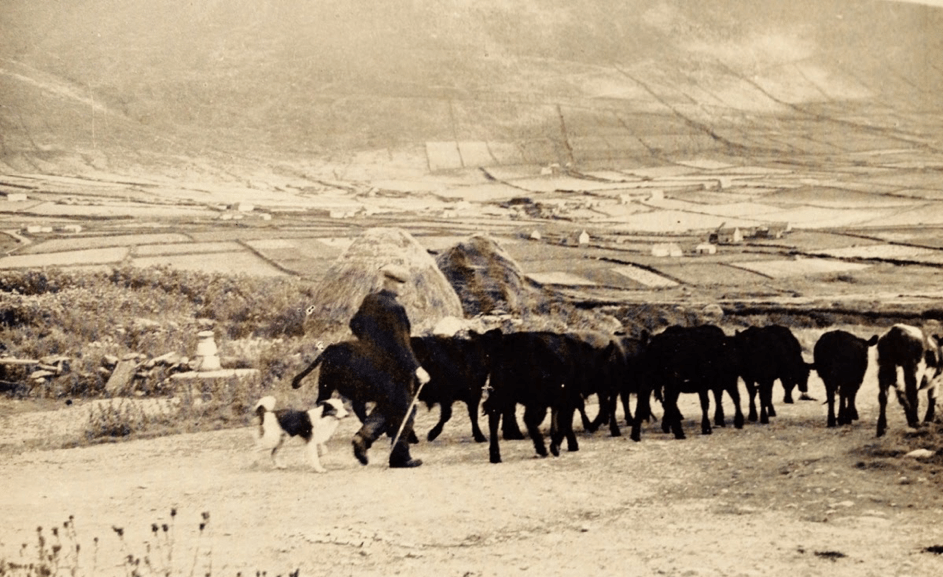

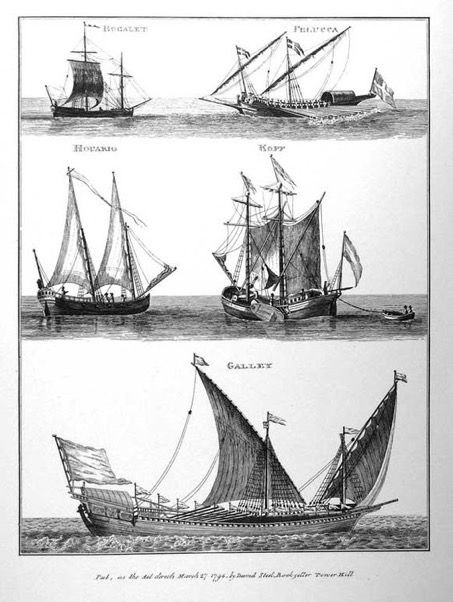
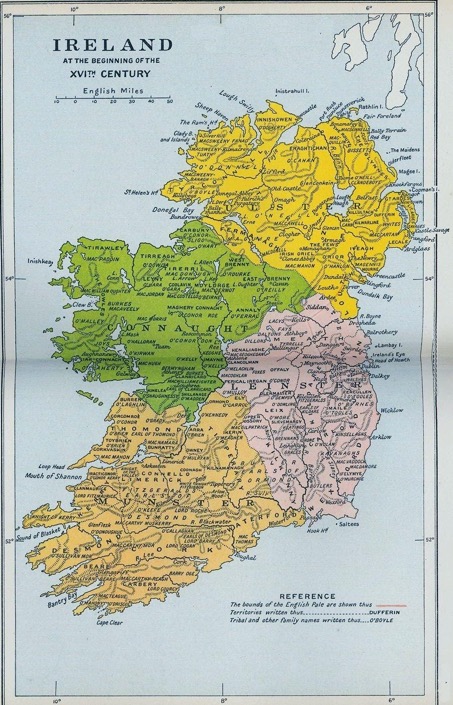
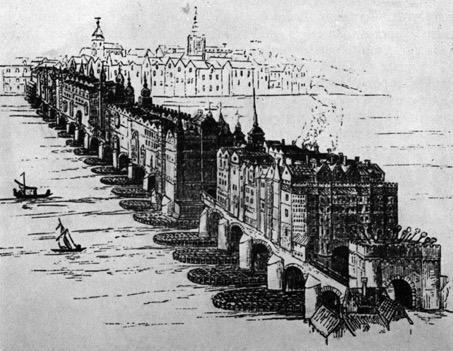
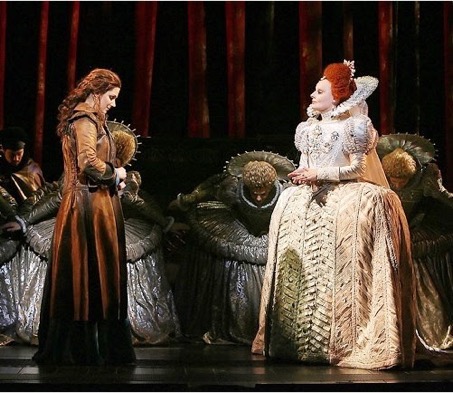
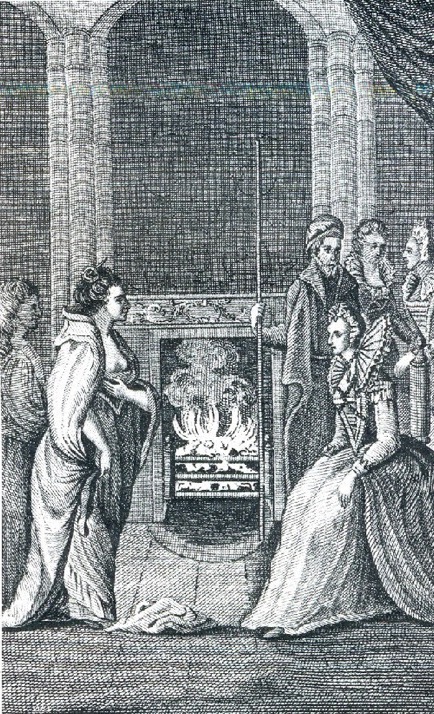
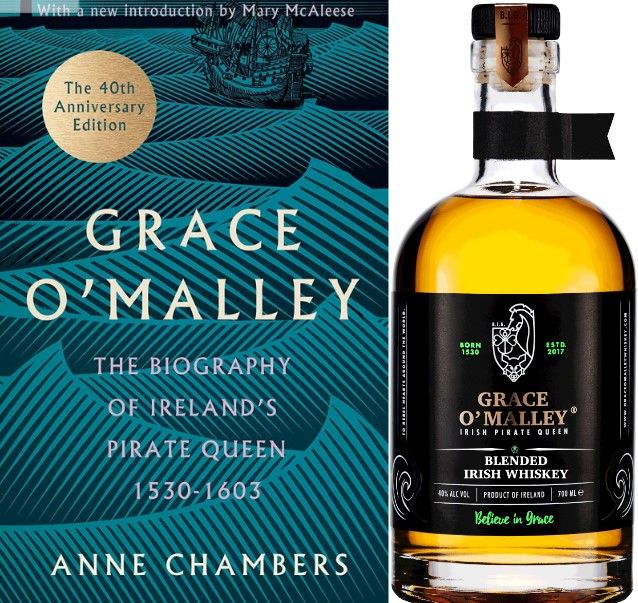
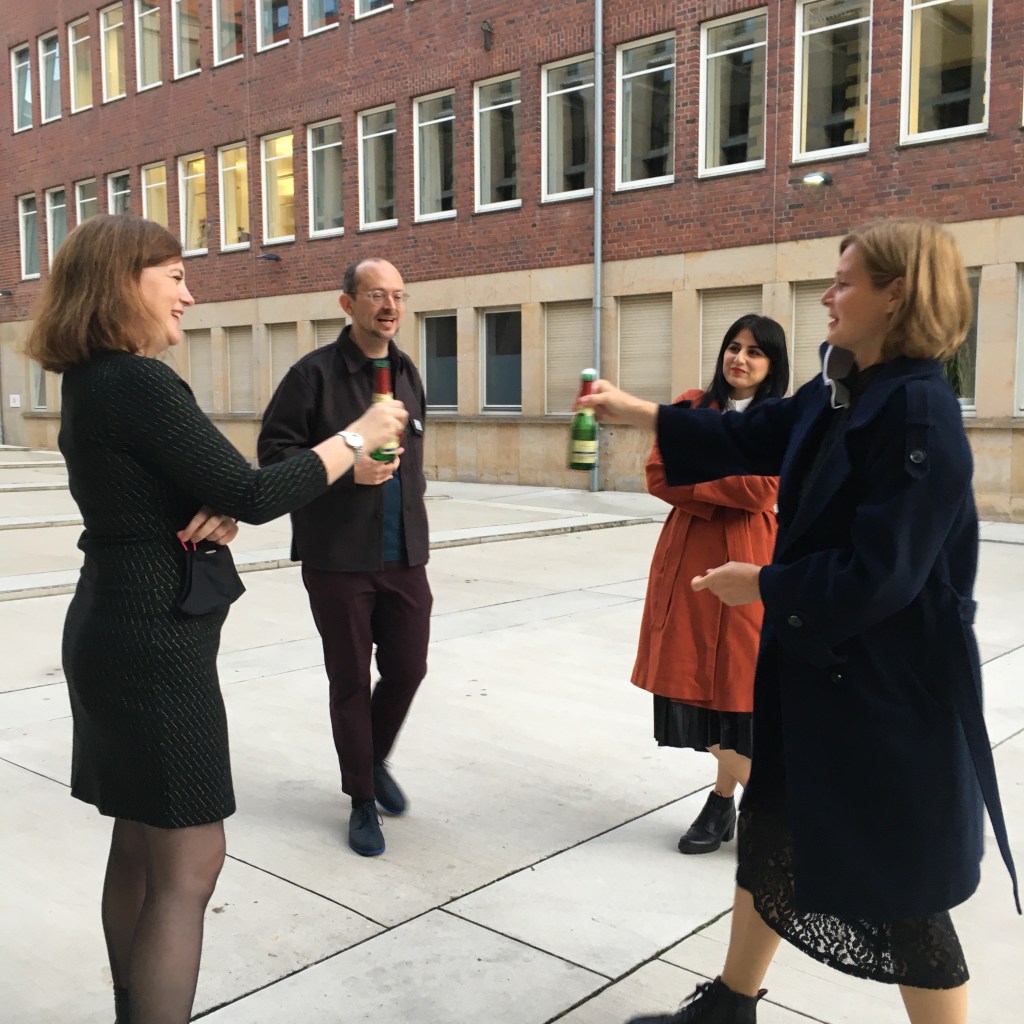
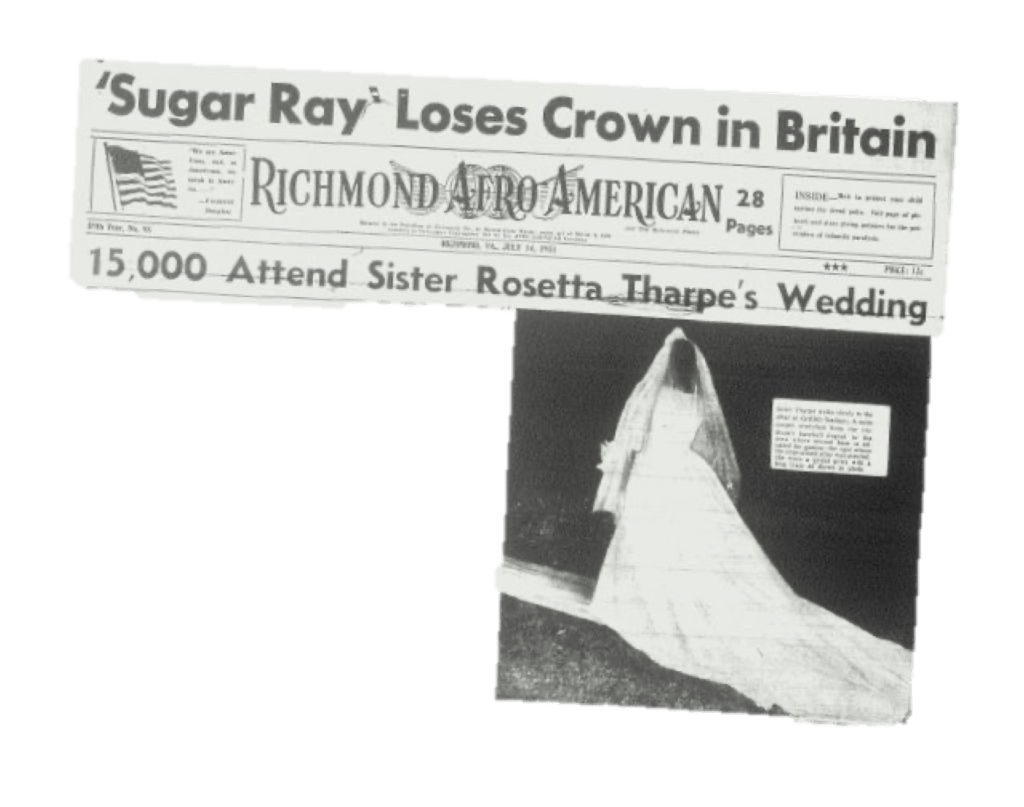
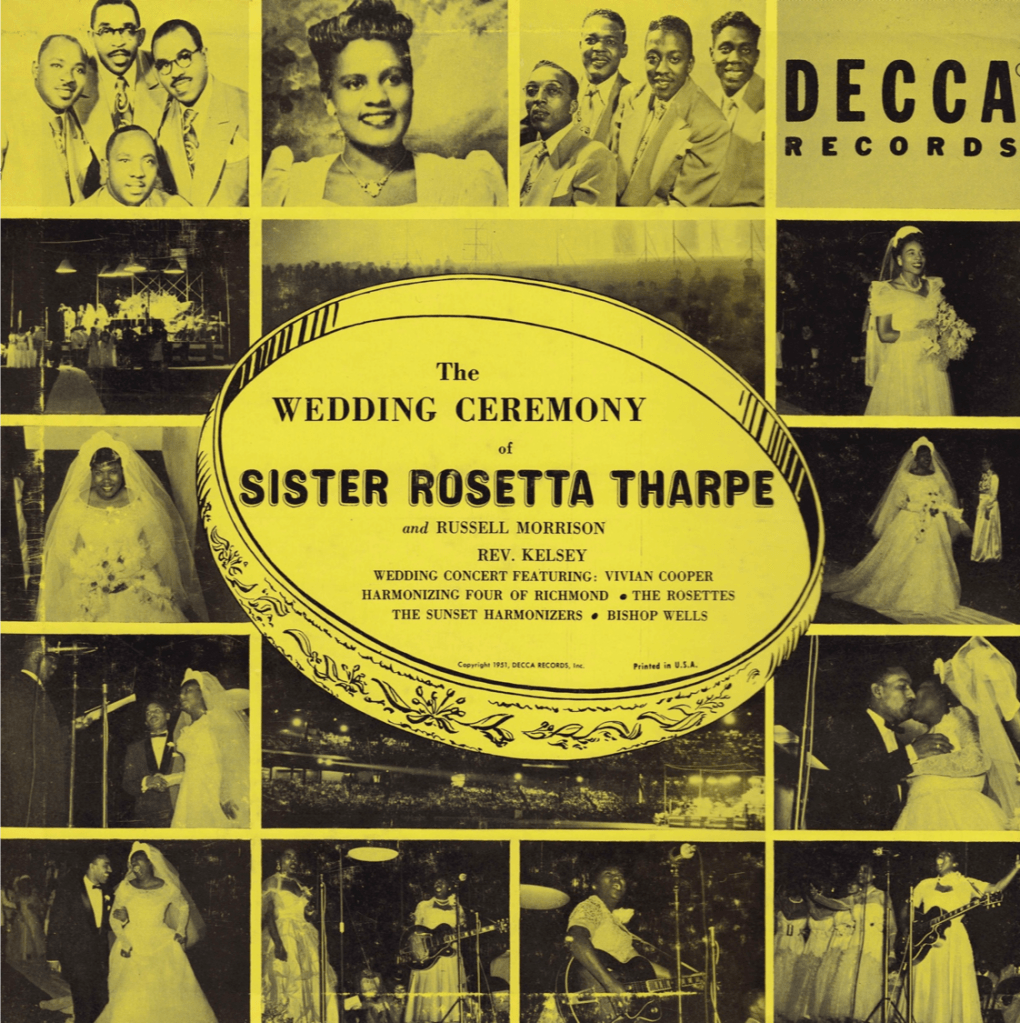
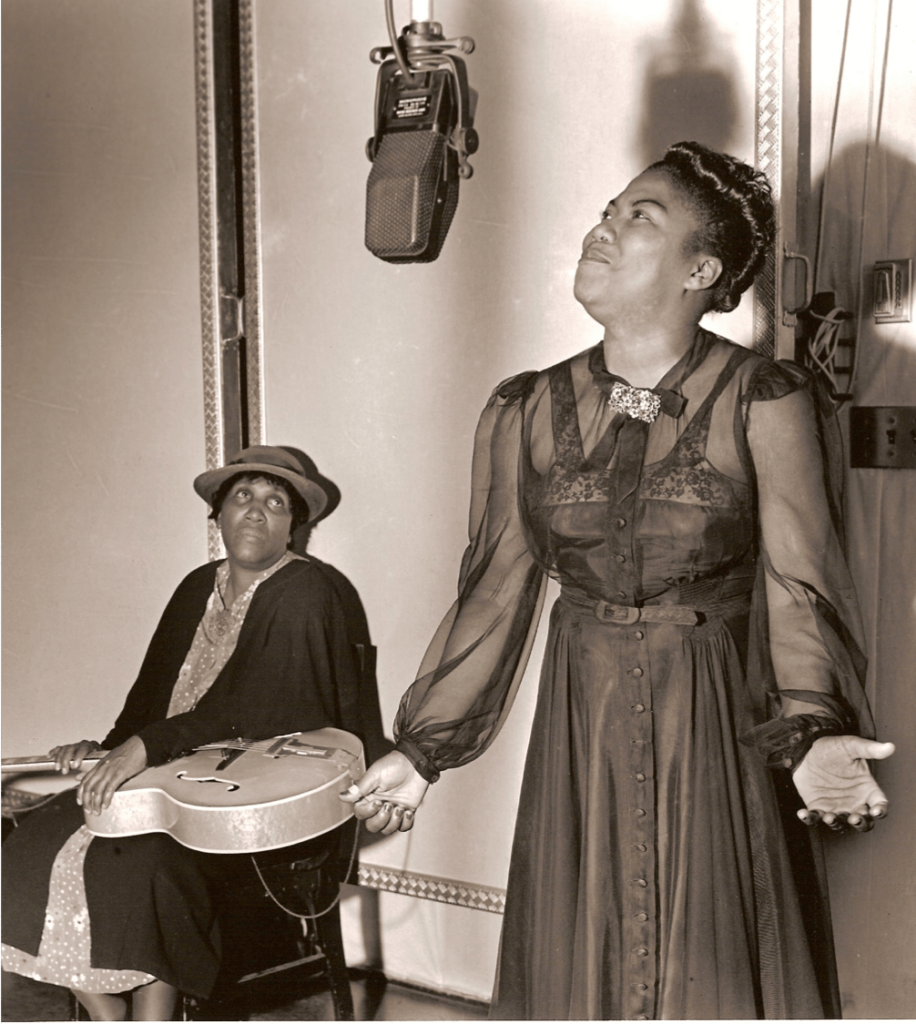
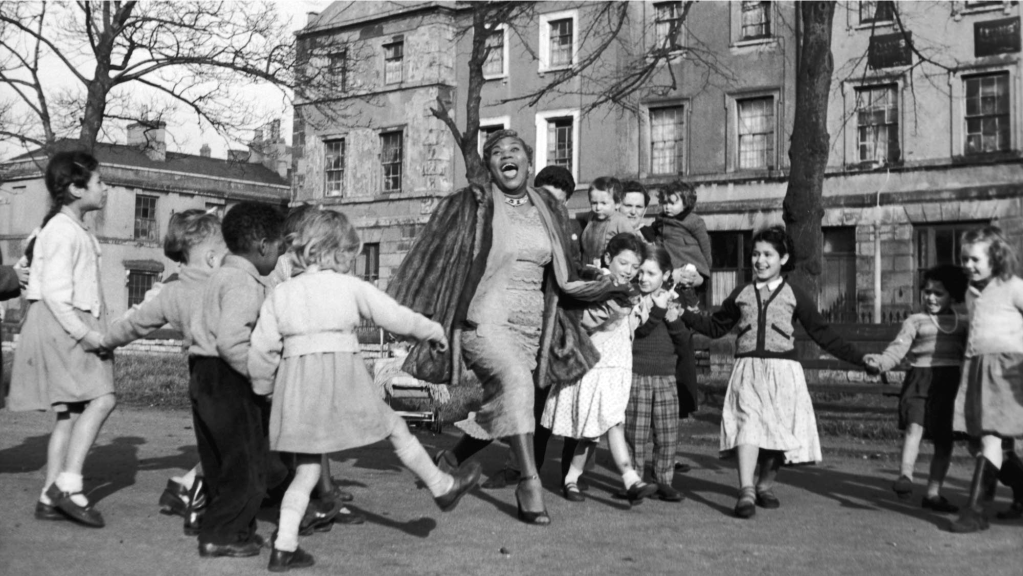
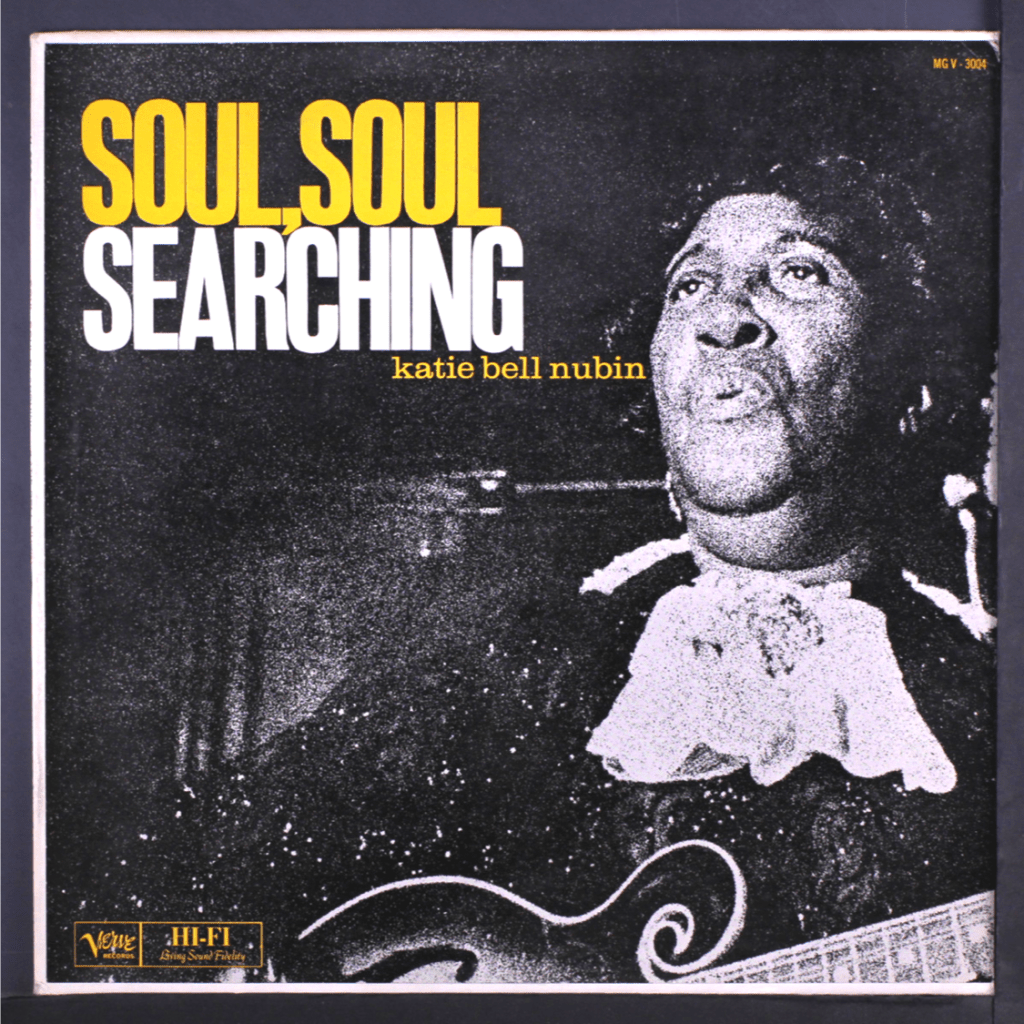
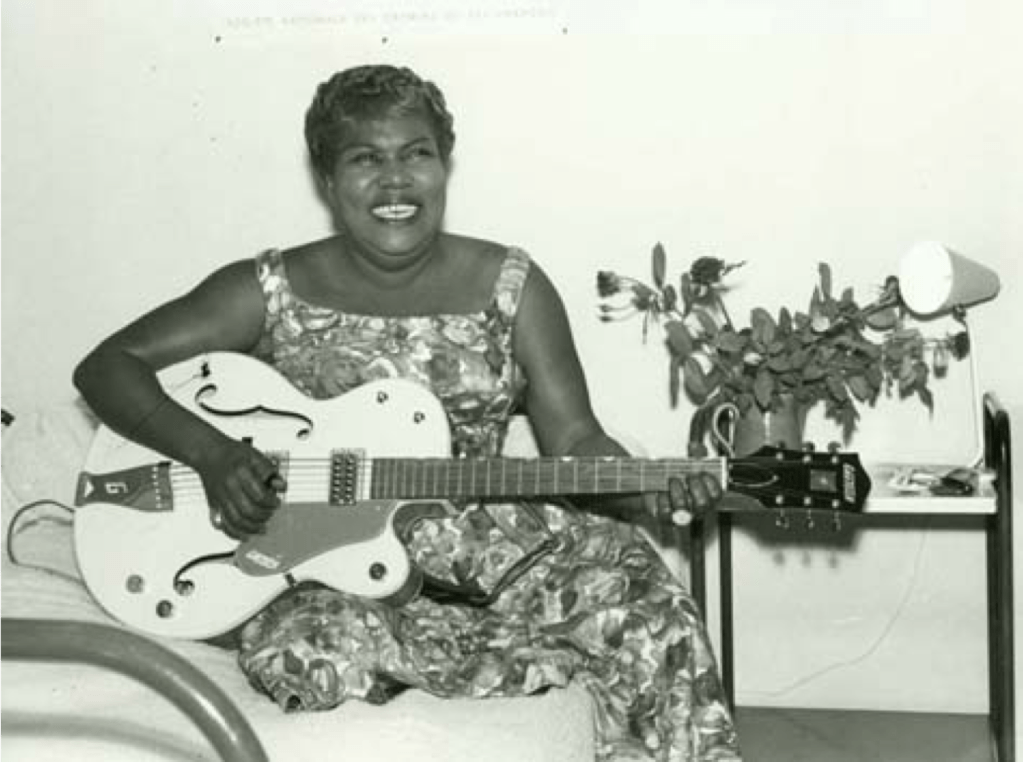
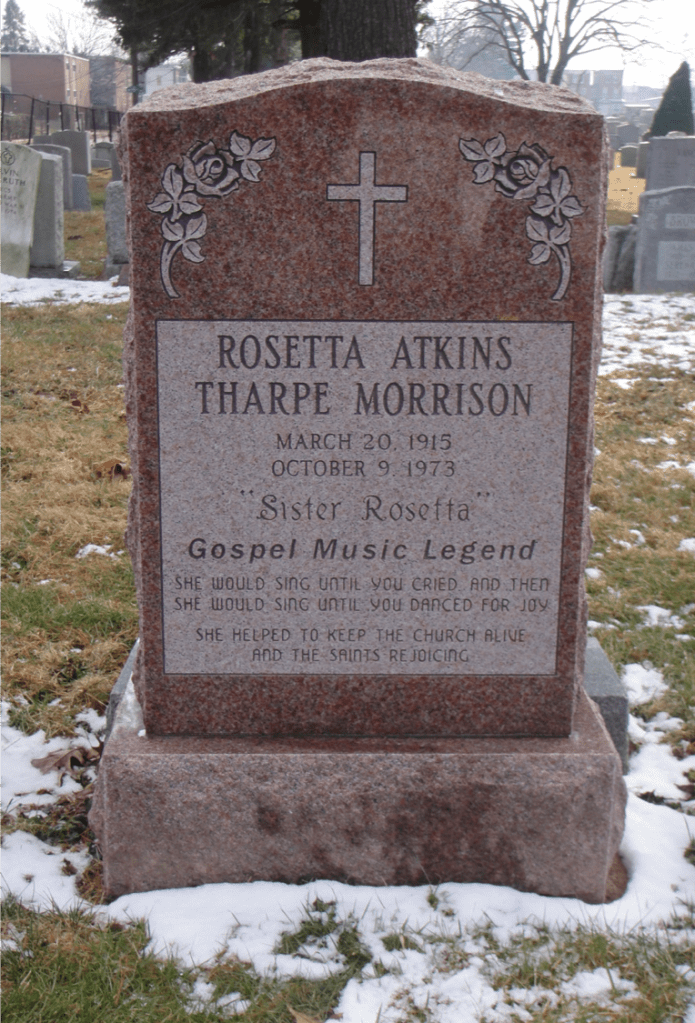
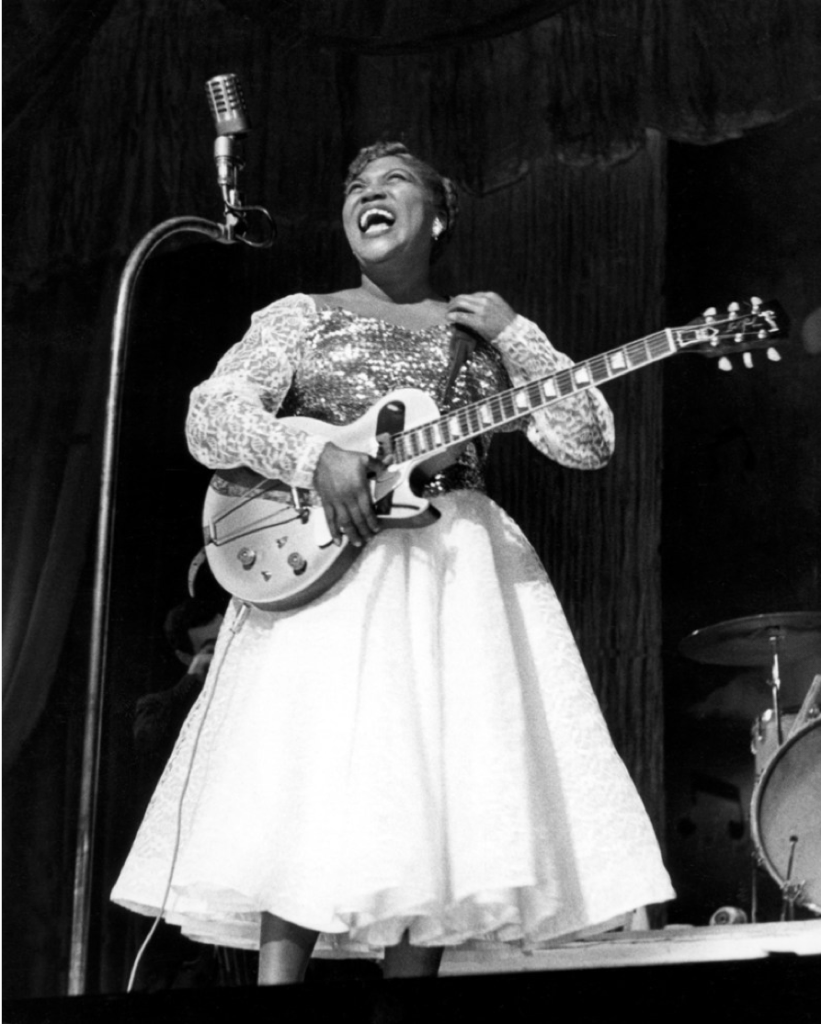
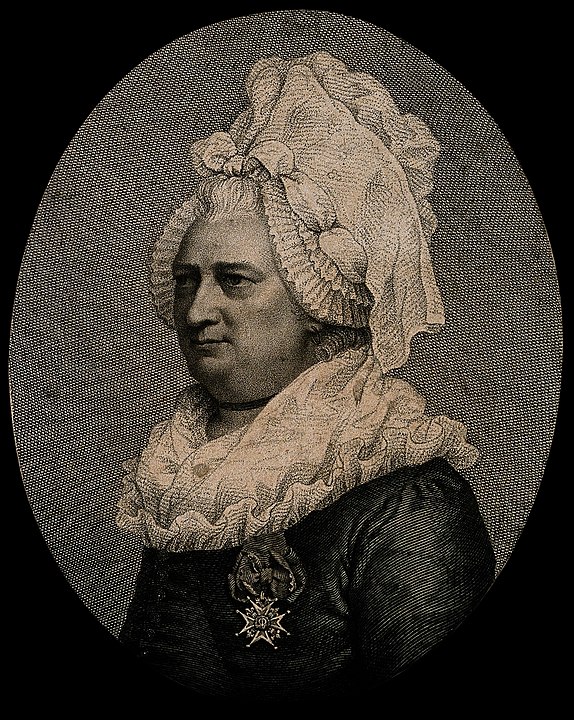
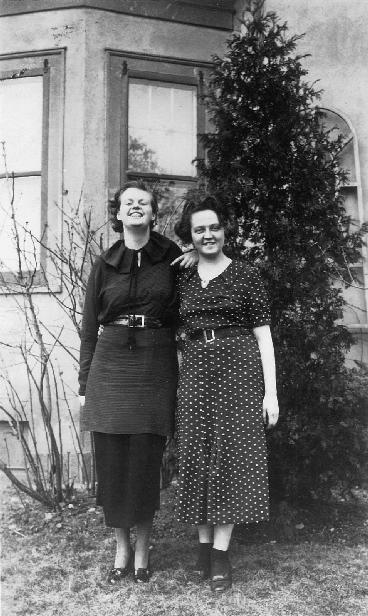
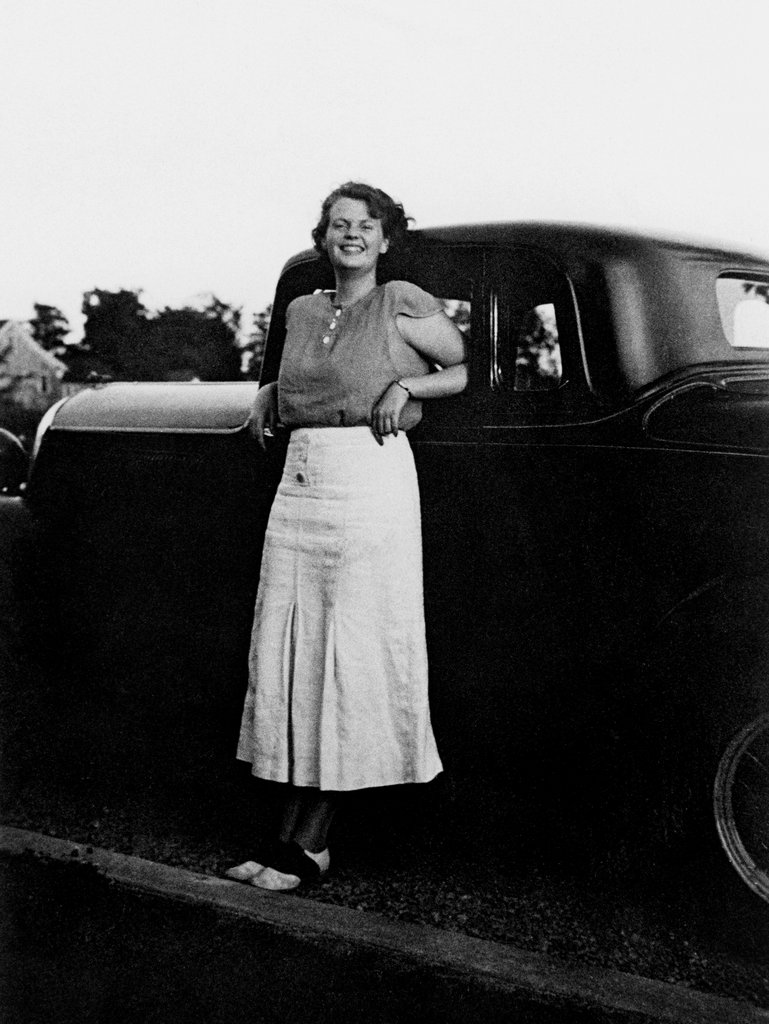
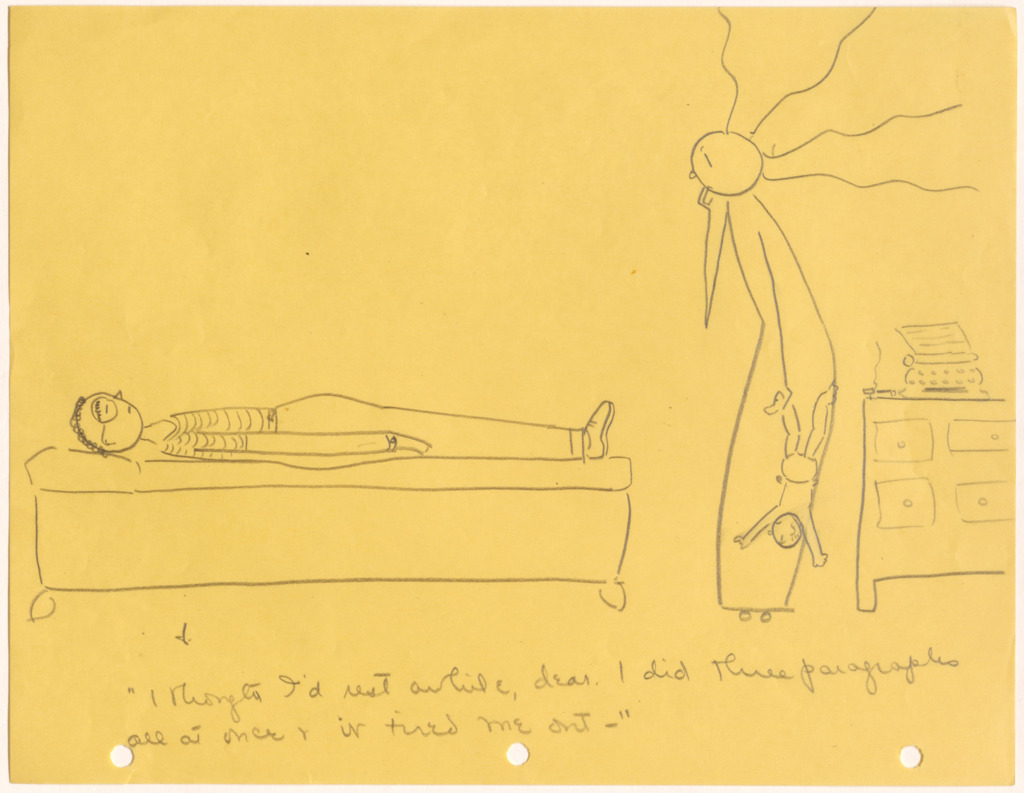
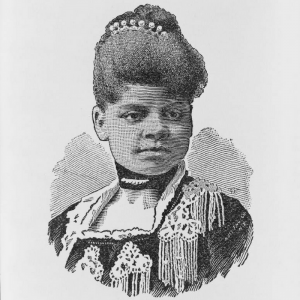
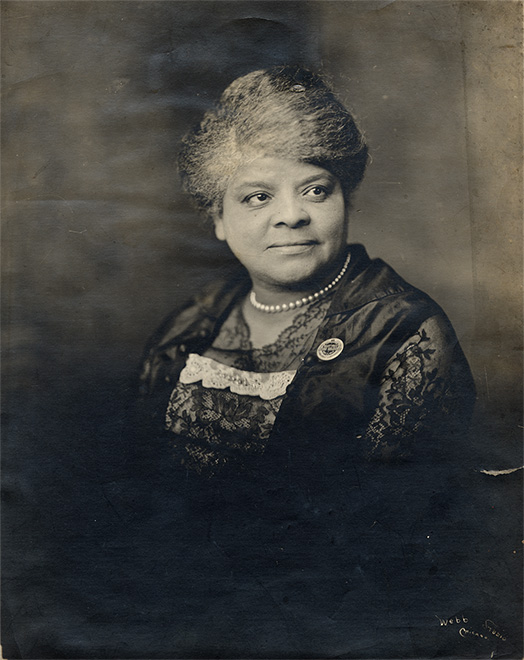
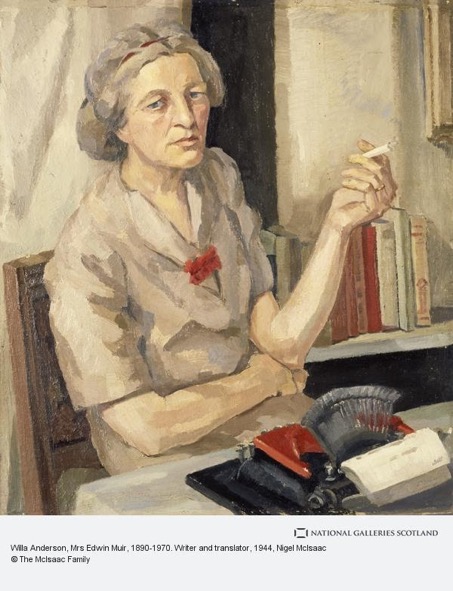
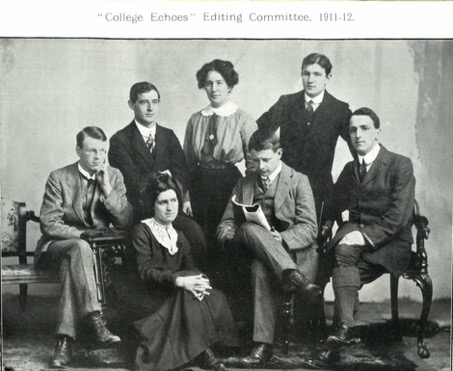
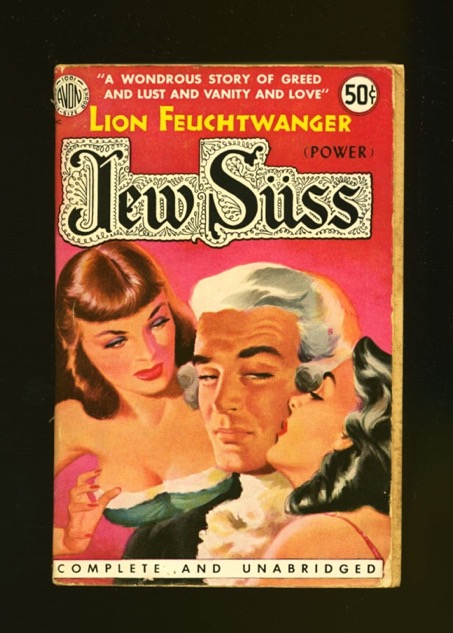


 Dorothy and Eric the skull
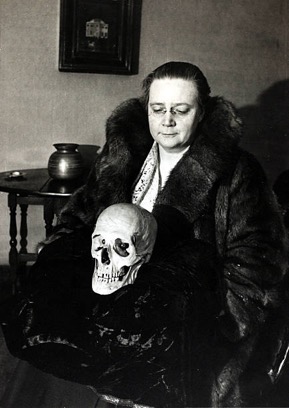 Some of her most famous ads:
 And some of her less famous books:
 Her enduring character, Lord Peter Wimsey
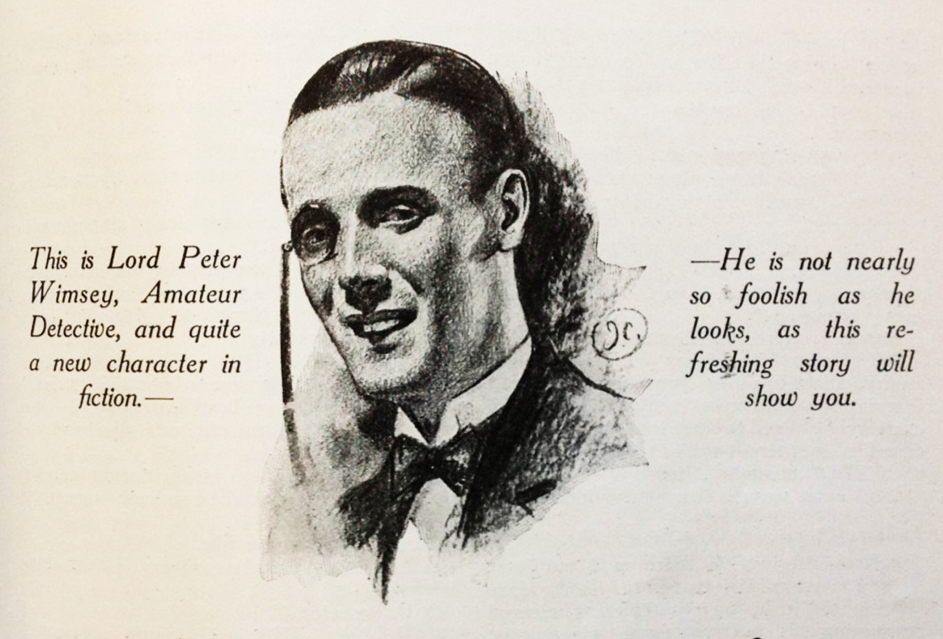 Florian recommends two biographies…

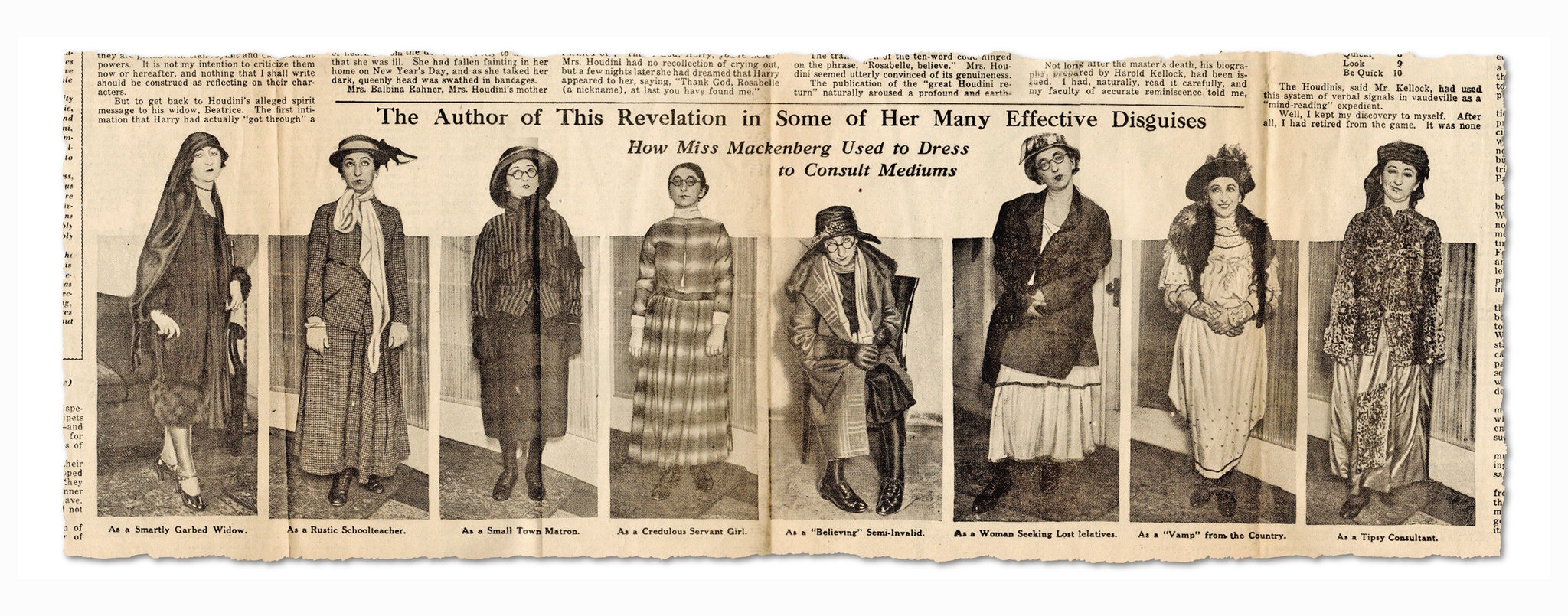
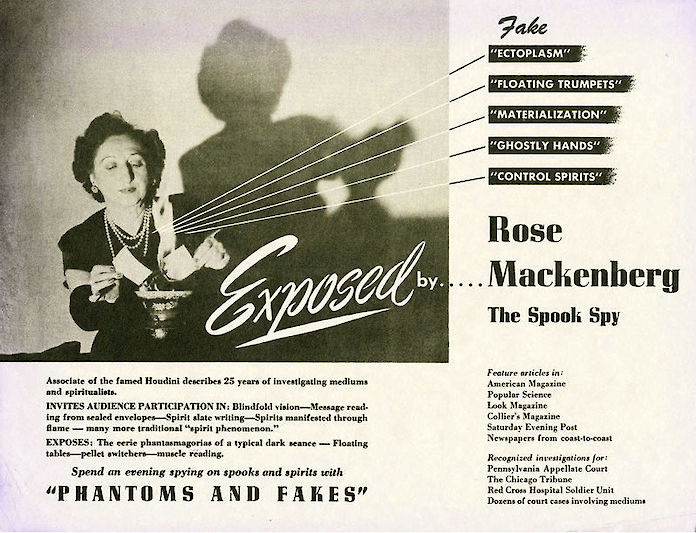

 Katy’s favourite pic, Kollontai (centre) at the Congress of the Peoples of the East, Baku 1920
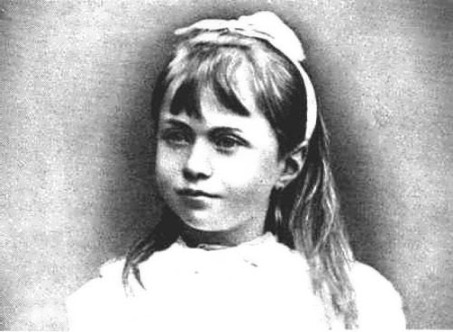 Young Alexandra




 Rabotnitsa, or The Woman Worker, 1923
 Kollontai as a Soviet ambassador
 With medalsFor further reading, Katy recommends Cathy Porter’s excellent Alexandra Kollontai, A Biography, which gives a lot of helpful background information. And if you read German, Barbara Kirchner’s edition of Kollontai’s Autobiographie einer sexuell emanzipierten Kommunistin.

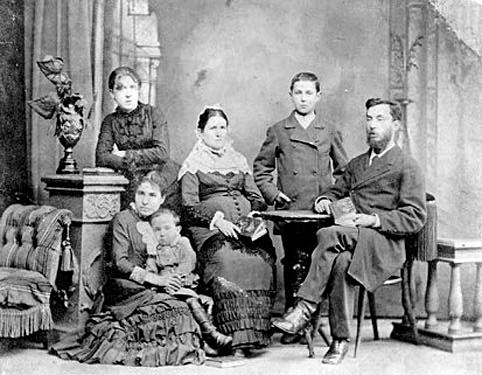 Here’s the Goldman family in the bad old days.


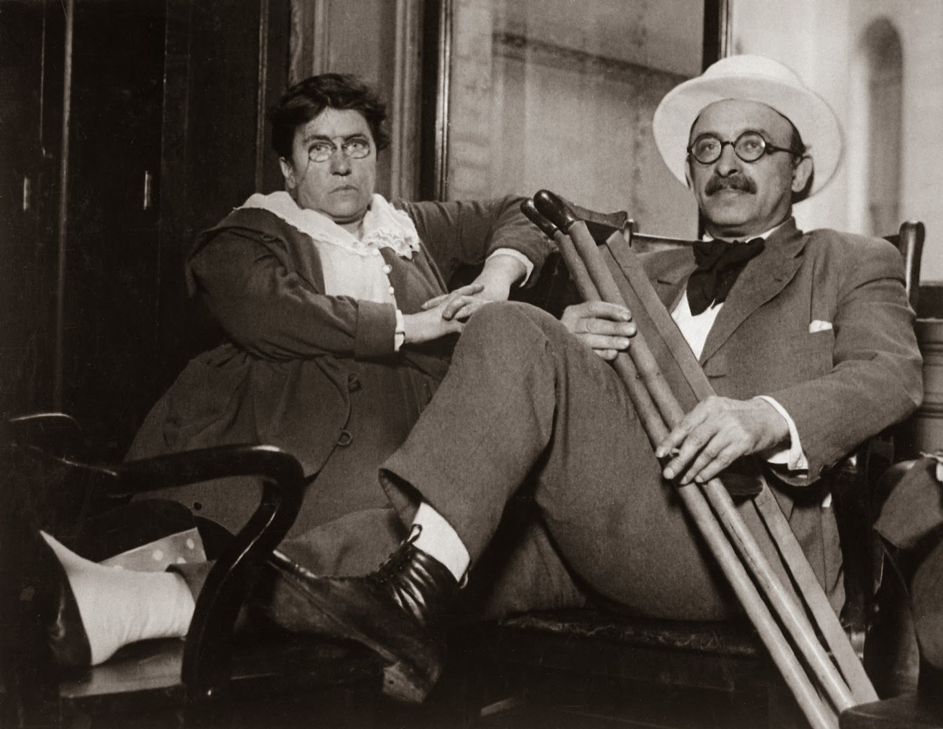 In Russia with Sasha Berkmann
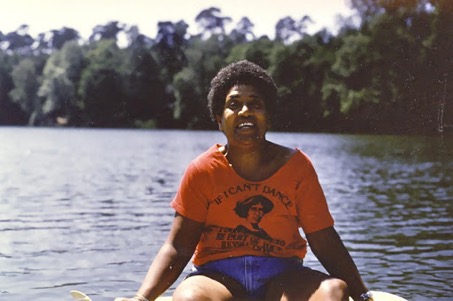 And here’s Audré Lorde in that T-shirt on the lake.You might also like to watch the film about John Reed and Louise Bryant, which features Emma, REDS. But do make sure you set aside three hours and fifteen minutes…For further reading, there’s Emma’s autobiography Living My Life, available in full online at The Anarchist Library, or abridged from Penguin Classics.


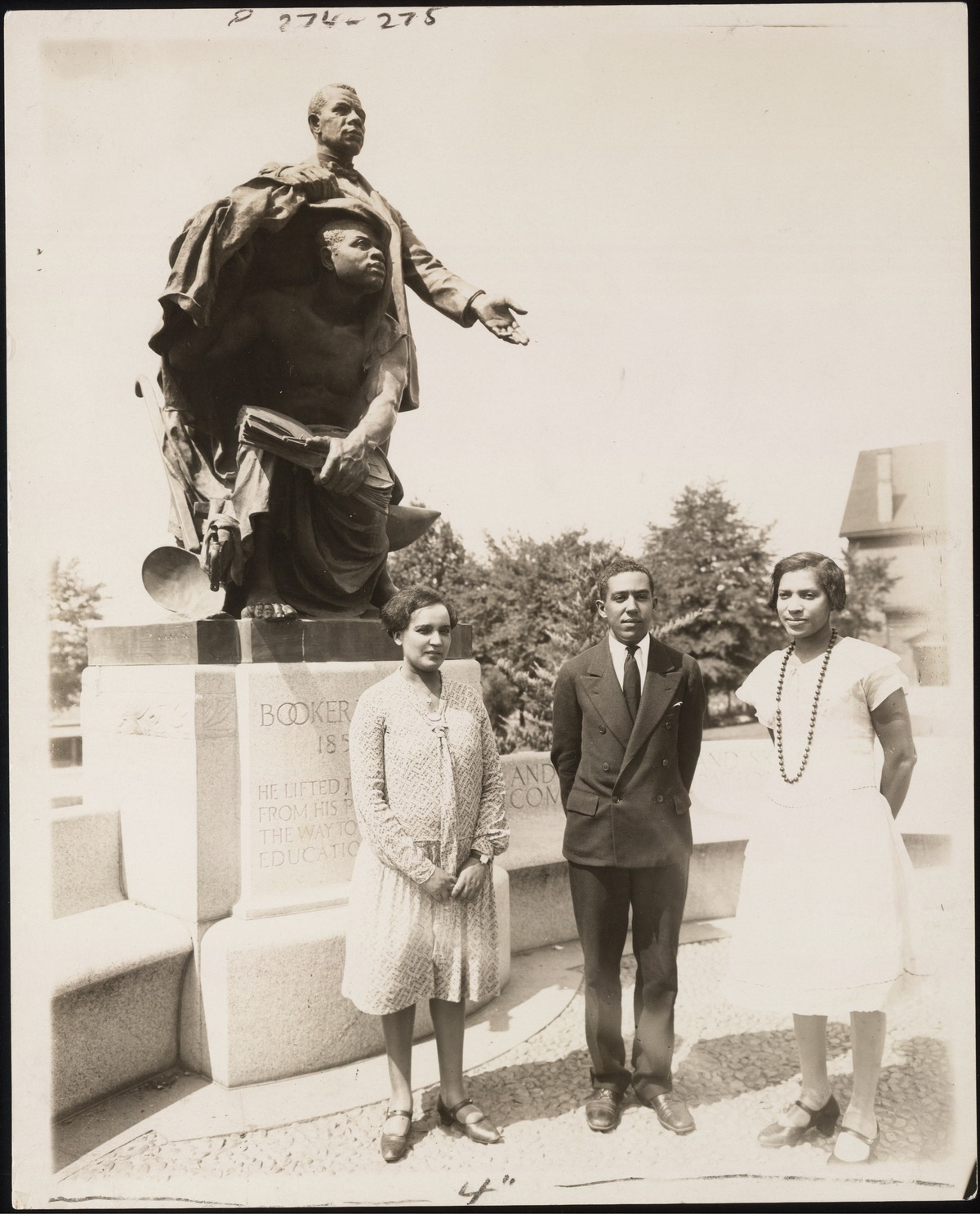
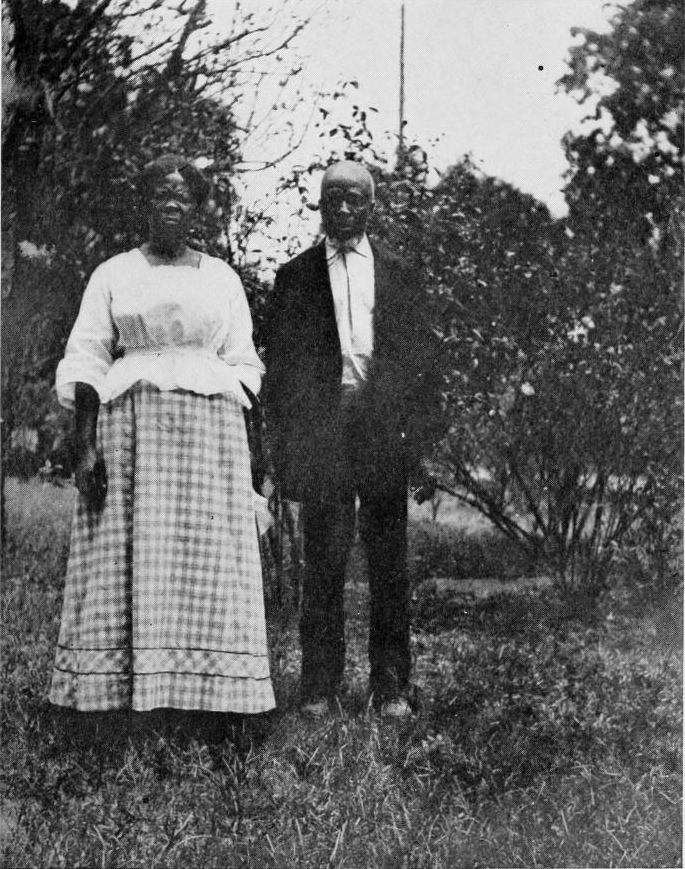
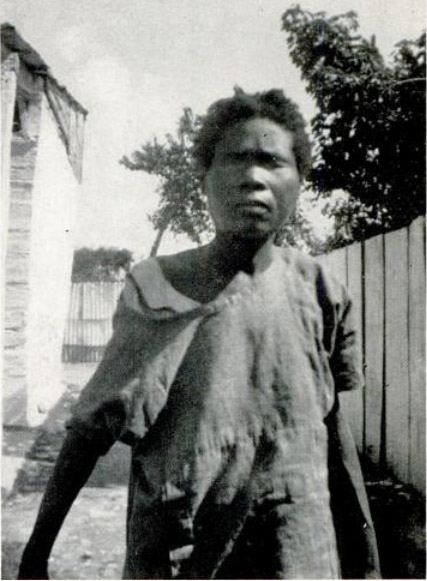
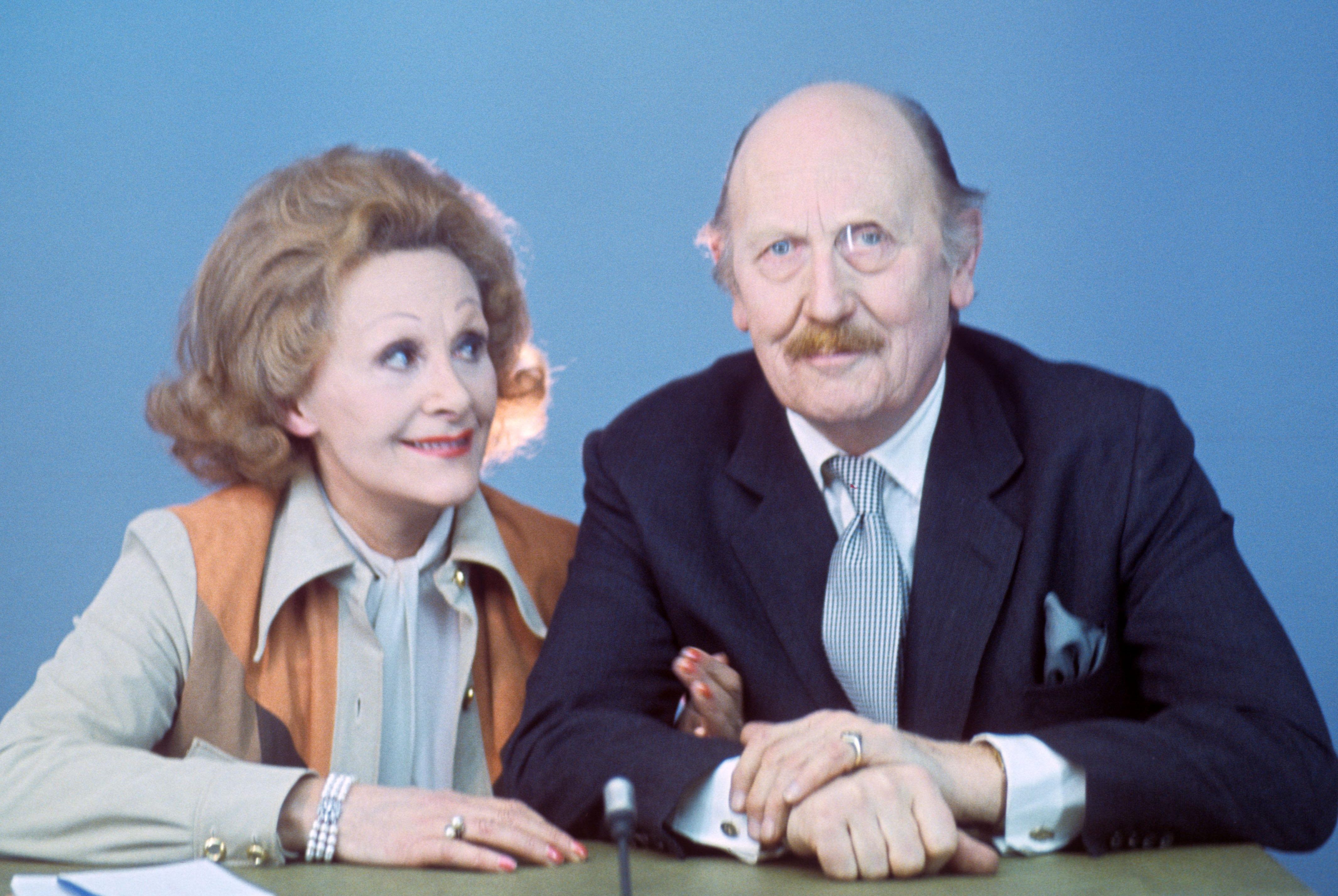
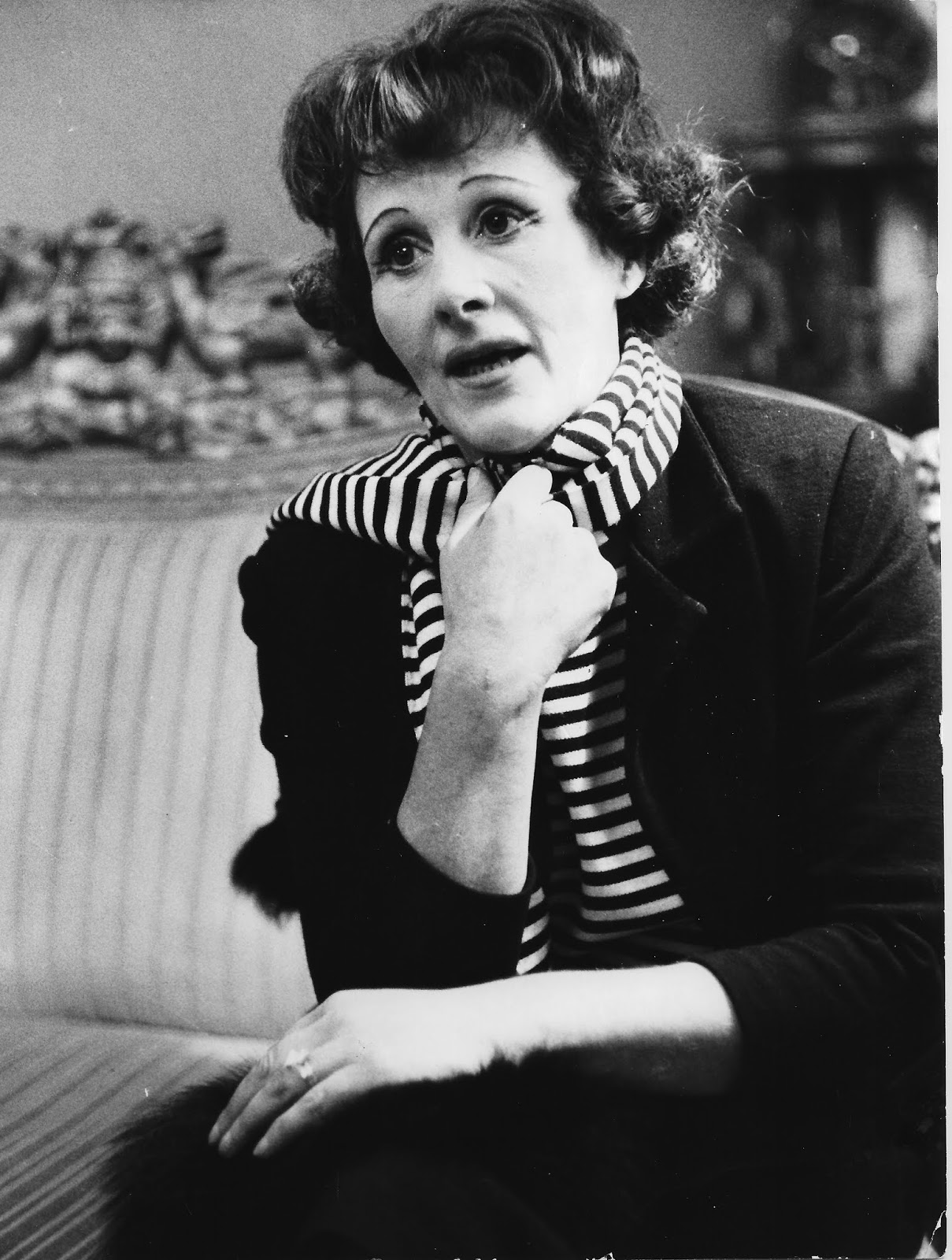
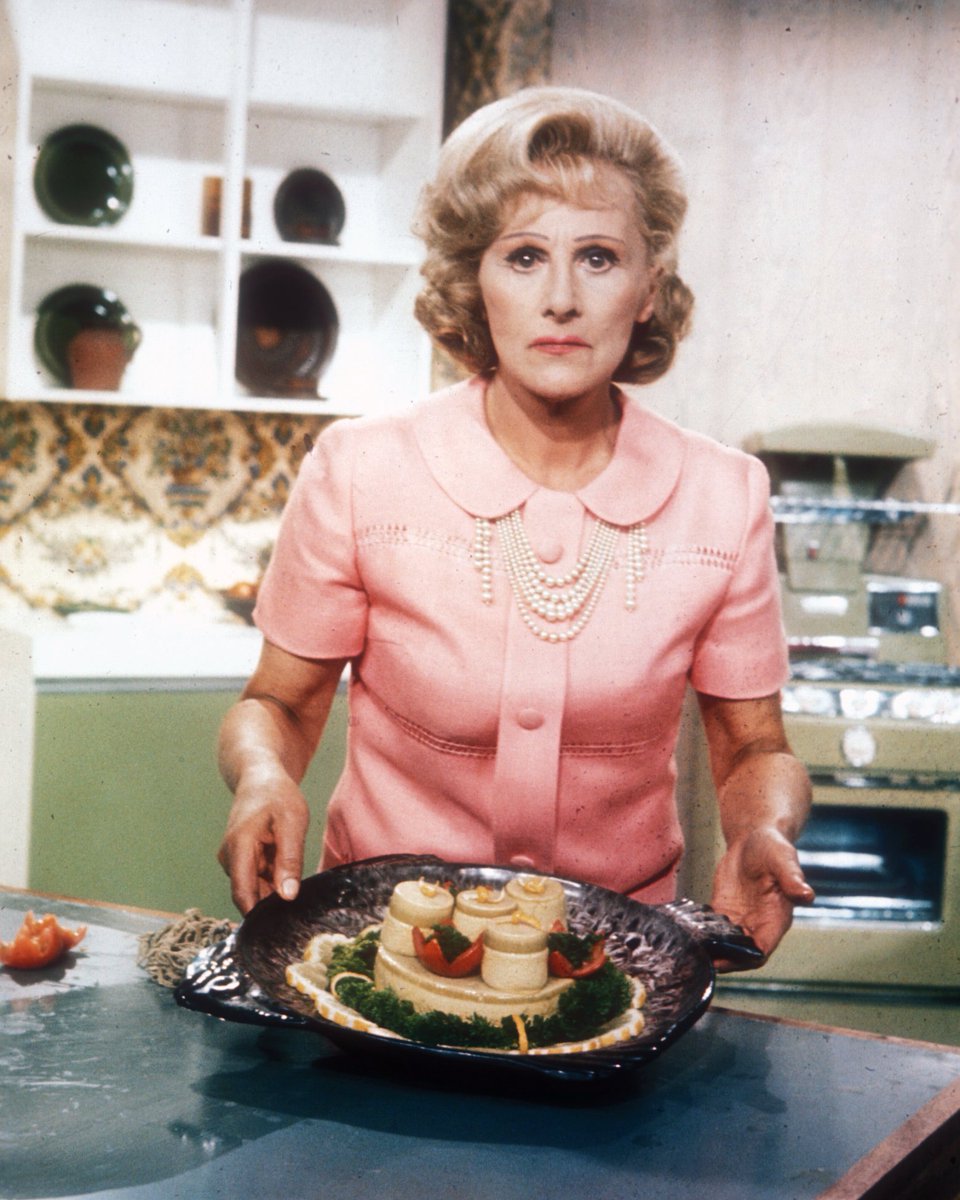



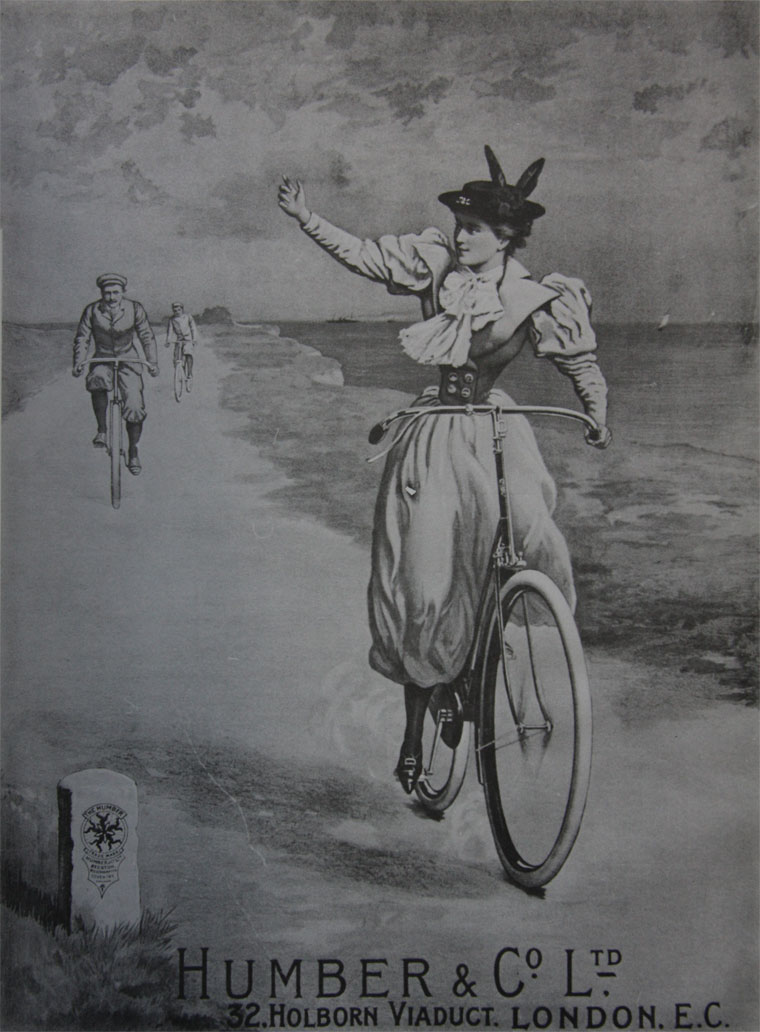

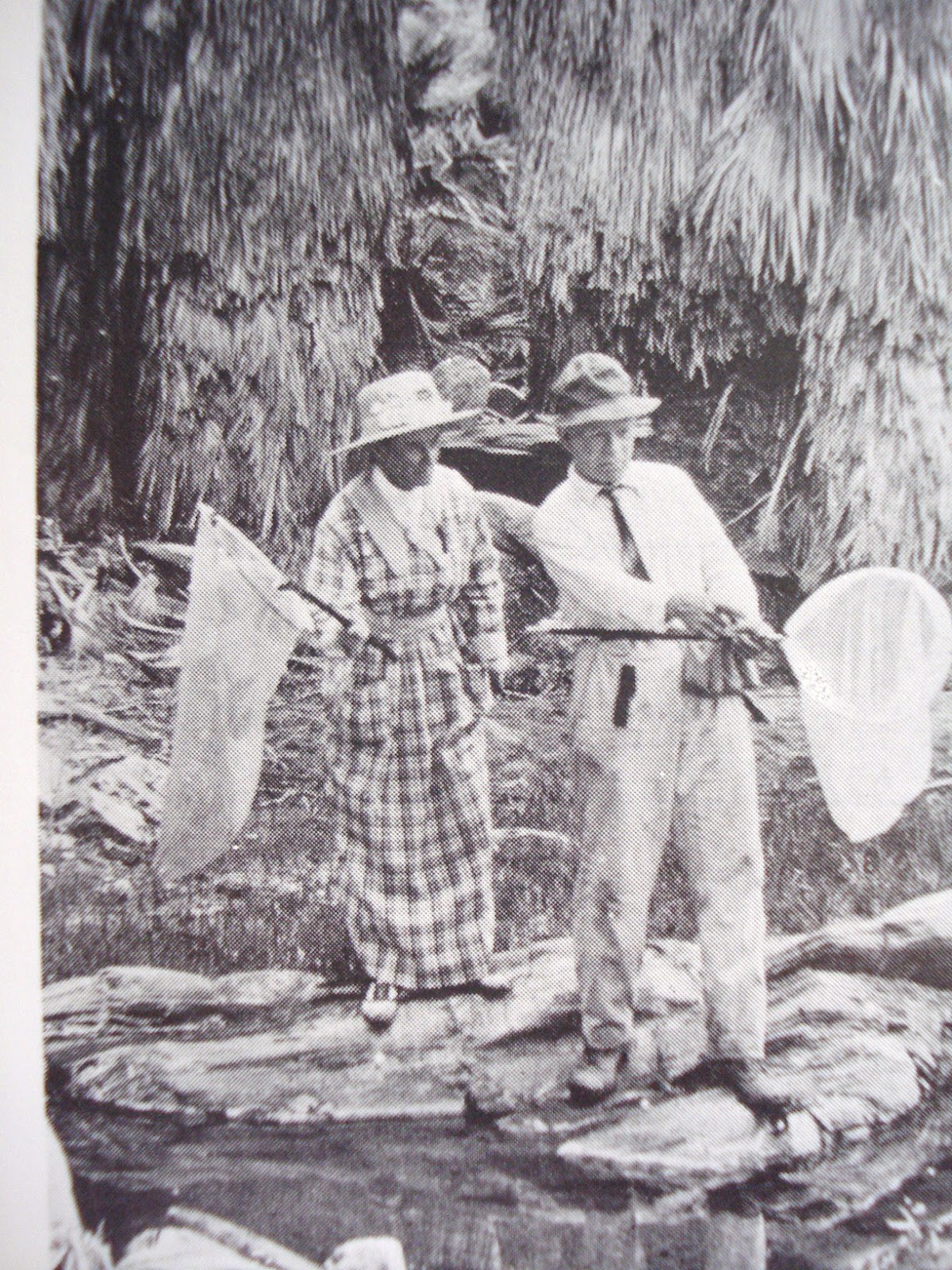
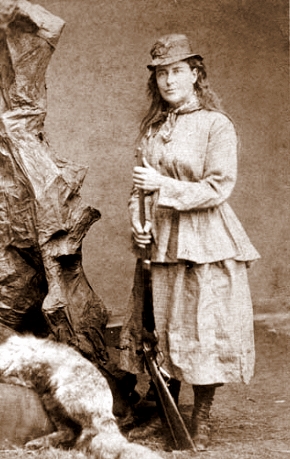
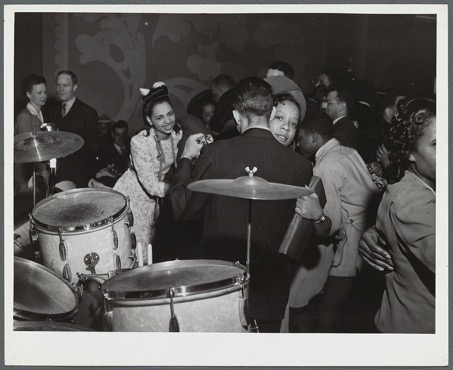
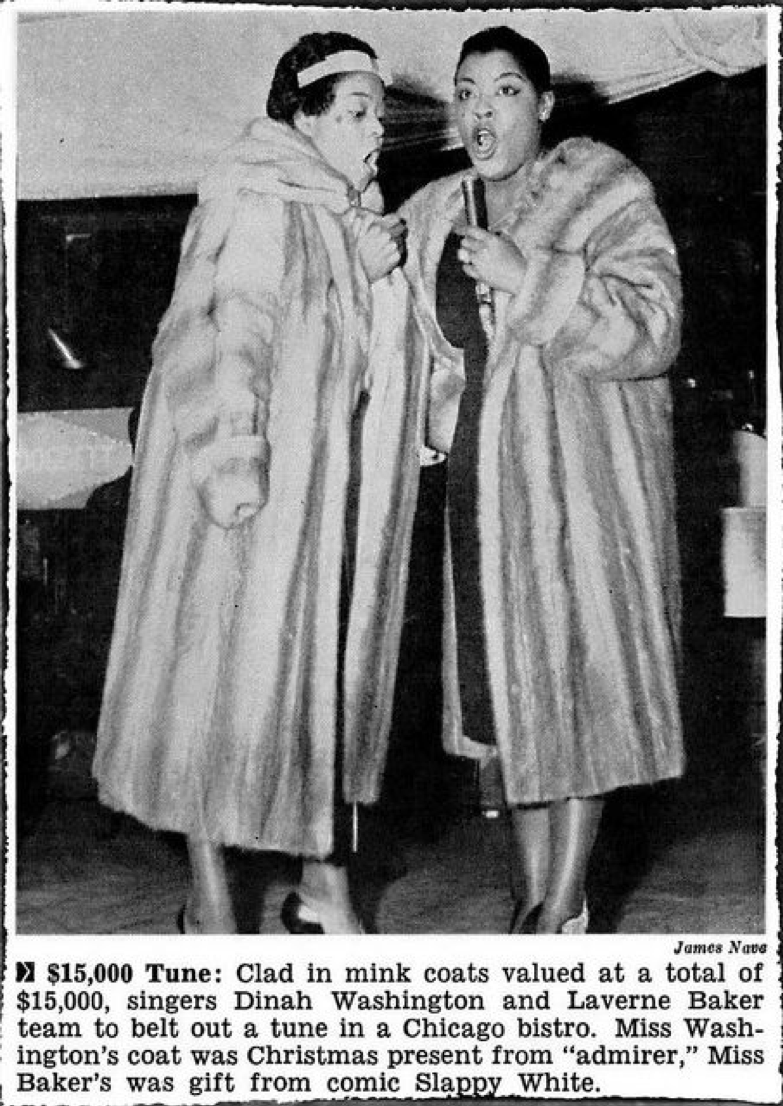
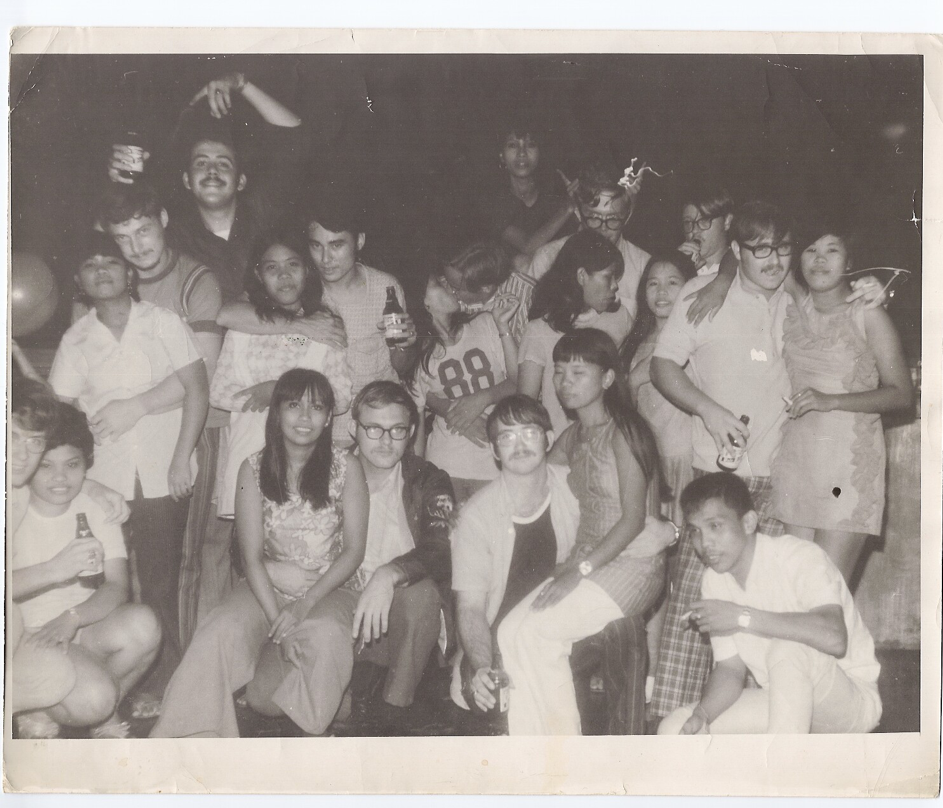
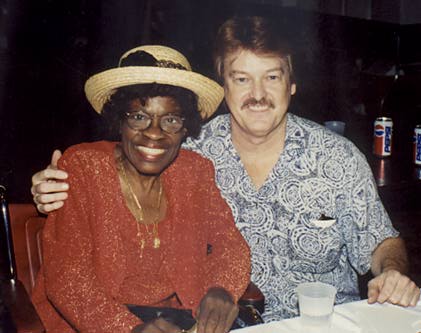
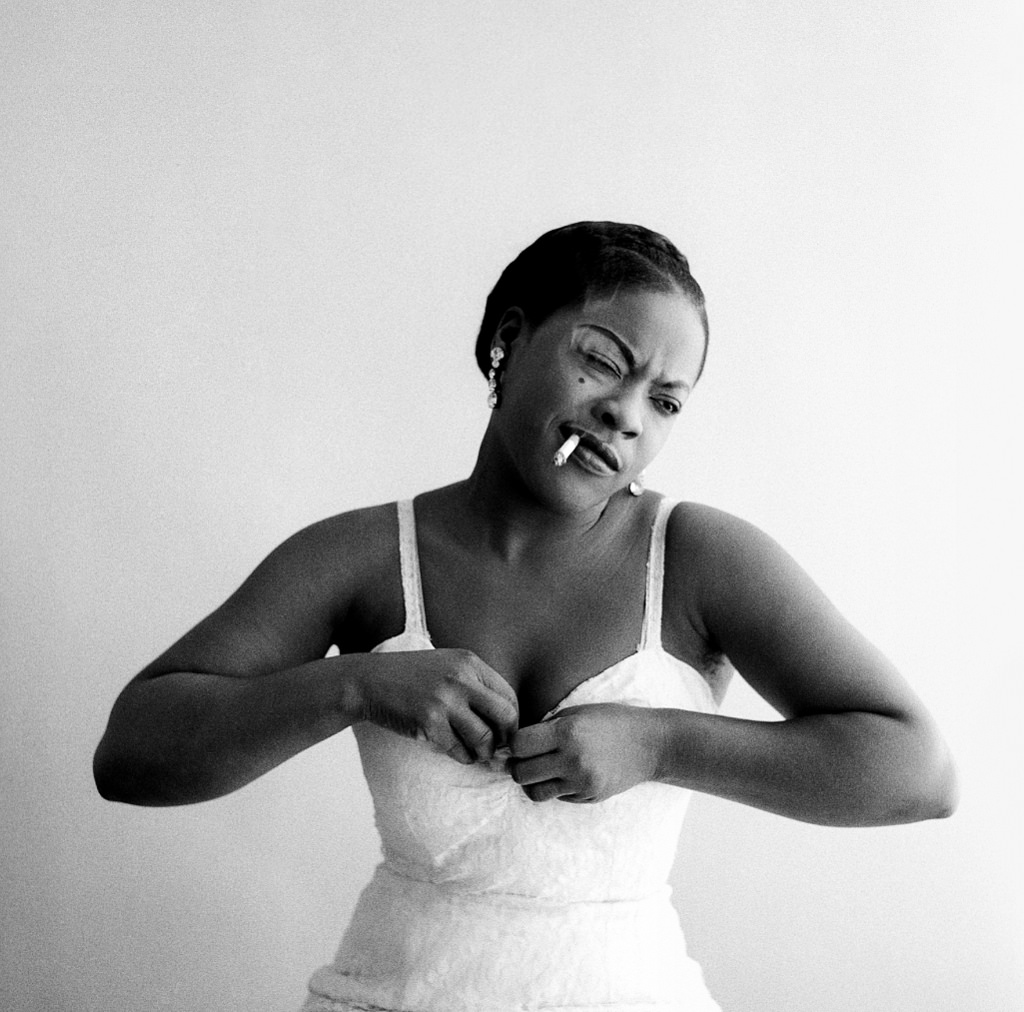







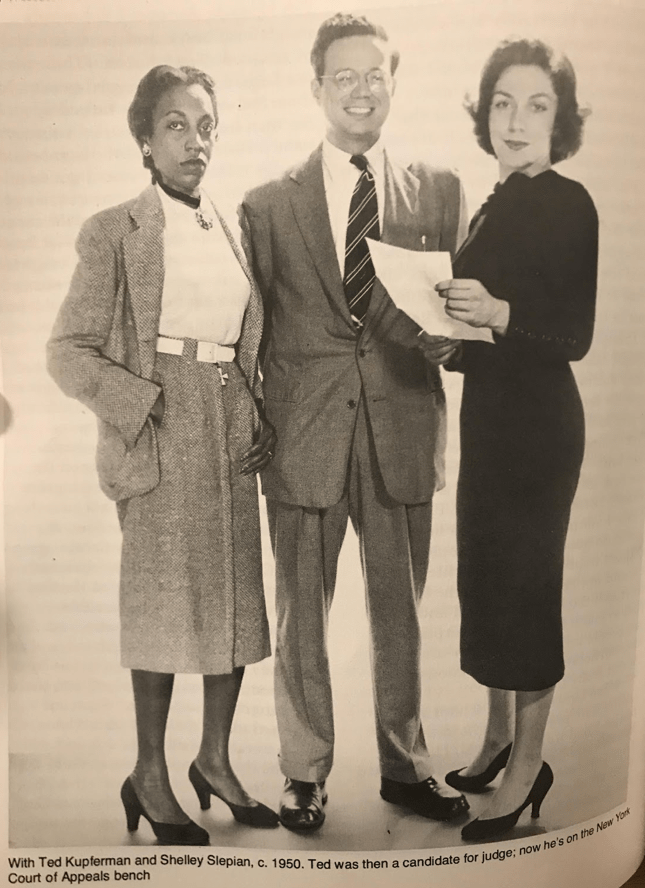
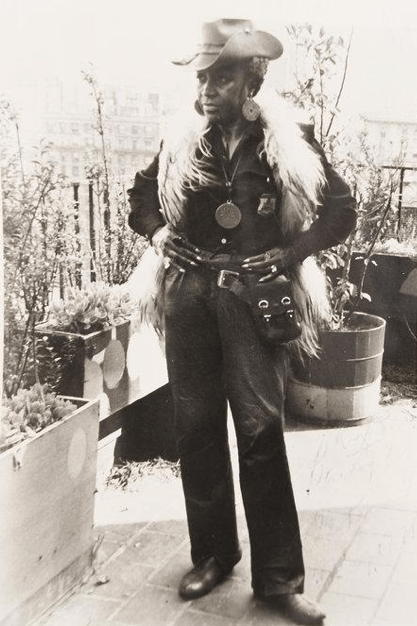
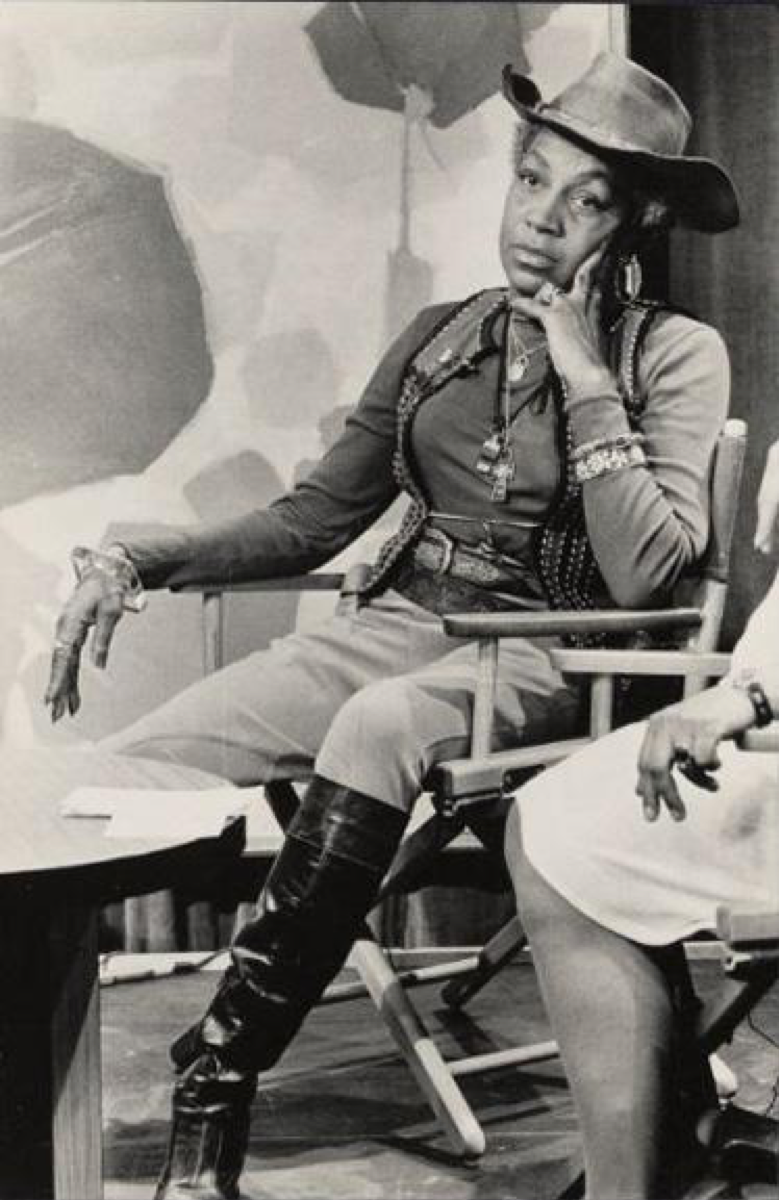
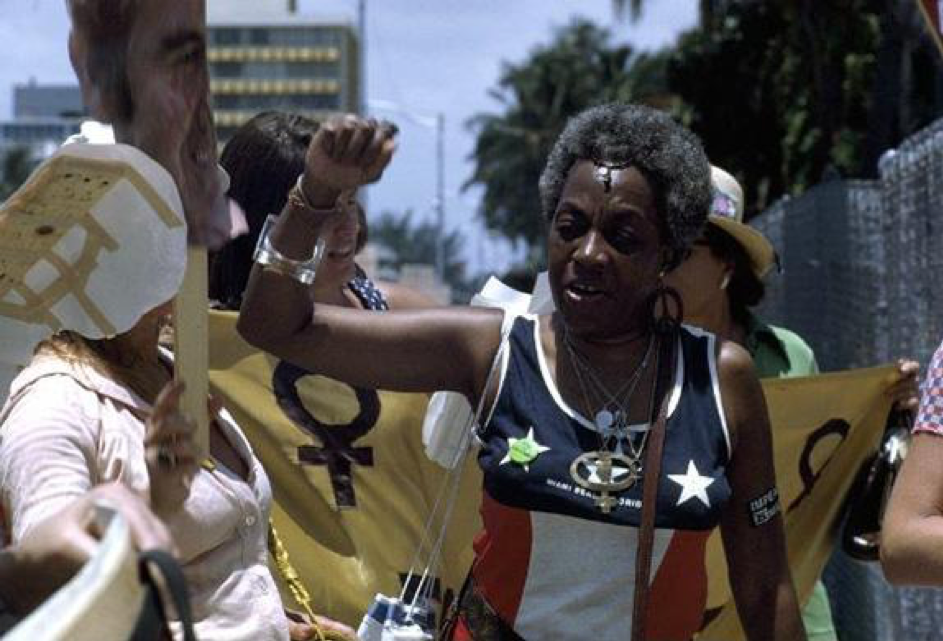
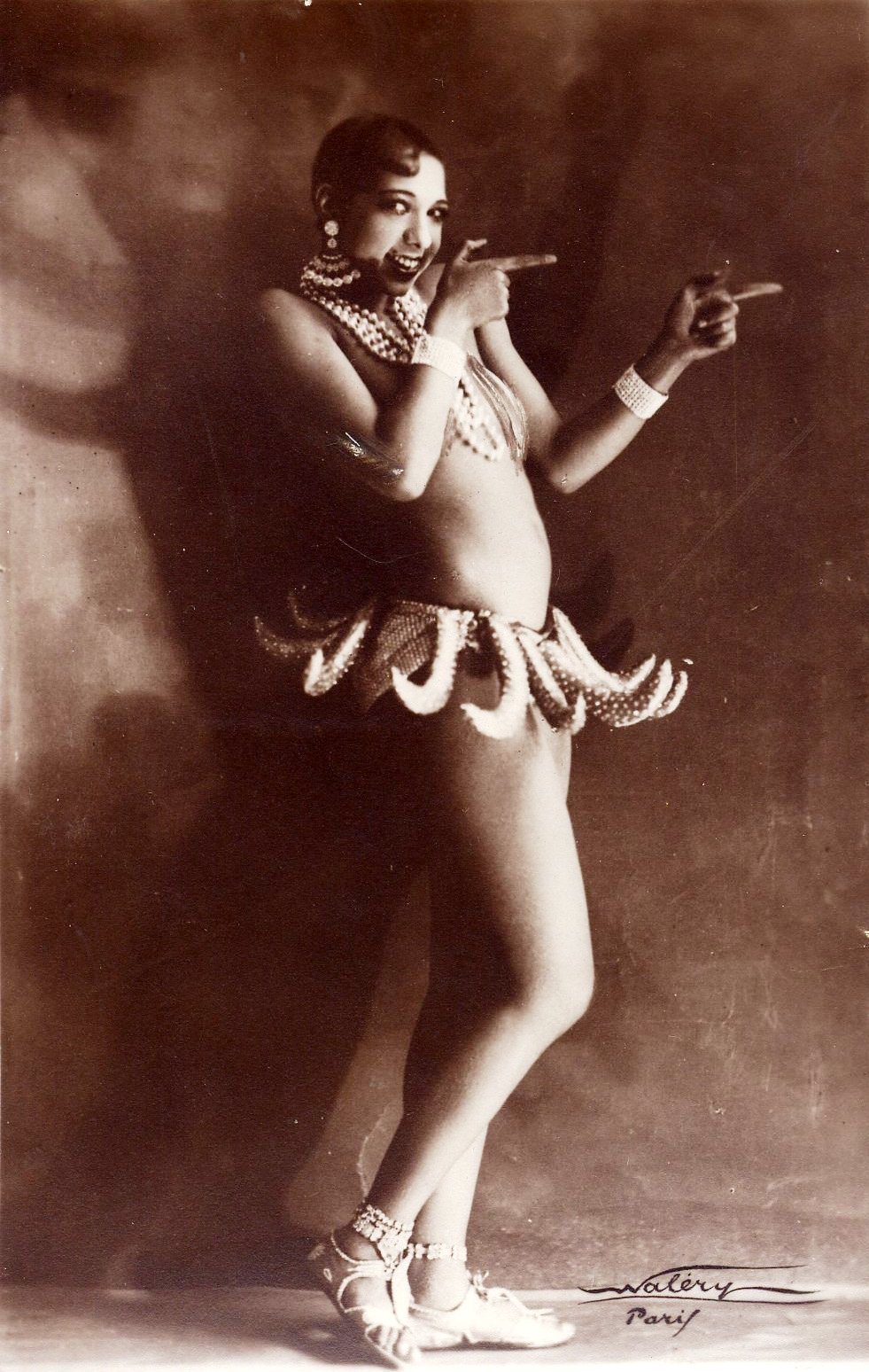
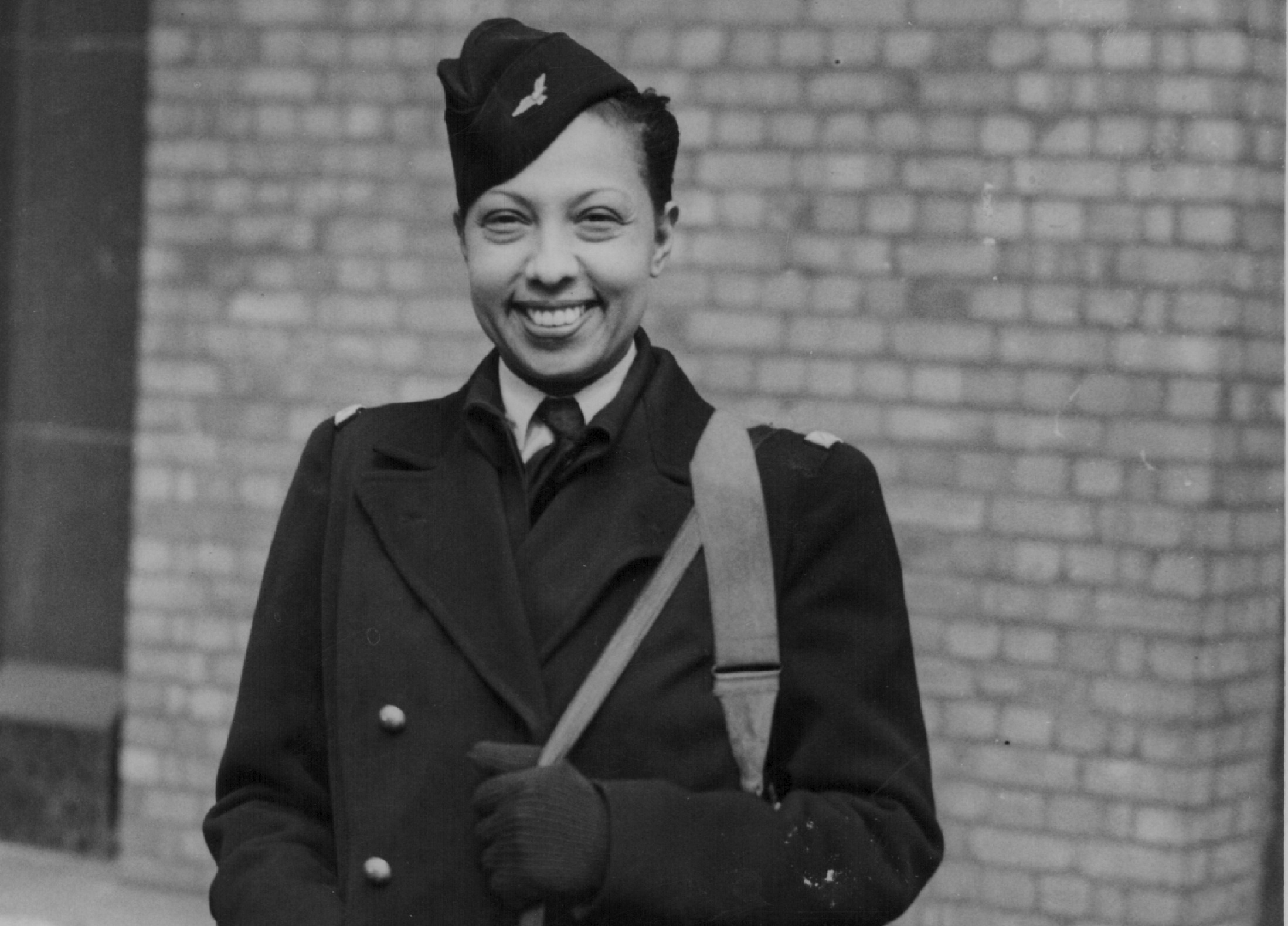
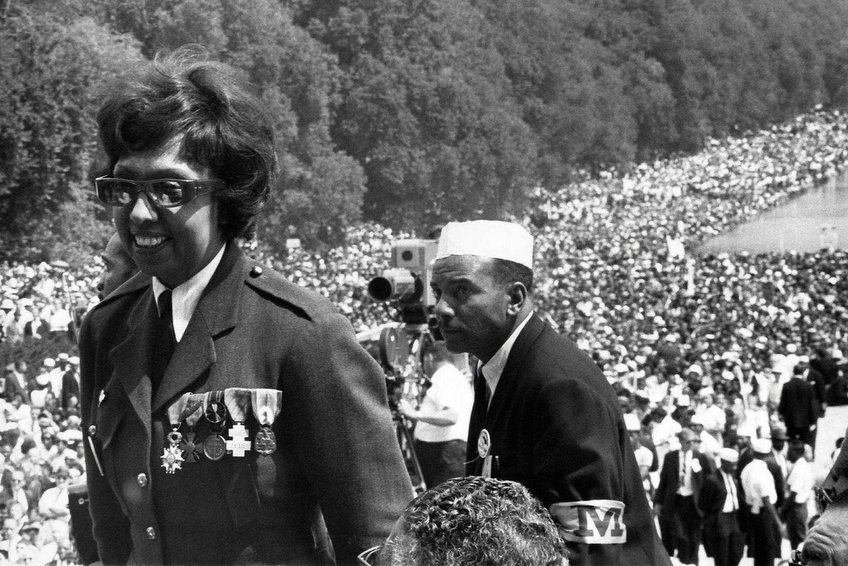


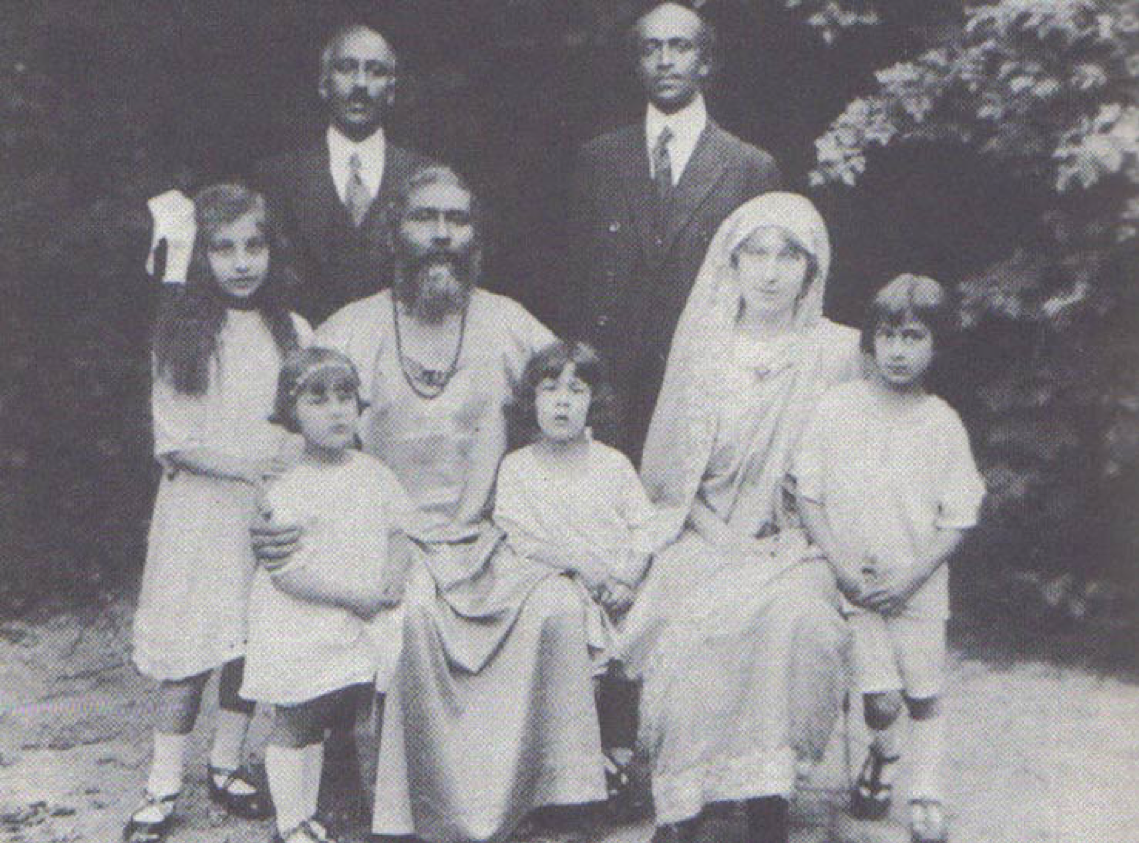
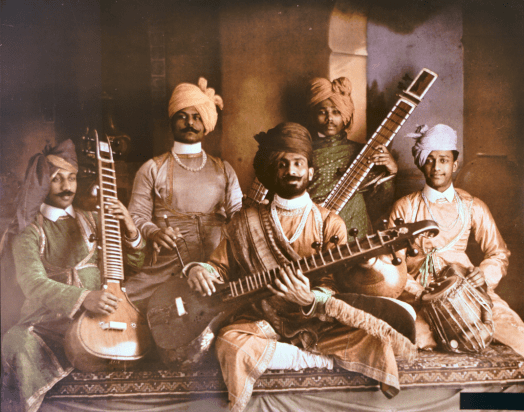
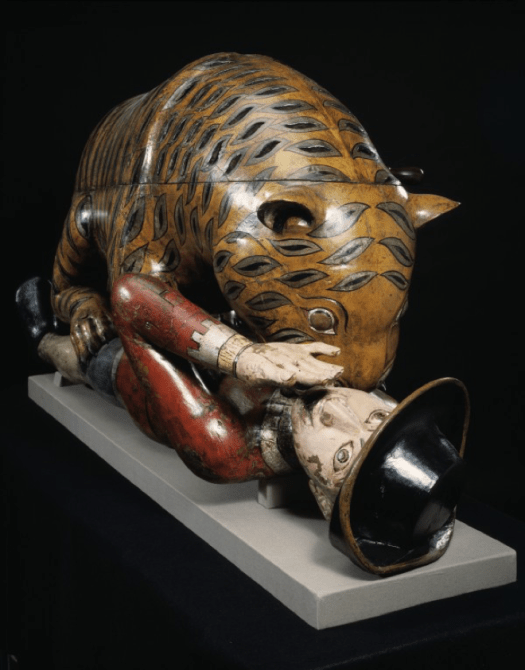
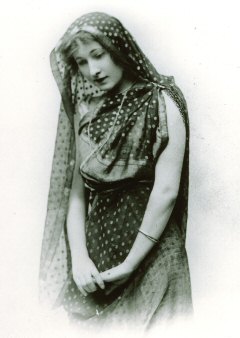
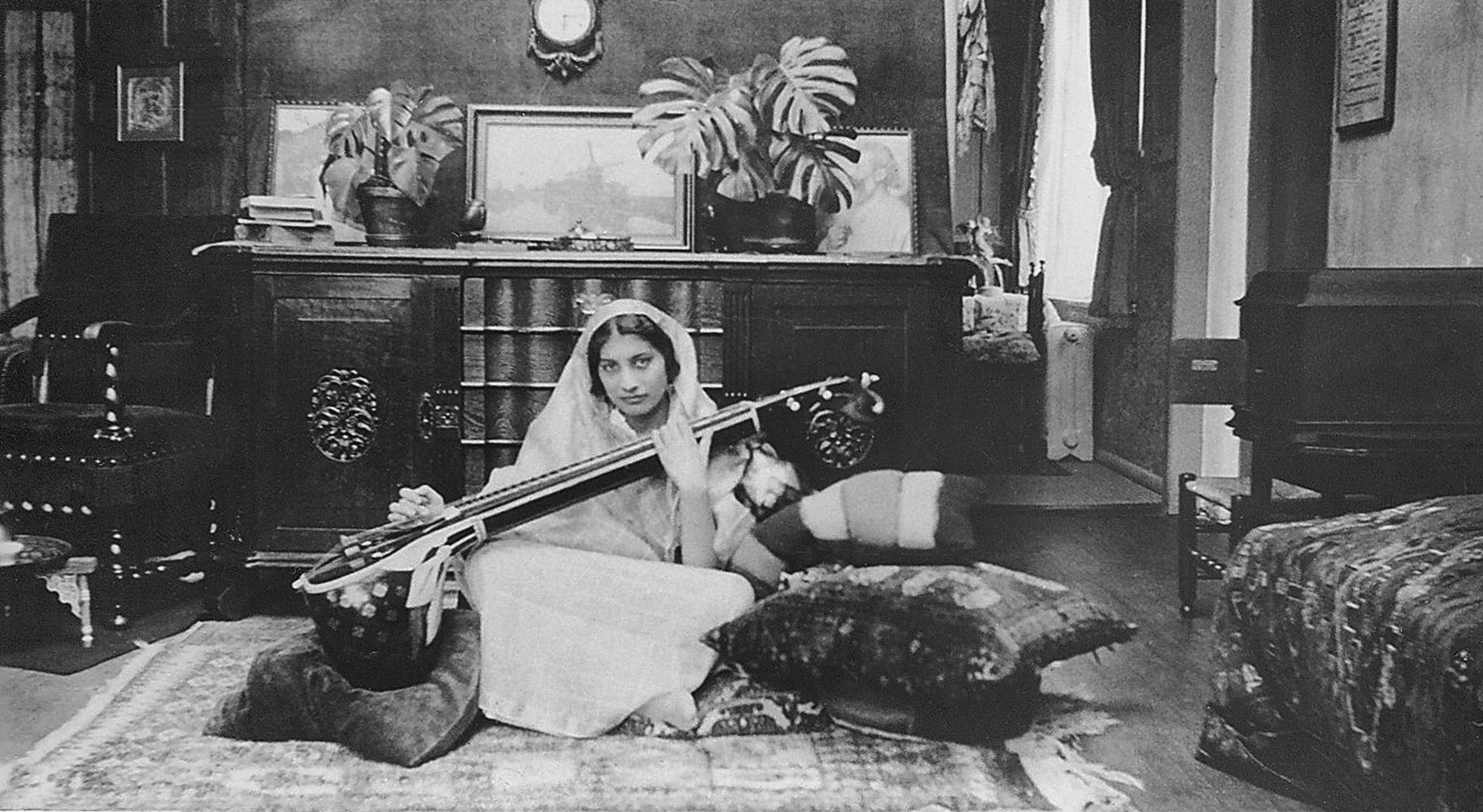
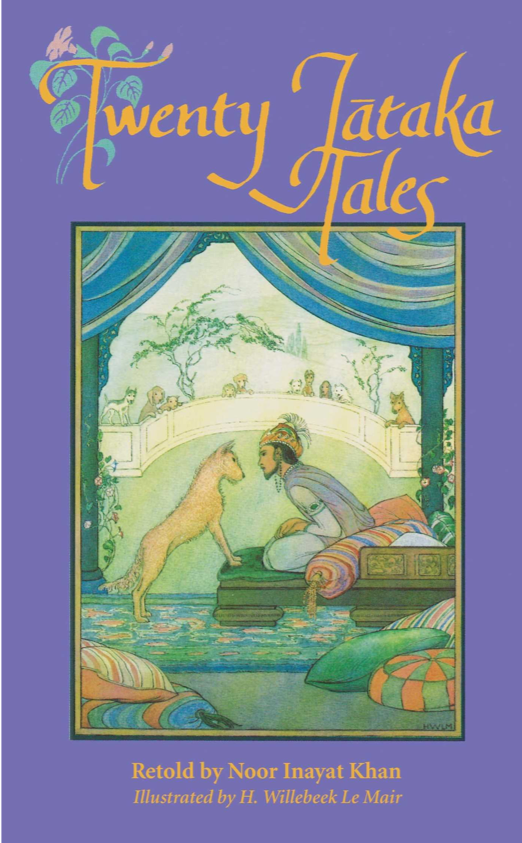
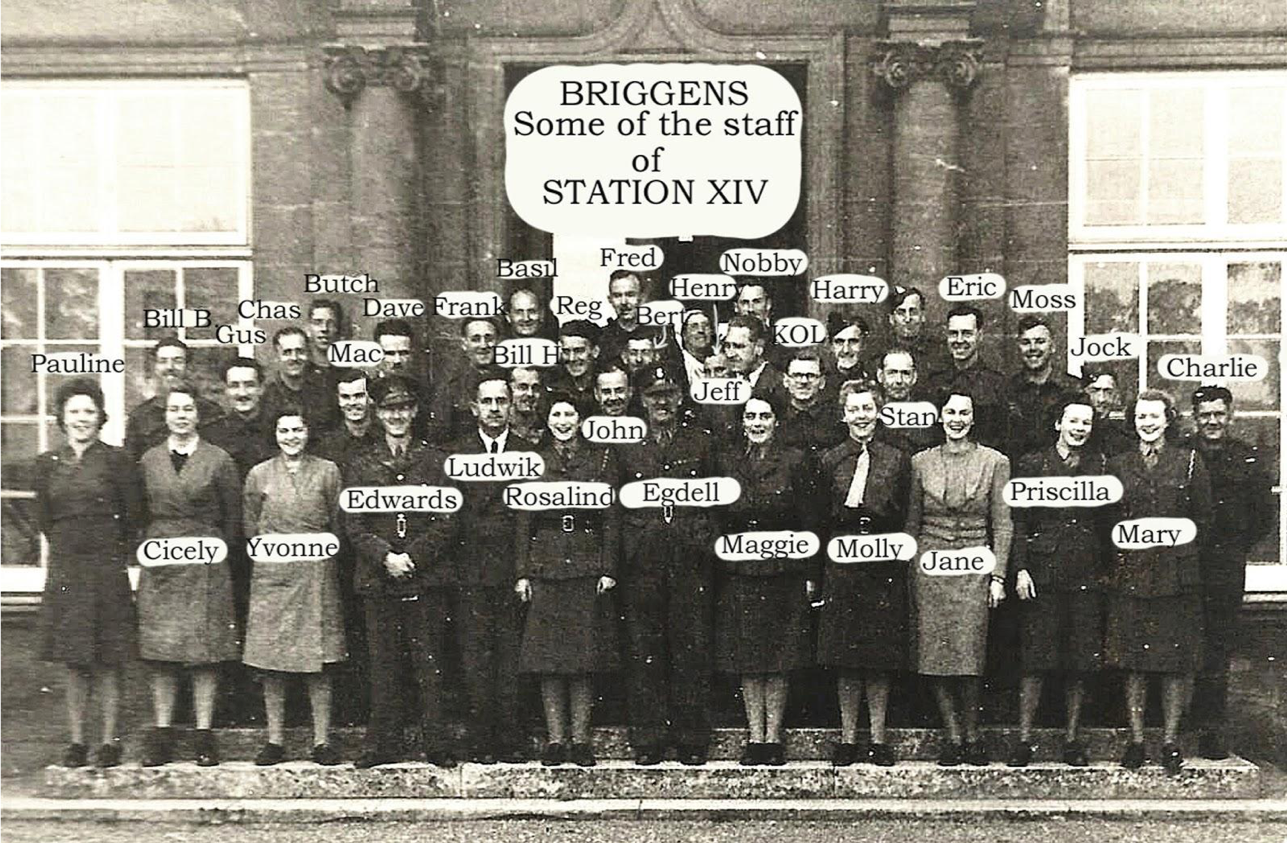
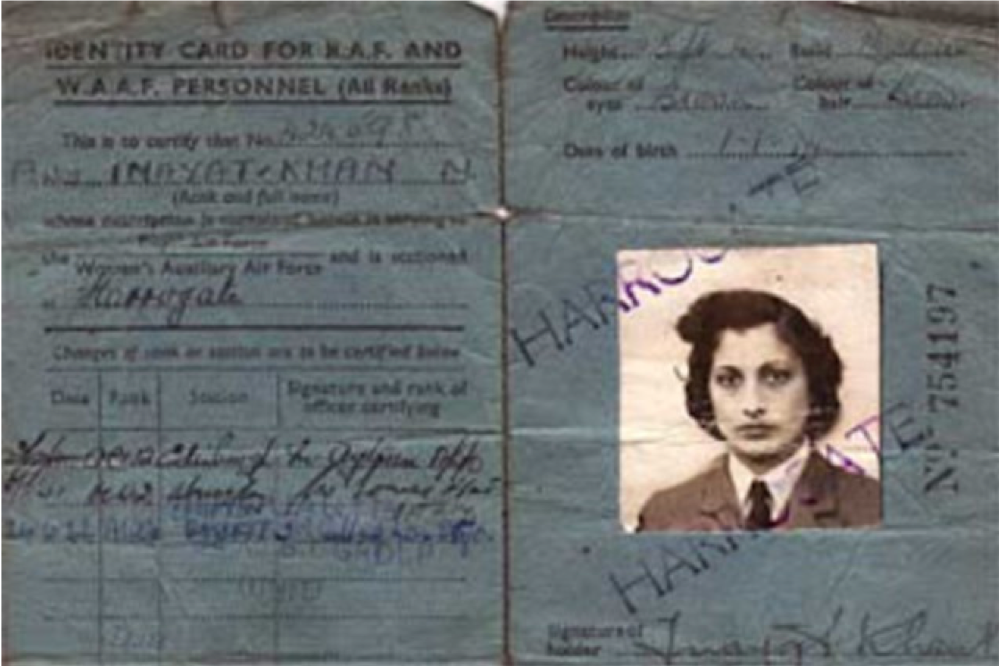
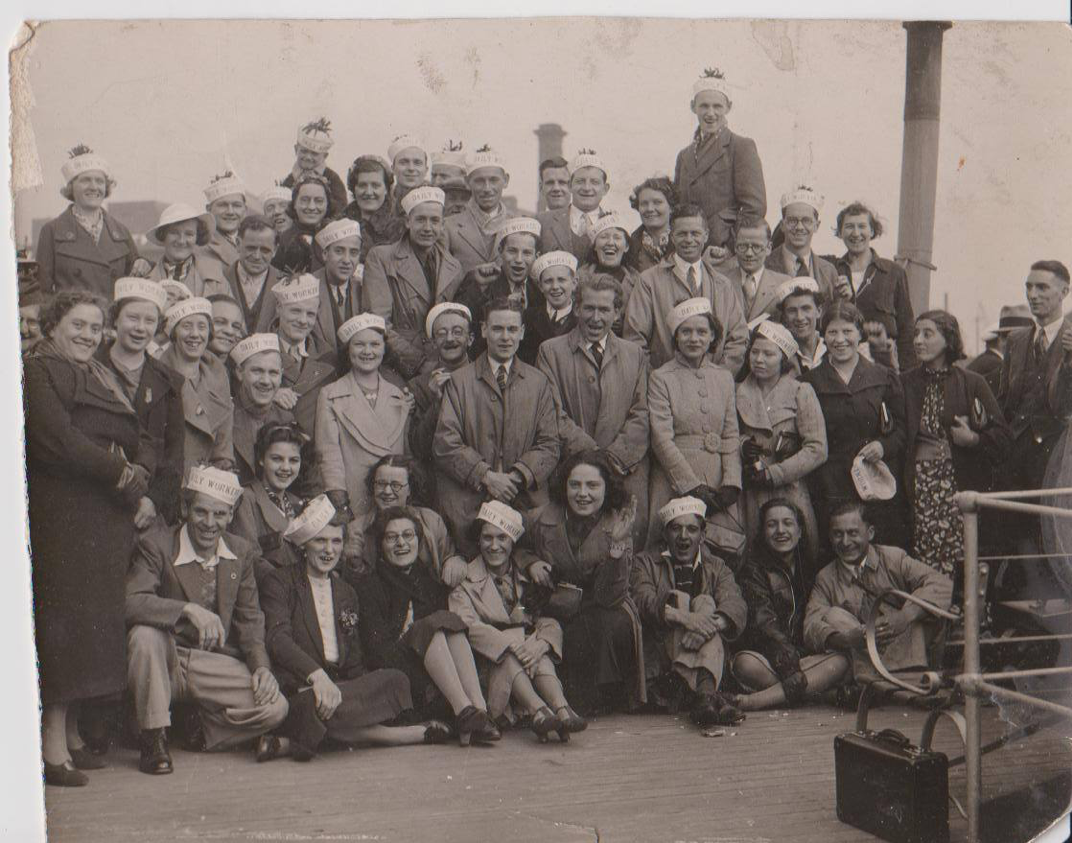
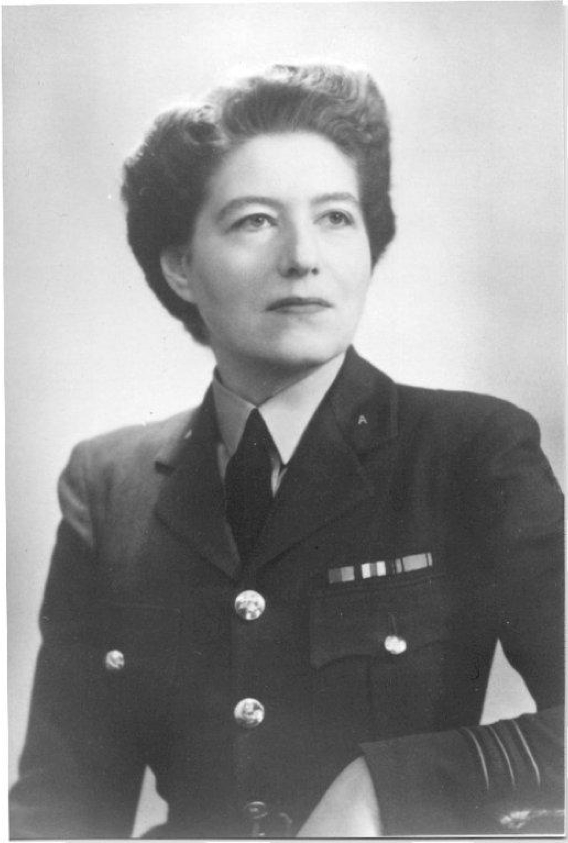
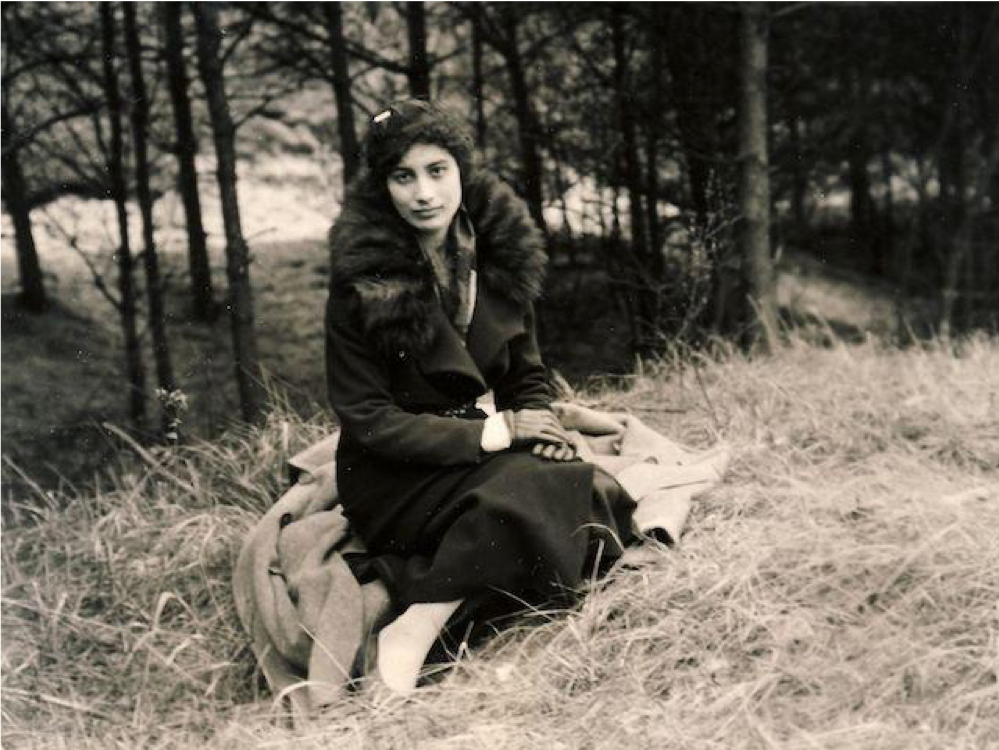
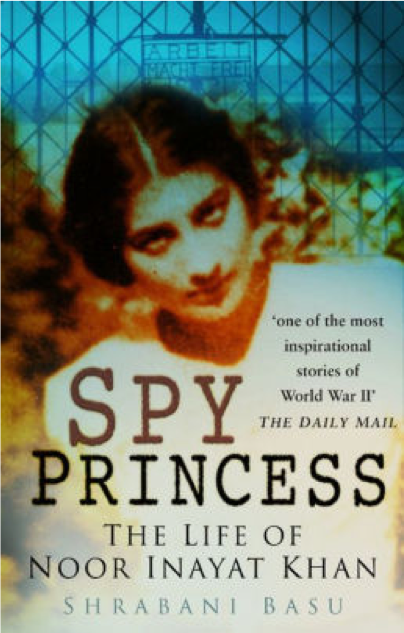
 Our 20th episode features our beloved co-host Florian Duijsens spilling the details on Hollywood actress and Berlin favourite Anna May Wong. Recorded live at ACUD as part of our series on dead Berlin ladies, and produced and presented by Susan Stone in February 2019.

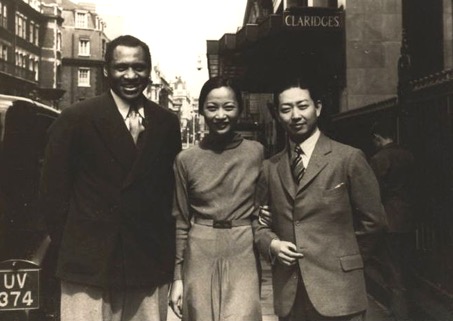
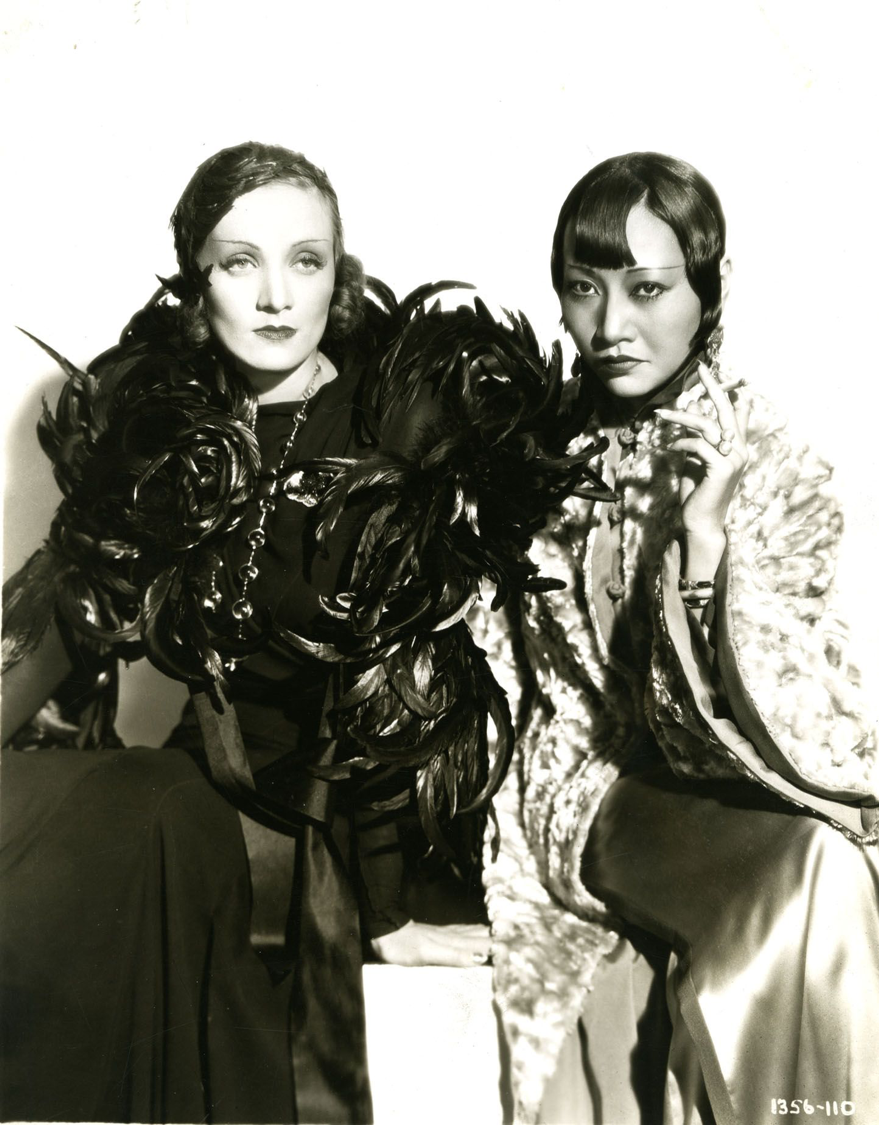


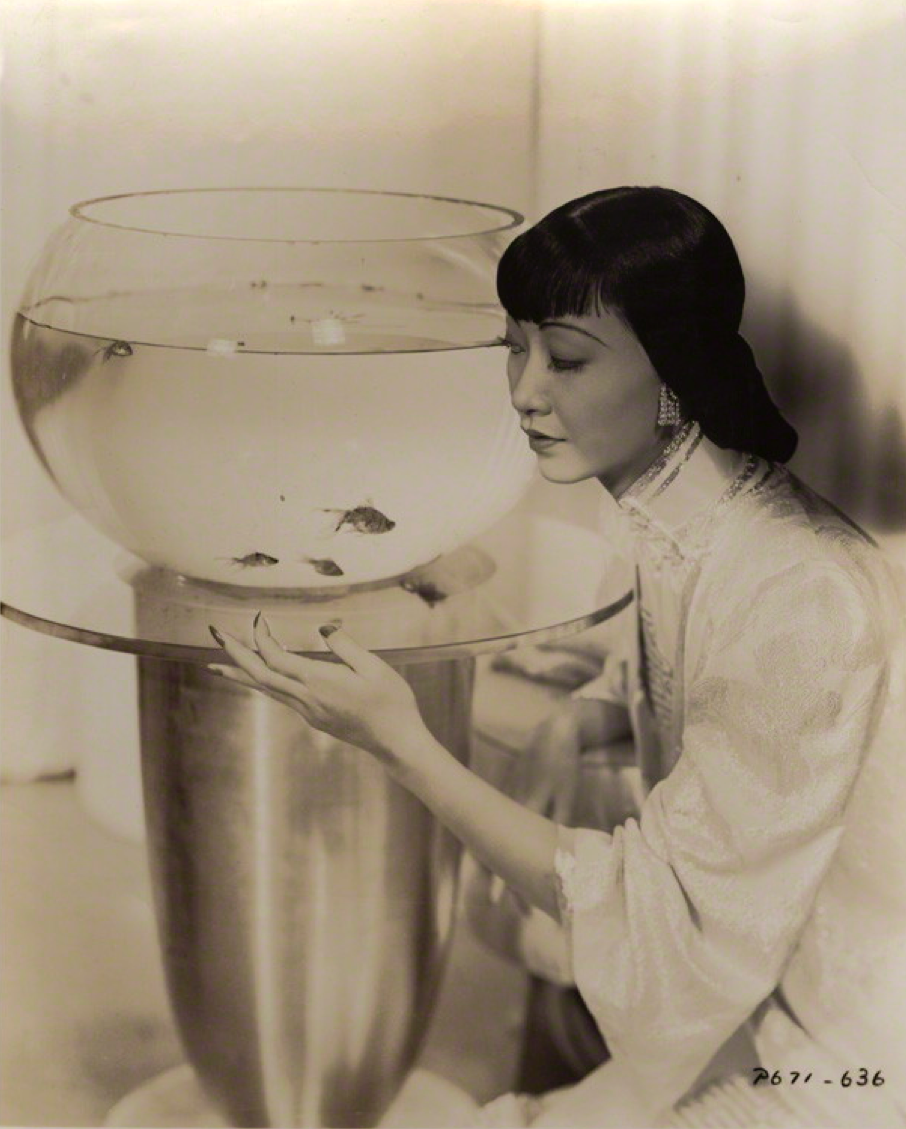


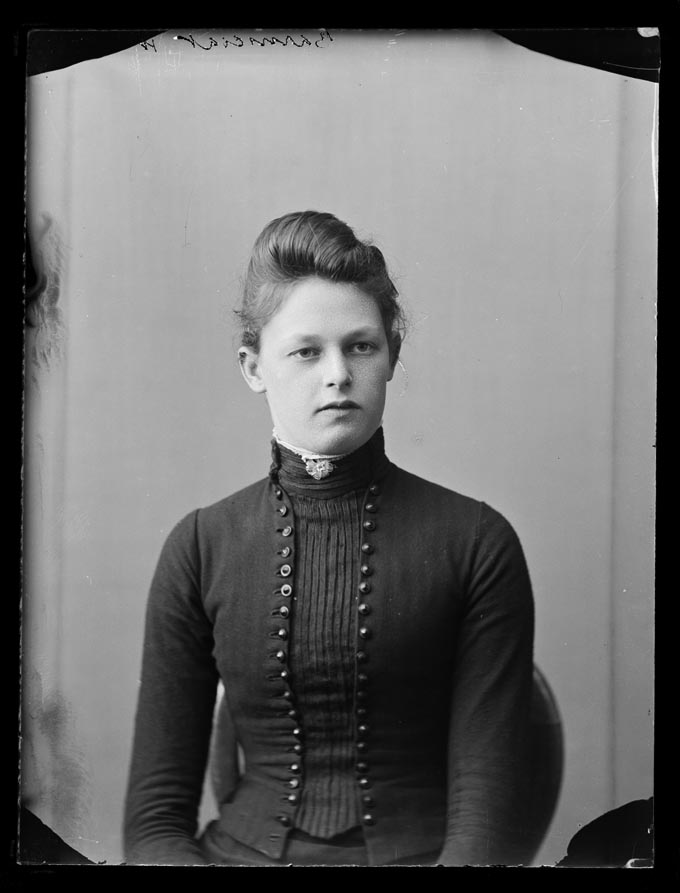

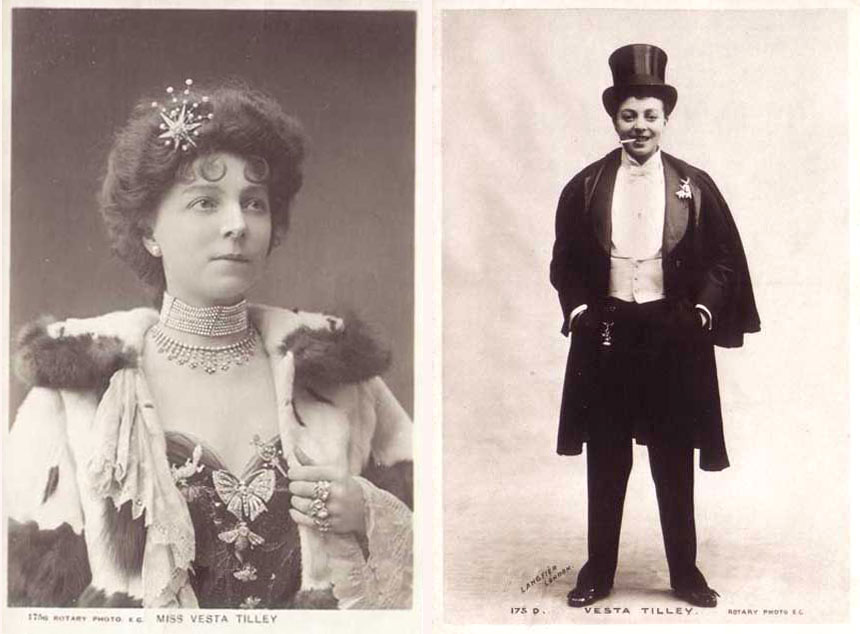
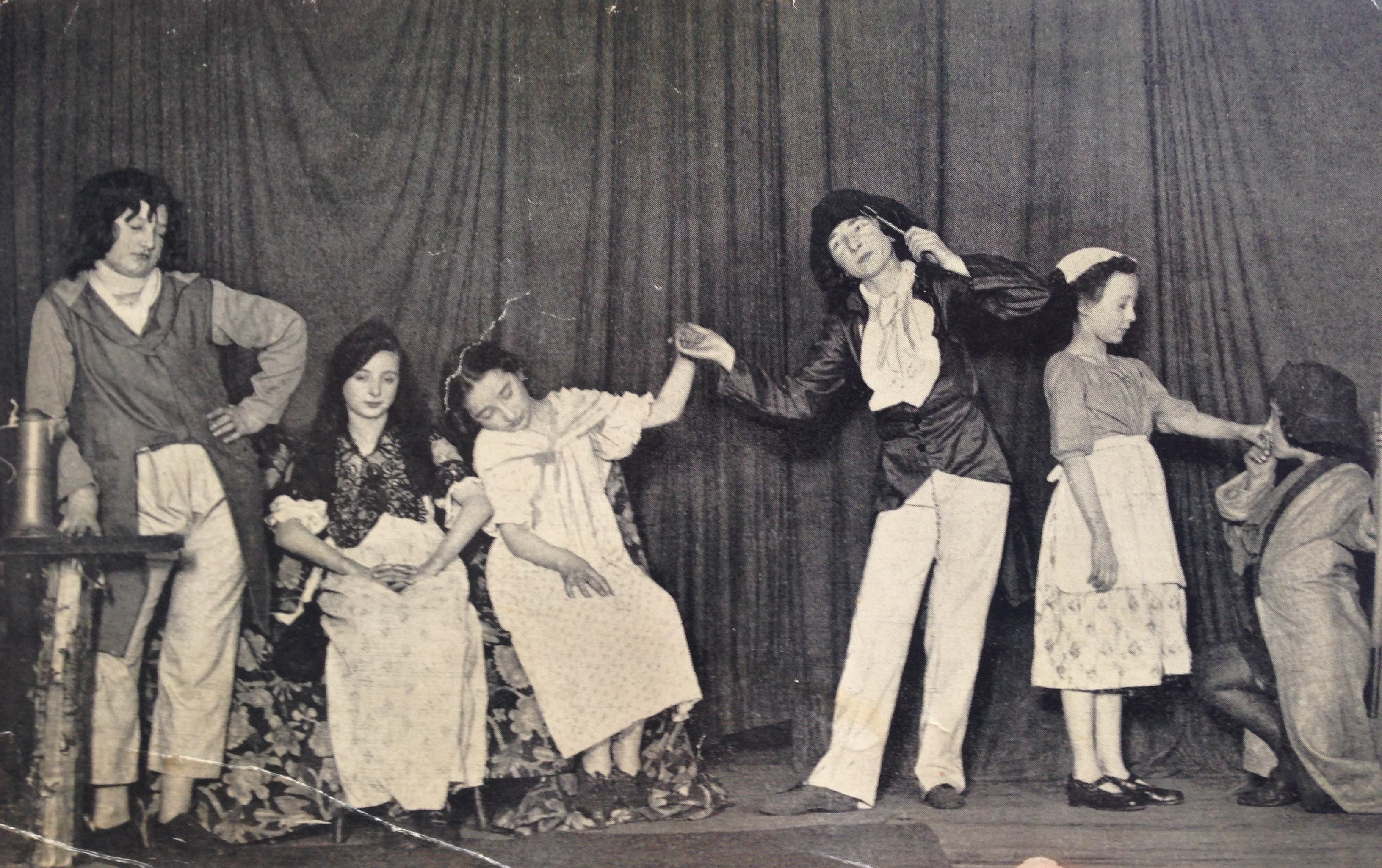
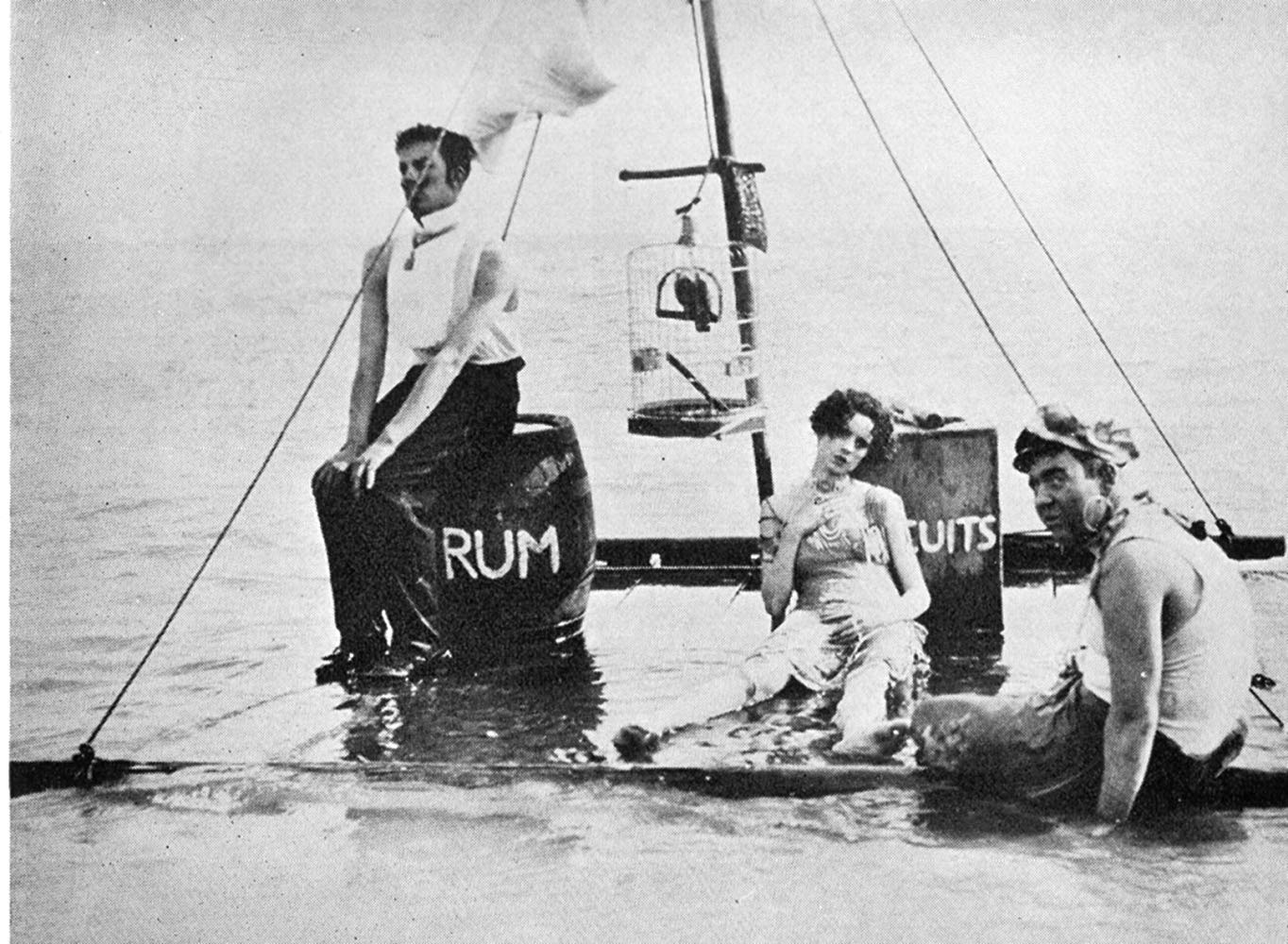
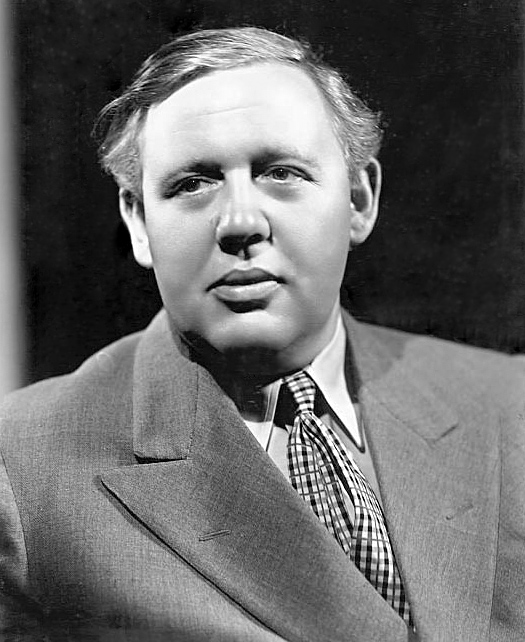
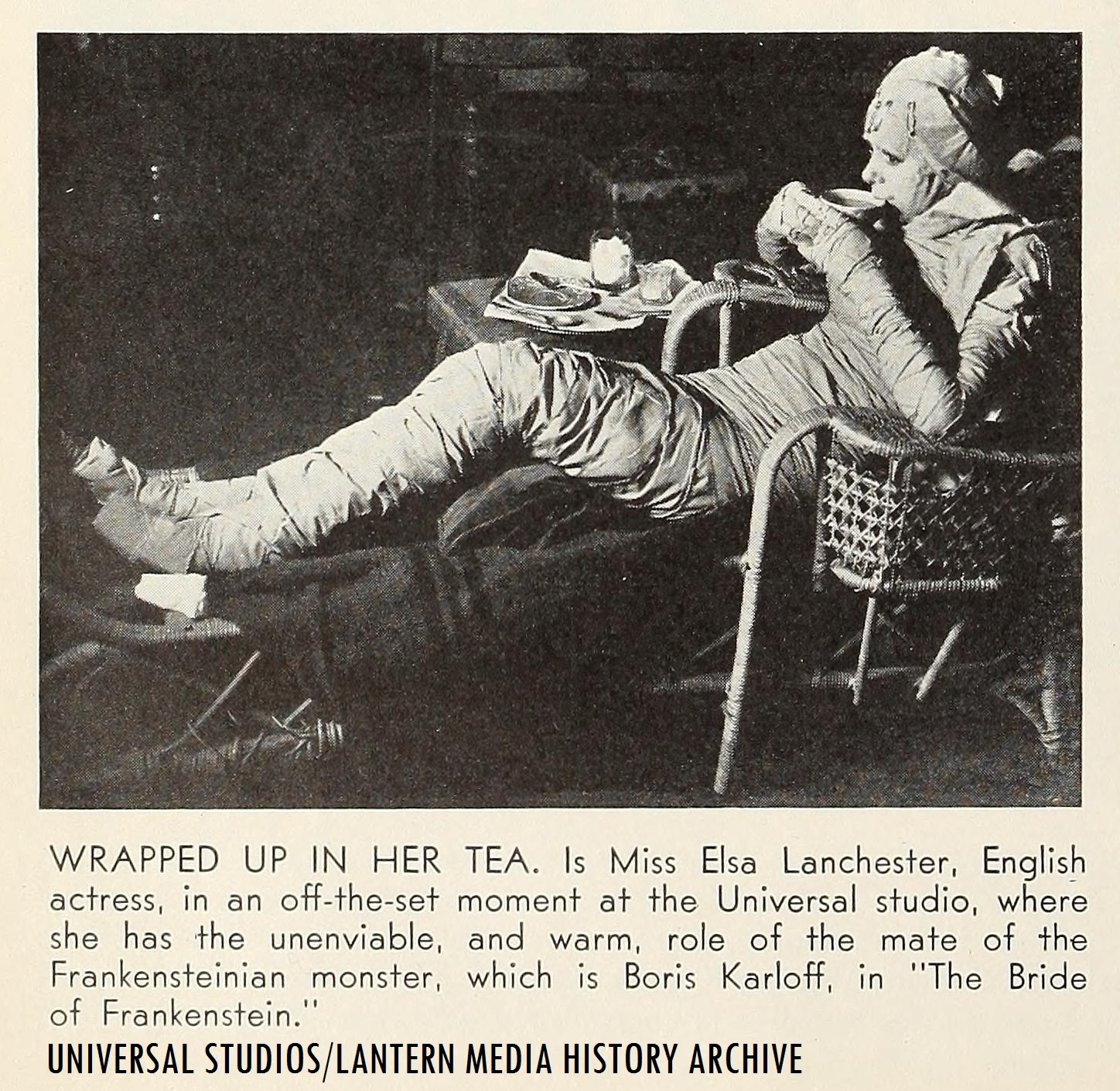
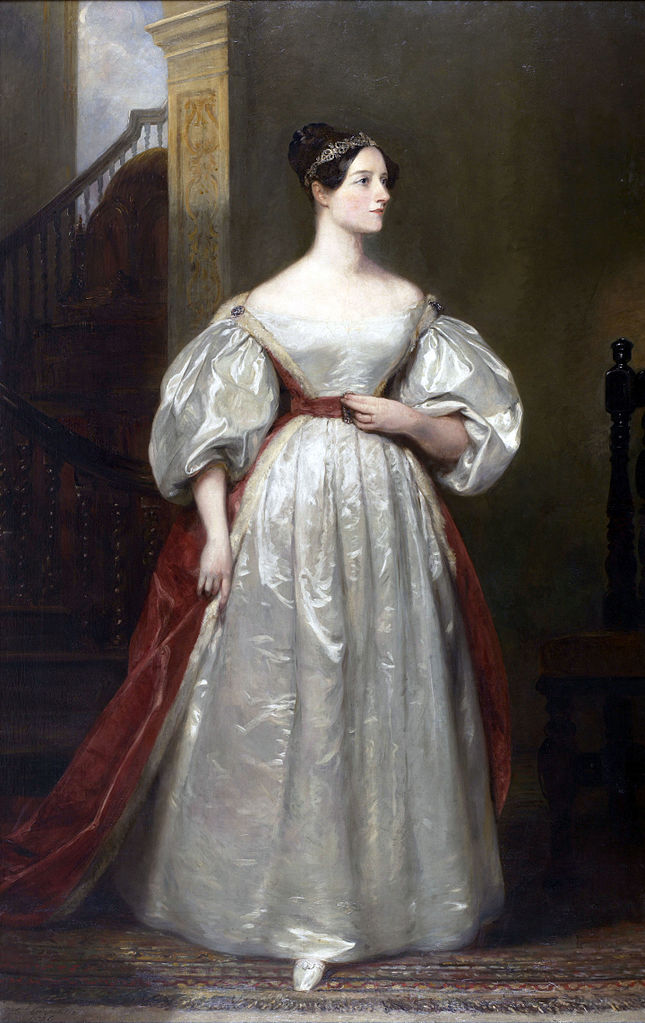
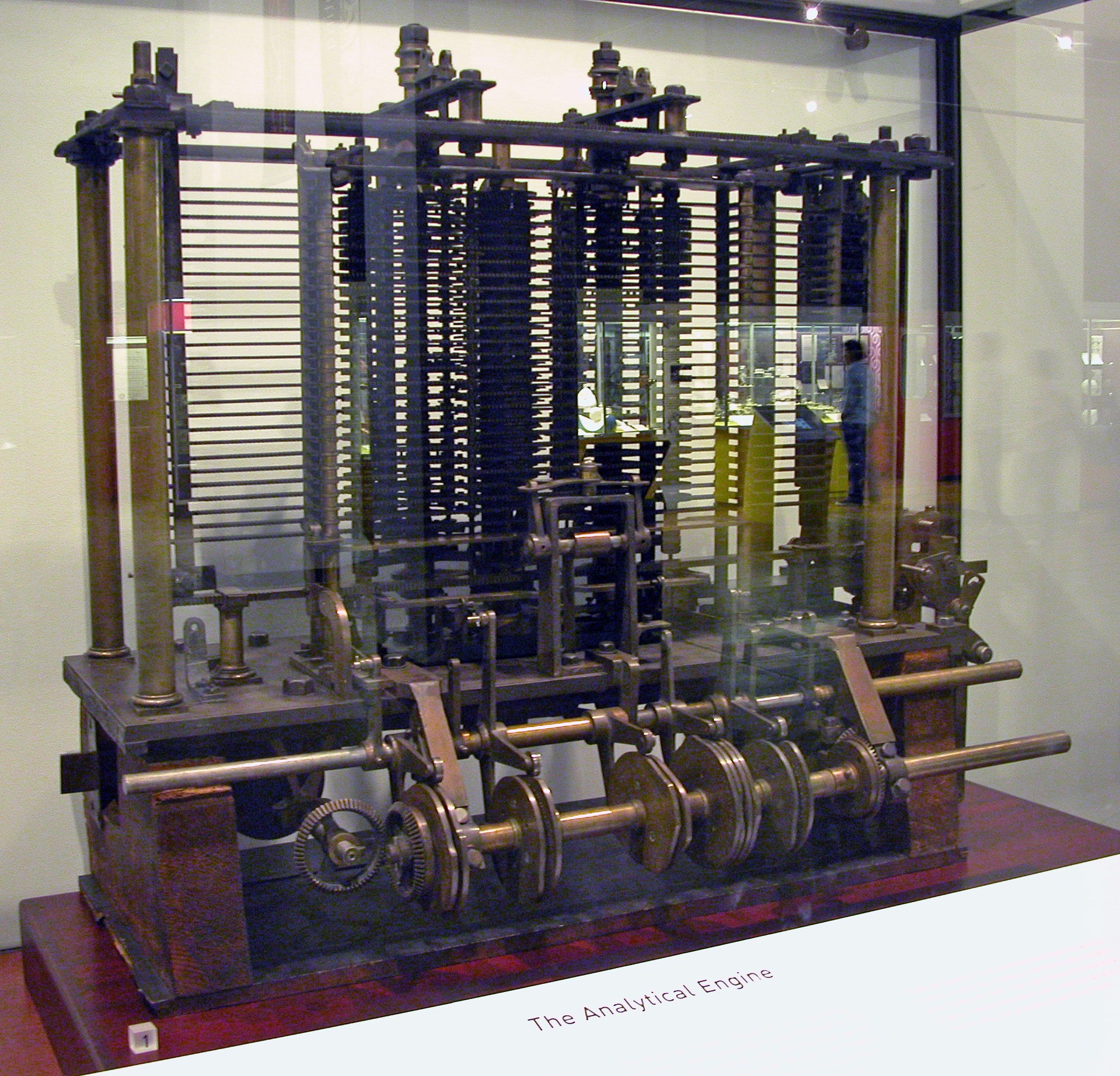
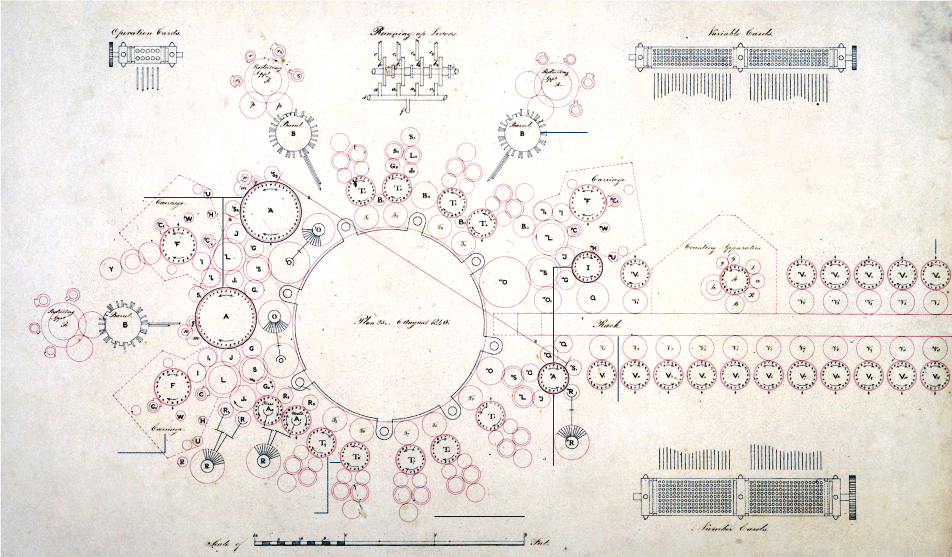
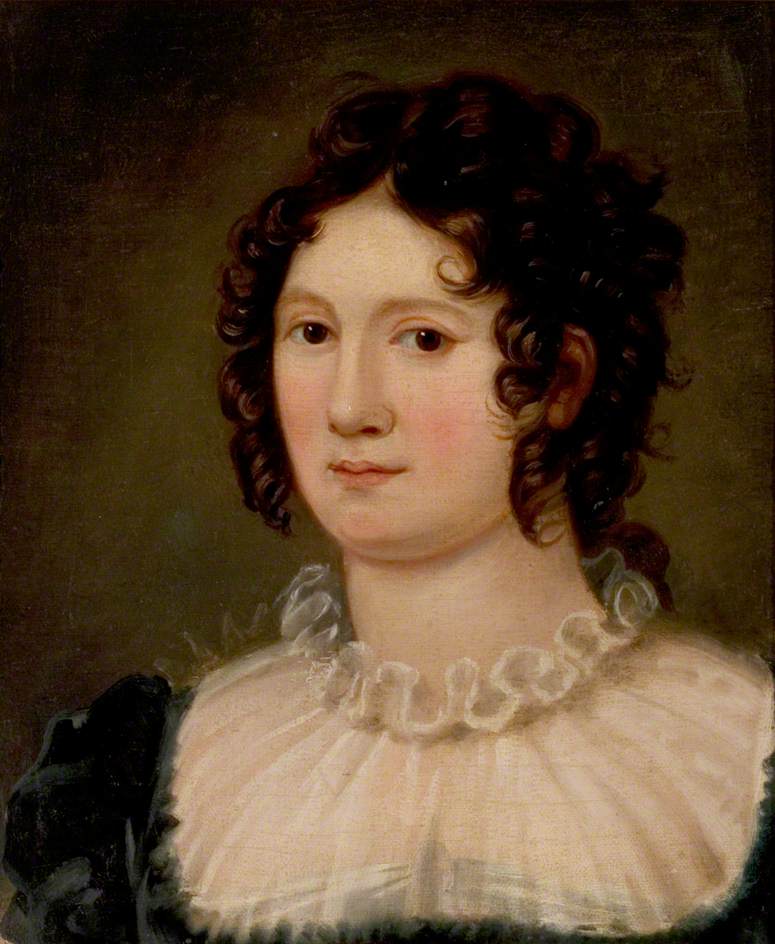
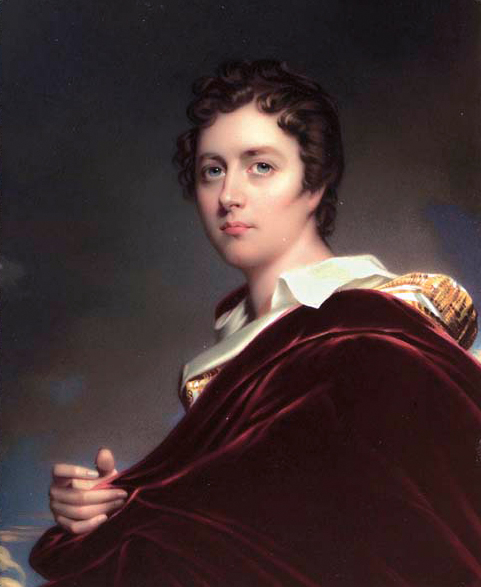
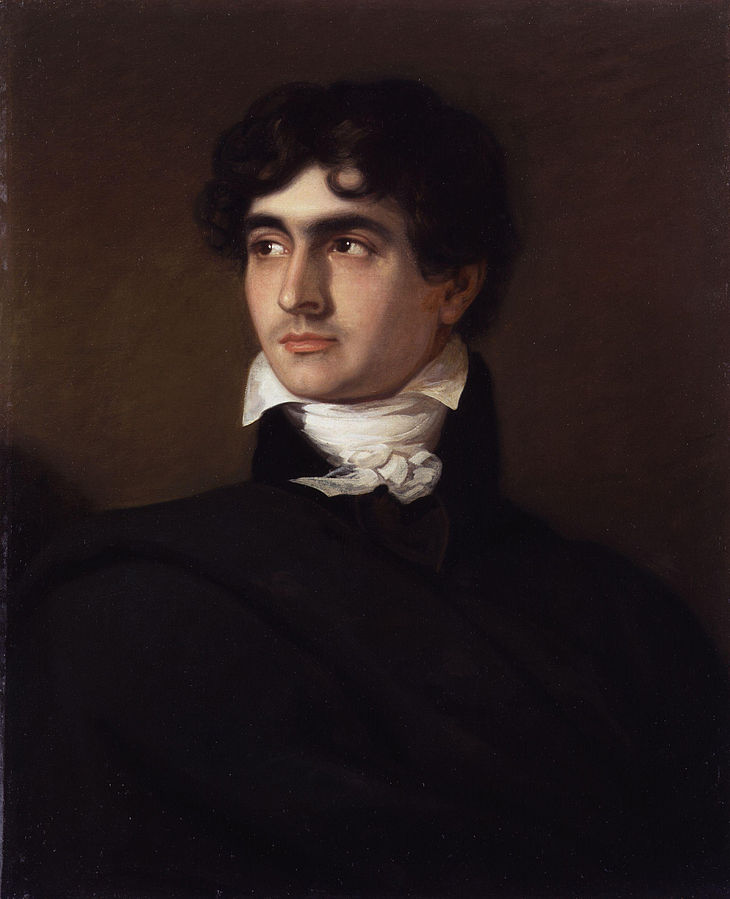
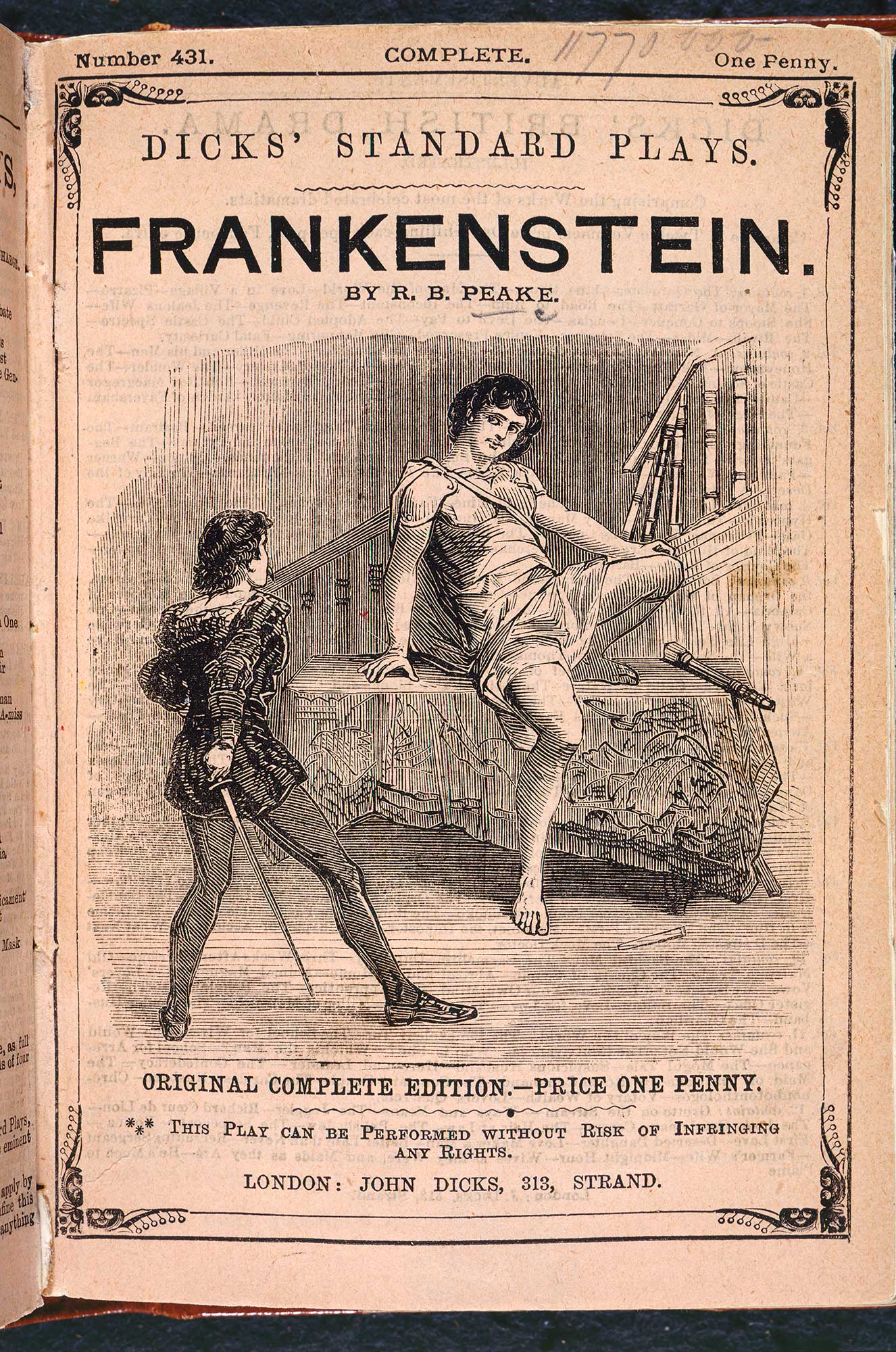
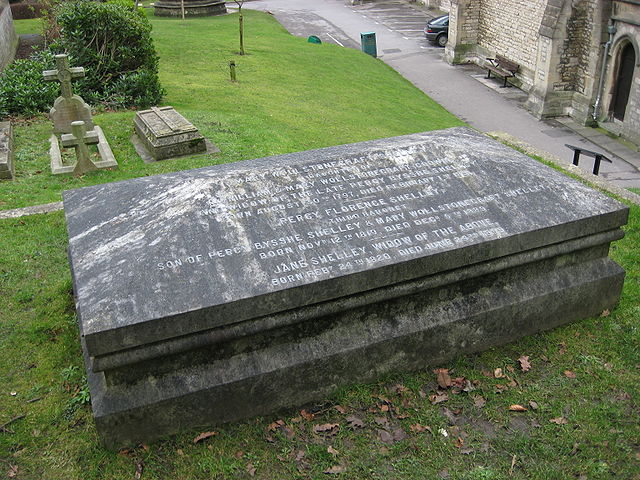
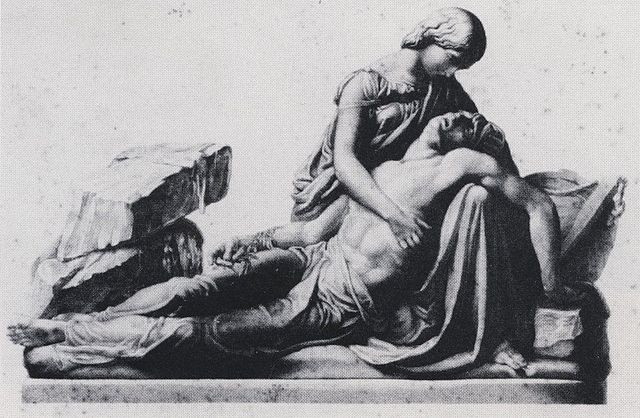
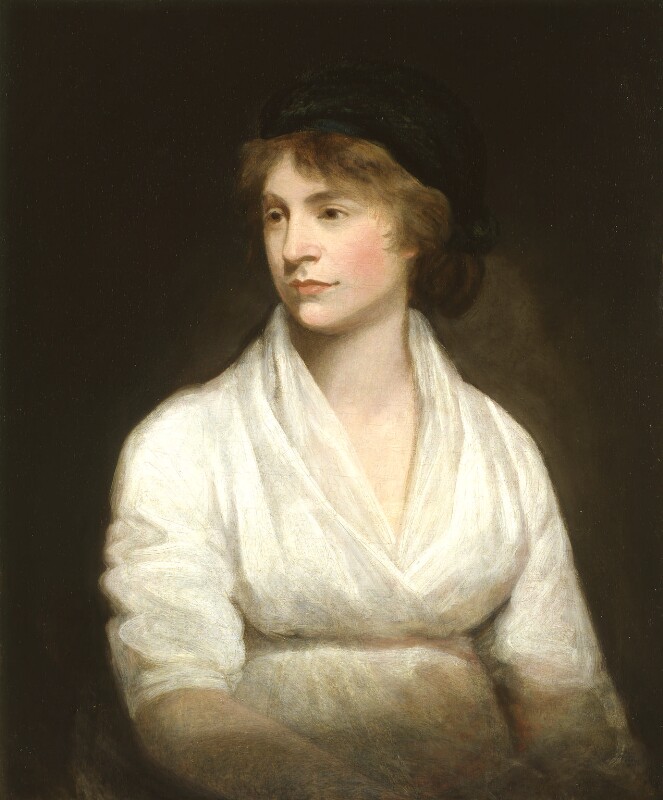
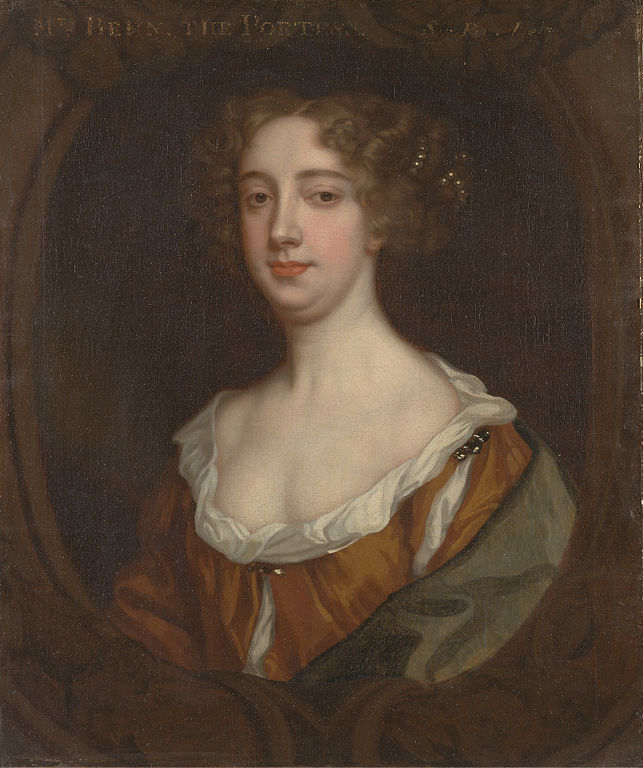
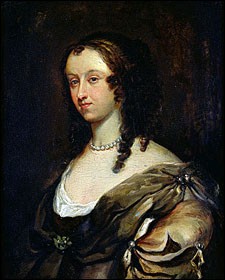
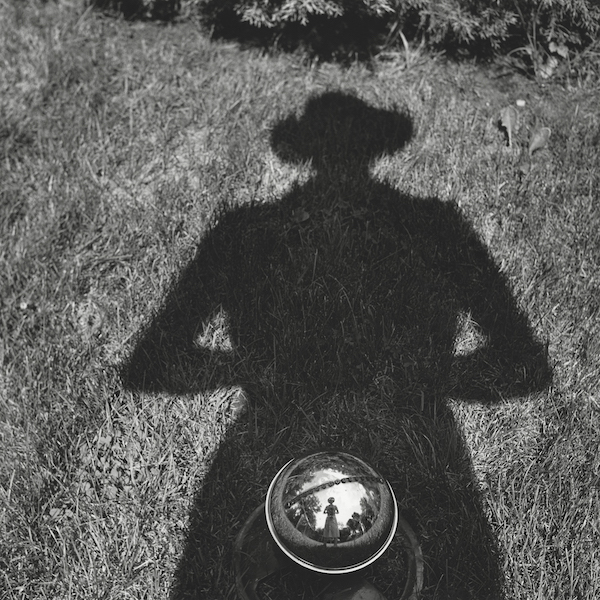
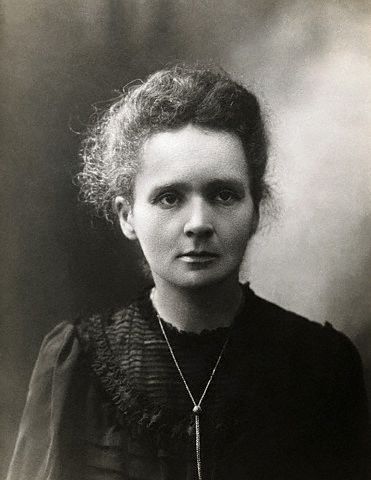


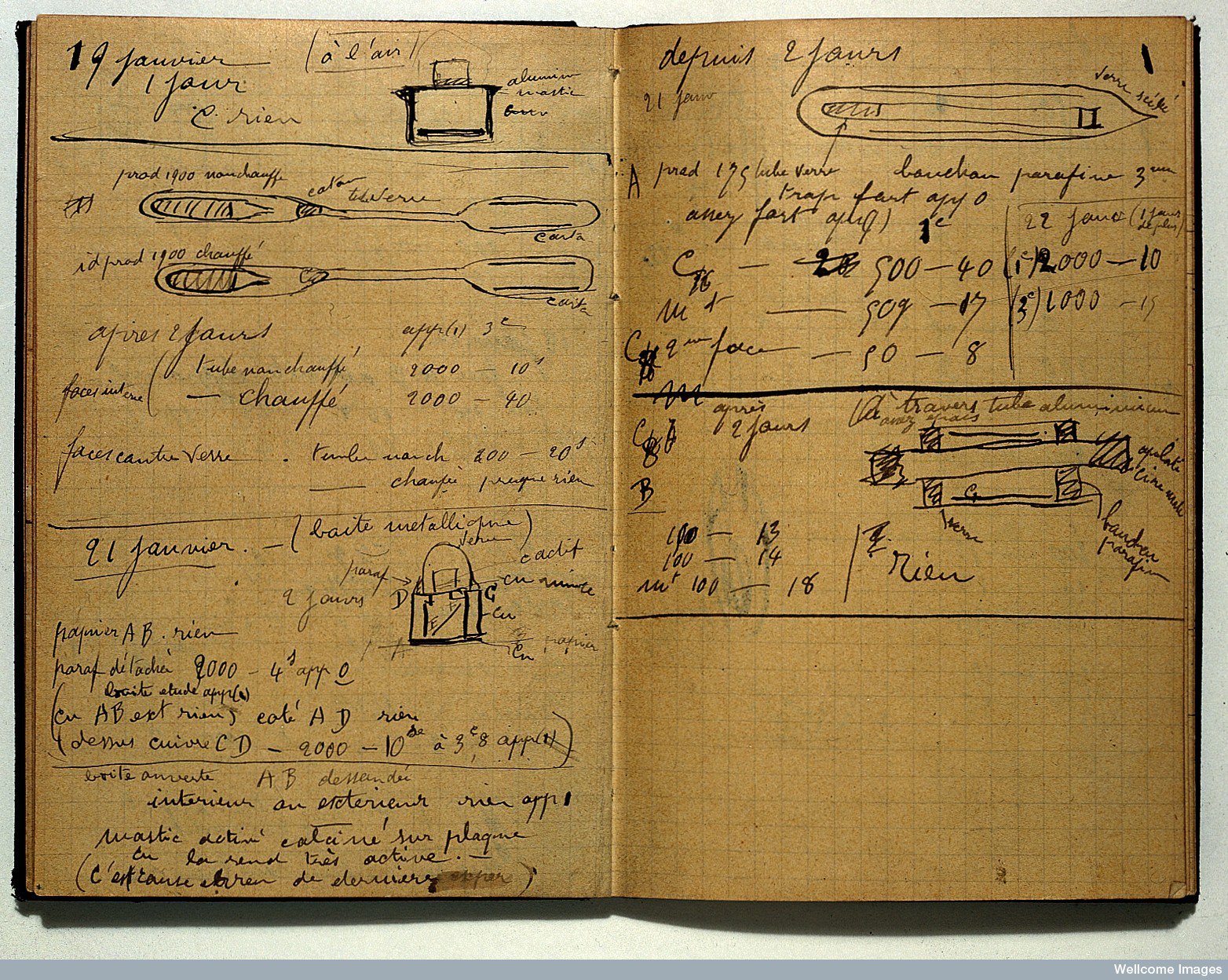
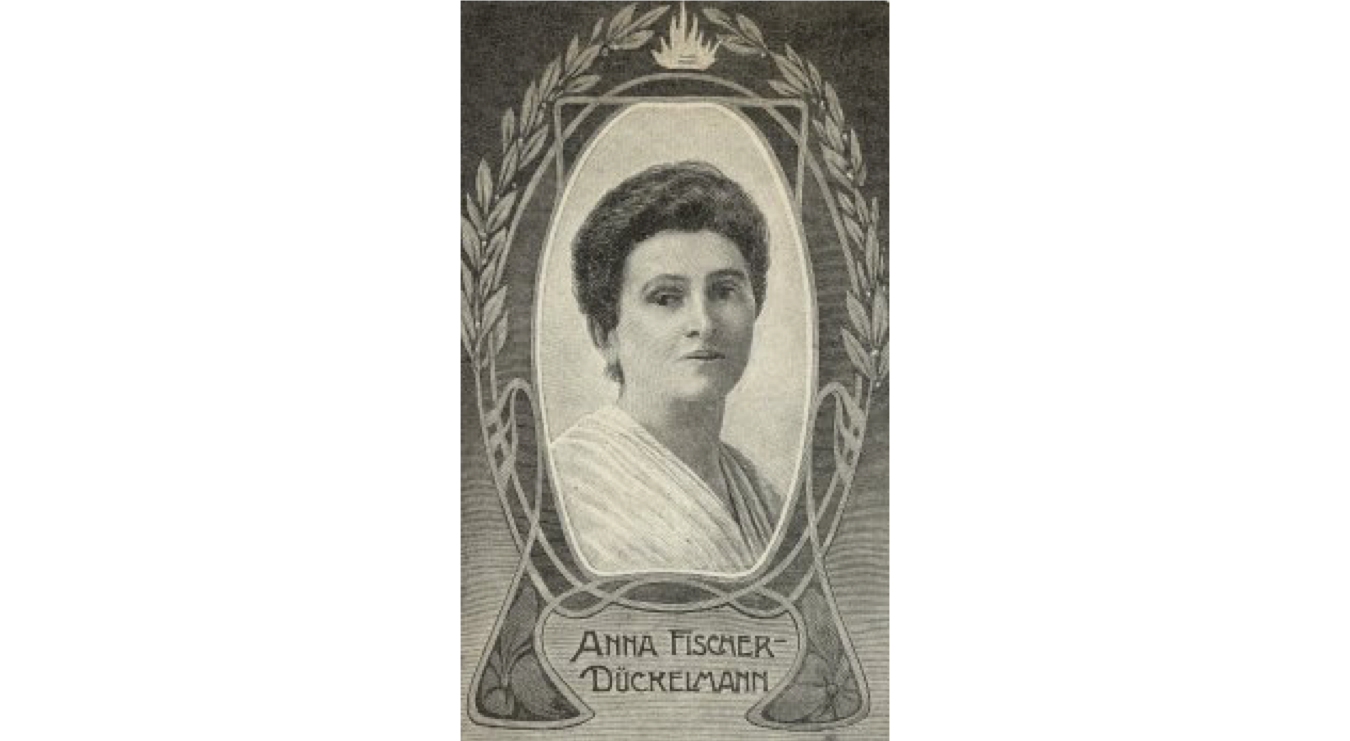
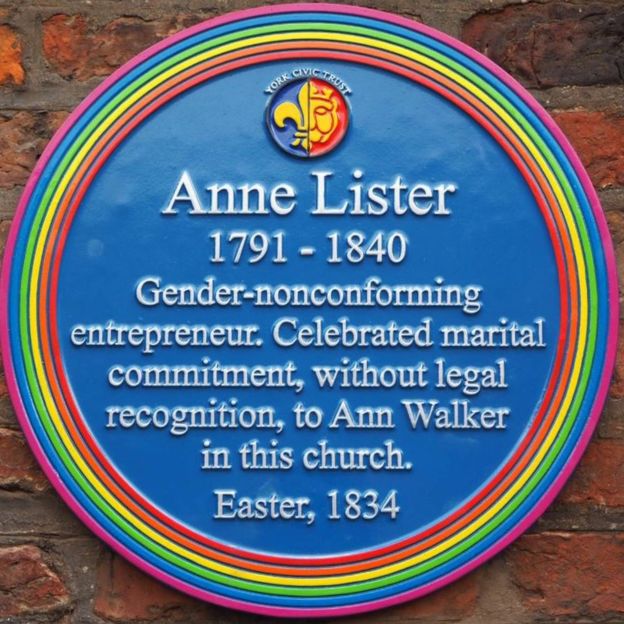


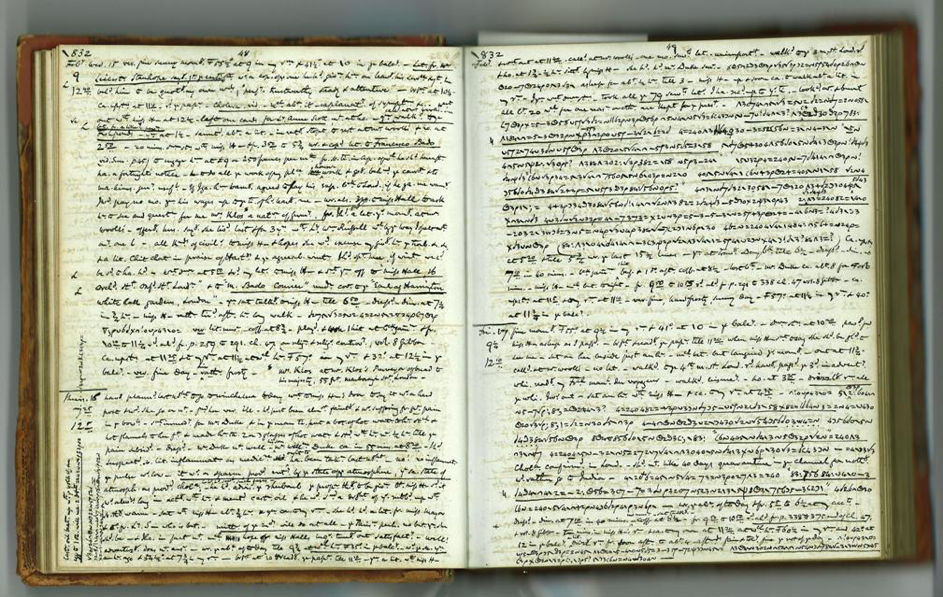
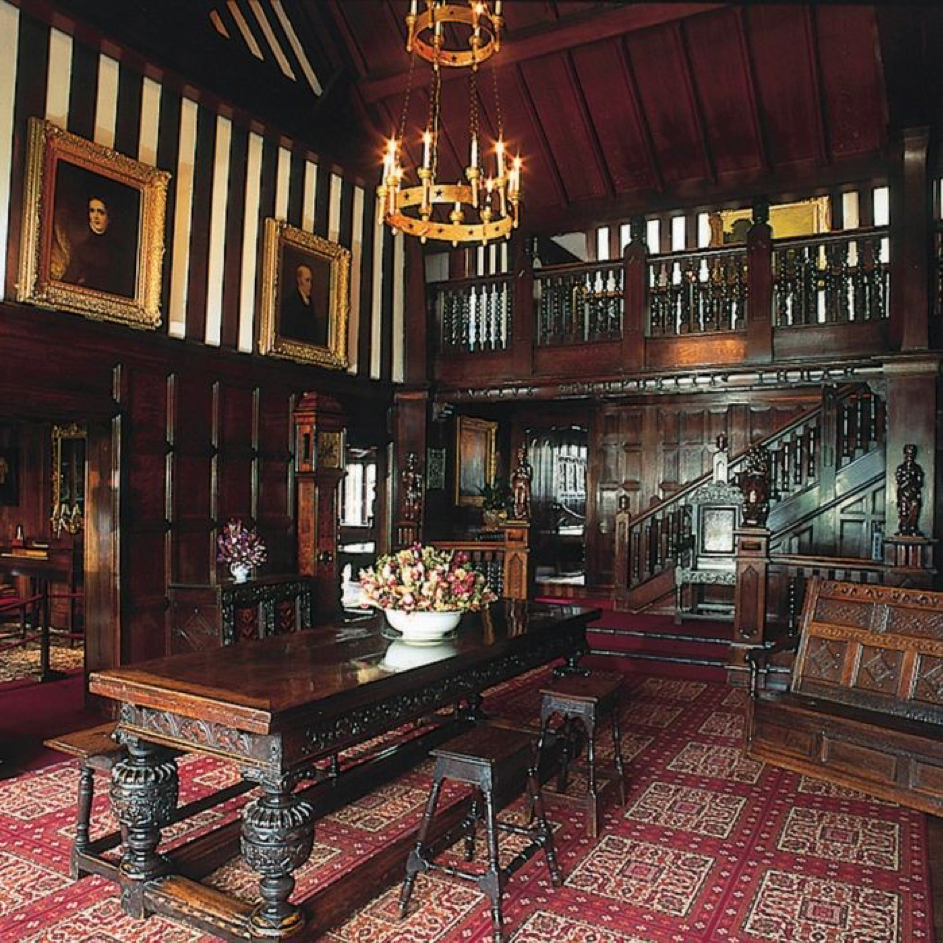


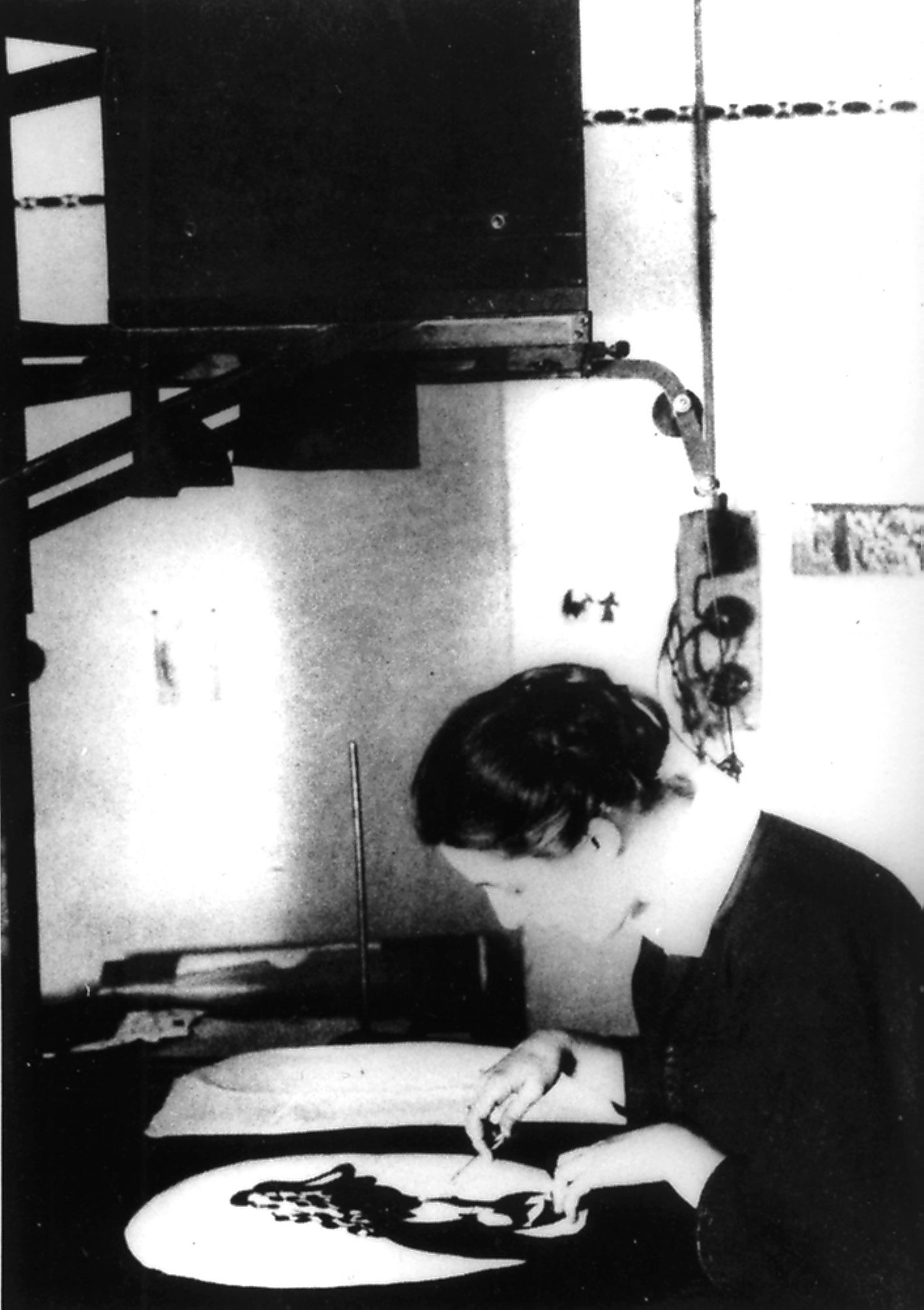
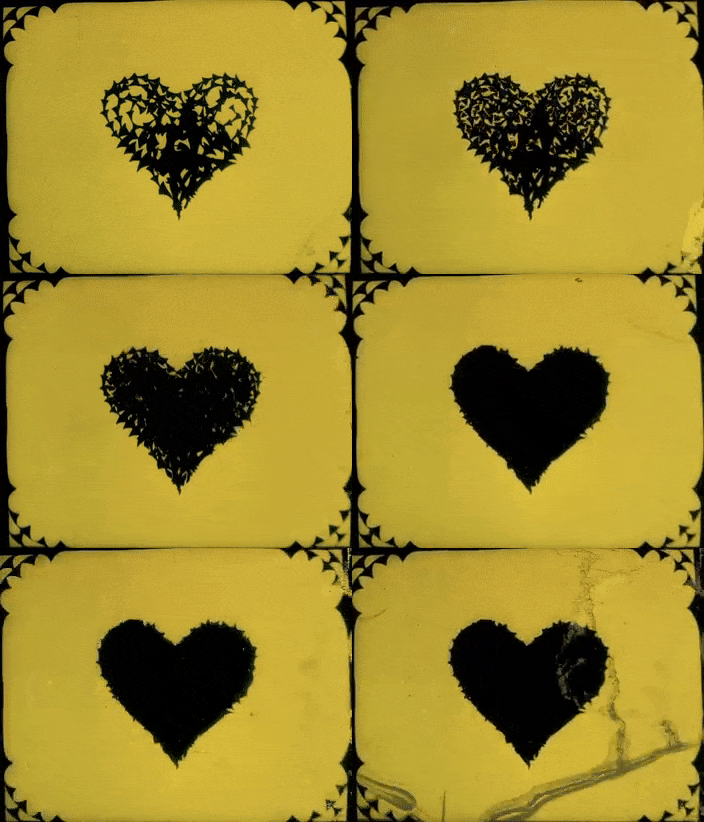
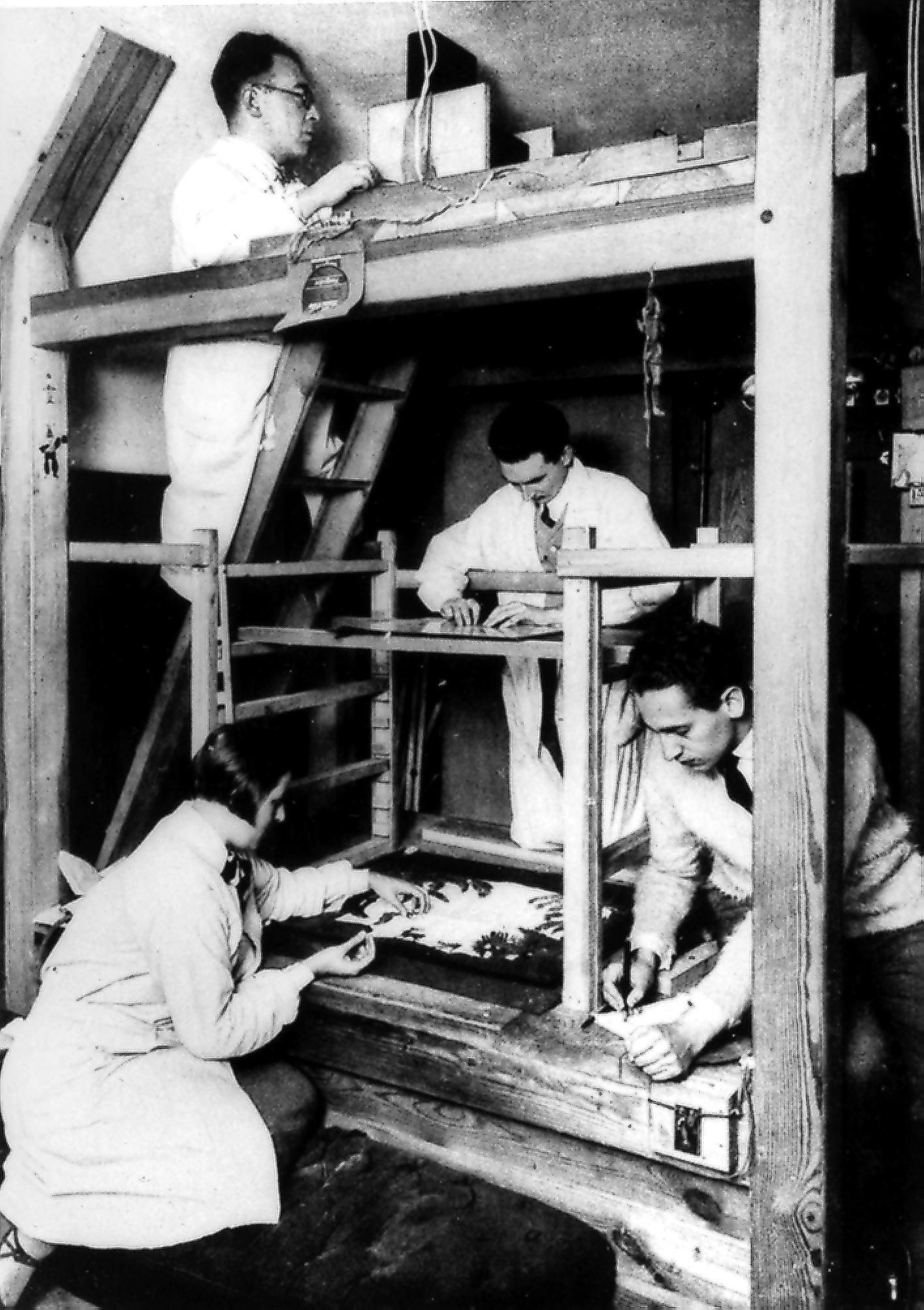
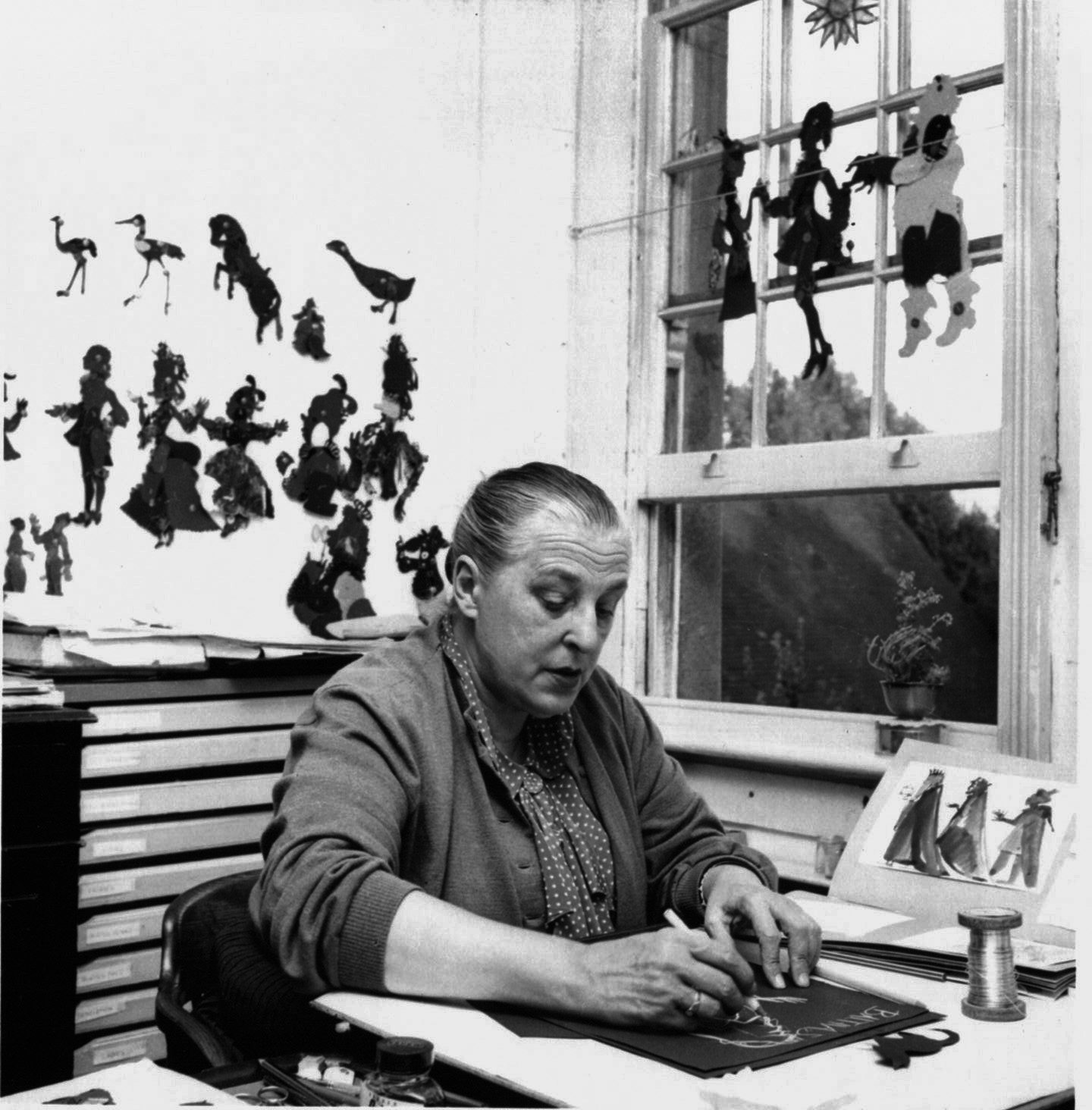


 L0046616 Mary H Kingsley Credit: Wellcome Library, London. Wellcome Images images@wellcome.ac.uk http://wellcomeimages.org Portrait of Mary H Kingsley. 1901 West African studies Mary Henrietta Kingsley Published: 1901. Copyrighted work available under Creative Commons Attribution only licence CC BY 4.0 http://creativecommons.org/licenses/by/4.0/