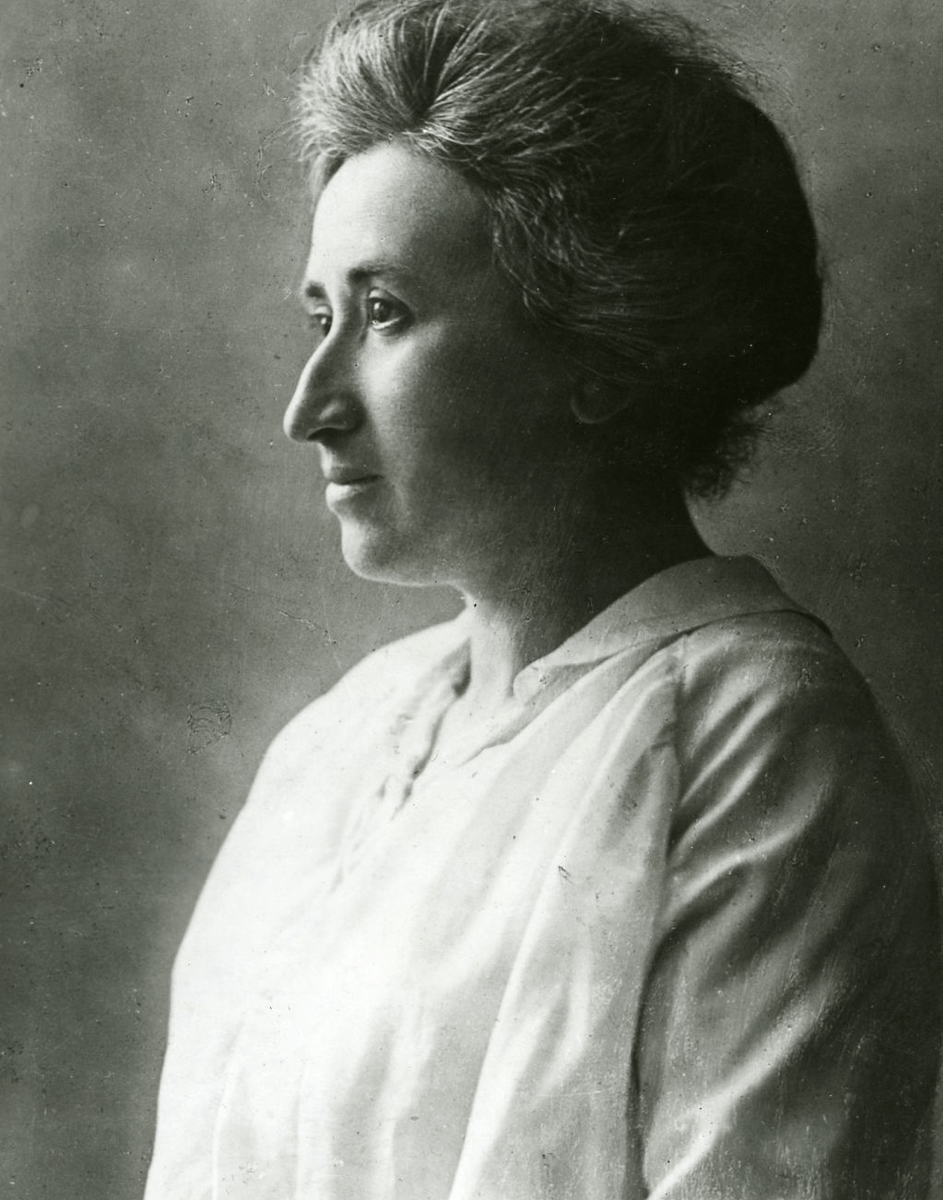
The world is a troubling place, but we hope you can still find some inspiration out there, and in honor of International Women’s Day, we wanted to bring you the story of a woman who fought, loved, and sacrificed, in troubling times of her own — the revolutionary Rosa Luxemburg. Rosa was a Polish-born Jewish intellectual, socialist, Marxist philosopher, and anti-war activist, whose evocative writing contributed to her legacy.
Her story comes via educator and writer Agata Lisiak, who is currently working on a book about Rosa Luxemburg.
DLS co-founder Florian Duijsens joins producer Susan Stone to introduce our featured Dead Lady, and to give a book recommendation guaranteed to lighten up our dark times.
You can download the transcript, created by Annie Musgrove, here.
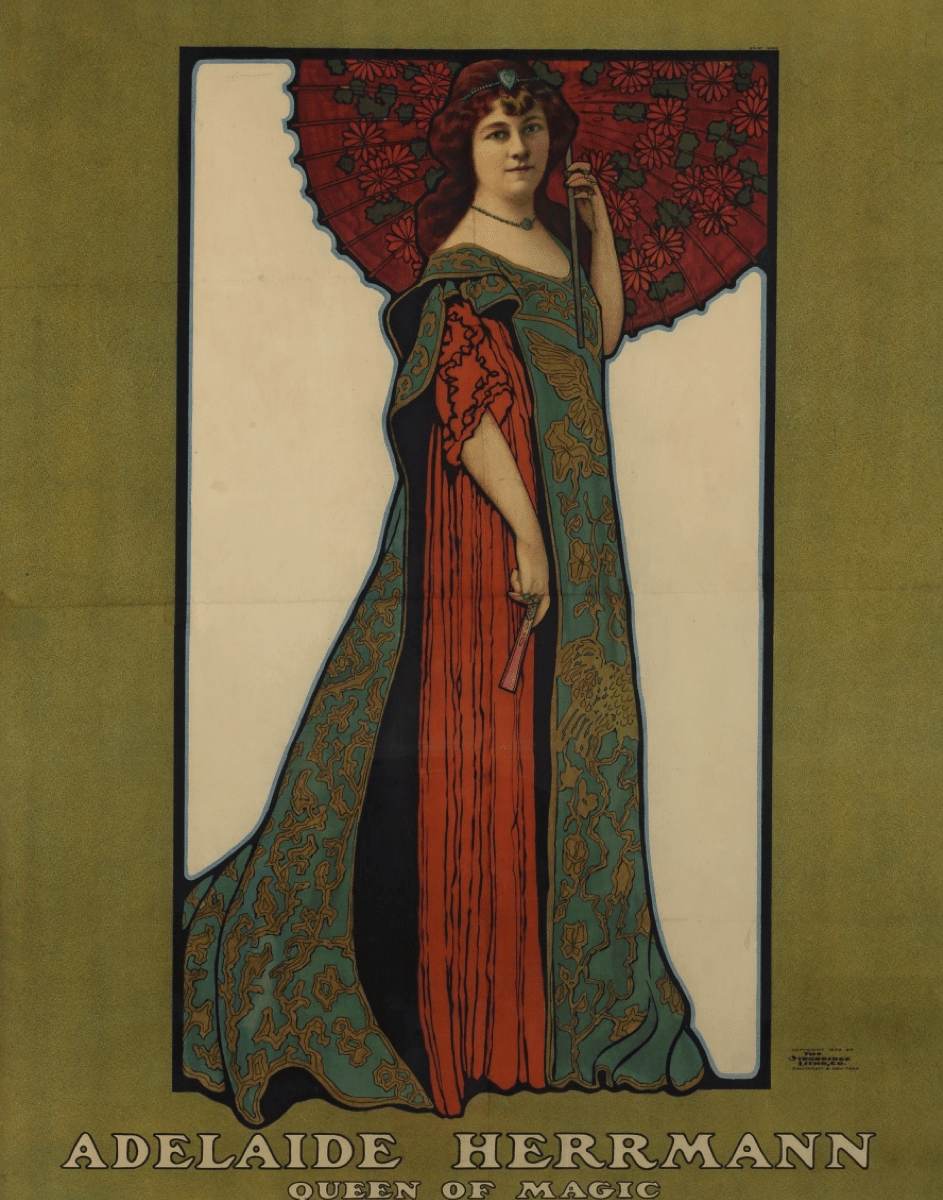
In this episode, DLS co-founder Katy Derbyshire conjures up a Victorian-era Dead Lady magician who dazzled audiences and broke boundaries. Starting from her childhood in England, Adelaide Herrmann (née Scarcez) was a born performer, first notable for dance, acrobatics, and trick cycling. She met and married magician Alexander Herrmann, and became his on-stage assistant and the star of many of his illusions, first dressed as his double and later in many guises. Following his death, she eventually took over the act, becoming the Queen of Magic, and collecting a menagerie of animals for her show. Highly successful, she toured for 25 years, performing up to the age of 74. She was buried next to her husband. His headstone reads: HERRMANN THE GREAT. Adelaide’s states more simply, WIFE.
DLS co-founder Florian Duijsens joins producer Susan Stone for the introducing duties.
You can download the transcript, created by Annie Musgrove, here.
We kick off 2022 with an episode devoted to a woman famed for her wit and beauty, and later for her status as a sort of early inoculation influencer. Her tale is told by DLS co-founder and devoted traveler, Florian Duijsens.
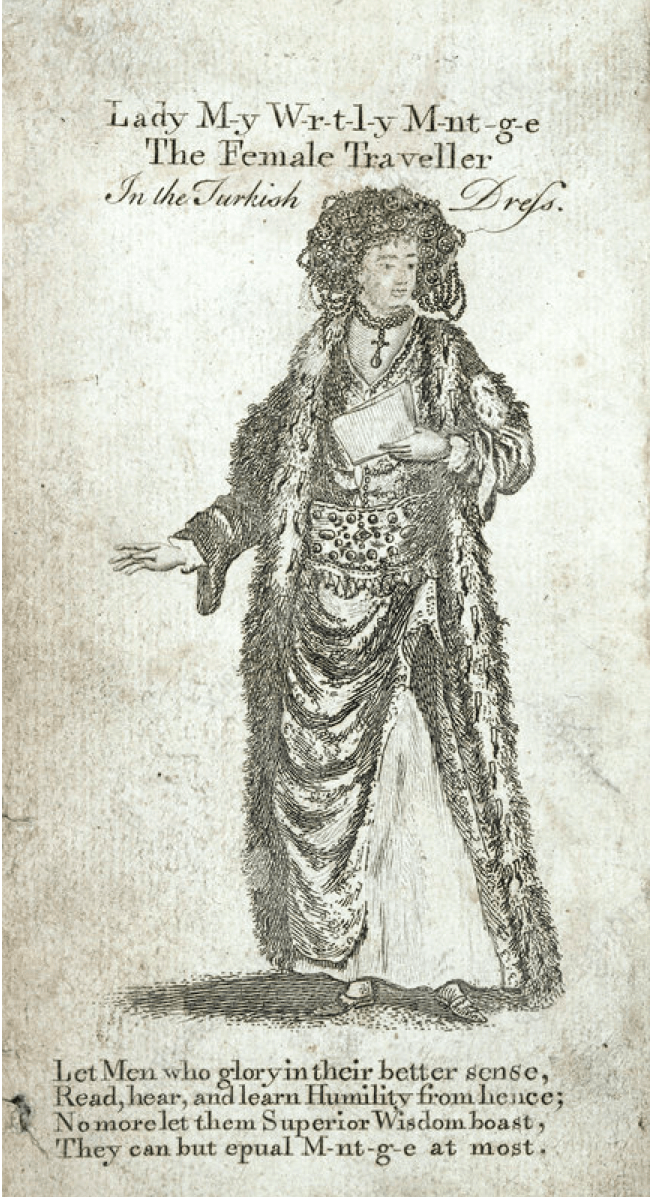
English aristocrat Lady Mary Wortley Montagu was raised to keep her opinions to herself, be it at home or in the King’s court, but she travelled widely, published secretly, and convinced many to take important steps that saved lives. When her husband became the British ambassador to the Ottoman Empire in 1716, she accompanied him to Constantinople. Gaining access to female spaces in Turkey, she witnessed smallpox inoculations there and had her son immunized in the same way, using a small sample of the live virus that had killed her brother and caused severe scarring to her own face. The principle was adapted into what we now know as vaccination. Lady Mary later left her husband behind in England after falling for an Italian count, only returning after she was widowed. She wrote poetry, essays, and copious letters, many of which were published after her death, encouraging other ladies to travel as she had done.
DLS other co-founder Katy Derbyshire joins producer Susan Stone to introduce the featured Dead Lady.
You can download the transcript, created by Annie Musgrove, here.
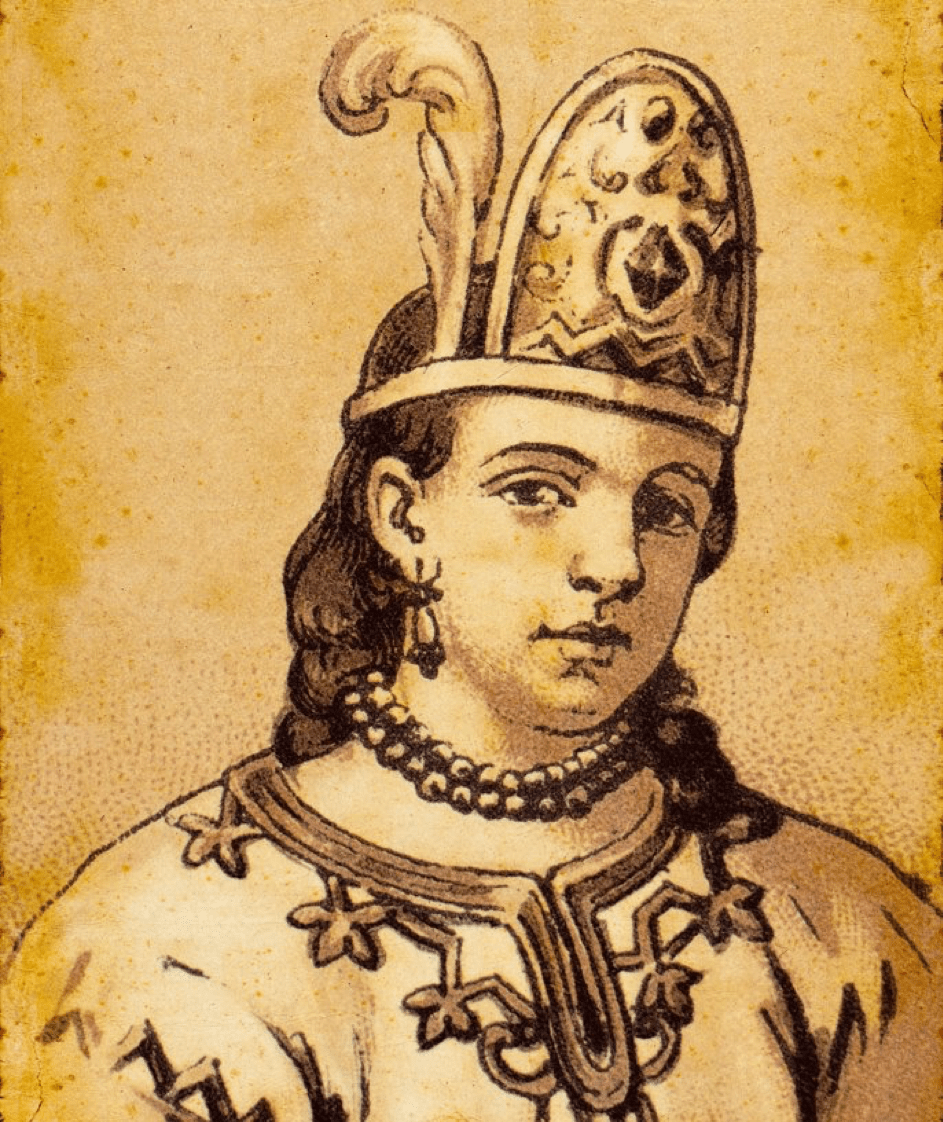
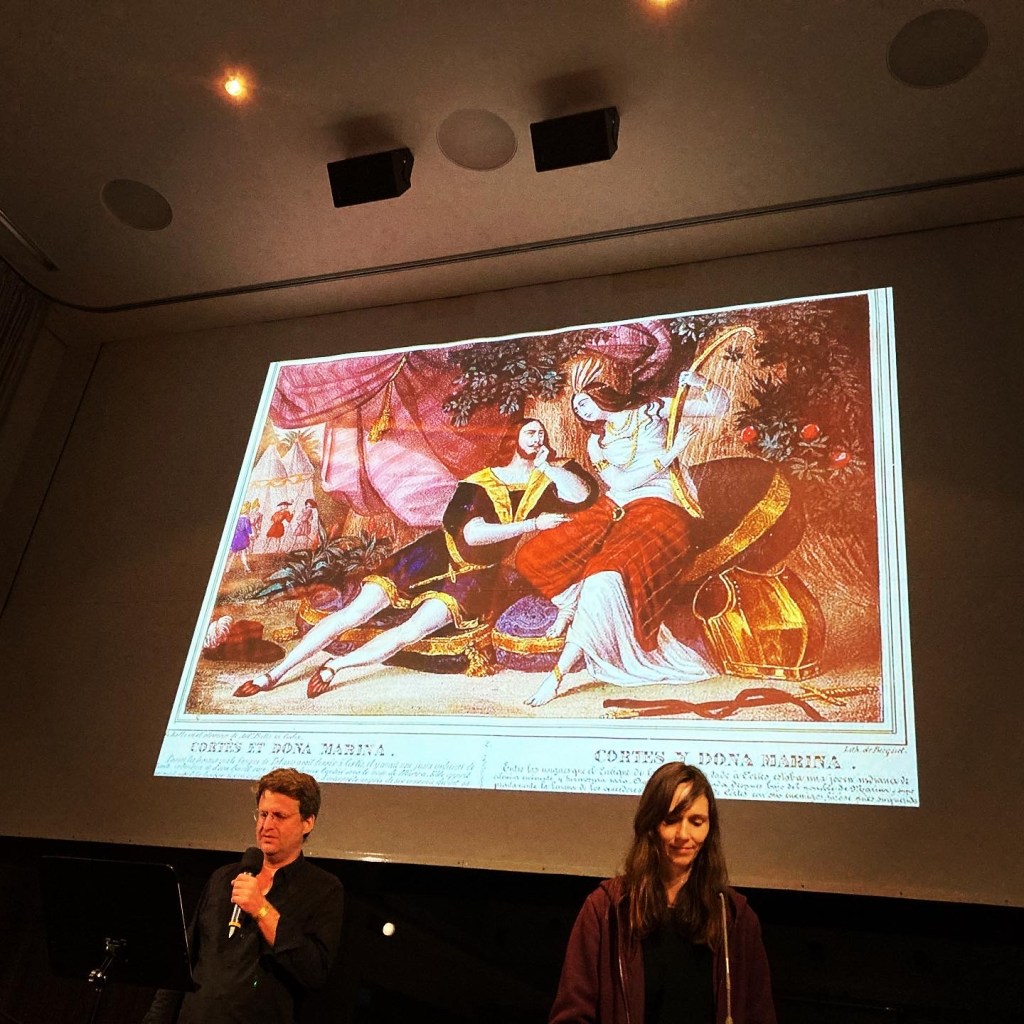
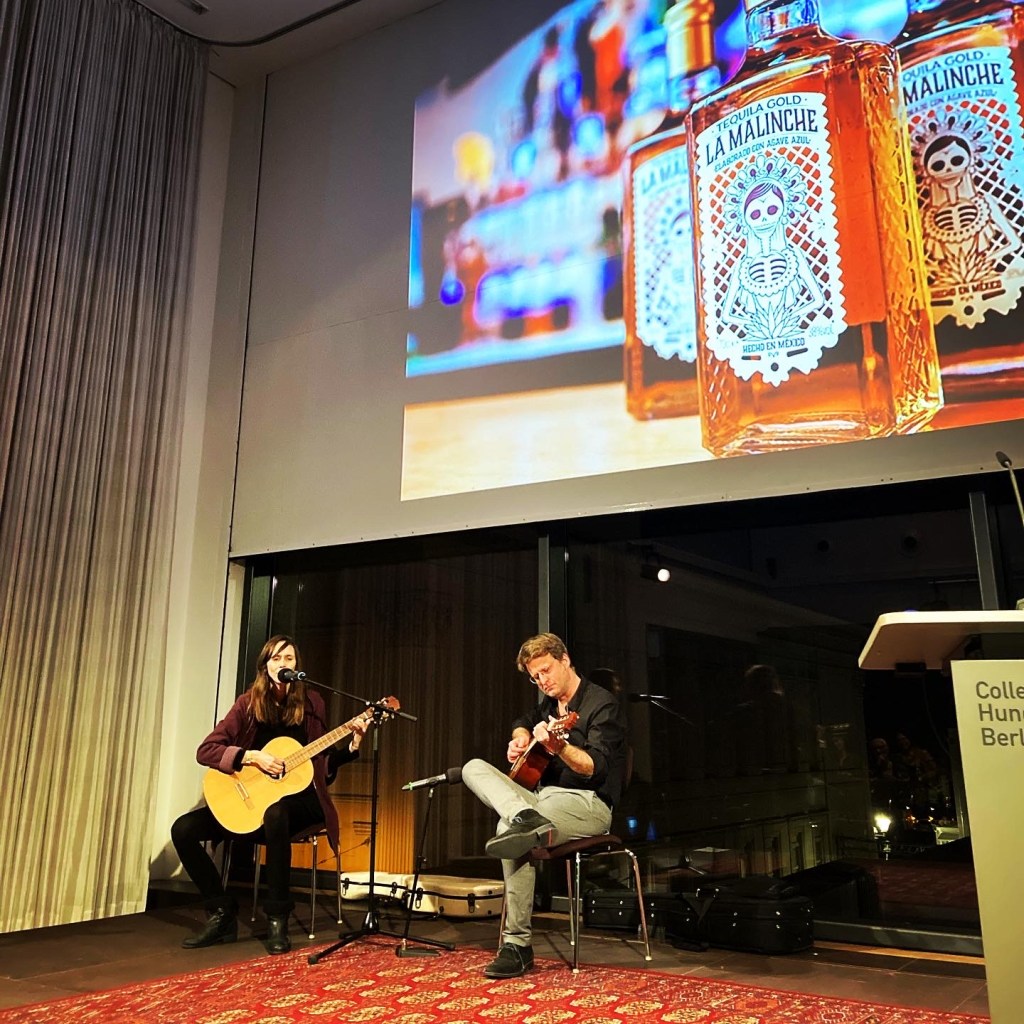
Mal was anderes: ab und zu produzieren wir außerhalb der Reihe eine deutschsprachige Podcastepisode! Diesmal erzählen Aurélie Maurin und Michael Ebmeyer anlässlich des Translationale-Festivals von einer ehemaligen Übersetzerin, die sagenumwobene La Malinche. Immer noch eine machtvolle Ikone in Mexiko, La Malinche war die versklavte Dolmetscherin zwischen dem spanischen Konquistador Hernán Cortés und den Menschen, die er zu unterwerfen suchte.
Der Vortrag basiert auf einer Performance von Aurélie Maurin und Maria Hummitzsch.
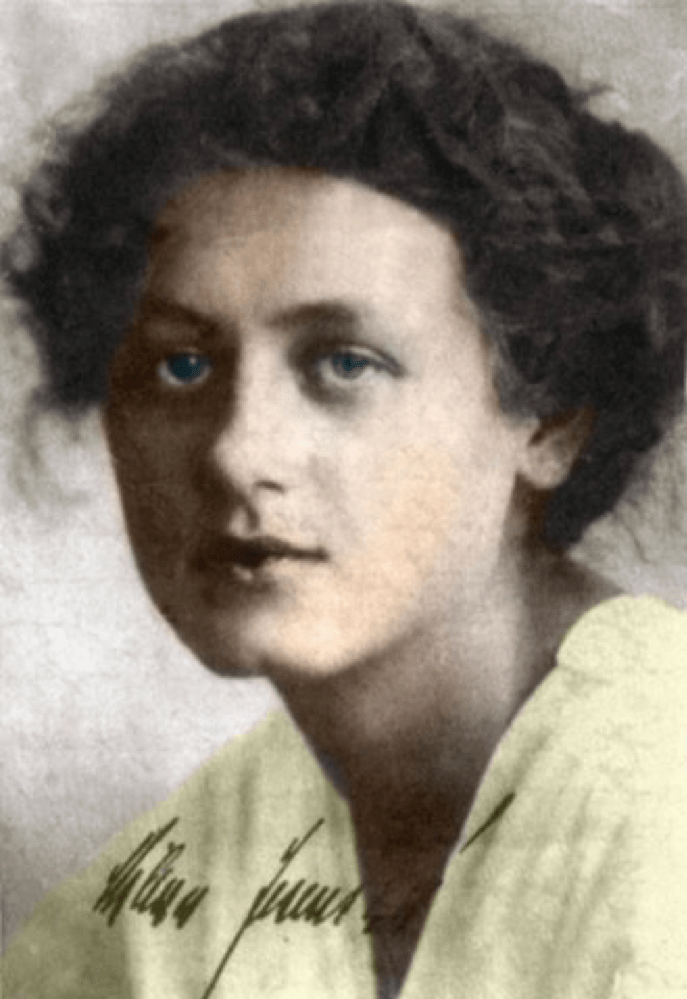
In this edition of the Dead Ladies Show Podcast, DLS co-founder Katy Derbyshire brings you the story of Milena Jesenská live from the stage of the Berlin translation festival Translationale, held at the Collegium Hungaricum.
A journalist, writer, editor and translator, Milena Jesenská is often simply called “Kafka’s Milena” for her connection to the famous writer. But her life and work deserve far more attention.
Born in Prague in the former Austria-Hungary, now Czech Republic, Milena Jesenská straddled cultures and languages, politics and ideologies. As part of an underground resistance, she helped many refugees to escape the dangers of National Socialism, but was captured by the Gestapo and died in a concentration camp in Germany.
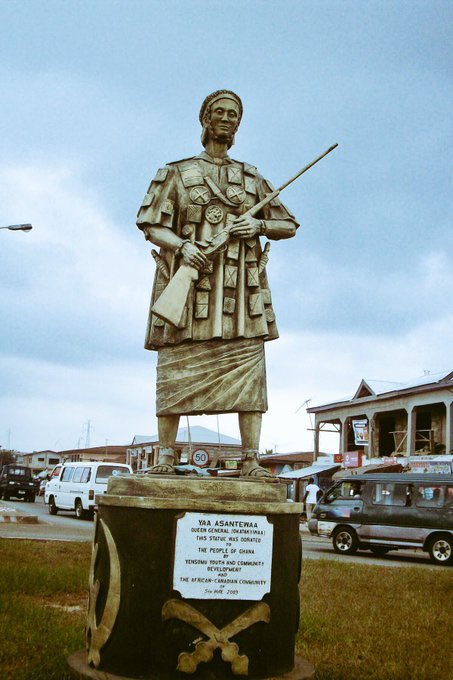
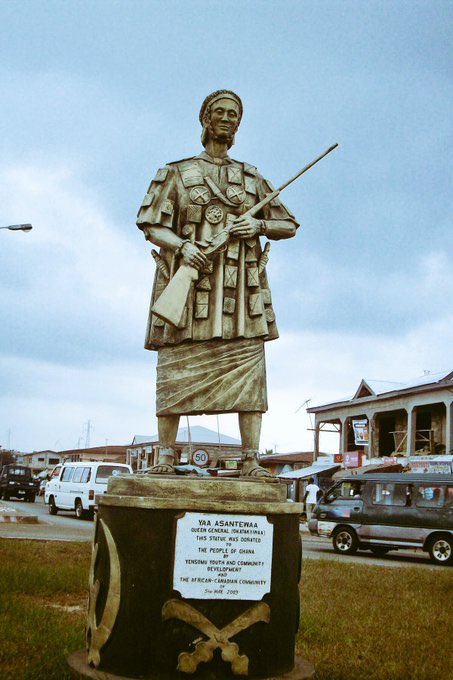
In the first episode of our fifth podcast season, you’ll hear the Berlin-based British-Ghanaian author and political activist Sharon Dodua Otoo talking about her favourite woman who ever lived: Nana Yaa Asantewaa. This Asante queen led the 1900 war against British colonialism in present-day Ghana. When the British governor demanded the kingdom’s emblem of power, the Golden Stool, Nana Yaa Asantewaa encouraged the Asante government to fight back through a powerful speech, and was chosen to head an army of 5000 at the age of sixty.
Sharon gives us all the context of who, what, where and when – and tells us how important Nana Yaa Asantewaa is as a role model for her and many others. DLS co-founder Katy Derbyshire joins Susan Stone to introduce this fascinating talk.
We’re back! We’ve got new ladies to tell you about! And we’re doing it outdoors!
We’re tentatively extending a toe into the live-event waters, since it seems safe to us under Berlin’s restrictions. So come along and enjoy some fresh air and edifying entertainment.
Join our guest presenters, the awesome writers SHARON DODUA OTOO and NADIRE BISKIN, along with old stalwart KATY DERBYSHIRE, to learn about three fascinating females who did their own thing. All held together by our prodigious podcast producer SUSAN STONE. There’ll be a royal rebel against colonialist rule, a woman who rethought the binary and the borderland, and a lady who was seriously into bees. We’ll be rocking the ACUD courtyard as the sun goes down, celebrating lives lived to great effect.
Presented in a messy mixture of English and German. €8 or €5 reduced entry. Generously supported by the Berliner Senat. Doors open 8 pm – come on time to get a good seat!
We have limited space, so please book in advance via Eventbrite. 3G entry only – geimpft, genesen, getestet. In the event of rain, we’ll move indoors to the ACUD Studio, so please bring a mask to use when you’re not at your seat.
YAA ASANTEWAA led the 1900 Ashanti war against British colonialism in present-day Ghana. Born in 1840, she was a skilled farmer and mother, before ascending matrilineally to the title of Queen Mother in the 1880s. That made her a key advisor and king-maker. When the British governor demanded the kingdom’s emblem of power, the Golden Stool, she encouraged the Ashanti government to fight back through a powerful speech, and was chosen to head an army of 5000 at the age of sixty. Though she was captured and died in exile, and the war was lost, her mortal remains were returned home for a royal burial. She lives on in many imaginations today, especially in Ghana.
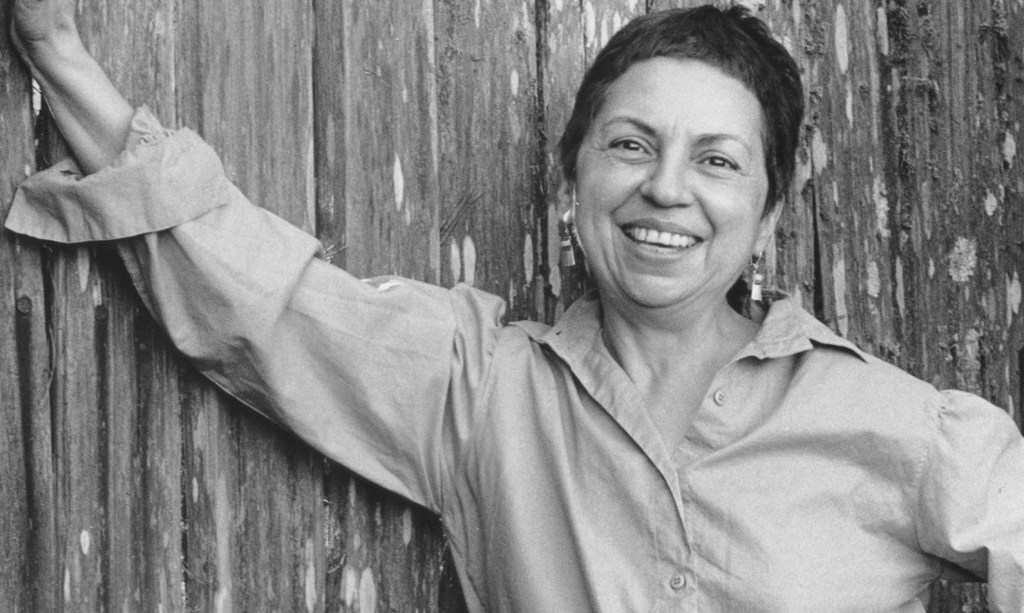
GLORIA ANZALDÚA was an American scholar of Chicana cultural theory, feminist theory, and queer theory. Born in the Mexico-Texas border region, she thought deeply about marginalization and the in-between. She began her working life as a schoolteacher and went on to live from her writing and academic work. Her ideas often challenged binary notions – in language, identity, sexuality – and the status quo of the movements she was part of. She spoke of herself as a “Chicana, tejana, working-class, dyke-feminist poet, writer and theorist”. Her collection of figurines, masks, rattles, candles, and other ephemera used as altar objects is held at the University of California, Santa Cruz.
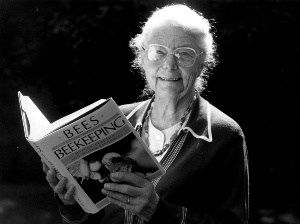
EVA CRANE was a British expert on bees and beekeeping. Her education took her from a southeast London grammar school to a PhD in nuclear physics, which she taught at Sheffield University. Having been given a beehive as a wedding present in 1942, she quickly shifted her attention from atoms to apiculture. She founded the Bee Research Association and edited both the Journal of Apicultural Research and Bee World, while travelling to sixty countries to investigate local bees and the long history of human honey cultivation. To the delight of many translators, she was also general editor of ten multilingual dictionaries of beekeeping terms.
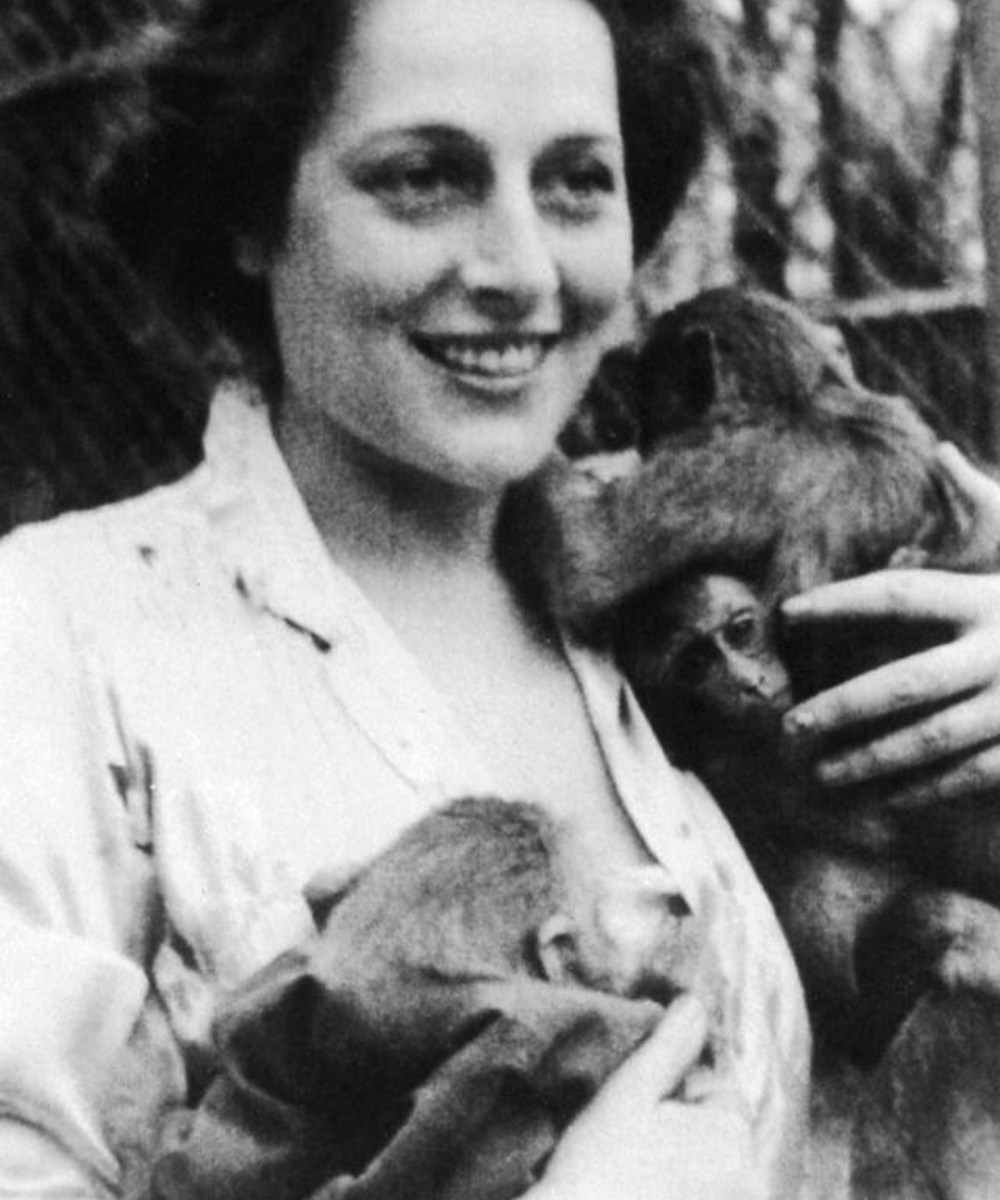
Episode 42 is all about the American writer and journalist Emily Hahn, also known as Mickey.
She qualified as a mining engineer, wrote greeting-card copy, travelled the world and authored 54 books and more than 200 articles and short stories. Aside from that, she led an unconventional private life and kept a number of different monkeys. Hear all about her from our co-founder Florian Duijsens, recorded at Berlin’s ACUD Studio in April 2019.
You can download the transcript, created by Rachel Pronger, here.
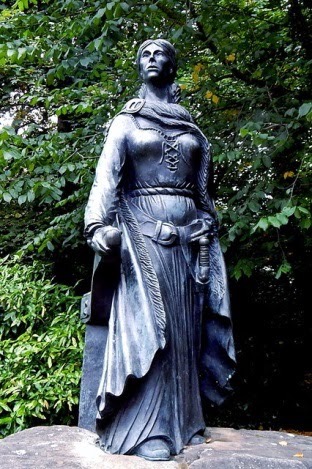
Episode 39 introduces Gráinne Mhaol, also known as Grace O’Malley, the legendary Irish pirate queen.
Translator Laura Radosh presents the rollicking tale of this tremendous woman, who has been lauded as “a most famous femynyne sea captain,” and “the dark lady of Doona.” Gráinne Mhaol was head of the O’Malley dynasty in 16th-century Ireland, owning up to 1000 cattle and horses, leading men on land and sea, and allegedly wreaking cruel vengeance for the murder of a lover. When her sons and half-brother were captured by the English, she is said to have met with Queen Elizabeth I and negotiated their release in Latin.
Enjoy!
You can also find a transcript of this episode, by Annie Musgrove, here.
In Episode 38, we hear the sweet, sweet music of Sister Rosetta Tharpe, known as the godmother of rock’n’roll.
DLS co-founder Florian Duijsens brings us the tale of this legendary guitarist and gospel singer who had a profound influence on musicians like Little Richard, Johnny Cash, Elvis Presley, and Aretha Franklin. She took to the stage at the age of four, and never really left it. Sister Rosetta Tharpe made the first gospel record to hit the charts, played with Cab Calloway at the Cotton Club, attracted 25,000 paying customers to her third wedding, got in trouble with gospel purists and recorded a live album in Paris in 1964.
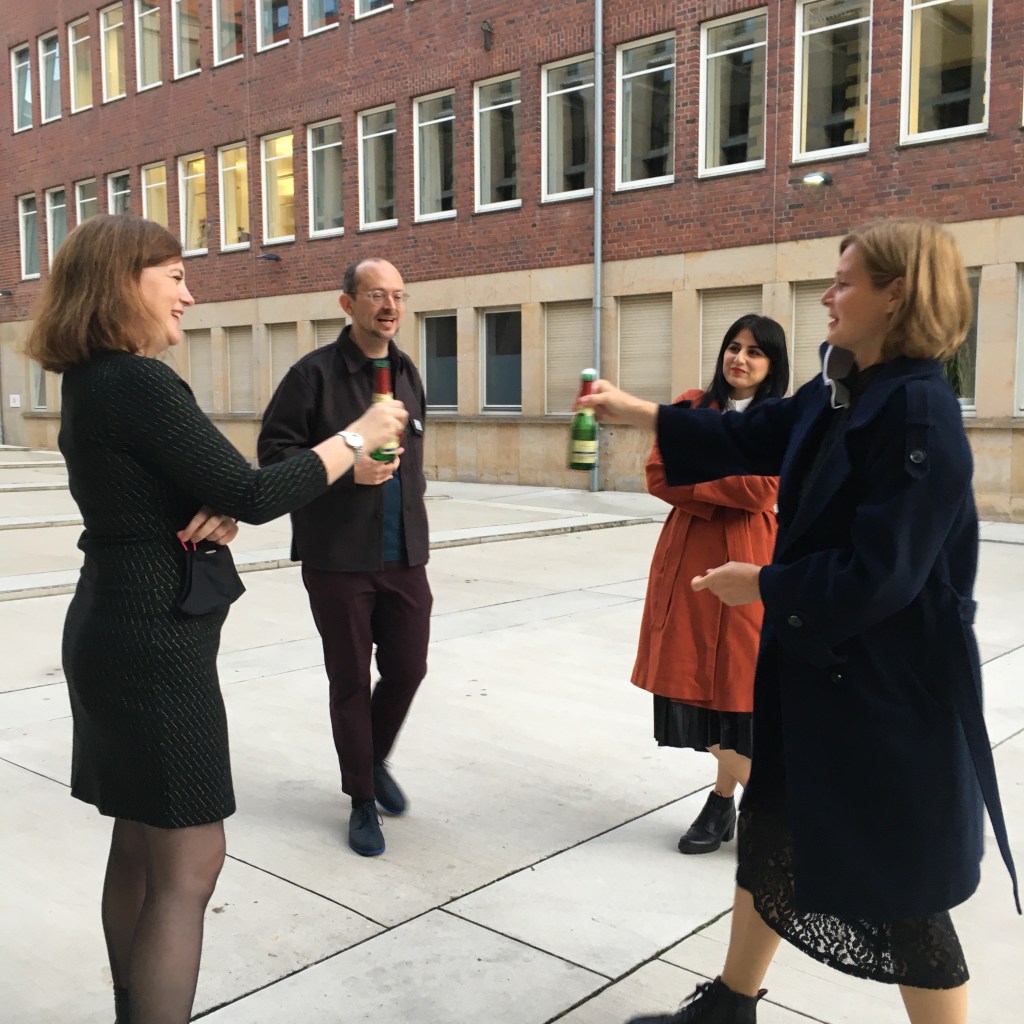
To start off the episode, Susan and Katy toast to the end of a strange year with the Dead Ladies Show signature tipple, affordable German bubbly Rotkäppchen (Red Riding Hood) and give thanks for the support we’ve had, and that yet to come.
The presentation in this episode was recorded live with help from Brigitte Hamar at the Studiobühne der Universität Münster where we were invited by the Burg Hülshoff Center for Literature. Other talks from this event in German can be found in the Center’s Mediathek: https://www.burg-huelshoff.de/en/medien/mediathek/dead-ladies-show Thanks also to Fiona, Kati, Tobias, Feline and Jörg for inviting and assisting us. Here we are with our co-presenters Karosh Taha and Bernadette Hengst.

 The Dead Ladies Show