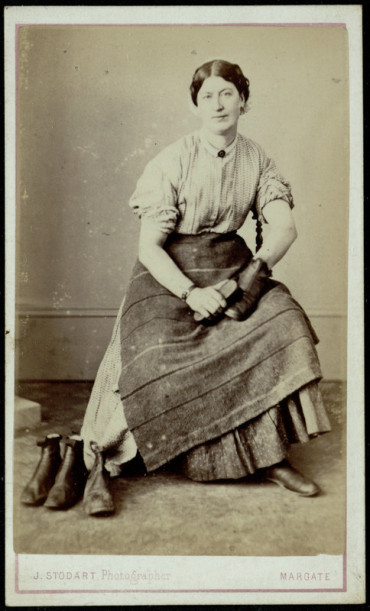
In this episode, DLS co-founder Katy Derbyshire introduces us to a woman from the past who probably would have been overlooked if she hadn’t documented her life in such a painstaking fashion — on request. As a domestic servant in Victorian England, Hannah Cullwick should have led a rather ordinary existence for her time. But her involvement in a very unconventional relationship means that we know quite a lot about her work and life, and much, much more.
Presenter Katy Derbyshire is not just our co-founder, she’s also a notable translator, publisher, and book enthusiast. Katy’s imprint, V&Q Books, has a brand new book out that she compiled and edited. It’s called Berlin Babel, and it’s a collection of short stories about the city from a rich array of international voices. Do check it out at this link if you like!
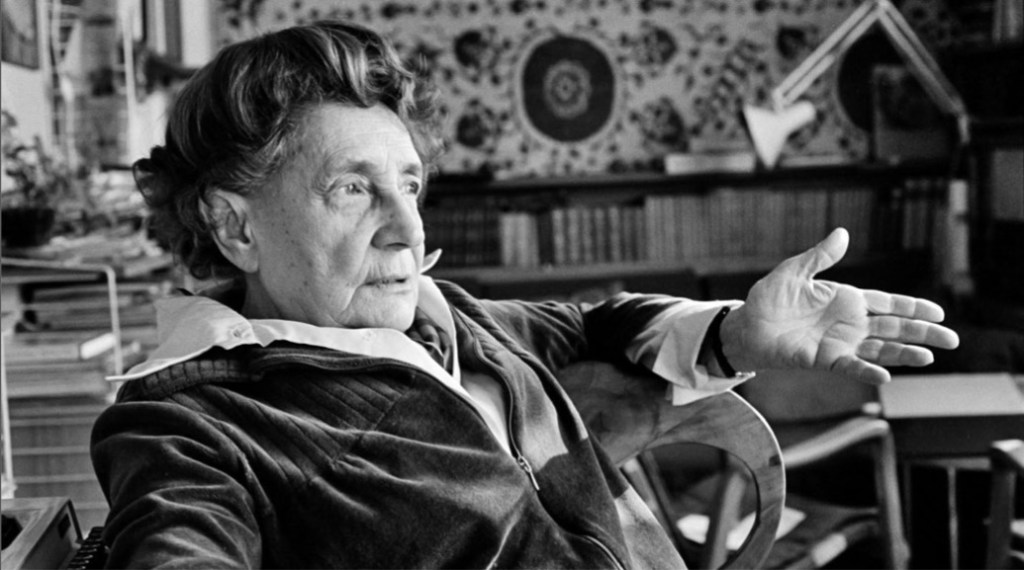
In this episode, DLSP host Susan Stone brings us the story of Austrian architect Margarete Schütte-Lihotzky, famous for inventing the Frankfurt Kitchen, which modernized one of the most important rooms in the home. Driven by her aesthetic mission and her politics, Schütte-Lihotzky designed humanitarian housing, kindergartens, schools, and more during her over 100 years of life, which included stints in the Soviet Union and a Gestapo prison.
DLS co-founder Katy Derbyshire is on hand to help with the introducing duties.
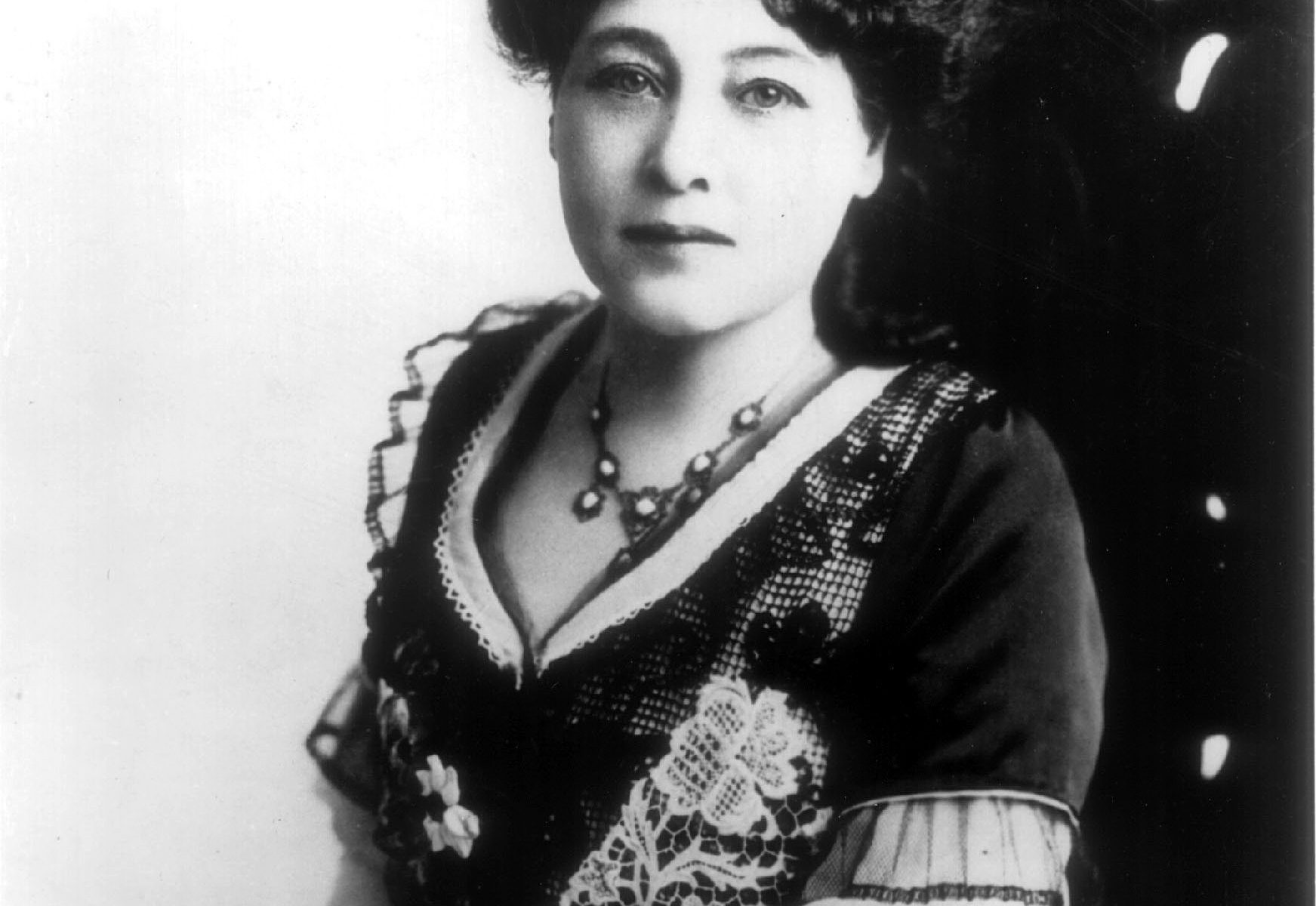
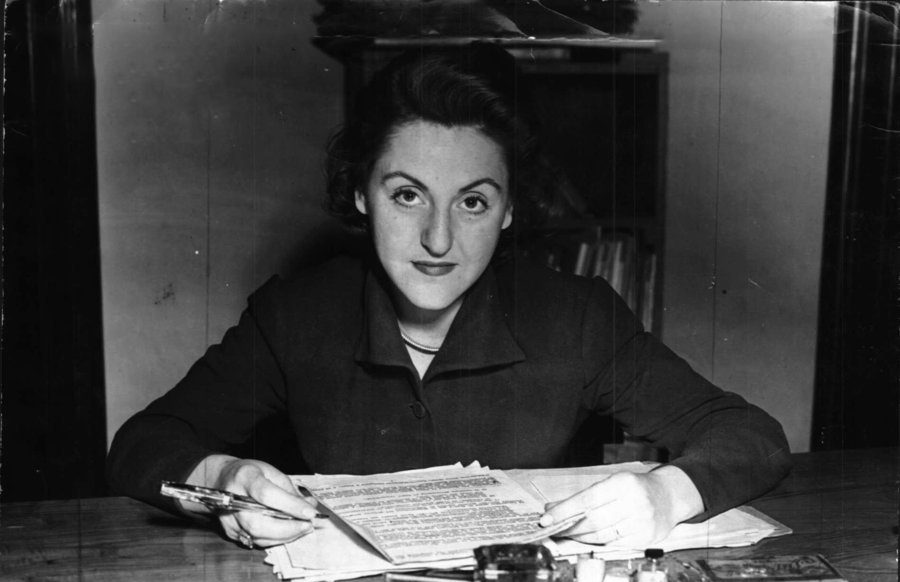
In this episode, we meet Alice Guy, a woman of filmmaking firsts. She was truly inspired by the moving image in its earliest form, and her innovations changed film and entertainment forever. She became the first filmmaker to incorporate narrative, certainly the first woman director, and probably the only one until 1906. After moving to the US, she was then the first woman to own a studio, in the pre-Hollywood moviemaking hub of Flushing, New York. Few of her films have survived, but her legacy is lasting.
Berlin-based, Australian-born writer and editor Alina Hoyne tells Alice’s story, while DLS-cofounder Katy Derbyshire and host/producer/host Susan Stone are on hand to do the introducing.
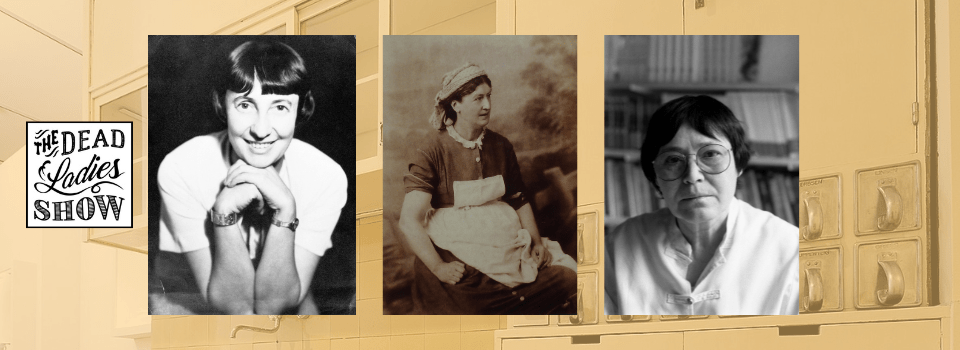
On 7 June, we bring you our popular bilingual format, once again featuring fascinating talks in either English or German. Meet the ghosts of a groundbreaking architect, a much-lauded exiled writer and a proud domestic servant in a show that promises yet more fascinating facts and historical insights. Our passionate presenters this time are your beloved co-host KATY DERBYSHIRE, the amazing German literary artist LEA KUBENECK and our podtastic producer SUSAN STONE. All held together, of course, by your other beloved co-host FLORIAN DUIJSENS.
As ever, you can expect a charming audience and a warm and entertaining atmosphere.
Standard tickets cost €10 and the reduced price is €4. Get them here or on the door. Seeing it’s a Sunday, we’re starting earlier. Doors open 6:30 pm – come on time to get a good seat!
*****
MARGARETE SCHÜTTE-LIHOTZKY (1897–2000) is famous for inventing the Frankfurt Kitchen in 1926, the first fitted kitchen designed to enable clean, comfortable cooking in working-class homes. Born in Vienna, she was the first woman allowed to study at the city’s vocational arts school, graduating in architecture. She designed humanitarian housing, kindergartens, schools, and more – in Frankfurt, and then in Stalinist Magnitogorsk. Under the Nazis, she left her safe Istanbul exile for Vienna to contact the communist resistance, but was arrested and imprisoned for more than four years. Post-war Austria was not kind to communists, though she found work in Bulgaria, China, Cuba and the GDR. She refused an honour from former Wehrmacht intelligence officer Kurt Waldheim and sued the drunk-driving right-wing populist Jörg Haider, living to the age of 102.
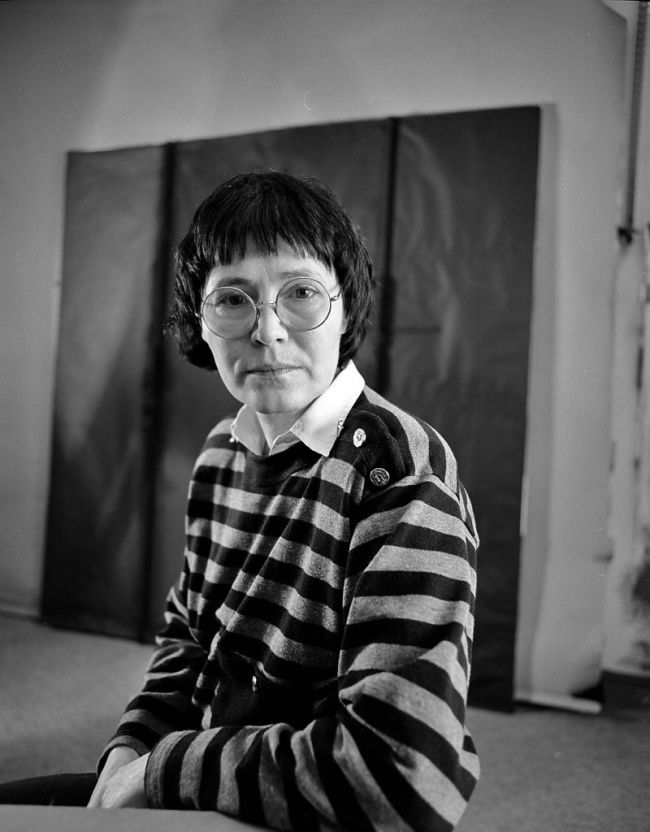
ÁGOTA KRISTÓF (1935–2011) left her native Hungary in 1956 after Soviet tanks put down the uprising there. She escaped to Switzerland and eventually learned French, which became the language she wrote in. She described her writing as “revenge for my sad life as a housewife and worker” – and it enabled her to quit her job in a watch factory and leave her first husband. She wrote prose and plays about herself and her fellow Hungarians, the scourge of war on civilians, the pain of exile – brimming “not just with murder and incest and bestiality but with slippery doubles, falsehoods, and jolting narrative tricks.” Her work won prizes all over Europe, was adapted into films and inspired a video game.
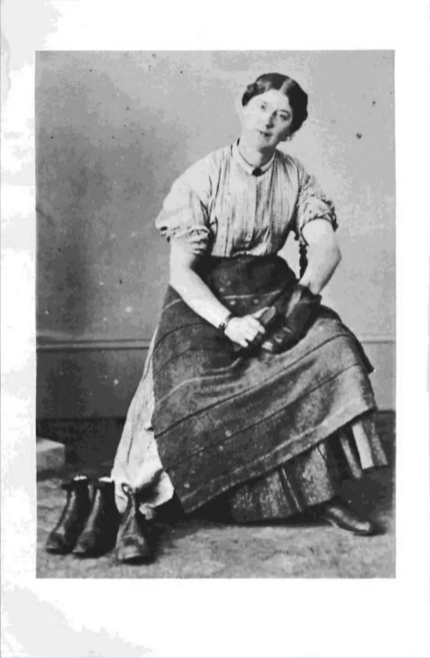
HANNAH CULLWICK (1833-1909) was a domestic servant in Victorian England. We know about her life because of her unconventional relationship with a barrister and philanthropist, who encouraged her to keep prolific diaries. She started working at age eight and was orphaned at fourteen, taking jobs in different households around the country. She identified strongly with her role as a working-class woman and took pride in her physical strength. Hannah and her eventual husband shared a fetish for dirt, and she was particularly keen to role-play master and servant scenarios. They embraced the emerging photography industry, Hannah adopting many different guises that tell us even more about her. Despite her later financial comfort, she continued working until shortly before her death.
PRESENTER BIOS
Susan Stone is an American-born, Berlin-based audio producer and journalist focusing on culture and social issues. Her work has appeared in the Los Angeles Times, WWD, and Spiegel Online, as well as broadcast by NPR, Monocle24, PRI’s The World, the BBC, Deutsche Welle, and Radio Netherlands Worldwide. Most importantly, she produces our monthly Dead Ladies Show podcast.
Lea Kubeneck war Herausgeberin des gedruckten Stadtmagazins City Brief in Hamburg und Basel. Sie hat als Konzepterin und Texterin für Agenturen gearbeitet, ist seit 2024 freiberuflich in der Buchbranche tätig und unterrichtet an der LMU München sowie an der Universität Potsdam im Bereich Buch- und Medienwissenschaft. Seit 2018 ist sie außerdem bildende Künstlerin und verwandelt mit ihrem Projekt colorit literarische Texte in abstrakte visuelle Werke.
Katy Derbyshire co-founded and co-hosts the Dead Ladies Show. She also translates contemporary German writers into English, including Judith Hermann, Clemens Meyer and Inka Parei. She has taught literary translation in New York, New Delhi and Norwich, alongside heading the V&Q Books imprint to publish remarkable writing from Germany.
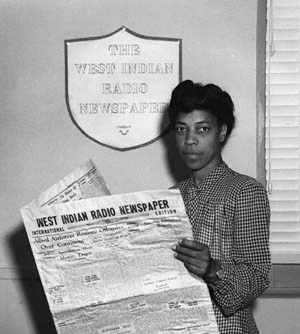
In this episode, we meet Una Marson, a Jamaican writer, journalist, and radio producer, who shared her talents and voice in poetry, plays, and on the BBC, after her ambition took her to London in the 1930s. She described as the first Black feminist to speak out against racism and sexism in Britain. We know little about her life post-1945, when she returned to Jamaica and continued writing poetry and fighting discrimination – but a recent rediscovery in the UK has led to a TV documentary and a library named in her honor.
DLS co-founder Katy Derbyshire tells Una’s story, and joins host/producer Susan Stone to set the scene.
It’s our last episode of 2025, and the final episode of Season 8! Susan, Katy and Florian meet up to toast the end of another season, and of course to clink glasses in honor of our featured Dead Lady, Eileen Agar.
Eileen Agar was the sort of artist who looked at a hat and thought, What if it grew feathers, sprouted seashells, and started whispering secrets to strangers? Born in Buenos Aires and raised in Britain, Agar was a painter, collagist and sculptor with a delicious taste for the absurd. She danced on the edges of Surrealism—sometimes elbowing her way in, sometimes pirouetting just out of reach—and exhibited alongside the likes of Dalí and Ernst, though she never let their mustaches overshadow her own wildly imaginative vision. DLS co-founder Florian Duijsens brings us her story.
This time around we head back to New York to hear about Italian antifascist Carla Capponi. Professor Suzanne Cope, author of WOMEN OF WAR: The Italian Assassins, Spies and Couriers Who Fought the Nazis brings us Carla’s lively tale, which is full of bombs, intrigue, and bravery. DLS co-founder Florian Duijsens joins host/producer Susan Stone to introduce the talk.
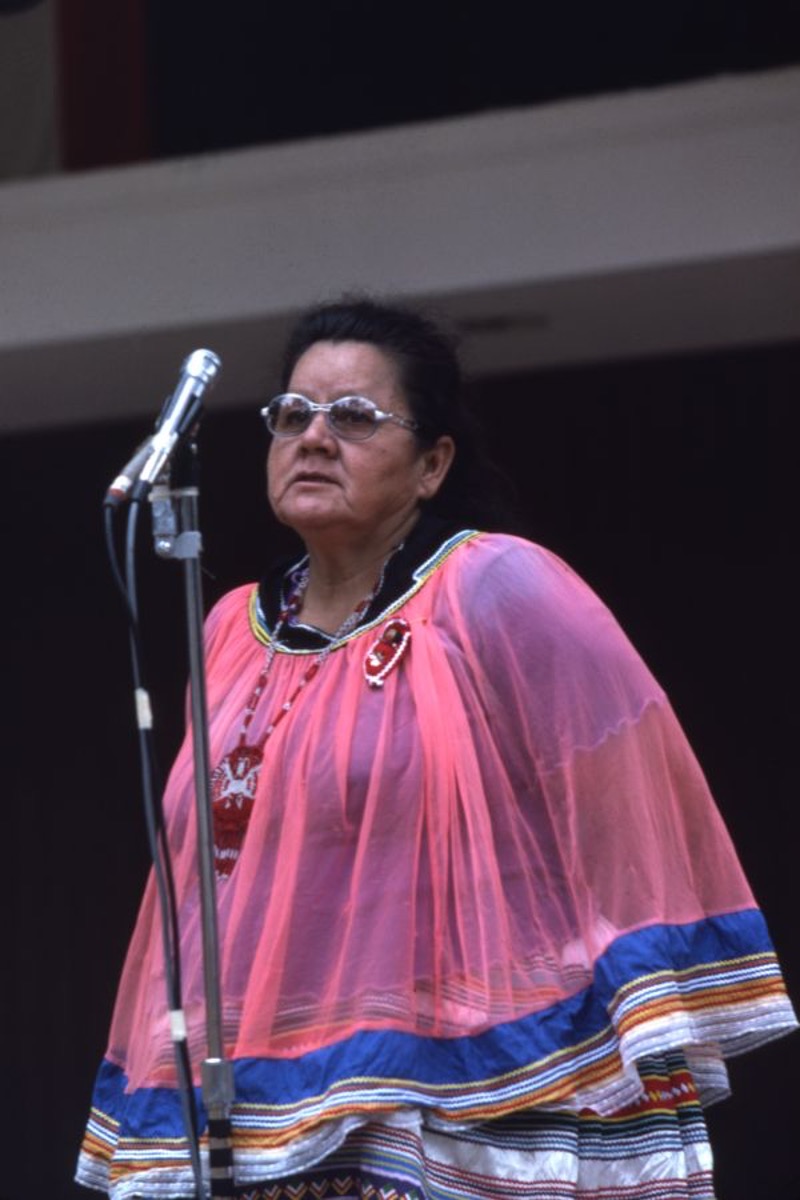
We’re back with a delightful episode about Betty Mae Tiger Jumper, the first female chief of the Seminole Tribe of Florida. Host Susan Stone dives deep into the history of the Seminole Indians and Betty Mae’s unusual life and times, via a talk recorded in front of a live audience in Berlin. As a mixed-race child, Betty was ‘born a crime’ according to Seminole medicine men, but she endured to lead her community as a nurse, journalist, leader, and a storyteller.
DLS co-founder Katy Derbyshire joins host/producer Susan Stone to introduce the talk.
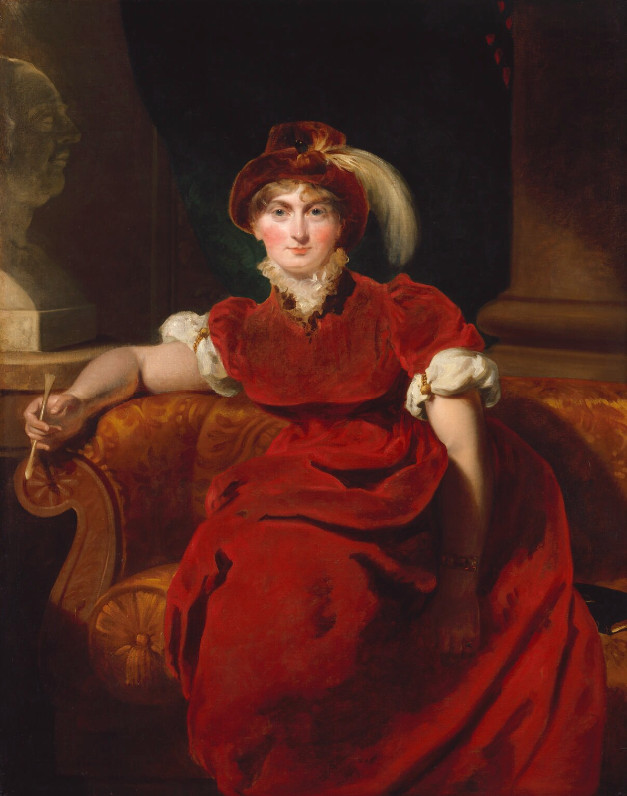
In this episode, we hear a bit of our lovely 10th anniversary show in Berlin, and DLS co-founder Katy Derbyshire gives us the rundown on Caroline of Brunswick, who was officially queen of the United Kingdom and Hanover for three whole weeks before she died in 1821, long-estranged from her horrible husband, her cousin King George IV. They had separated shortly after the birth of their only child, and Caroline’s access to her daughter was restricted. She later moved to Italy, celebrated the right to bare arms, and lived with a handsome secretary, prompting huge amounts of gossip and countless caricatures. When George ascended to the throne, Caroline tried to cash in on her popularity and become queen, but she was literally locked out of the coronation.
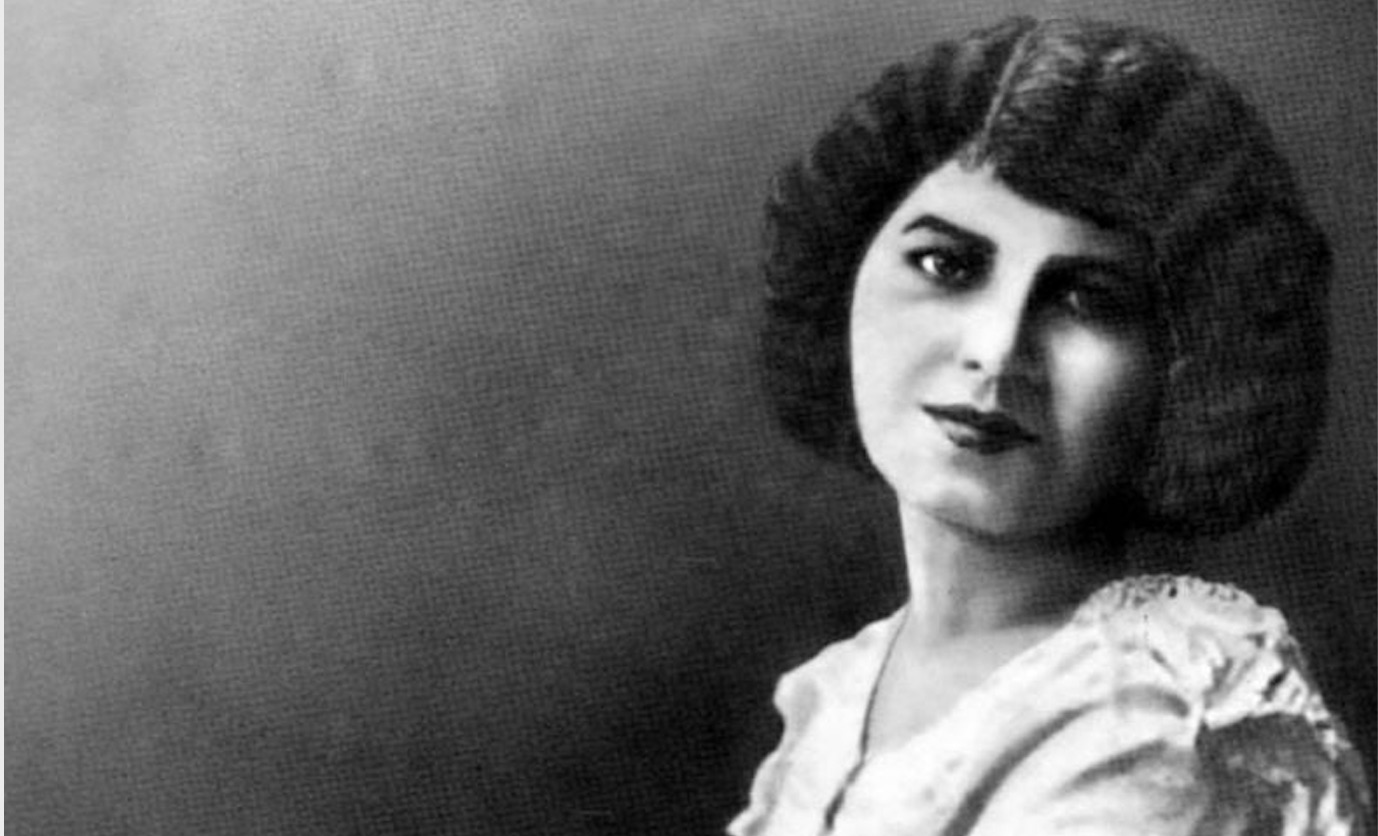
In this episode, we hop over to New York to encounter our Dead Lady of the hour, May Ziadeh, a Lebanese-Palestinian poet, writer, translator, and feminist, whose work explored themes of love, identity, and the liberation of women. Books were her beloved companions throughout her life, and proved more steadfast than people. May began writing at an early age, started an important literary salon, and had moments of fame, but is perhaps better known for the years of isolation and tragedy that marked her life. She deserves more. May wrote in her diary: “After my death, I hope that someone will do me justice and find the sincerity and honesty contained in my small writings.”
Our presenter is Rosana Elkhatib, a designer, researcher, and curator. She is a co-founding principal of feminist architecture collaborative f-architecture and has taught at Columbia University’s Graduate School of Architecture Planning and Preservation.
DLS co-founder Katy Derbyshire joins host/producer Susan Stone to introduce the talk.
Thanks to the team at Dead Ladies NYC for sharing this presentation with us: Molly O’Laughlin Kemper, Sheila Enright, Christopher Neil and the KGB Bar’s Lori Schwarz.