Dead Ladies Show NYC #4

What better way to celebrate GALentine’s Day than by celebrating some fascinating, deceased dames!?

The fourth edition of the DEAD LADIES SHOW in NYC draws nigh: it will take place on Wednesday, 13 February, as usual from 7:00-9:00pm at the KGB Bar (85 East 4th Street).

Free admission; please buy a drink or two to ensure the future of DLS NYC at KGB.

Ida M Tarbell

IDA M. TARBELL, a pioneering investigative journalist, biographer, magazine editor, and lecturer, rose to fame in the early 20th century through her meticulous reporting and fearless pursuit of the truth. She took on John D. Rockefeller’s Standard Oil Company – at the time the largest oil refinery in the world – and exposed it as an illegal monopoly, leading to its dissolution. Throughout her lifetime, she authored twenty books, lectured in forty-eight states, and served on two Presidential committees. Perplexingly, this groundbreaking woman was also an outspoken anti-suffragette.

Martha Graham

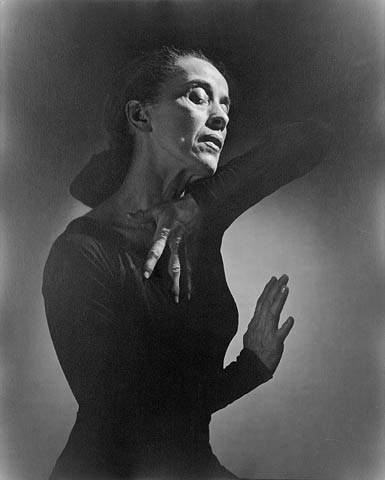
MARTHA GRAHAM is arguably the single most important figure in American modern dance. Born in 1894, she pioneered a movement style, based on the principle of contraction and release, that is regarded as the first codified modern dance technique. She choreographed a total of 181 dances, collaborating with the likes of composer Aaron Copland and sculptor Isamu Noguchi, addressing social, political, and psychological themes, and consistently portraying powerful women, both mythical and historical. The first dancer to perform at the White House and travel as a cultural ambassador, her influence is evident in cultural icons as wide-ranging as Merce Cunningham and Madonna.

Doreen Valiente

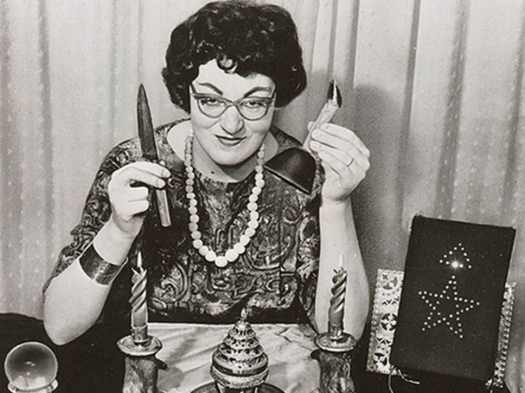
Long before Instagram hyped witchcraft as aesthetic and feminist, DOREEN VALIENTE (1922-99) paved the way. Lauded as the Mother of Modern Witchcraft, she invigorated the Wiccan ‘revival’ in 1950s England and worked to make the defining texts of the religion more sacred and beautiful. Many key spells of Gardnerian Wicca benefit from her serious revisions. She joined and created several covens and became a witch historian in order to better understand and dispell misconceptions about Wicca. Doreen was a complicated and often contradictory woman whose struggles underpin much of the problems facing Wicca today.

Last but not least, a quick word about your presenters:

JENNIE YOUNG CARR is a merchandise planner (aka Excel geek) and amateur history buff.

NINA STOLLER-LINDSEY is an arts-focused writer and content strategist. She’s written about high art, popular culture, and everything in between for Quartz, The Atlantic, Forbes, New York Magazine, Time Out New York, Thrillist, Refinery29, and Mic. A former modern dancer-choreographer, she’s interested in bringing the arts to more diverse audiences and currently runs social media for TodayTix, a global ticketing platform connecting people to live performances around the world.
CLAIRE CARROLL is a writer and marketer from the Hudson Valley. As practicing herbalist and magical realist, she cares deeply about the texts and myths that underpin faith.

Dead Ladies Show #20

This is our 20th show! Who would have thought that, back when the idea was fermented over a bottle of Rotkäppchen? We’re celebrating in the best way we know – by dressing up fancy and talking about dead ladies on stage. This edition brings you three tales of women who lived flirtatious, outrageous, and courageous lives, each in their own way: a writer of intense fiction and diaries, a celebrity chef, and an anti-Nazi spy. Brought to you by translator, writer, and literary organizer Lucy Jones, writer, campaigner, and foodie Mary Scherpe, and regular Katy Derbyshire. All held together, of course, by your beloved co-host Florian Duijsens. Raise a glass with us – as we toast ourselves and all of you, plus these three fascinating women. Come along and join us in the ACUD Studio on Tuesday, 26 February at 8 pm.

Presented in a messy mixture of English and German. €5 or €3 reduced entry. Doors open 7:30 pm – come on time to get a good seat and a good drink!

******************************************************************

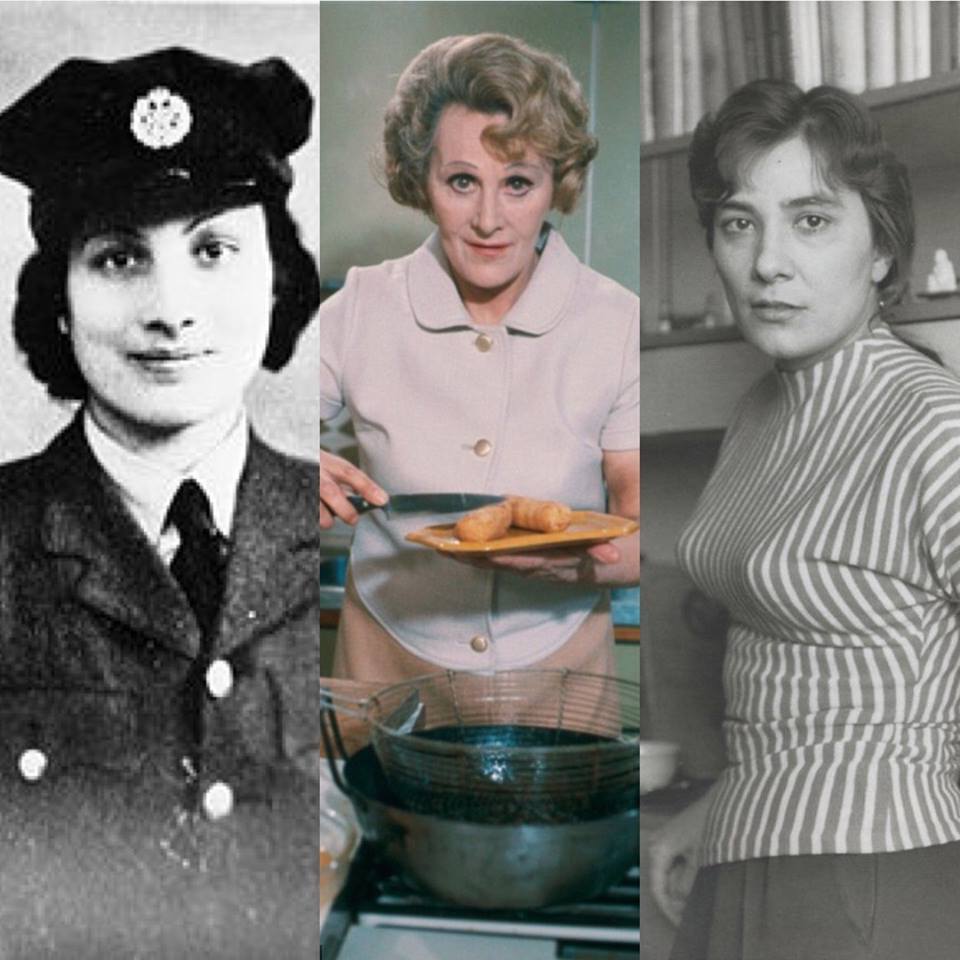
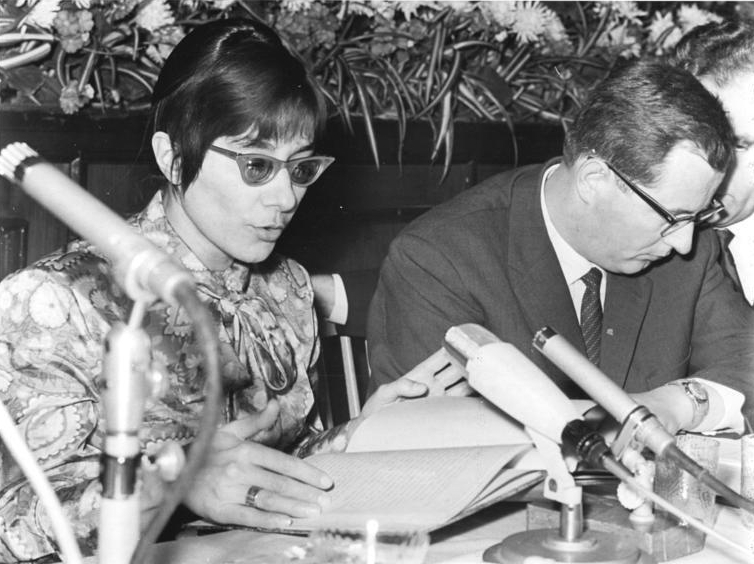
East German writer Brigitte Reimann led an eventful life, cut short by cancer at the age of 39. She began writing at the age of 15, initially from within the GDR system, side by side with the workers and on official committees, showered with medals and awards. Reimann wrote short stories and plays for the stage, radio and screen – but publishers rejected her proposals for novels. Having married four times, she said of herself in one of her copious letters: “had a lot of men, did a lot of stupid things – that I don’t regret”. She devoted many years to her novel Franziska Linkerhand, published posthumously and in censored form in 1974, which even received grudging praise from West German critics. Today there are two libraries named after her, and her diaries are gradually being released in English translation.

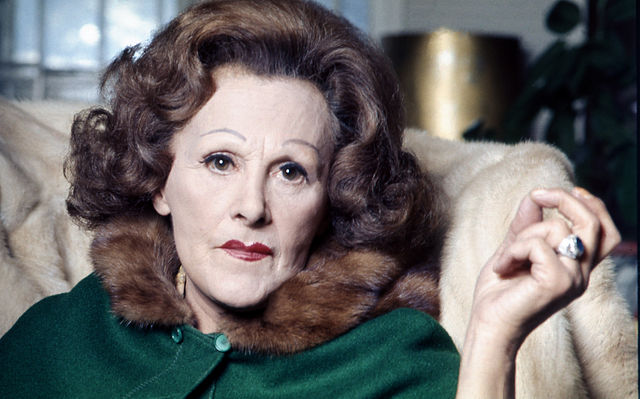
British TV chef Fanny Cradock’s life was not exactly uneventful either. After her parents frittered away their money she was practically destitute in her youth, and only found her financial feet when she started working at restaurants and discovered fine dining. Eventually, she and her fourth husband got their own BBC television series, teaching the British how to cook fancy dishes without breaking the bank. She fell out of favour after two decades but continued to make the rounds of chat shows and celebrity quiz formats. Cradock is credited with introducing pizza to the UK and inventing the prawn cocktail (not an actual drink, don’t worry), and her eccentric manner mean she is well remembered to this day. Also, two of her marriages were bigamous, because why not.

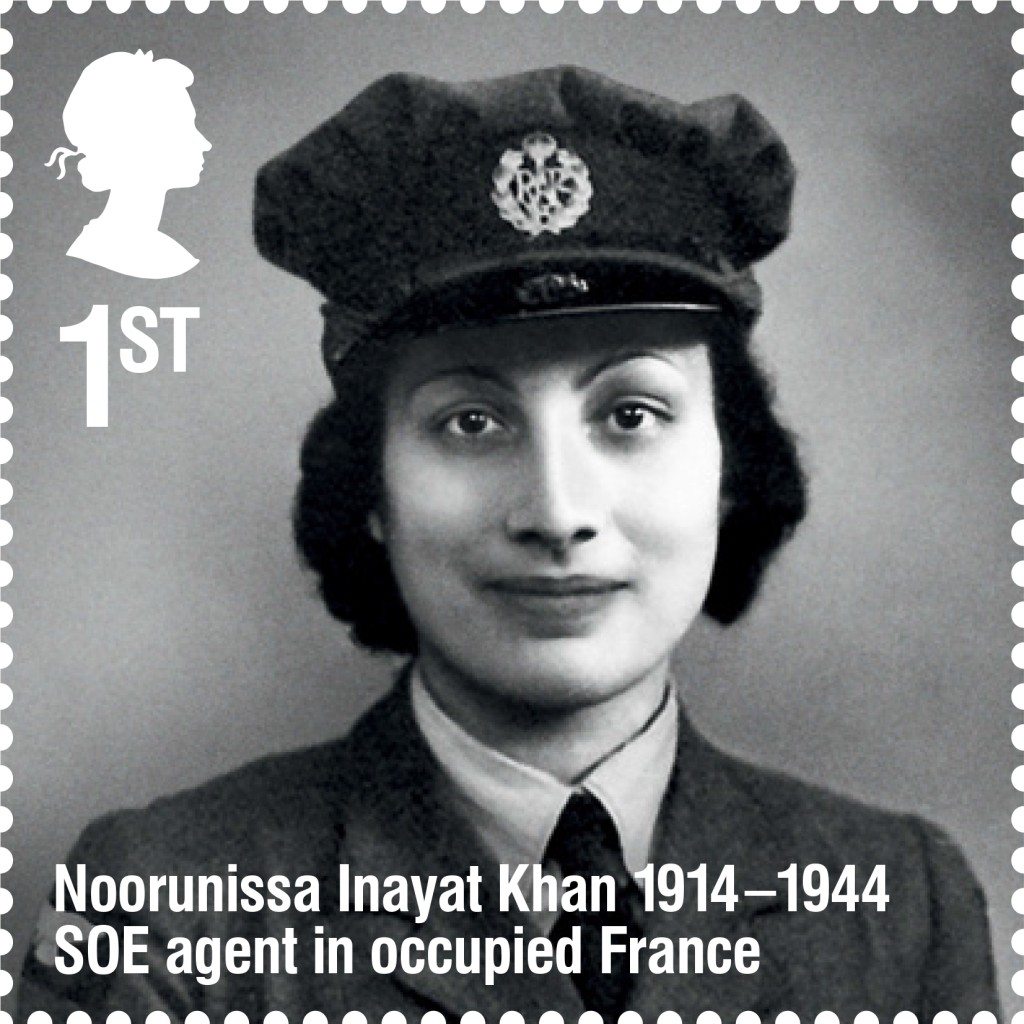
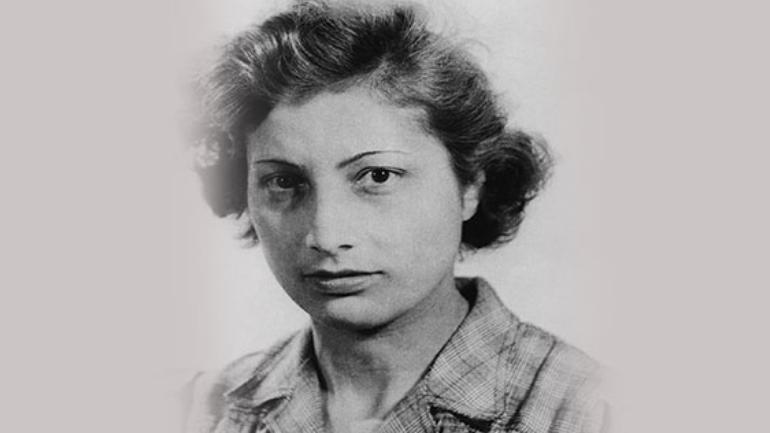
War heroine Noor Inayat Khan lived to the age of 30. Her father, an Indian musician, playwright and religious teacher, met her American mother through the Sufi movement, and they raised their children in London and France. When World War II broke out, the family fled to England. A convinced pacifist, Inayat Khan hoped to fight the Nazis without shedding blood, and volunteered to train as a wireless operator. She was recruited to the Special Operations Executive and given truncated training before being flown into occupied France as an undercover operative. Betrayed after three months, she held fast under interrogation and twice attempted to escape. After a transfer to a German prison and ten months in shackles, she was executed in Dachau concentration camp. Her statue in London was the UK’s first memorial to a Muslim woman.

Podcast #19: Constance Barnicoat & Irihapeti Ramsden

This time we have two guest presenters from New Zealand, recorded live at an edition of the Dead Ladies Show presented as part of LitCrawl Wellington, which was produced by Andrew Laking and Claire Mabey of Pirate and Queen. First, renegade historian Jessie Bray Sharpin talks about pioneering mountaineer and journalist Constance Barnicoat. And then we have playwright, poet, broadcaster, book reviewer & theatre critic Maraea Rakuraku telling us about Dr Irihapeti Ramsden, a Māori nurse, writer, educator & anthropologist.

All put together by producer and presenter Susan Stone in January 2019.

Also available on Soundcloud, Spotify, Apple Podcasts, and Pocket Casts.

Show notes:

Continue reading “Podcast #19: Constance Barnicoat & Irihapeti Ramsden”

Dead Ladies Show NYC #3

I am very pleased to present the third edition of the DEAD LADIES SHOW in NYC, coming at you on Wednesday, 2 January, from 7:00-9:00pm at the KGB Bar (85 East 4th Street).

We’ll be kicking off the New Year in style, with presentations about a radical suffragist, a forward-thinking sculptor, and a former sex worker turned activist. Presented by socialist feminist biologist ALEXANDRA WALLING, female-artist-focused critic HALL W. ROCKEFELLER, and editor extraordinaire BRIA SANDFORD, with the occasional interjection by your host, MOLLY O’LAUGHLIN. Join us as we greet 2019 with a dose of Dead Ladies—good for the body and soul.

Free admission; please buy a drink or two to ensure the future of DLS NYC at KGB.
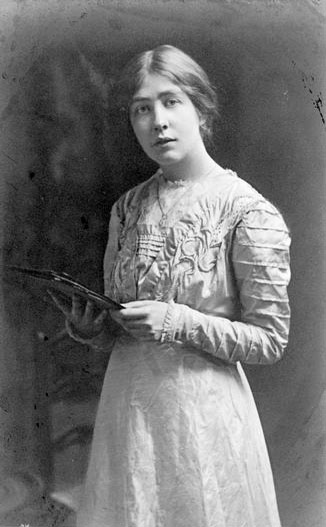
Sylvia Pankhurst

SYLVIA PANKHURST was an artist, suffragette, communist, anti-fascist, pacifist, newspaper editor, and tireless crusader for justice. A co-founder of the militant Women’s Social and Political Union, she soon abandoned the bourgeois organization to focus on poor, working women and advocate for pacifism during WWI; after the war, she became a communist and avowed anti-fascist. In 1944, Pankhurst helped found Ethiopia’s first teaching hospital, and she later moved to the country as a guest of the Emperor. When she died in 1960, she was given a state funeral and burial in Addis Ababa’s Holy Trinity church—the only foreigner ever awarded such an honor.

Eva Hesse

Artist EVA HESSE survived the Holocaust, but succumbed to brain cancer thirty-one years later, which is the textbook definition of unfair. Despite this, she made more of her thirty-four years on Earth than most people make of lifetimes double that length. She changed the way art is made forever (how many people can say that?), pioneering the movement that would become known as post-minimalism. She made simple sculptures whose structures belied the chaos within, captivating the art world by the time she was in her late twenties. Eva Hesse may be the most important sculptor of the 20th century. (No, this writer does not consider Duchamp a sculptor, and yes, she did consider Rodin for this distinction.)
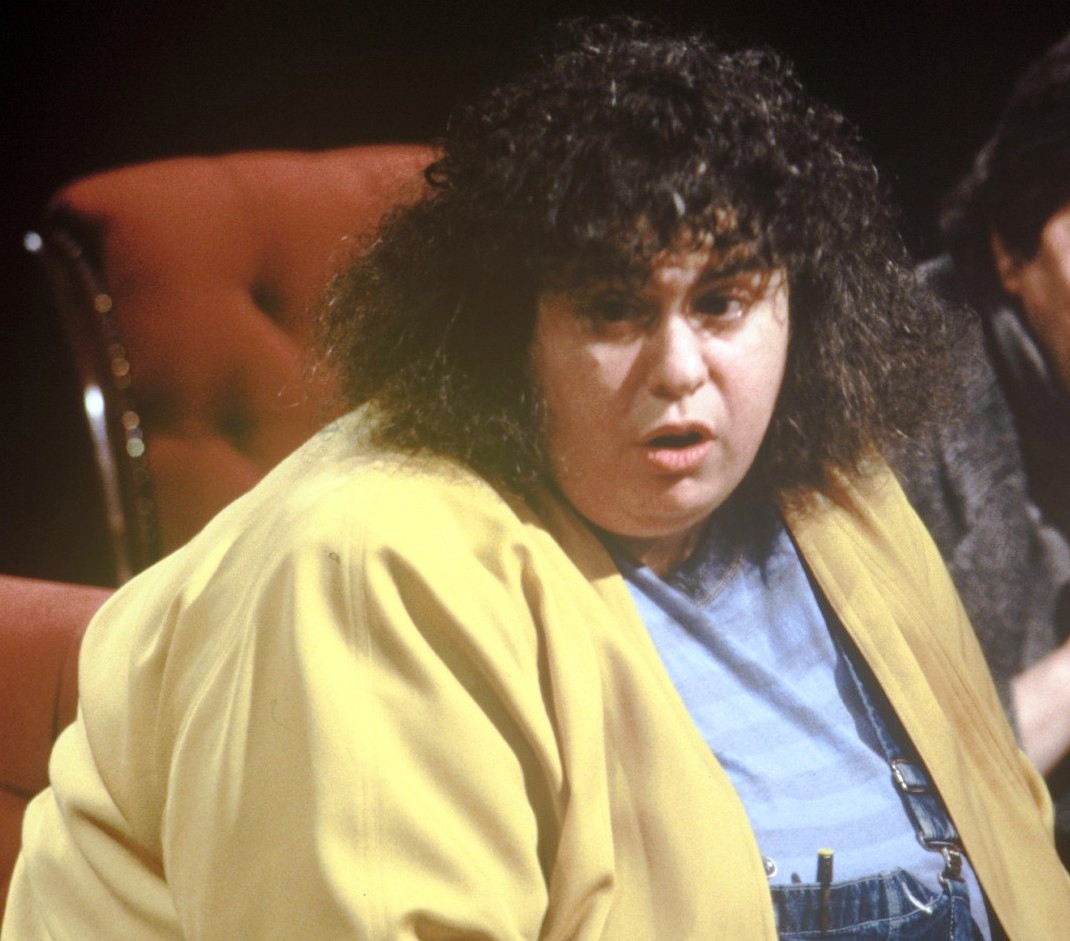
Andrea Dworkin

Radical feminist ANDREA DWORKIN is somewhat inaccurately famous for claiming, “all sex is rape,” but the arguments she actually made in the 1970s-1990s were no less controversial. When she crusaded against male dominance and domestic violence in the 1970s through 1990s, conservatives mocked her for being anti-man. When she campaigned unsuccessfully against pornography, liberals vilified her as puritanical and prudish. Yet Dworkin would not be silenced. Drawing on her personal experience as a sex worker and as a survivor of rape, she made it her business to speak, even to shout, on behalf of all abused women in a way that still echoes today.

Last but not least, a quick word about your presenters:

ALEXANDRA WALLING is a PhD student in Comparative Biology, where she studies microbial evolution. When she is not pursuing her studies, she organizes with the Socialist Feminist Working Group of the New York City Democratic Socialists of America.

HALL W. ROCKEFELLER is an art historian and critic. She is the founder of less than half, a website that covers female artists in New York City, including exhibition reviews and interviews with practicing female artists. Visit lessthanhalf.org to subscribe to the newsletter.
BRIA SANDFORD is an editor at Penguin Random House.
Podcast #18: Elsa Lanchester

The last part of our 4-part special FRANKENFRAUEN miniseries, produced in December 2018 by Susan Stone.

In a special encore presentation, Dead Ladies Show co-founder Florian Duijsens tells the story of Elsa Lanchester, the actress made famous by her role in 1935’s Bride of Frankenstein. Recorded live at Bard College Berlin.

Also available on Soundcloud, Spotify, Apple Podcasts, and Pocket Casts.

Show notes:

Continue reading “Podcast #18: Elsa Lanchester”

Podcast #17: Ada Lovelace

Part 3 of our 4-part FRANKENFRAUEN miniseries, produced by Susan Stone in December 2018.

Professor Laura Scuriatti of Bard College Berlin presents the story of Ada Lovelace, accomplished mathematician. She fits into the Frankenstein puzzle by being the only legitimate child of Lord Byron, who was present at the story’s inception. But of course she achieved a whole lot without ever really meeting him. With a live intro from the Dead Ladies Show at the ACUD Studio.

Also available on Soundcloud, Spotify, Apple Podcasts, and Pocket Casts.

Show notes:

Continue reading “Podcast #17: Ada Lovelace”

Podcast #15: Mary Wollstonecraft

Part 1 of our 4-part special FRANKENFRAUEN miniseries, produced in December 2018 by Susan Stone.

Your beloved DLS co-host, translator extraordinaire Katy Derbyshire, gives us the low-down on proto-feminist and mother of Mary Shelley, Mary Wollstonecraft. With lots of live atmo from the stage presentation.

Also available on Soundcloud, Spotify, Apple Podcasts, and Pocket Casts.

Show notes:

Continue reading “Podcast #15: Mary Wollstonecraft”

Dead Ladies Show #19

Show number 19 is an all-out fantabulous Frankenstein special… bringing you three terrifyingly impressive dead ladies who led unconventional lives and were all somehow tied up with that genre-defining novel: author Mary Shelley, her mother, Urfeminist Mary Wollstonecraft, and Ada Lovelace, computing innovator (and daughter of Lord Byron). Your presenters for the night will be co-hosts Katy Derbyshire and Florian Duijsens, along with Bard College’s own Professor Laura ScuriattiCome along and join us in our favorite venue, the ACUD STUDIO, on Tuesday, 27 November at 8 pm.

Presented (just this once) all in English. €5 or €3 reduced entry (free for BCB students/staff). This edition generously supported by Bard College Berlin. Doors open 7:30 pm – come on time to get a good seat and a good drink!

And if you cannot make it this time, check out the new season of our wonderful podcast (produced by Susan Stone), which just kicked off last month and has already seduced a great many listeners with its presentations on genius Marie Skłodowska Curie and novelist Aphra Behn, plus special features on forgotten German doctor, reformer and writer, Anna Fischer-Dückelmann, and almost forgotten photographer Vivian Maier. Listen wherever you get your casts!

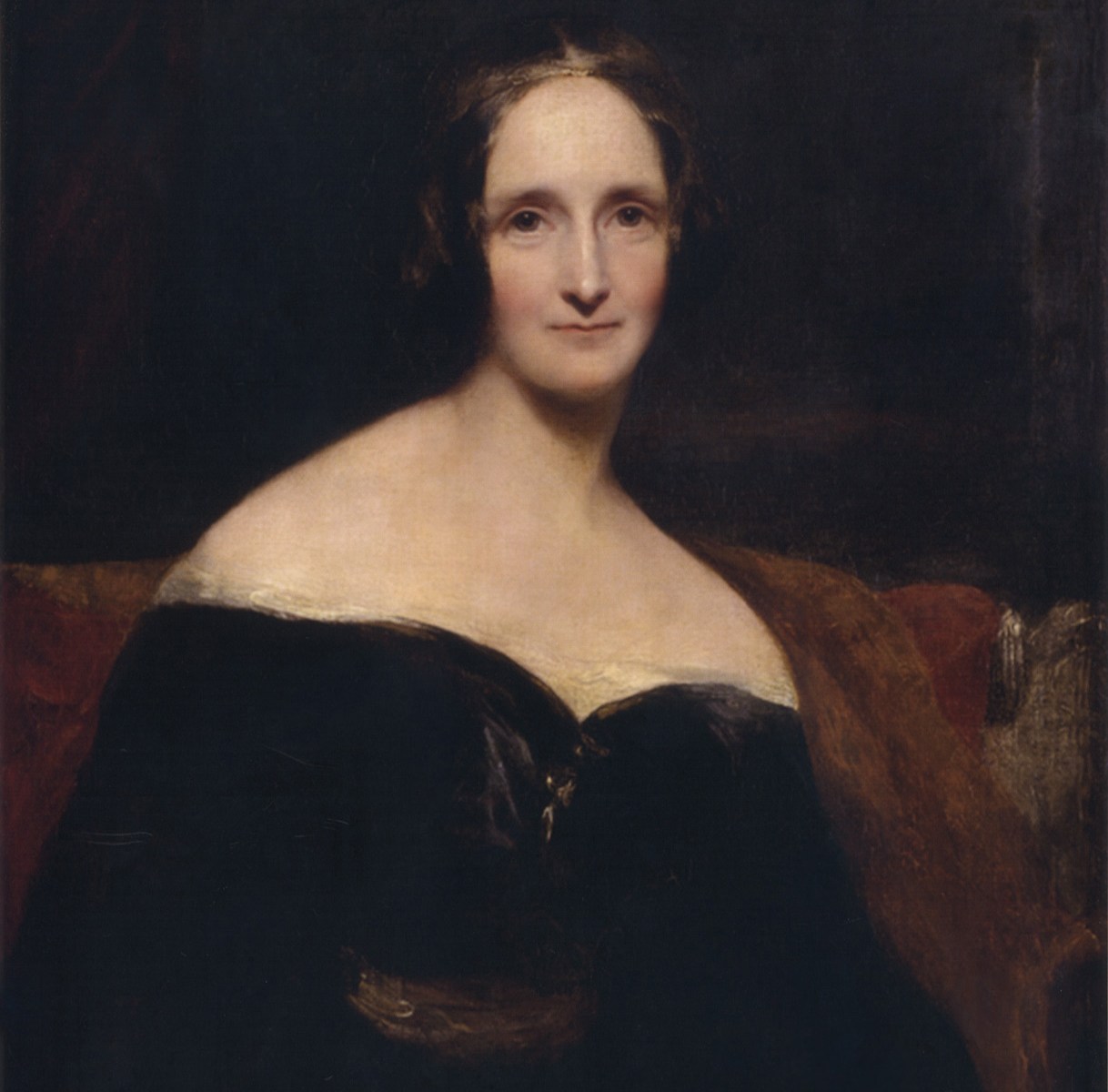
625px-RothwellMaryShelley

How could we talk about dead ladies and Frankenstein without the original creator, Mary Shelley? Tutored by her philosopher father, including in story-writing, she may or may not have lost her virginity in a cemetery, to her later husband Percy Shelley. Prompted on a rained-in trip to Lake Geneva in the midst of a positively millennial tangle of relationships, Mary first published Frankenstein anonymously in 1818. She lost three children and numerous close friends and relatives before being widowed at 24. Yet she managed to battle depression and raise her surviving son, writing six more novels, plus travel pieces, articles, and short stories, and living on the proceeds. Mary Shelley was a writer with a radical imagination, a woman who challenged social convention and gave us the gift of science fiction.
Mary_Wollstonecraft_Tate_portrait
Her mother Mary Wollstonecraft died eleven days after Mary Shelley’s birth. Best known for her proto-feminist A Vindication of the Rights of Women, she too was never one to do what was expected of her. After publishing her bestselling rant, she moved to France to watch the Revolution unfold, returning to London in 1795 with an illegitimate child fathered by a useless chancer. Baby Mary was conceived out of wedlock too, but her mother swiftly married the philosopher William Godwin to make up for it. Mary Wollstonecraft earned her own living throughout her life, as a lady’s companion, schoolteacher, tutor, and most successfully as a writer of novels, reviews, and philosophical tracts on education. She now has an asteroid in her name.
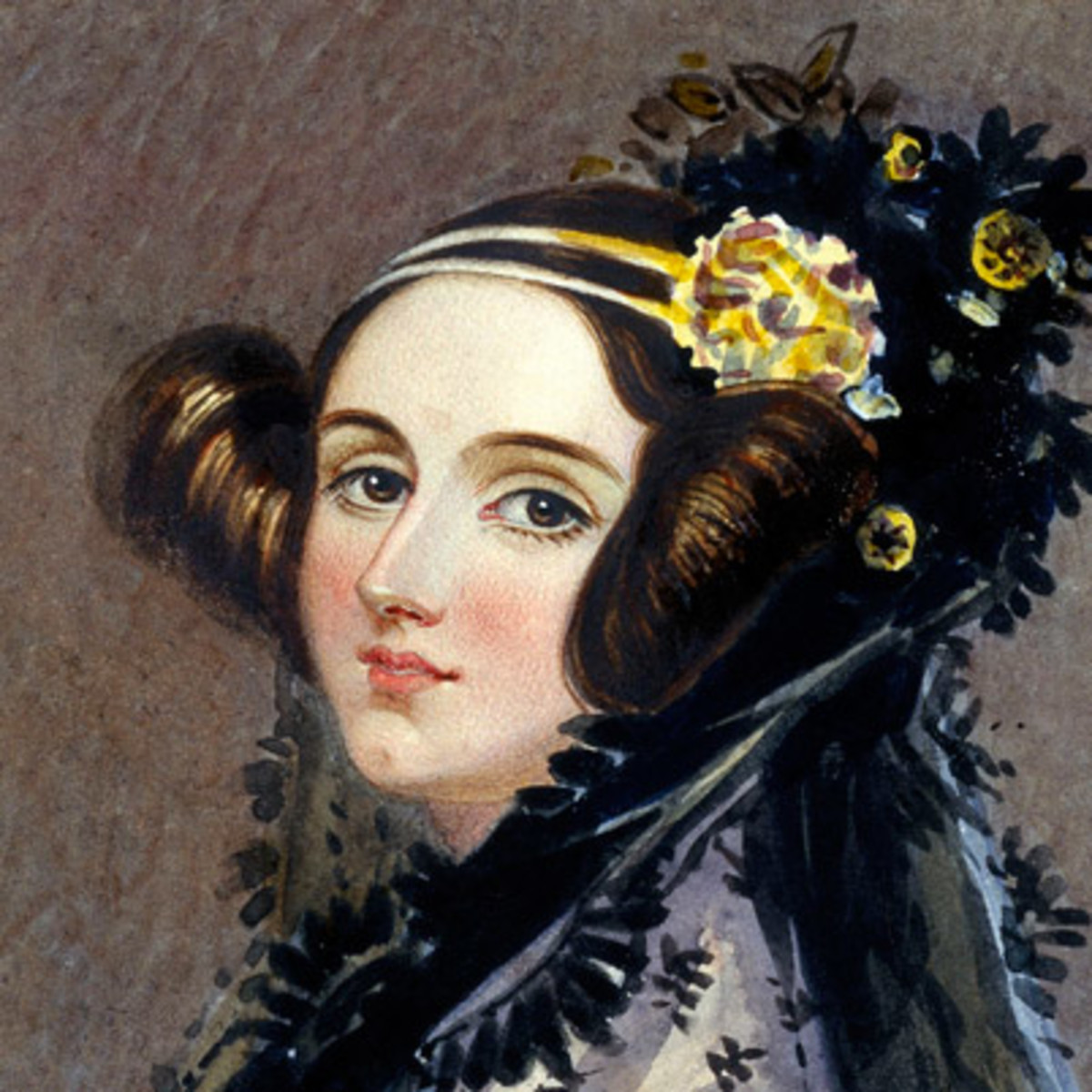
Ada_Lovelace
Ada Lovelace was the only legitimate child of the poet Lord Byron, one of Mary Shelley’s tight circle of friends present on that fateful stay in Switzerland. Her distant mother, pissed off by her husband abandoning her shortly after the birth, raised Ada to take an interest in mathematics. She built a set of wings in the hope of flying at the age of 12 and became an accomplished mathematician. As an adult, she translated an Italian paper on a proposed machine, the Analytical Engine, which would have been the first computer. Adding notes three times as long as the original, she went ahead and invented the first computer program. Ada Lovelace has sparked imaginations ever since, becoming a popular feminist figure with hundreds of things named after her, including a computer language.

Podcast #14: Aphra Behn & Vivian Maier

Episode 2 of our new season, produced and presented in November 2018 by Susan Stone.

Translator extraordinaire (and DLS co-founder) Katy Derbyshire tells us all about Aphra Behn, the first woman author who lived off her writing. Additionally, our podcast producer Susan Stone visits a new Berlin exhibition of work by the mysterious photographer Vivian Maier and tries to pin down just who took these pictures and how she would feel about them becoming public.

Also available on Soundcloud, Spotify, Apple Podcasts, and Pocket Casts.

Show notes:

Continue reading “Podcast #14: Aphra Behn & Vivian Maier”