Dead Ladies Show #29

Here we are again! Bringing three new ladies to regale you with! Not outdoors, because it’s November, but with excellent ventilation and a strict 2G+ formula.
 
Next Tuesday, join our guest presenters, the impressive writers Asal Dardan and Hinemoana Baker, along with your beloved co-host Florian Duijsens, to learn about three women who changed the world. All held together by your other beloved co-host, Katy Derbyshire. There’ll be an anti-fascist adventurer, a convention-breaking writer, and a real lady of a lady who brought the idea of vaccination to Western Europe. We’ll be rocking the ACUD Studio as the night sets in, celebrating lives lived to great effect.
 
Presented in a messy mixture of English and German. €7 or €4 reduced entry. Generously supported by the Berliner Senat. Doors open 7.30 pm – come on time to get a good seat!
 
We have limited space, so please book in advance via Eventbrite. 2G+ entry only – so scannable proof of being either geimpft or genesen, plus a recent Burgertest. To ensure everybody’s safety and peace of mind, we will also ask you to wear a mask even while seated. Thank you for your understanding and support!

*******
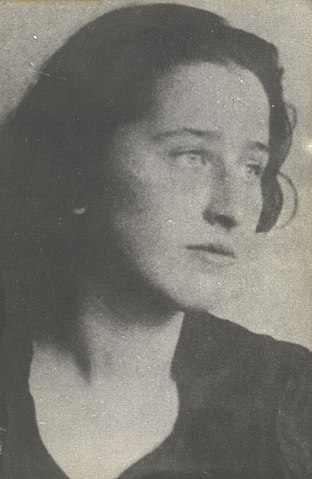
OLGA BENÁRIO PRESTES was a Jewish communist from Munich, who joined the party at the age of 15. A youth instructor with military training and experience with jailbreaks, she was assigned as a bodyguard to her later husband and tasked with helping him return from the Soviet Union to Brazil. There, they were eventually arrested and the pregnant Olga was extradited to Nazi Germany, giving birth to her daughter in Barnimstrasse women’s prison. She was gassed with hundreds of other women political prisoners in 1942; her daughter is a professor of Brazilian history, still teaching occasionally in retirement.
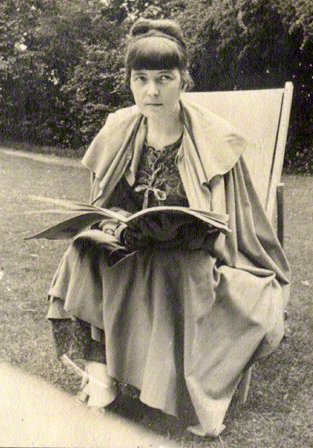
by Lady Ottoline Morrell, vintage snapshot print, 1916-1917

KATHERINE MANSFIELD was an influential modernist writer from New Zealand. She wrote from a young age, leaving for England at 19. Dispatched to Bavaria after leading a fast-paced life in London, including various male and female lovers, she discovered Chekov and started writing in earnest, culminating in her first collection, “In a German Pension”. Back in England, World War I sparked her most prolific period, producing many short stories and poems. Her lasting legacy was partly published posthumously, following her early death of tuberculosis in the company of her “wife,” her fellow Bloomsbury Group writer Ida Baker, in Fontainebleau, France.
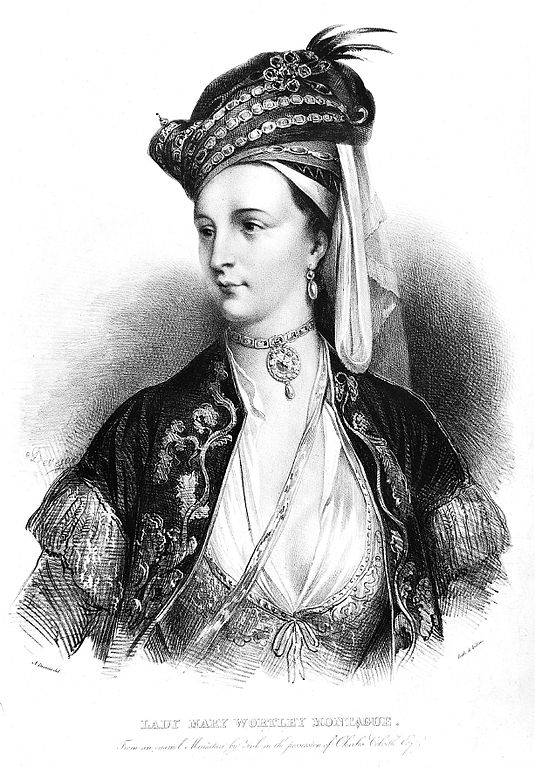
LADY MARY WORTLEY MONTAGU was an English aristocrat famed for her wit and beauty. When her husband became ambassador to the Ottoman Empire in 1716, she accompanied him to Constantinople. Gaining access to female spaces in Turkey, she witnessed smallpox inoculations there and had her son immunized in the same way, using a small sample of the live virus that had killed her brother and caused severe scarring to her own face. The principle was adapted into what we now know as vaccination. Lady Mary later left her husband behind in England after falling for an Italian count, only returning after she was widowed. She wrote poetry, essays, and copious letters, many of which were published after her death, encouraging other ladies to travel as she had done.

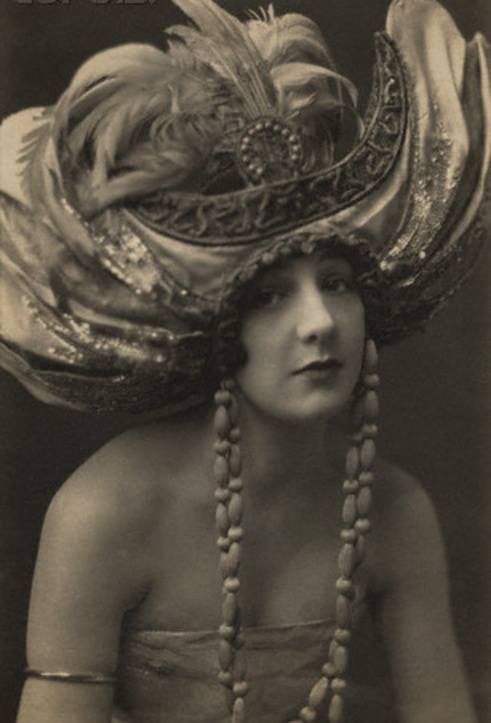
Podcast #46: Elsa von Freytag-Loringhoven

In this edition of the Dead Ladies Show Podcast, DLS co-founder Florian Duijsens introduces us to the eccentric Dada artist Baroness Elsa von Freytag-Loringhoven. An eternally eclectic, German-born New Yorker, the Baroness was known for living life as a work of art, wearing a collage of found items, from tin cans to postage stamps to live birds, seducing almost everyone she met, and creating mind-blowing poetry and sculptures, yet never making any money off them. These days, she deserves some reclaimed recognition for creating the found art genre known as readymades, including a particular infamous sculpture credited to French artist Marcel Duchamp (or Marcel Dushit, as the Baroness called him.)

DLS other co-founder Katy Derbyshire joins producer/host Susan Stone to introduce the show, which was recorded in front of a live audience of enthusiastic college students as part of Bard College Berlin‘s student-organized Pankumenta festival back in 2019.

**This episode contains brief mentions of suicide and suicide attempts as well as some humorous profanity**

Also available on Spotify, Apple Podcasts, and Pocket Casts. You can download the transcript, created by Annie Musgrove, here.

Notes:

Continue reading “Podcast #46: Elsa von Freytag-Loringhoven”

Dead Ladies Show #28

We’re going live again! Dead ladies, live on stage, next Tuesday, October 5, 8pm at ACUD.

We’re going to try and do it outdoors but if the weather doesn’t play along we’ll move inside! We have limited space, so please book in advance via Eventbrite. 3G entry only – geimpft, genesen, getestet. In the event of rain, sleet, snow or cold weather, we’ll move indoors to the ACUD Studio, so please bring a mask to use when you’re not at your seat.

Join our guest presenters, awesome academic AGATA LISIAK and jubilant journalist THEMBI WOLF, along with our podcast producer SUSAN STONE, to learn about three fascinating females who shaped our world. All held together by your familiar hosts, FLORIAN DUIJSENS and KATY DERBYSHIRE. You’ll learn about three revolutionary women – in fields as diverse as politics, sex, and architecture. We’ll be rocking the ACUD courtyard as the sun goes down, celebrating ladies who changed other people’s lives.

Presented in a messy mixture of English and German. €8 or €5 reduced entry. Generously supported by the Berliner Senat. Doors open 7:30 pm – come on time to get a good seat!

***************************************************************************

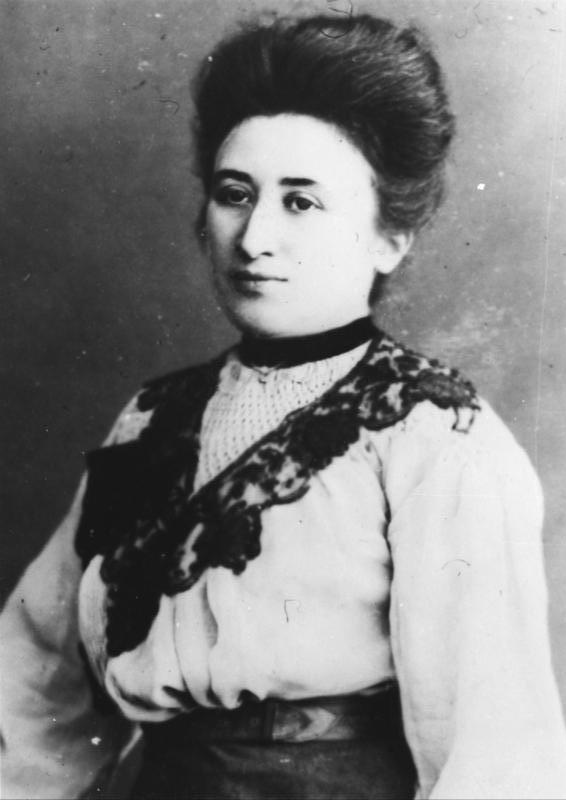
ROSA LUXEMBURG was a Polish Marxist and co-founder of the anti-war Spartacus League in 1915 Germany, which became the KPD. Having started out as a political activist at the age of 15, she had organized a general strike before she left school. She wrote prolifically and travelled widely in the service of the revolution, all while on the run from the tsarist police. Luxemburg moved to Berlin in 1898, where she “hated the stifling conservatism, despised Prussian men and resented what she saw as the grip of urban capitalism on social democracy.” After Germany’s 1918 revolution she was tortured, murdered and thrown in the Landwehr Canal by Freikorps soldiers. Today she has her own square, though, so there’s that.

DR. JUNE DOBBS BUTTS was an African-American sex researcher and therapist who argued for greater openness about sex in the Black community. The youngest of six daughters of a civil rights activist, she grew up playing with Martin Luther King Jr. After years of study and breakthrough research, she eventually had her own practice in Maryland, hosted a radio show, and wrote articles and columns for Black magazines like Jet, Ebony and Essence. “I realize that there are a lot of critics,” she said, “but I’ve found out that nine times out of 10 they have a sex hang-up themselves.”

ZAHA HADID was a British-Iraqi architect. Dubbed “the queen of the curve” and “a planet in her own orbit”, she received awards by the truckload for the buildings she left us. Hadid studied in Baghdad and London and opened her own firm in 1980, only three years after graduating. Many of her ambitious plans went unbuilt while she established her unique style, until she designed a fire station near the Rhine. From then on, her projects grew bigger and bigger (and often curvier). She taught and painted and designed interiors and products, and was also on the editorial board of the Encyclopaedia Britannica.

Podcast #44: Irmgard Keun

In this episode of the podcast, DLS co-founder Katy Derbyshire introduces us to daring German writer Irmgard Keun. As an ingenue, Irmgard’s writing debut was much more consequent than her acting debut, and she garnered praise and a film adaptation. Her books explored women’s lives in Weimar-era Berlin with a humor all her own, which of course meant the Nazis banned them. There’s dark wit, wild parties in the face of danger, and fabulous costume changes — oh, and an unreliable narrator. It’s a bit of Babylon Berlin meets Cabaret, perhaps.

Irmgard Keun is also one of the original Dead Ladies (along with Dorothy Parker) that sparked the creation of the Dead Ladies Show in the first place!

Our other DLS co-creator Florian Duijsens joins podcast producer and host Susan Stone for the introducing duties in our last episode of DLSP Season Four!

Also available on Spotify, Apple Podcasts, and Pocket Casts. You can download the transcript, created by Annie Musgrove, here.

Notes:

Continue reading “Podcast #44: Irmgard Keun”

Podcast #43: Bebe Barron

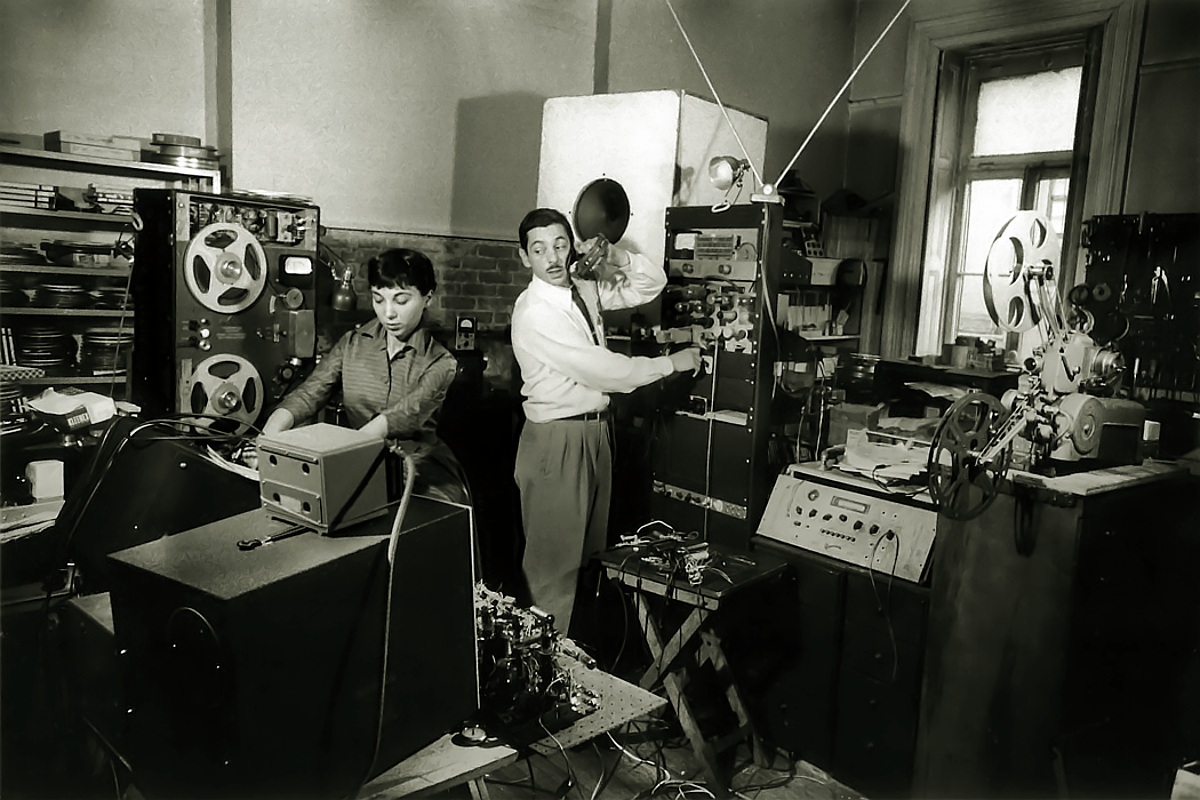
This episode presents a first: our presenter (our very own Susan Stone!) actually met the lady in question. Bebe Barron was a bohemian, composer, and electronic music pioneer. She and her husband Louis worked avant-garde art-makers like John Cage and Maya Deren, and hung out with Anais Nin, Henry Miller, Joseph Campbell, and more. The pair is credited with inventing the tape loop, and possibly the audio book. It’s certainly the case that they composed and created the first electronic music — or electro-acoustic — feature film soundtrack. Electronic music as we know it would not exist without Bebe, nor would the sounds we associate with outer space.

Also available on Spotify, Apple Podcasts, and Pocket Casts. You can download the transcript, created by Rachel Pronger, here.

Notes:

Continue reading “Podcast #43: Bebe Barron”

Podcast #41: Annette von Droste-Hülshoff

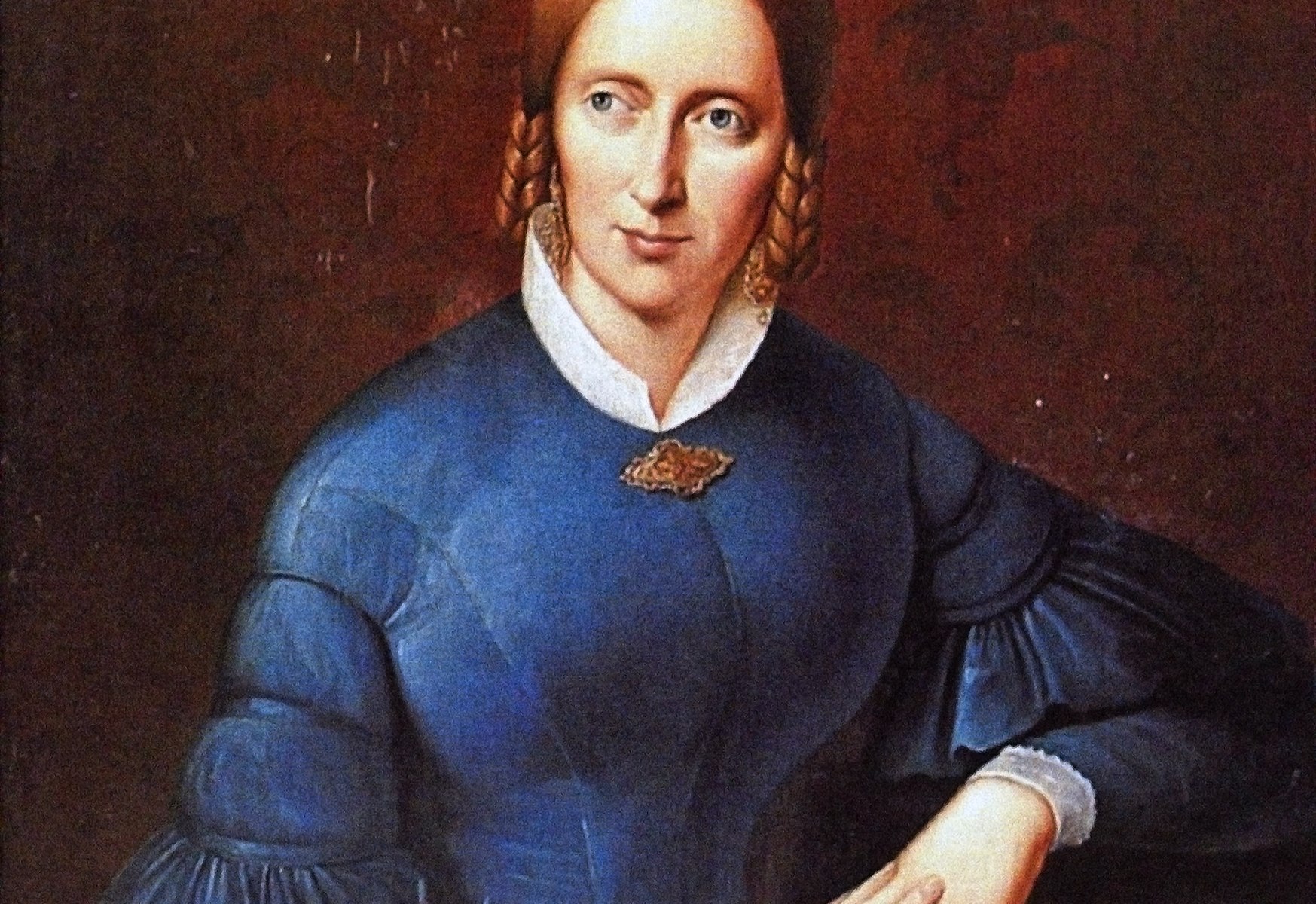
In this episode, Anneke Lubkowitz introduces us to the brilliant and strange 19th-century writer and poet Annette von Droste-Hülshoff. This Dead Lady was a Lady in the literal sense – she was born into nobility, and the life her family expected for her was far different from the one she led. Choosing the male occupation of poet, and the unladylike hobby of fossil collecting, nature devotee Annette could often be found wandering the muddy moors or writing away in a turret. Her ahead-of-her-time way with verse included timeless poems and a work of gothic fiction considered by some to be one of the first murder mysteries.

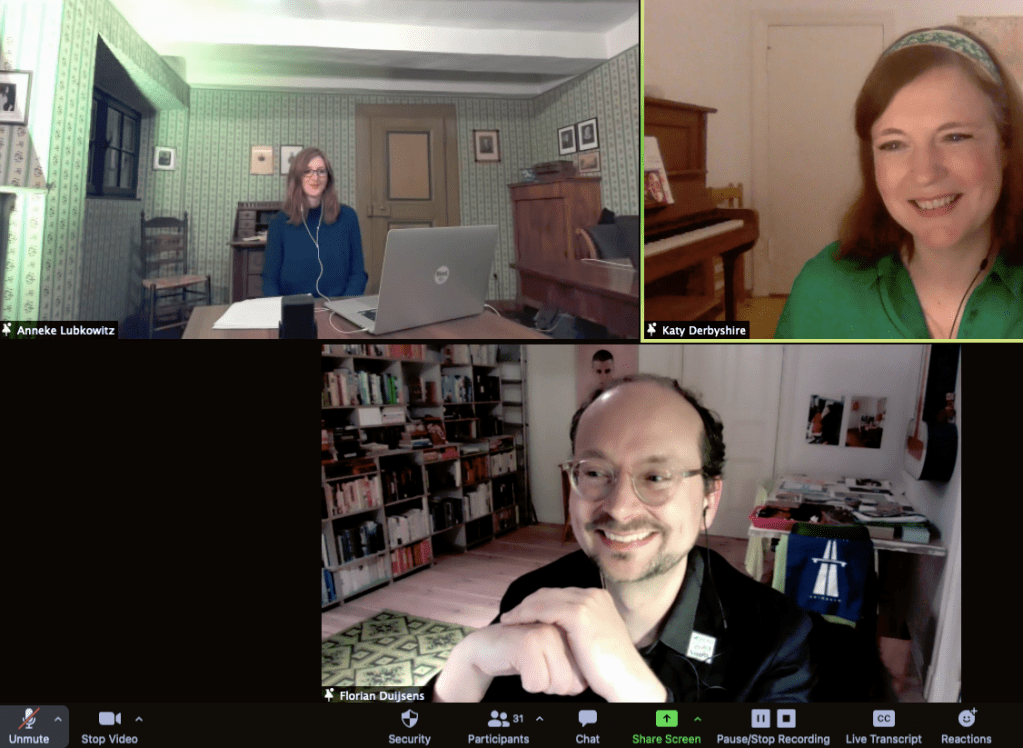
Via Zoom from the bright green rooms of Annette von Droste-Hülshoff’s former home Haus Ruschhaus, Anneke also reads some newly translated poems from Droste’s collections (thanks to the translators: Shane Anderson, Daniel Falb, Monika Rinck, and Annie Rutherford!).

Anneke live from Annette’s study, Katy and Florian smiling from their homes in Berlin

This show was created in collaboration with StAnza, Scotland’s International Poetry Festival, with help from the Burg Hülshoff Center for Literature. Thanks to both!

Also available on Spotify, Apple Podcasts, and Pocket Casts. You can read the transcript here.

Notes:

Continue reading “Podcast #41: Annette von Droste-Hülshoff”

Podcast #40: Beryl Gilroy

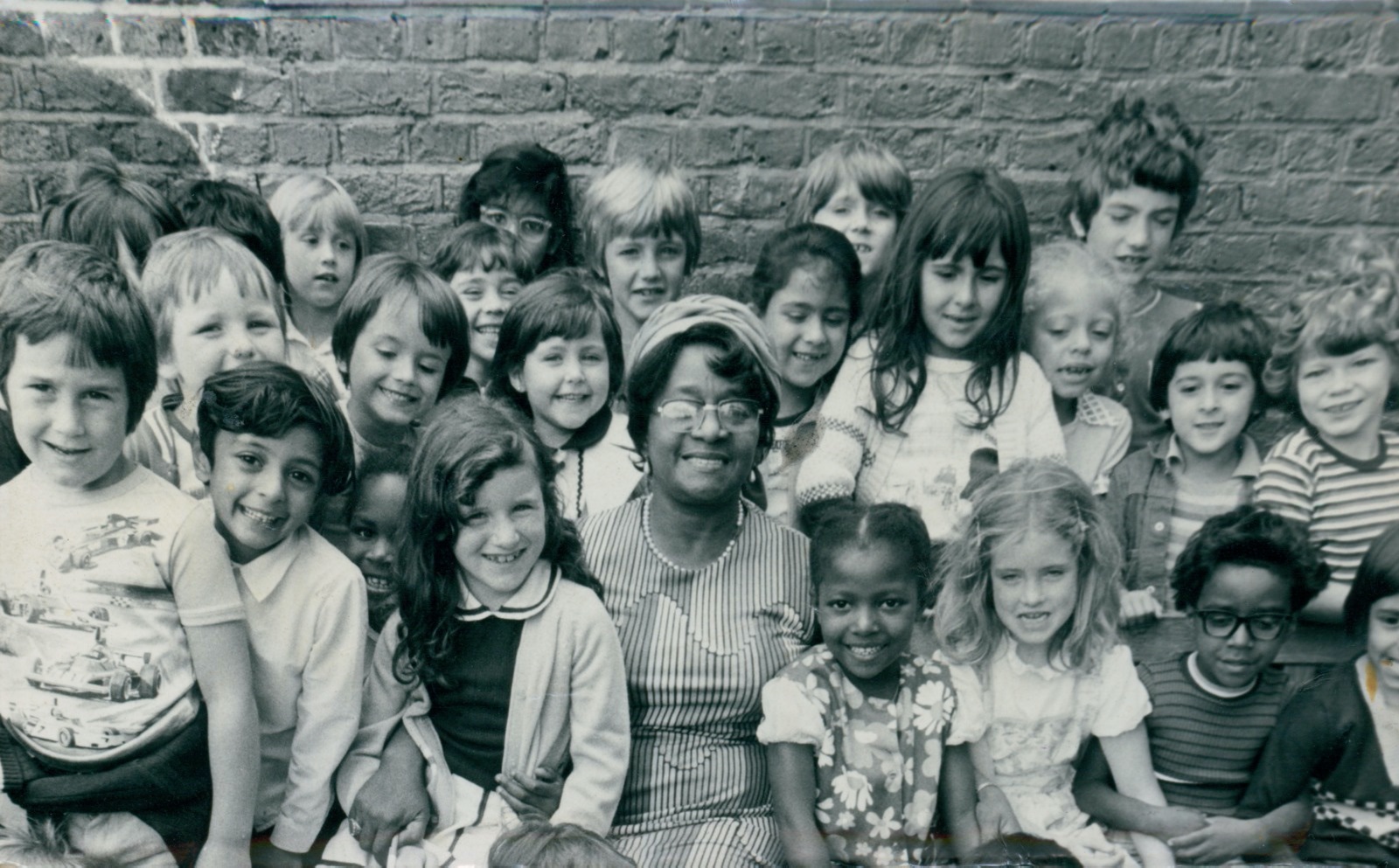
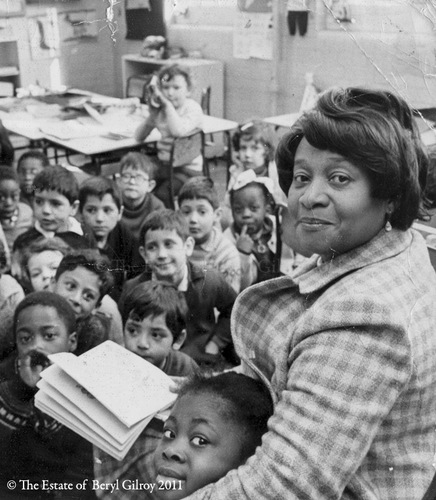
The star of our 40th (!) episode is author, educator, and therapist Beryl Gilroy. Born in what was then British Guiana, she trained as a teacher before migrating to London in 1952 as part of the Windrush generation and worked all manner of jobs until becoming one of the very first Black head teachers in the UK. Her groundbreaking debut, Black Teacher (1976), documented her journey up to that point, and she’d keep publishing until her death in 2001. Telling her story is Berlin-based author Divya Ghelani.

And if you want to attend a very special live Dead Ladies Show via Zoom next month, join us at StAnza, Scotland’s International Poetry Festival, on 11 March (free tickets available here).

Also available on Spotify, Apple Podcasts, and Pocket Casts.

Show notes:

Continue reading “Podcast #40: Beryl Gilroy”

Podcast #37: Chevalière d’Eon

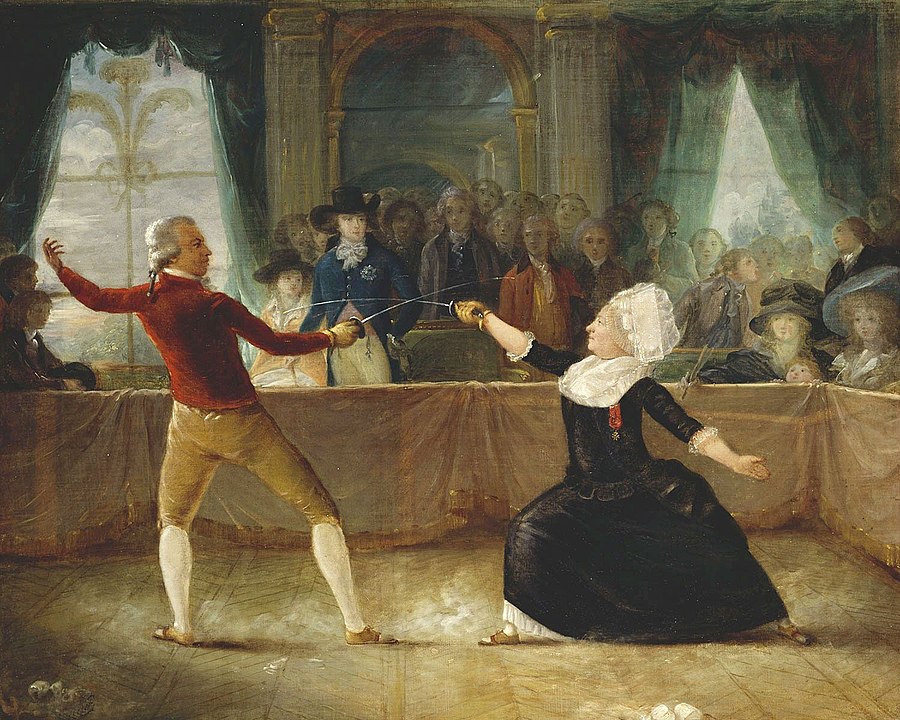
Our 37th podcast episode celebrates a legendary spy, writer, and fencer whose very existence caused such a public uproar that it caused a grumpy British judge to outlaw all betting on a person’s gender. Although her story has been told many, many times before, most versions either invent her life story entirely or do not honor her own identity. Though she wanted to be recognized as the woman she was, that didn’t mean she was happy with society’s expectations of what a woman could or should wear, look like, or be around the time of the French Revolution. Mary Wollstonecraft was a fan, ranking her among the likes of Sappho and the Empress of Russia, and we think you’ll enjoy her story too.

Dead Ladies Show co-founder Florian Duijsens joins podcast host/producer Susan Stone to discuss our first episode about a woman we would now probably call a trans woman. Note that she is best known in the literature and all around the internet as the Chevalier d’Eon, Chevalière d’Eon is probably the more grammatically correct title 🙂 We also discuss the Dead Ladies Show’s famous three rules, and talk about about another unruly rulebreaker, Anne Lister.

Also available on Spotify, Apple Podcasts, and Pocket Casts. You can find the transcript here.

Show notes:

Continue reading “Podcast #37: Chevalière d’Eon”

Podcast #36: Shirley Jackson

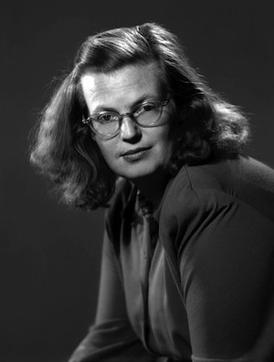
Our 36th podcast episode brings you a glimpse of the acclaimed author of some of the most chilling tales in contemporary American literature, Shirley Jackson. Her short story “The Lottery” has been a true classic since its publication in 1948. Jackson blended gothic and horror elements with explorations of women’s alienation and search for identity. In her real life, she was forced to balance her tremendous talent with the everyday duties of a wife and mother and societal expectations of femininity which she defied at almost every step.  Our presentation from Krista Ahlberg comes courtesy of Dead Ladies Show NYC, and was recorded live by Christopher Neil in the Red Room at New York’s KGB Bar in 2019.

Dead Ladies Show co-founder Florian Duijsens joins podcast host/producer Susan Stone to discuss some of Shirley’s stories and the films and series in the extended Shirley Jackson universe.

Also available on Spotify, Apple Podcasts, and Pocket Casts. You can read the transcript here.

Show notes:

Continue reading “Podcast #36: Shirley Jackson”

Dead Ladies Show #26

It’s been, as they say, a minute since you’ve last heard from us. And it’s been very strange not to be up there on stage at ACUD every two months. We miss you! I know we’ve been in contact through the podcast, and through our Patreon book club, but however much we cherish our listeners from afar, and we do, there’s really something special about sharing these lives (and awesome guest presenters!) with a real-life Berlin audience.

So with the current restrictions in place, and a slight change of scenery, we’re doing our 26th show at ACUD on September 14. It’ll be a very intimate one, just 20 people in ACUD’s open-air courtyard, and all those tickets have been sold to lovely folks on our mailing list.

For our final show of this season, we’re excited to present two more outstanding Berlin writers who share stories of awe-inspiring women who’ve fascinated them and influenced their work. Show numéro 26 brings you three women who went against the grain: a journalist, an artist, and a teacher/writer. Presented by writer DIVYA GHELANI, DILEK GÜNGÖR, and your beloved podcast producer SUSAN STONE. All held together by your perennial perma-hosts KATY DERBYSHIRE and FLORIAN DUIJSENS.

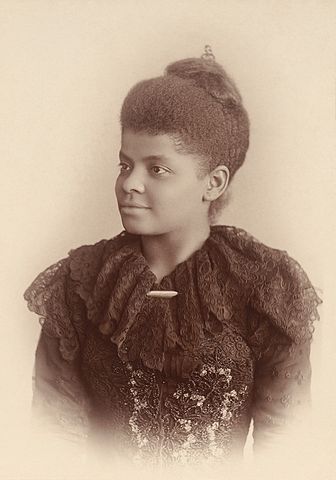
Investigative journalist, newspaper editor, educator, suffragist and early civil-rights leader IDA B. WELLS was the most famous Black woman in the United States during her lifetime. Her intrepid reporting on lynching in the Deep South and her powerful editorials taking on discrimination and violent treatment were read widely at home and abroad, and she was dubbed “The Princess of the Press.” Ida journeyed twice to Britain on speaking tours and ran (unsuccessfully) for the Illinois State Senate in 1930, all the while utilizing boycotts and lawsuits to further her cause, which made her for a time unpopular with some more conservative activists. However, she did find love with one of her fellow rights fighters, and after their marriage, he put his career on the back burner to cook dinner most nights and also care for the kids while she traveled.

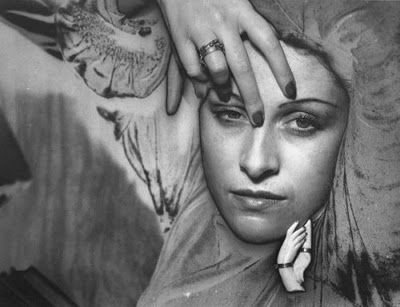
DORA MAAR’s work as an artist spans from collage to street photography, from abstract landscape paintings to eerie photograms. It also spans almost the entire 20th century, and it certainly surpasses her relationship with a certain dickish cubist (ok, Picasso). Though her work with him was fundamental to masterpieces like Guernica, for which Maar provided key photographic documentation, she was more than just his “muse.” One of the few publicly acknowledged women surrealists, she entered into the relationship with skills to teach him. Having traveled all over the world in the first part of her life, she would spend the second half largely secluded in the countryside, and only after her death was the full spectrum and force of her work from all those many decades revealed.

Having grown up and trained to be a teacher in Guyana, BERYL GILROY arrived in the UK in the early 1950s as part of the so-called “Windrush generation.” Homeschooling her two kids (one of whom would grow up to be great historian Paul Gilroy, coiner of the “Black Atlantic”) and working as a maid, factory worker, and slush-pile reader before she’d be able to work as a teacher, she ultimately become the first Black headteacher in London! She crystallized that experience in Black Teacher, a radical memoir that has shamefully fallen out of print. She would publish nine more novels, plus poems, essays, and a series of children’s books reflecting the Black British experience. If that weren’t enough, she also trained as a ethno-psychotherapist, and her literary work certainly reflects that sharply trained eye.