It’s our last episode of 2025, and the final episode of Season 8! Susan, Katy and Florian meet up to toast the end of another season, and of course to clink glasses in honor of our featured Dead Lady, Eileen Agar.
Eileen Agar was the sort of artist who looked at a hat and thought, What if it grew feathers, sprouted seashells, and started whispering secrets to strangers? Born in Buenos Aires and raised in Britain, Agar was a painter, collagist and sculptor with a delicious taste for the absurd. She danced on the edges of Surrealism—sometimes elbowing her way in, sometimes pirouetting just out of reach—and exhibited alongside the likes of Dalí and Ernst, though she never let their mustaches overshadow her own wildly imaginative vision. DLS co-founder Florian Duijsens brings us her story.
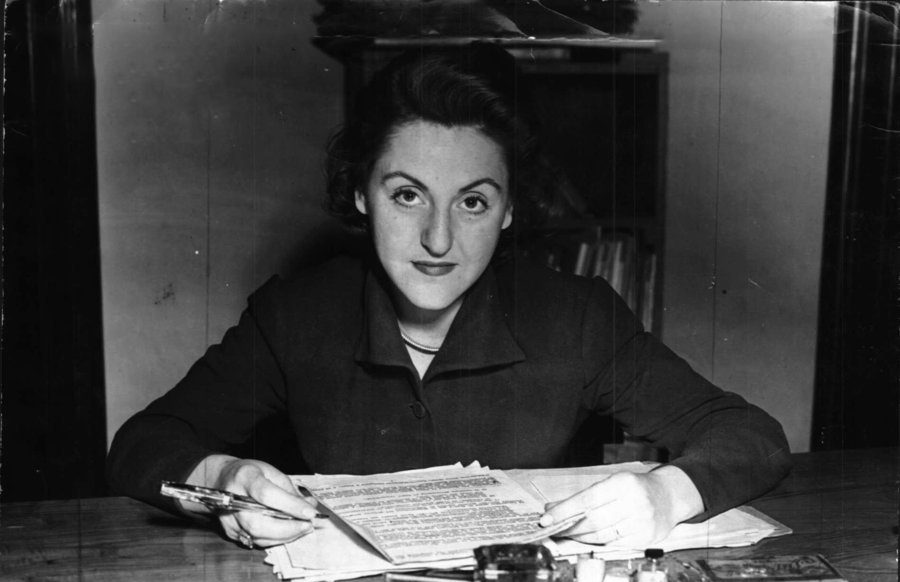
This time around we head back to New York to hear about Italian antifascist Carla Capponi. Professor Suzanne Cope, author of WOMEN OF WAR: The Italian Assassins, Spies and Couriers Who Fought the Nazis brings us Carla’s lively tale, which is full of bombs, intrigue, and bravery. DLS co-founder Florian Duijsens joins host/producer Susan Stone to introduce the talk.
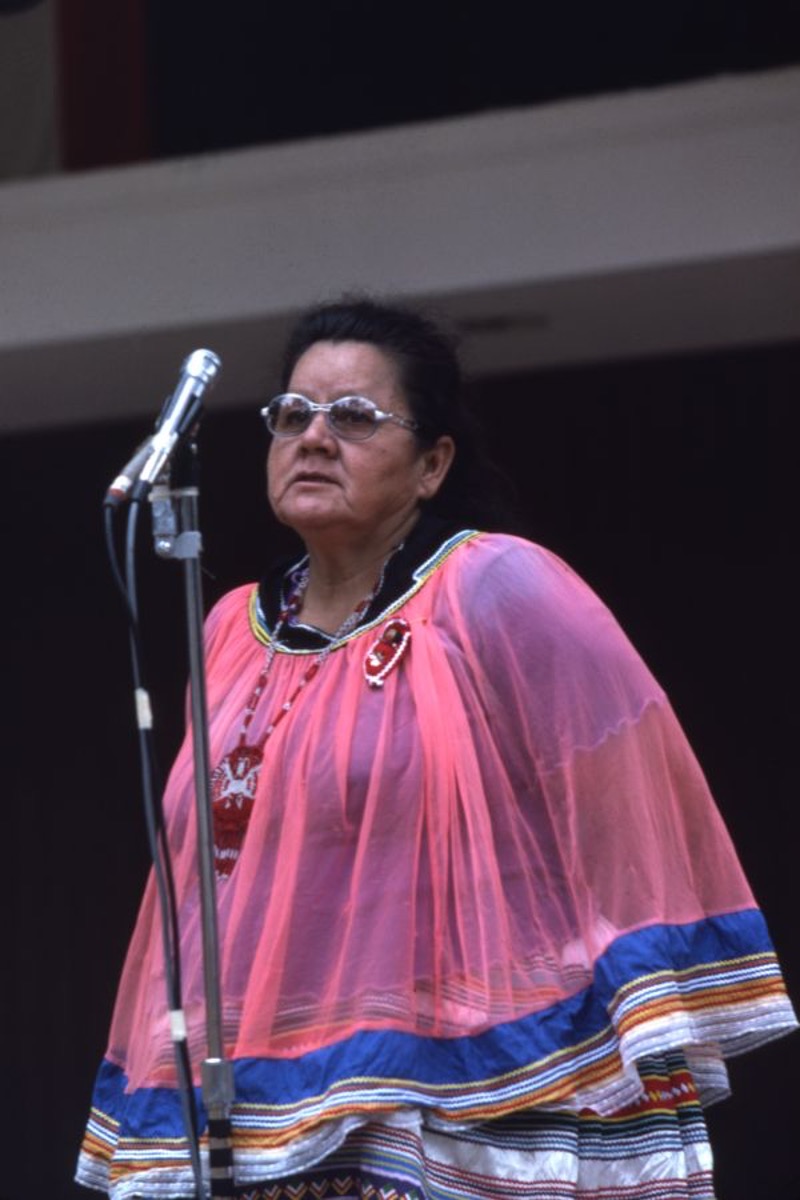
We’re back with a delightful episode about Betty Mae Tiger Jumper, the first female chief of the Seminole Tribe of Florida. Host Susan Stone dives deep into the history of the Seminole Indians and Betty Mae’s unusual life and times, via a talk recorded in front of a live audience in Berlin. As a mixed-race child, Betty was ‘born a crime’ according to Seminole medicine men, but she endured to lead her community as a nurse, journalist, leader, and a storyteller.
DLS co-founder Katy Derbyshire joins host/producer Susan Stone to introduce the talk.
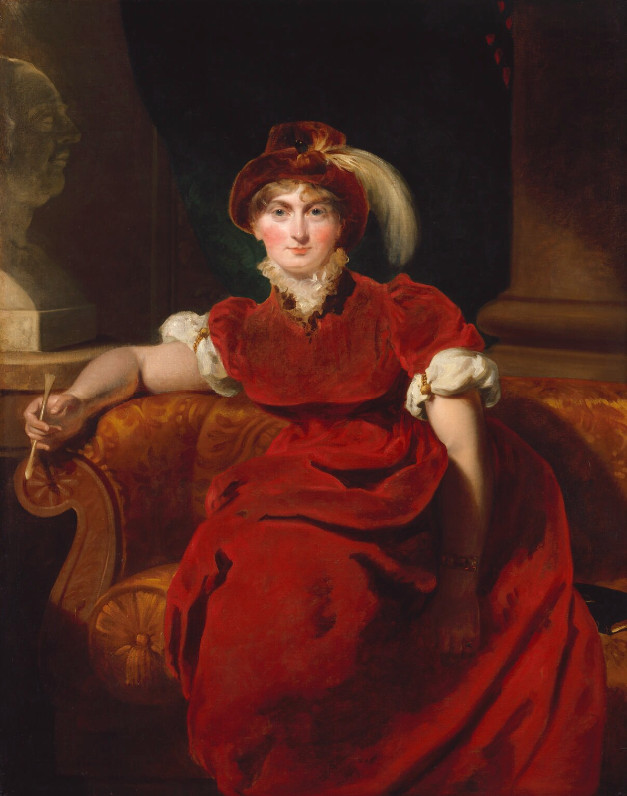
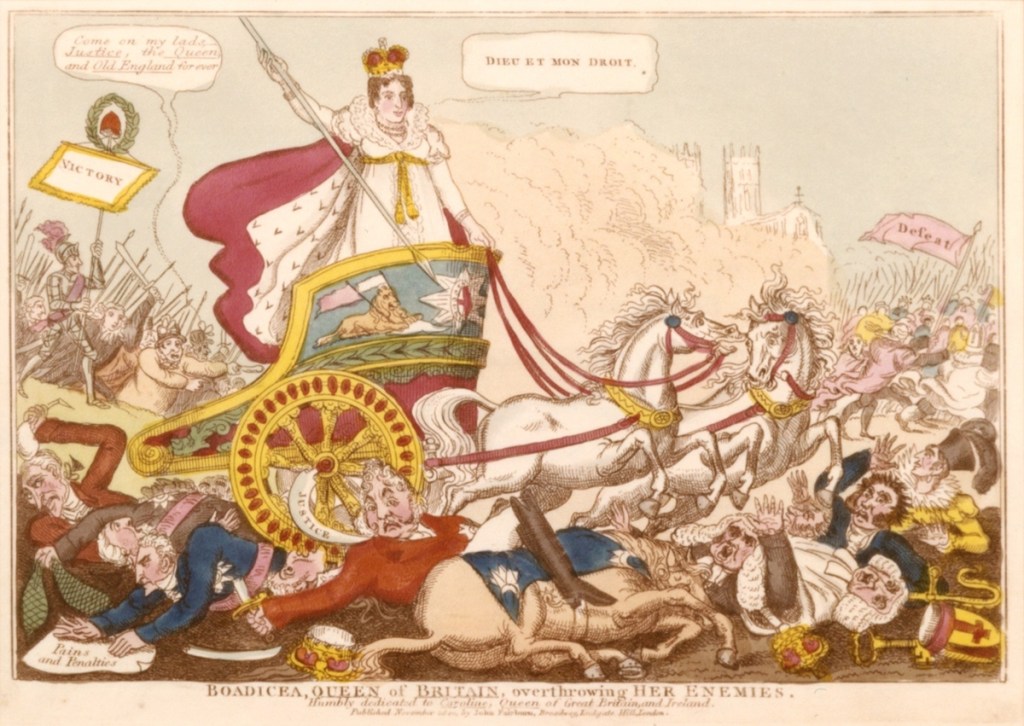
In this episode, we hear a bit of our lovely 10th anniversary show in Berlin, and DLS co-founder Katy Derbyshire gives us the rundown on Caroline of Brunswick, who was officially queen of the United Kingdom and Hanover for three whole weeks before she died in 1821, long-estranged from her horrible husband, her cousin King George IV. They had separated shortly after the birth of their only child, and Caroline’s access to her daughter was restricted. She later moved to Italy, celebrated the right to bare arms, and lived with a handsome secretary, prompting huge amounts of gossip and countless caricatures. When George ascended to the throne, Caroline tried to cash in on her popularity and become queen, but she was literally locked out of the coronation.
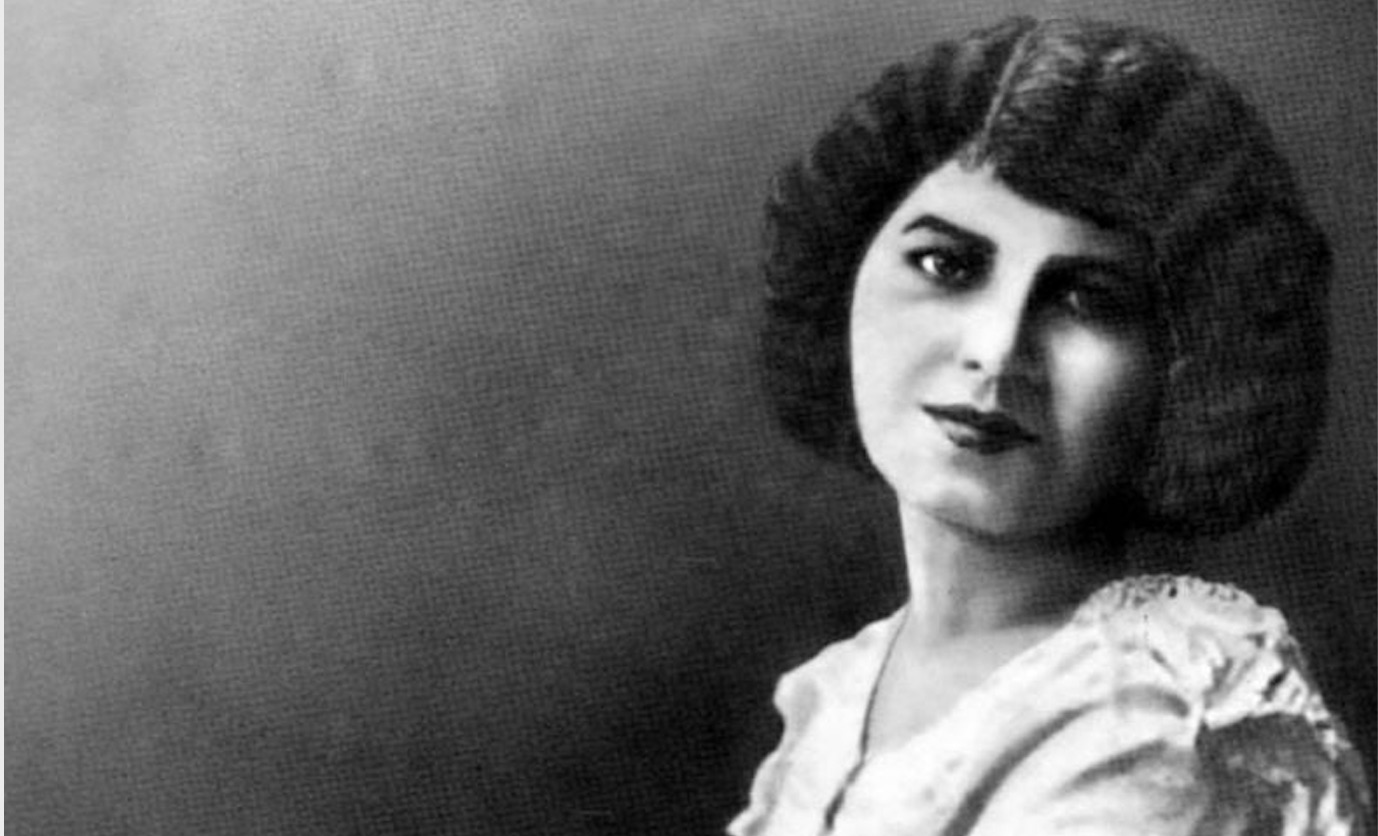
In this episode, we hop over to New York to encounter our Dead Lady of the hour, May Ziadeh, a Lebanese-Palestinian poet, writer, translator, and feminist, whose work explored themes of love, identity, and the liberation of women. Books were her beloved companions throughout her life, and proved more steadfast than people. May began writing at an early age, started an important literary salon, and had moments of fame, but is perhaps better known for the years of isolation and tragedy that marked her life. She deserves more. May wrote in her diary: “After my death, I hope that someone will do me justice and find the sincerity and honesty contained in my small writings.”
Our presenter is Rosana Elkhatib, a designer, researcher, and curator. She is a co-founding principal of feminist architecture collaborative f-architecture and has taught at Columbia University’s Graduate School of Architecture Planning and Preservation.
DLS co-founder Katy Derbyshire joins host/producer Susan Stone to introduce the talk.
Thanks to the team at Dead Ladies NYC for sharing this presentation with us: Molly O’Laughlin Kemper, Sheila Enright, Christopher Neil and the KGB Bar’s Lori Schwarz.
We’re back with Season Eight of the Dead Ladies Show Podcast!
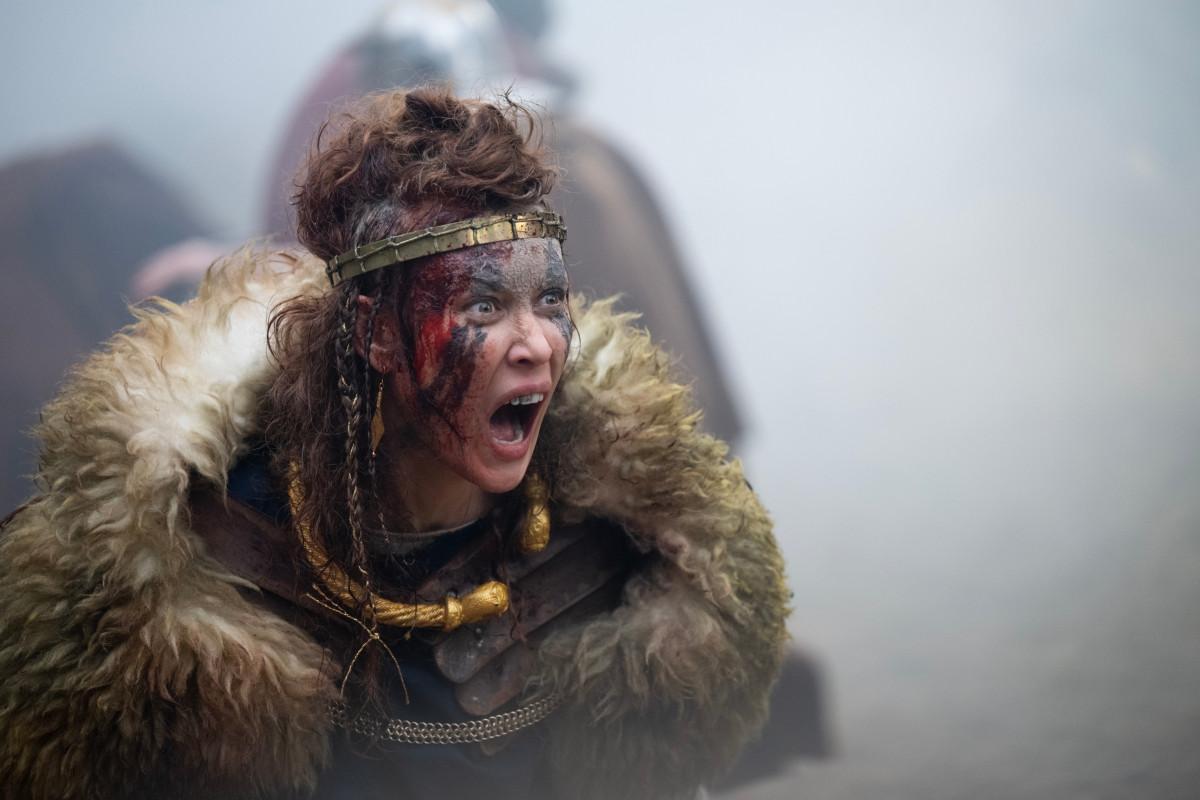
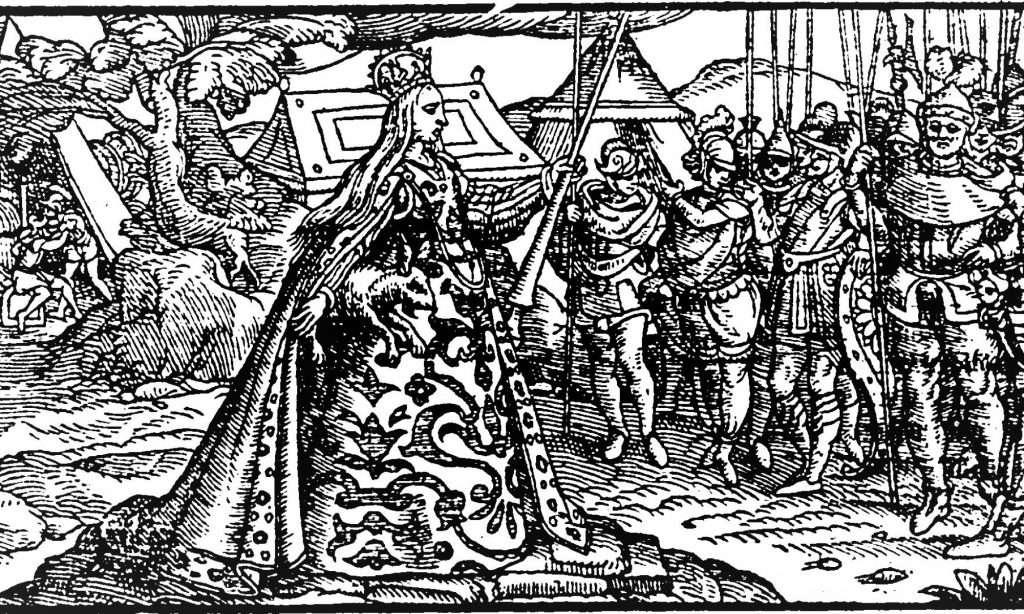
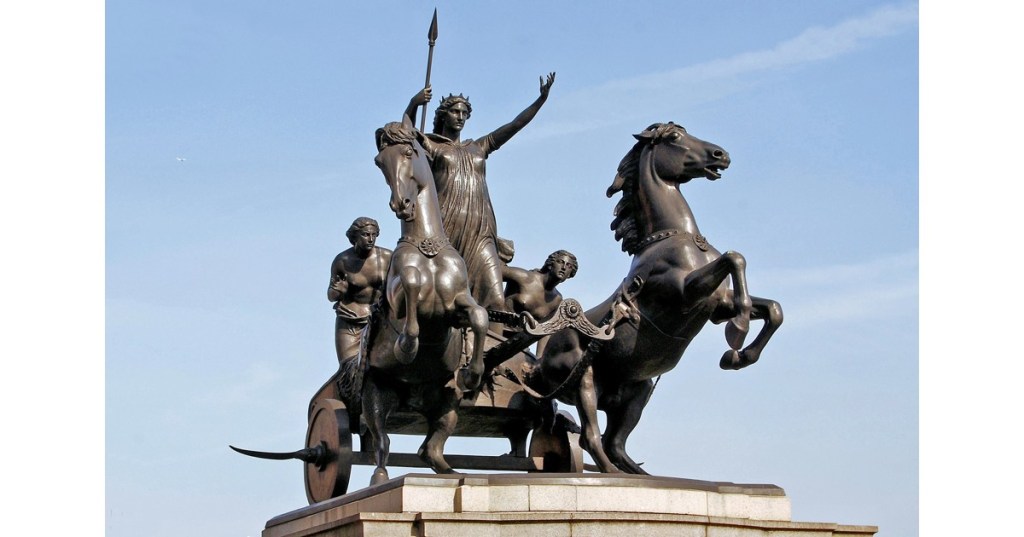
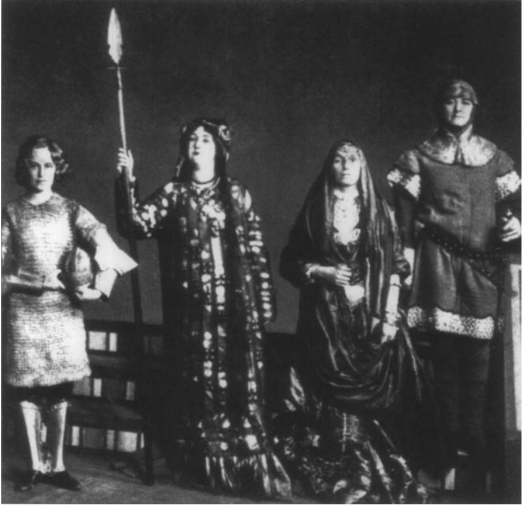
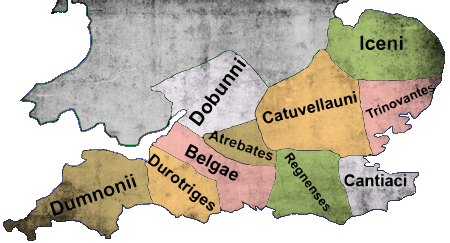
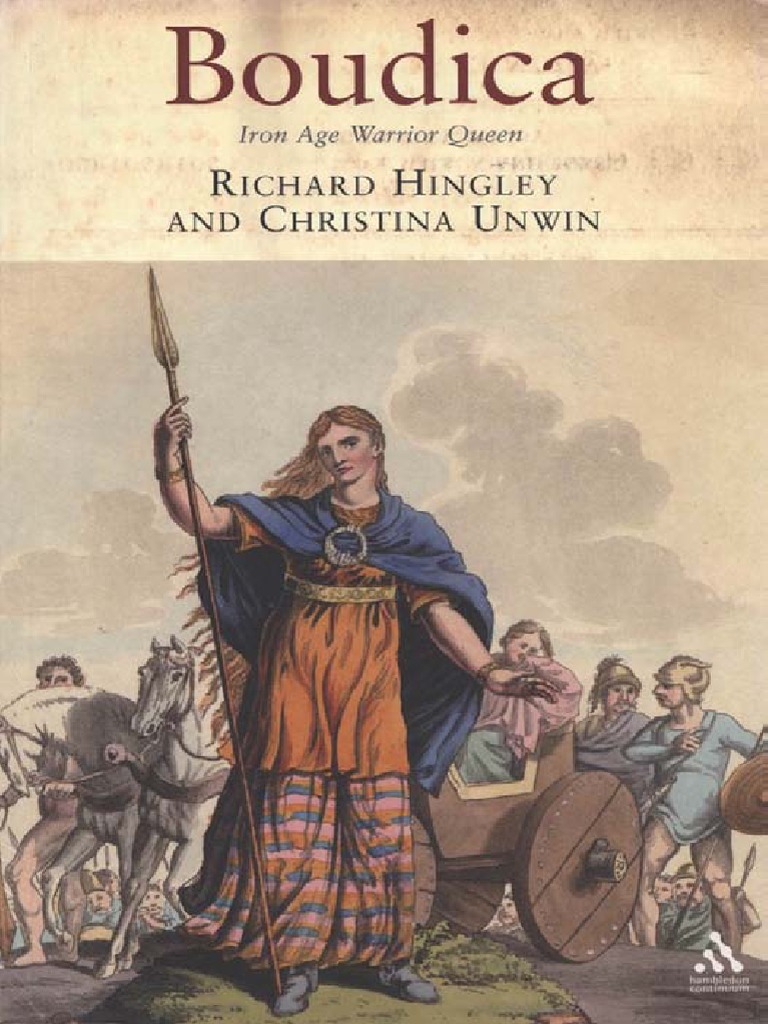
In this episode, DLS co-founder Katy Derbyshire brings us the story of Boudica, an ancient British queen who fought the Romans. Though she led her Iceni tribe in a rebellion, the Romans prevailed, but wrote a fair bit about her in the history books.
In her afterlife, Boudica became a mascot for the suffragettes but also co-opted as a symbol for all things British; also, Enya wrote a song about her.
DLS co-founder Florian Duijsens joins producer/host Susan Stone to set the stage.
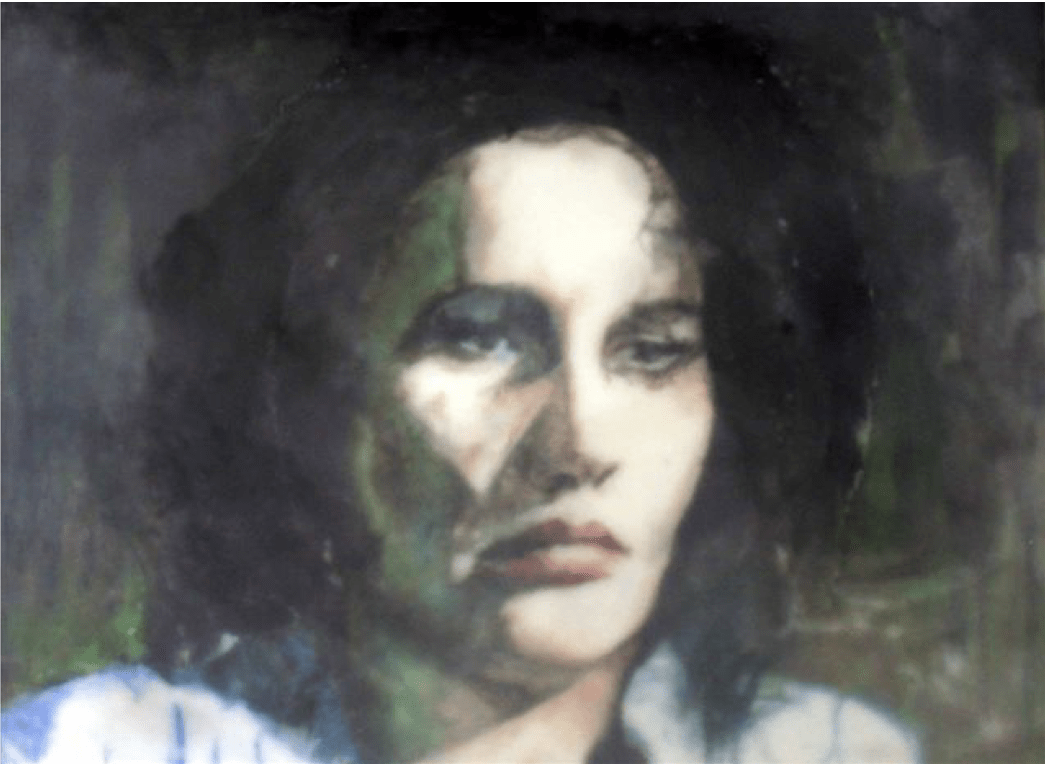
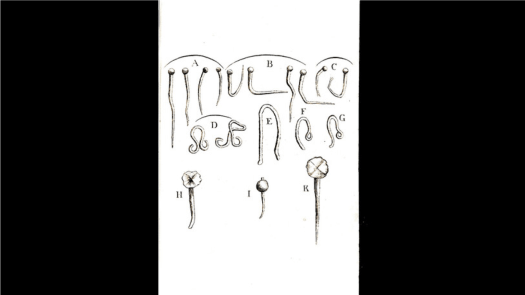
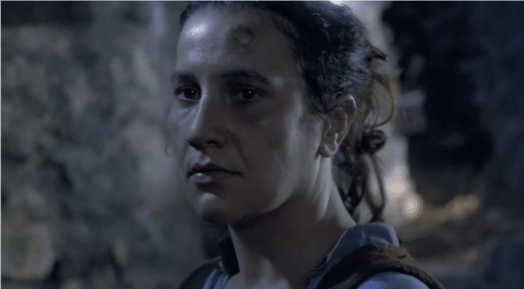
In this episode we hear a story that feels sadly relevant—a miscarriage of justice. Anna Göldi was the last woman to be legally executed after being accused of witchcraft in Switzerland, in 1782; just seven years before the French Revolution, and a century after witch trials were rampant in Europe (as well as infamously in Salem, Massachusetts). Anna came from a poor family, and worked as a maid in various households, but she was also an independent and freethinking woman. In 1781 she was looking after a young girl who allegedly began spitting up pins and nails.
Her wealthy employers accused her of witchcraft, and she was tortured until she admitted being in league with the devil. Anna Göldi was sentenced to death by decapitation for poisoning, even though the girl had not died. Not until 2007 was her case reevaluated and her name cleared. There’s now a museum, several podcasts, films and books that cover Anna’s life and story. DLS co-founder Katy Derbyshire tells it for us, and host/producer Susan Stone and our other co-founder Florian Duijsens come along to set things up.
Wedding party looks like fun; the subsequent trial and penalty less so.
Glarus back then
A woman operating a mechanical loom, in development during 1780s
Masha Karrell in the Anna Göldi musical
Dr Tschudi’s house in Glarus, now the Anna Göldi Museum
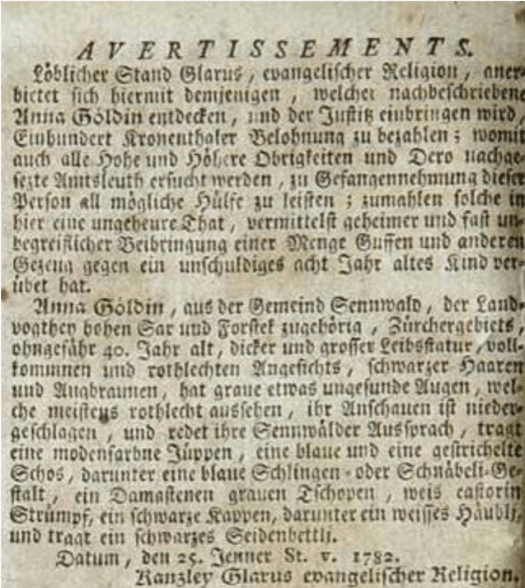
The wanted notice
The pins as illustrated in the new media
Cornelia Kempers in Gertrud Pinkus’s Anna Göldi feature film
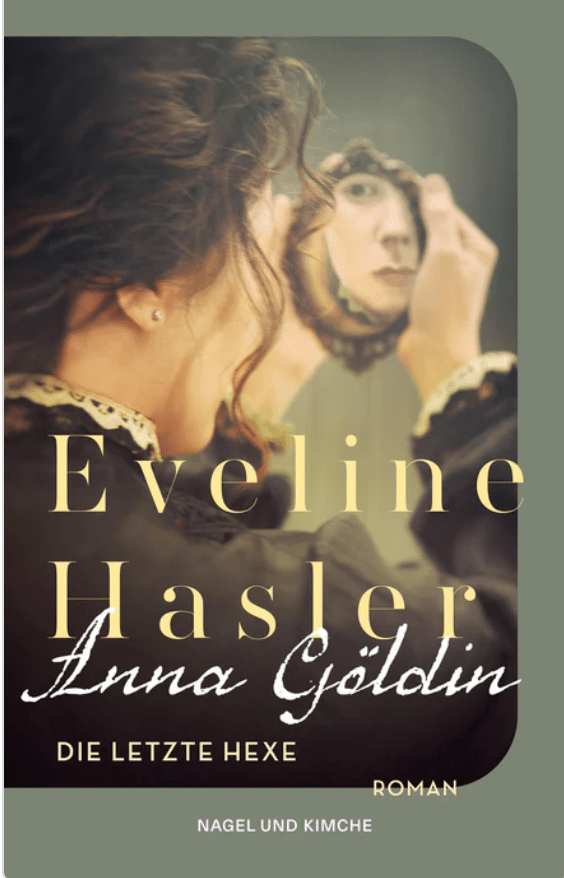
Two German books about Anna: the novel (left) by Eveline Hasler and one of several excellent non-fiction books by Walter Hauser, who campaigned for her rehabilitation.
The Dead Ladies Show is a series of entertaining and inspiring talks about women who achieved amazing things against all odds, presented live in Berlin and beyond. This podcast is based on that series. Because women’s history is everyone’s history.
The Dead Ladies Show was founded by Florian Duijsens and Katy Derbyshire.
The podcast is created, produced, edited, and presented by Susan Stone.
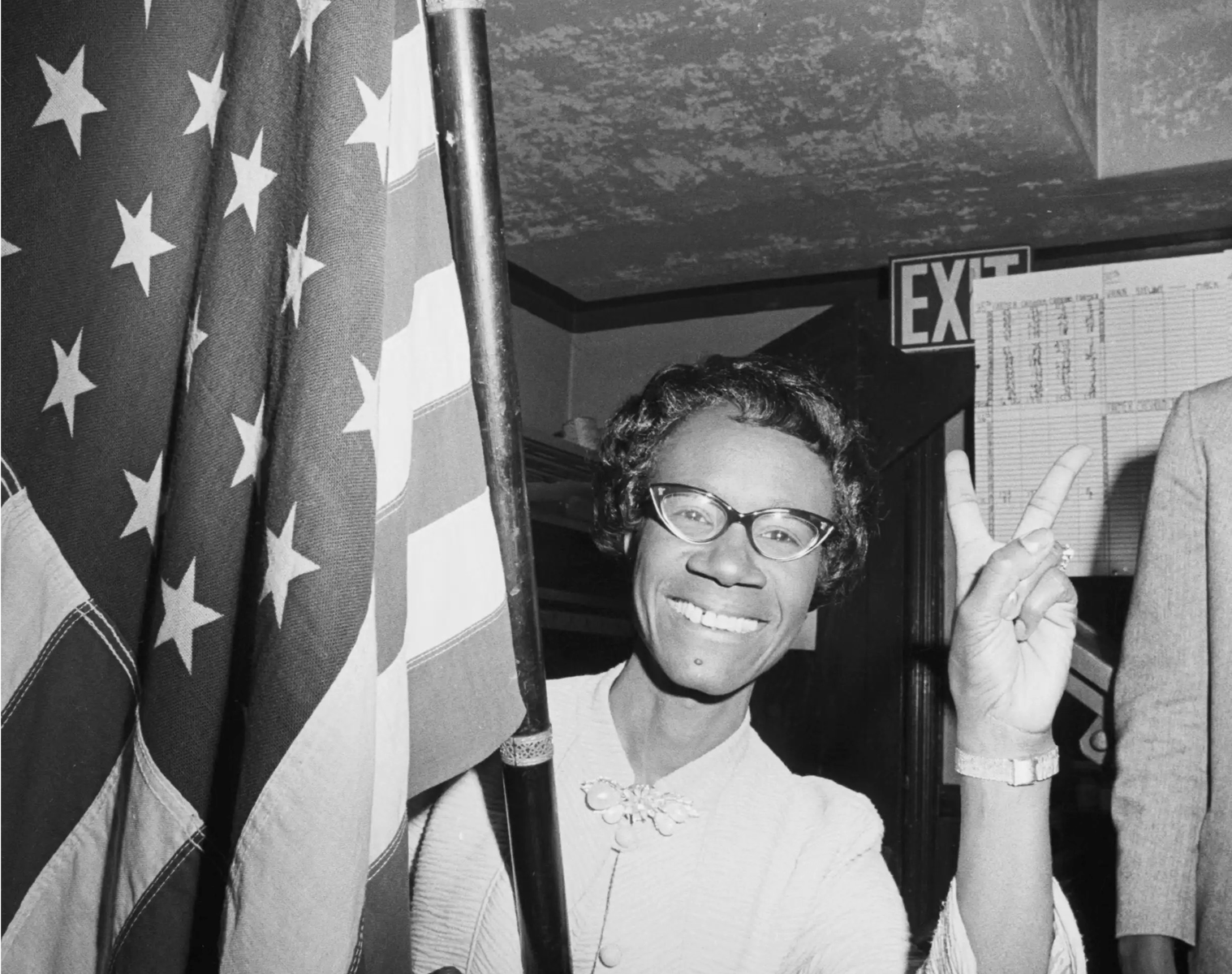
In this episode, we’re live at PodFest Berlin! DLS co-founders Katy Derbyshire and Florian Duijsens do the introducing, while DLSP Producer Susan Stone tells us about the amazing life of Shirley Chisholm, the first Black woman elected to the United States Congress (in 1968). Four years later, Shirley was the first Black person and the first woman to run for the Democratic Party’s presidential nomination. She was known for her hard work on behalf of equal rights, introducing legislation that helped women and children, workers and the poor. Additionally, she was called the “best dressed woman on Capitol Hill” for her sharp style. Shirley’s legendary campaign slogan was “Unbought and unbossed,” and she kept the philosophy throughout her long political career. Shirley never wanted to be remembered as the “first” this or that, but as someone who fought for change and blazed a path for those like her in politics. Her legacy is undeniable.
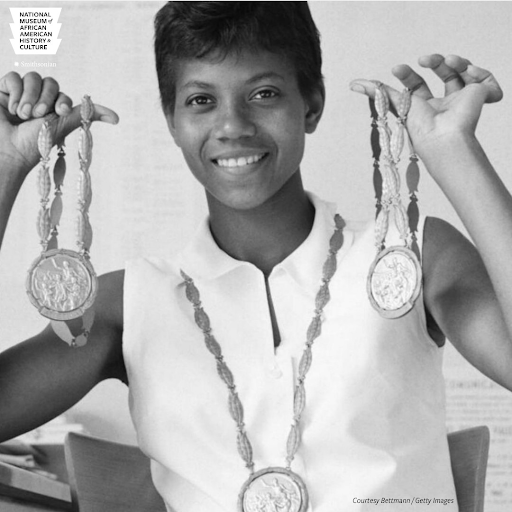
In this episode we run off to New York to get a post-Olympic sports fix! Writer and editor Sheila Enright who is both a former track and field runner and co-host of Dead Ladies NYC brings us the story of American gold medallist Wilma Rudolph.
Born into a family of 22 children in segregated Tennessee, Wilma Rudolph was diagnosed with polio at a young age and told she would never walk again. But her mother told her she would, and young Wilma decided not only would she walk, she would run! A skilled sprinter, she qualified for her first Olympics at the age of 16, bringing home a bronze medal as part of the relay team. She decided to go further, faster, and at the 1960 Olympics she set records and won 3 gold medals, being dubbed “The Fastest Woman on Earth.”
During and after her athletic career, Wilma Rudolph used her celebrity to further important causes, from desegregation to sports education for children.
In this episode, we take a jaunt to New York to find out about the talented and difficult Patricia Highsmith. You might know one of her most notorious characters, Tom Ripley, from your Netflix queue (the new series Ripley) or via one of the many films based on what might be Highsmith’s best-known novel, The Talented Mr. Ripley. Highsmith wrote several books that redefined the concept of the thriller, as well as one of the few stories to give a lesbian couple a happy ending.
That novel, The Price of Salt, was adapted into the 2015 film Carol, starring Cate Blanchett and Rooney Mara. It was inspired by one of Highsmith’s many obsessive relationships (or in this case, just an obsession) with women. Long a closeted lesbian, Highsmith was engaged to a man (as required by 1950s societal mores) yet aggressively seduced lady after lady.
She also wrote obsessively, was highly ambitious, and kept thousands of pages of diaries written in various languages to avoid spilling her secrets (they have been translated since her death in 1995). She was misanthropic and bigoted, and even her friends considered her unpleasant to be around, but her psychological thrillers have remained classics, partly for how they provide insight into the mind of the criminal.
The talk by writer and educator Hannah Meyer comes courtesy of our friends at Dead Ladies Show NYC. DLS co-founder Florian Duijsens was there for the event in NYC, and he joins producer/host Susan Stone to help introduce the episode.
Find Dead Ladies NYC on Instagram: @deadladiesnyc and follow Hannah Meyer @hannahrenee_m









 The Dead Ladies Show