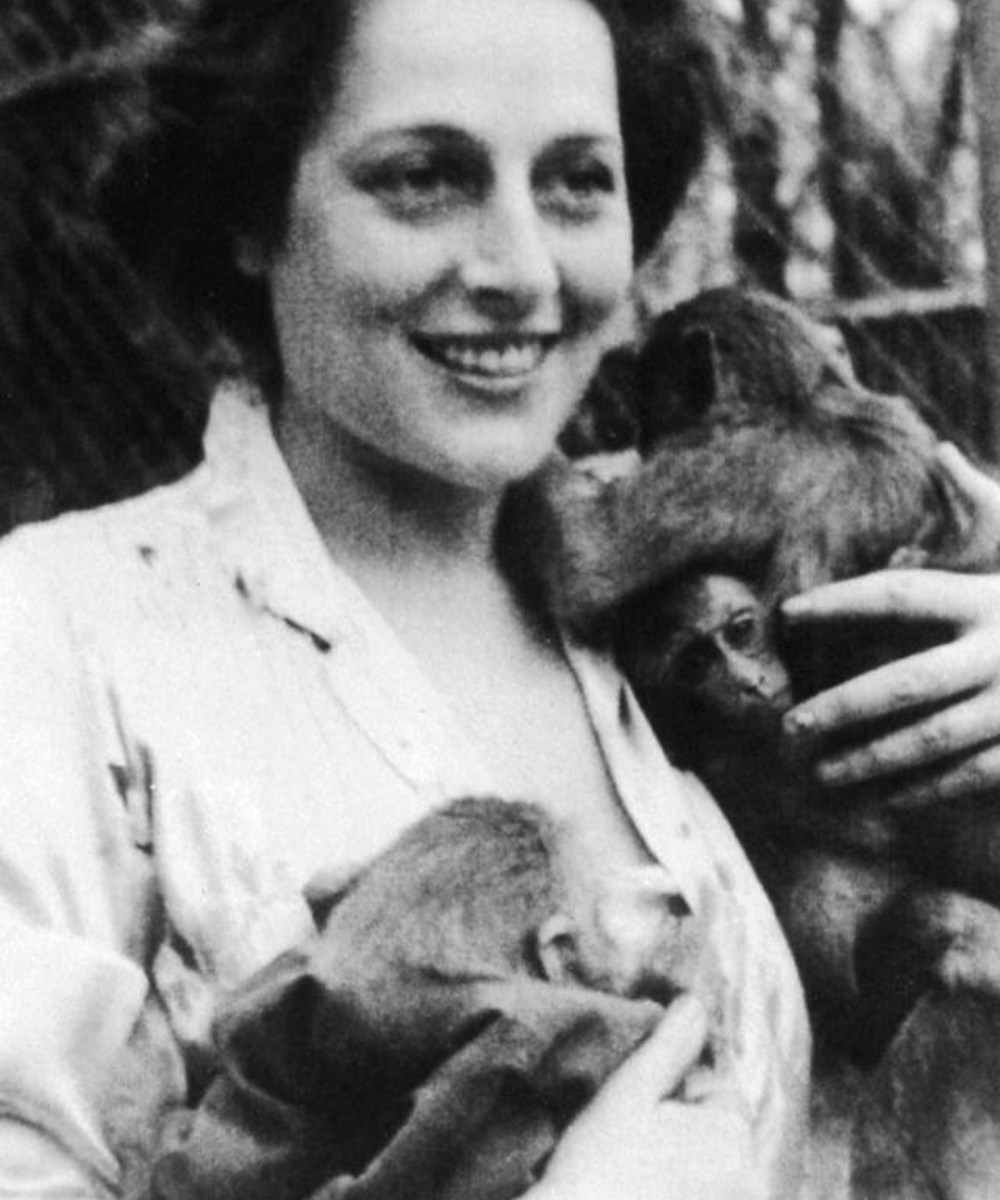
Episode 42 is all about the American writer and journalist Emily Hahn, also known as Mickey.
She qualified as a mining engineer, wrote greeting-card copy, travelled the world and authored 54 books and more than 200 articles and short stories. Aside from that, she led an unconventional private life and kept a number of different monkeys. Hear all about her from our co-founder Florian Duijsens, recorded at Berlin’s ACUD Studio in April 2019.
You can download the transcript, created by Rachel Pronger, here.
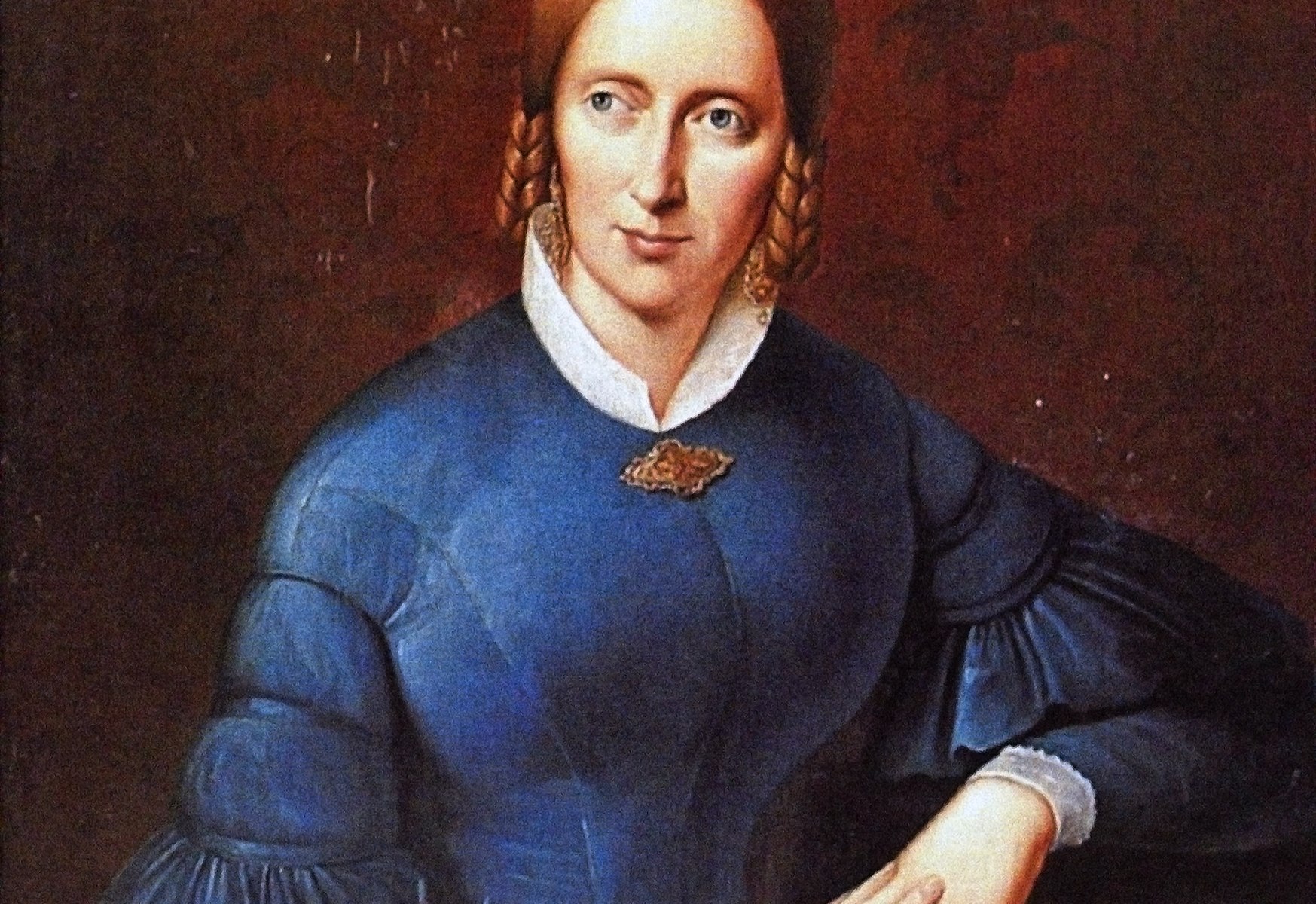
In this episode, Anneke Lubkowitz introduces us to the brilliant and strange 19th-century writer and poet Annette von Droste-Hülshoff. This Dead Lady was a Lady in the literal sense – she was born into nobility, and the life her family expected for her was far different from the one she led. Choosing the male occupation of poet, and the unladylike hobby of fossil collecting, nature devotee Annette could often be found wandering the muddy moors or writing away in a turret. Her ahead-of-her-time way with verse included timeless poems and a work of gothic fiction considered by some to be one of the first murder mysteries.
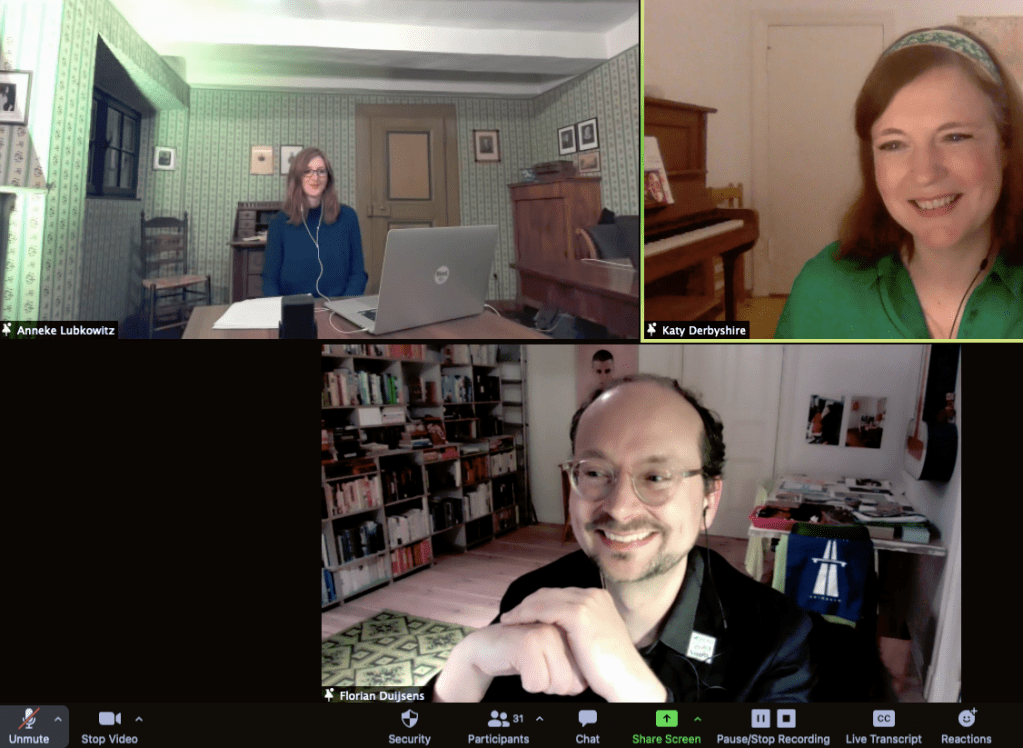
Via Zoom from the bright green rooms of Annette von Droste-Hülshoff’s former home Haus Ruschhaus, Anneke also reads some newly translated poems from Droste’s collections (thanks to the translators: Shane Anderson, Daniel Falb, Monika Rinck, and Annie Rutherford!).
Anneke live from Annette’s study, Katy and Florian smiling from their homes in Berlin
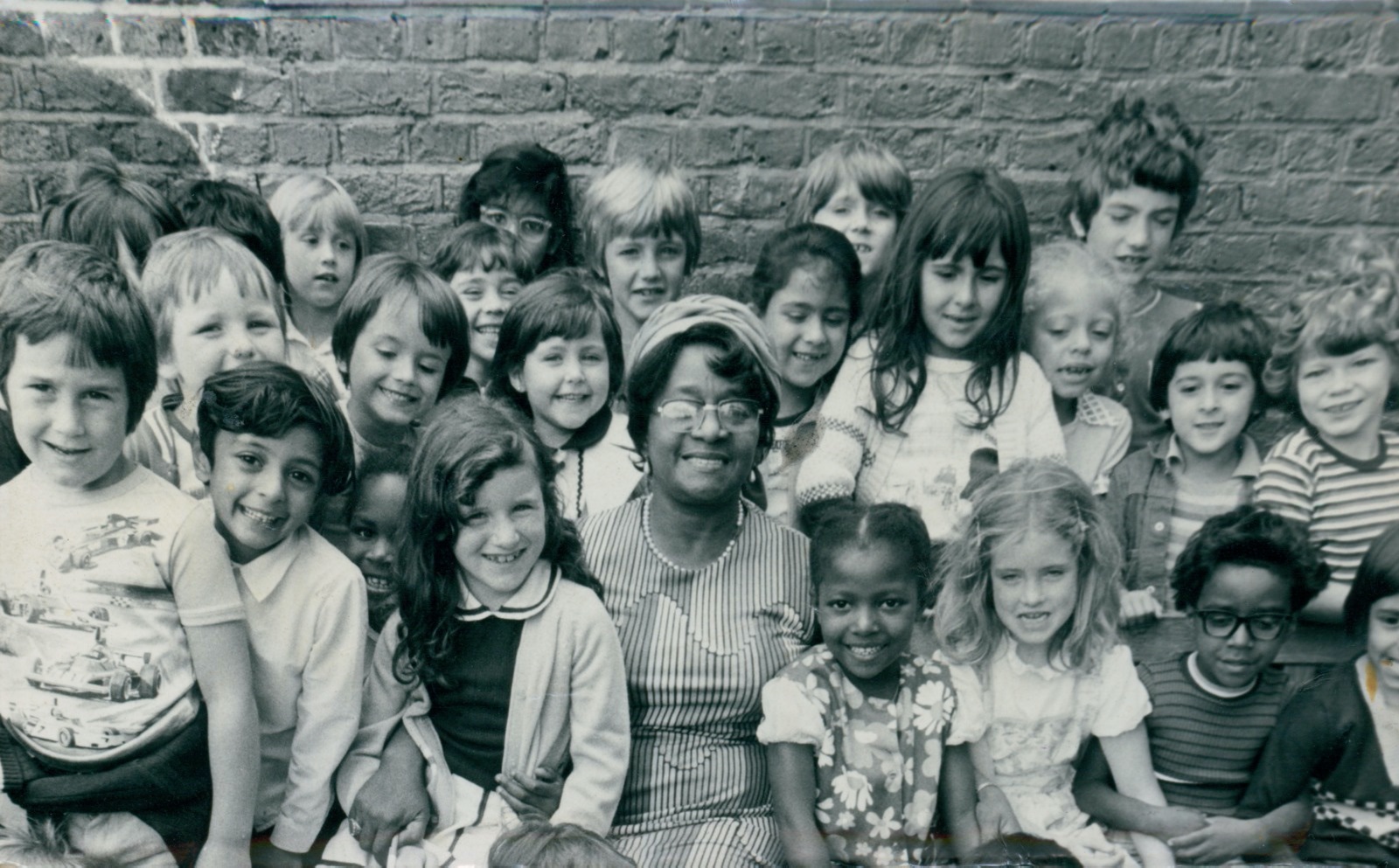
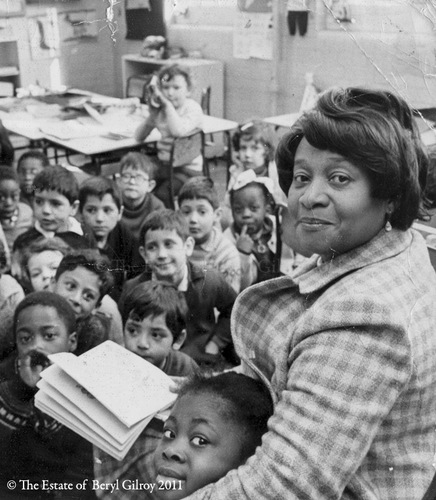
The star of our 40th (!) episode is author, educator, and therapist Beryl Gilroy. Born in what was then British Guiana, she trained as a teacher before migrating to London in 1952 as part of the Windrush generation and worked all manner of jobs until becoming one of the very first Black head teachers in the UK. Her groundbreaking debut, Black Teacher (1976), documented her journey up to that point, and she’d keep publishing until her death in 2001. Telling her story is Berlin-based author Divya Ghelani.
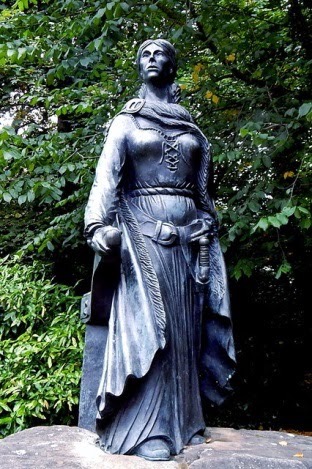
Episode 39 introduces Gráinne Mhaol, also known as Grace O’Malley, the legendary Irish pirate queen.
Translator Laura Radosh presents the rollicking tale of this tremendous woman, who has been lauded as “a most famous femynyne sea captain,” and “the dark lady of Doona.” Gráinne Mhaol was head of the O’Malley dynasty in 16th-century Ireland, owning up to 1000 cattle and horses, leading men on land and sea, and allegedly wreaking cruel vengeance for the murder of a lover. When her sons and half-brother were captured by the English, she is said to have met with Queen Elizabeth I and negotiated their release in Latin.
Enjoy!
You can also find a transcript of this episode, by Annie Musgrove, here.
In Episode 38, we hear the sweet, sweet music of Sister Rosetta Tharpe, known as the godmother of rock’n’roll.
DLS co-founder Florian Duijsens brings us the tale of this legendary guitarist and gospel singer who had a profound influence on musicians like Little Richard, Johnny Cash, Elvis Presley, and Aretha Franklin. She took to the stage at the age of four, and never really left it. Sister Rosetta Tharpe made the first gospel record to hit the charts, played with Cab Calloway at the Cotton Club, attracted 25,000 paying customers to her third wedding, got in trouble with gospel purists and recorded a live album in Paris in 1964.
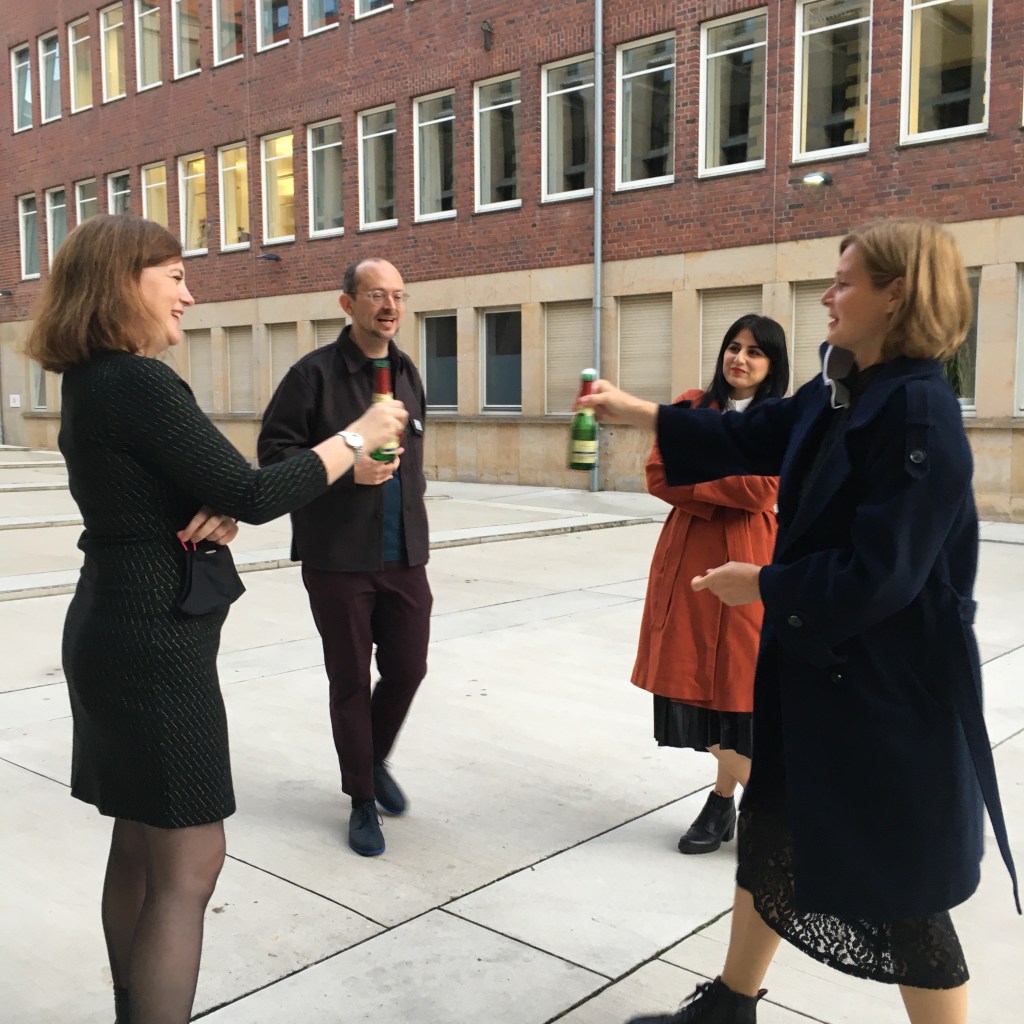
To start off the episode, Susan and Katy toast to the end of a strange year with the Dead Ladies Show signature tipple, affordable German bubbly Rotkäppchen (Red Riding Hood) and give thanks for the support we’ve had, and that yet to come.
The presentation in this episode was recorded live with help from Brigitte Hamar at the Studiobühne der Universität Münster where we were invited by the Burg Hülshoff Center for Literature. Other talks from this event in German can be found in the Center’s Mediathek: https://www.burg-huelshoff.de/en/medien/mediathek/dead-ladies-show Thanks also to Fiona, Kati, Tobias, Feline and Jörg for inviting and assisting us. Here we are with our co-presenters Karosh Taha and Bernadette Hengst.
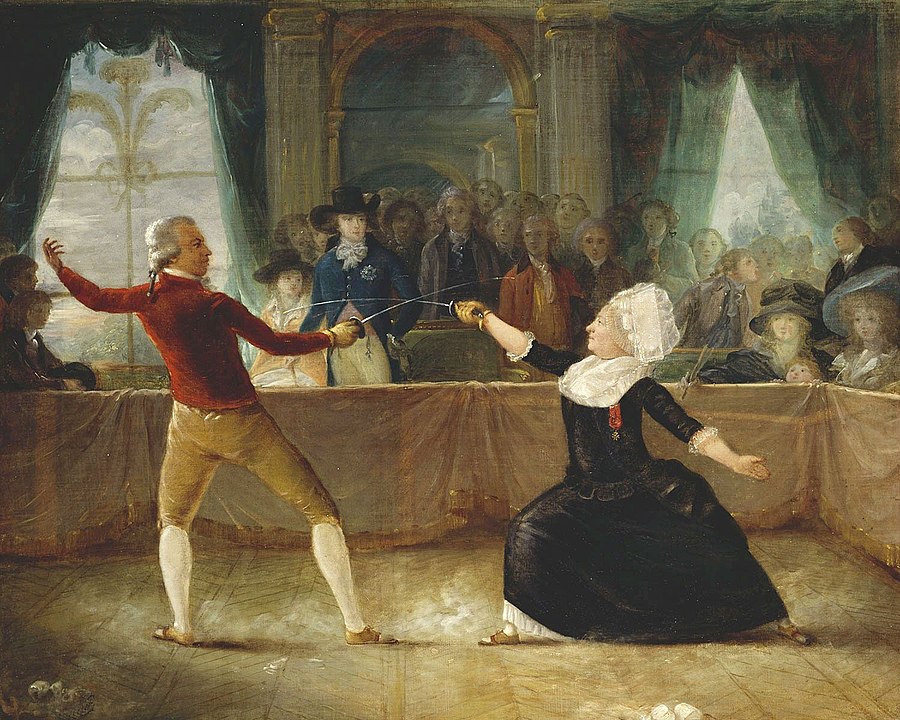
Our 37th podcast episode celebrates a legendary spy, writer, and fencer whose very existence caused such a public uproar that it caused a grumpy British judge to outlaw all betting on a person’s gender. Although her story has been told many, many times before, most versions either invent her life story entirely or do not honor her own identity. Though she wanted to be recognized as the woman she was, that didn’t mean she was happy with society’s expectations of what a woman could or should wear, look like, or be around the time of the French Revolution. Mary Wollstonecraft was a fan, ranking her among the likes of Sappho and the Empress of Russia, and we think you’ll enjoy her story too.
Dead Ladies Show co-founder Florian Duijsens joins podcast host/producer Susan Stone to discuss our first episode about a woman we would now probably call a trans woman. Note that she is best known in the literature and all around the internet as the Chevalier d’Eon, Chevalière d’Eon is probably the more grammatically correct title 🙂 We also discuss the Dead Ladies Show’s famous three rules, and talk about about another unruly rulebreaker, Anne Lister.
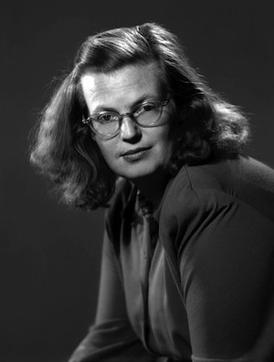
Our 36th podcast episode brings you a glimpse of the acclaimed author of some of the most chilling tales in contemporary American literature, Shirley Jackson. Her short story “The Lottery” has been a true classic since its publication in 1948. Jackson blended gothic and horror elements with explorations of women’s alienation and search for identity. In her real life, she was forced to balance her tremendous talent with the everyday duties of a wife and mother and societal expectations of femininity which she defied at almost every step. Our presentation from Krista Ahlberg comes courtesy of Dead Ladies Show NYC, and was recorded live by Christopher Neil in the Red Room at New York’s KGB Bar in 2019.
Dead Ladies Show co-founder Florian Duijsens joins podcast host/producer Susan Stone to discuss some of Shirley’s stories and the films and series in the extended Shirley Jackson universe.
We’re back with Episode 35! In this program, we’re coming to you live, limited, and socially distant from the courtyard of our beloved Berlin venue ACUD!
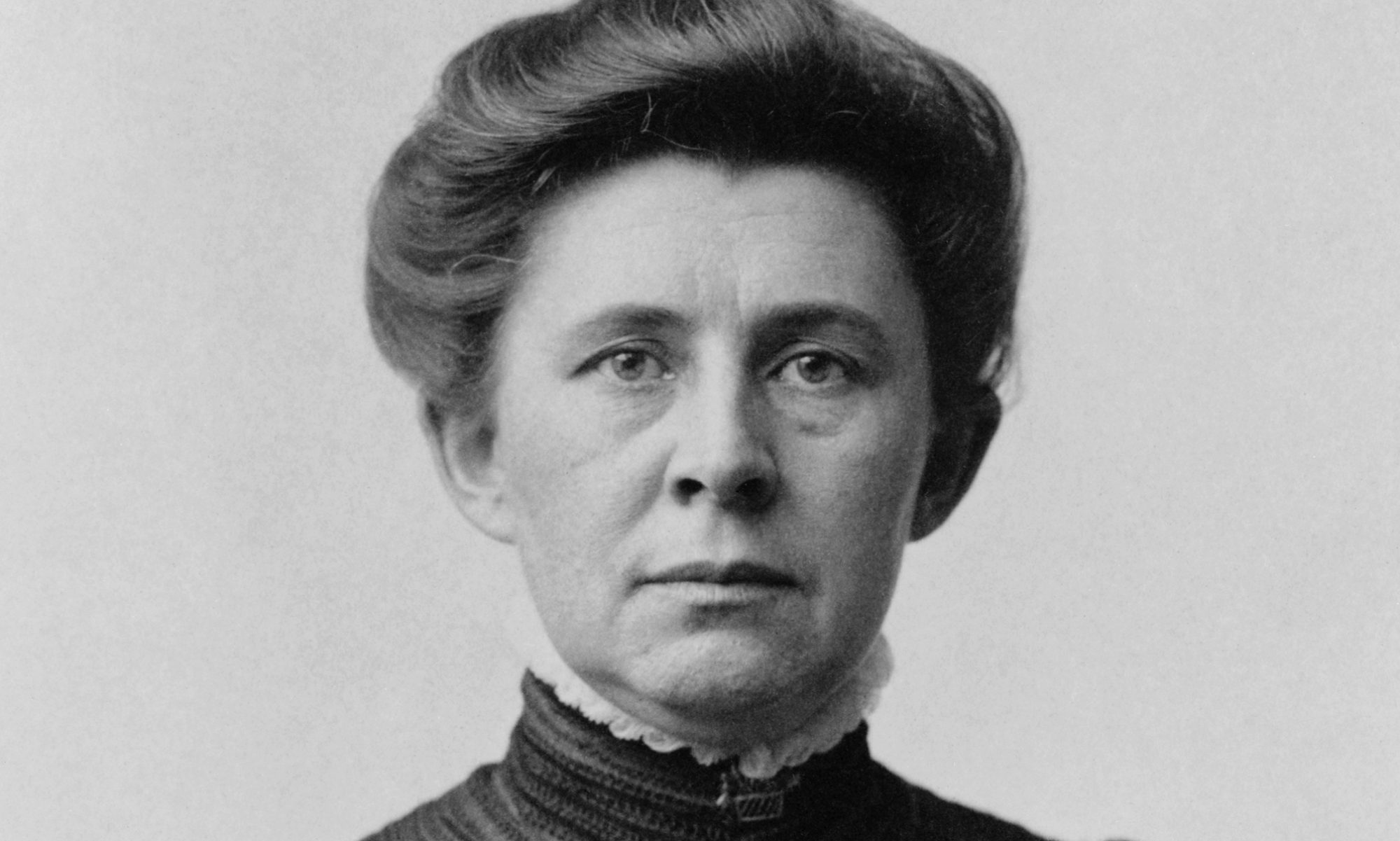
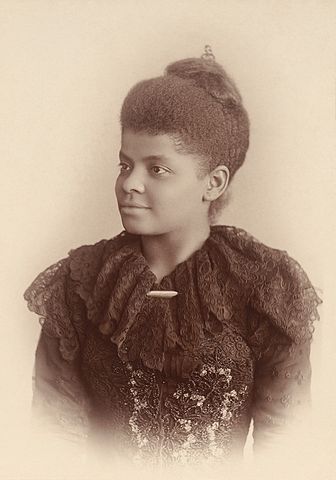
On this sultry September evening, DLS Podcast producer and host Susan Stone took the stage to present the life and times of the unstoppable Ida B. Wells! This pioneering African-American investigative journalist, suffragist and activist was a pint-sized powerhouse. Born into slavery in Mississippi in 1862, Ida’s world opened up with the Emancipation Proclamation, and she became a teacher, newspaper editor, and international lecturer, fighting injustice and racism all the way. Her hold-nothing-back editorials and books exposed and documented the horrific practice of lynching in the American South. On her steely path to justice, she accepted no compromises, making friends and enemies along the way.
DLS co-founders Katy Derbyshire and Florian Duijsens take up the introductions as we get back into the podcast swing of things after a summer break.
It’s been, as they say, a minute since you’ve last heard from us. And it’s been very strange not to be up there on stage at ACUD every two months. We miss you! I know we’ve been in contact through the podcast, and through our Patreon book club, but however much we cherish our listeners from afar, and we do, there’s really something special about sharing these lives (and awesome guest presenters!) with a real-life Berlin audience.
So with the current restrictions in place, and a slight change of scenery, we’re doing our 26th show at ACUD on September 14. It’ll be a very intimate one, just 20 people in ACUD’s open-air courtyard, and all those tickets have been sold to lovely folks on our mailing list.
For our final show of this season, we’re excited to present two more outstanding Berlin writers who share stories of awe-inspiring women who’ve fascinated them and influenced their work. Show numéro 26 brings you three women who went against the grain: a journalist, an artist, and a teacher/writer. Presented by writer DIVYA GHELANI, DILEK GÜNGÖR, and your beloved podcast producer SUSAN STONE. All held together by your perennial perma-hosts KATY DERBYSHIRE and FLORIAN DUIJSENS.
Investigative journalist, newspaper editor, educator, suffragist and early civil-rights leader IDA B. WELLS was the most famous Black woman in the United States during her lifetime. Her intrepid reporting on lynching in the Deep South and her powerful editorials taking on discrimination and violent treatment were read widely at home and abroad, and she was dubbed “The Princess of the Press.” Ida journeyed twice to Britain on speaking tours and ran (unsuccessfully) for the Illinois State Senate in 1930, all the while utilizing boycotts and lawsuits to further her cause, which made her for a time unpopular with some more conservative activists. However, she did find love with one of her fellow rights fighters, and after their marriage, he put his career on the back burner to cook dinner most nights and also care for the kids while she traveled.
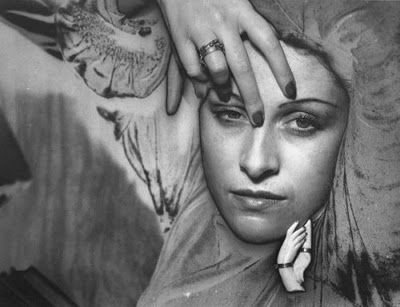
DORA MAAR’s work as an artist spans from collage to street photography, from abstract landscape paintings to eerie photograms. It also spans almost the entire 20th century, and it certainly surpasses her relationship with a certain dickish cubist (ok, Picasso). Though her work with him was fundamental to masterpieces like Guernica, for which Maar provided key photographic documentation, she was more than just his “muse.” One of the few publicly acknowledged women surrealists, she entered into the relationship with skills to teach him. Having traveled all over the world in the first part of her life, she would spend the second half largely secluded in the countryside, and only after her death was the full spectrum and force of her work from all those many decades revealed.
Having grown up and trained to be a teacher in Guyana, BERYL GILROY arrived in the UK in the early 1950s as part of the so-called “Windrush generation.” Homeschooling her two kids (one of whom would grow up to be great historian Paul Gilroy, coiner of the “Black Atlantic”) and working as a maid, factory worker, and slush-pile reader before she’d be able to work as a teacher, she ultimately become the first Black headteacher in London! She crystallized that experience in Black Teacher, a radical memoir that has shamefully fallen out of print. She would publish nine more novels, plus poems, essays, and a series of children’s books reflecting the Black British experience. If that weren’t enough, she also trained as a ethno-psychotherapist, and her literary work certainly reflects that sharply trained eye.
The seventeenth edition of DLS NYC is upon us! Tuesday, July 21, from 7–8:15 pm on Zoom. This month, please join EMILY KNAPP and ELIZA ROCKEFELLER to learn about a visionary artist and teacher and the revolutionaryMayor of Christopher Street. Presented, respectively, by an art historian-slash-curator and a student of government and philosophy.
Free admission, and an ~*important note!*~ If you can, you’re welcome and encouraged to donate what you would have paid for a drink or two to the KGB Bar/Red Room, which has been hit hard financially by the pandemic. They are distributing 30% of all donations directly to employees. Donate here:Literary Landmark KGB Bar NYC Aid
We also ask that you consider donating to the following organization:G.L.I.T.S. Inc, a nonprofit led by trans women of color that works to address “the health and rights crises faced by transgender sex workers.”
LOÏS MAILOU JONES(1905–1998) was a visionary artist and teacher who spent much of her 70-year career as an ardent advocate for African-American art. She established the art department at Palmer Memorial Institute and later became a professor at Howard University, where she mentored generations of African-American artists until her retirement in 1977. Her profound range spanned mediums and continents, from her early work designing textiles in New York to her captivating paintings of Paris and Port-au-Prince, not to mention her work as a U.S. cultural ambassador to numerous African countries in the 1970s.
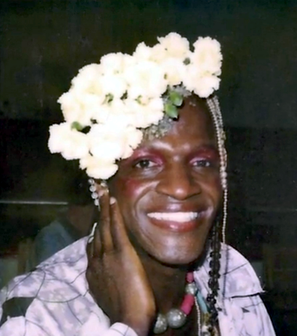
MARSHA P. JOHNSON (1945-1992), also known as the “Mayor of Christopher Street”, was an activist, drag queen, performer, and sex worker. Credited as one of the initiators of the Stonewall uprising of 1969, co-founder of the radical activist group Street Transvestite Action Revolutionaries, and an AIDS activist with ACT UP, she was one of the most prominent figures in the fight for queer liberation.
About your presenters:
INDIRA A. ABISKAROONis an art historian based in New York City. She is currently on leave from her role as Curatorial Assistant, Collections at the Solomon R. Guggenheim Museum.
ALMA BRADLEYis a Senior at Hamilton College concentrating in Government and Philosophy. She is spending her summer conducting research on alt-right protest movements and experimenting with fermentation in her spare time.


 The Dead Ladies Show