We’re deep into spooky season—get ready to get even deeper (by approximately six feet) into the world of dead ladies!
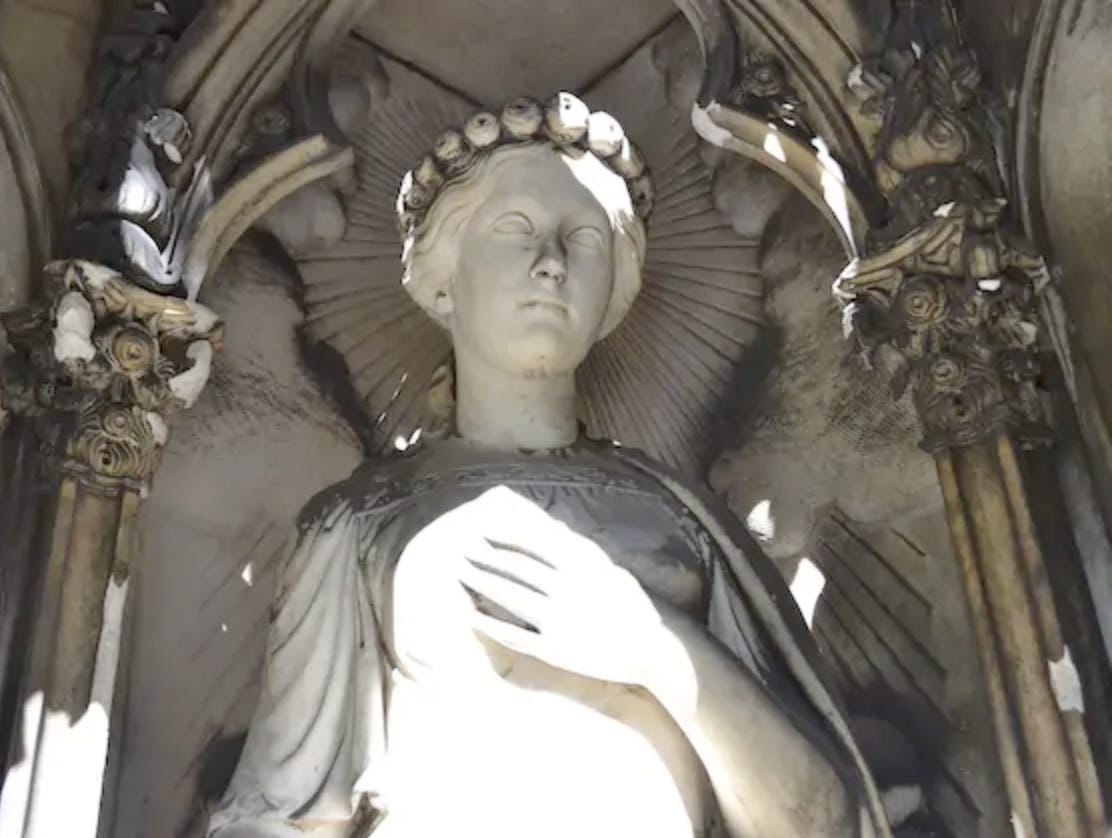
Detail of Charlotte Canda’s Mausoleum. Photo via Green-Wood.com.
The illustrious J.R. Pepper, a recurrent presenter at DLS NYC, is leading a DEAD LADIES-THEMED CEMETERY TOUR. And you should all come.
Presented by Green-Wood Cemetery, the tour (“Fame, Fortune, and The Forgotten: The Untold Stories of Victorian Women”) will include stops at the graves of Charlotte Canda, Lola Montez, and Anna Leah Fox, among others.
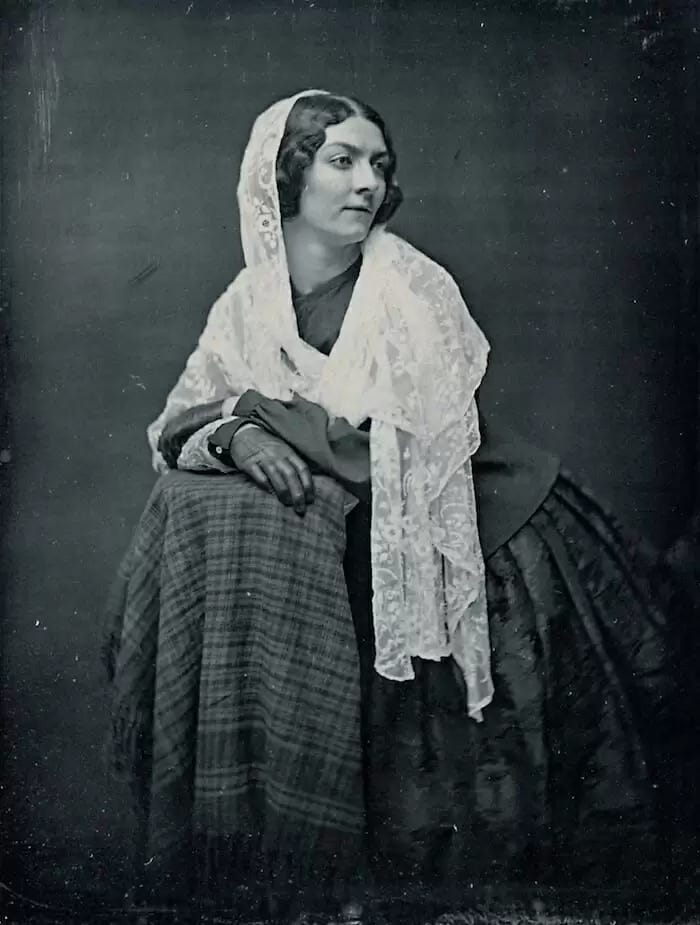
Lola Montez, not yet a Dead Lady. Photo via Green-Wood.com.
It will take place 3–5pm (spoooooky golden hour!) on October 27 at Green-Wood.
We’re delighted to invite you to our third appearance at PodFest Berlin as we celebrate a first and a last for some notable Dead Ladies!
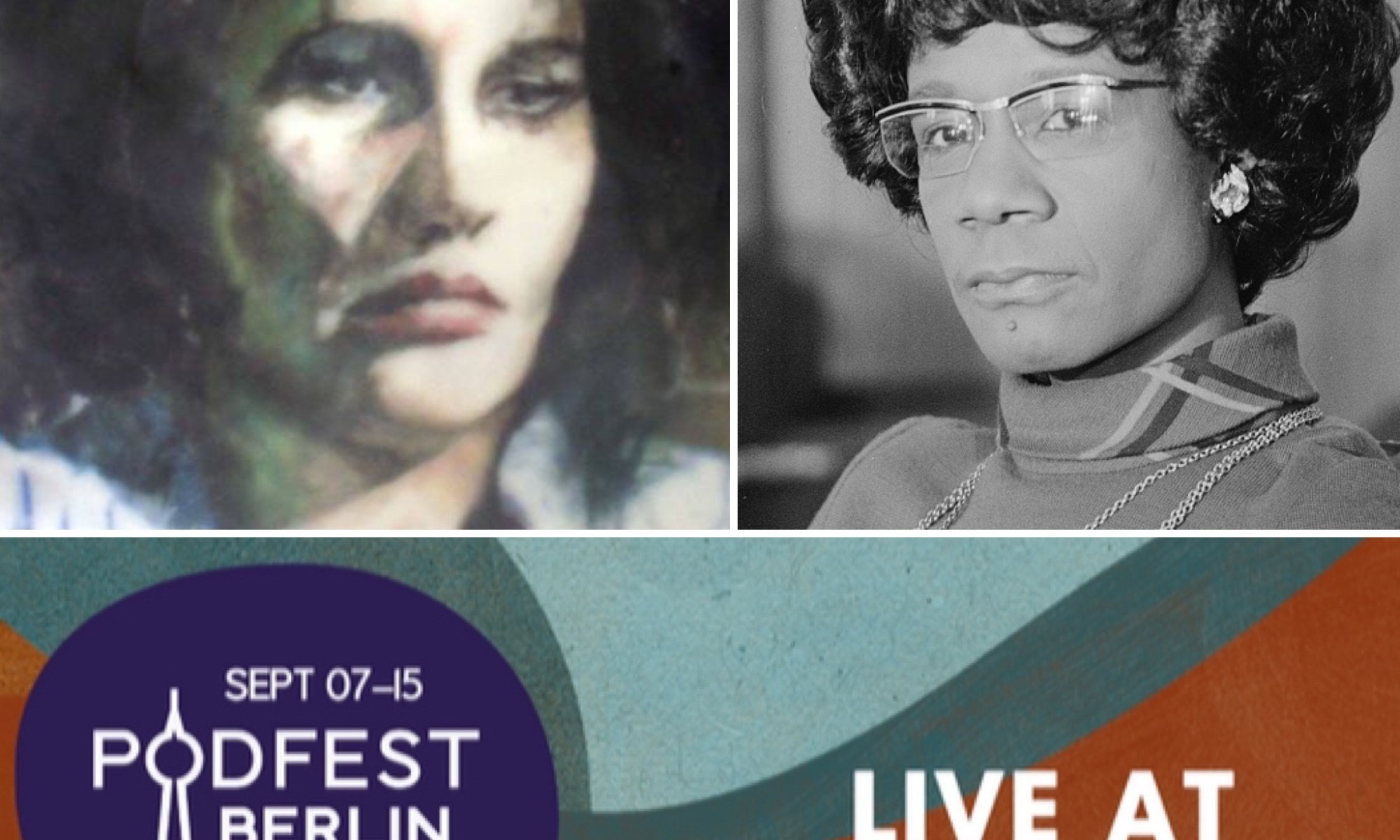
Florian, Katy, and Susan will be presenting a mini-Dead Ladies Show at the podcast festival on Saturday, September 14th starting at 4pm (doors open 3:30pm) at House of Colour (HOCO), Gneisenaustrasse 66–67, Aufgang E, 1st Floor, 10961 Berlin.
Susan will tell the timely tale of the first Black woman to run for the American presidency, and Katy will reprise the story of the last woman to be legally executed after being accused of witchcraft in Switzerland (auf Deutsch, this time). See below for more information on the two ladies in question, who will, as always, be presented in a messy mixture of English and German.
Tickets are €11.83 (including booking fees), or you can purchase day passes and event passes from PodFest Berlin that include the many exciting things going on between September 7–15, including workshops, panels, seminars, and other events! Please book in advance here.
See you soon!
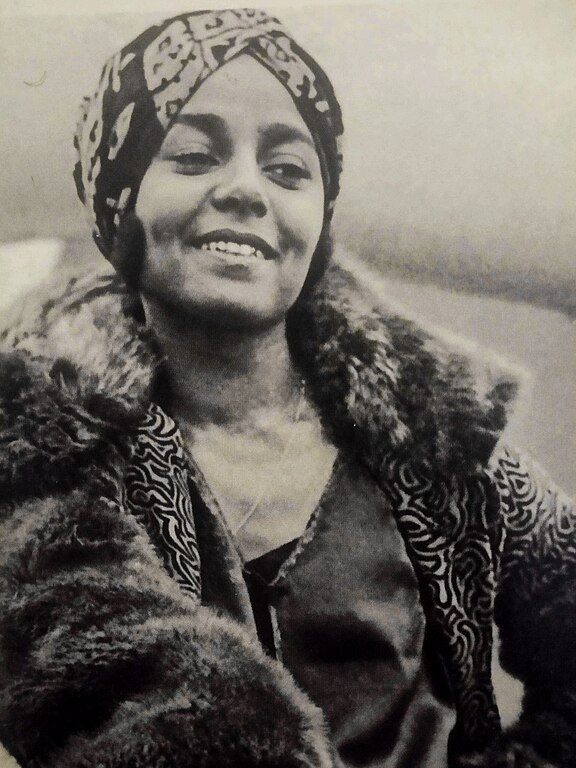
SHIRLEY CHISHOLM was the first Black woman elected to the United States Congress, in 1968. Four years later, she was the first Black person and the first woman to run for the Democratic Party’s presidential nomination. Once in Congress, she worked to get surplus food into the hands of those who needed it most and tried to implement federal funding for childcare. She did succeed in giving domestic workers the right to minimum wage, and she pointed out to the women’s movement that women of color faced multiple forms of discrimination. After her death in 2005, her vault in Buffalo was inscribed with her legendary campaign slogan: “Unbought and unbossed”.
ANNA GÖLDI was the last woman to be legally executed after being accused of witchcraft in Switzerland, in 1782 – that’s just seven years before the French Revolution. From a poor family, she worked as a maid in various households. In 1781 she was looking after a young girl who allegedly began spitting up needles. Her wealthy employers accused her of witchcraft, and she was tortured until she admitted being in league with the devil. She was sentenced to death by decapitation for poisoning, even though the girl had not died. Not until 2007 was her case acknowledged as a miscarriage of justice.
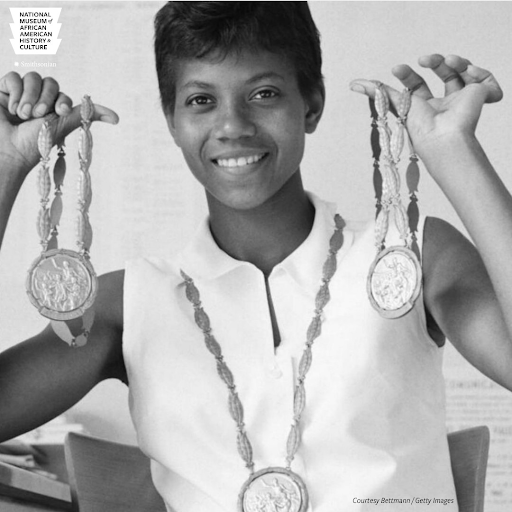
In this episode we run off to New York to get a post-Olympic sports fix! Writer and editor Sheila Enright who is both a former track and field runner and co-host of Dead Ladies NYC brings us the story of American gold medallist Wilma Rudolph.
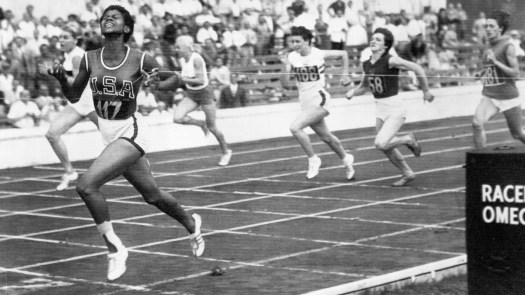
Born into a family of 22 children in segregated Tennessee, Wilma Rudolph was diagnosed with polio at a young age and told she would never walk again. But her mother told her she would, and young Wilma decided not only would she walk, she would run! A skilled sprinter, she qualified for her first Olympics at the age of 16, bringing home a bronze medal as part of the relay team. She decided to go further, faster, and at the 1960 Olympics she set records and won 3 gold medals, being dubbed “The Fastest Woman on Earth.”
During and after her athletic career, Wilma Rudolph used her celebrity to further important causes, from desegregation to sports education for children.
At our 30th (!) show, we’ll be regaled with the stories of an anti-fascist philosopher, a Hollywood It Girl, and a groundbreaking comedian.
Brought to you by a writer-editor who is also YOUR VERY OWN BARTENDER whaaaat; a stand-up comedian; and a sit-down humorist. Emceed by the co-hosts you have come to know and love. It’s going to be a real banger!
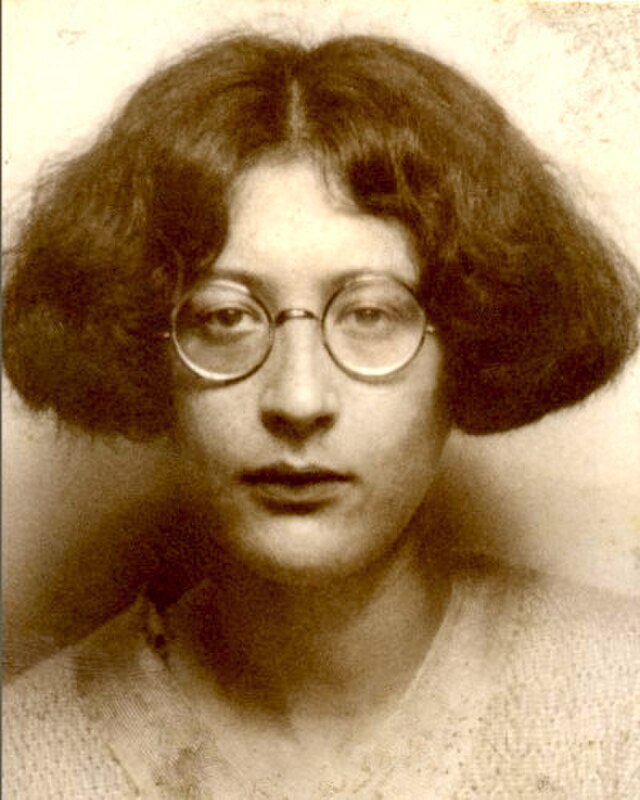
SIMONE WEIL (1909–1943) (pronounced Vay) was a French philosopher, Christian mystic and anti-fascist. After studying philosophy, Weil divided her life between teaching, manual labor on farms and in automobile factories, and traveling Europe. In the 1930s she fought briefly in the Spanish Civil War and had her first mystical experience at the Shrine of St. Francis of Assisi. During World War II she worked for Charles de Gaulle’s Free France. Despite publishing little during her lifetime, her work was discovered and championed by figures like T.S. Eliot and Albert Camus. Her work continues to attract academic interest while her life is inspirational to Christians, leftists and others.
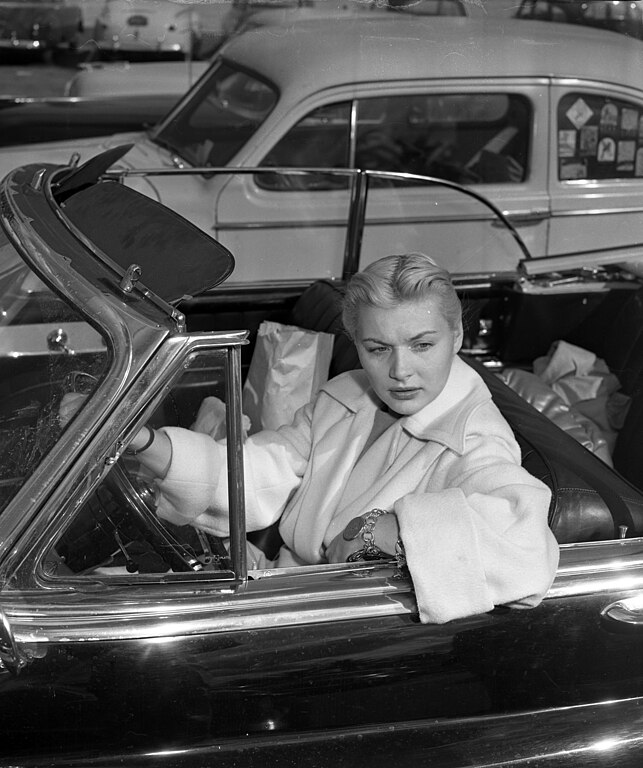
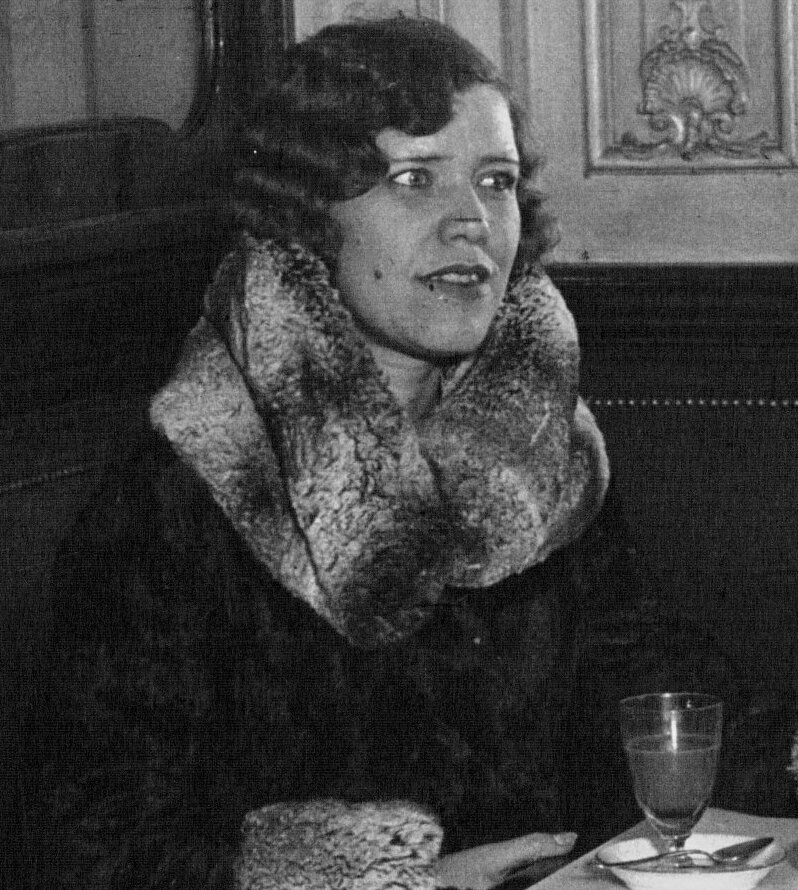
BARBARA PAYTON (1927–1967) was a Hollywood actress known not only for her films but for her social life and her struggles with alcoholism and drugs. She was briefly known as a Hollywood “It Girl”—gossip columnists dubbed her “Queen of Nightclubs.” The film Kiss Tomorrow Goodbye was the high point in Payton’s career. Barbara’s autobiography I Am Not Ashamed details her spiral from being the next famous Hollywood actress to a sex worker on Sunset Boulevard.
PHYLLIS DILLER (1917–2012) was the first female comedian to make it big in the United States. Before Joan Rivers, there was Phyllis, a housewife and mother of 6 children. She didn’t step on a stage until the age of 37. In order to be taken seriously, Diller wore her hair in a crazy style and dressed clownishly to downplay her attractiveness. With zero female role models to look up to, she cobbled together her own comedy style, which led her to gigs on The Tonight Show and a long, storied career. The original Mrs. Maisel, Diller was a groundbreaking performer, who once said, “A smile is a curve that sets everything straight.”
CARRIGAN MILLER is a writer and editor of the KGB Literary Magazine. He is your bartender.
OLIVIA VON BLUE is a stand-up comedian & actress born and raised in Manhattan. She performs all around NYC at venues such as Union Hall, The Slipper Room & Club Cumming. Olivia will perform her solo show “Olivia Von Blue is a Star” September 12th at Union Hall.
JOHANNA GOHMANN is an essayist, humorist, and children’s book writer. A two-time Moth winner, she has written for The New Yorker, McSweeney’s, The Cut, and The Wall Street Journal.
In this episode of our podcast, DLS co-founder Katy Derbyshire brings us the story of Therese Giehse, a German actor, pacifist and exile known for founding an anti-Nazi cabaret (which, really, we could all get behind these days). Therese had artistic and other adventures with her lover Erika Mann (daughter of Thomas Mann), was photographed by Annemarie Schwarzenbach, and embodied several of Bertolt Brecht’s best-known characters on stage. She also acted in movies with Vivien Leigh and previous DLS star Romy Schneider.
Born in Munich in 1898, she went against her liberal Jewish family’s expectations to train as an actor, cast as older characters even as a young woman. The Pfeffermühle cabaret started up in 1933, swiftly moving to Zürich to escape the Nazis. With Erika and Klaus Mann, Giehse toured the political show around Europe, never mentioning any names but using parables and storytelling to rip the piss out of Hitler and his henchmen.
Therese returned to Zürich in 1937, where she joined the outstanding cast at the Schauspielhaus theatre, many of them also emigrants like her. During the war, she performed in the premiere staging of Brecht’s anti-war play Mother Courage, defining the title role in what some directors have called the greatest play of the 20th century.
She went on working with Brecht and other key playwrights and directors after 1945, in Munich, Zürich and East Berlin. Therese Giehse maintained her pacifist stance throughout her life, criticizing the Vietnam War at public events. She died in 1975 and is buried with her sister in Zürich.
Our 29th show features three ladies who made their marks on the world in dramatically different ways. Join us as we learn about a mystic memoirist, a trailblazing crime boss, and enigmatic icon of the silver screen.
By the time she was 20 years old, crime boss STEPHANIE ST. CLAIR (1897–1969) was well on her way to infamy in early 20th-century Harlem. Known as Queen of the Policy Rackets, she ran a lucrative gambling network and resisted control both by the Mafia and by corrupt police. After retiring from racketeering, St. Clair became a political activist, championing the rights of the Black community until her death in 1969.
MARIA RASPUTIN (1898–1977), daughter of the Russian mystic Gregory Rasputin, lived many lives in the twentieth century. Born in rural Siberia, she stayed with the four grand duchesses in the Alexander Palace until the Revolution forced her into exile. Following brief stints as a cabaret dancer and con artist, she became a lion tamer for circuses across Europe and America, claiming to control beasts with her “Rasputin gaze”. A bear mauling ended her circus career in 1935, and she moved to Los Angeles, worked as a riveter, and wrote three memoirs about her childhood with her beloved father.
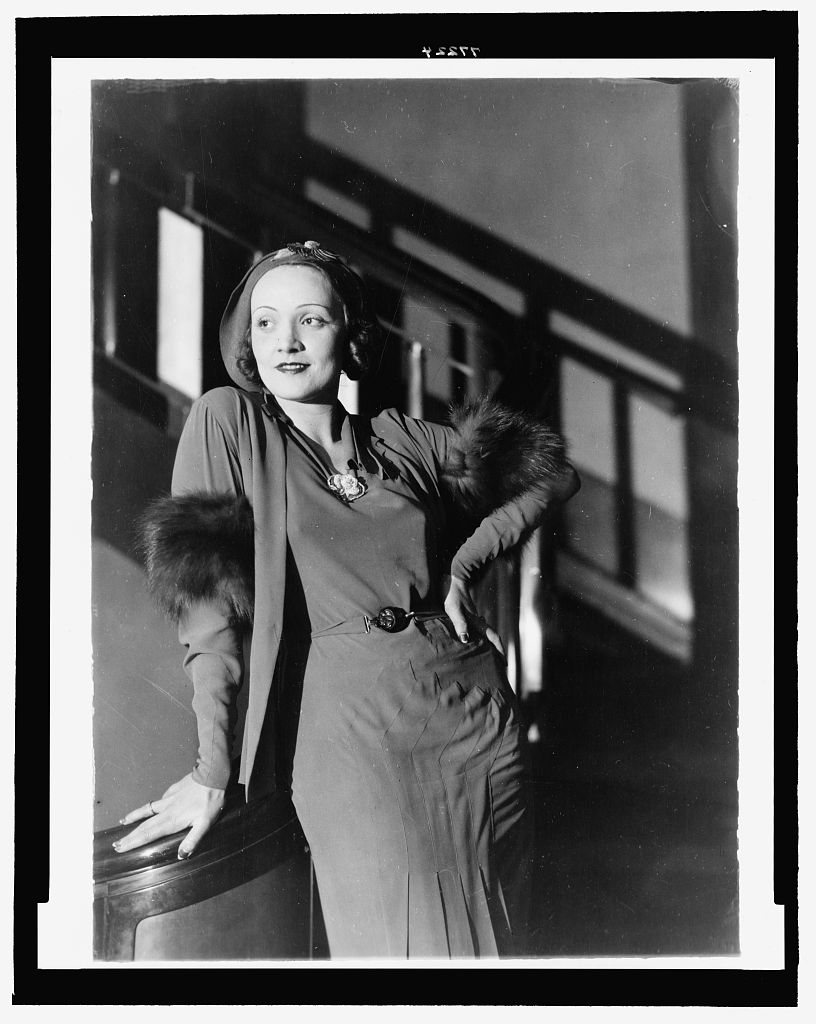
MARLENE DIETRICH (1901–1992) was a star of stage and screen who left an immediate impression over audiences worldwide. Noted for her sultry eyes, smokey voice, glamourous fashion sense and often gender defying performances, she remains one of the most famous and fabulous stars in Hollywood history. Not only was she an androgynous sex symbol -he was also a symbol of defiance during World War II. An active supporter of the Allied cause, she performed at numerous USO shows and earned the US Medal Freedom. To this day she remains an ageless style icon, inspiring numerous performers, and exhibitions immortalizing her for generations to come.
Your Presenters:
MOLLY O’LAUGHLIN KEMPER is a writer in New York. You may have read her work in Greener Pastures or Mutha Magazine, or you may have heard her read it aloud from the depths of a walk-in closet on the Everything Good podcast. You may also know her as the co-host of the Dead Ladies Show NYC.
DAISY LONG is a lighting designer and amateur equestrian based in New York City.
JR PEPPER is a photographer, adjunct professor, lecturer, retoucher, photo researcher, cemetery tour-guide and self described ‘professional eccentric.” A New York local, she is known for her spirit photography and knowledge of graves, ghosts and guinea pigs.
In this episode, DLS co-founder Florian Duijsens introduces us to Dame Miriam Rothschild, a British zoologist, entomologist, and botanist. Coming from a wealthy family (yes, those Rothschilds) with an active interest in nature, she started collecting ladybirds and caterpillars and taking a tame quail to bed with her at the age of four. During a stint of WWII codebreaking at Bletchley Park, she pressured the British government to take in more Jewish refugees, providing housing for 49 children in her own (stately) home. She then became a leading authority on fleas, with sidelines in other parasites, butterflies, and meadow restoration.
DLS co-host Katy Derbyshire joins producer Susan Stone to kick off the fun.
If you are in New York, you can see a Dead Ladies Show July 17 and September 25 at the KGB Bar’s Red Room. Find out more from them on Instagram @deadladiesnyc or join up for their newsletter if you like here.
Don’t forget we have a Patreon! This month, Florian is there telling Susan all about another Rothschild — Pannonica, Miriam’s sister, who was named for a moth, and known as the Jazz Baroness for her patronage of and friendships with musical greats including Charlie Parker and Thelonious Monk. You can join up for as little as $2 or 2 euros a month and enjoy our full archive of special features, and our eternal gratitude. Here’s the link!
We’d also be grateful if you follow us on social media @deadladiesshow where we share pictures and info about all of the wonderful Dead Ladies we’ve covered so far. You can also drop us a line via info@deadladiesshow.com
In this episode, we take a jaunt to New York to find out about the talented and difficult Patricia Highsmith. You might know one of her most notorious characters, Tom Ripley, from your Netflix queue (the new series Ripley) or via one of the many films based on what might be Highsmith’s best-known novel, The Talented Mr. Ripley. Highsmith wrote several books that redefined the concept of the thriller, as well as one of the few stories to give a lesbian couple a happy ending.
That novel, The Price of Salt, was adapted into the 2015 film Carol, starring Cate Blanchett and Rooney Mara. It was inspired by one of Highsmith’s many obsessive relationships (or in this case, just an obsession) with women. Long a closeted lesbian, Highsmith was engaged to a man (as required by 1950s societal mores) yet aggressively seduced lady after lady.
She also wrote obsessively, was highly ambitious, and kept thousands of pages of diaries written in various languages to avoid spilling her secrets (they have been translated since her death in 1995). She was misanthropic and bigoted, and even her friends considered her unpleasant to be around, but her psychological thrillers have remained classics, partly for how they provide insight into the mind of the criminal.
The talk by writer and educator Hannah Meyer comes courtesy of our friends at Dead Ladies Show NYC. DLS co-founder Florian Duijsens was there for the event in NYC, and he joins producer/host Susan Stone to help introduce the episode.
Find Dead Ladies NYC on Instagram: @deadladiesnyc and follow Hannah Meyer @hannahrenee_m
Our 28th show features three ladies who their marks on the world in dramatically different ways. Join us as we learn about a writer known for her problematic romanticization of the Deep South; a celebrated child actor turned savvy diplomat; and a runner who overcame polio and discrimination to become the fastest in the world.
MARGARET MITCHELL (1900–1949) was an equestrian, debutante, newspaper reporter and novelist, best known as the author of the Pulitzer-Prize winning novel Gone With the Wind. Born in Atlanta, Mitchell’s creativity was apparent from a young age. She wrote one of her first stories at age nine and held dramatized readings of popular novels in her parents’ sitting room until she was lectured on the dangers of copyright infringement. The author of one of the most enduring and controversial depictions of the American South, Mitchell led a sensational, tumultuous life that was not unlike that of her heroine, Scarlett. A bold, larger-than-life figure, Mitchell was no stranger to scandal and accurately predicted her own cause of death.
SHIRLEY TEMPLE BLACK (1928–2014) was an American actress, singer, and dancer, who later became a long-serving United States diplomat. Beginning her career at only 3 years old and catapulting to fame in 1934, Temple Black became Hollywood’s #1 box-office attraction during the Great Depression. While she continued acting into the 40s and 50s, she ultimately pivoted away from show-business to pursue political work. After becoming active in California politics in the 1960s, Temple Black was appointed as a delegate to the United Nations General Assembly in 1969, and subsequently named U.S. Ambassador to Ghana and Czechoslovakia, and even served as America’s first female Chief of Protocol.
WILMA RUDOLPH (1940–1994) was an American Olympic track and field champion. Born the 20th of 22 children, she was diagnosed with polio at the age of 6 and needed braces to walk. Thanks to the ministrations of her mother and siblings, she regained the use of her legs and by the age of 16 was winning Olympic medals. At 18, she had her first baby and her athletic career seemed over, but undaunted, she kept training. Two years later she became the first American woman to win three gold medals in track and field during the 1960 Summer Olympic Games and was heralded as the fastest woman in the world.
ELLIE CAMPISANO is an educator, learning specialist, and writer based in New York City. In her free time, Ellie can be found experimentally cooking, singing, doing yoga, and adventuring around the City in search of the best seasonal baked goods with her toddler, Rosie.
SHEILA ENRIGHT, a former track and field runner, is the co-host of this lovely show!
It’s us again! Back to our three-talk format but only in English again, unfortunately, due to our continuing funding woes. We’re treating you to talks by your beloved co-hosts Katy Derbyshire and Florian Duijsens, plus the curator, writer, and film producer Rachel Pronger. Learn all about three impressive women who faced tough times, pushed boundaries, and gave the world lasting treasures. The aim of the show is to raise money for more podcasts, so we’ve adjusted the non-reduced price to €10, but reduced tickets still cost €4. Get your tickets here. Doors open 7.30 pm – come on time to get a good seat!
ANNA GÖLDI was the last woman to be legally executed after being accused of witchcraft in Switzerland, in 1782 – that’s just seven years before the French Revolution. She worked as a maid, looking after a young girl who allegedly began spitting up needles. Her wealthy employers accused her of witchcraft, and she was tortured until she admitted being in league with the devil. She was sentenced to death by decapitation for poisoning, even though the girl had not died. Her case was acknowledged as a miscarriage of justice in 2007.
ESTER KRUMBACHOVÁ was a Czech screen writer, costume and stage designer, author, and film director. She had a defining influence on Czech New Wave cinema, collaborating on more than twenty movies from the early 1960s on. Her involvement in the satire A Report on the Party and Guests meant she was blacklisted from working in film by the Czechoslovakian communist party during much of the 1980s. She worked under pseudonyms, painted and made jewelry, returning to the film industry in the 1990s.
Dame MIRIAM ROTHSCHILD was a British zoologist, entomologist, and botanist. From a wealthy family with an active interest in nature, she started collecting ladybirds and caterpillars and taking a tame quail to bed with her at the age of four. During a spell of WWII codebreaking at Bletchley Park, she pressured the British government to take in more Jewish refugees, providing housing for 49 children in her own (stately) home. She then became a leading authority on fleas, with side-lines in other parasites, butterflies, and meadow restoration.







 The Dead Ladies Show