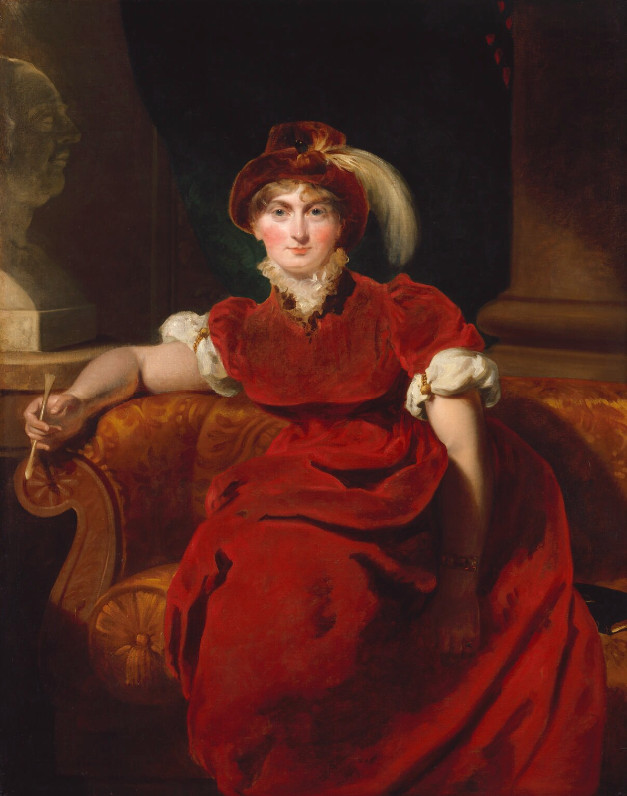
In this episode, we hear a bit of our lovely 10th anniversary show in Berlin, and DLS co-founder Katy Derbyshire gives us the rundown on Caroline of Brunswick, who was officially queen of the United Kingdom and Hanover for three whole weeks before she died in 1821, long-estranged from her horrible husband, her cousin King George IV. They had separated shortly after the birth of their only child, and Caroline’s access to her daughter was restricted. She later moved to Italy, celebrated the right to bare arms, and lived with a handsome secretary, prompting huge amounts of gossip and countless caricatures. When George ascended to the throne, Caroline tried to cash in on her popularity and become queen, but she was literally locked out of the coronation.
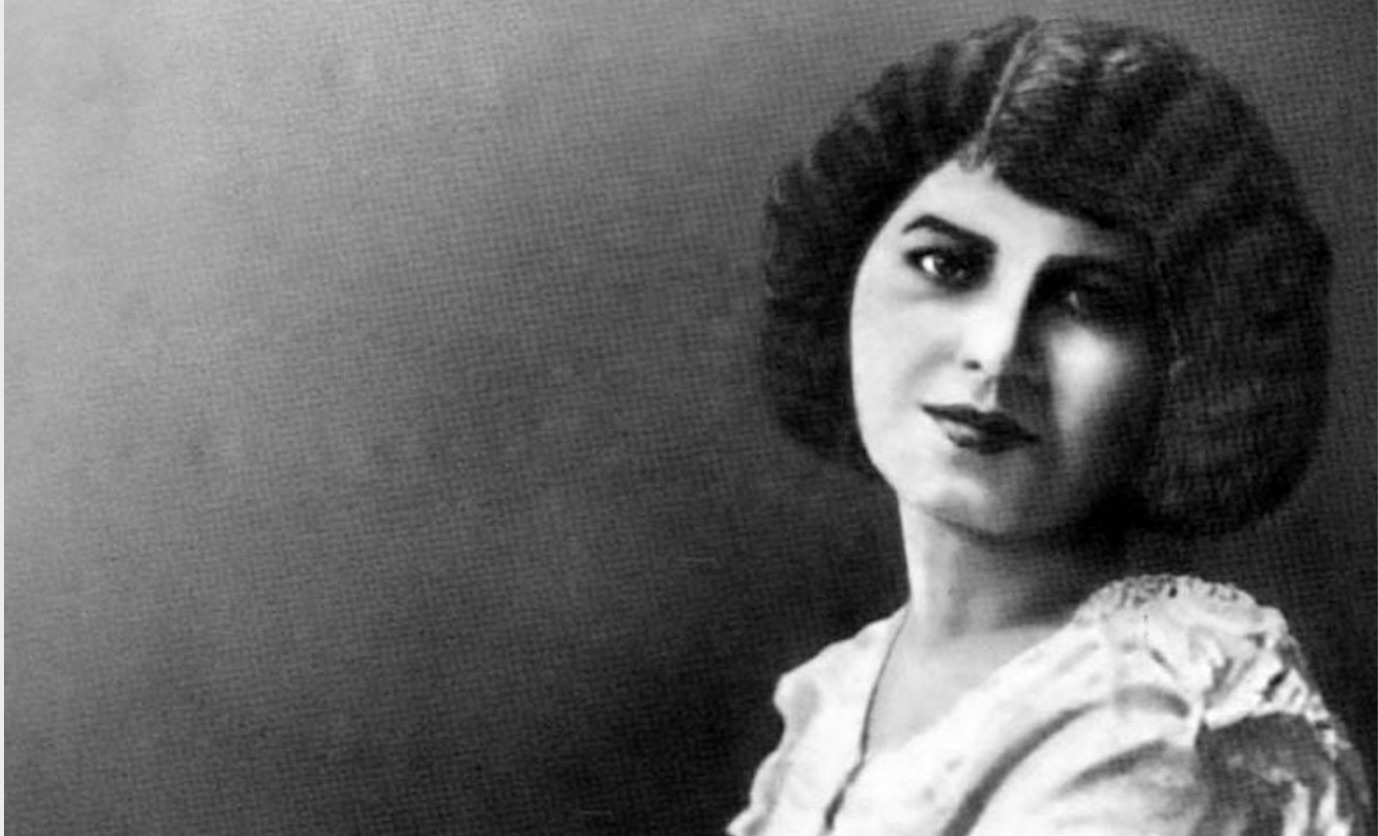
In this episode, we hop over to New York to encounter our Dead Lady of the hour, May Ziadeh, a Lebanese-Palestinian poet, writer, translator, and feminist, whose work explored themes of love, identity, and the liberation of women. Books were her beloved companions throughout her life, and proved more steadfast than people. May began writing at an early age, started an important literary salon, and had moments of fame, but is perhaps better known for the years of isolation and tragedy that marked her life. She deserves more. May wrote in her diary: “After my death, I hope that someone will do me justice and find the sincerity and honesty contained in my small writings.”
Our presenter is Rosana Elkhatib, a designer, researcher, and curator. She is a co-founding principal of feminist architecture collaborative f-architecture and has taught at Columbia University’s Graduate School of Architecture Planning and Preservation.
DLS co-founder Katy Derbyshire joins host/producer Susan Stone to introduce the talk.
Thanks to the team at Dead Ladies NYC for sharing this presentation with us: Molly O’Laughlin Kemper, Sheila Enright, Christopher Neil and the KGB Bar’s Lori Schwarz.
In this episode of our podcast, DLS co-host Florian Duijsens tells us about journalist, writer, and witness to history Dorothy Thompson. As a foreign correspondent in Germany, she was among the first to caution against the growing tides of fascism, warning urgently against the Nazis and Hitler. Unfortunately, the world didn’t listen. Dorothy continued to speak out throughout her life, and during her career peak, was read and heard on the radio by millions.
Her personal life at times also made the news — she was married to Pulitzer Prize-winning author and alcoholic Sinclair ‘Hal’ Lewis but was also less openly involved with German-Hungarian novelist, playwright and sculptor Christa Winsloe, the author of the notorious girl’s boarding school lesbian story which became Mädchen in Uniform, an even more notorious film starring Dead Lady Romy Schneider.
Katy Derbyshire, our other DLS co-founder joins host/producer Susan Stone to introduce the story.
We’re back with Season Eight of the Dead Ladies Show Podcast!
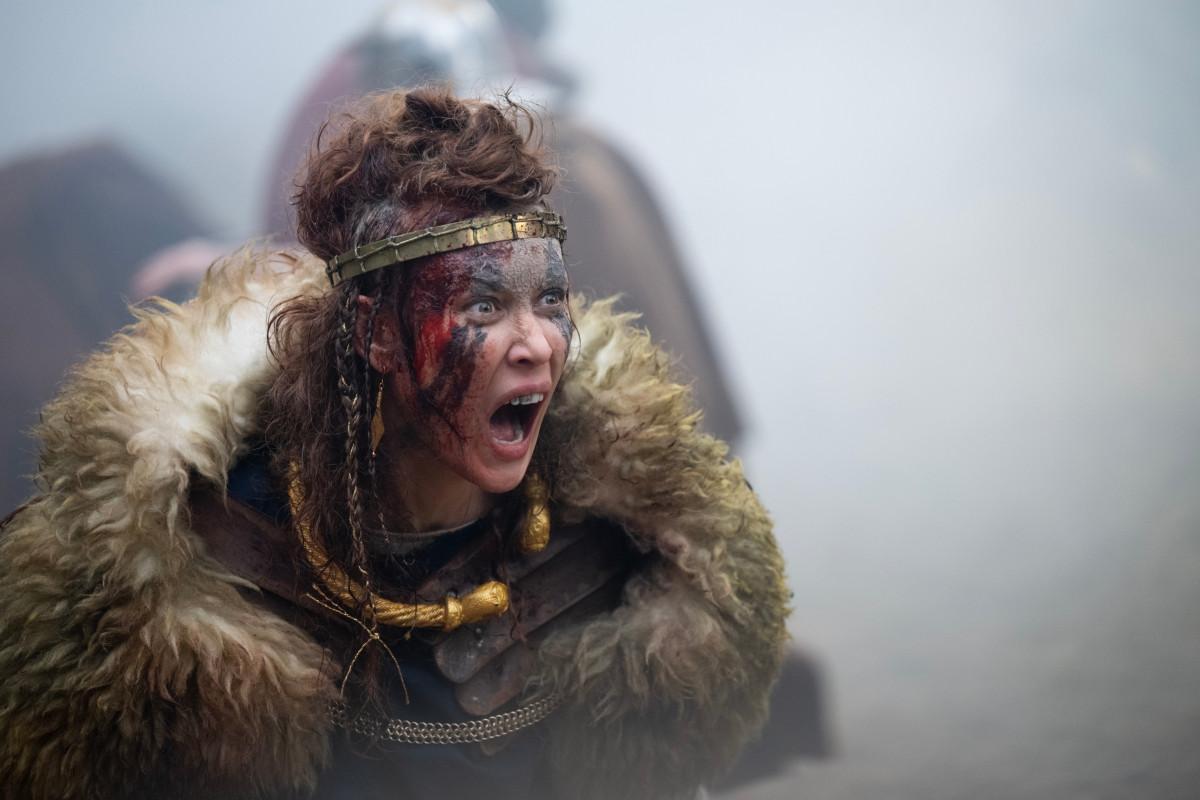
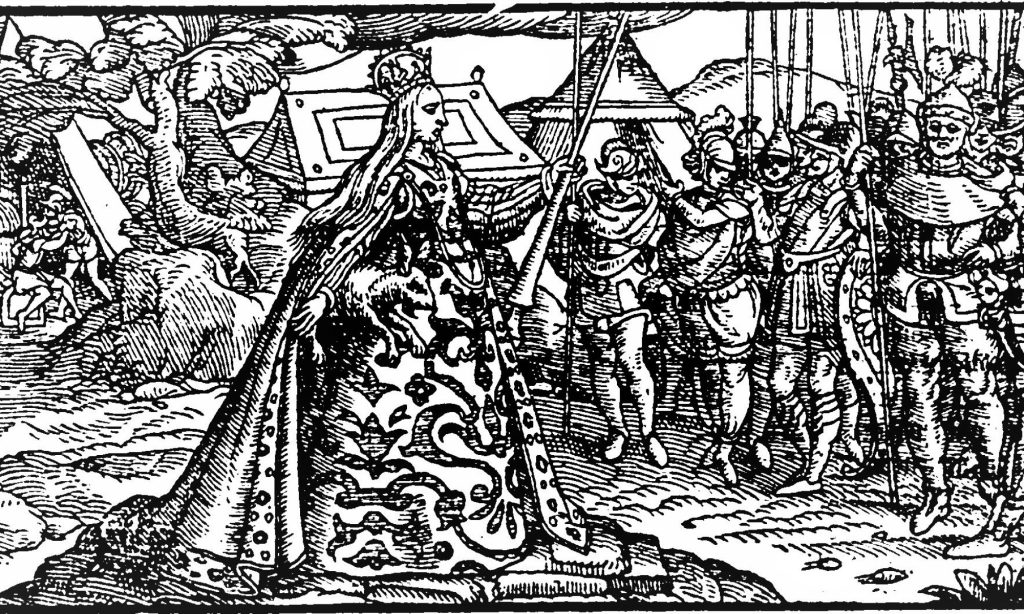
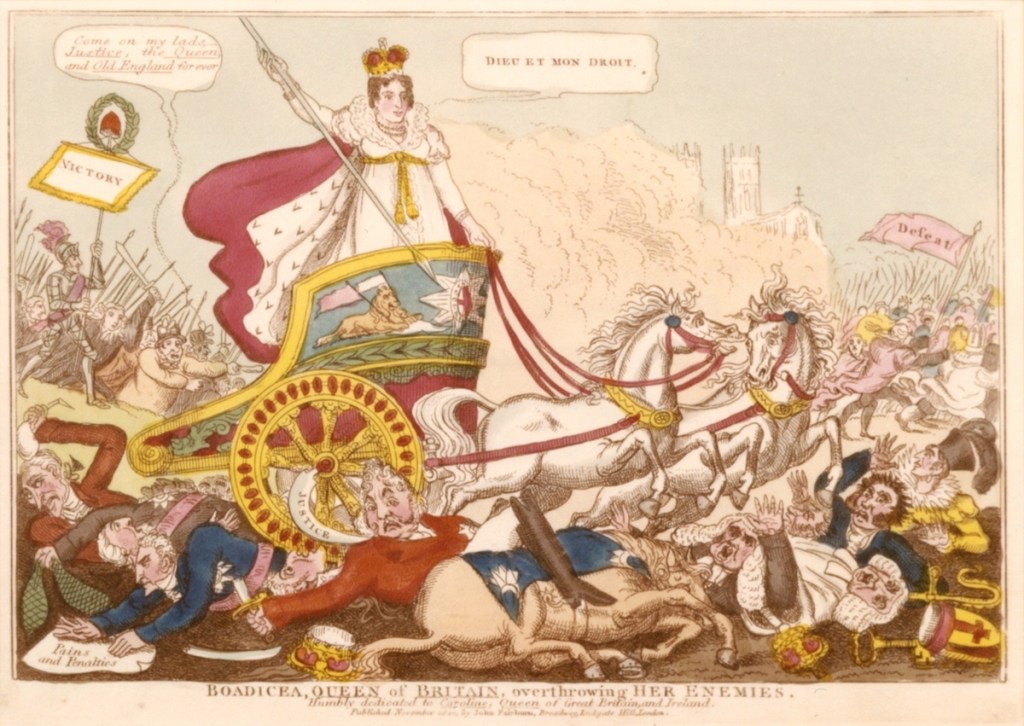
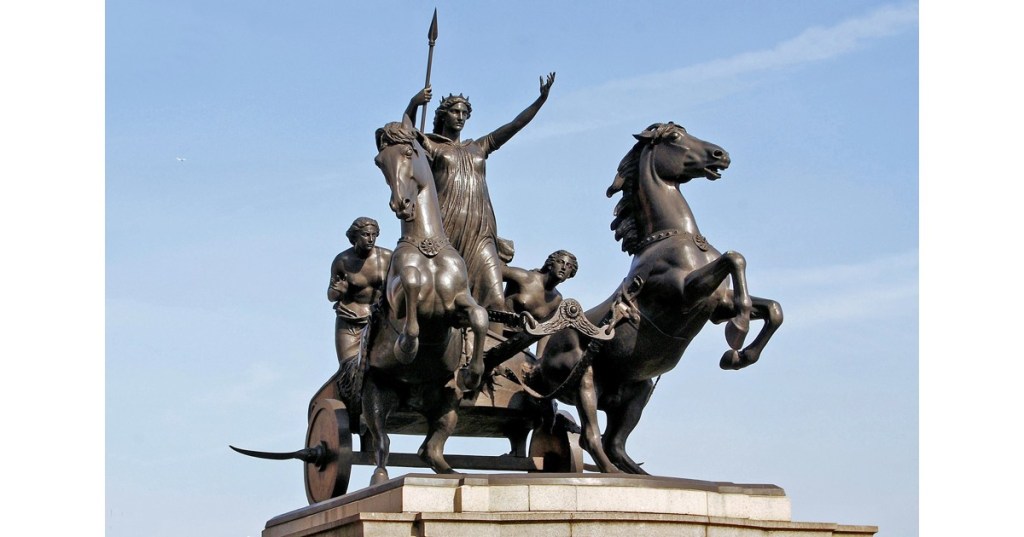
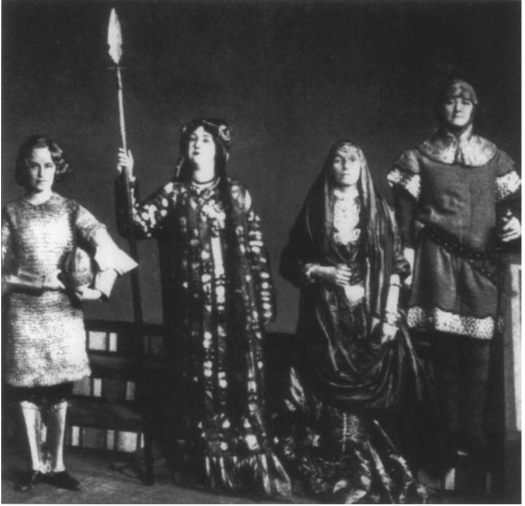
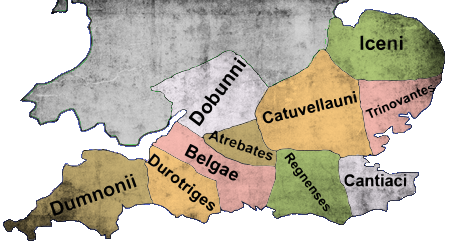
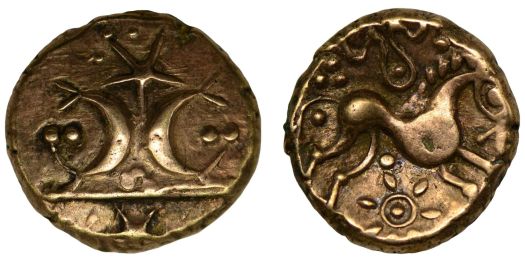
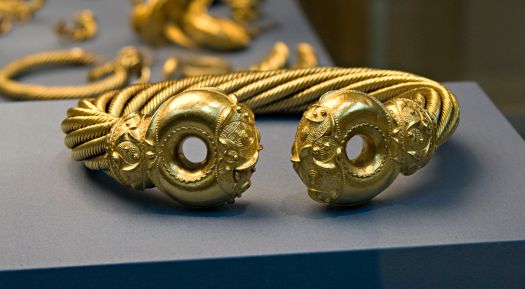
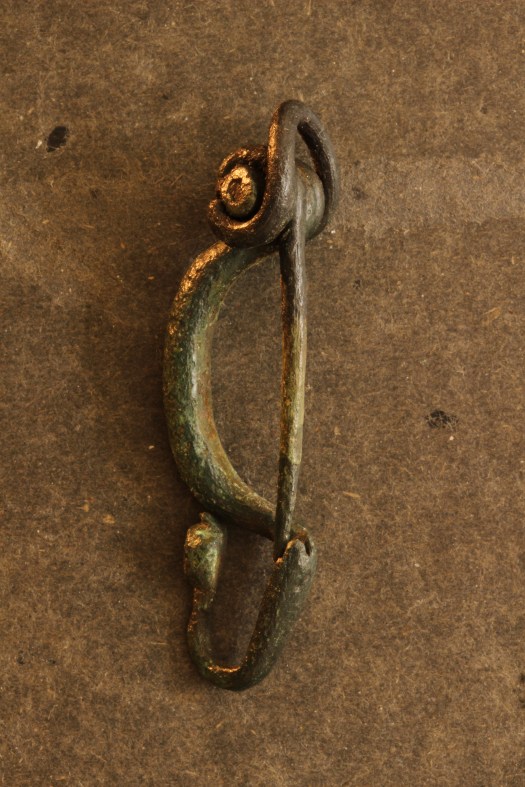
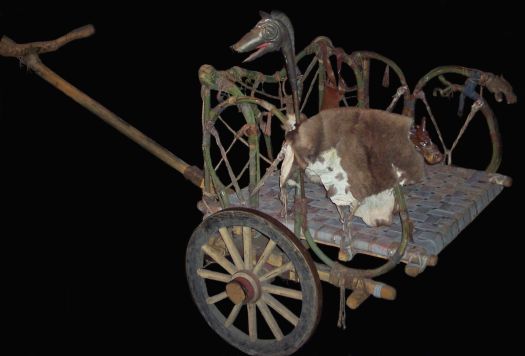
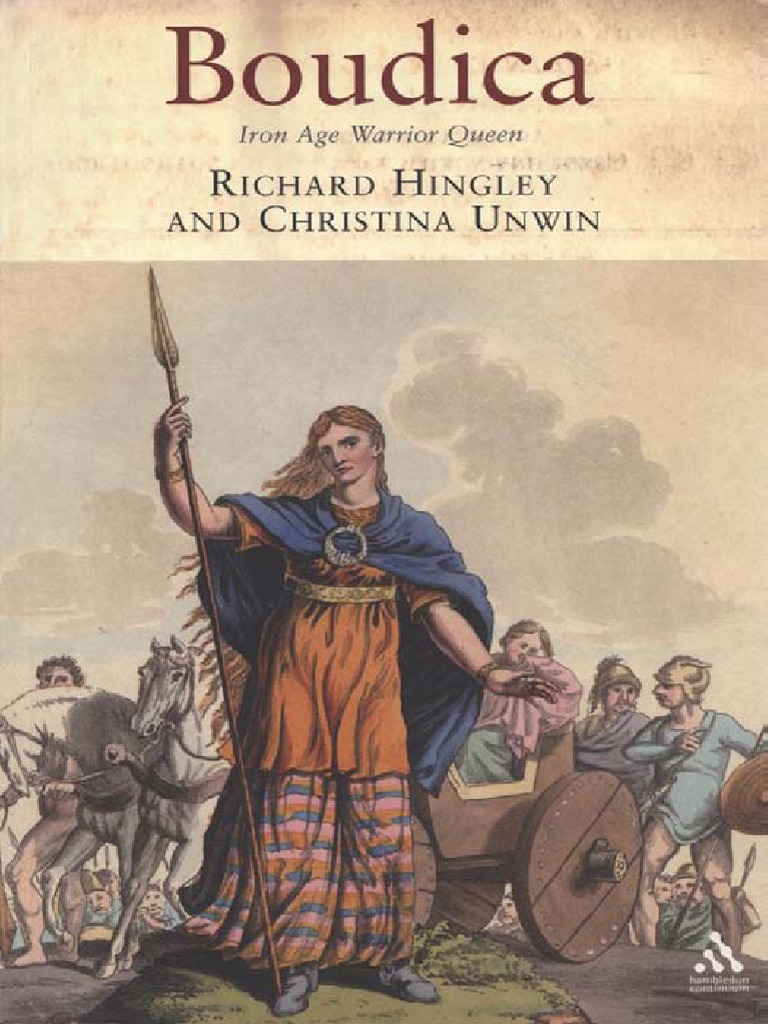
In this episode, DLS co-founder Katy Derbyshire brings us the story of Boudica, an ancient British queen who fought the Romans. Though she led her Iceni tribe in a rebellion, the Romans prevailed, but wrote a fair bit about her in the history books.
In her afterlife, Boudica became a mascot for the suffragettes but also co-opted as a symbol for all things British; also, Enya wrote a song about her.
DLS co-founder Florian Duijsens joins producer/host Susan Stone to set the stage.
It’s our last episode of Season Seven, and our last episode of 2024, which means it’s Rotkäppchen time! Join us as we toast to Dead Ladies with German fizzy wine, and hear the story of another fabulous woman.
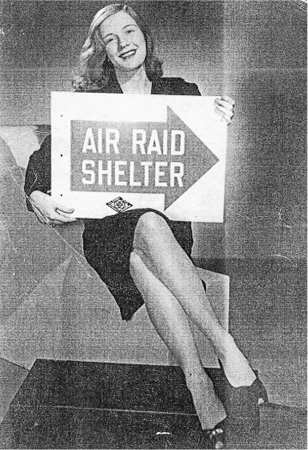
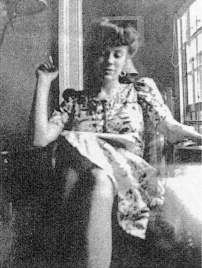
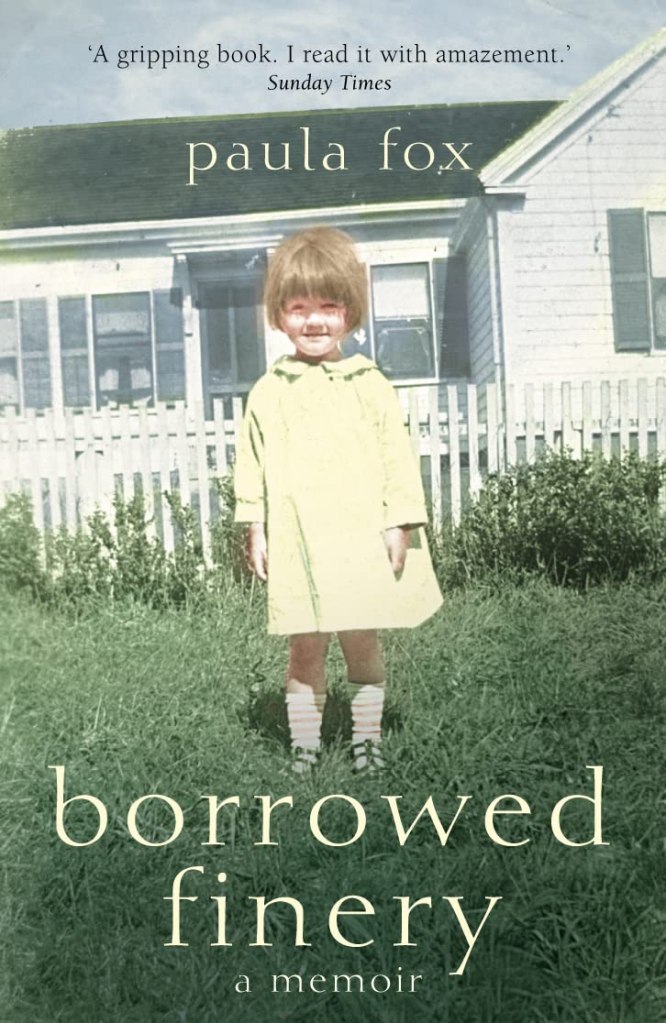
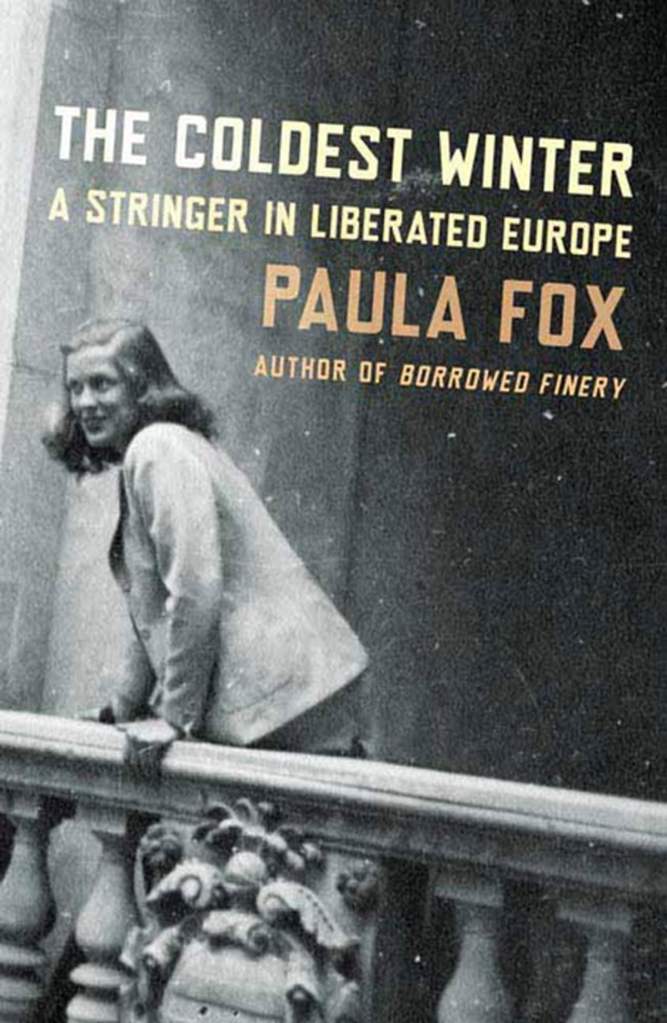
DLS cofounders Katy Derbyshire and Florian Duijsens join the party as we get ready to hear the story of writer Paula Fox. As Florian explains, this talented author’s personal plot twists and turns include a stint as foreign correspondent, receiving a baby alligator in the mail, writing award-winning children’s books and a novel adapted for a film starring Shirley MacLaine, oh—also being Courtney Love’s grandmother (but not knowing that for decades).
Want to hear our end of year review and our Dead Lady gift list chat? This time it’s exclusive on Patreon, but you can join up starting at only $2 or 2€ and get access to all our special content past, present, and future. You can also gift (or request) a subscription to the Dead Ladies Show by following this link.
We can tell you this already: we will be live in Berlin on February 16th and May 13th, when we celebrate our 10th anniversary of the Dead Ladies Show in Berlin! Save the date, dears!
If you’re in NYC, go see our pals Dead Ladies Show NYC on January 16 at the KGB Bar Red Room. Find out more from them on Instagram @deadladiesnyc or join up for their newsletter if you like here.
We’d also be pleased as punch if you follow us on social media @deadladiesshow where we share pictures and info about all of the wonderful Dead Ladies we’ve covered so far. You can also drop us a line via info@deadladiesshow.com and we’re on BlueSky too!
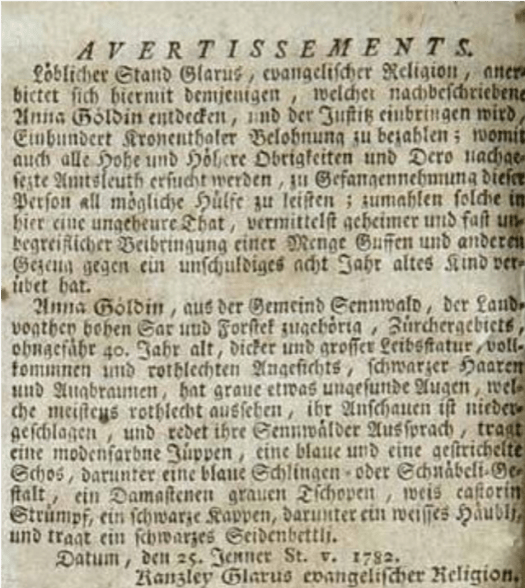
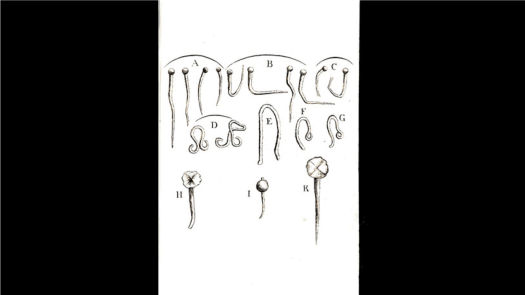
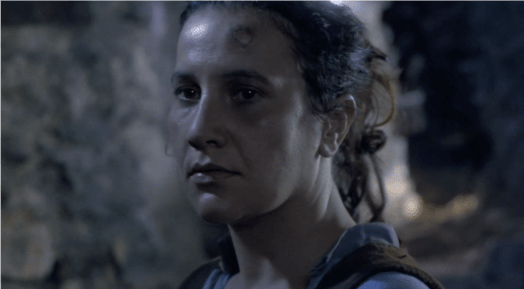
In this episode we hear a story that feels sadly relevant—a miscarriage of justice. Anna Göldi was the last woman to be legally executed after being accused of witchcraft in Switzerland, in 1782; just seven years before the French Revolution, and a century after witch trials were rampant in Europe (as well as infamously in Salem, Massachusetts). Anna came from a poor family, and worked as a maid in various households, but she was also an independent and freethinking woman. In 1781 she was looking after a young girl who allegedly began spitting up pins and nails.
Her wealthy employers accused her of witchcraft, and she was tortured until she admitted being in league with the devil. Anna Göldi was sentenced to death by decapitation for poisoning, even though the girl had not died. Not until 2007 was her case reevaluated and her name cleared. There’s now a museum, several podcasts, films and books that cover Anna’s life and story. DLS co-founder Katy Derbyshire tells it for us, and host/producer Susan Stone and our other co-founder Florian Duijsens come along to set things up.
Wedding party looks like fun; the subsequent trial and penalty less so.
Glarus back then
A woman operating a mechanical loom, in development during 1780s
Masha Karrell in the Anna Göldi musical
Dr Tschudi’s house in Glarus, now the Anna Göldi Museum
The wanted notice
The pins as illustrated in the new media
Cornelia Kempers in Gertrud Pinkus’s Anna Göldi feature film
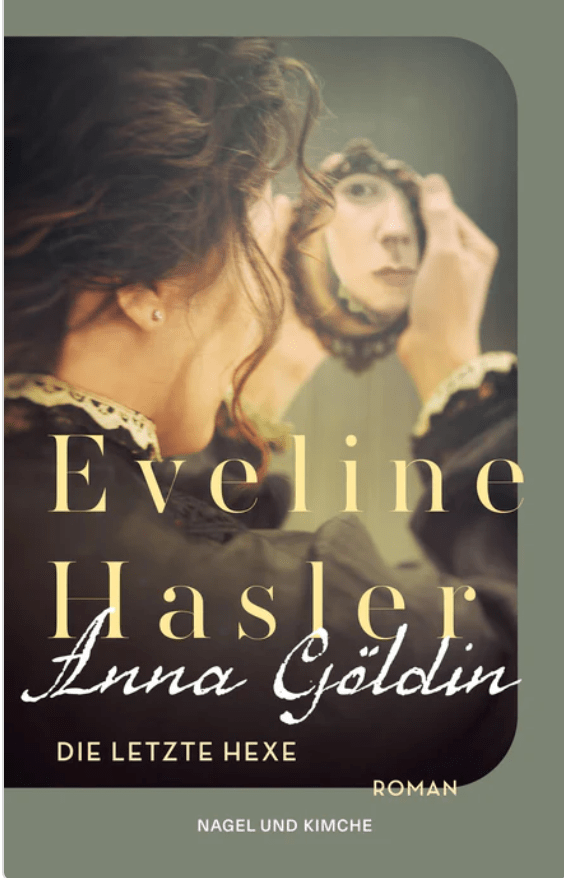
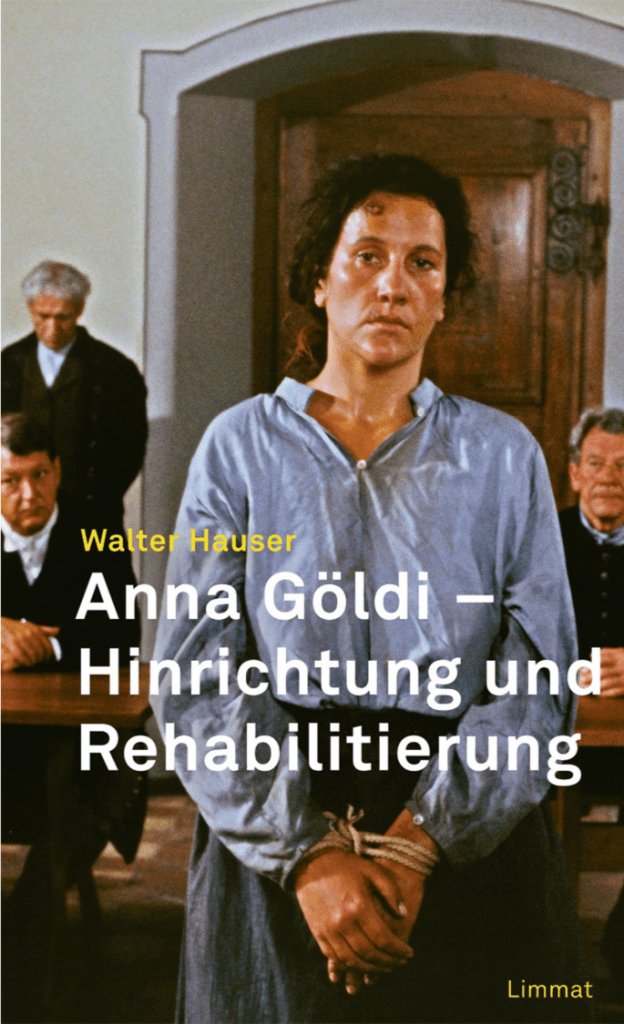
Two German books about Anna: the novel (left) by Eveline Hasler and one of several excellent non-fiction books by Walter Hauser, who campaigned for her rehabilitation.
The Dead Ladies Show is a series of entertaining and inspiring talks about women who achieved amazing things against all odds, presented live in Berlin and beyond. This podcast is based on that series. Because women’s history is everyone’s history.
The Dead Ladies Show was founded by Florian Duijsens and Katy Derbyshire.
The podcast is created, produced, edited, and presented by Susan Stone.
In this episode, Rachel Pronger of the Invisible Women film collective brings us the story of iconoclastic Czech film multi-talent Ester Krumbachová. Ester was a screen writer, costume and stage designer, author, and film director. Her work was quirky, colorful, and political, lashing out at patriarchy and authoritarianism. She had a defining influence on Czech New Wave cinema, collaborating on more than twenty movies from the early 1960s on, including the delightful Daisies and the perplexing Murdering the Devil. Her involvement in the satire A Report on the Party and Guests meant she was blacklisted from working in film by the Czechoslovakian communist party during much of the 1980s. She worked under pseudonyms, painted and made jewelry, returning to the film industry in the 1990s.
DLS co-founder Katy Derbyshire joins producer/host Susan Stone to set the scene.
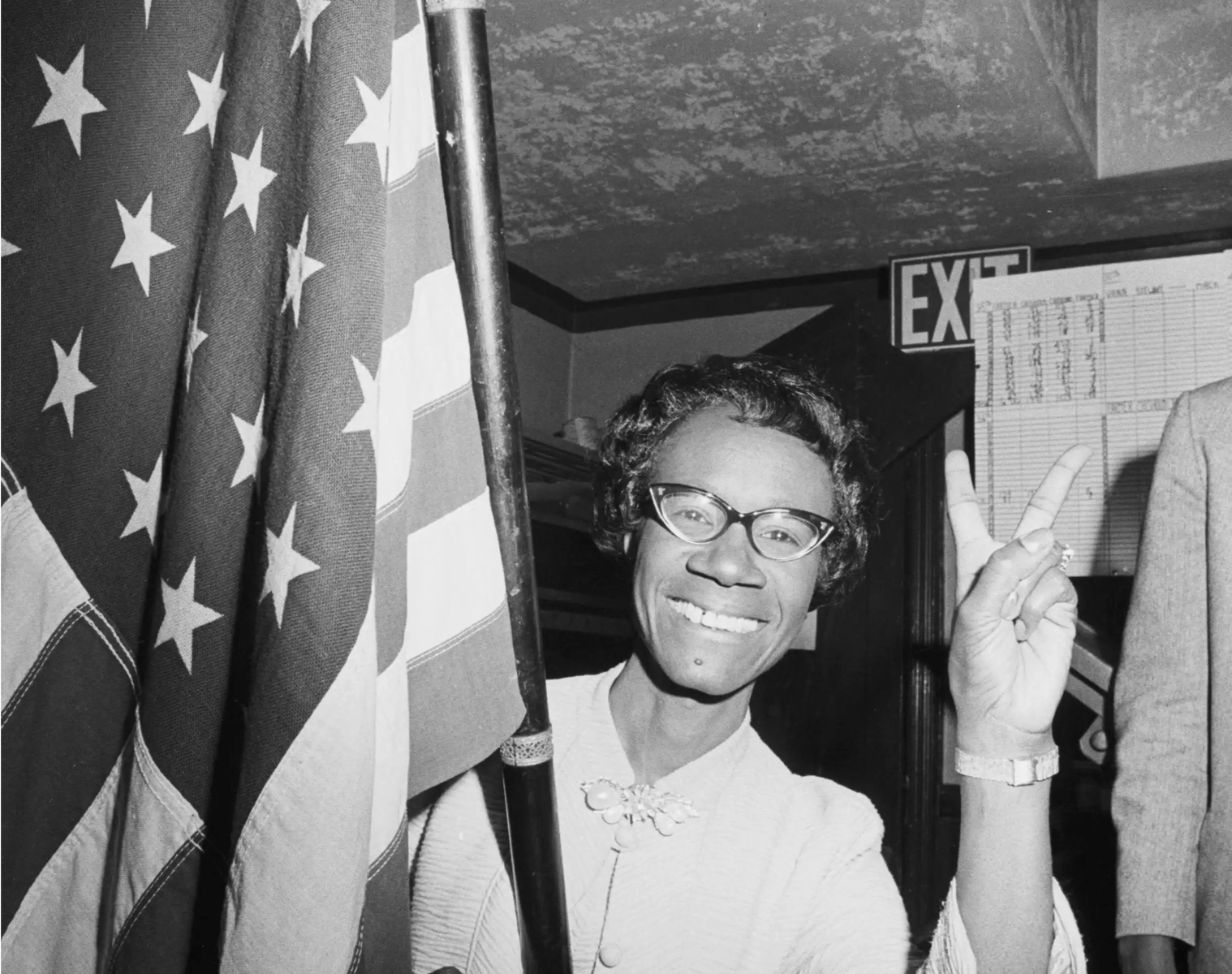
In this episode, we’re live at PodFest Berlin! DLS co-founders Katy Derbyshire and Florian Duijsens do the introducing, while DLSP Producer Susan Stone tells us about the amazing life of Shirley Chisholm, the first Black woman elected to the United States Congress (in 1968). Four years later, Shirley was the first Black person and the first woman to run for the Democratic Party’s presidential nomination. She was known for her hard work on behalf of equal rights, introducing legislation that helped women and children, workers and the poor. Additionally, she was called the “best dressed woman on Capitol Hill” for her sharp style. Shirley’s legendary campaign slogan was “Unbought and unbossed,” and she kept the philosophy throughout her long political career. Shirley never wanted to be remembered as the “first” this or that, but as someone who fought for change and blazed a path for those like her in politics. Her legacy is undeniable.
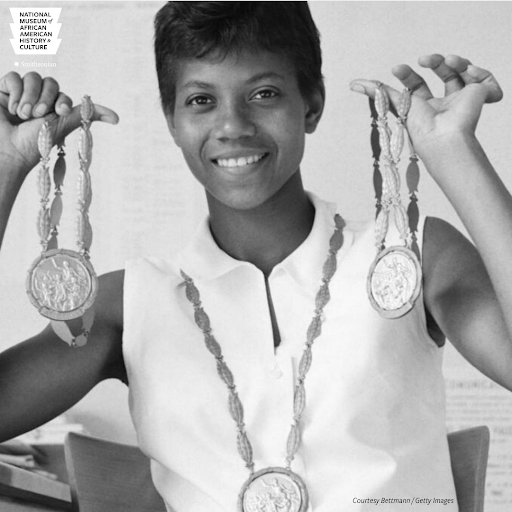
In this episode we run off to New York to get a post-Olympic sports fix! Writer and editor Sheila Enright who is both a former track and field runner and co-host of Dead Ladies NYC brings us the story of American gold medallist Wilma Rudolph.
Born into a family of 22 children in segregated Tennessee, Wilma Rudolph was diagnosed with polio at a young age and told she would never walk again. But her mother told her she would, and young Wilma decided not only would she walk, she would run! A skilled sprinter, she qualified for her first Olympics at the age of 16, bringing home a bronze medal as part of the relay team. She decided to go further, faster, and at the 1960 Olympics she set records and won 3 gold medals, being dubbed “The Fastest Woman on Earth.”
During and after her athletic career, Wilma Rudolph used her celebrity to further important causes, from desegregation to sports education for children.
In this episode of our podcast, DLS co-founder Katy Derbyshire brings us the story of Therese Giehse, a German actor, pacifist and exile known for founding an anti-Nazi cabaret (which, really, we could all get behind these days). Therese had artistic and other adventures with her lover Erika Mann (daughter of Thomas Mann), was photographed by Annemarie Schwarzenbach, and embodied several of Bertolt Brecht’s best-known characters on stage. She also acted in movies with Vivien Leigh and previous DLS star Romy Schneider.
Born in Munich in 1898, she went against her liberal Jewish family’s expectations to train as an actor, cast as older characters even as a young woman. The Pfeffermühle cabaret started up in 1933, swiftly moving to Zürich to escape the Nazis. With Erika and Klaus Mann, Giehse toured the political show around Europe, never mentioning any names but using parables and storytelling to rip the piss out of Hitler and his henchmen.
Therese returned to Zürich in 1937, where she joined the outstanding cast at the Schauspielhaus theatre, many of them also emigrants like her. During the war, she performed in the premiere staging of Brecht’s anti-war play Mother Courage, defining the title role in what some directors have called the greatest play of the 20th century.
She went on working with Brecht and other key playwrights and directors after 1945, in Munich, Zürich and East Berlin. Therese Giehse maintained her pacifist stance throughout her life, criticizing the Vietnam War at public events. She died in 1975 and is buried with her sister in Zürich.